Diamond is the hardest known natural material, composed purely of carbon in a rigid cubic crystal lattice. It is most commonly found in kimberlite pipes or secondary alluvial deposits, often exhibiting octahedral or dodecahedral habits with a distinctive adamantine luster.
Is this diamond?
5-step field checkRun through these checks against the specimen in your hand. The more boxes tick, the more confident the ID.
- 1Test the hardnessTry to scratch diamond with a known reference. Diamond sits at Mohs 10 — softer than the next harder reference, harder than the previous one.
- 2Check the streakDrag the specimen across an unglazed porcelain plate. Diamond leaves a none streak.
- 3Read the lusterHold the specimen under a strong light. Diamond typically shows a adamantine luster.
- 4Match the color rangeCompare against the expected color range: colorless, yellow, brown, blue, pink, green, black.
- 5Look at form & habitCrystal system: cubic. Typical habit: octahedral crystals, cubic crystals, macles.
Often confused with
Diamond vs. its common look-alikes — and how to tell them apart in the field.
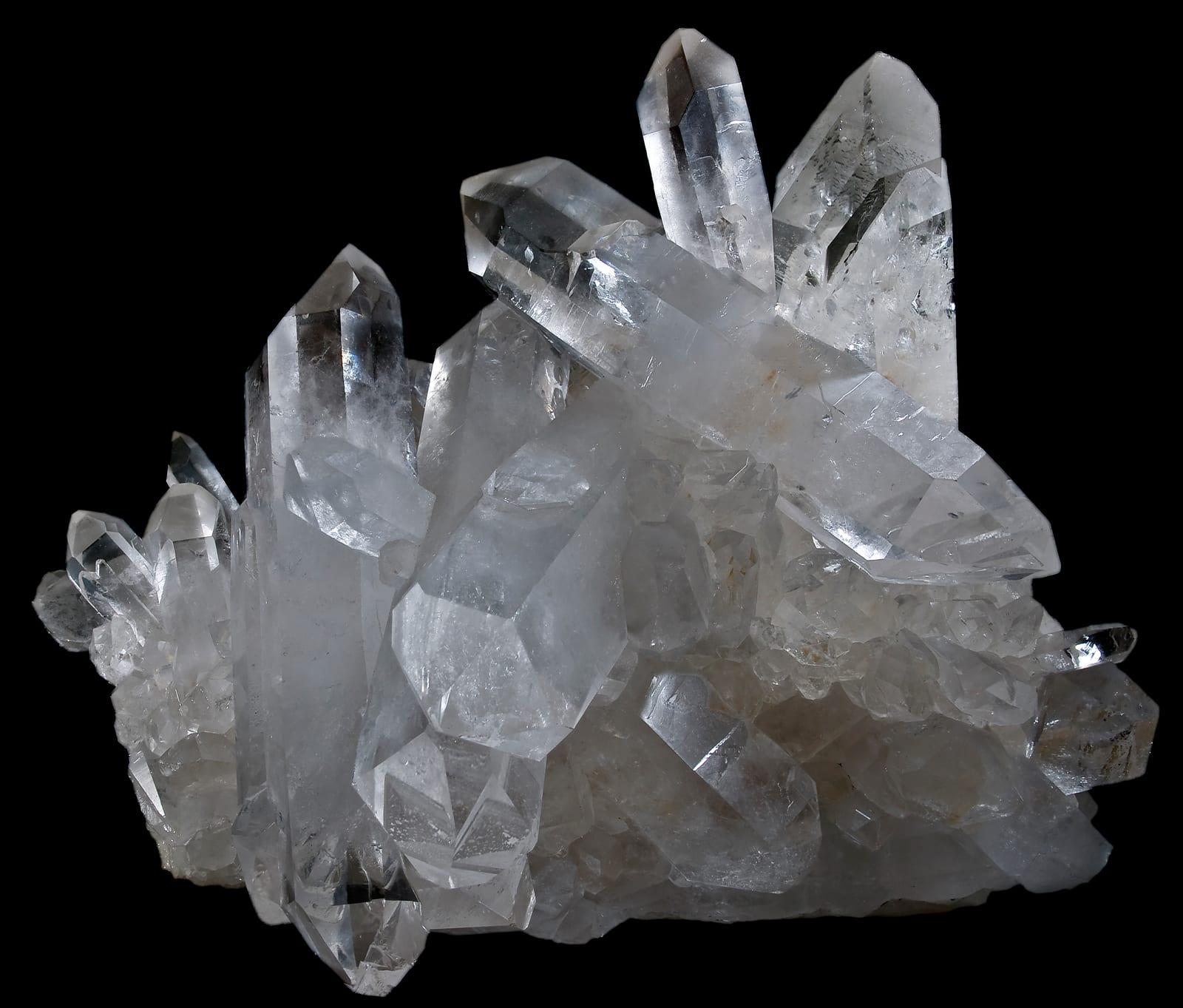
How to tell apart: Diamond is noticeably harder (Mohs 10 vs. 7); streak differs — Diamond leaves none, Quartz leaves white; luster reads adamantine on Diamond and vitreous on Quartz.
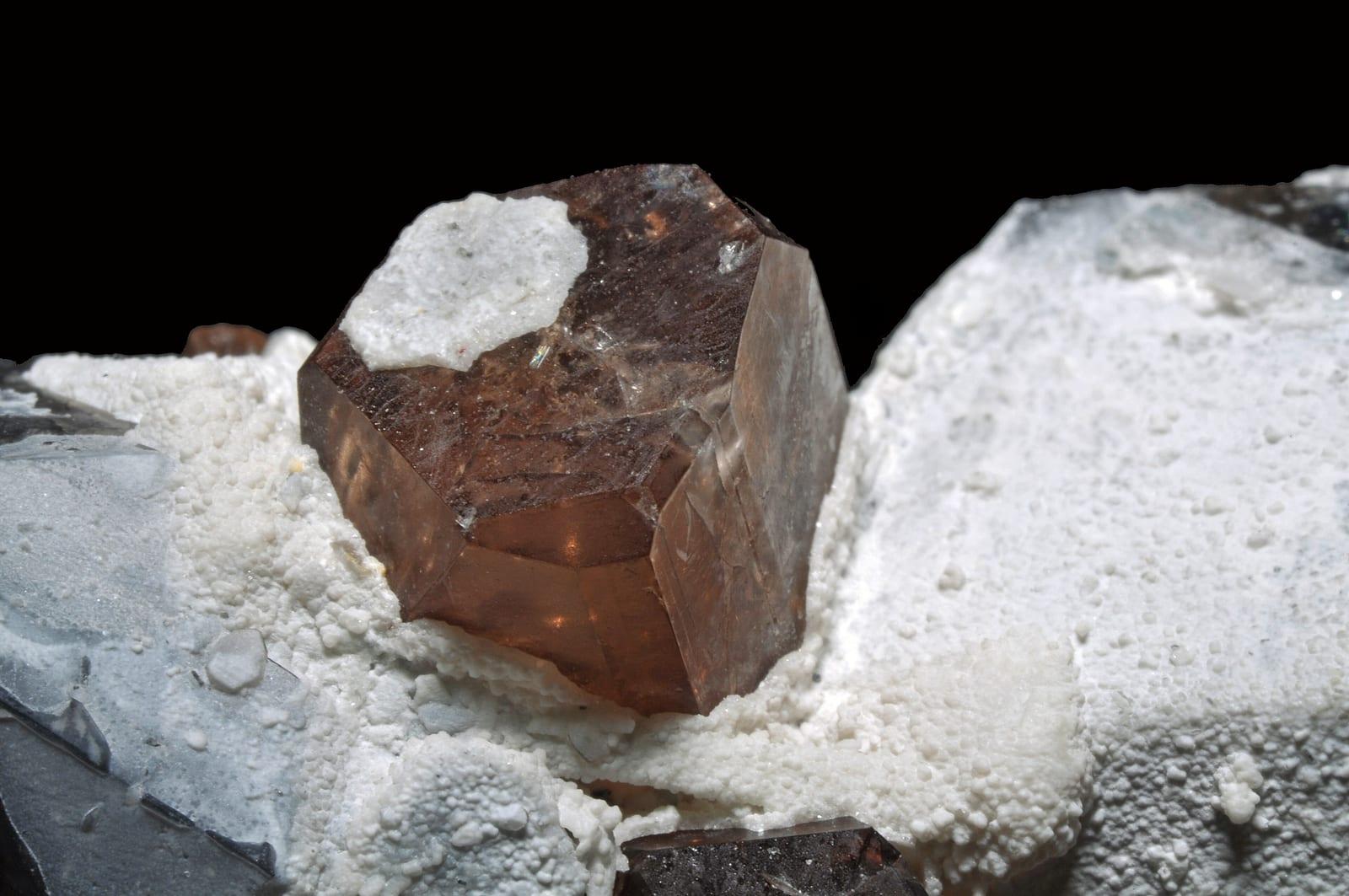
How to tell apart: Diamond is noticeably harder (Mohs 10 vs. 8); streak differs — Diamond leaves none, Topaz leaves white; luster reads adamantine on Diamond and vitreous on Topaz.
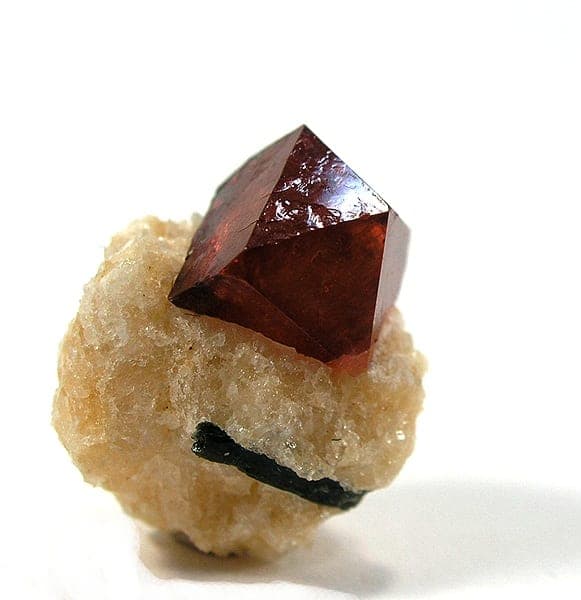
How to tell apart: Diamond is noticeably harder (Mohs 10 vs. 7.5); streak differs — Diamond leaves none, Zircon leaves white.
Often found alongside diamond
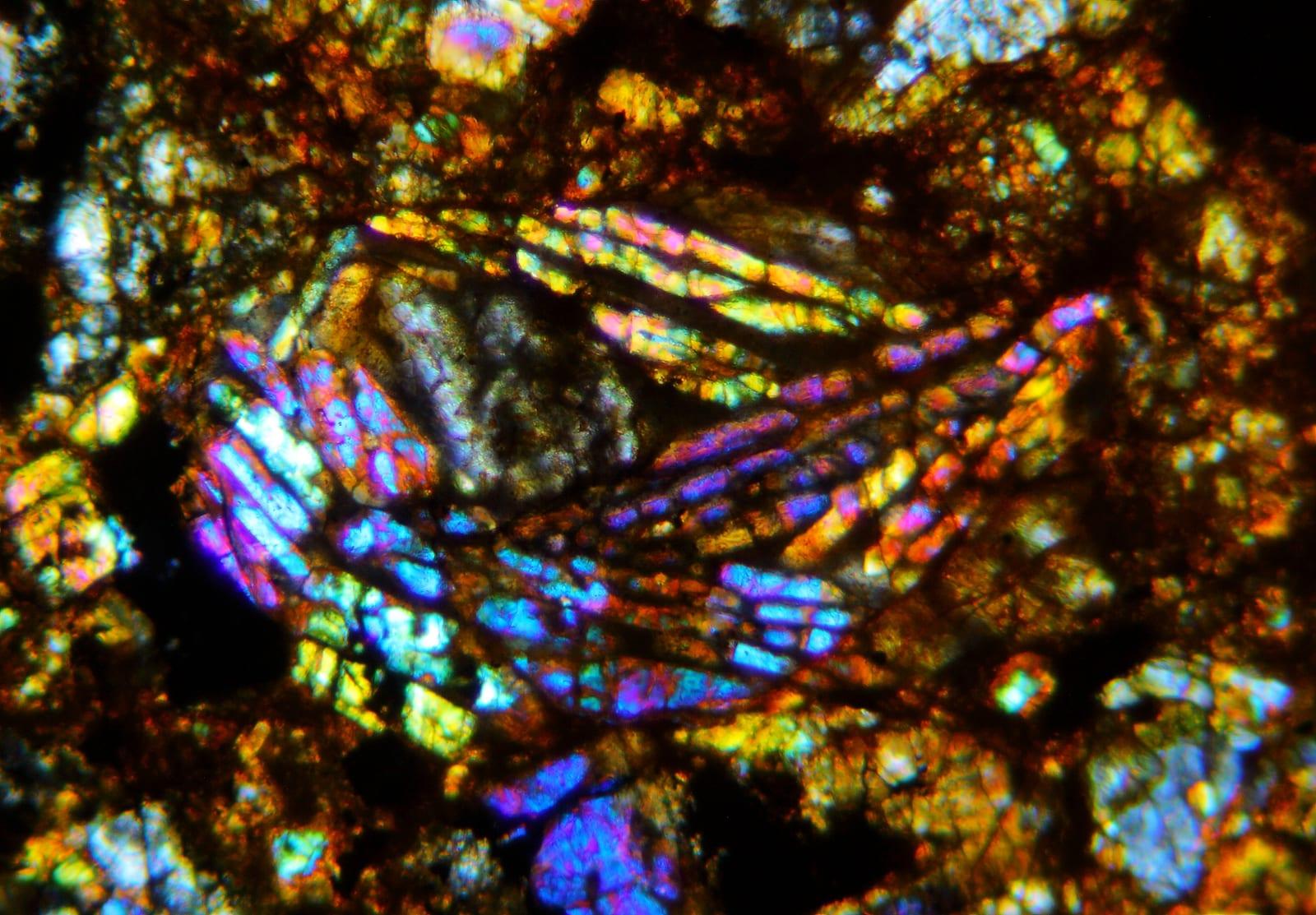
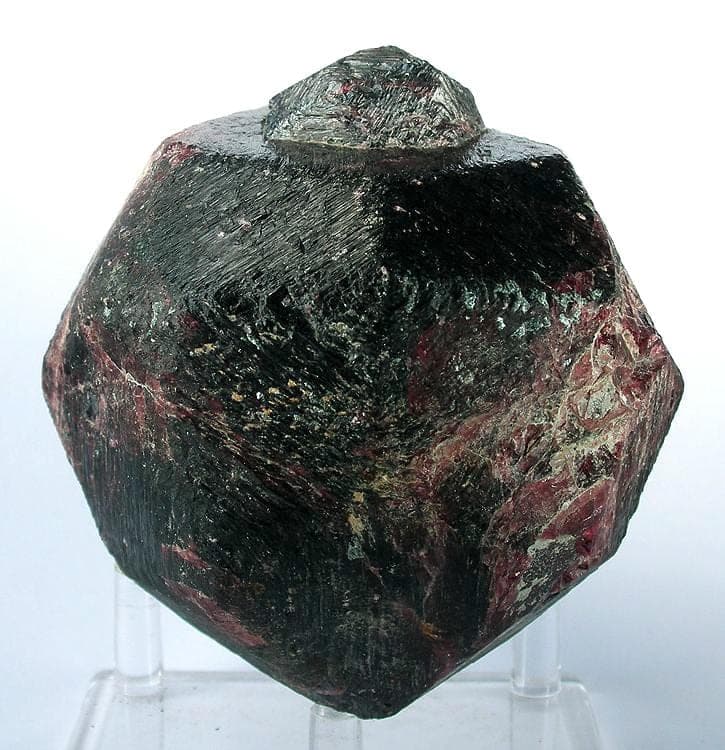
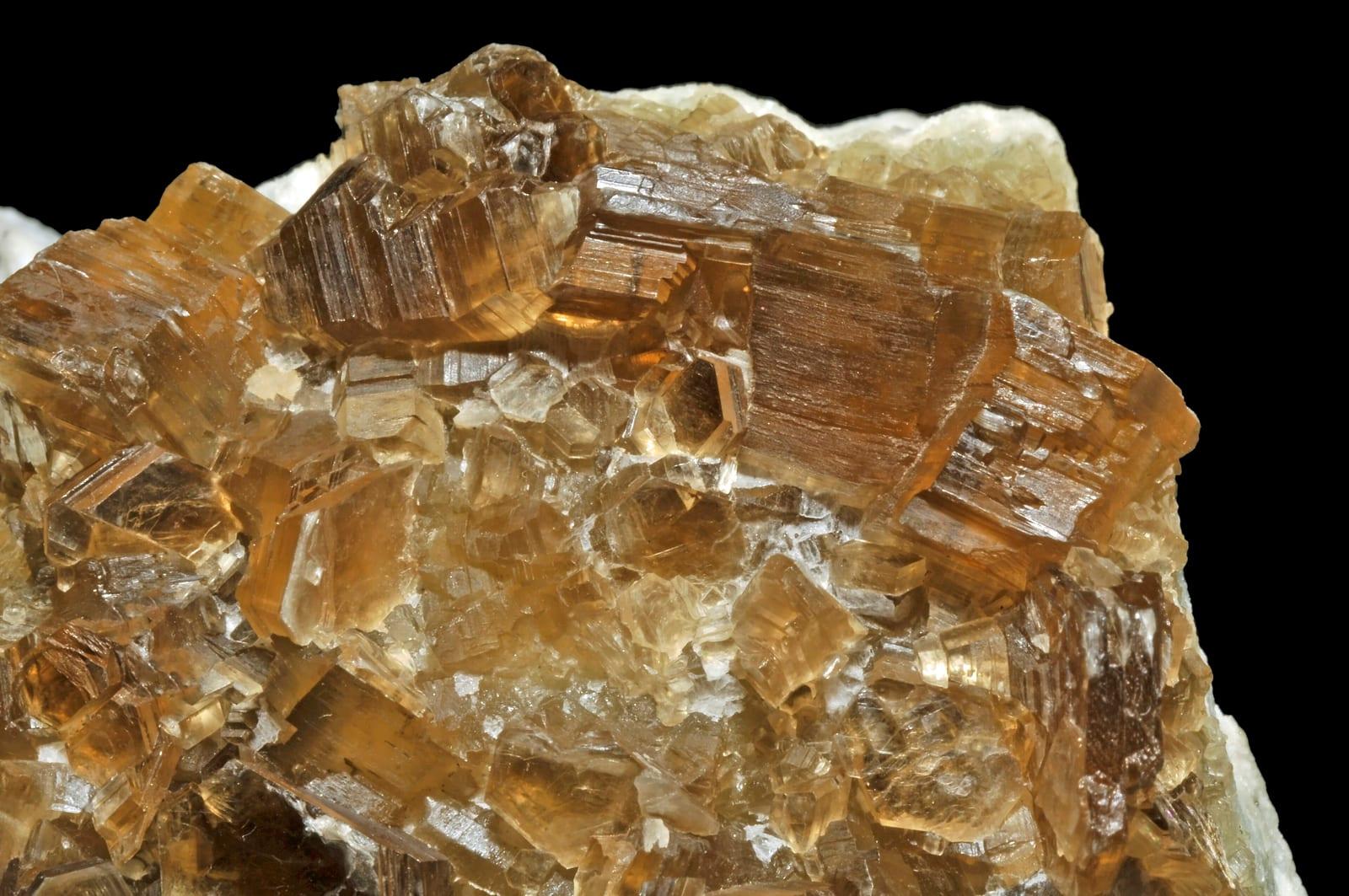
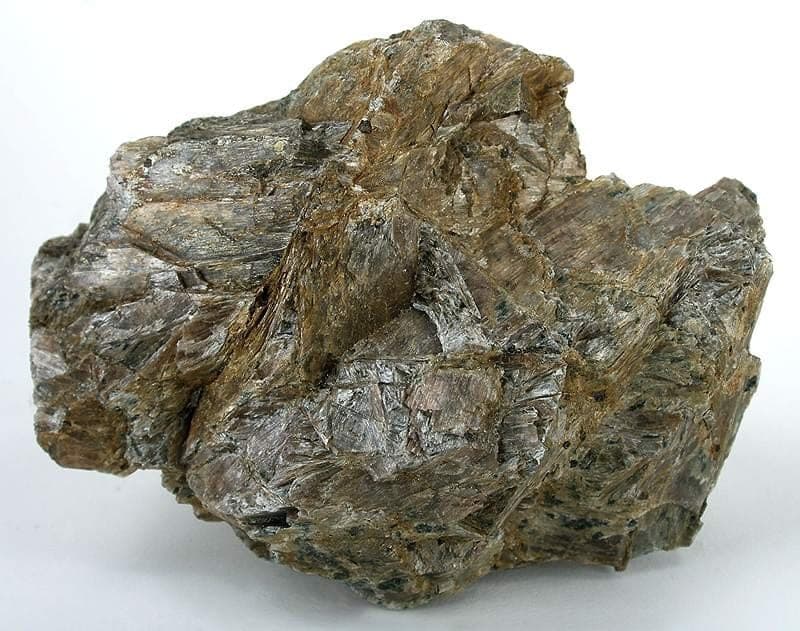
Minerals reported to co-occur with diamond. Spotting these in float or country rock is a strong cue you are in the right ground.
All properties
- Chemical formula
- C
- Mohs hardness
- 10
- Density
- 3.5-3.53 g/cm³
- Streak
- None
- Luster
- Adamantine
- Transparency
- Transparent
- Crystal system
- Cubic
- Crystal habit
- Octahedral Crystals, Cubic Crystals, Macles
- Cleavage
- Perfect Octahedral
- Fluorescence
- Variable, Often Blue Under LW UV
- Rarity
- Common
- Uses
- Gemstone, Industrial, Abrasive, Collector
- Host rock
- Kimberlite Pipes, Lamproite, Alluvial Gravels
- Typical price
- $100-500 thumbnail, $500-10000+ per carat depending on quality
Where rockhounds find diamond
26 mapped spotsClassic worldwide localities
- Botswana
- Russia
- Canada
- South Africa
- Australia
- Democratic Republic of the Congo
U.S. states with diamond
Each link opens a state-specific list of mapped rockhounding spots that produce diamond.
Field-hunting tip
Look in kimberlite pipes, lamproite, alluvial gravels country — that is the host setting where diamond typically forms. If you start seeing olivine, pyrope, ilmenite in float, you are in the right ground. Field specimens usually show a octahedral crystals, cubic crystals, macles habit, so train your eye for that shape before scanning the outcrop. In the U.S., the densest reported localities are in North Carolina, Wisconsin, California — start trip planning there.
Common questions
How do you identify diamond?+
Where is diamond found?+
Can I find diamond in the United States?+
How much is diamond worth?+
What rocks look like diamond?+
What minerals are found with diamond?+
What kind of rock does diamond form in?+
What is diamond used for?+
Find diamond on the map
RockHoundR shows mapped rockhounding spots, access rules, and lets you log every find.