Eastern Washington (Saddle Mountain, Beverly)
Petrified wood including Ginkgo wood (outside the state park), agate, and jasper in the Columbia Basin. Hot and dry in summer.
Updated August 2026
100 mapped spots across 30 counties. Washington has good public access for agate, petrified wood, quartz crystals, geodes, and fossils. Saddle Mountain, Walker Valley, Hansen Creek, and the Stonerose fossil site at Republic are the names most rockhounds start with.
The best rockhounding in Washington is at Crescent Beach in Clallam County (agate, chert), Red Top Mt. and Teanaway Ridge in Kittitas County (blue agate geode), and Liberty in Kittitas County (gold). In total, 100 mapped collecting spots across 30 counties produce agate, gold, and jasper, each listed below with coordinates and land access notes.
Representative spot and material photos from locations in this state, shown where verified public image records are available.
Map showing 100 rockhounding spots in Washington
Counts reflect how many spots in this list mention each mineral.
Notable areas: Walker Valley geodes, Hansen Creek quartz and amethyst, Saddle Mountain petrified wood, and Stonerose Eocene fossils are common Washington targets.
Eastern Washington is largely covered by Miocene Columbia River Basalts, which buried and silicified forests now collected as Saddle Mountain and Beverly petrified wood. The Cascades expose altered volcanics with quartz pockets and geodes, including Hansen Creek and Walker Valley. In the northeast, the Republic lake beds at Stonerose produce Eocene plant and insect fossils.
Petrified wood including Ginkgo wood (outside the state park), agate, and jasper in the Columbia Basin. Hot and dry in summer.
Walker Valley geodes near Mount Vernon, Hansen Creek quartz and amethyst crystals near Snoqualmie. Wet and brushy, gloves and boots required.
Eocene plant and insect fossils at the Stonerose Interpretive Center. Pay an entry fee, get a permit, dig the lakebed shale, and keep up to three specimens per visit.
Beach agates, jasper, and fossil wood along the Pacific shoreline. Olympic National Park is closed to collecting; nearby state and tribal beaches have separate rules.
East side: April–October. West side: drier May–September. Stonerose: open May 1 through October 31, weather dependent.
Cascade locations need rain gear and waterproof boots much of the year. East-side desert spots need sun protection and water. Stonerose loans hammers but bring safety glasses and a hand lens.
Washington designated petrified wood as its state gem in 1975. Near Vantage, the Ginkgo Petrified Forest preserves trees buried by basalt flows about 15 million years ago.
Day-trip range. Each section lists the closest mapped rockhounding spots within about 150 miles of the city. Most are inside a 2 to 3 hour drive.
6 closest spots to Seattle, WA.
6 closest spots to Spokane, WA.
6 closest spots to Yakima, WA.
Geology rarely respects state borders. These states share mapped rockhounding country with Washington, useful when Washington is the start, not the whole trip. Each card links to the closest county across the line.
County pages are linked once we have at least 3 mapped spots for a focused guide with coordinates, mineral notes, and nearby spots.
Hand-picked standouts from the Washington list, chosen for unusual mineralogy, documented public access, or both. Each card links to coordinates, access notes, and what to look for.
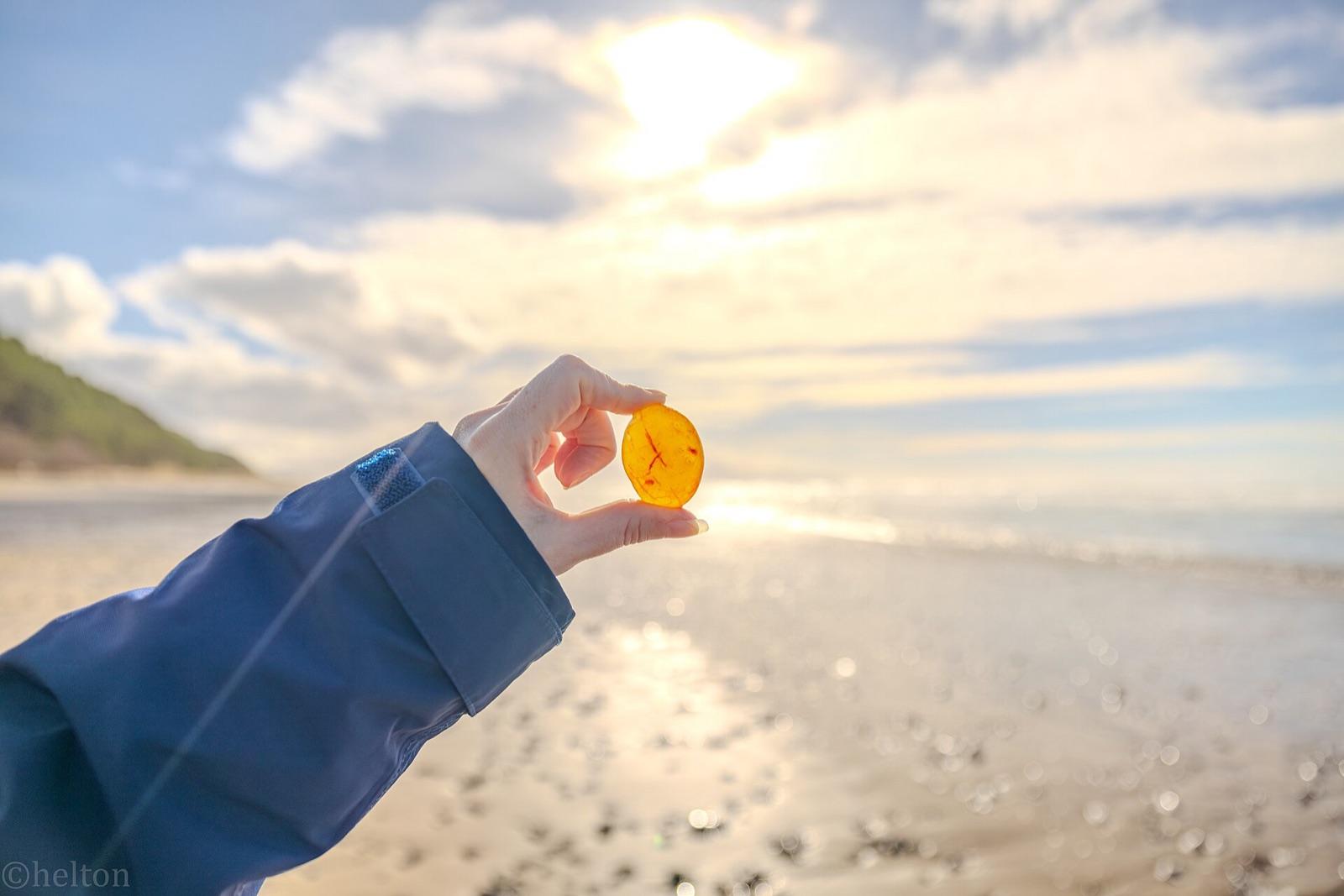 Top pick
Clallam County
Agates were once plentiful enough at Agate Bay, just west of Crescent Bay on the Strait of Juan de Fuca, to give the beach its name, and agate still weathers from the local basalt alongside variously colored chert and jasper.
Agate, Chert, Jasper
 Top pick
Kittitas County
Red Top Mountain sits on the Eocene Teanaway Basalt, the rock unit Washington geologists identify as the source of the area's chalcedony, agate, and quartz-lined geodes.
Blue Agate Geode
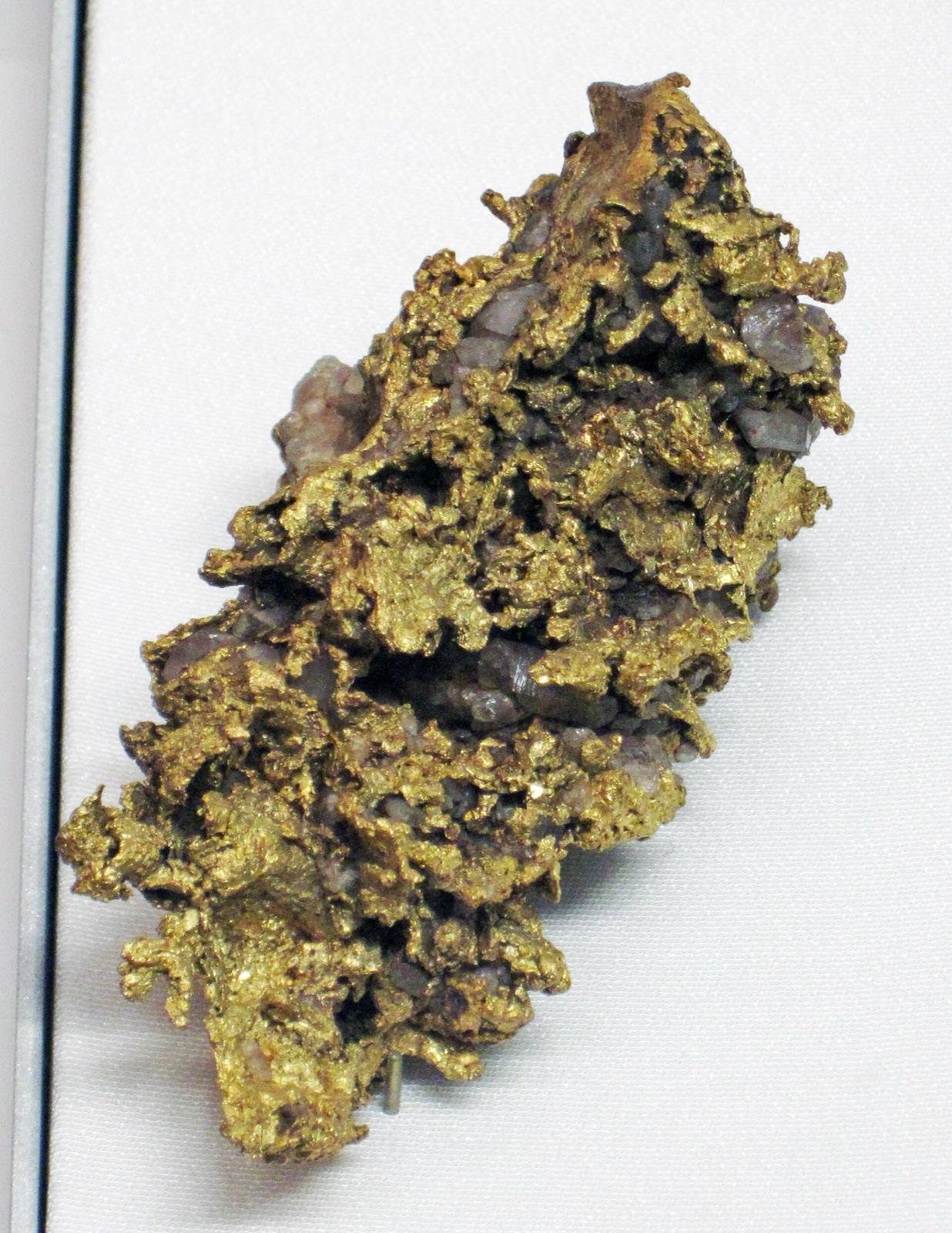 Top pick
Kittitas County
The Liberty and Swauk district produced some of the finest crystalline and wire gold specimens in the United States, formed in epithermal quartz veins above town and recovered as coarse nuggets in Swauk and Williams creeks.
Gold
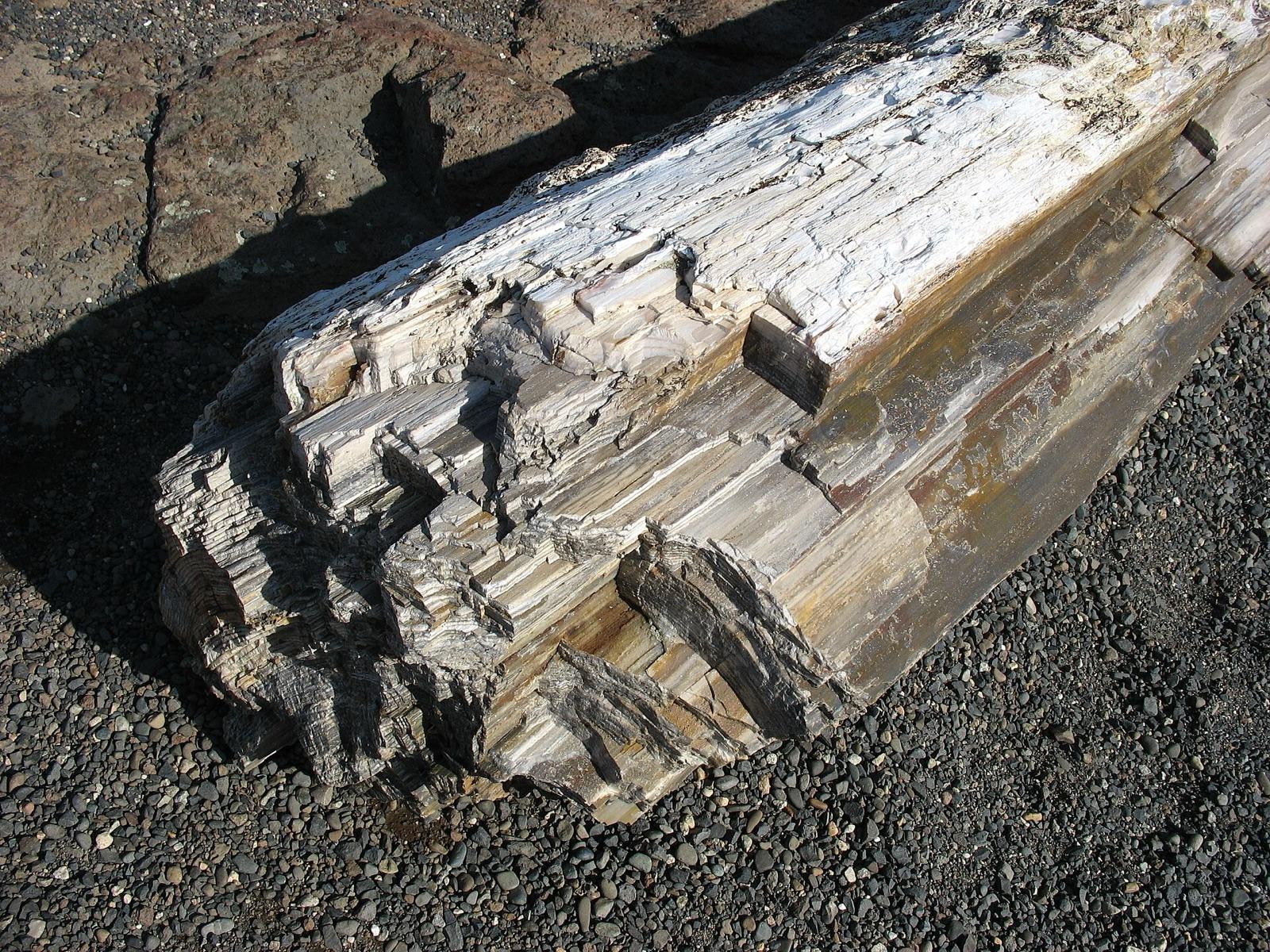 Top pick
Kittitas County
The Saddle Mountains expose a petrified forest preserved between Wanapum Basalt flows roughly 14 to 15 million years old, and the area is one of the few places where collectors can legally gather Washington's state gem on public land.
Opalized Wood, Petrified Wood
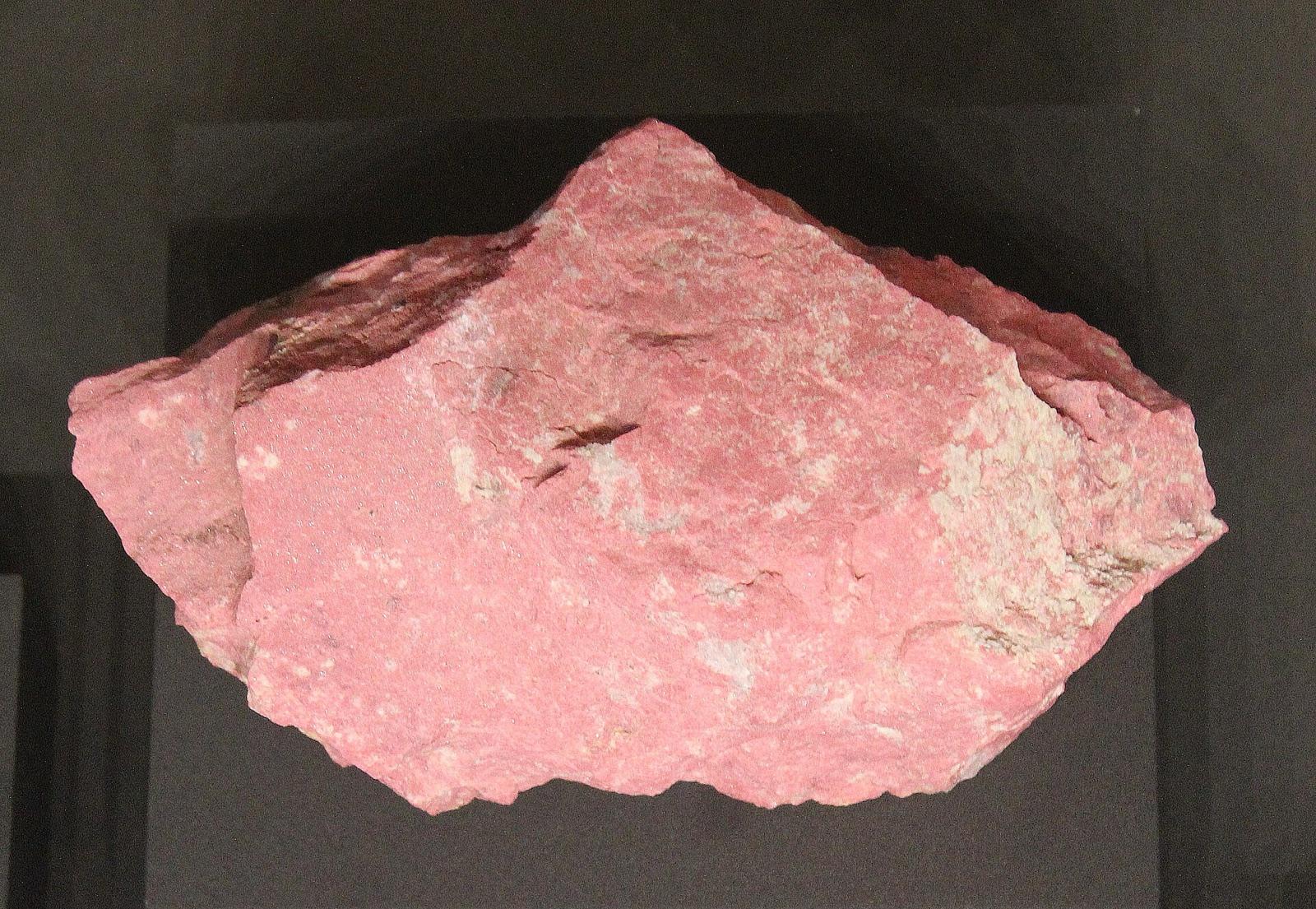 Top pick
Okanogan County
Tunk Creek is one of Washington's few documented thulite localities, where rose-pink thulite, a variety of zoisite, occurs in lenses up to three feet across within hornblende schist.
Quartz, Blue Corundum, Pink Corundum, Thulite
 Top pick
Franklin County
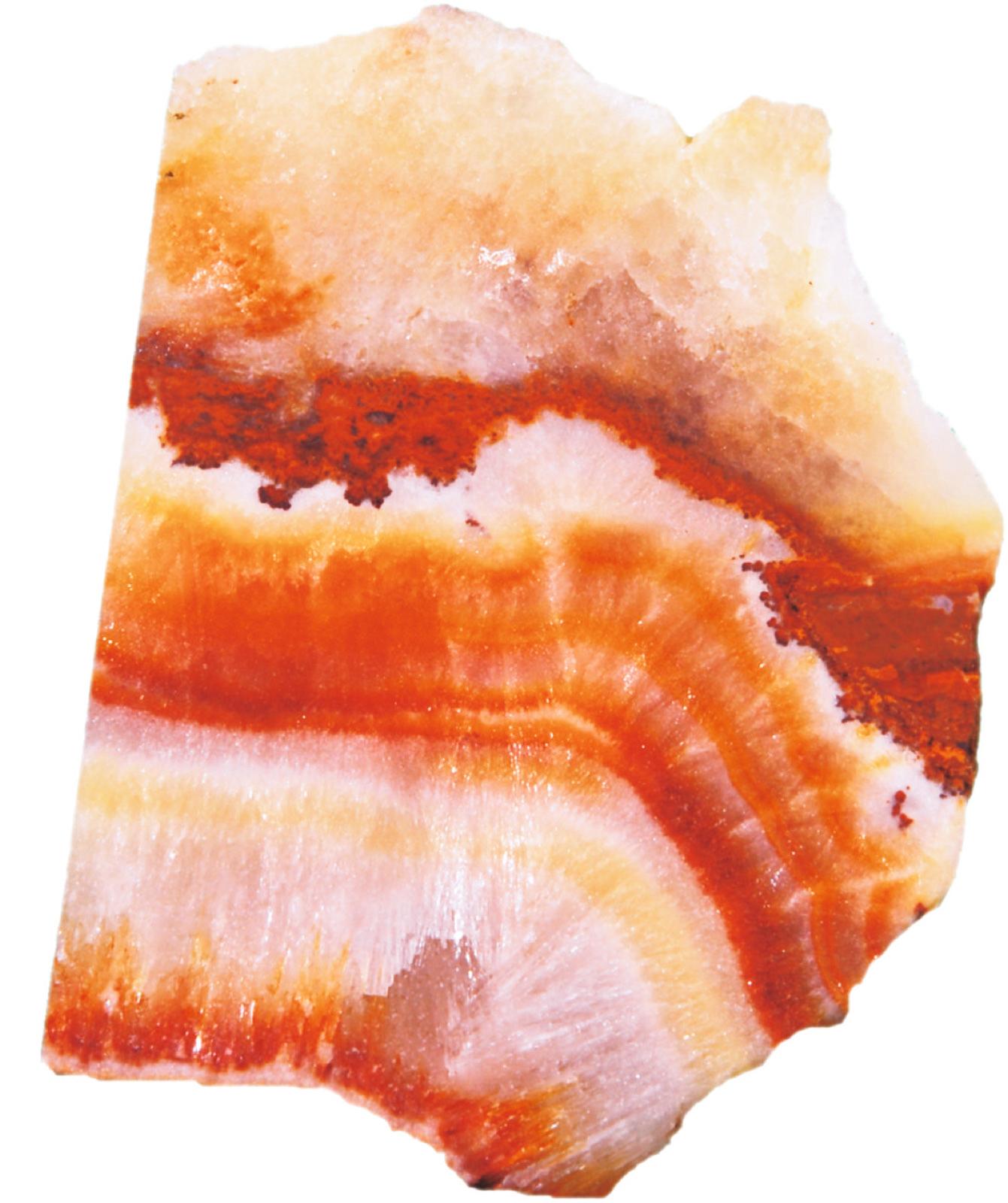
Iron-stained gravels at the base of the White Bluffs, on the east side of the Columbia River from Byers Landing to Ringold, hold frequent agate and jasper, the agate chiefly gray and buff chalcedony with some red hues.
Agate
 Top pick
Clark County
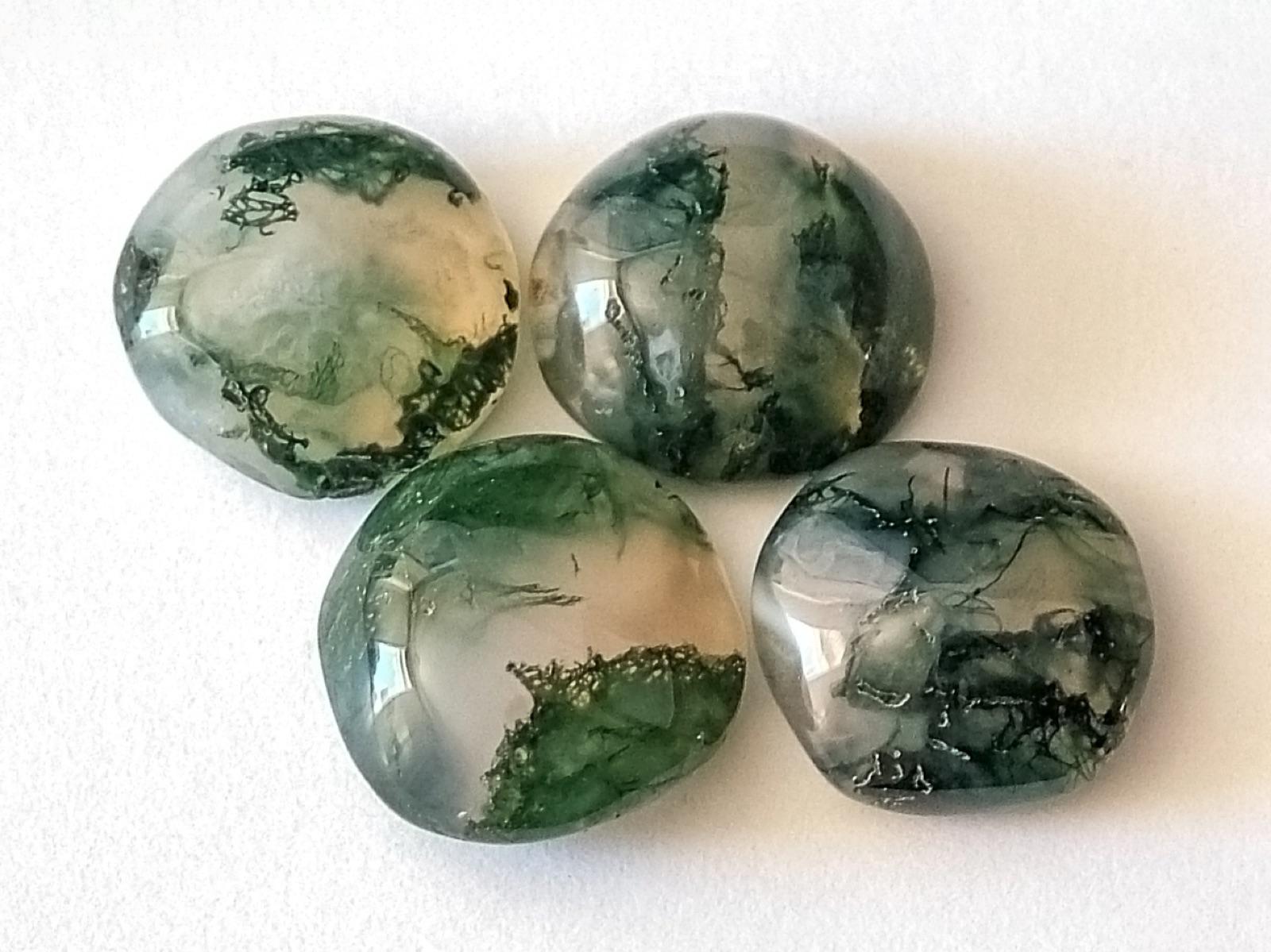
Gravel bars along the Washougal River yield moss agate, carnelian, jasper, and petrified wood weathered from the surrounding volcanic terrain.
Moss Agate, Amethyst
 Top pick
Grays Harbor County
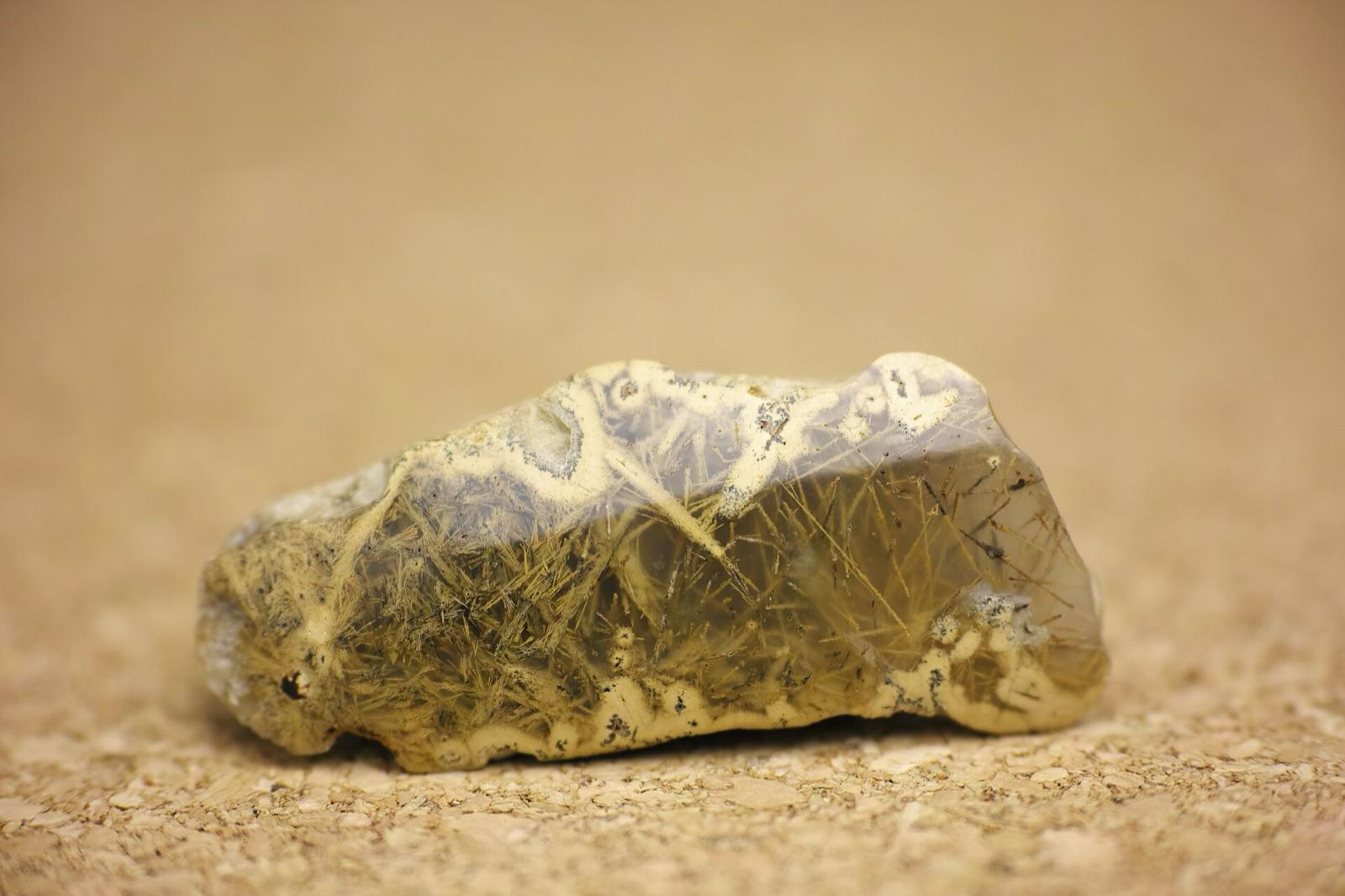
The beach at Moclips lies within Washington's Seashore Conservation Area, documented in rockhounding guides for the agate and jasper that wash in along the tideline and stream gravels.
Agate, Jasper
 Top pick
Lewis County
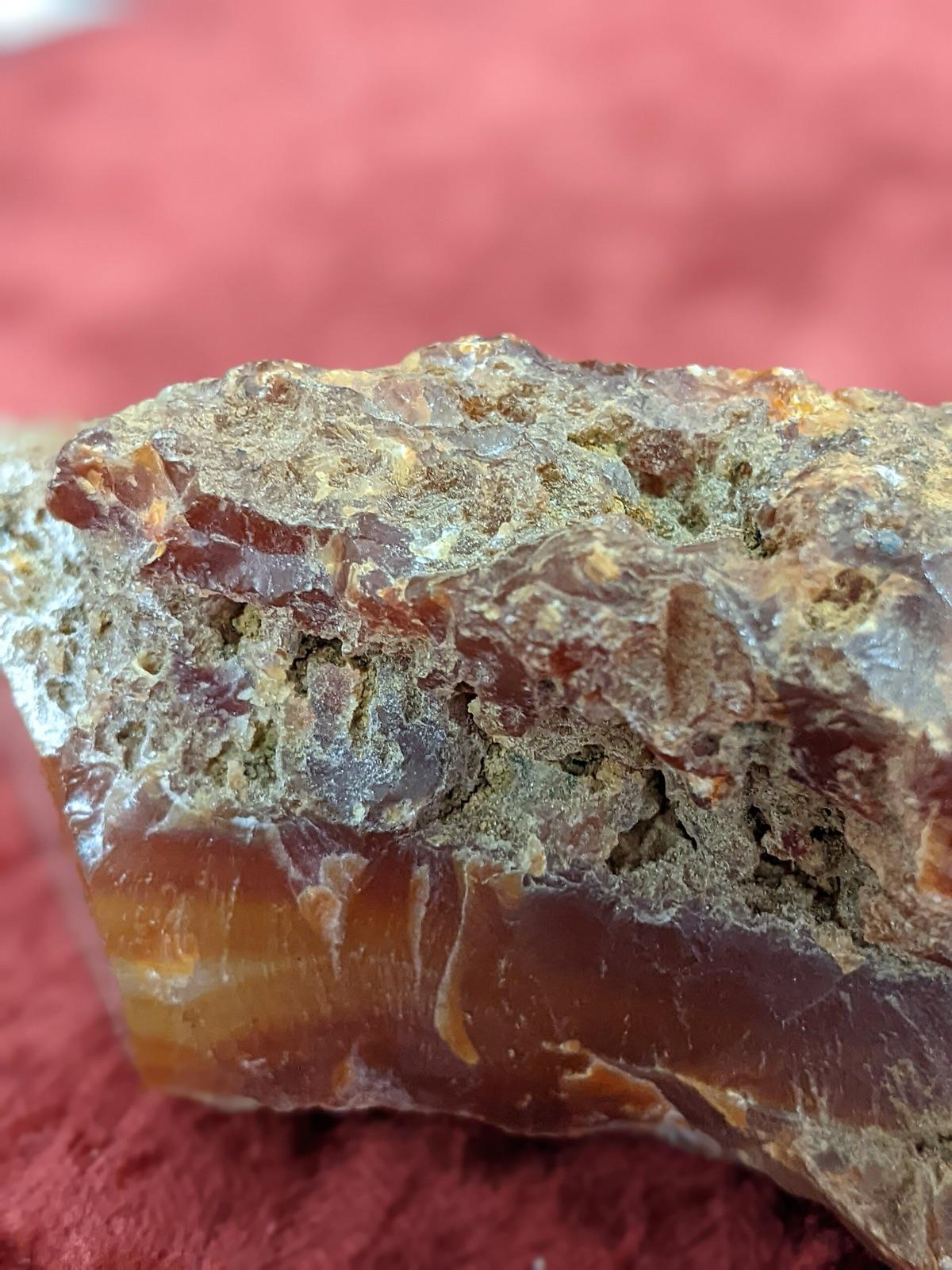
The Washington Geological Survey's gemstone report records that hundreds of pounds of agate have been taken between Adna and Pe Ell, in the heart of Lewis County's carnelian-agate country.
Agate, Carnelian, Chalcedony, Geode
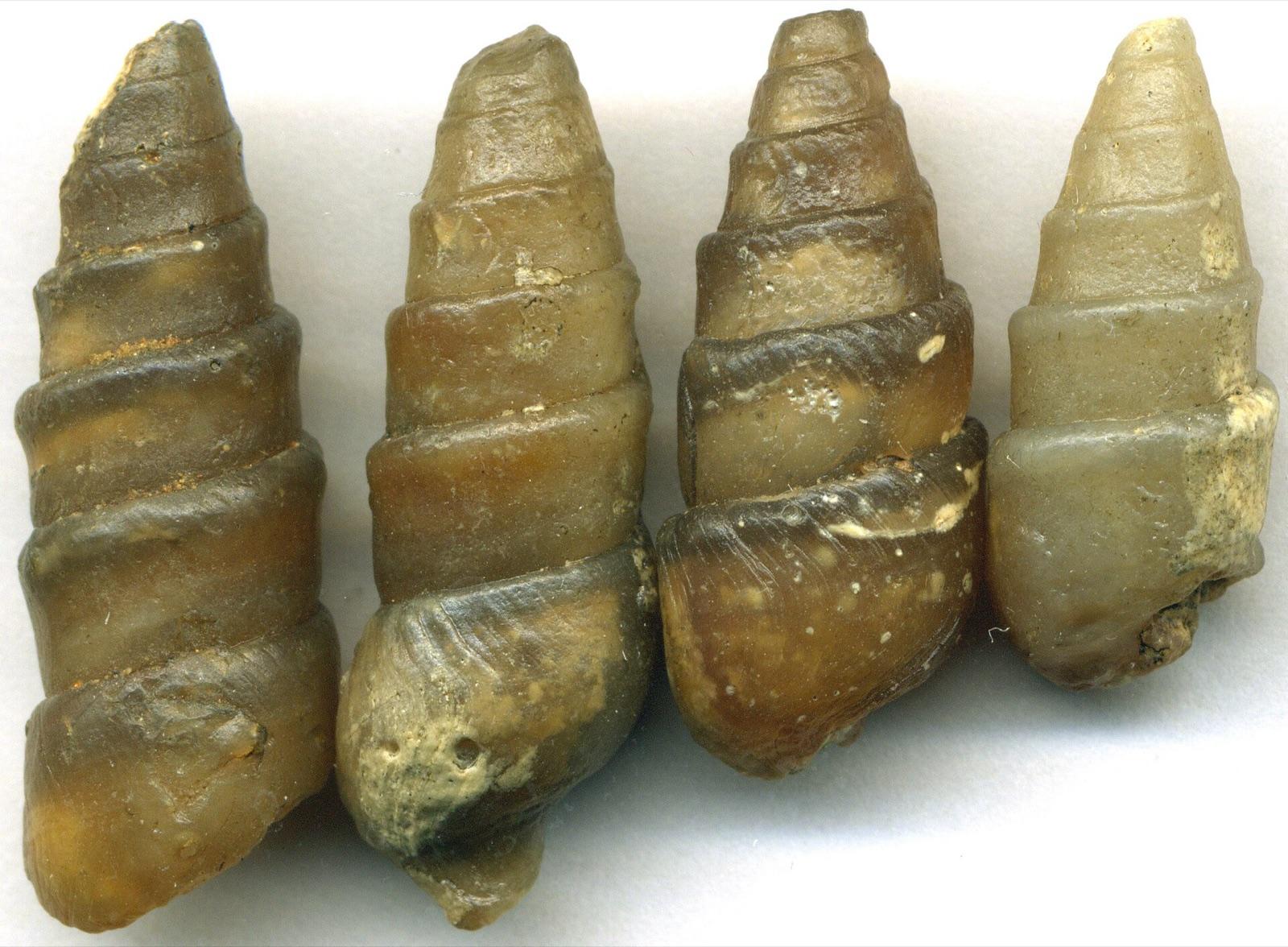 Top pick
Pacific County
The Washington Geological Survey documents light-gray to yellowish-gray chalcedony casts of fossil clams in the Willapa Hills, some holding trapped water that shifts when the specimen is turned, a feature collectors call enhydros.
Agatized Fossil Shell
Sorted by county. Tap coordinates to open in Google Maps, or open RockHoundR for the full map view with land overlays and weather.
Open the RockHoundR app to see Washington on a real map with public land overlays, weather, geology, and your saved finds.