Every rockhounding spot on one map
Filter 2,800+ mapped locations across the United States, Canada, Australia, the United Kingdom, and New Zealand by country, mineral, region, and land access: public, paid, or permission-required. Tap any pin for coordinates and the full spot page.
Prefer a list? Browse spots by country or where to find rocks & minerals.
- mapped spots
- 2,800+
- U.S. states
- 50
- CA provinces
- 13
- AU states/territories
- 7
- UK counties
- 23
- NZ regions
- 8
- hand-picked
- 471
mapped spots
U.S. states
CA provinces
AU states/territories
UK counties
NZ regions
hand-picked
How to read the map
- Public
- Restricted
- Top pick
 Public
 Restricted
Public spots use the green marker. Paid, permission, and unverified spots all use the red marker (the map groups them as Restricted), and hand-picked top picks add a gold ring. Here is what each access label means.
- Public
Open collecting on public land. Confirm local rules before you dig.
- Paid / fee
Fee-dig mines and pay-to-prospect sites with managed access.
- Permission
Private or restricted ground. Ask the owner or agency first.
- Unverified
Access is not confirmed yet. Always check locally before you collect.
Rockhounding is better with company
Browse 479 rock & mineral clubs by state, with field trips and monthly meetings near you.
Popular rockhounding states
Each state page lists every mapped spot, top minerals, county breakdowns, and public-land notes.
- Rockhounding in Oregon181 spots · 28 counties
- Rockhounding in Utah270 spots · 29 counties
- Rockhounding in Arizona62 spots · 8 counties
- Rockhounding in California104 spots · 24 counties
- Rockhounding in Arkansas37 spots · 7 counties
- Rockhounding in Nevada123 spots · 16 counties
- Rockhounding in North Carolina207 spots · 57 counties
- Rockhounding in Texas95 spots · 50 counties
- Rockhounding in New Mexico143 spots · 26 counties
- Rockhounding in Wyoming92 spots · 19 counties
- Rockhounding in Montana106 spots · 32 counties
- Rockhounding in Idaho117 spots · 33 counties
Popular minerals to find
Per-mineral pages show the best states, mapped concentrations, and identification tips.
- Where to find agate506 spots · 12 states
- Where to find petrified wood244 spots · 12 states
- Where to find quartz529 spots · 12 states
- Where to find jasper468 spots · 12 states
- Where to find amethyst144 spots · 12 states
- Where to find obsidian19 spots · 5 states
- Where to find garnet208 spots · 12 states
- Where to find opal46 spots · 12 states
- Where to find fossil150 spots · 12 states
- Where to find fluorite133 spots · 12 states
- Where to find tourmaline84 spots · 12 states
Best rockhounding spots
471 hand-picked
Standout spots from the map above, chosen for unusual mineralogy, documented public access, or both. Each card opens the full coordinates and access notes.
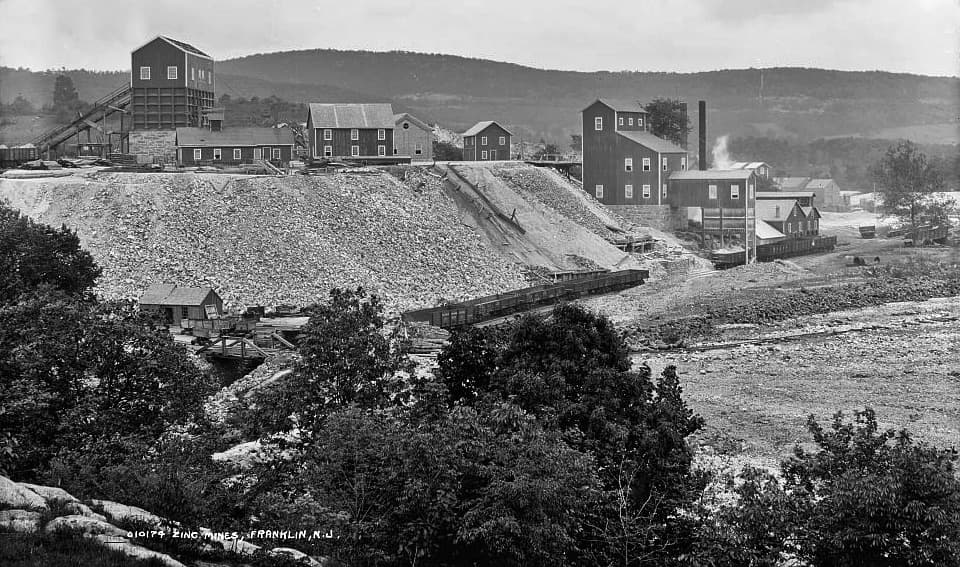 Top pick
Franklin
PublicSussex County, New Jersey
Franklin is called the Fluorescent Mineral Capital of the World, and its Buckwheat Dump is where visitors can still collect the glowing willemite, calcite, and franklinite that made the district famous.
Epidote, Pyrite, Fluorite
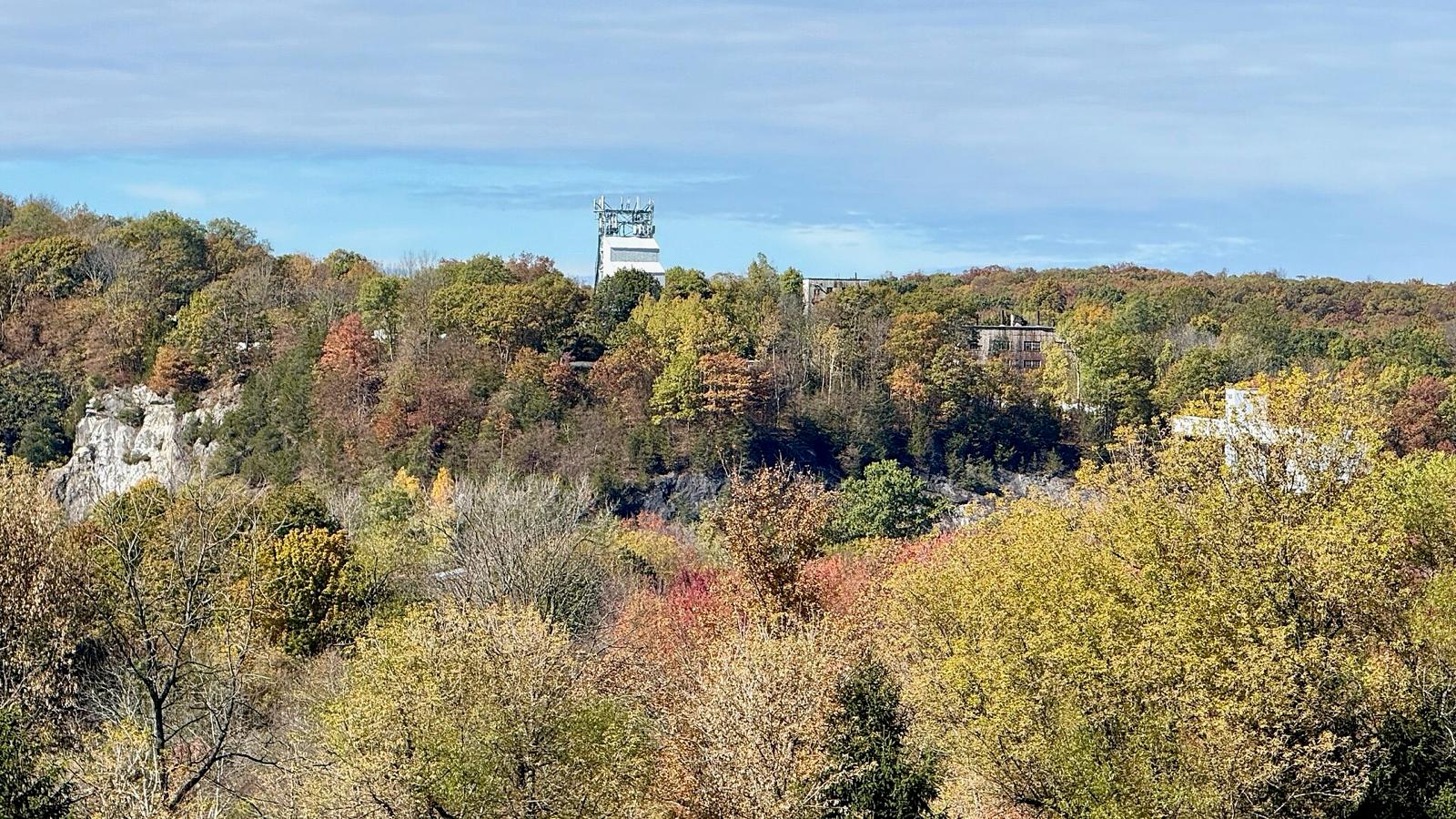 Top pick
Franklin-Ogdensburg-Sterling Hill mining district
PublicSussex County, New Jersey
Sterling Hill in Ogdensburg is the twin of the Franklin deposit and the last of the district's zinc mines to close, now preserved as a mining museum.
Willemite, Zincite, Calcite, Fluorite
 Top pick
Pegmatite Outcropings
PermissionCoosa County, Alabama
Coosa County is widely regarded as the richest single county in Alabama for variety, with pegmatites and the historic tin belt producing feldspar, muscovite, tourmaline, cassiterite, beryl, and garnet.
Cassiterite, Feldspar, Muscovite, Quartz
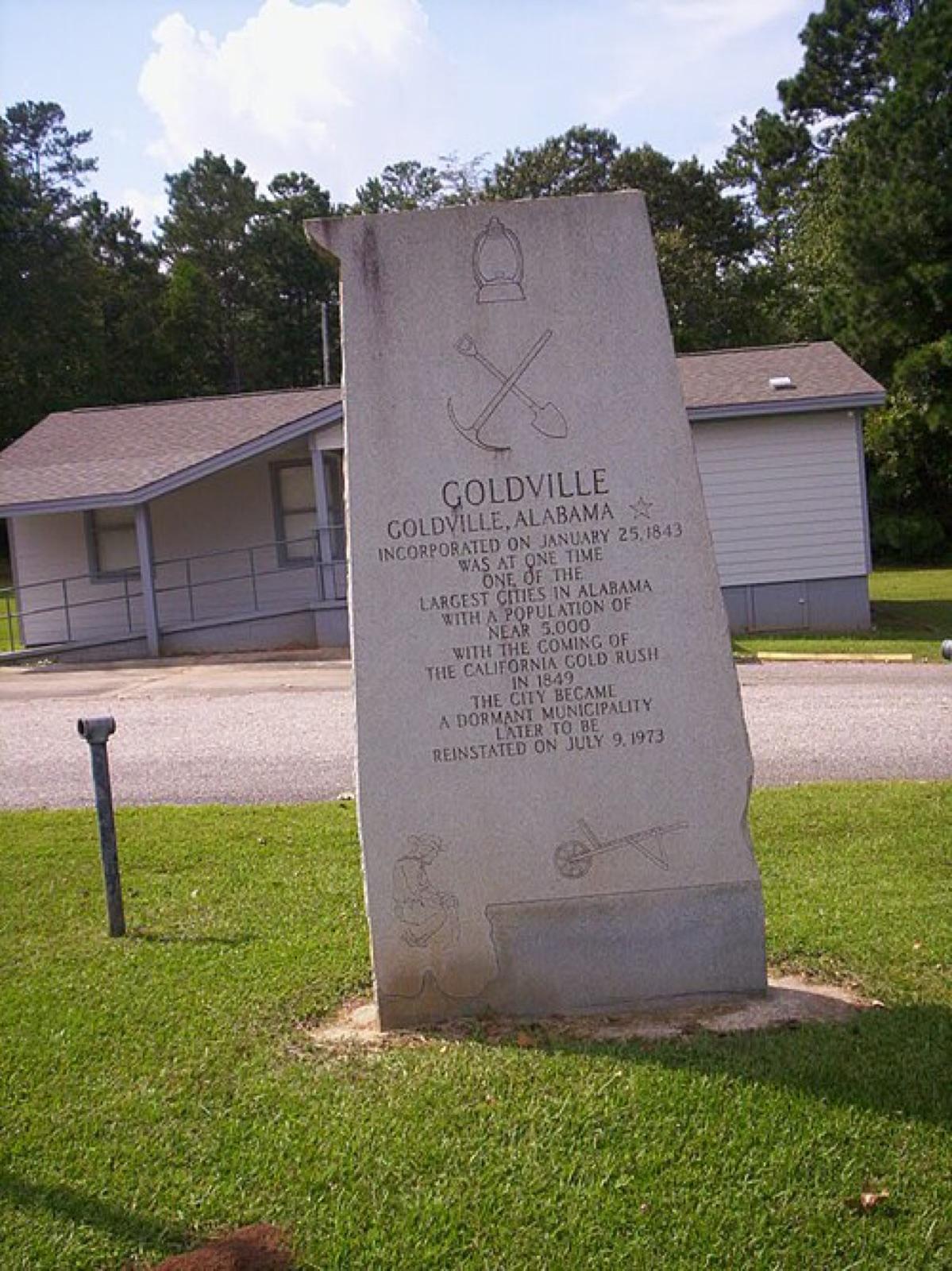 Top pick
Hog Mountain
PermissionTallapoosa County, Alabama
Hog Mountain was the most productive lode gold mine in Alabama, yielding roughly 24,000 ounces from quartz veins in the Tallapoosa County schists during the early 20th century.
Arsenic, Arsenopyrite, Galena, Gold
 Top pick
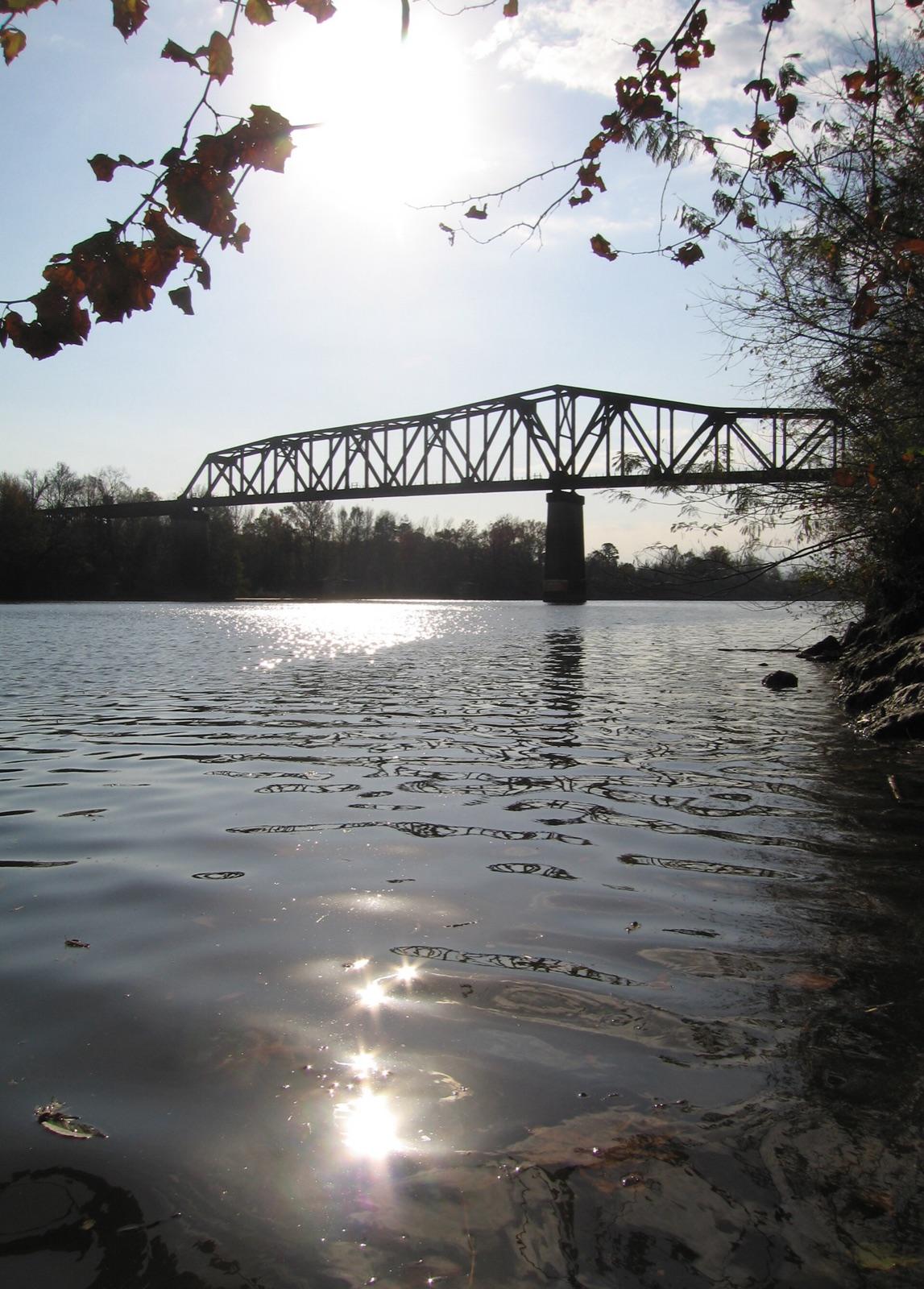
Black Warrior River Mines & Pits
PublicTuscaloosa County, Alabama
The gravels of the Black Warrior River around Tuscaloosa are one of Alabama's most productive spots for agate, jasper, chalcedony, and silicified wood eroded from the Coastal Plain and coal-basin rocks upstream.
Agate, Chalcedony, Fossil, Jasper
 Top pick
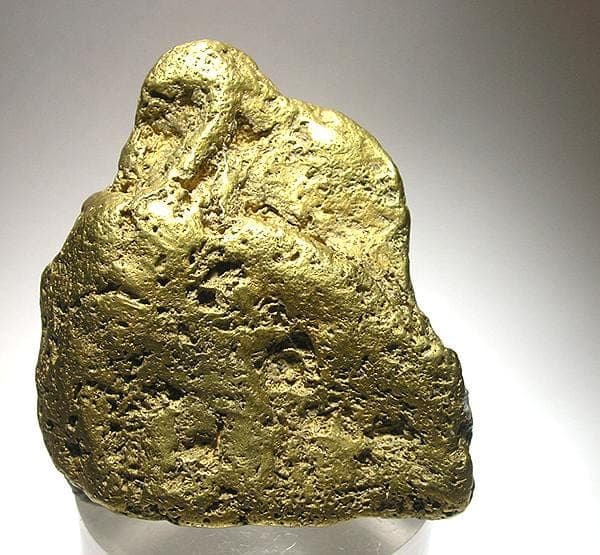
San Domingo Wash
PublicMaricopa County, Arizona
San Domingo Wash is a documented Au-Pt placer district in the western foothills of the Wickenburg Mountains, with Mindat and USGS-derived records tying the gold to stream-placer concentration.
Gold
 Top pick
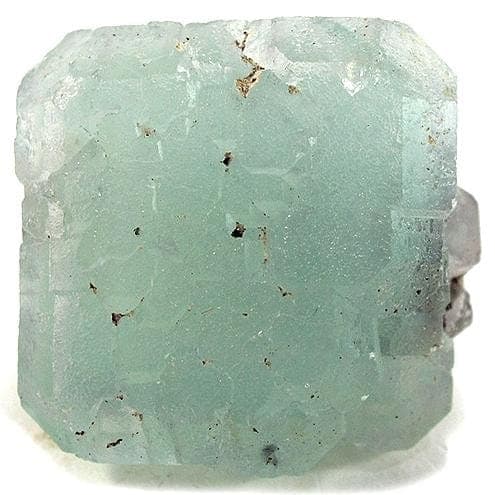
Neptune Mine near Grays Spring
PublicPima County, Arizona
Neptune Mine is a focused Arizona fluorite locality, with Mindat and MRDS records describing a former fluorspar mine where fluorite occurs in lenses and stringers along a schist-granite contact zone.
Fluorite
 Top pick
Red Rover mine
PublicMaricopa County, Arizona
Red Rover is a compact Cave Creek district copper-silver stop, with Mindat listing chalcocite and tetrahedrite-group minerals and Western Mining History tying the mine to copper, silver, and gold.
Chalcocite, Tetrahedrite
 Top pick
1 mi. N of old Three-Way drive-in theater
PublicGreenlee County, Arizona
Black Hills is one of Arizona's clearest public fire-agate localities, with BLM stating that fire agate is the principal attraction and that the site is open for public digging without fees or permits.
Fire Agate, Chalcedony
 Top pick
York Area
PublicGreenlee County, Arizona
Fire agate is the reason the York and Duncan country earns the first Arizona slot: BLM identifies the nearby Round Mountain area as a public rockhounding destination, and its Arizona brochure lists fire agate as a notable Safford Field Office gemstone.
Fire Agate, Banded Agate, Carnelian, Jasper
 Top pick
Kingman Feldspar Mine
PublicMohave County, Arizona
Kingman Feldspar Mine represents northwestern Arizona pegmatite collecting, with documented feldspar-quartz workings and rare-earth allanite from the Kingman area.
Allanite, Microcline, Quartz
 Top pick
Area near Meadow Creek Pass
PublicMohave County, Arizona
Meadow Creek Pass belongs to the same western Arizona volcanic-desert collecting belt that gives Mohave County its agate, chalcedony, jasper, and fire-agate reputation.
Fire Agate, Grape Agate, Chalcedony, Jasper
 Top pick
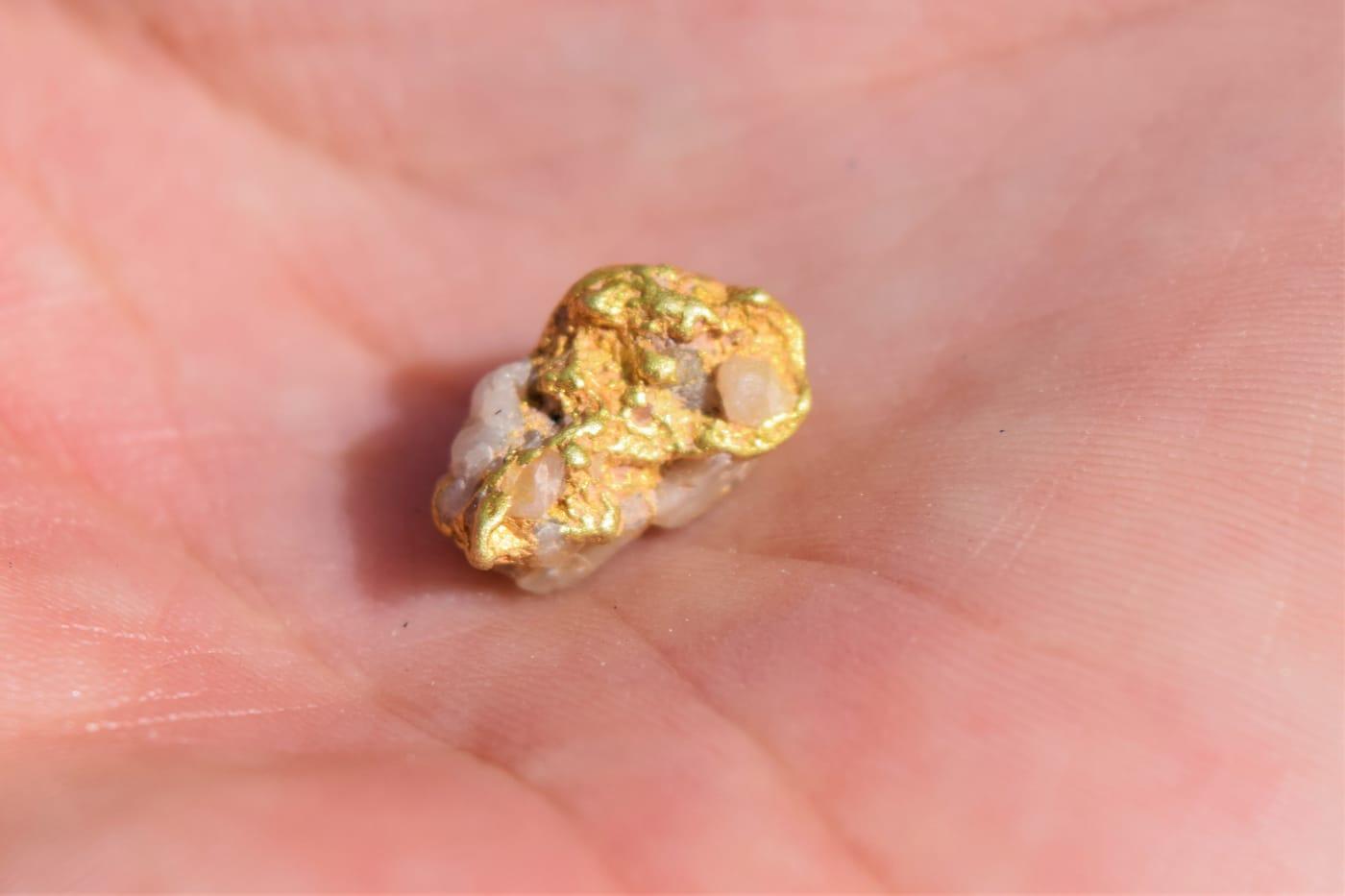
On surface around Rich Hill
PublicYavapai County, Arizona
Rich Hill is Arizona's benchmark coarse-gold placer, documented by USGS as part of the Weaver district and by later geochemical work for nugget-rich placer units.
Gold Nugget
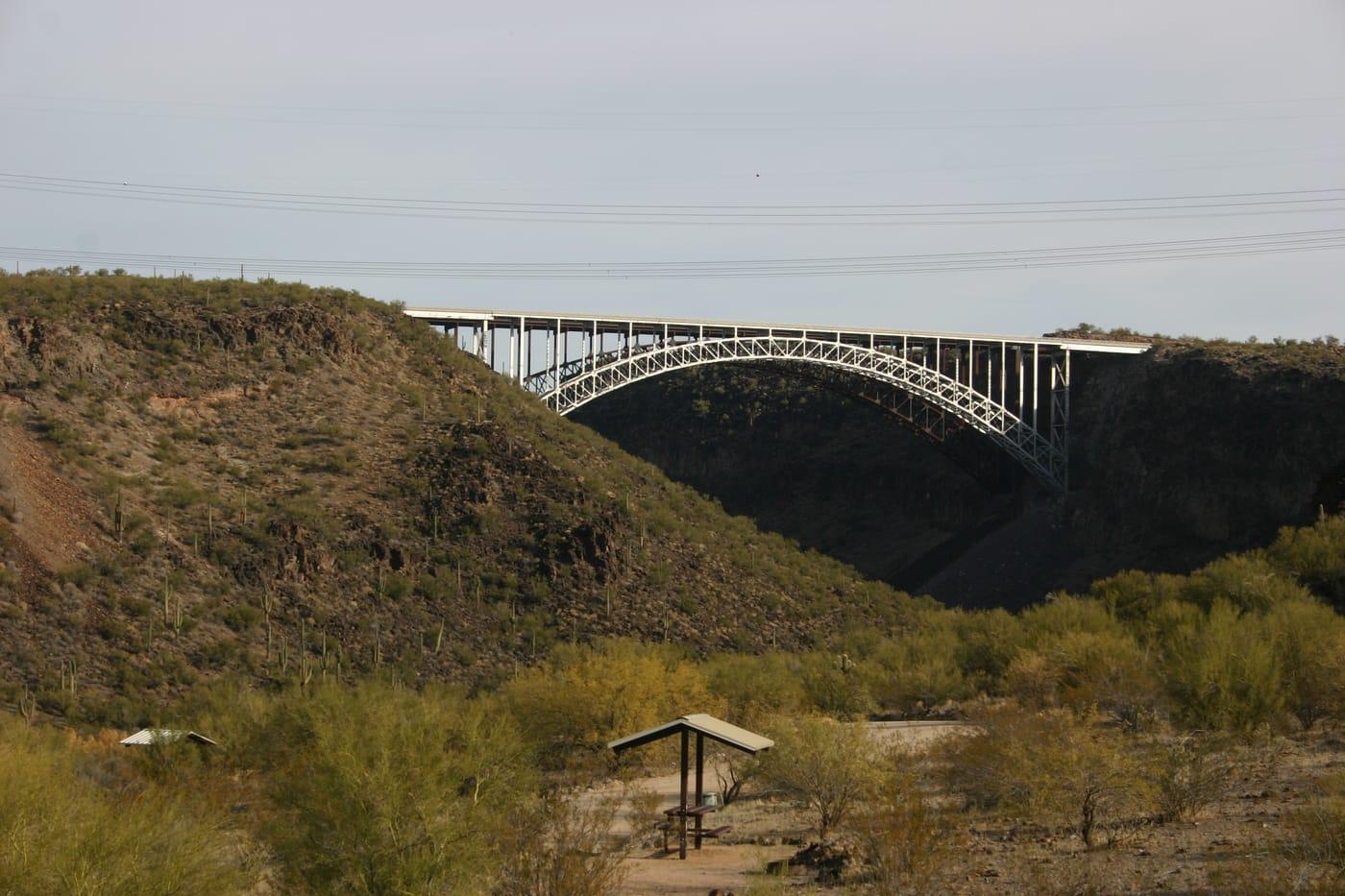 Top pick
Under Burro Creek Bridge
PublicMohave County, Arizona
Burro Creek is a Mohave County agate landmark, with Mindat recording both the Burro Creek agate occurrence and agate in the Lower Burro Creek Wilderness Area.
Pink Agate
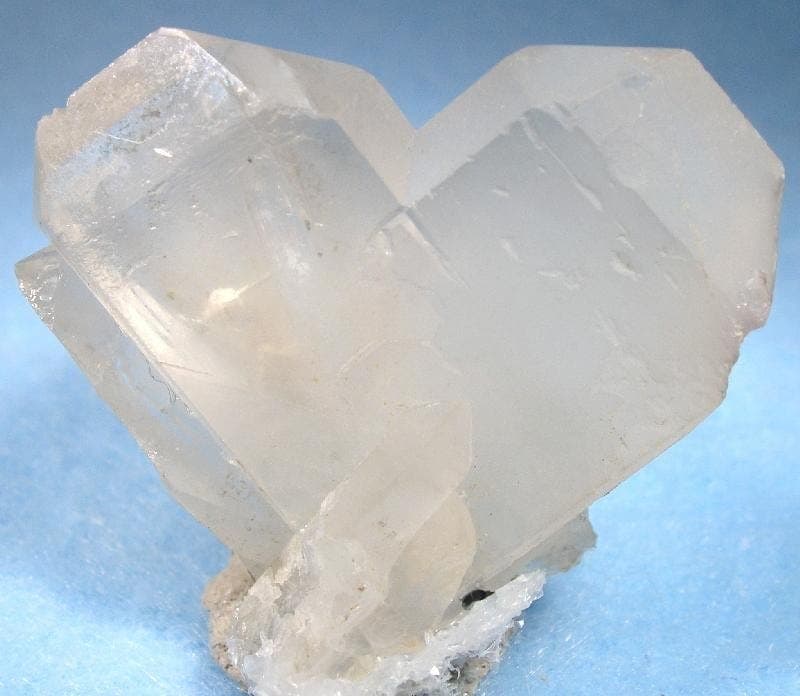 Top pick
Area around Diamond Point Lookout
PublicGila County, Arizona
Diamond Point is a managed Forest Service crystal site where clear, doubly terminated quartz crystals weather out of cavities in the Devonian Martin Formation.
Quartz
 Top pick
Unnamed Location (Magnet Cove area)
PublicHot Spring County, Arkansas
Magnet Cove is a classic alkaline igneous complex, noted in USGS work for nepheline syenite, carbonatite, and titanium-bearing minerals such as perovskite and titanite.
Sphene, Nepheline Syenite
 Top pick
Cove Creek Bridge
PublicHot Spring County, Arkansas
Kimzeyite and perovskite give the Cove Creek Bridge area its weight: Perovskite Hill and the nearby Kimzey carbonatite localities are documented Magnet Cove occurrences rather than generic creek gravel.
Apatite, Monticellite, Magnetite, Perovskite
 Top pick
Wegner Quartz Mines
PublicMontgomery County, Arkansas
Clear hydrothermal quartz is the draw here, part of the Ouachita Mountain quartz belt that USGS and the Arkansas Geological Survey describe as one of western Arkansas's signature mineral resources.
Quartz
 Top pick
Mount Ida
PublicMontgomery County, Arkansas
Mount Ida sits in the heart of Arkansas's Ouachita quartz province, where hot fluids moved through fractured Paleozoic sandstone, shale, and chert to form crystal-bearing veins.
Quartz
 Top pick
Unnamed Quarry (Wavellite)
PublicMontgomery County, Arkansas
Mauldin Mountain wavellite is not an interchangeable green phosphate, Mindat and Arkansas Geological Survey references tie the quarries to botryoidal wavellite, variscite, planerite, and related phosphate minerals.
Wavellite
 Top pick
Crater of Diamonds State Park
Paid / feePike County, Arkansas
Crater of Diamonds is exceptional because visitors search the eroded surface of a diamond-bearing Prairie Creek lamproite and may keep diamonds and other minerals they find.
Diamond, Amethyst, Garnet, Jasper
 Top pick
Prairie Creek
PublicPike County, Arkansas
Prairie Creek is the geologic source behind the Crater of Diamonds field, a lamproite diatreme with diamonds plus mantle and alteration minerals such as chrome diopside, epidote, garnet, hematite, and amethyst.
Amethyst, Diopside, Epidote, Garnet
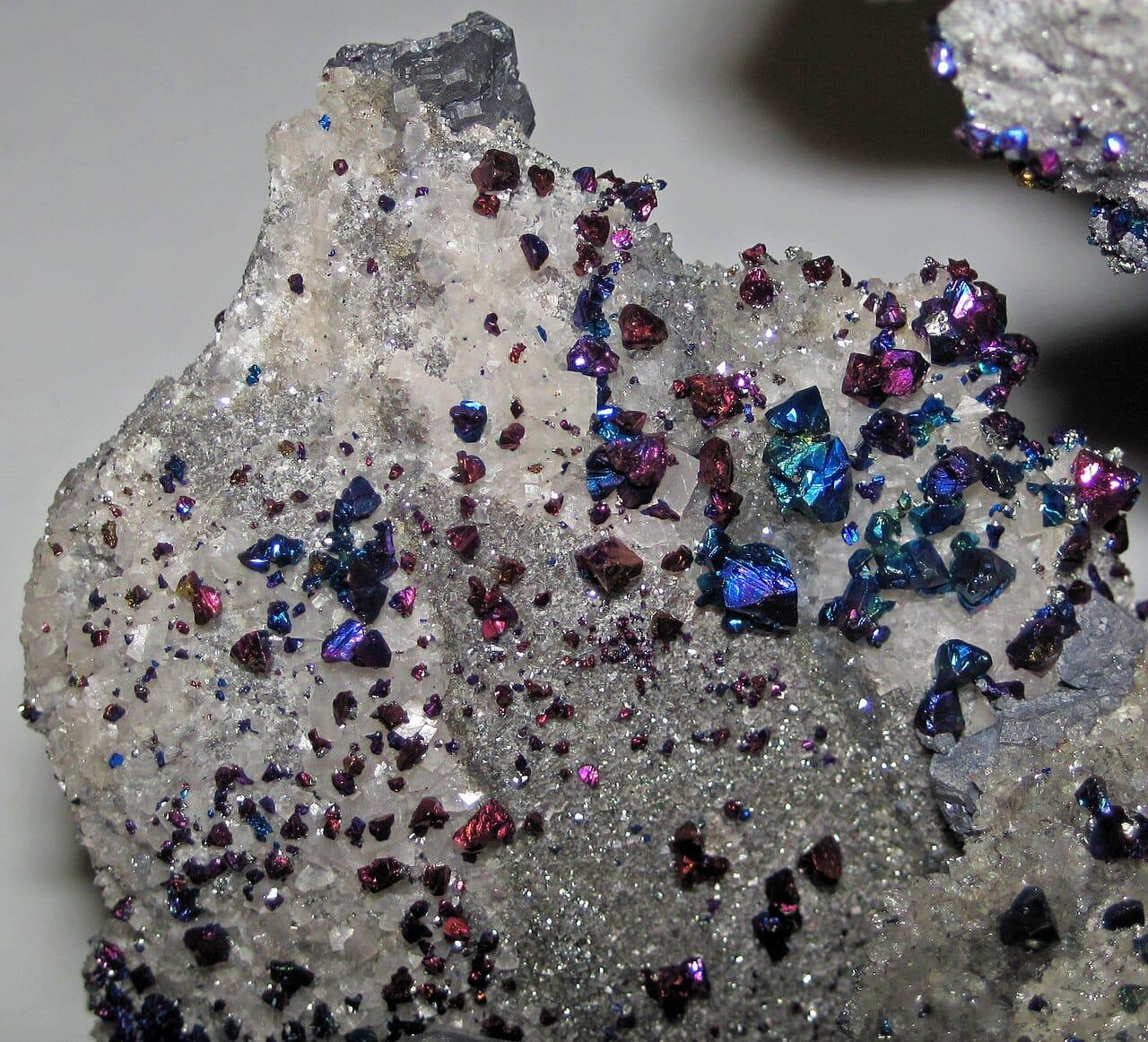 Top pick
Yellville Mines
Check locallyMarion County, Arkansas
Yellville belongs to north Arkansas's historic lead-zinc belt, where Arkansas Geological Survey summaries record galena, sphalerite, and smithsonite production from Marion County and nearby Ozark districts.
Galena, Pyrite, Smithsonite, Sphalerite
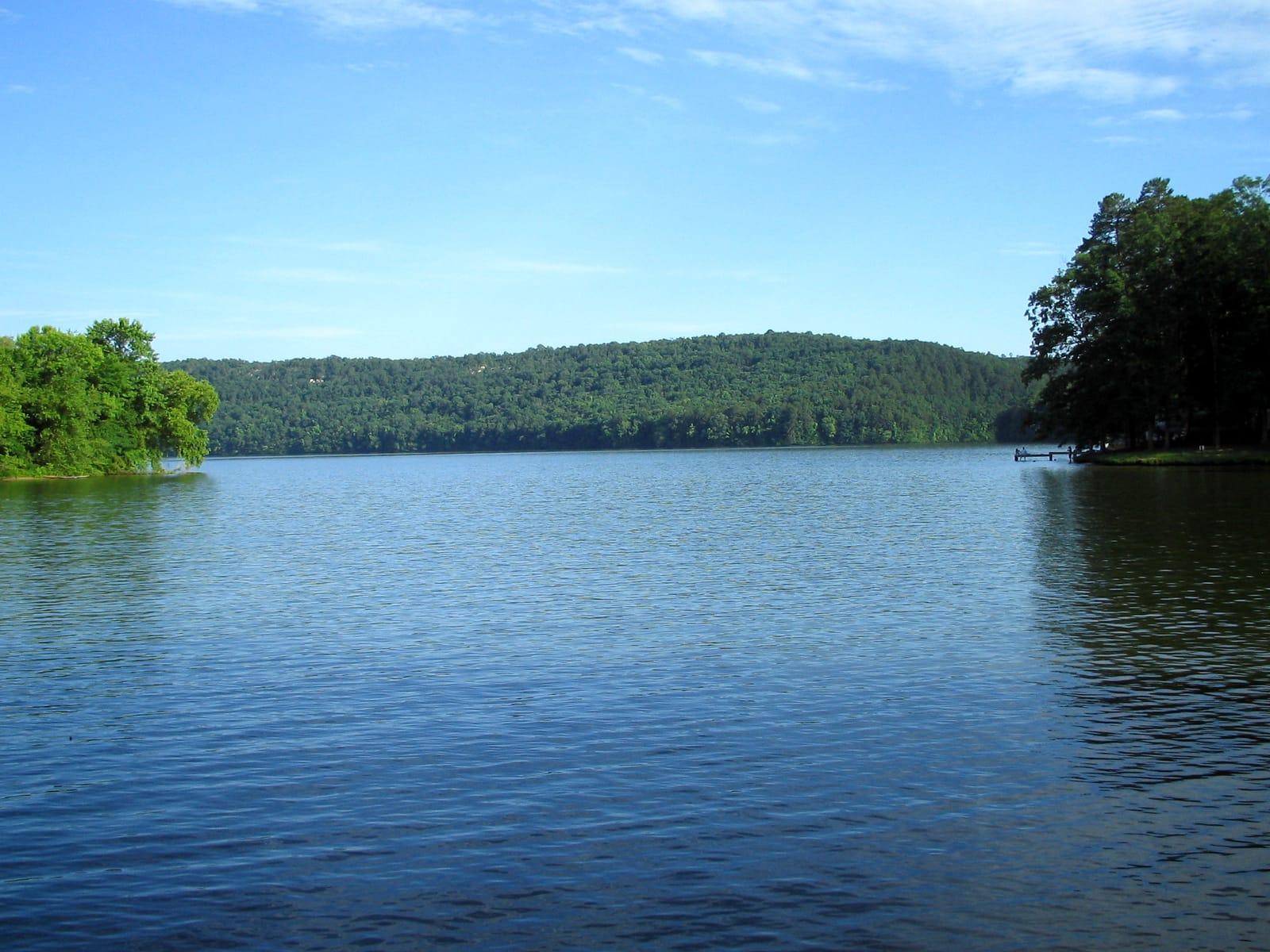 Top pick
Lake Catherine (South Side)
PublicGarland County, Arkansas
The south side of Lake Catherine is tied to Garland County fluorite occurrences noted in Arkansas Geological Survey mineral-deposit reports and Mindat locality records.
Fluorite
 Top pick
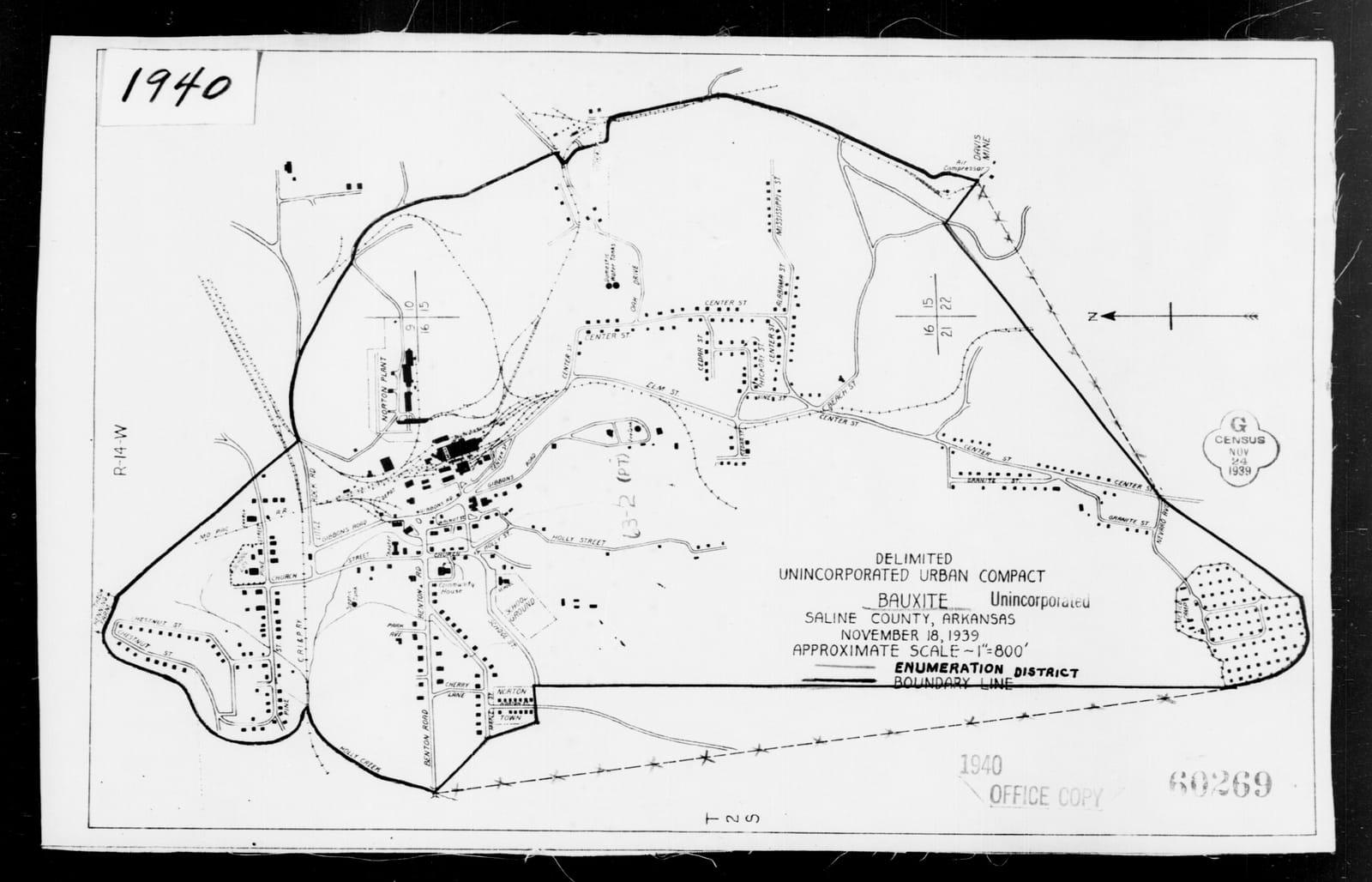
Bauxite Quarries
PublicSaline County, Arkansas
Saline County is one of the two districts in the Arkansas bauxite region, a roughly 275-square-mile belt described by the Arkansas Geological Survey and USGS as the state's historic aluminum-ore province.
Bauxite, Heliotrope Bauxite
 Top pick
Happy Camp Jade Mines
PublicSiskiyou County, California
Happy Camp gives the top-10 list a Klamath Mountains jade and gold locality rather than another Mojave silica field.
Jade, Gold, Serpentine, Gold-laced Jade
 Top pick
Trinity River
PublicTrinity County, California
The Trinity River is a north-state benchmark because it combines historic placer-gold country with Klamath Mountains metamorphic and ultramafic source rocks.
Chalcedony, Gold, Jasper, Jade
 Top pick
Glass Mountain
PublicSiskiyou County, California
Glass Mountain represents California's northern volcanic-glass collecting better than any ordinary agate wash, with Forest Service materials identifying designated obsidian collecting areas in the Modoc country.
Obsidian
 Top pick
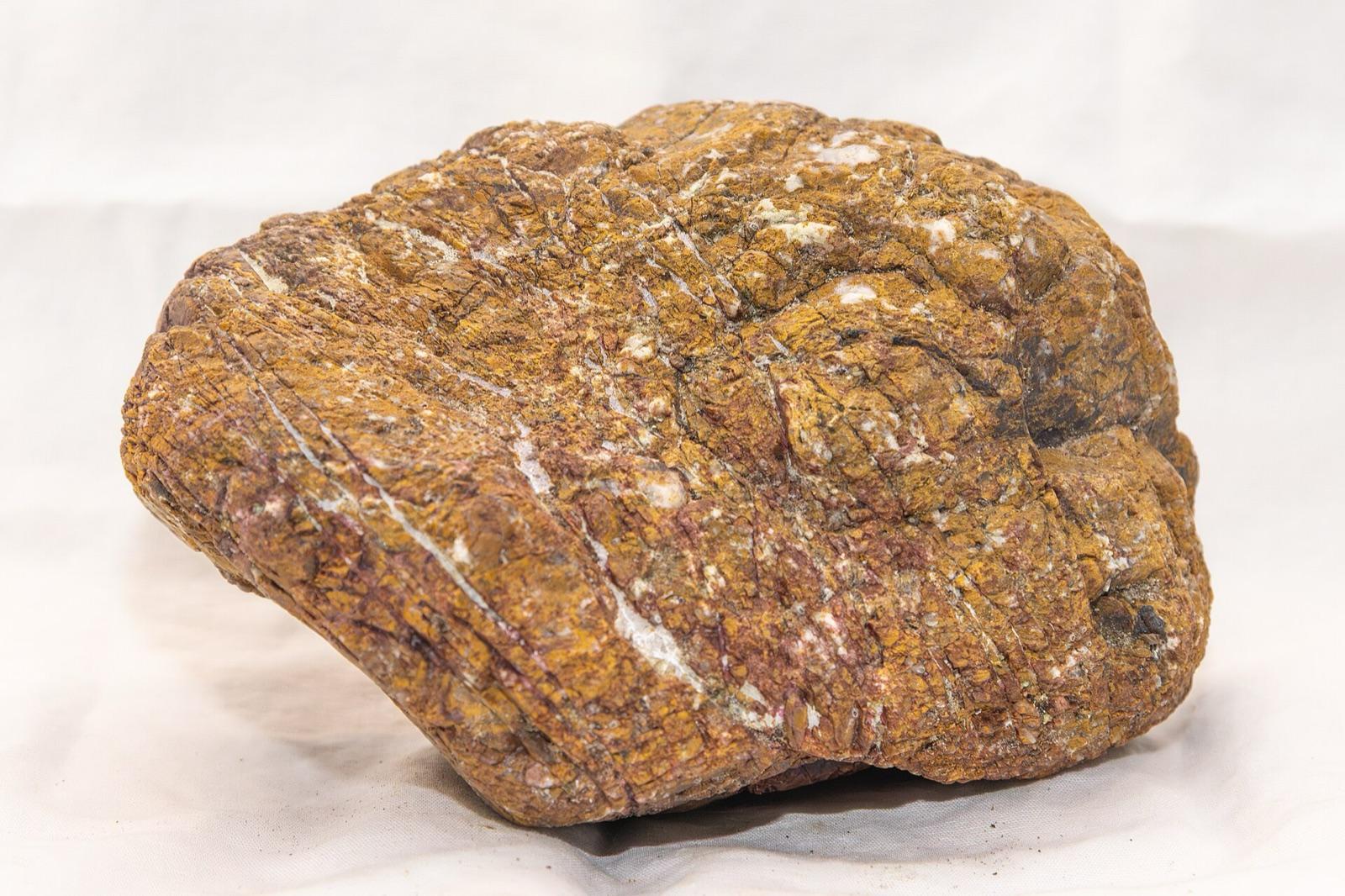
Jacolitos Canyon
PublicFresno County, California
Jacolitos Canyon adds a Coast Range sedimentary and fossil-bearing locality to a list otherwise dominated by volcanic glass, agate, jade, and gold.
Jasper, Petrified Wood, Fossilized Coral
 Top pick
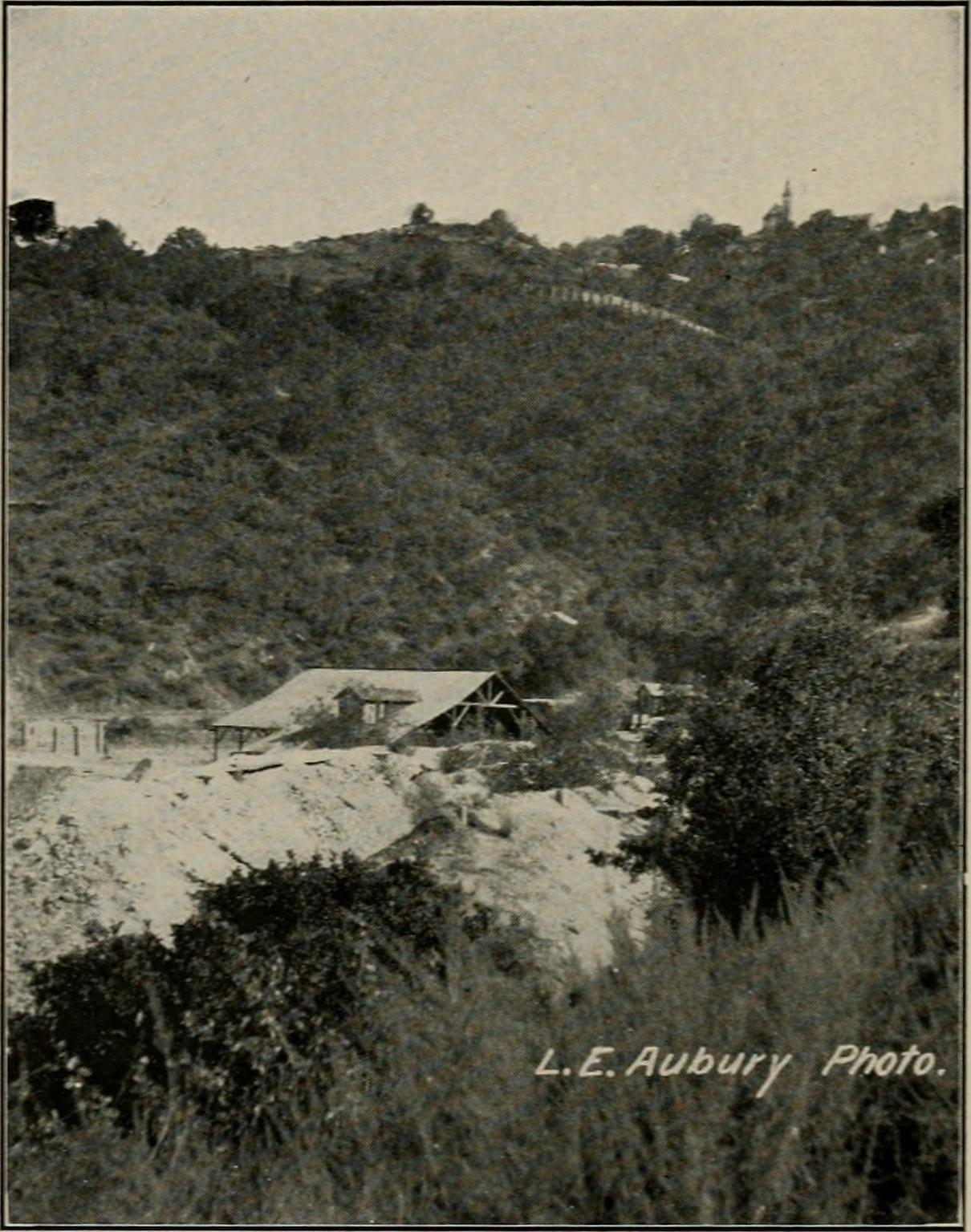
New Almaden Area Mines
PublicSanta Clara County, California
New Almaden is not just a cinnabar stop, it is one of California's classic mercury districts, hosted in altered serpentinite and silica-carbonate rock.
Chert, Cinnabar, Apophyllite, Gyrolite
 Top pick
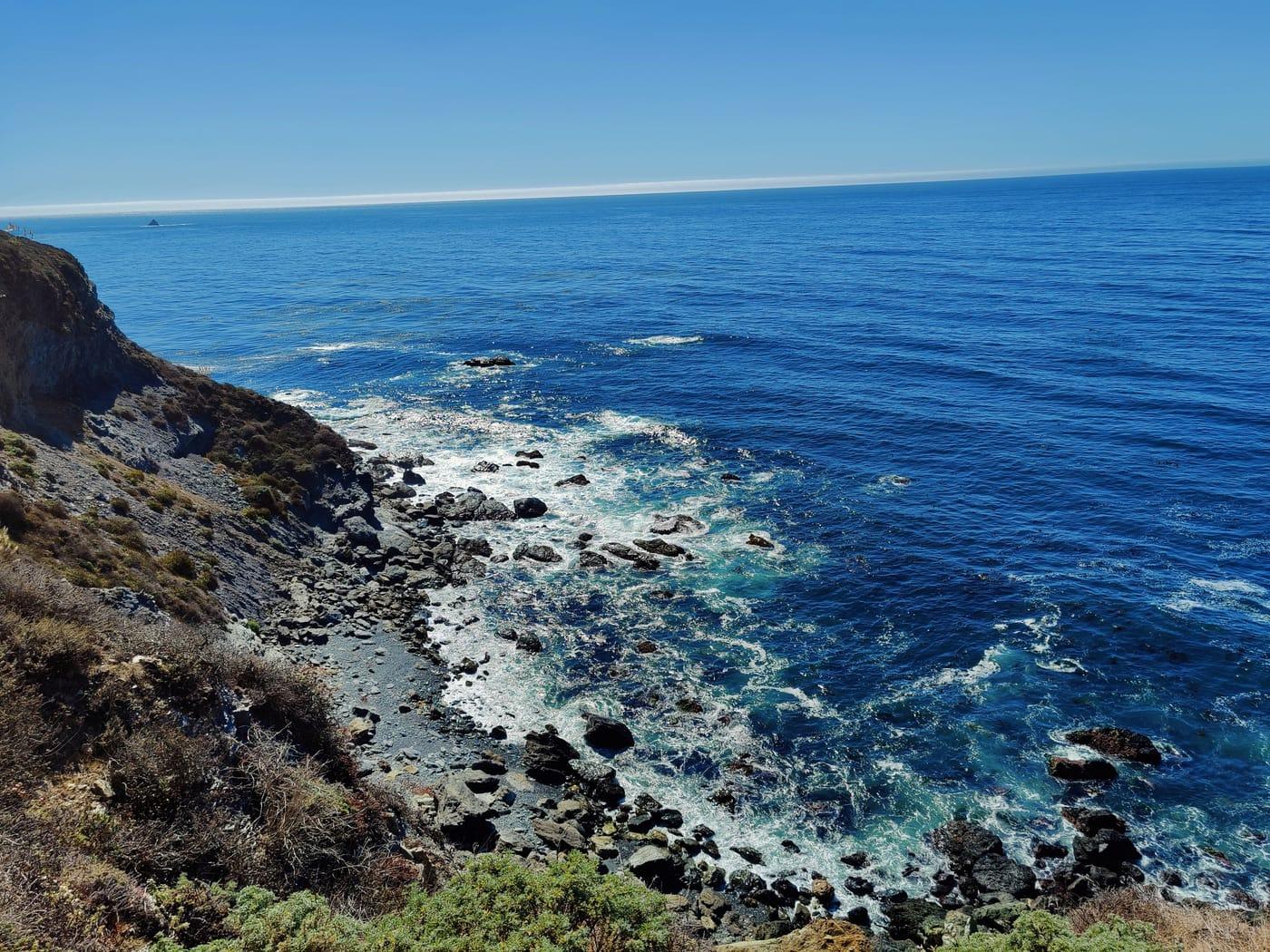
Big Sur area
PermissionMonterey County, California
Big Sur is California's clearest public jade locality because sanctuary rules specifically allow loose nephrite collection in the Jade Cove authorized area below mean high tide.
Jade, Nephrite, Serpentine
 Top pick
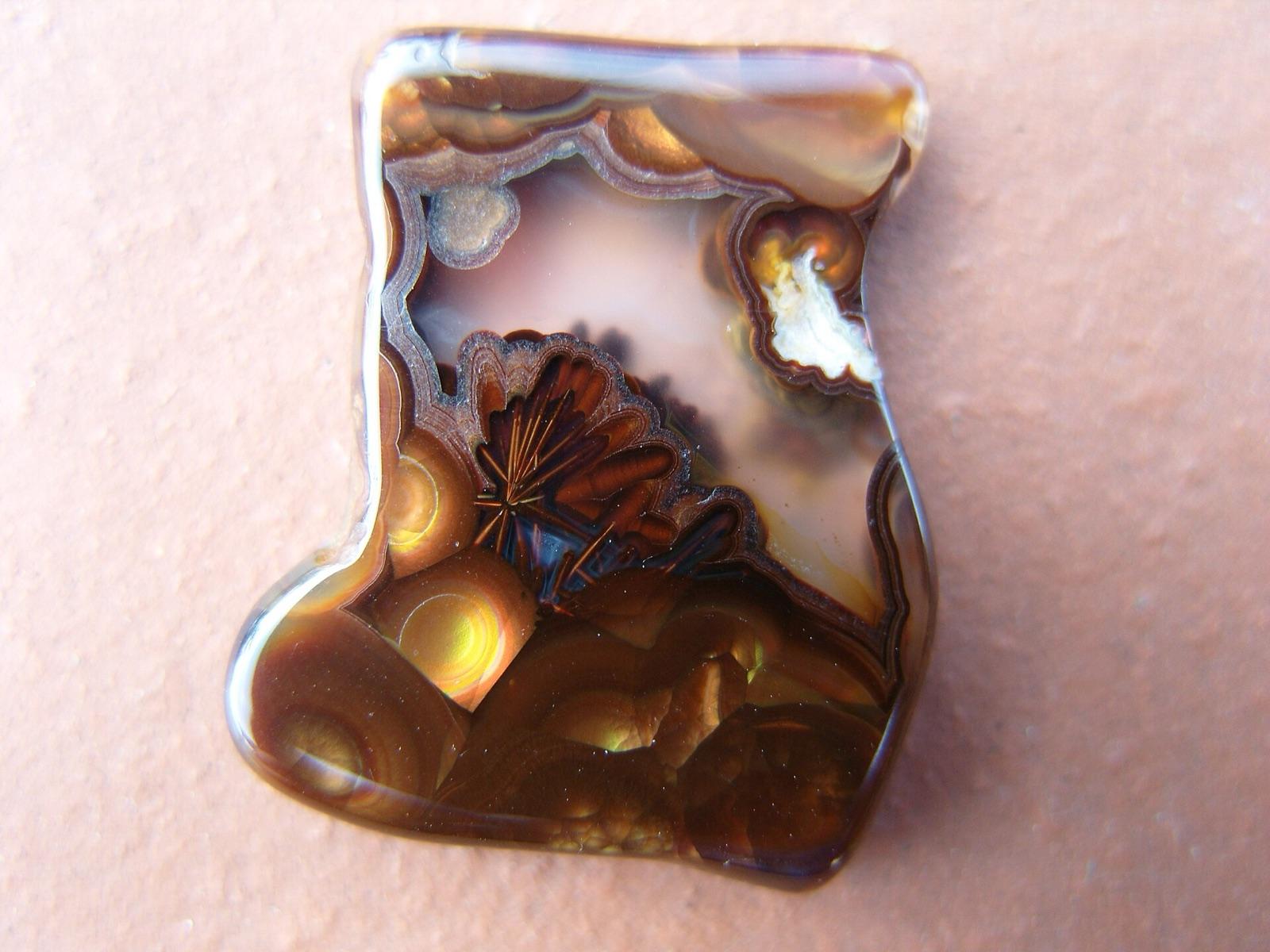
Unnamed Location (Fire Agate)
PublicRiverside County, California
The Wiley Well and Mule Mountains area is one of California's best documented public desert collecting districts, with BLM specifically identifying the Wiley Well District Geode Beds for rockhounding.
Chalcedony, Fire Agate
 Top pick
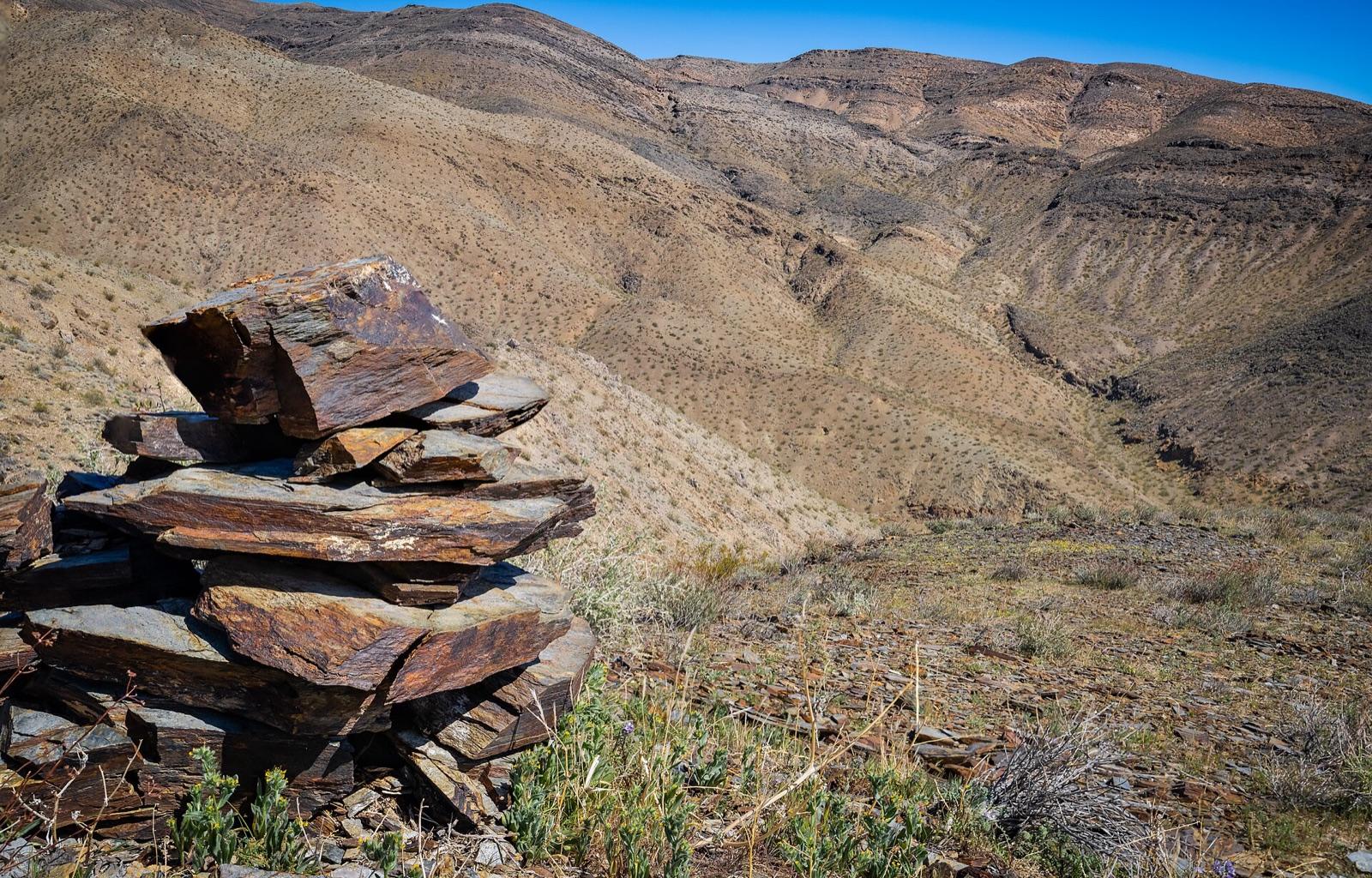
Afton Canyon
PermissionSan Bernardino County, California
Afton Canyon pairs documented BLM rockhounding access with a strong Mojave silica suite: Mindat lists opal, opalite, chalcedony, plume agate, agate-jasper, petrified wood, and jasper in the canyon area.
Opalite, Jasper
 Top pick
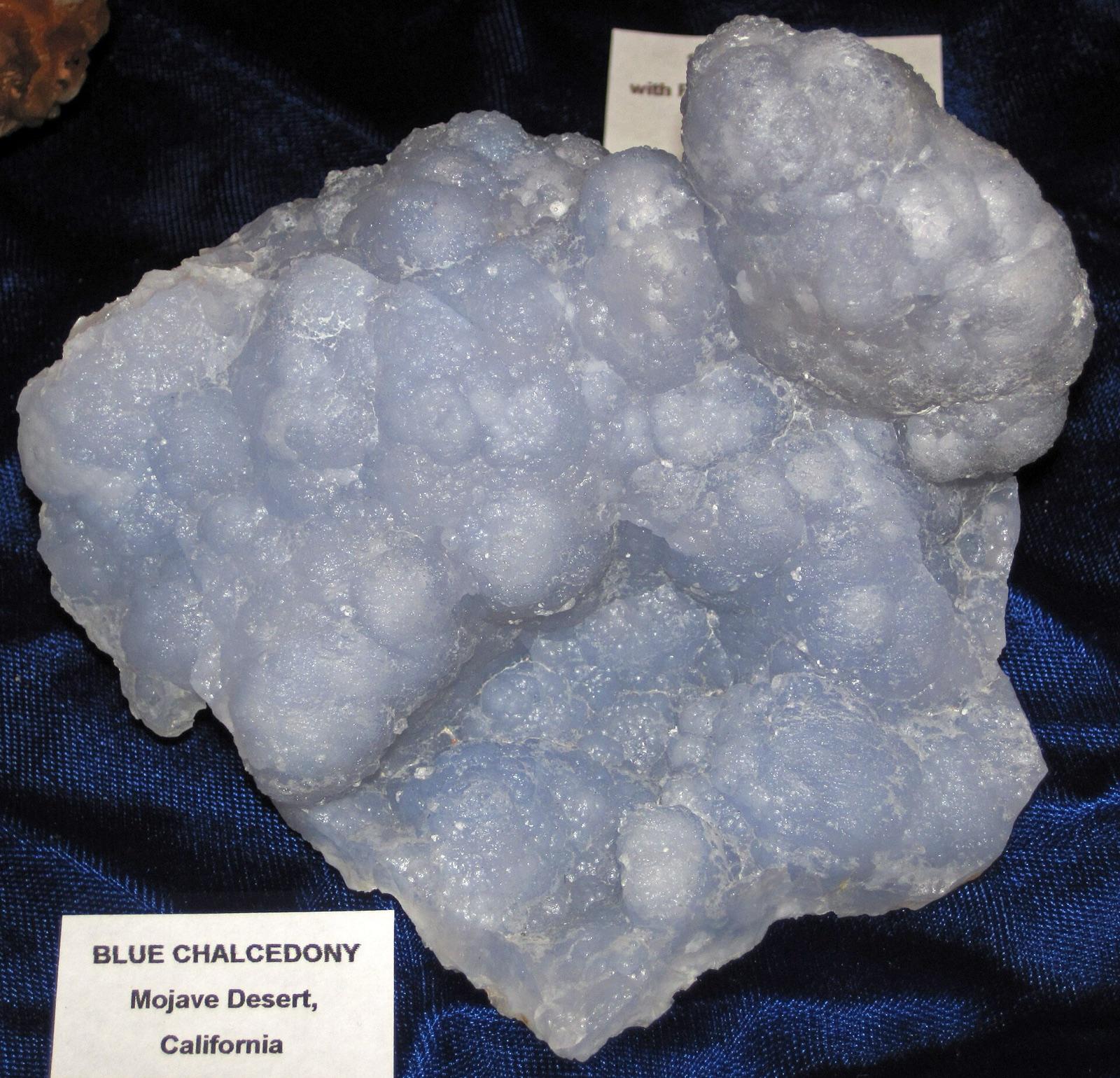
El Paso Mountains
PublicKern County, California
The El Paso Mountains stand out because BLM identifies the area as a place where rock hounds find material among dark volcanic mesas, red buttes, and fossil-bearing badlands.
Agate, Opal, Jasper, Gold
 Top pick
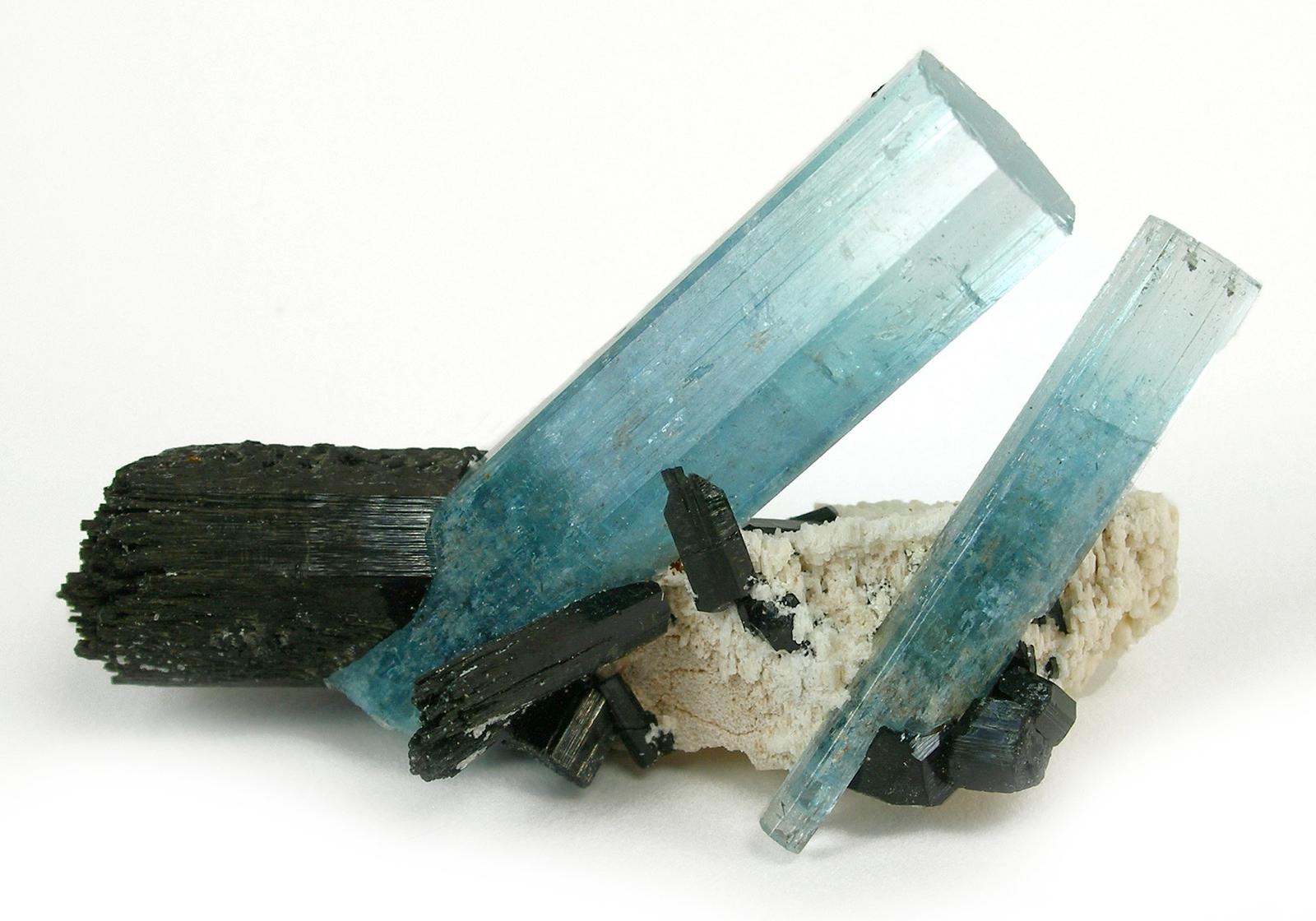
Gem Hill
PublicKern County, California
Gem Hill is a focused Kern County silica locality, with Mindat recording agate, chalcedony, iris agate, jasper, petrified wood, native gold, and uranium minerals nearby.
Agate, Chalcedony, Jasper, Uraninite
 Top pick
Mount Antero
PublicChaffee County, Colorado
Mount Antero is the highest gem locality in the United States, with aquamarine and beryl occurring in granite cavities above timberline near its 14,269-foot summit.
Aquamarine, Beryl, Phenakite, Smoky Quartz
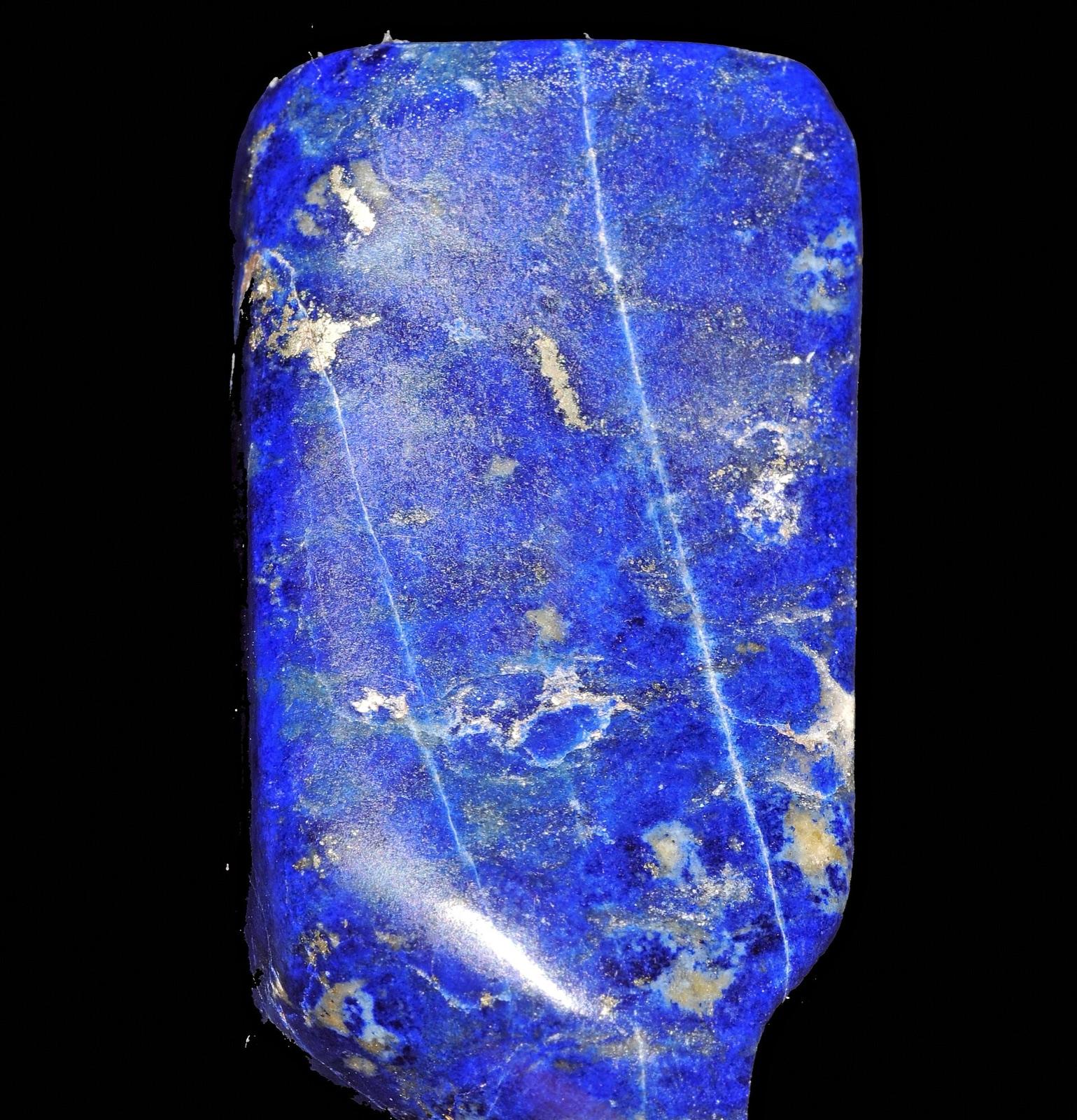 Top pick
Italian Mountain
PublicGunnison County, Colorado
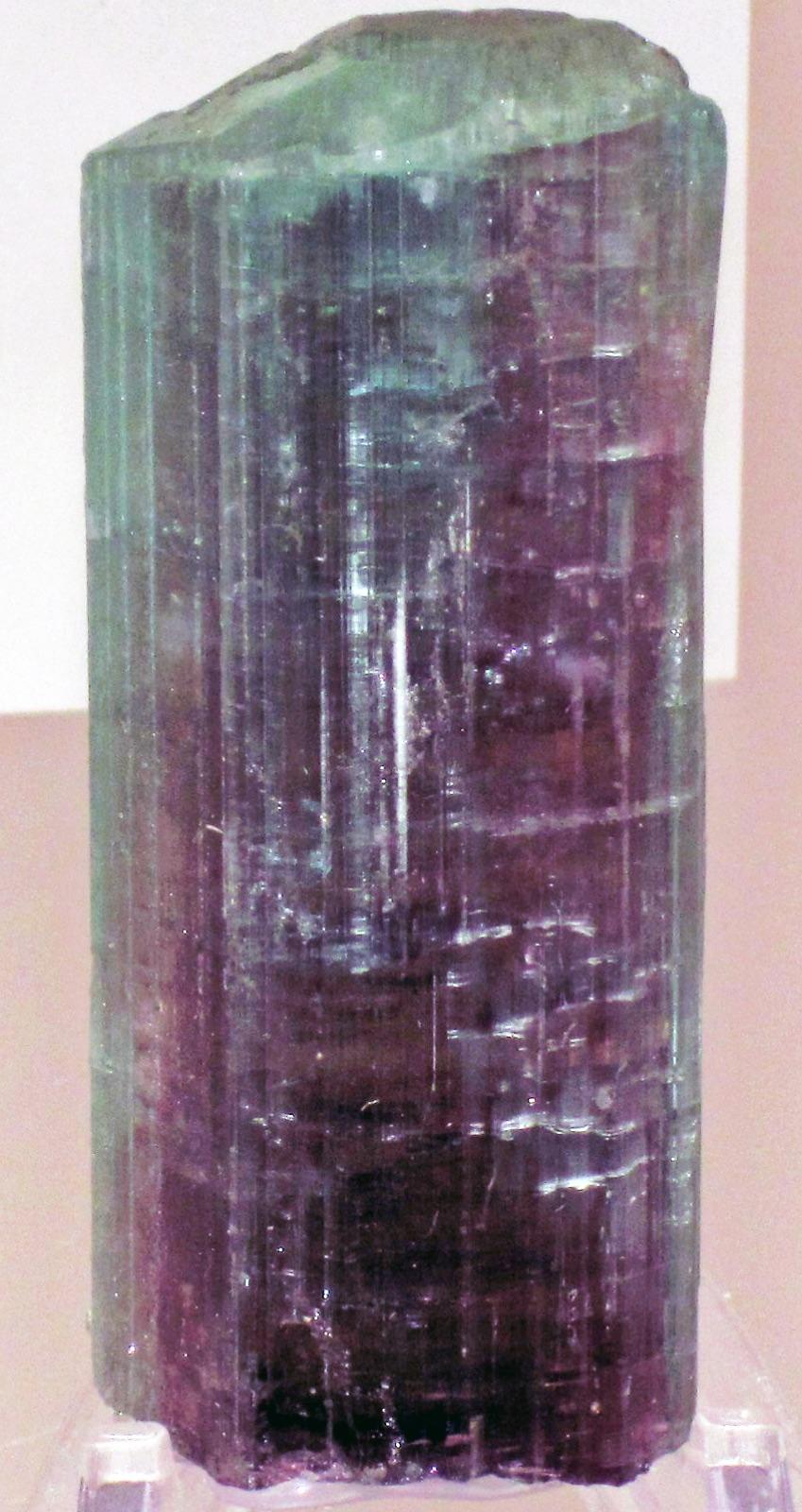
Italian Mountain holds one of the few genuine lapis lazuli localities in the United States, a contact-metamorphic deposit in marble that has produced some of the largest North American lapis specimens.
Lapis Lazuli, Grossular Garnet, Diopside, Pyrite
 Top pick
Quartz Creek (Brown Derby)
PermissionGunnison County, Colorado
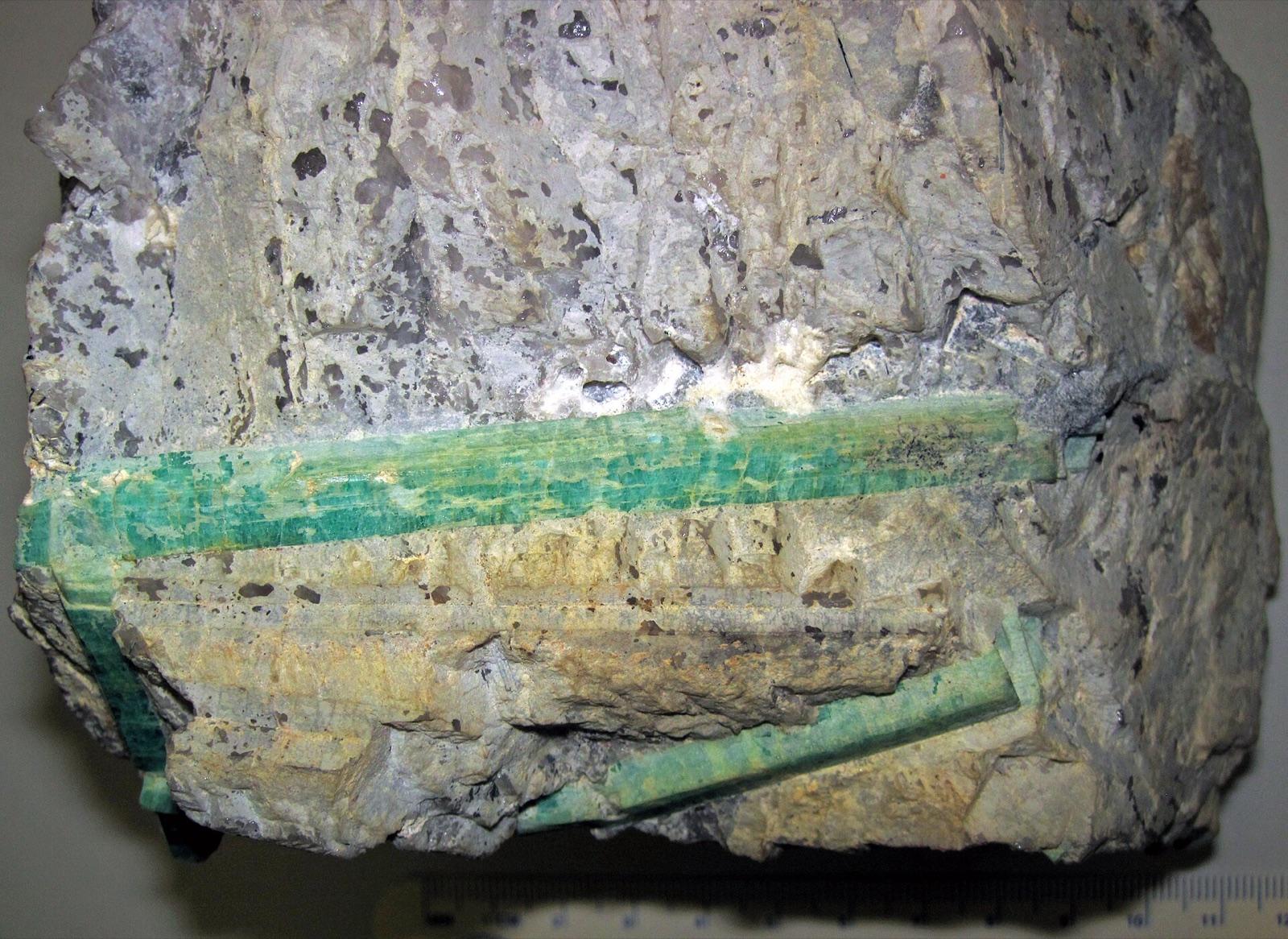
The Quartz Creek, or Brown Derby, district is Colorado's most fractionated lithium-cesium-tantalum pegmatite field, mapped by the USGS as more than 1,800 pegmatite bodies.
Beryl, Tourmaline, Lepidolite, Albite
 Top pick
Crystal Mountain
PublicLarimer County, Colorado
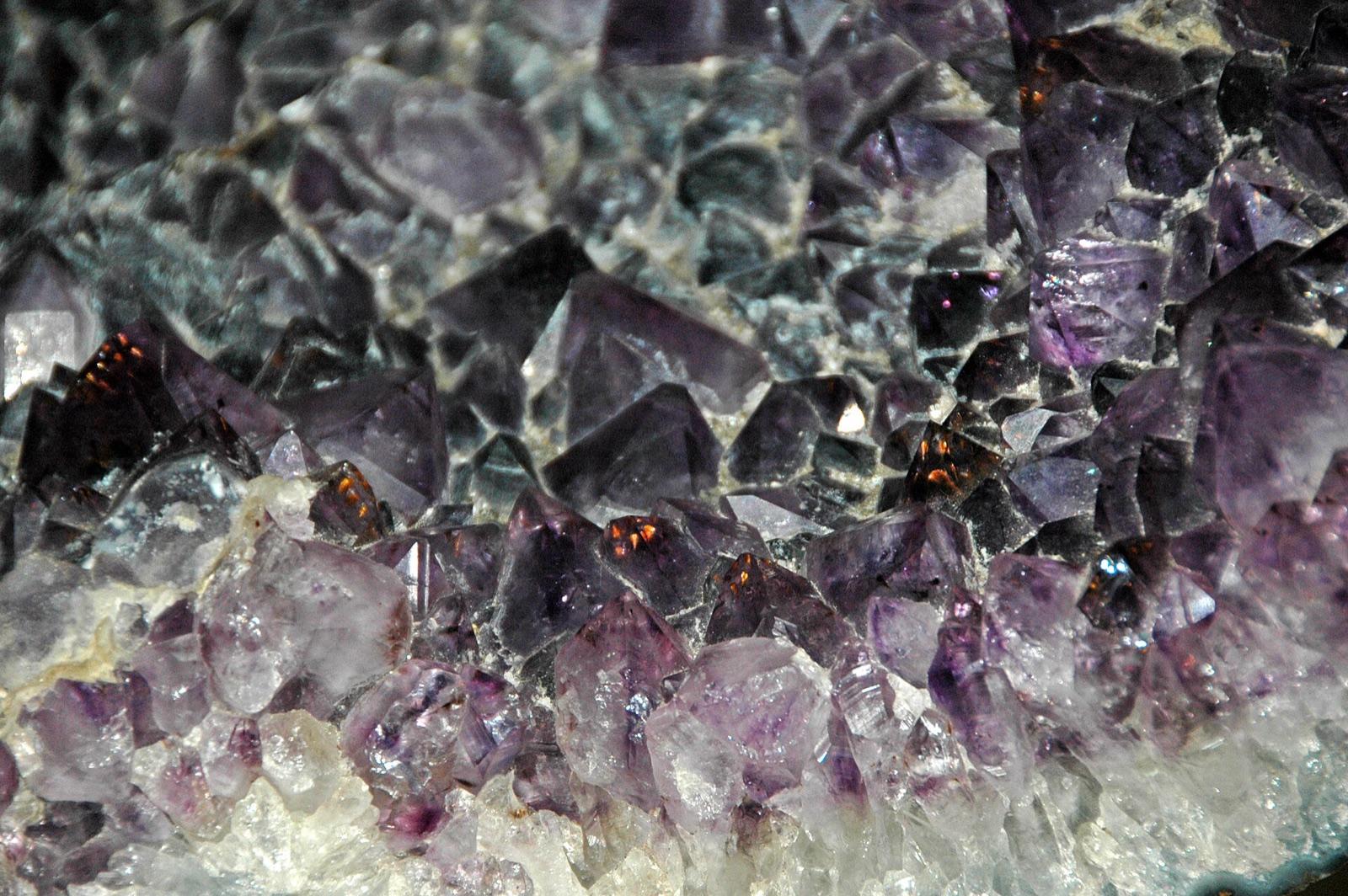
The Crystal Mountain pegmatite district, mapped in USGS Bulletin 1011, contains beryl in roughly a quarter of its pegmatites, including aquamarine, alongside muscovite, fluorapatite, and bismutite.
Beryl, Aquamarine, Fluorapatite, Muscovite
 Top pick
Wolf Creek Pass
PublicMineral County, Colorado
Wolf Creek Pass cuts through Conejos Formation basalts whose gas cavities are lined with zeolites, including mordenite reported among the finest in North America, alongside amethyst-bearing geodes.
Amethyst, Mordenite, Heulandite, Chabazite
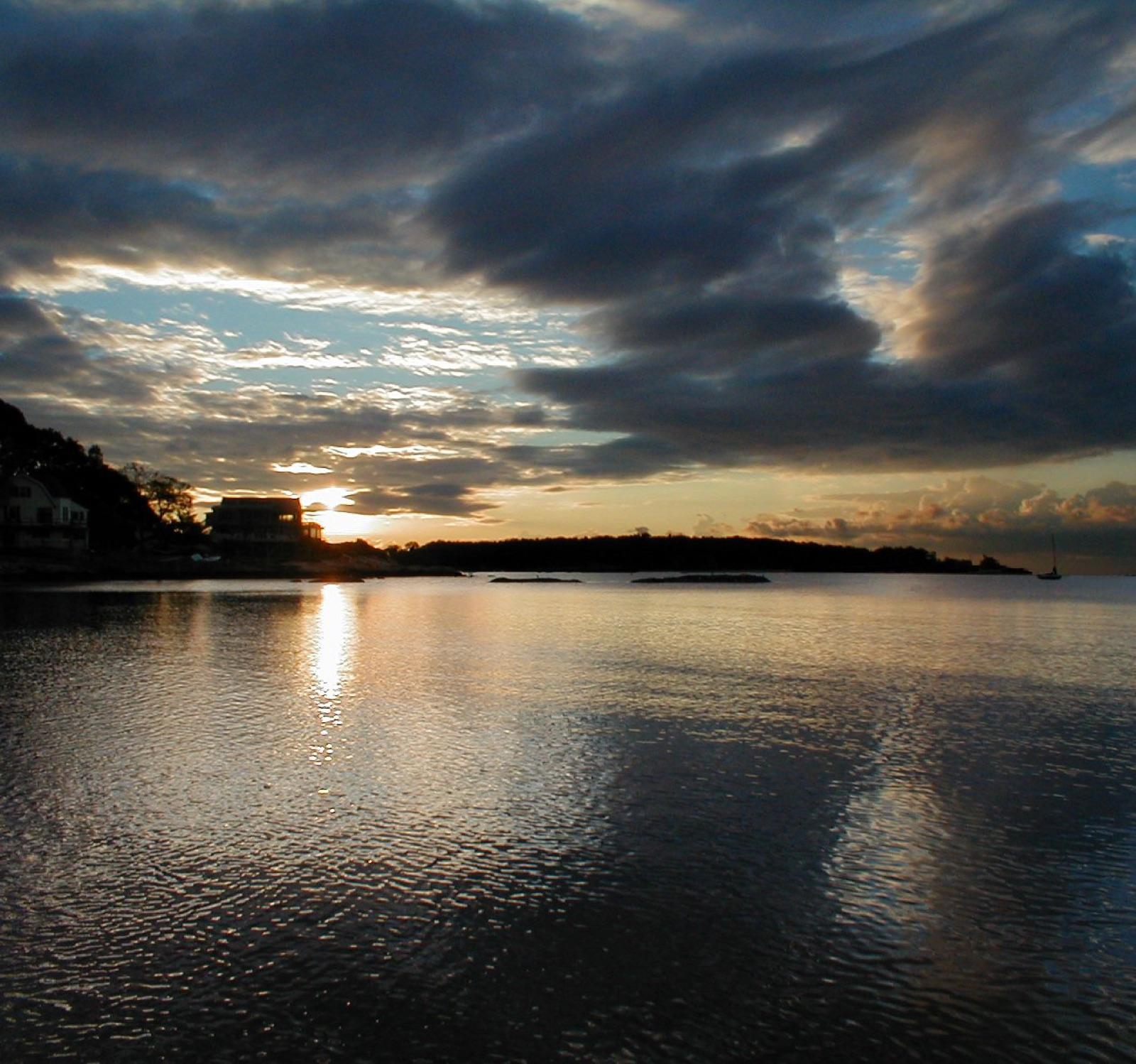 Top pick
Guilford & East Haven
PublicSouth Central Connecticut Planning Region, Connecticut
The Guilford and East Haven shoreline yields water-worn agate, jasper, and quartz pebbles carried in as glacial erratics and reworked by Long Island Sound, a long-documented occurrence in Connecticut locality guides.
Agate
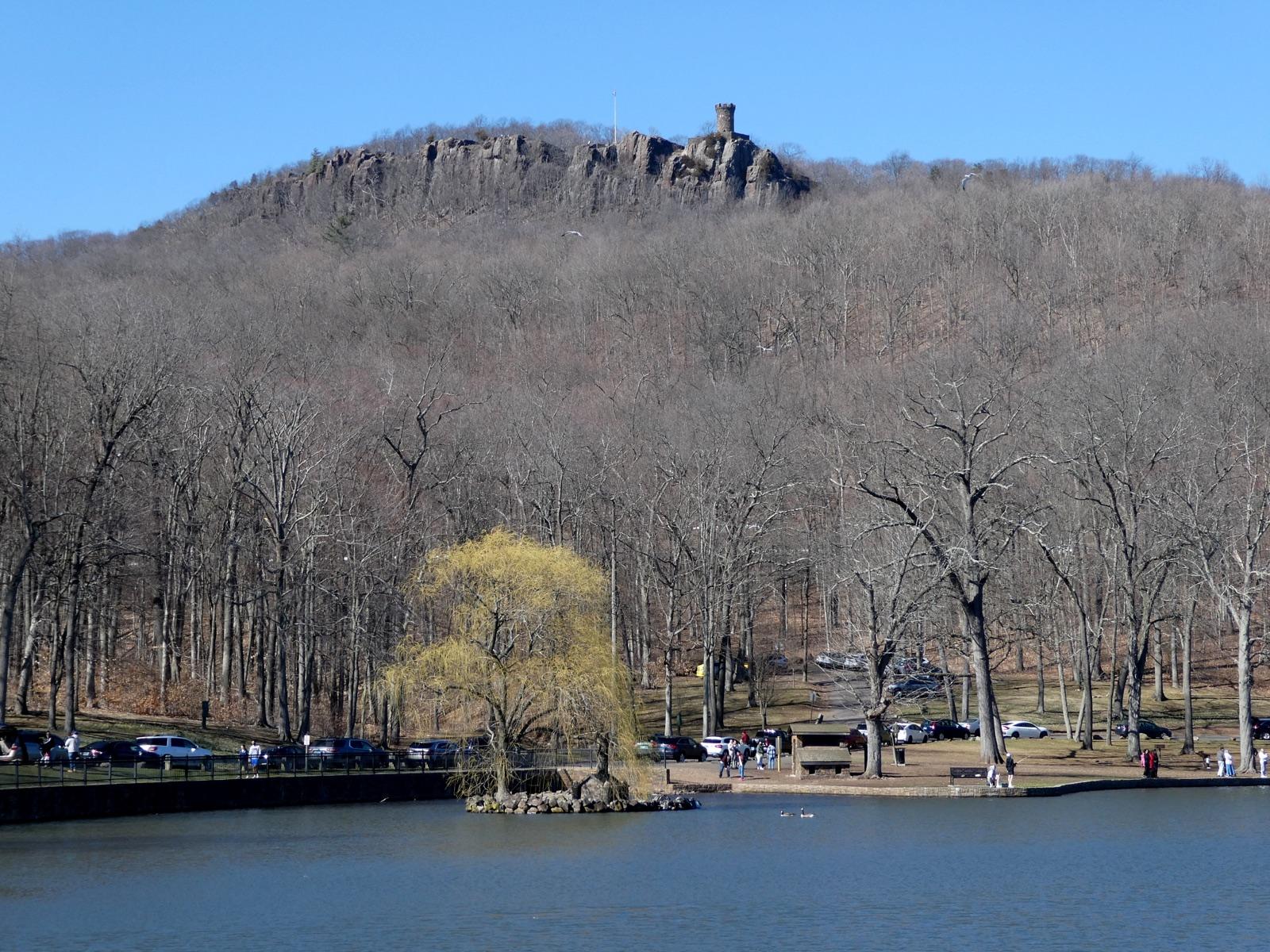 Top pick
Hubbard Park
PublicSouth Central Connecticut Planning Region, Connecticut
Hubbard Park spans roughly 1,800 acres on the Talcott Basalt of the Hanging Hills, the traprock ridge that gives central Connecticut its classic quartz and zeolite pockets.
Quartz
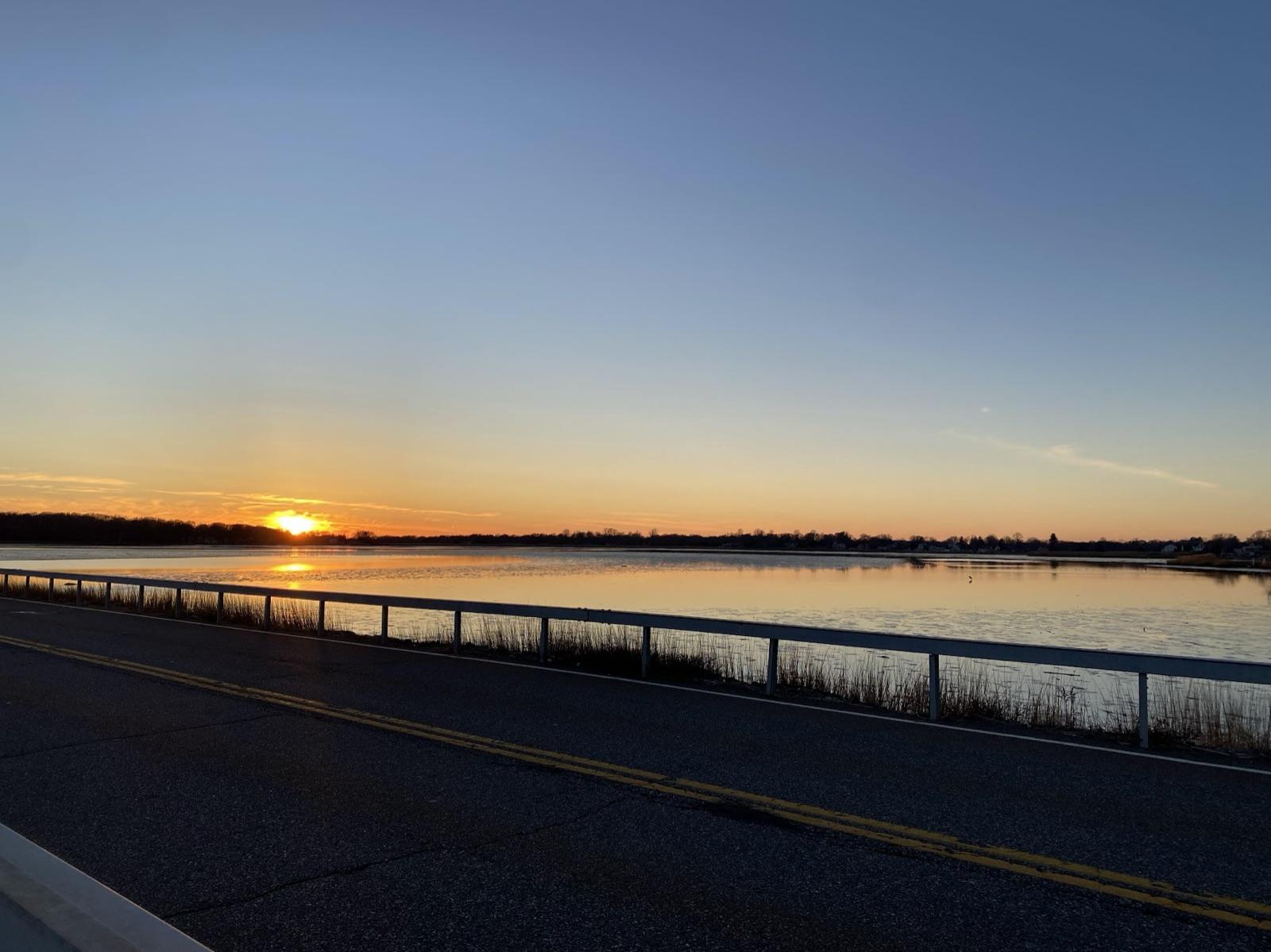 Top pick
Plum Bank Beach
PublicLower Connecticut River Valley Planning Region, Connecticut
Plum Bank Beach is one of Connecticut's more reliable shoreline spots for surface agate and moonstone, tumbled from glacial outwash and concentrated in the beach gravel by Long Island Sound tides.
Agate, Moonstone
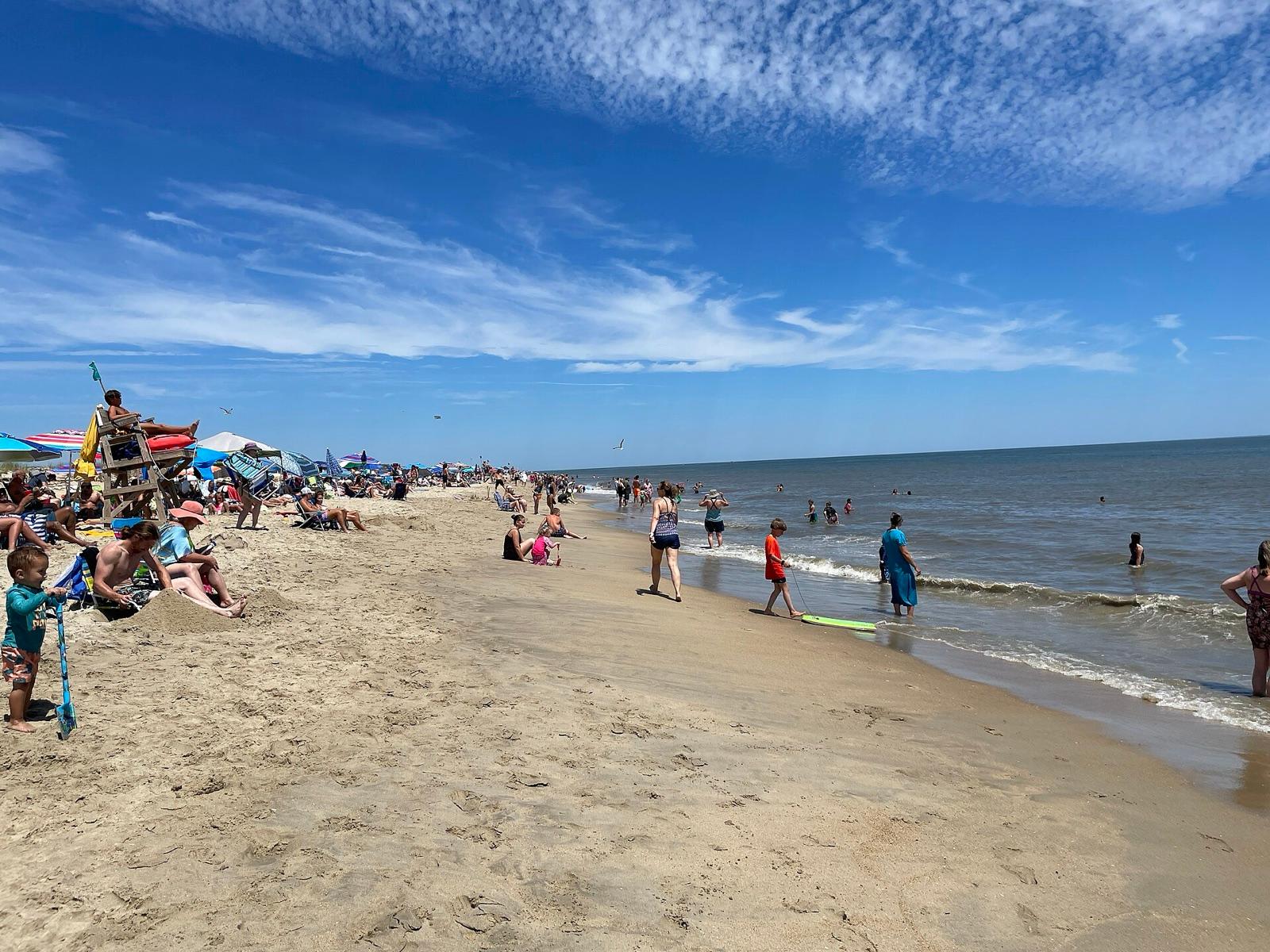 Top pick
Cape Henlopen
PermissionSussex County, Delaware
Cape Henlopen sits at the mouth of Delaware Bay, where longshore currents pile up the water-clear quartz pebbles known as Cape Henlopen (or Cape May) diamonds, sometimes tinted milky, rose, or smoky.
Quartz
 Top pick
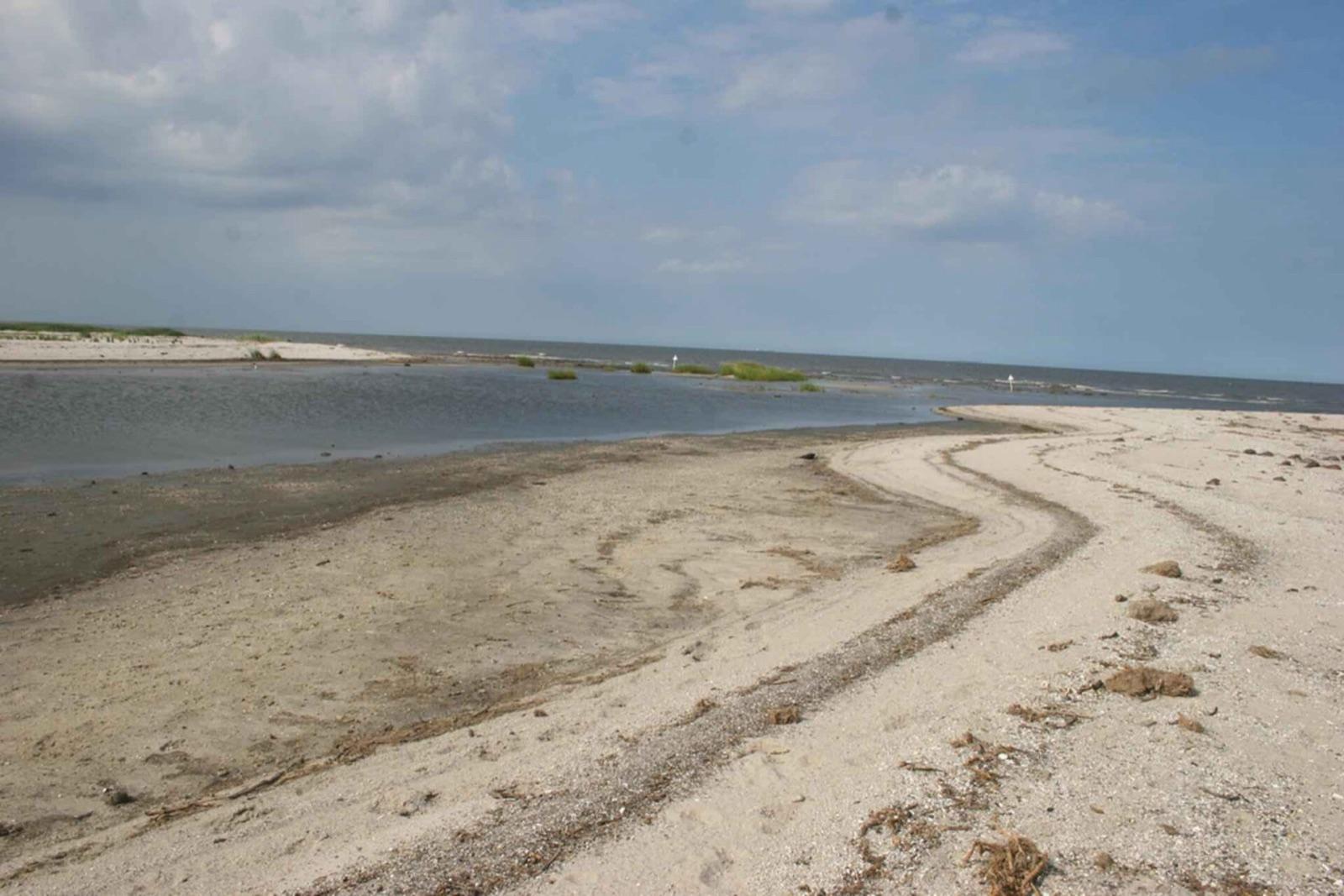
Fowler Beach
PublicSussex County, Delaware
Fowler Beach is an undeveloped Delaware Bay shoreline on the edge of Prime Hook National Wildlife Refuge, and one of the better free beaches in the state for the water-clear quartz called Cape May diamonds, with scattered chalcedony, jasper chips, shells, and sea glass in the wrack and pebble lines.
Quartz
 Top pick
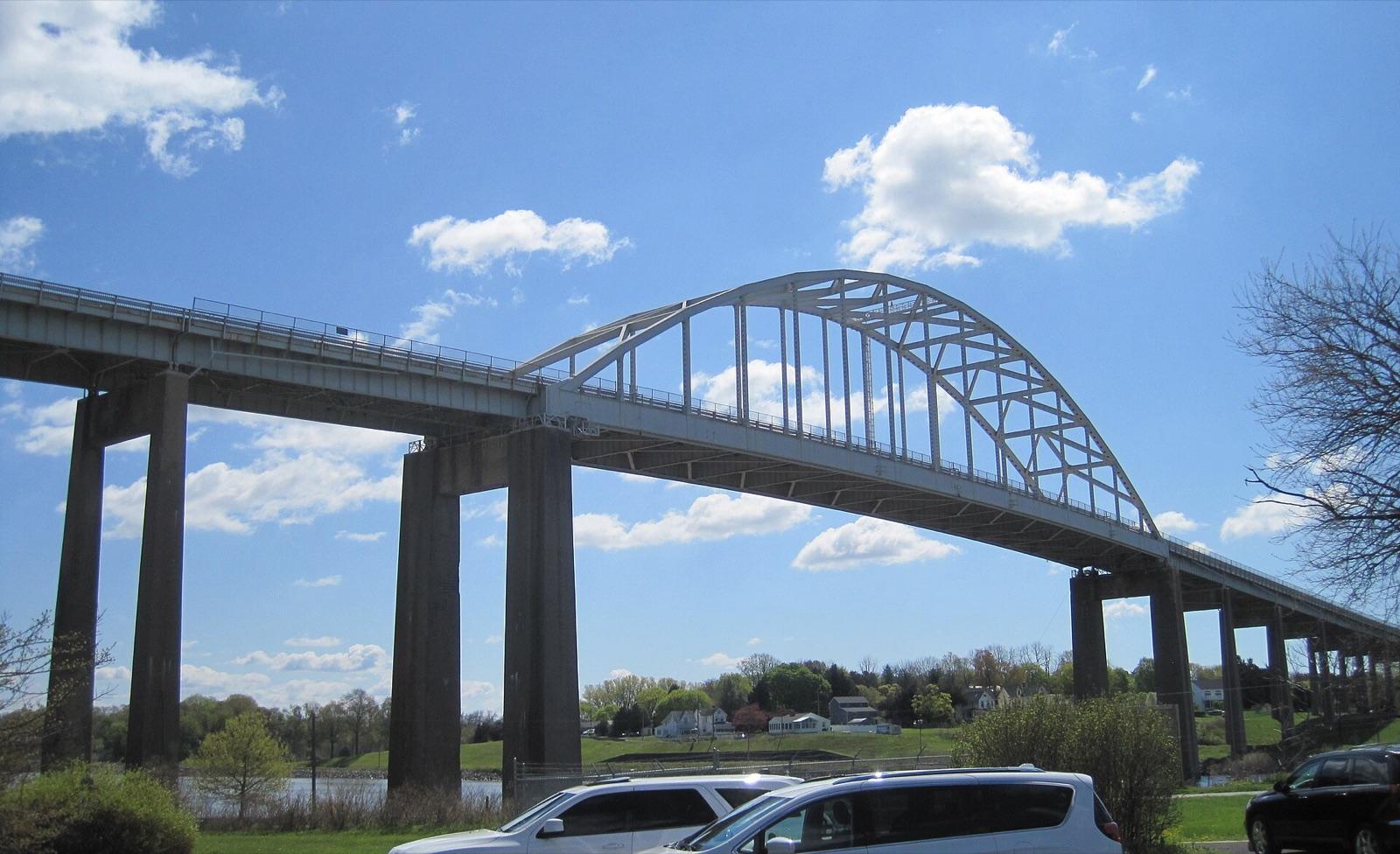
Chesapeake & Delaware Canal
PublicNew Castle County, Delaware
The dredge spoil banks along the north side of the Chesapeake and Delaware Canal are Delaware's most famous fossil ground, cutting into roughly 70-million-year-old Cretaceous marl of the Mount Laurel and Merchantville formations.
Fossil
 Top pick
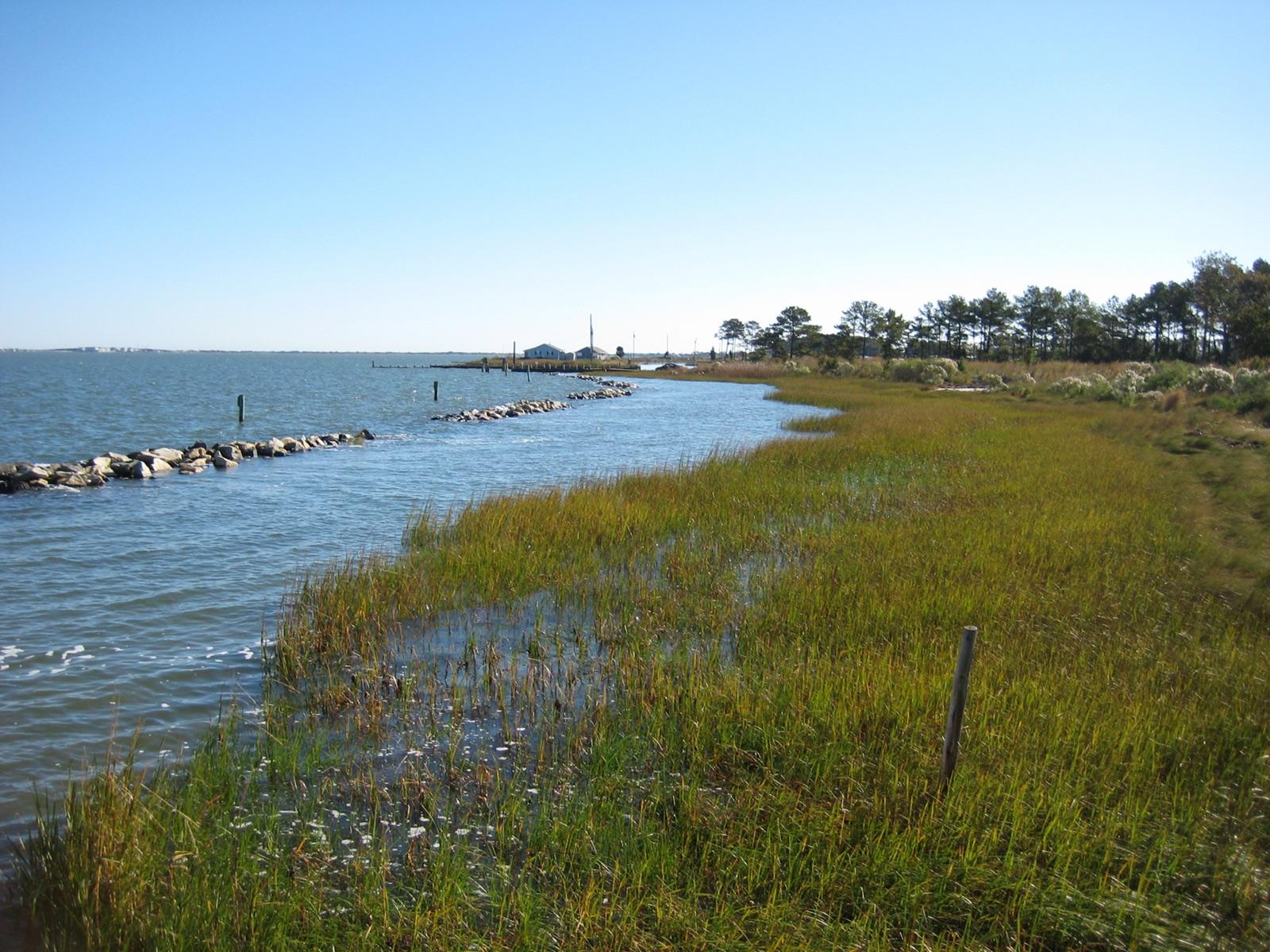
Pepper Creek
PublicSussex County, Delaware
Pepper Creek, a tidal creek south of Dagsboro draining toward Indian River Bay, is a Delaware Geological Survey fossil locality where Pleistocene marine shells, less than two million years old, weather out of the low banks and mix with the creek gravels.
Fossil
 Top pick
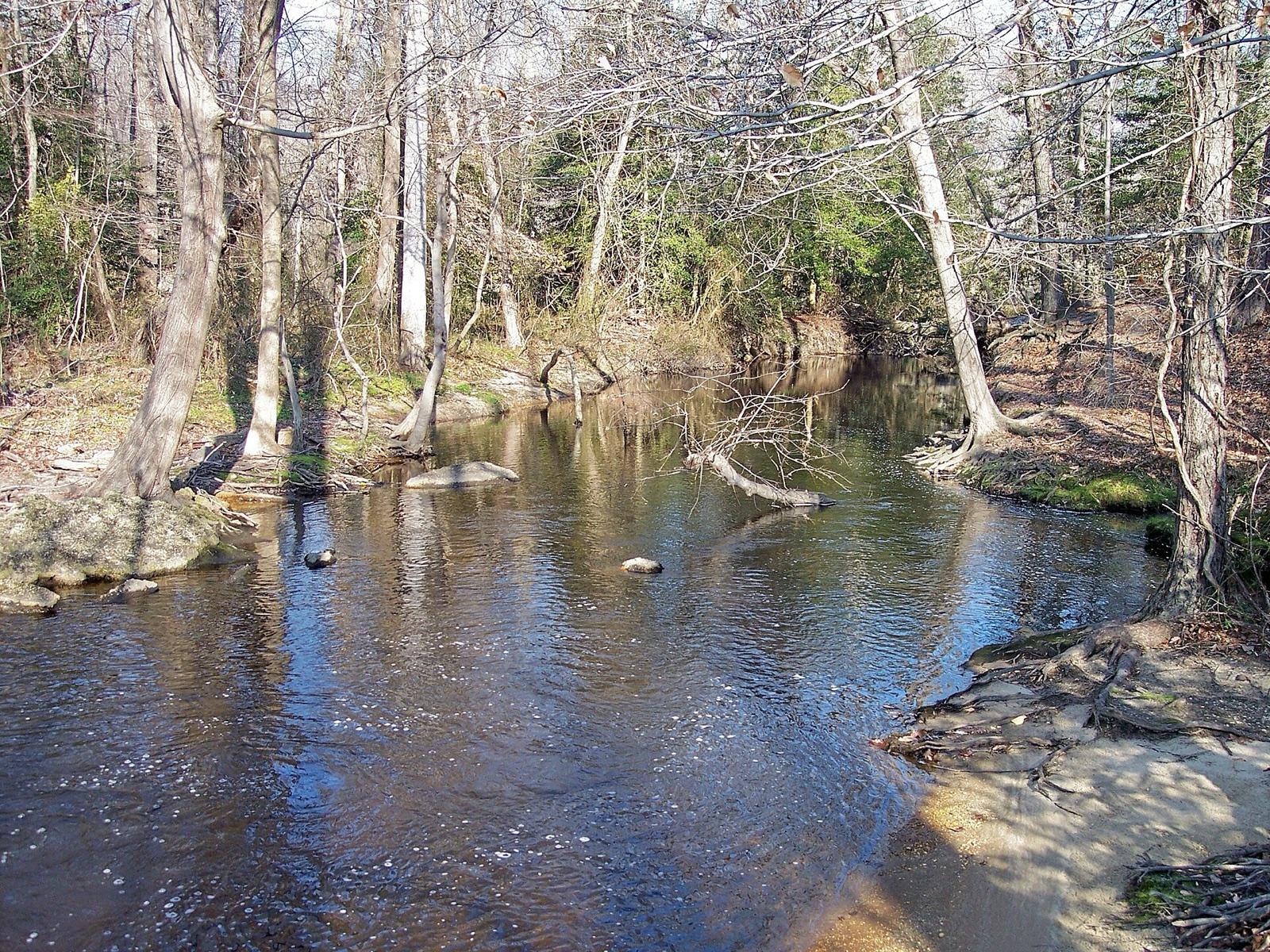
Coursey Pond
PermissionKent County, Delaware
Coursey Pond, a millpond on the Murderkill drainage southeast of Felton, is one of the few inland Delaware spots where fossils turn up: poorly preserved Miocene shells and marine fragments, roughly 15 million years old, weather from the banks at the water line, mixed with quartz pebbles, feldspar, and mica in the sand and gravel.
Fossil
 Top pick
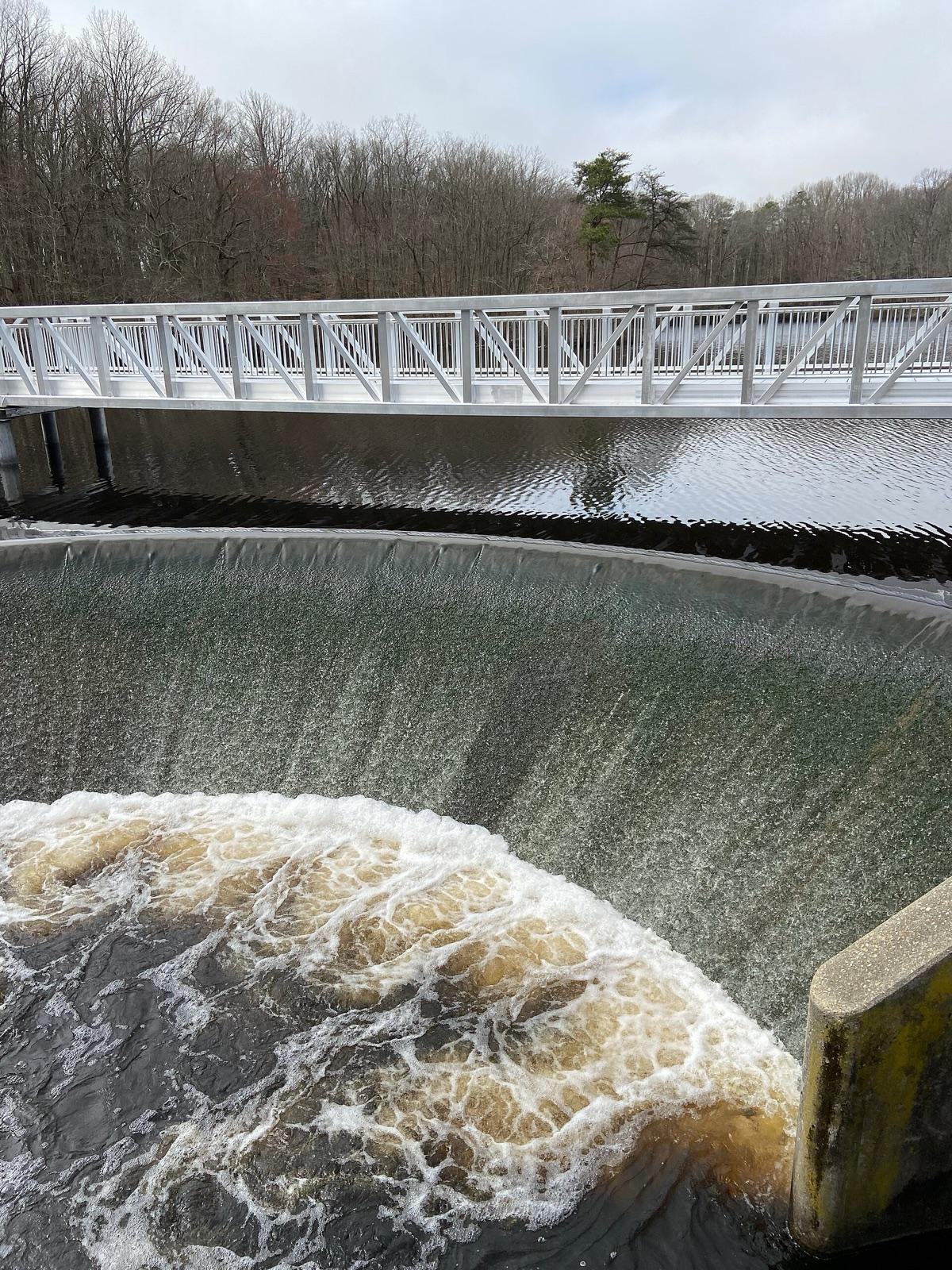
Killen Pond
PermissionKent County, Delaware
Killens Pond, the centerpiece of Killens Pond State Park near Felton, is the twin of Coursey Pond in the Delaware Geological Survey's fossil-site list, with the same poorly preserved Miocene shells and marine fragments eroding from the pond banks.
Fossil
 Top pick
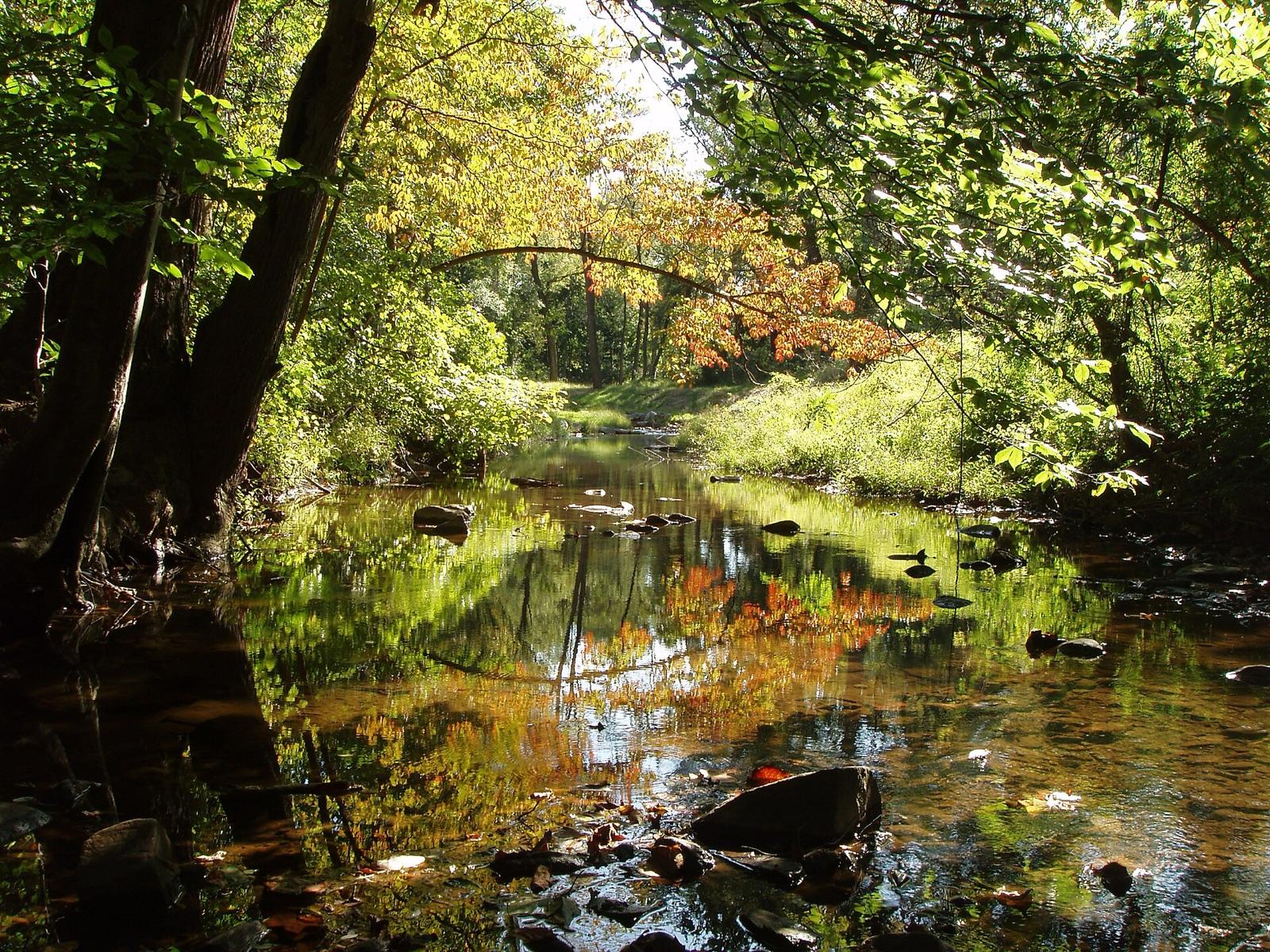
Near Brandywine Springs State Park
PermissionNew Castle County, Delaware
The Piedmont hills around Brandywine Springs and the Red Clay valley west of Wilmington are the type area for sillimanite, Delaware's state mineral, which occurs here as large masses and boulders in the high-grade Wilmington Complex gneiss alongside garnet, mica, and microcline feldspar.
Sillimanite
 Top pick
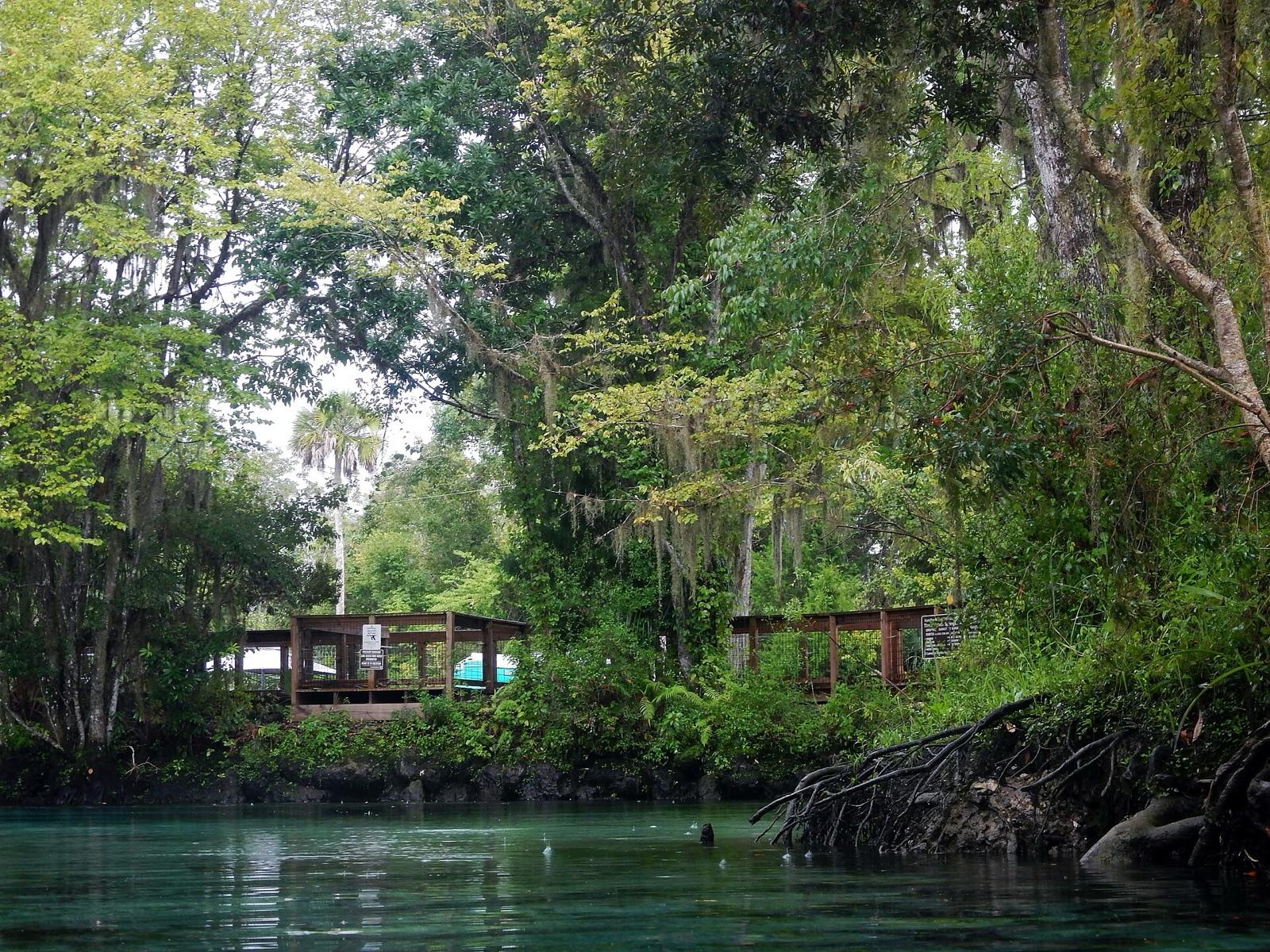
Crystal River
PublicCitrus County, Florida
Crystal River sits on the Nature Coast where the Eocene Crystal River Formation limestone hosts calcite and quartz crystal pockets, chalcedony-filled fossil molds, and chert, along with fossil echinoids and mollusks.
Calcite, Quartz, Chert, Fossil
 Top pick
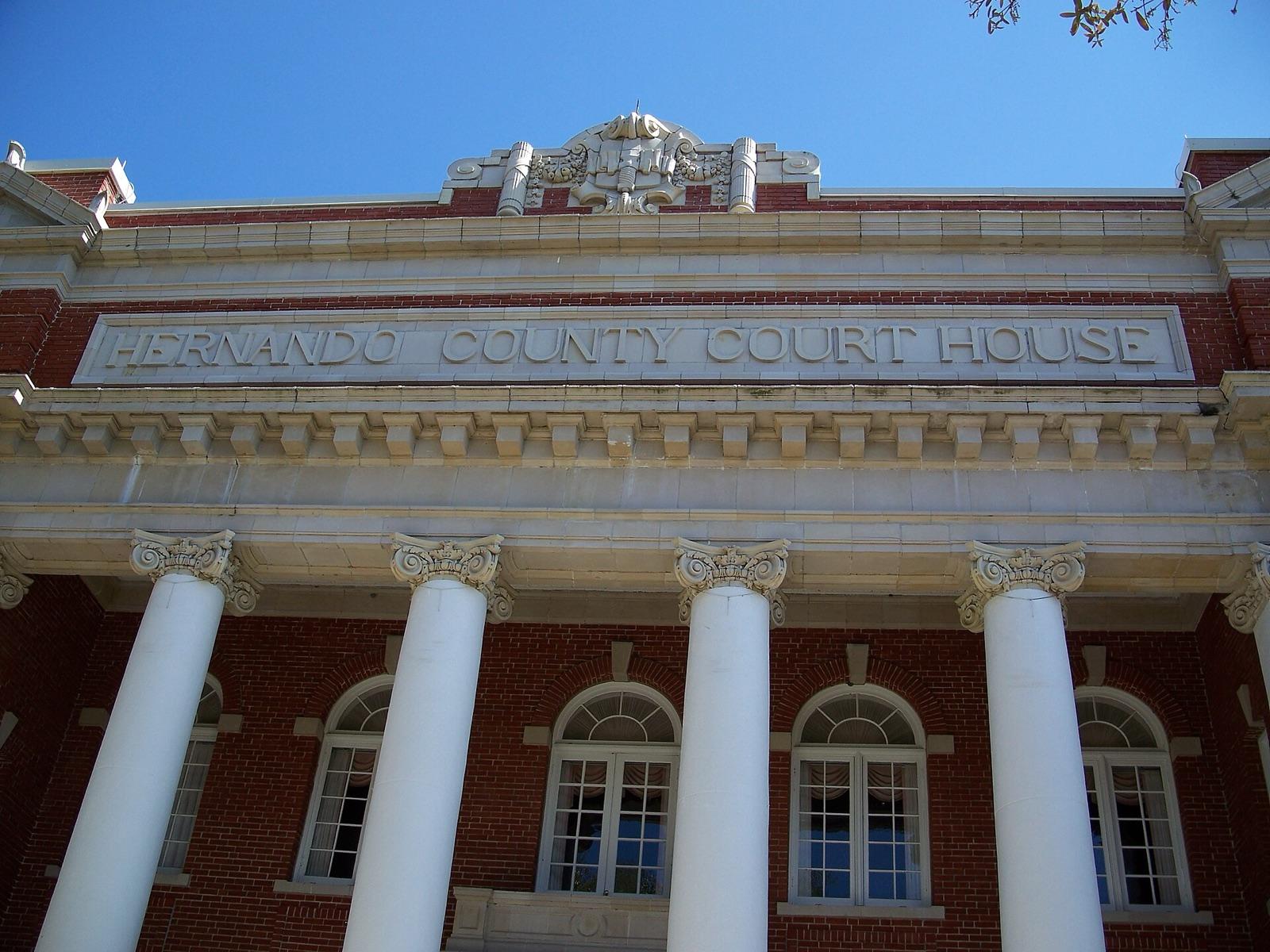
Brooksville
PublicHernando County, Florida
The Brooksville area sits on the Ocala Uplift, where Eocene Ocala Limestone produces calcite crystal pockets and echinoid (sea biscuit) fossils, some hollow and lined with calcite as geodes.
Calcite, Echinoid Geode
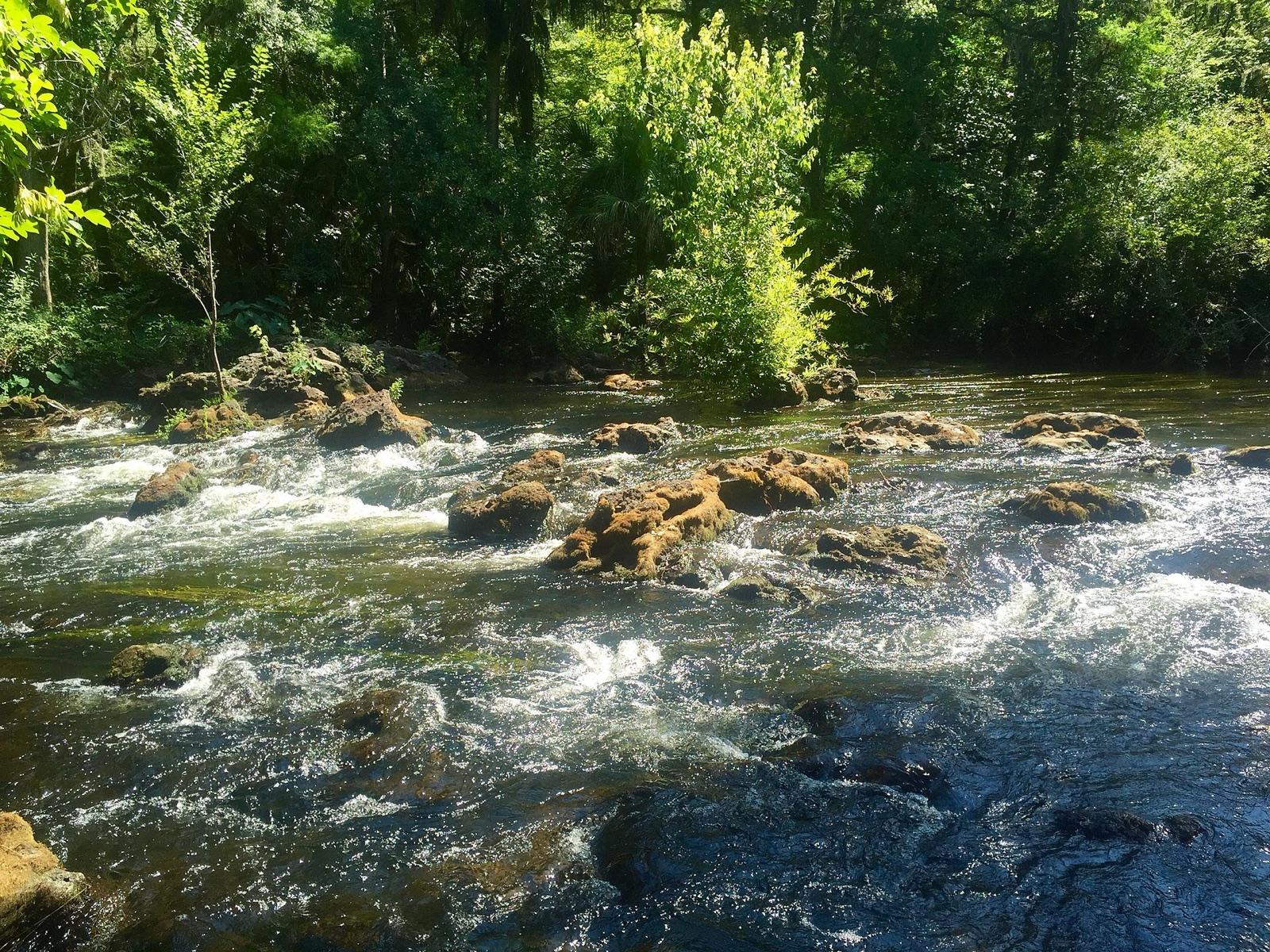 Top pick
Hillsborough River
PublicHillsborough County, Florida
The Tampa Bay area is the third of Florida's classic agatized coral regions, and the Hillsborough River drainage yields silicified corals and agate along with brain and finger coral fossils.
Brain Coral, Finger Coral, Agate
 Top pick
Gulf Beaches
PublicSarasota County, Florida
Venice bills itself as the Shark Tooth Capital of the World, and the Sarasota County beaches around the Venice jetty sit above a Miocene to Pleistocene fossil layer that feeds fossil shark teeth onto the sand.
Fossilized Coral, Shark Tooth, Sponge, Manatee Bone
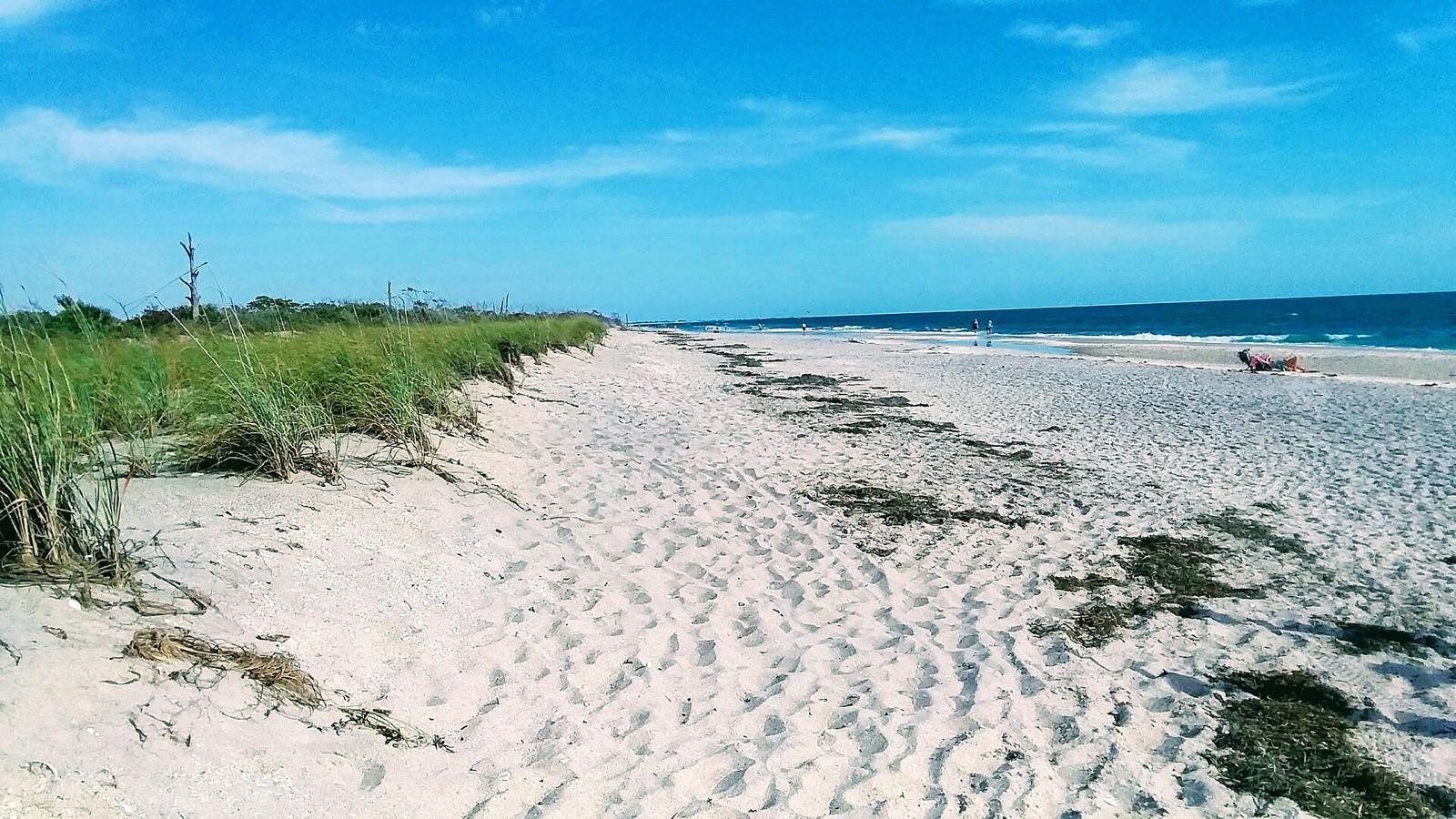 Top pick
Englewood Beach
PublicCharlotte County, Florida
Manasota Key at Englewood is the Charlotte County extension of the Venice shark tooth beaches, drawing fossil teeth and fossil coral from the same offshore Miocene bone bed.
Fossilized Coral, Shark Tooth, Sponge, Manatee Bone
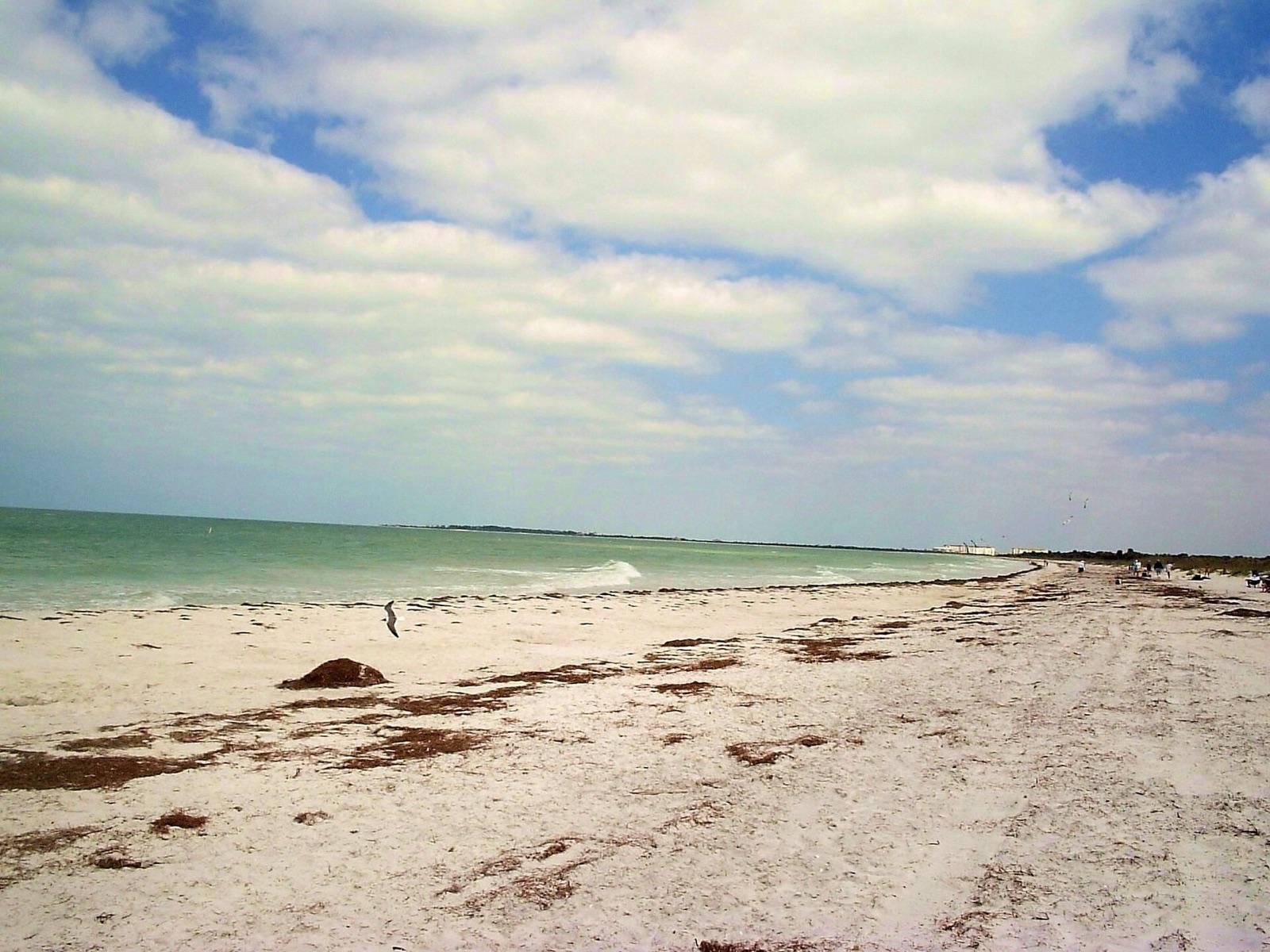 Top pick
Caledesi Causeway Banks
PublicPinellas County, Florida
The causeway and beaches near Dunedin and Honeymoon Island are cited as one of the best remaining public sources of agatized coral and chalcedony in the Tampa Bay region.
Chalcedony
 Top pick
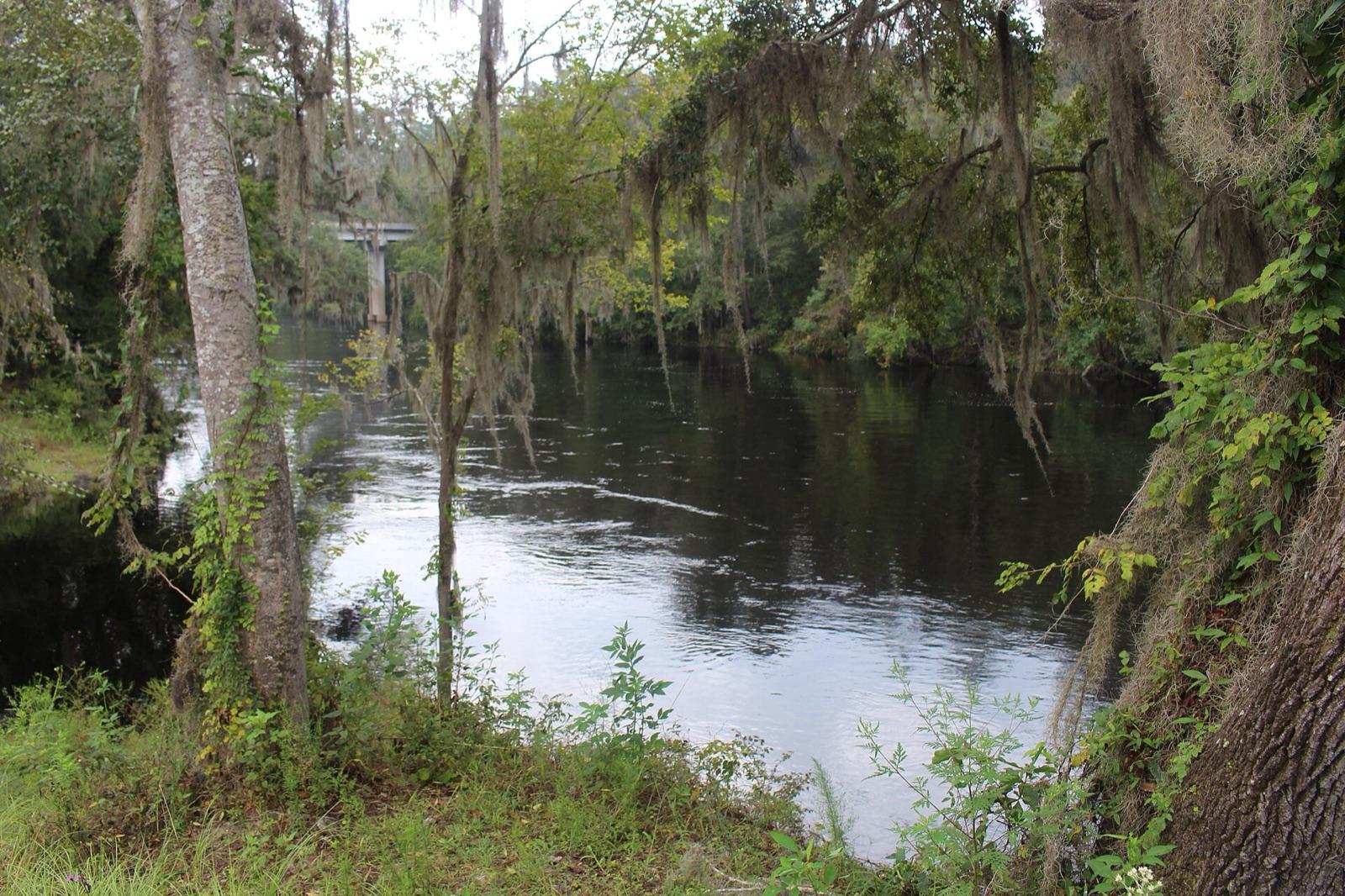
Suwannee River
PublicHamilton County, Florida
The Suwannee River bed and banks downstream of White Springs are one of the three classic sources of Florida's state stone, agatized coral, where silica has replaced fossil coral to form chalcedony that keeps the original coral structure.
Agatized Coral
 Top pick
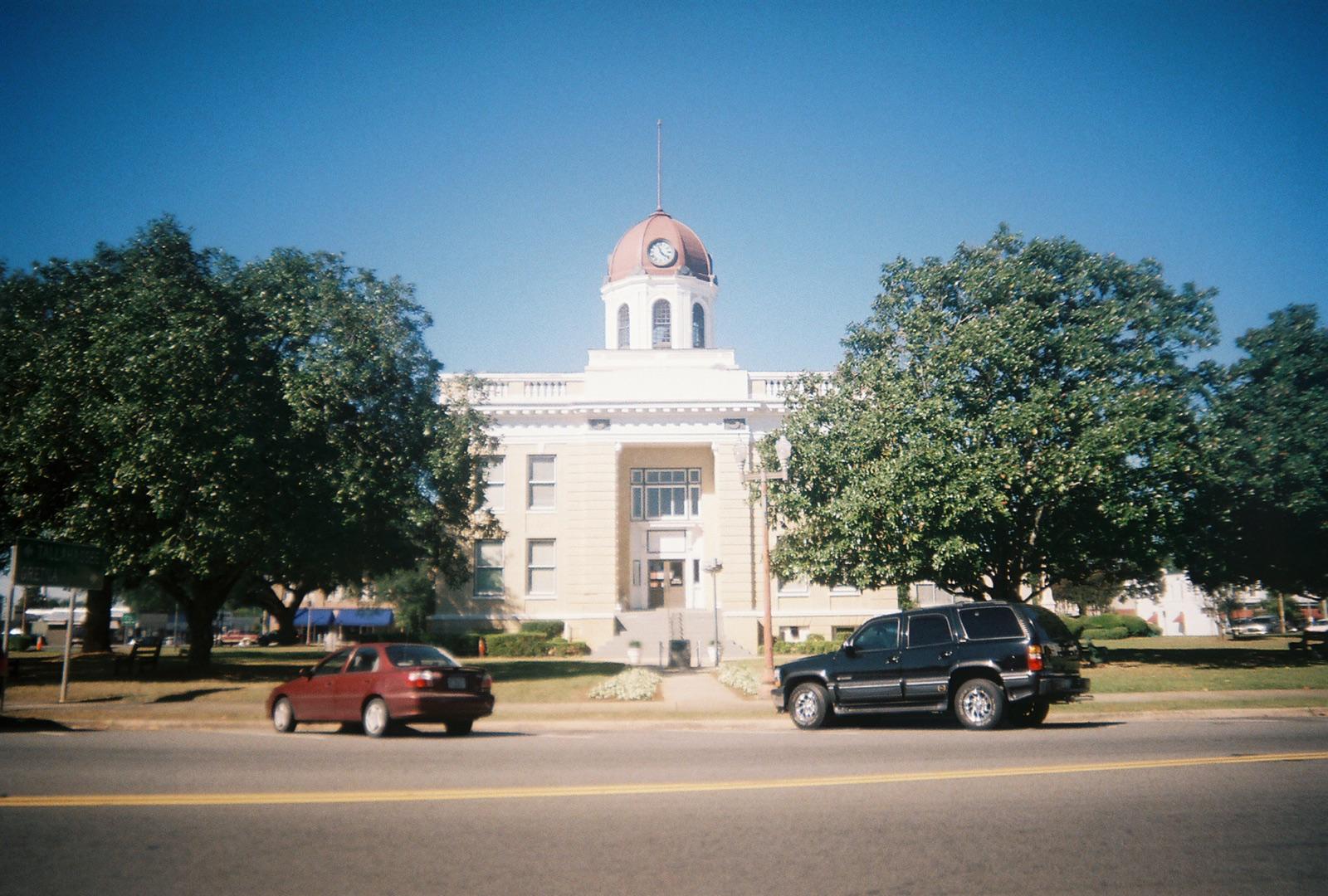
Quincy Area
PublicGadsden County, Florida
Gadsden County in the eastern Panhandle is one of Florida's better sources of silicified (petrified) wood, which weathers out as tan to brown grain-patterned fragments from silica-rich Tertiary sediments.
Silicified Wood, Fossil
 Top pick
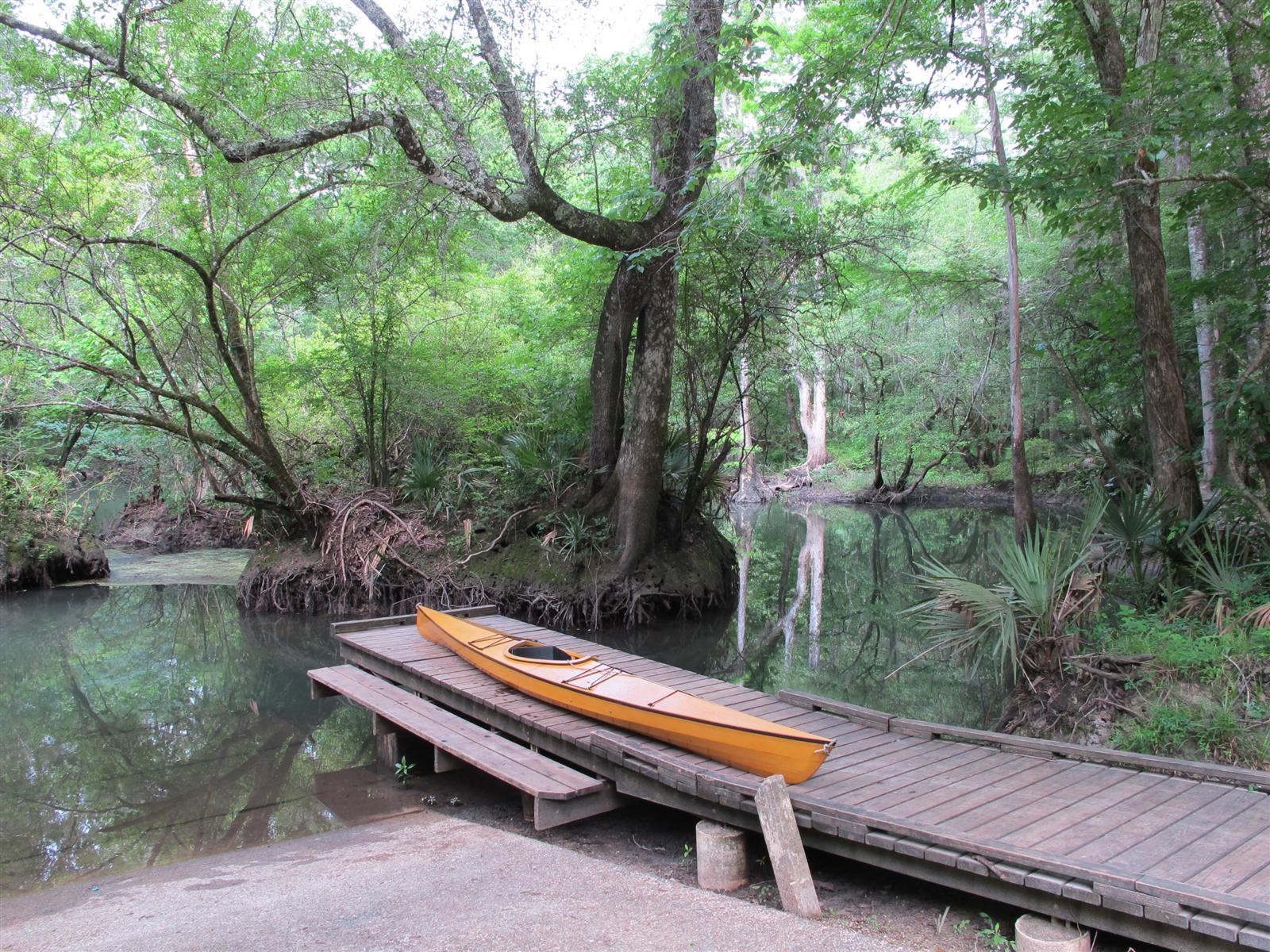
Cottondale Area
PublicJackson County, Florida
Jackson County in the western Panhandle exposes the Oligocene Marianna Limestone and its Marianna chert, a highly fossiliferous unit carrying echinoids, mollusks, and bryozoans along the Chipola River near Marianna and Cottondale.
Chert
 Top pick
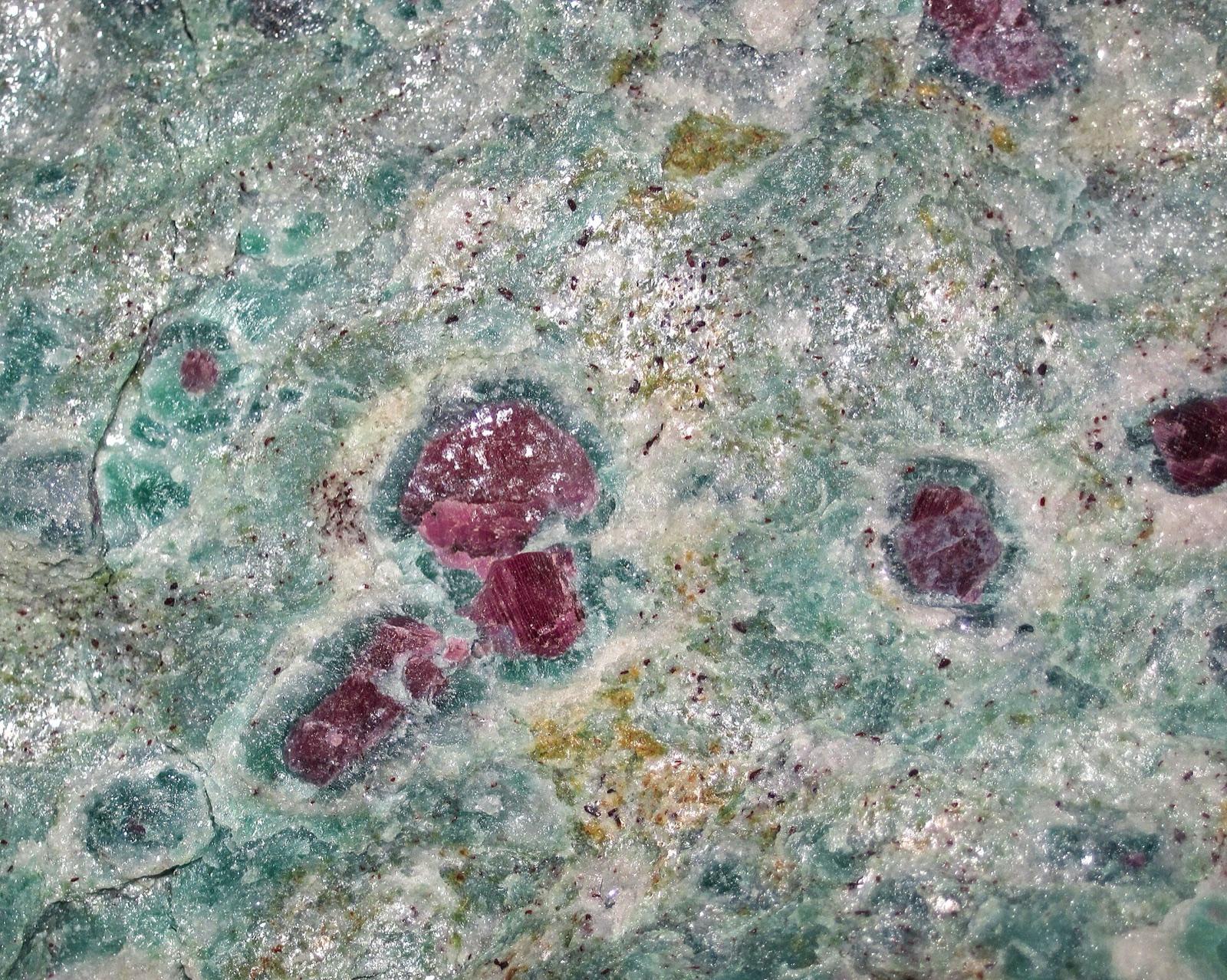
Tallapoosa River
PublicCarroll County, Georgia
The gravels of the Little Tallapoosa River near Carrollton carry small rubies and garnets shed from nearby vein exposures, with garnet and olivine also reported in outcrops just off GA 166.
Ruby
 Top pick
Windy Ridge and Mineral Bluff
PublicFannin County, Georgia
The Mineral Bluff area of Fannin County is the classic source for staurolite "fairy crosses," the twinned crystals that are Georgia's state mineral.
Staurolite
 Top pick
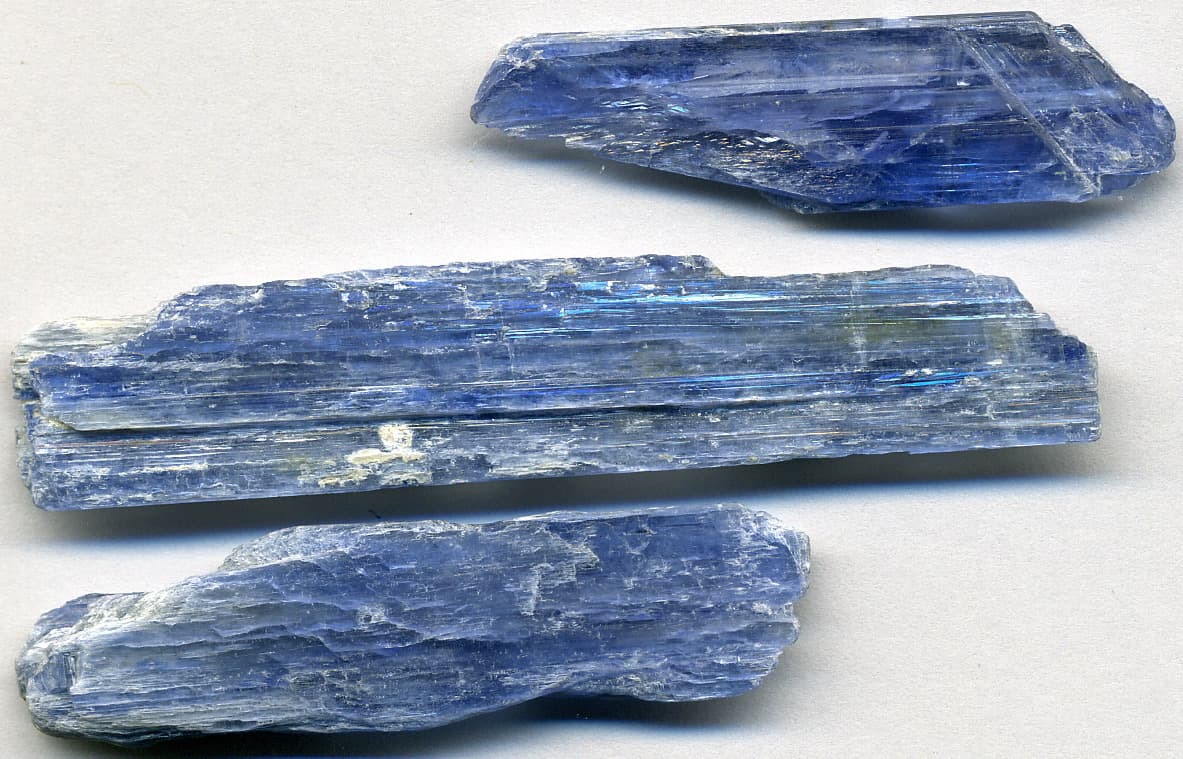
Soquee River
PublicHabersham County, Georgia
Habersham County lies along a kyanite-mica schist belt roughly 30 miles long, and the Soquee (Soque) River drainage near Clarkesville is a recognized source of bladed blue kyanite.
Kyanite
 Top pick
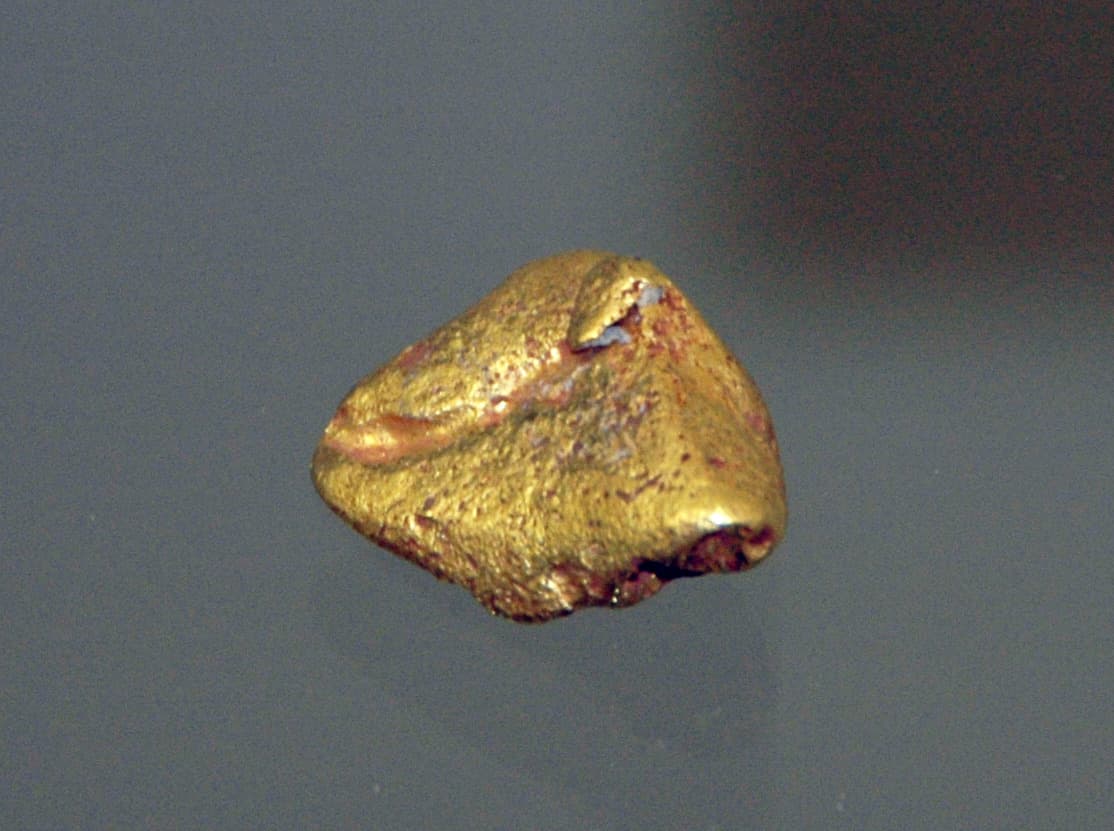
Baggs Branch
PublicLumpkin County, Georgia
Baggs Branch sits in the Dahlonega gold belt of Lumpkin County, the district that touched off the 1829 Georgia gold rush and yielded an estimated 400,000 to 500,000 ounces.
Gold
 Top pick
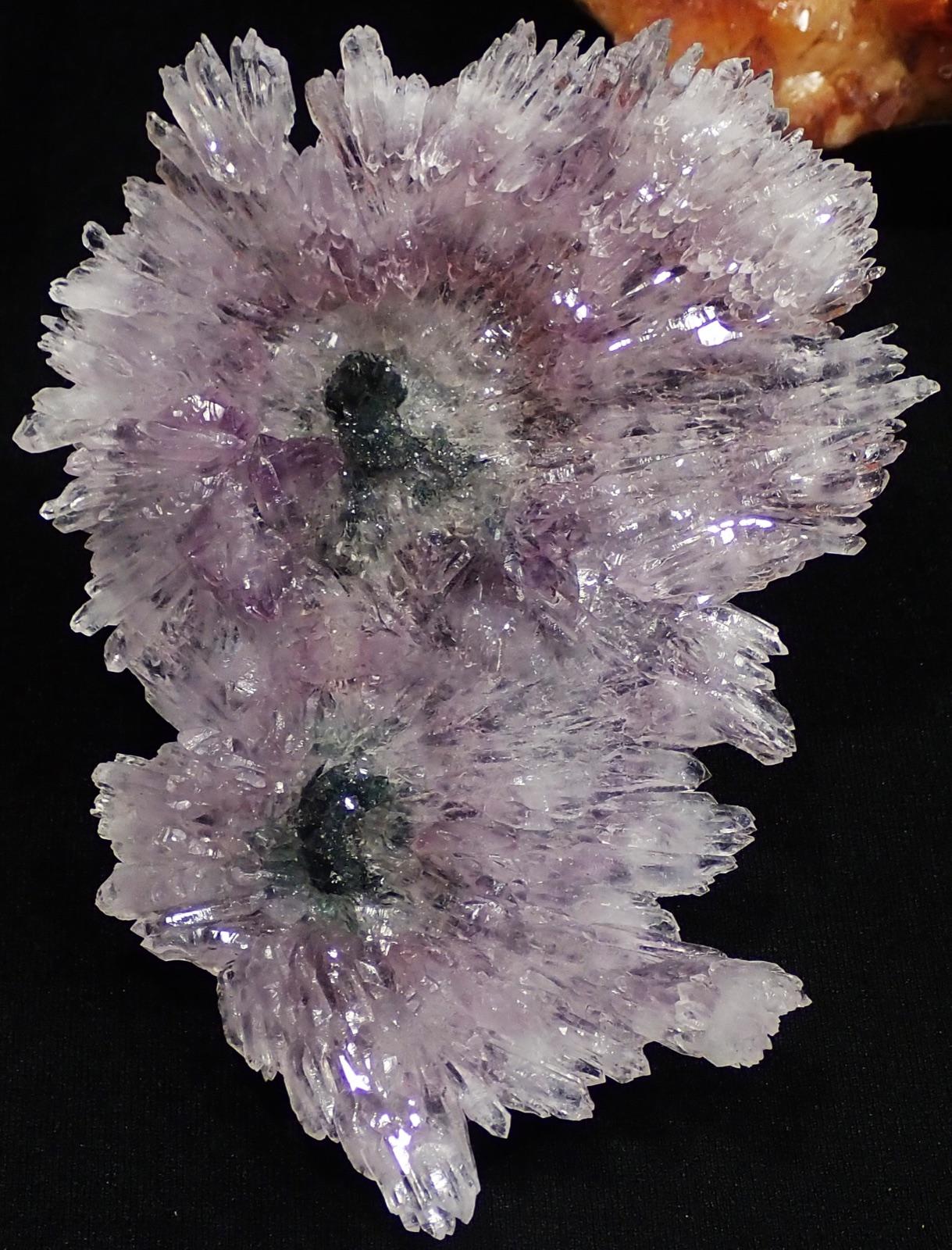
Towns County
PublicTowns County, Georgia
Towns County, in the far northeastern mountains, is one of Georgia's better-known sources of gem-quality amethyst, documented at several localities including the Garrett Mine near Titus.
Amethyst
 Top pick
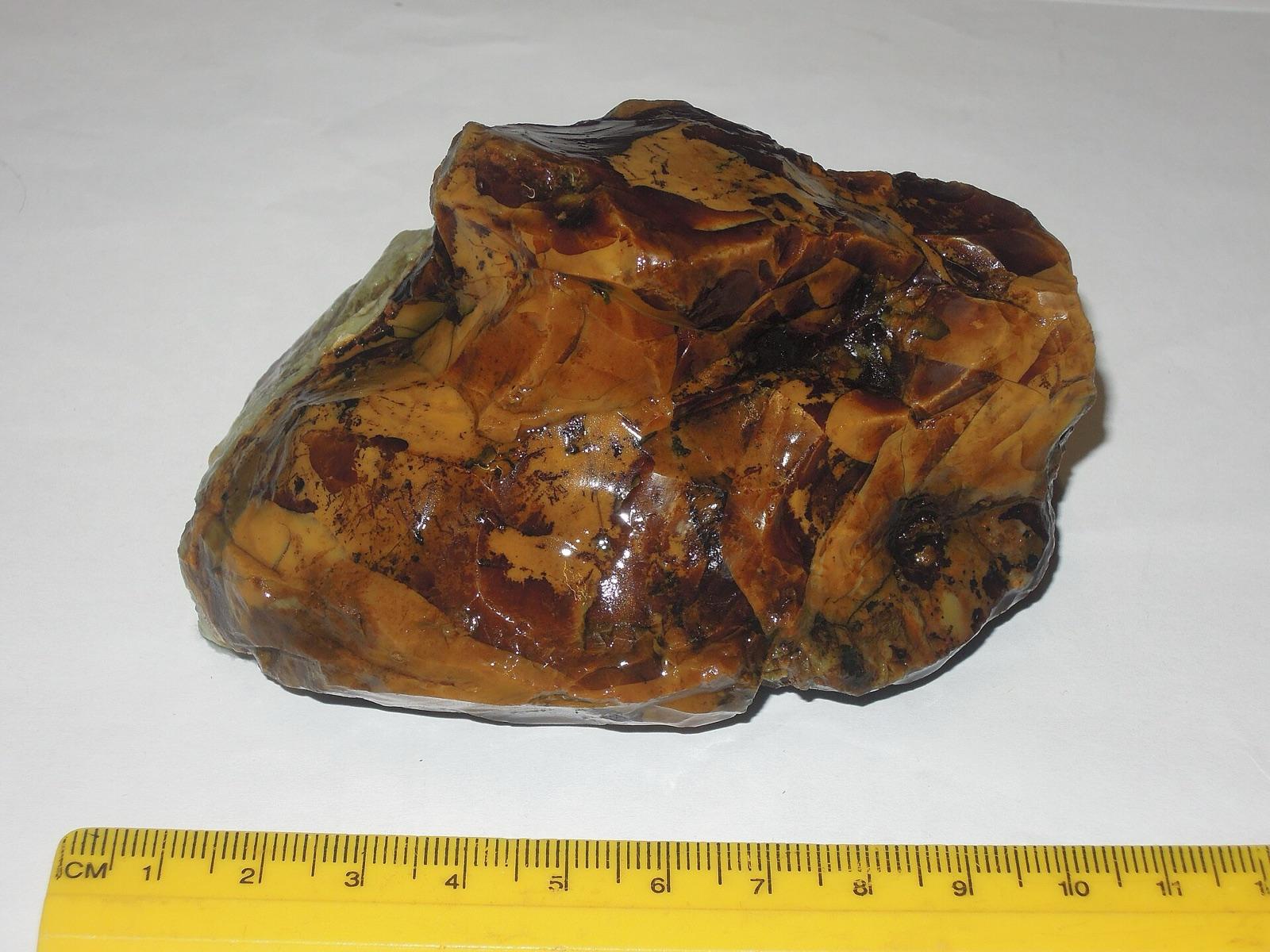
Chattahoochee River
PublicMuscogee County, Georgia
Where the Chattahoochee River crosses the Fall Line at Columbus, its gravels carry a varied suite of silica minerals: chalcedony, chert, flint, jasper, opal, and opalized wood.
Chalcedony, Chert, Flint, Jasper
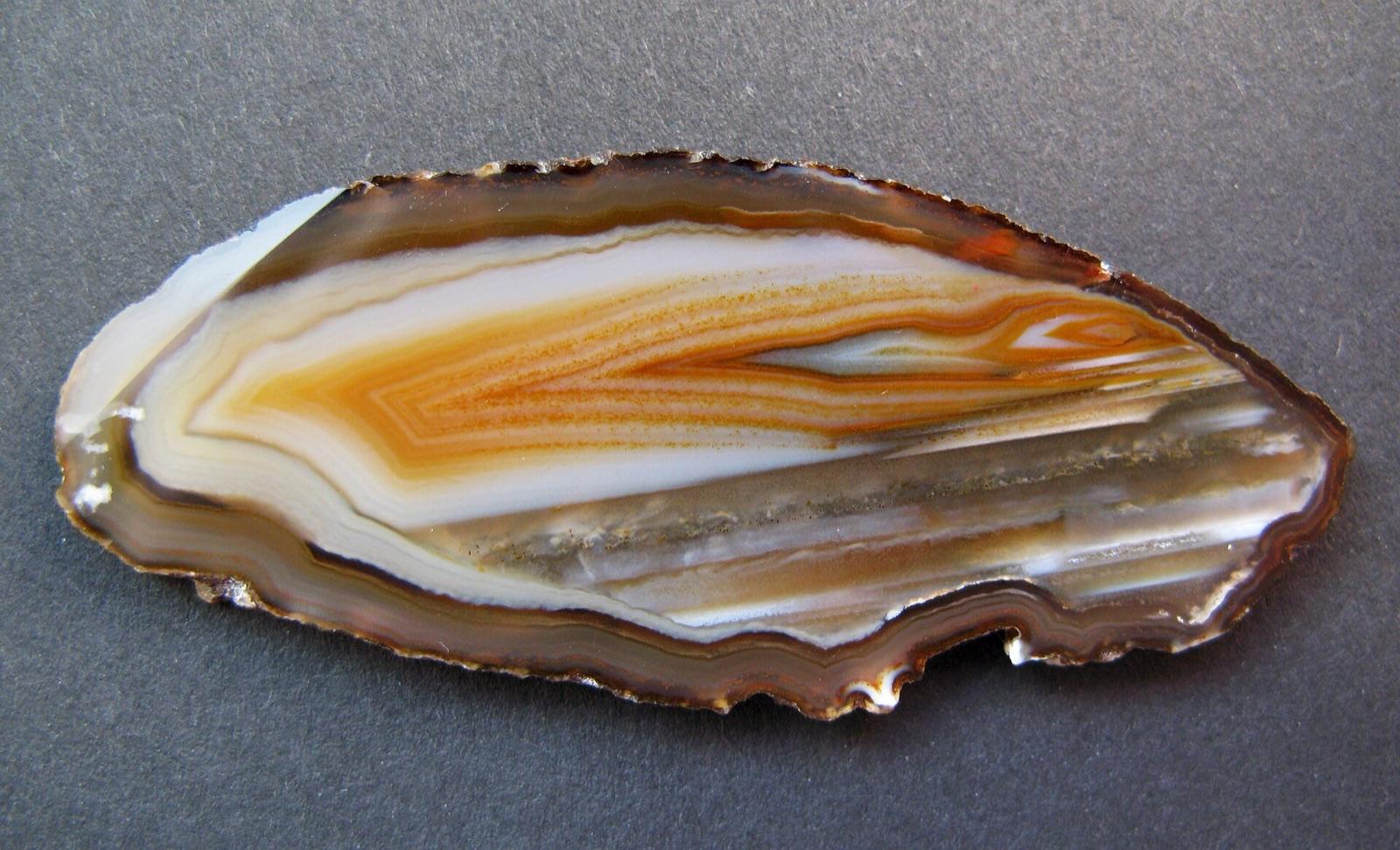 Top pick
Girard
PublicBurke County, Georgia
The Girard area produces "Savannah River agate," a banded mix of agate, jasper, chert, and opalite that forms in the Coastal Plain near the Burke and Screven county line.
Savannah River Agate, Chalcedony, Quartz, Silicified Oolite
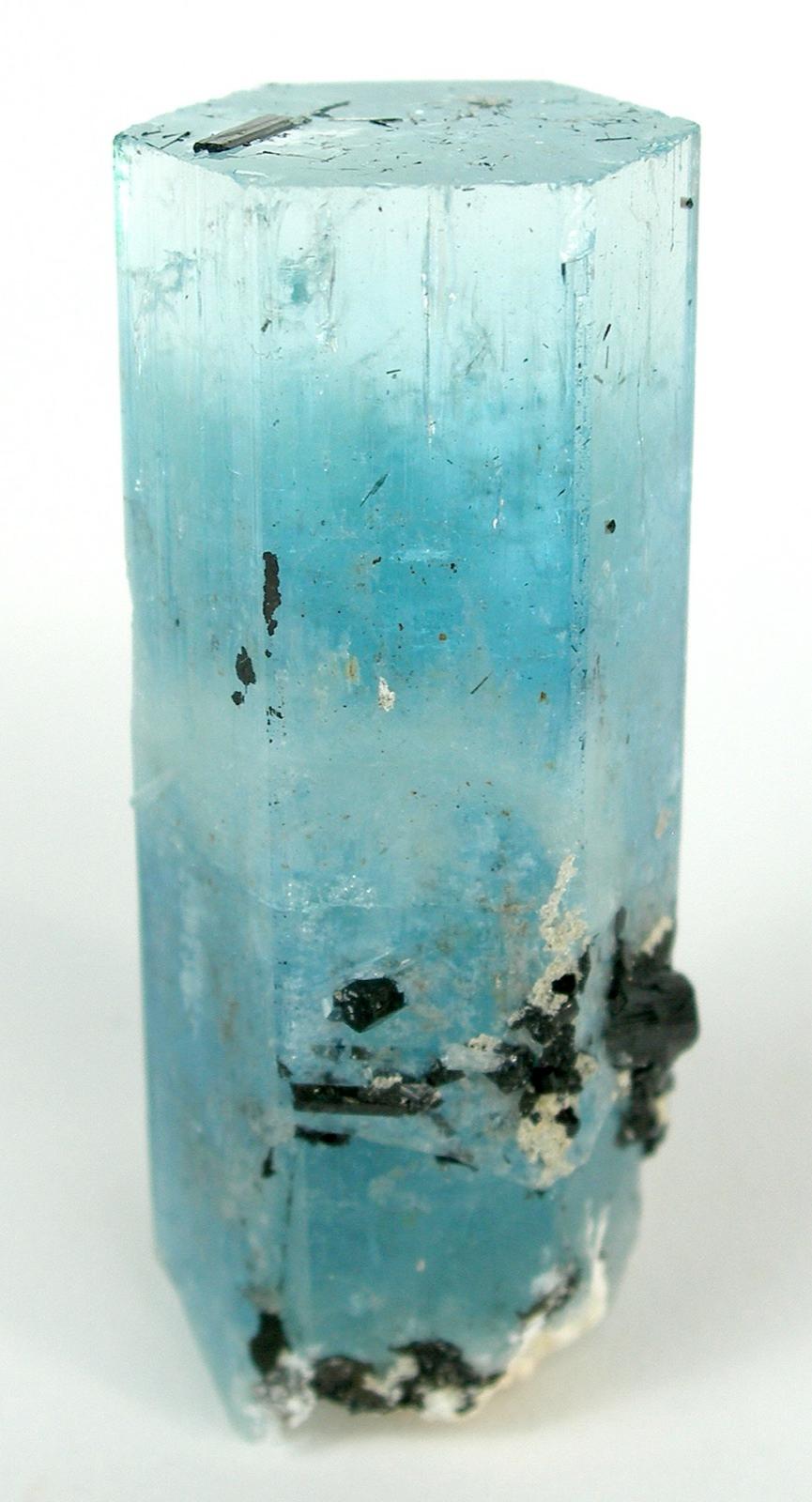 Top pick
Elberton
PermissionElbert County, Georgia
The Elberton district of Elbert County is a long-documented pegmatite area that has produced aquamarine beryl, including masses up to several inches across, along with quartz, garnet, and tourmaline.
Aquamarine, Garnet, Quartz, Tourmaline
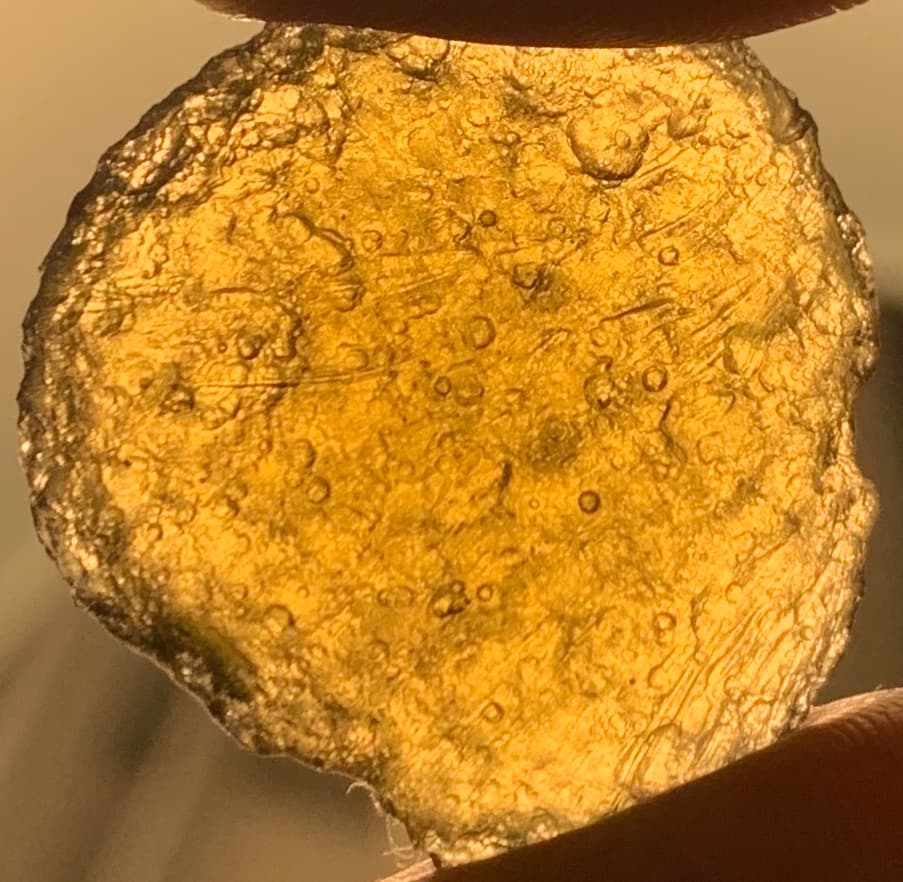 Top pick
Dodge County
PermissionDodge County, Georgia
Dodge County is the heart of the georgiaite strewn field, the source of most of the roughly 1,700 to 2,000 tektites recovered in Georgia.
Tektite
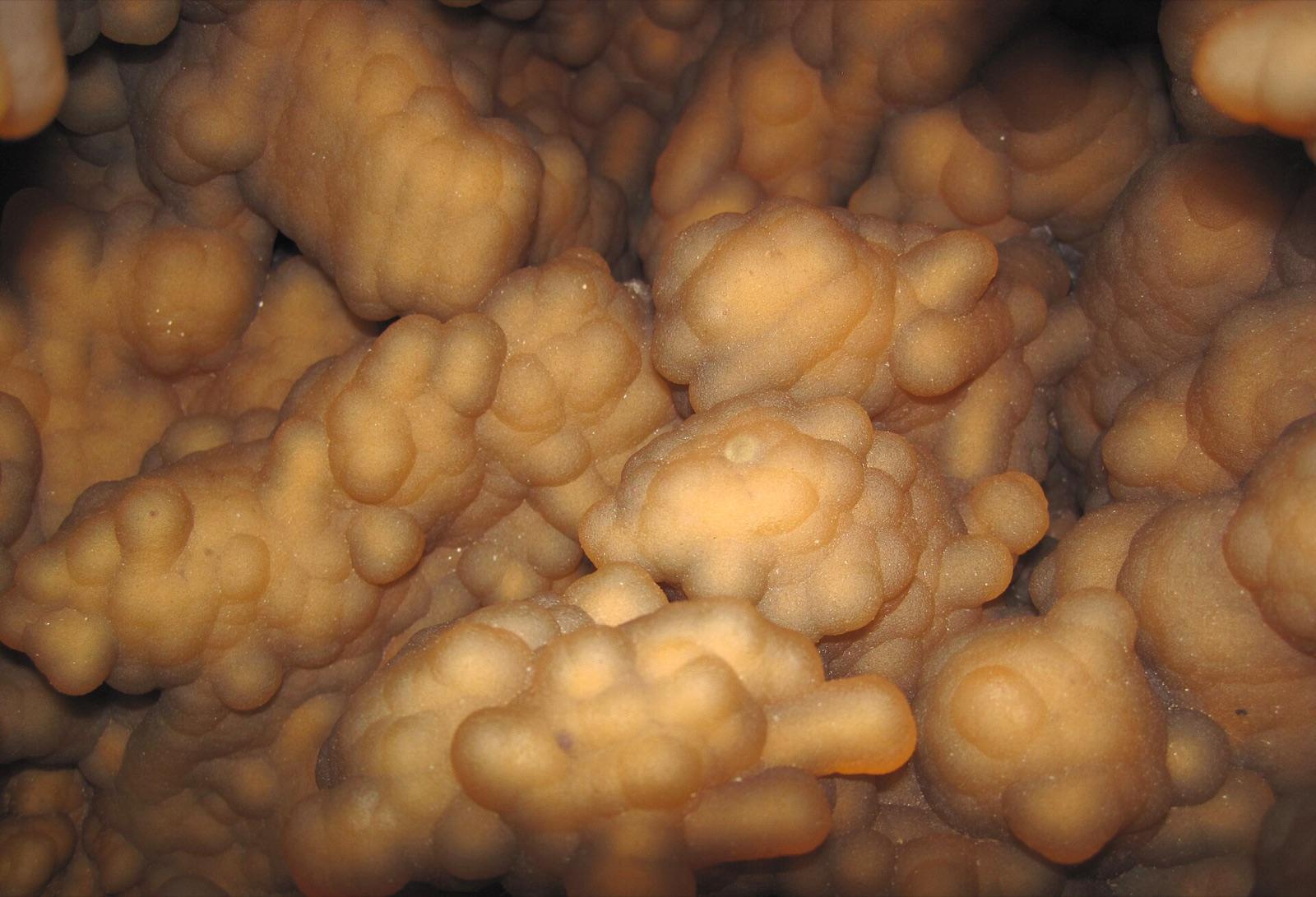 Top pick
Withlacoochee River
PublicLowndes County, Georgia
The Withlacoochee River near the Florida line is one of the best remaining places in Georgia to find agatized coral, fossil coral colonies replaced by chalcedony.
Agatized Coral
 Top pick
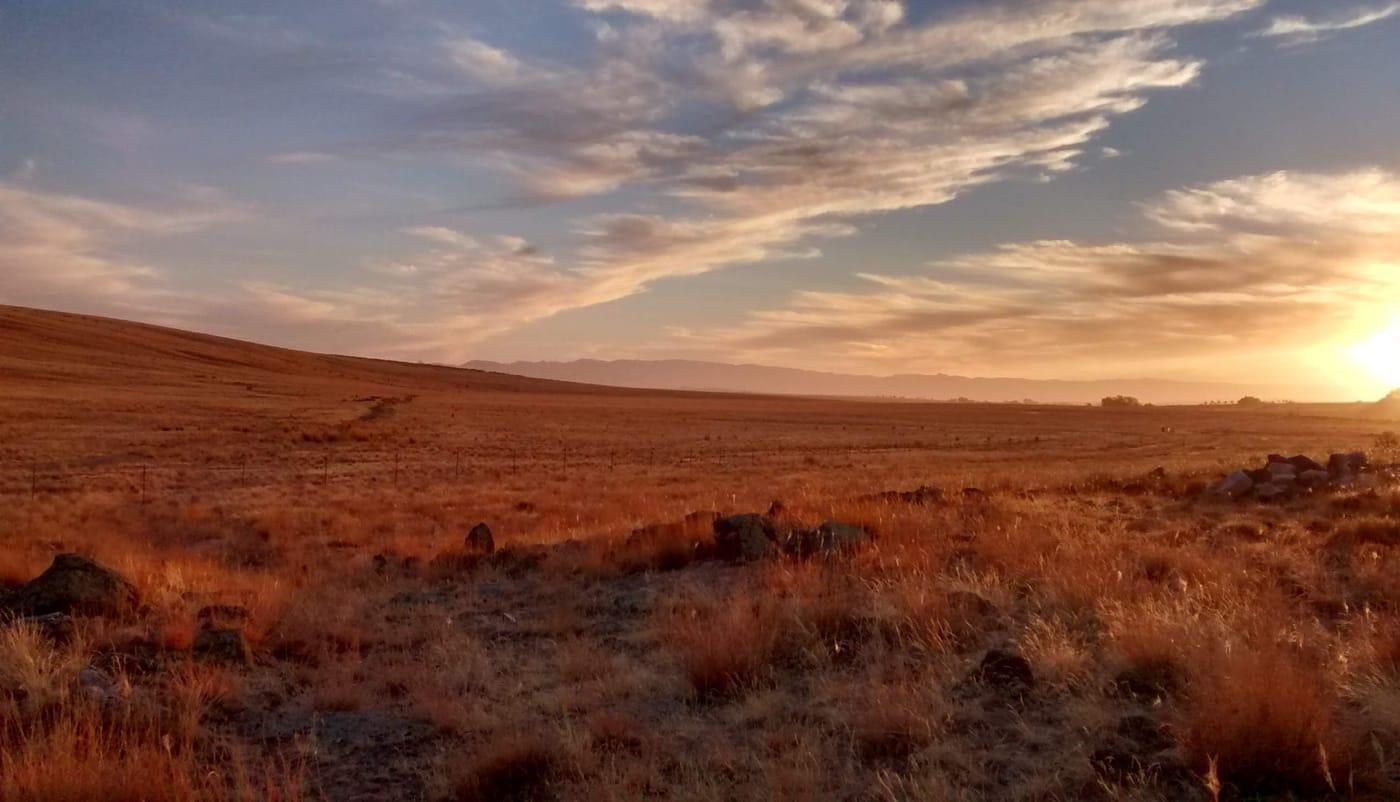
Emerald Creek
PublicShoshone County, Idaho
Emerald Creek is Idaho's signature public star-garnet locality, with the Forest Service noting that commercial quantities of star garnet are otherwise known only from India.
Almandine Garnet
 Top pick
Idaho City
PublicBoise County, Idaho
Idaho City anchors the Boise Basin, one of Idaho's best-documented historic placer-gold regions.
Quartz, Garnet
 Top pick
Bruneau Canyon
PublicOwyhee County, Idaho
Bruneau Canyon stands out for Bruneau jasper, the orbicular and scenic jasper variety tied to the Bruneau River canyon in Owyhee County.
Bruneau Canyon Jasper
 Top pick
Seven Devils Mining District
PublicAdams County, Idaho
Seven Devils is a classic Idaho skarn and copper district, where Idaho Geological Survey maps and reports emphasize limestone-garnet belts, copper deposits, and lime-silicate minerals.
Epidote, Red Garnet, Pink Garnet, Malachite
 Top pick
Challis
PublicCuster County, Idaho
Challis represents the Challis Volcanics better than a single protected petrified-forest stop, with Idaho Department of Lands listing nearby red agate, banded opal, and petrified-wood localities in Custer County.
Red Agate, Banded Opal
 Top pick
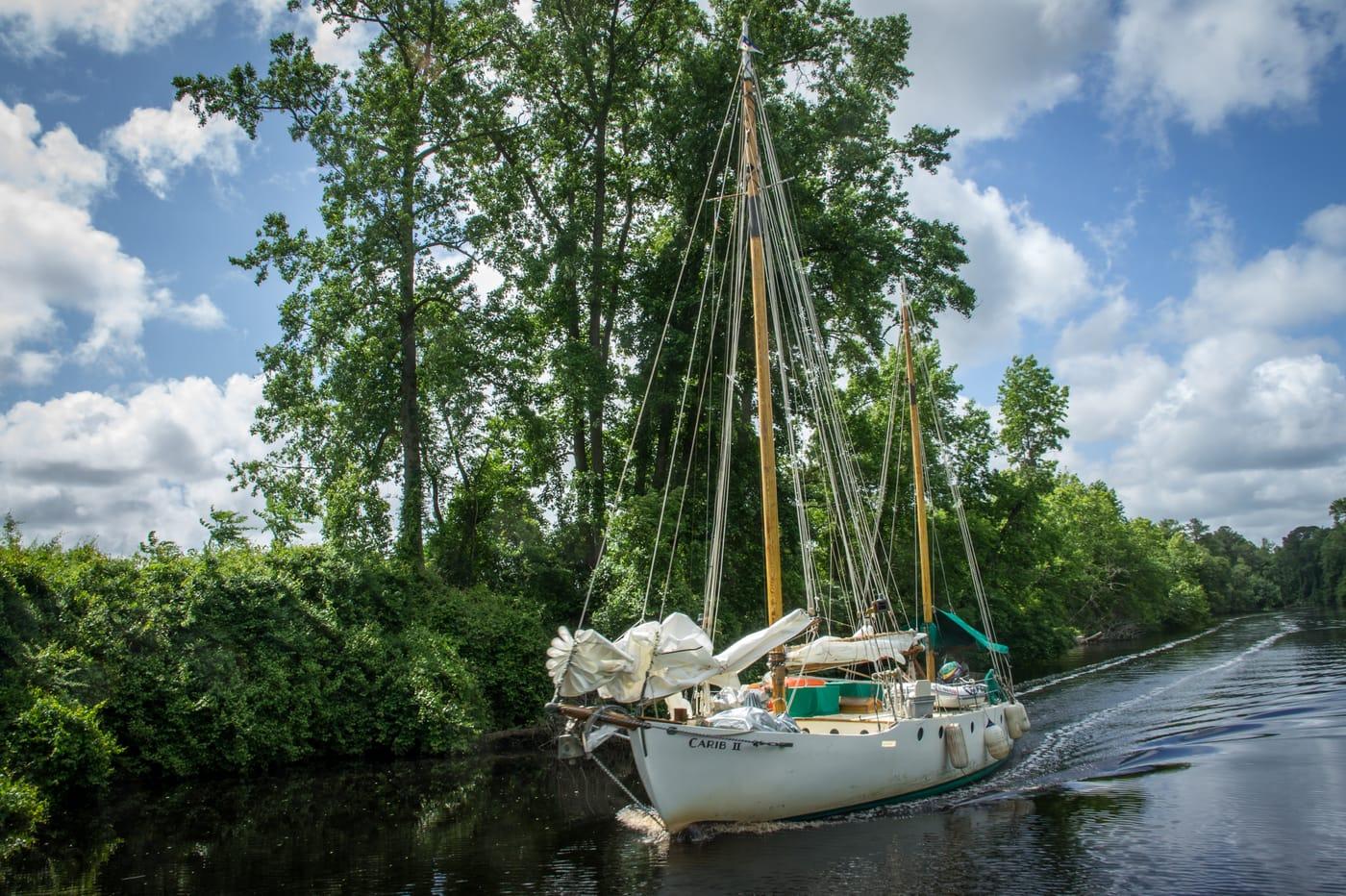
Dismal Swamp
PublicElmore County, Idaho
Dismal Swamp is a focused Elmore County locality for smoky quartz and topaz, both listed for the area by Idaho Department of Lands and Mindat.
Smoky Quartz, Topaz
 Top pick
Succor Creek
PublicOwyhee County, Idaho
Succor Creek is one of the clearest public names in Owyhee agate collecting, especially for red-and-green nodules and thunderegg-style cavities.
Red Agate, Green Agate
 Top pick
Mackay
PublicCuster County, Idaho
Mackay is the best Custer County mine-district pick for copper minerals, with Mindat documenting malachite and related species across the Alder Creek and White Knob district.
Azurite, Chalcopyrite, Chrysocolla, Malachite
 Top pick
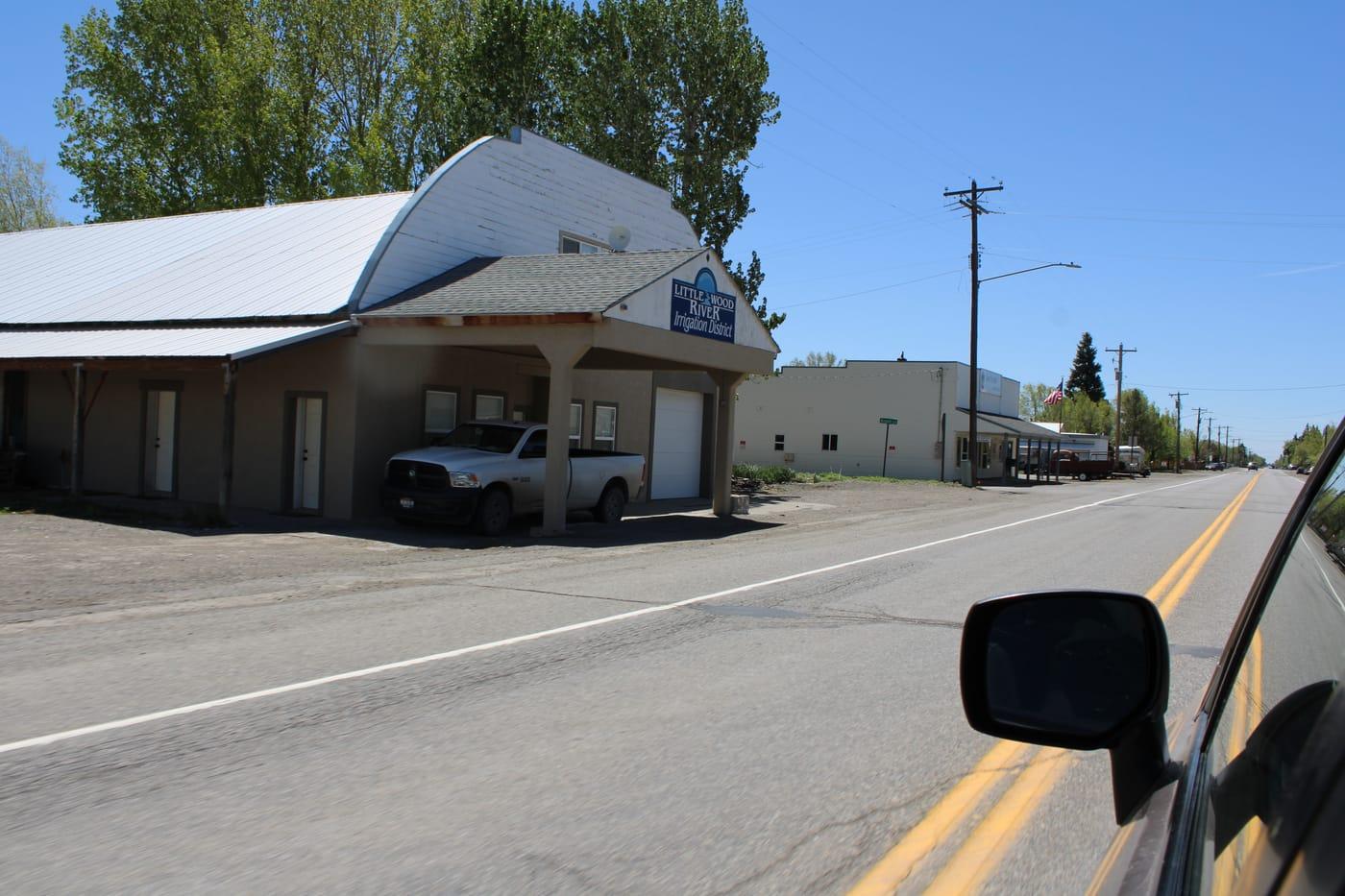
Little Wood River
PublicBlaine County, Idaho
Little Wood River is the strongest Blaine County pick because the same drainage is listed for green and moss agate by Idaho Department of Lands and has Mindat specimen records from the Little Wood Reservoir area.
Agate, Chalcedony, Jasper
 Top pick
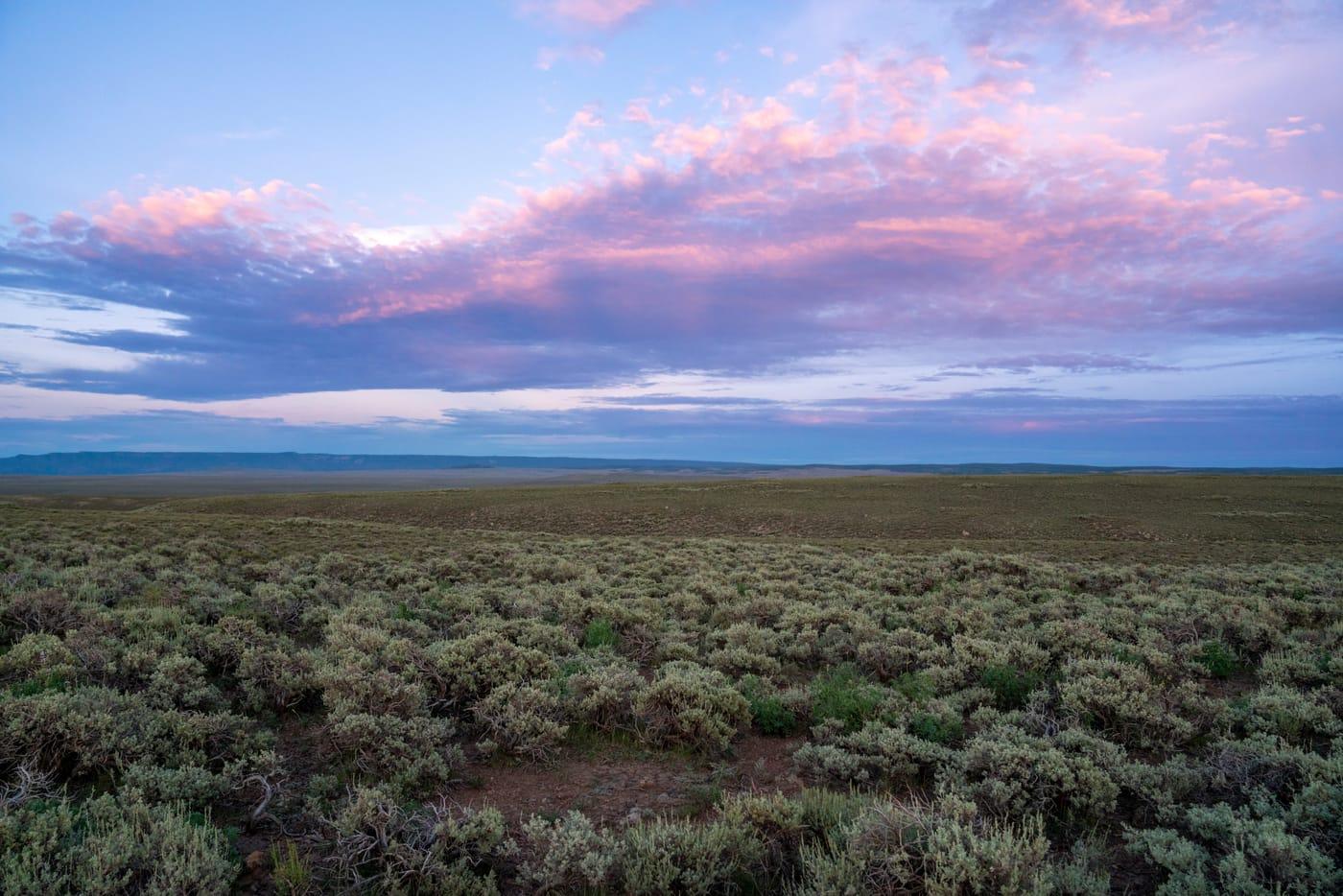
Parker Mountain
PublicLemhi County, Idaho
Parker Mountain gives Lemhi County a documented agate and chalcedony locality outside the crowded southern Idaho fields.
Agate, Chalcedony
 Top pick
Rapatee Strip Mine
PublicFulton County, Illinois
The reclaimed Rapatee strip mine in Fulton County is a well-known source of pyritized and marcasite-replaced fossils, including golden pyritized gastropods and marcasite concretions prized from Illinois's Pennsylvanian coal measures.
Pyritized Gastropod
 Top pick
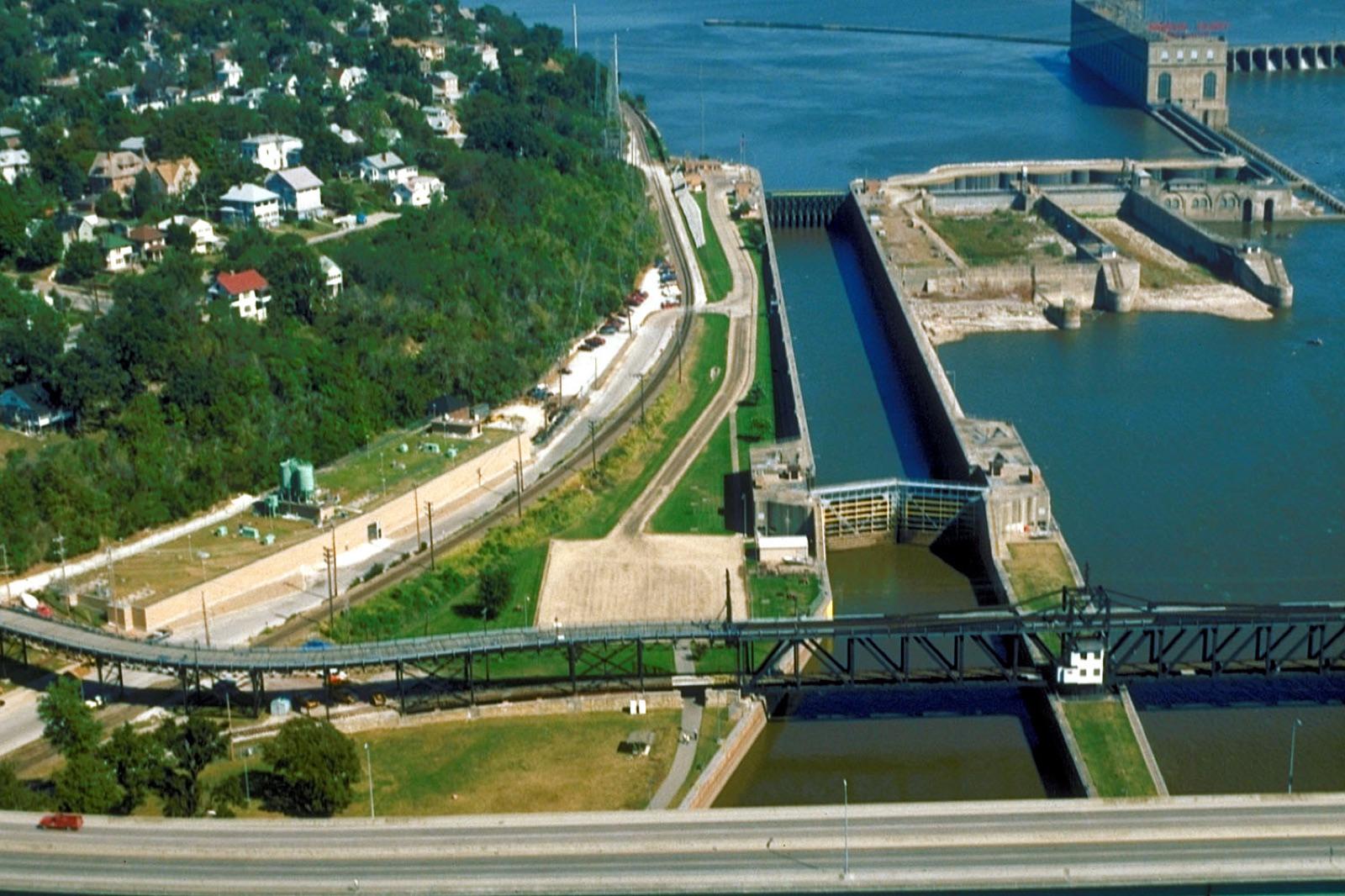
Hamilton
PublicHancock County, Illinois
Hamilton lies on the Mississippi River within the Keokuk geode bed, a Lower Mississippian (Warsaw Formation) zone regarded as one of the finest quartz-geode localities on Earth.
Agate, Jasper, Geode
 Top pick
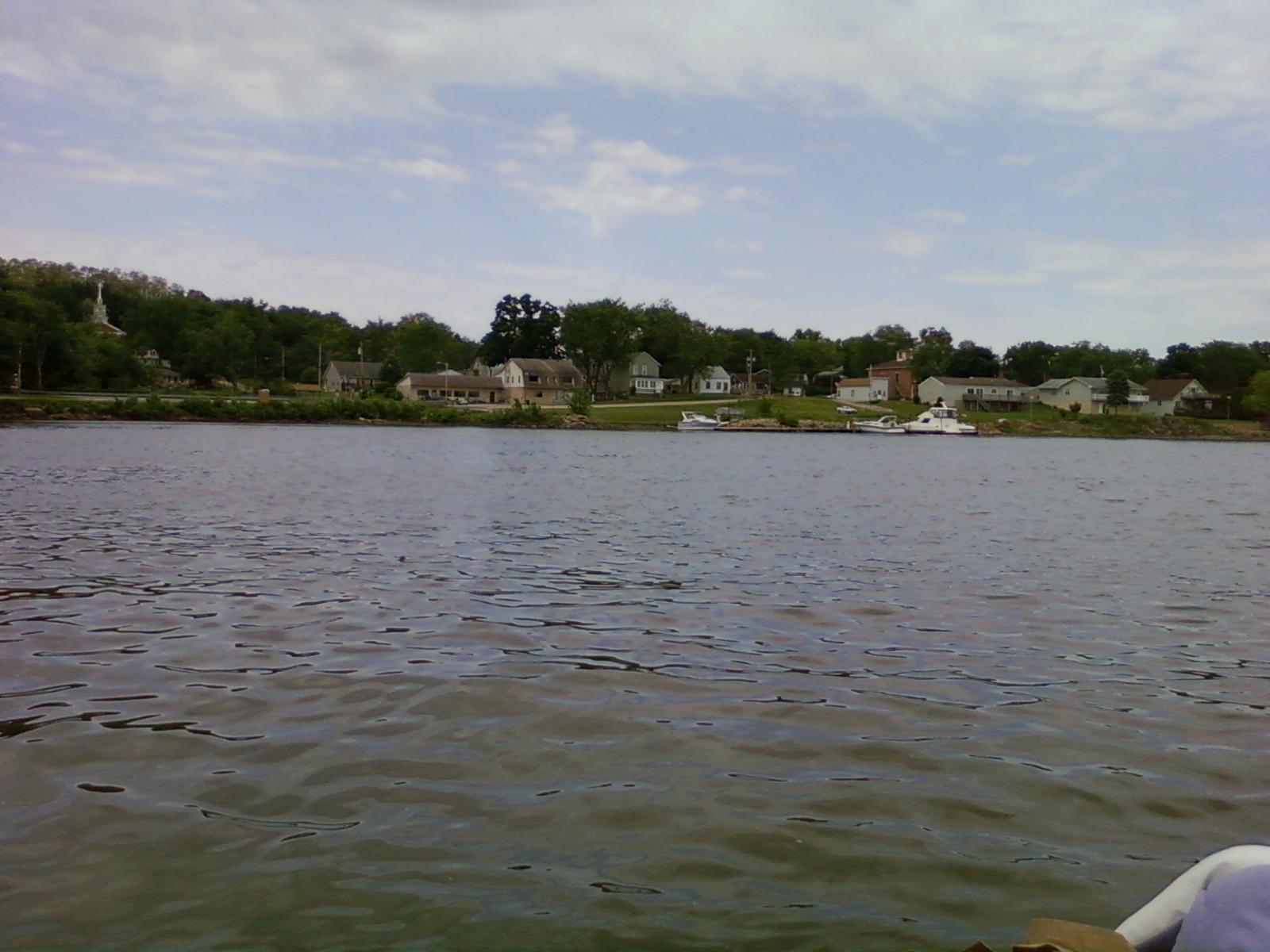
Niota
PublicHancock County, Illinois
Niota anchors the eastern edge of the Hancock County geode country, where creeks cross county roads and expose Warsaw Formation geodes weathering out of the outcrop.
Fossil, Geode
 Top pick
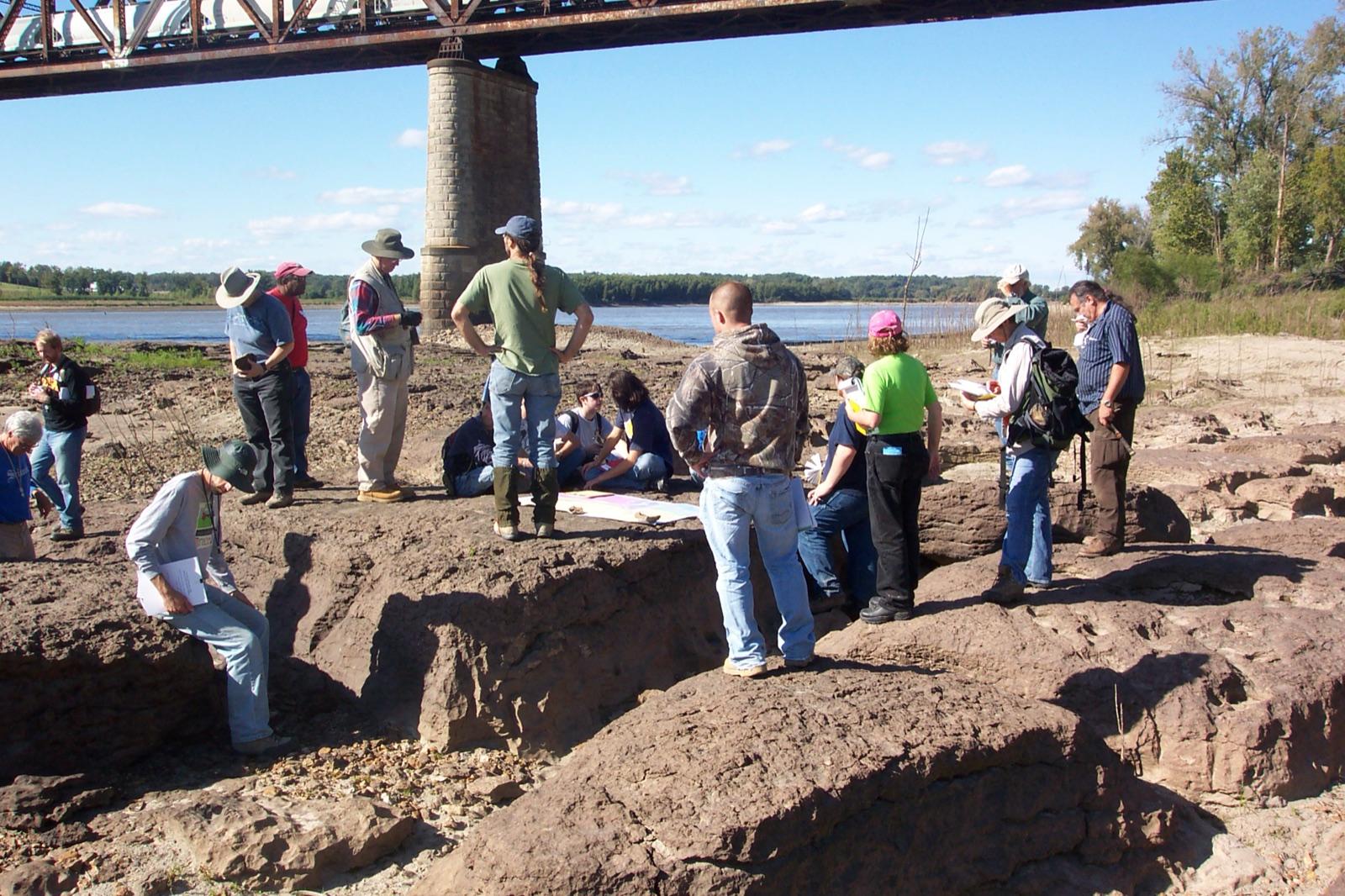
Cordova
PublicRock Island County, Illinois
The Mississippi River gravel bars at Cordova are among Illinois's most reliable spots for Lake Superior agate, carried south by glacial meltwater from the agate source region in Minnesota and Wisconsin.
Agate
 Top pick
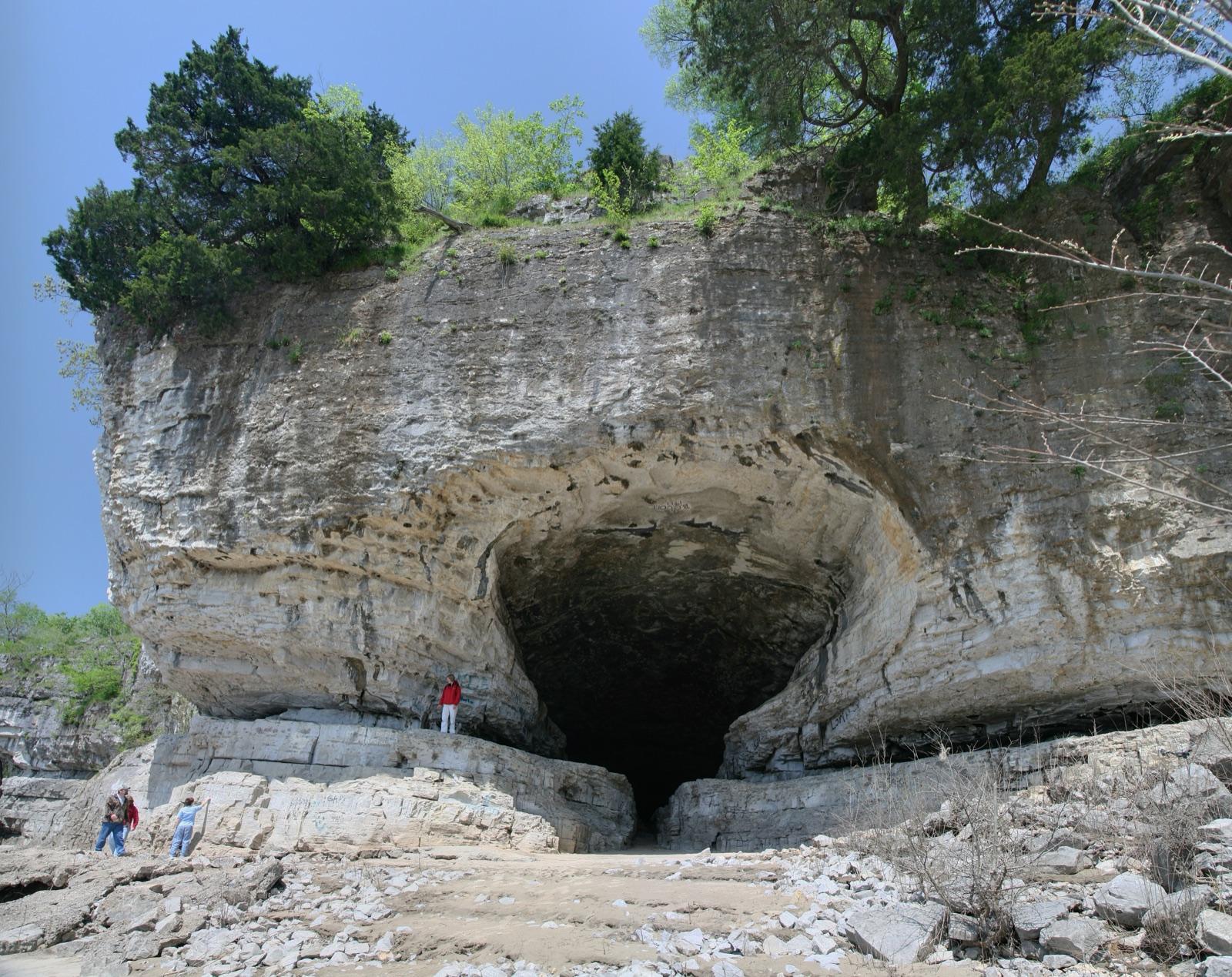
Fayville
PublicAlexander County, Illinois
The Mississippi River gravel bars near Fayville and Thebes, at the far southern tip of Illinois, are the state's most productive agate ground, where fortification agate and jasper accumulate in the river sediment.
Agate, Jasper, Diamond
 Top pick
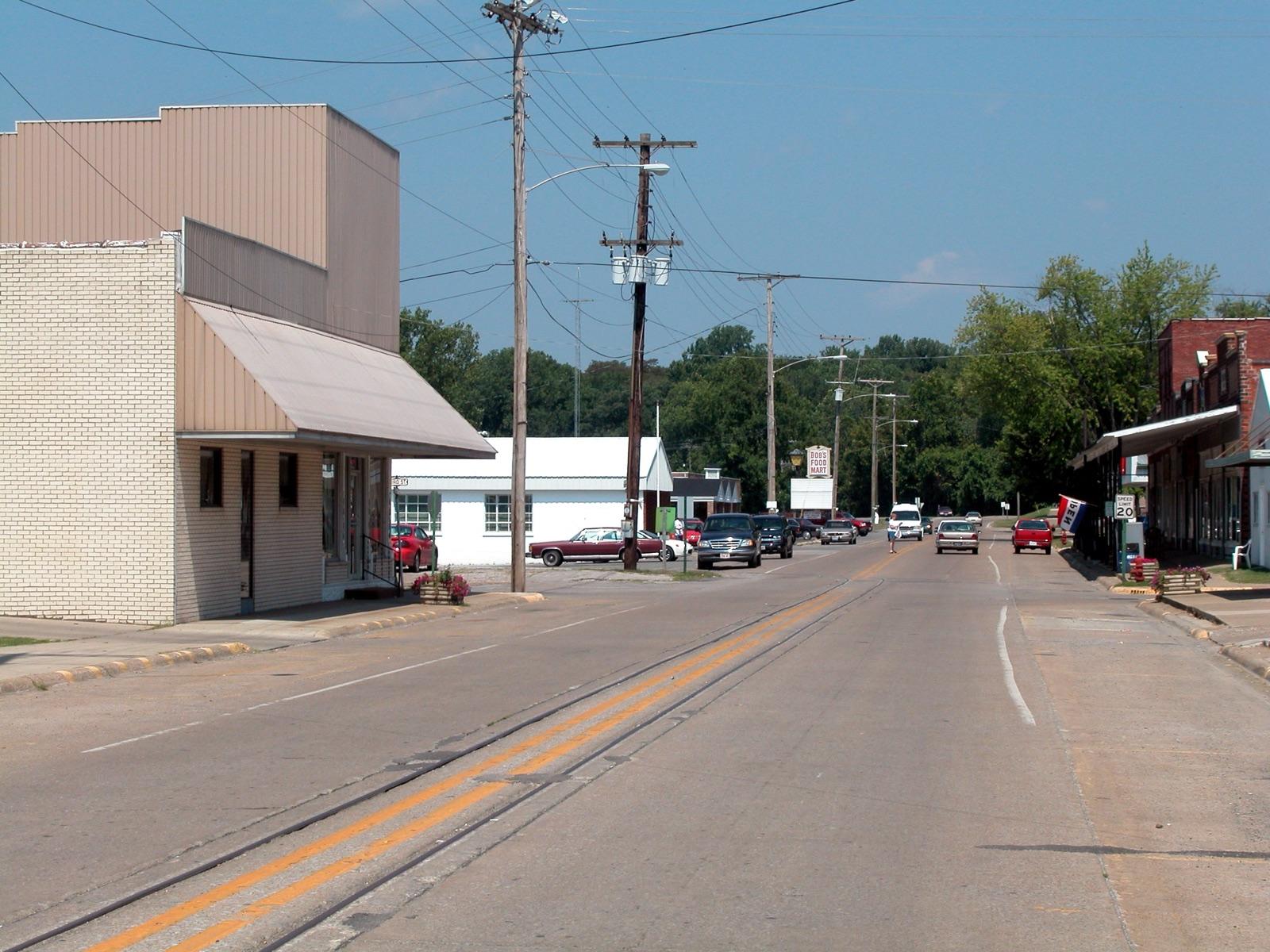
Cave-In Rock
PublicHardin County, Illinois
Cave-In Rock sits at the heart of the Illinois-Kentucky Fluorspar District, the largest fluorite-producing region in United States history and the reason fluorite is the Illinois state mineral.
Barite, Calcite, Cerussite, Chalcopyrite
 Top pick
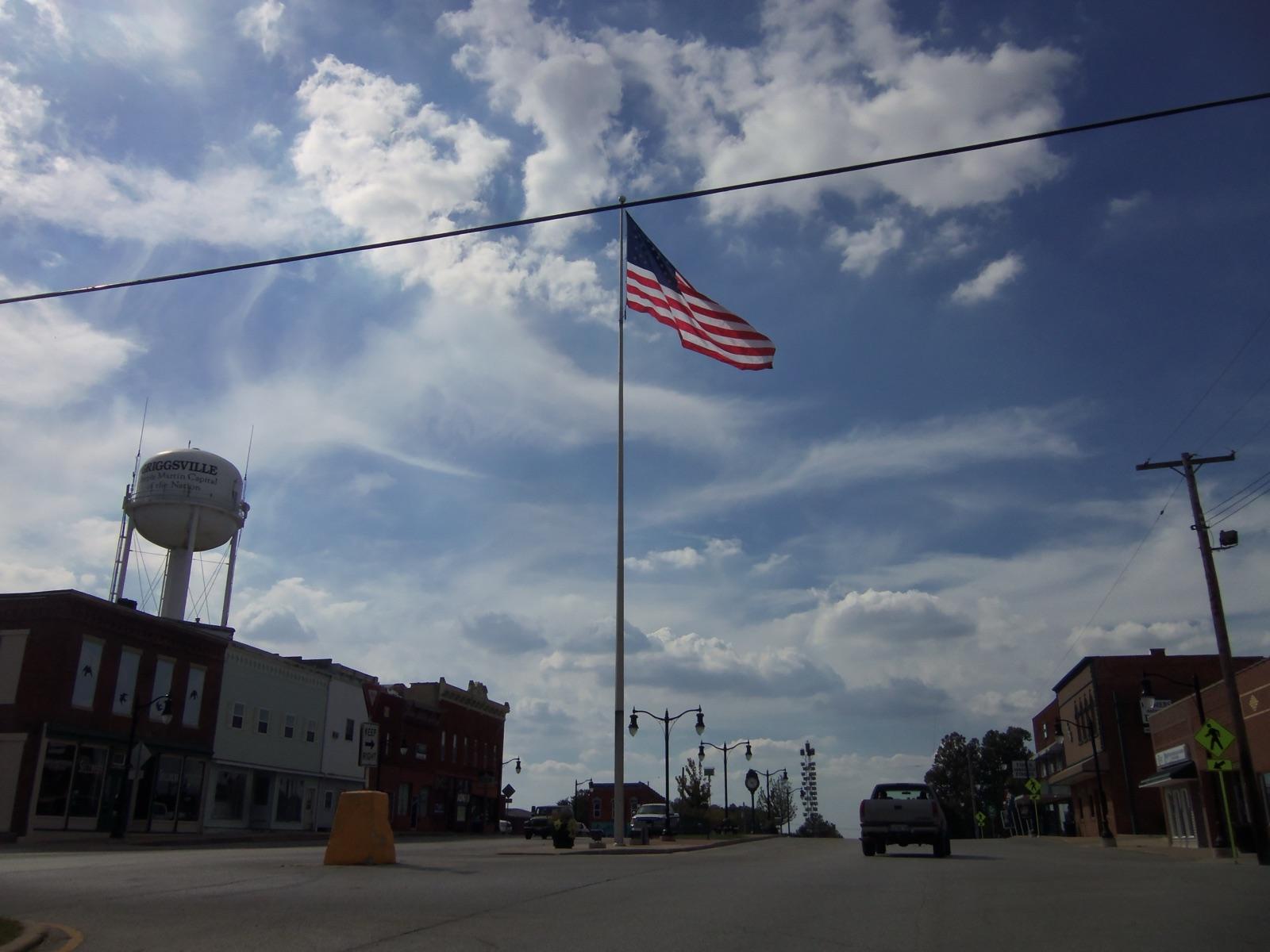
Rosiclare
PublicHardin County, Illinois
Rosiclare was the milling and shipping center of the Illinois fluorspar industry, and its sub-district produced the deep-blue and purple cubic fluorite that made the state mineral famous.
Calcite, Blue Fluorite, Yellow Fluorite, Purple Fluorite
 Top pick
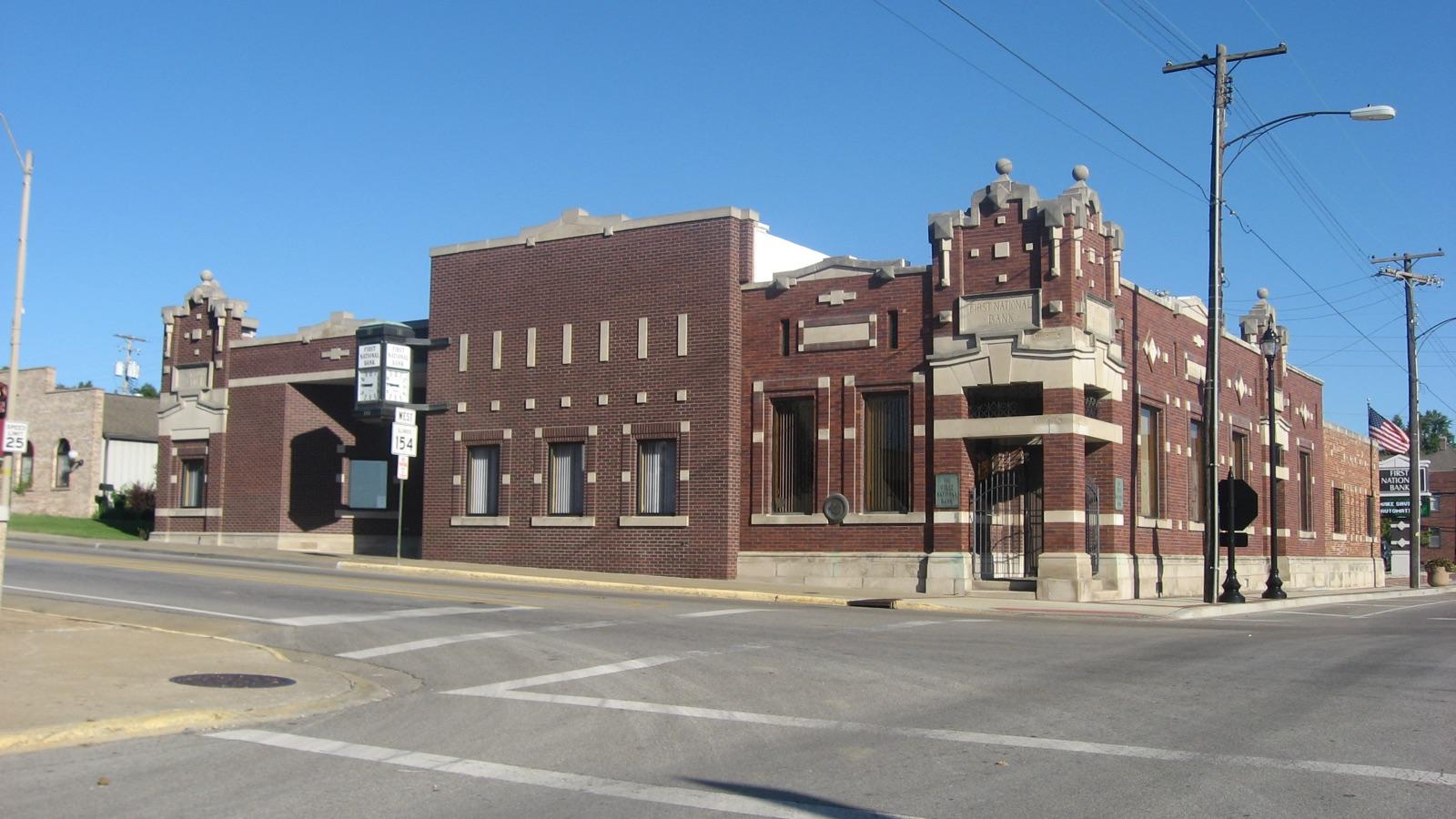
McKee Creek
PublicPike County, Illinois
McKee Creek marks the southern reach of the west-central Illinois geode belt, where Warsaw Formation geodes wash into the creek gravels.
Geode, Sphalerite
 Top pick
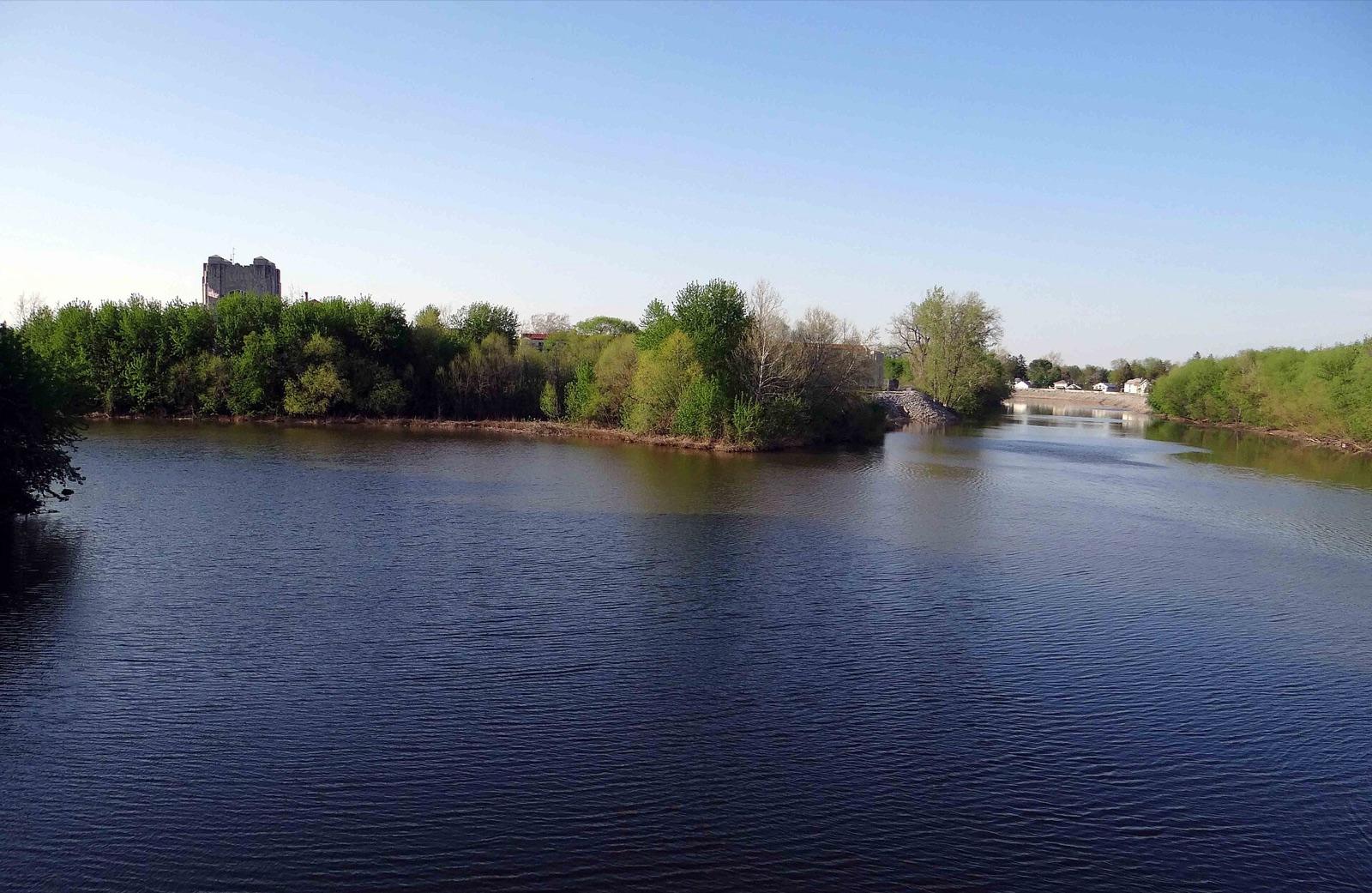
Sparta
PublicRandolph County, Illinois
The coal-measure exposures around Sparta in Randolph County yield well-preserved Pennsylvanian plant fossils along with pyritized and marcasite-replaced material from the Carbondale Formation and associated beds.
Pyrite, Fossil
 Top pick
Maumee River
PublicAllen County, Indiana
The Maumee River corridor at Fort Wayne carries Pleistocene glacial float across northeastern Indiana, mixing agate, jasper, and chert erratics with Devonian fossil coral and petrified wood transported from the north.
Agate, Jasper, Fossilized Coral, Petrified Wood
 Top pick
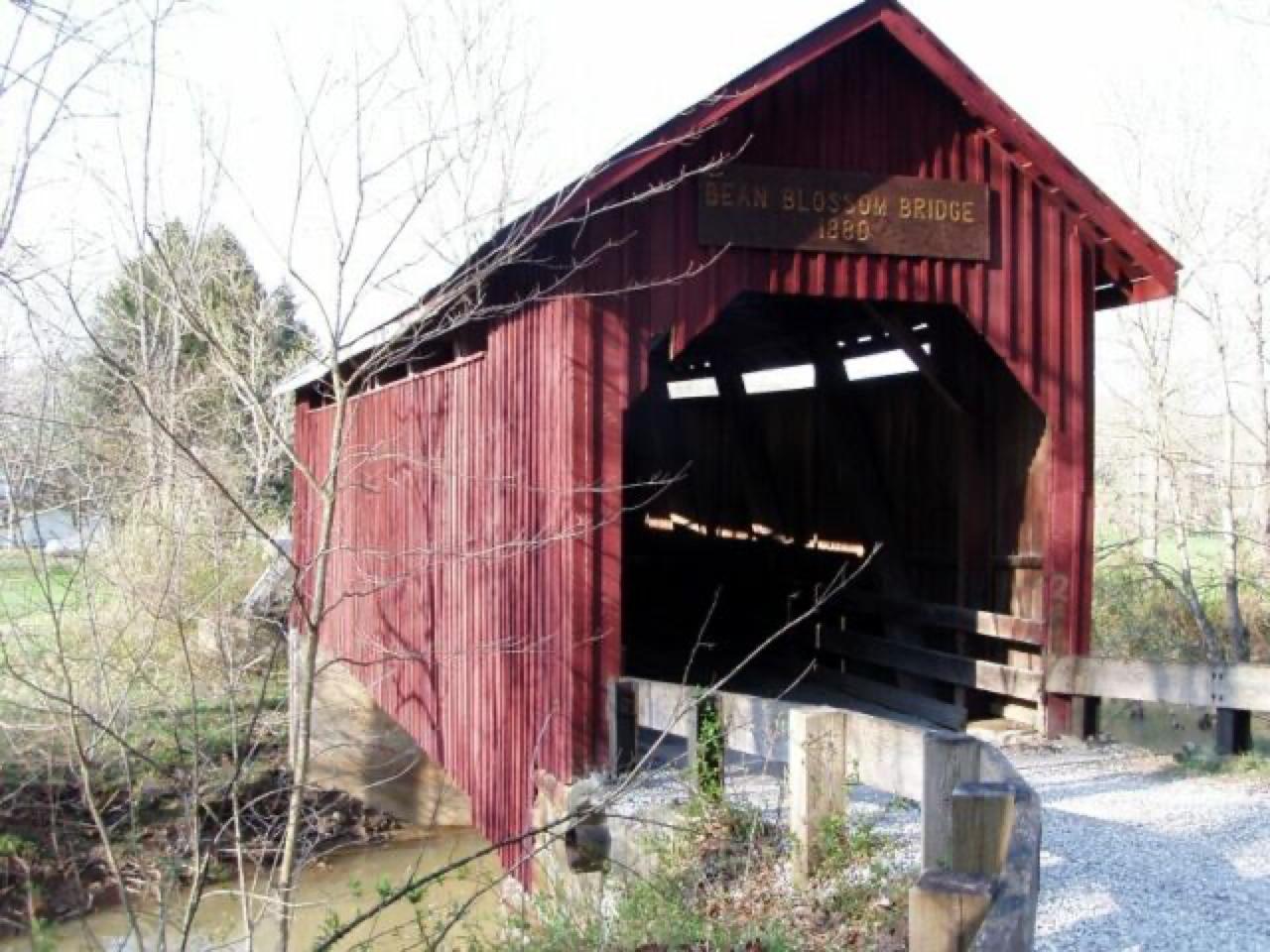
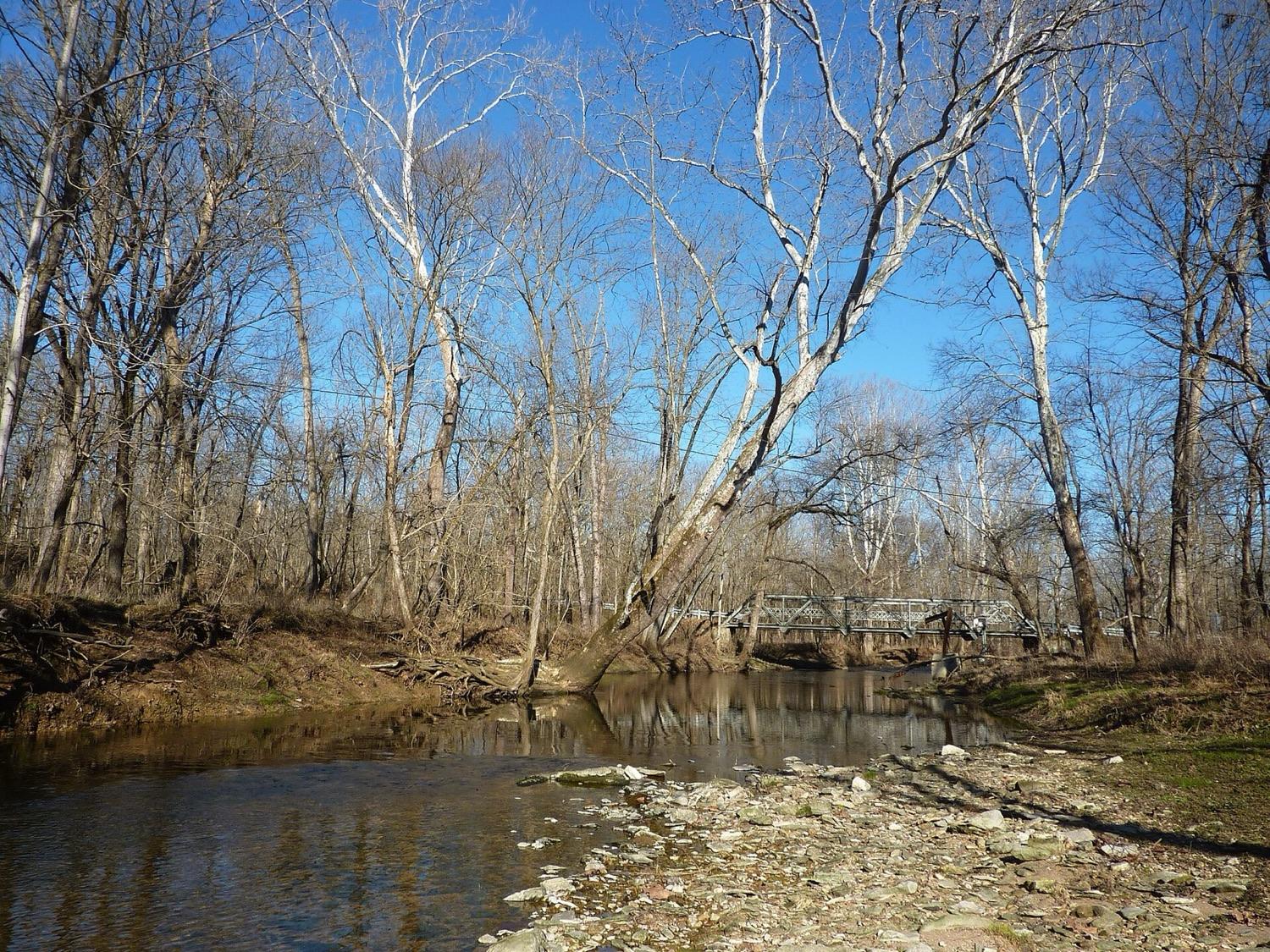
Beanblossom
PublicBrown County, Indiana
Beanblossom Creek cuts through the Harrodsburg and Salem limestones in Brown County, freeing quartz- and calcite-lined geodes that collect in the stream gravel.
Geode
 Top pick
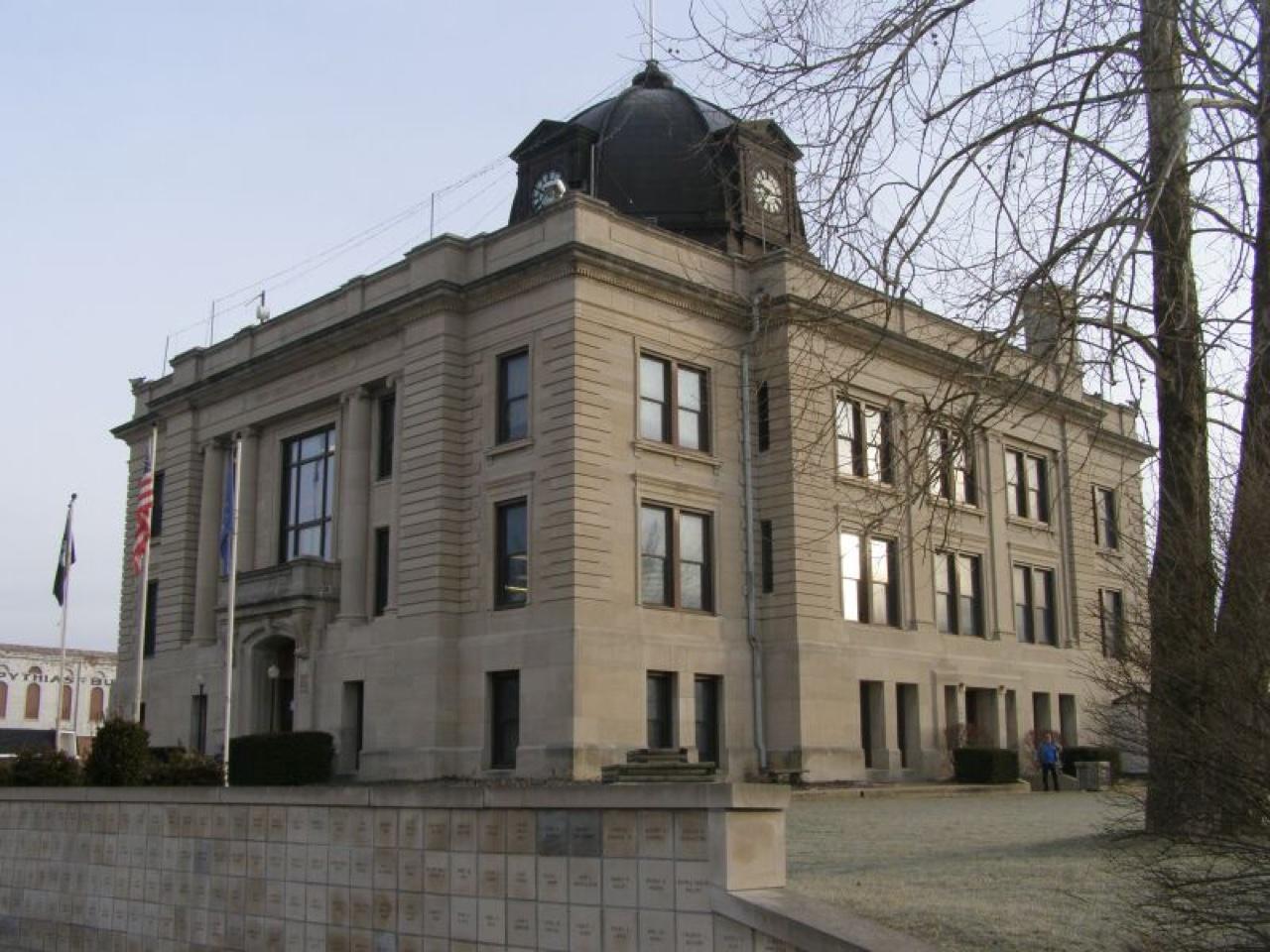
Harrodsburg
PublicMonroe County, Indiana
Harrodsburg is the type area of the Harrodsburg Limestone, the Mississippian unit that lends its name to some of Indiana's best-documented geodes: quartz, calcite, and barite fillings that have also yielded rare millerite needles.
Calcite, Dolomite, Aragonite
 Top pick
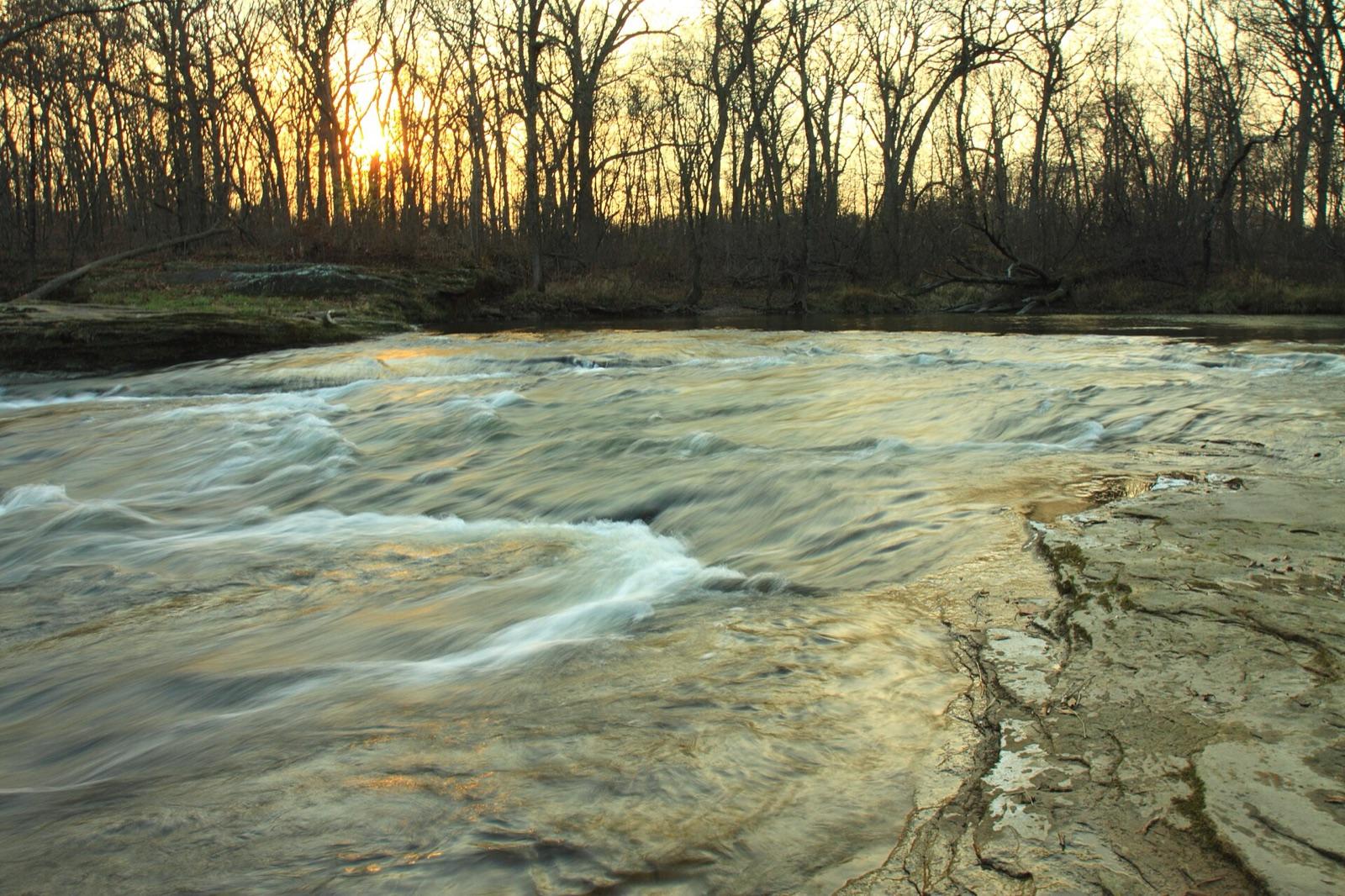
Spencer
PublicOwen County, Indiana
Spencer sits on the West Fork of the White River at the northwestern edge of the geode belt, where river gravels carry geodes weathered from the Sanders Group limestones along with barite, celestite, and siderite reported from local exposures.
Barite, Celestite, Siderite
 Top pick
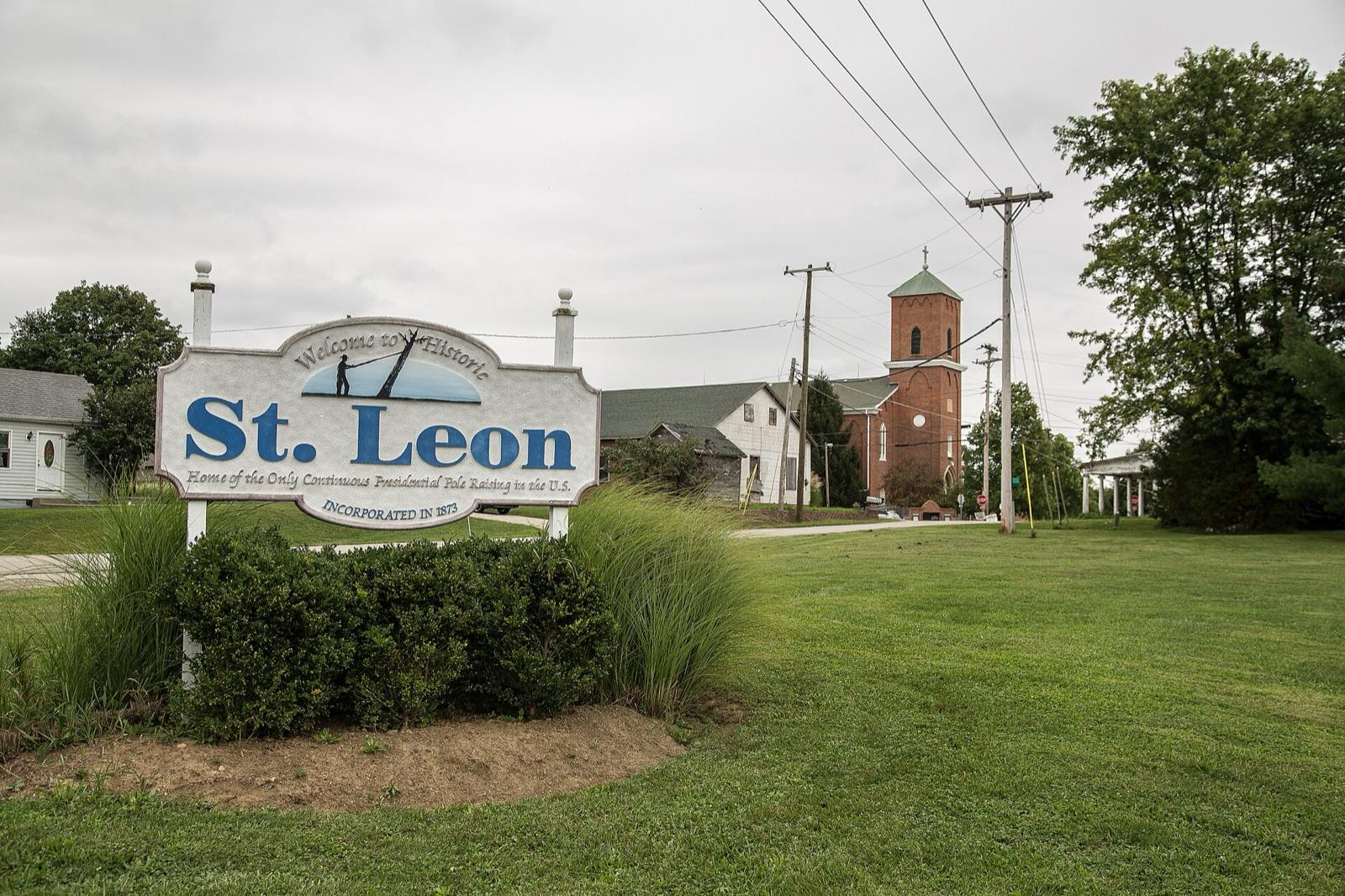
Big Pine Creek
PublicWarren County, Indiana
Big Pine Creek carves a wooded bluff-and-ravine landscape in west-central Warren County, where glaciated stream gravels mix quartz, chert, and jasper with sulfide and sulfate minerals such as sphalerite, barite, and marcasite.
Sphalerite, Barite, Fossilized Wood, Siderite
 Top pick
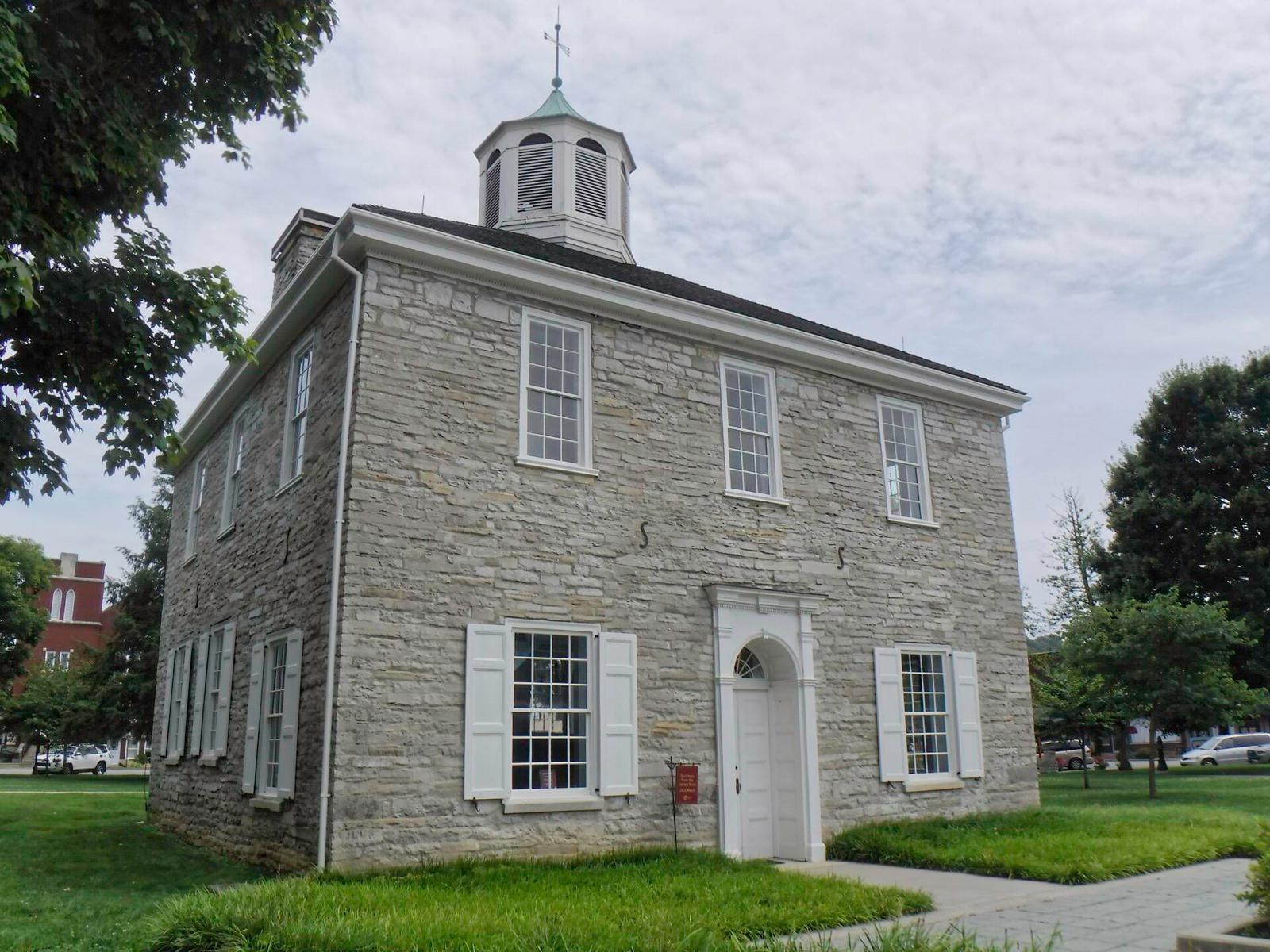
Weisburg
PublicDearborn County, Indiana
Weisburg lies in the State Route 1 corridor of southeastern Indiana, part of the Cincinnatian (Upper Ordovician) outcrop belt that is world-renowned for abundant marine fossils.
Trilobite
 Top pick
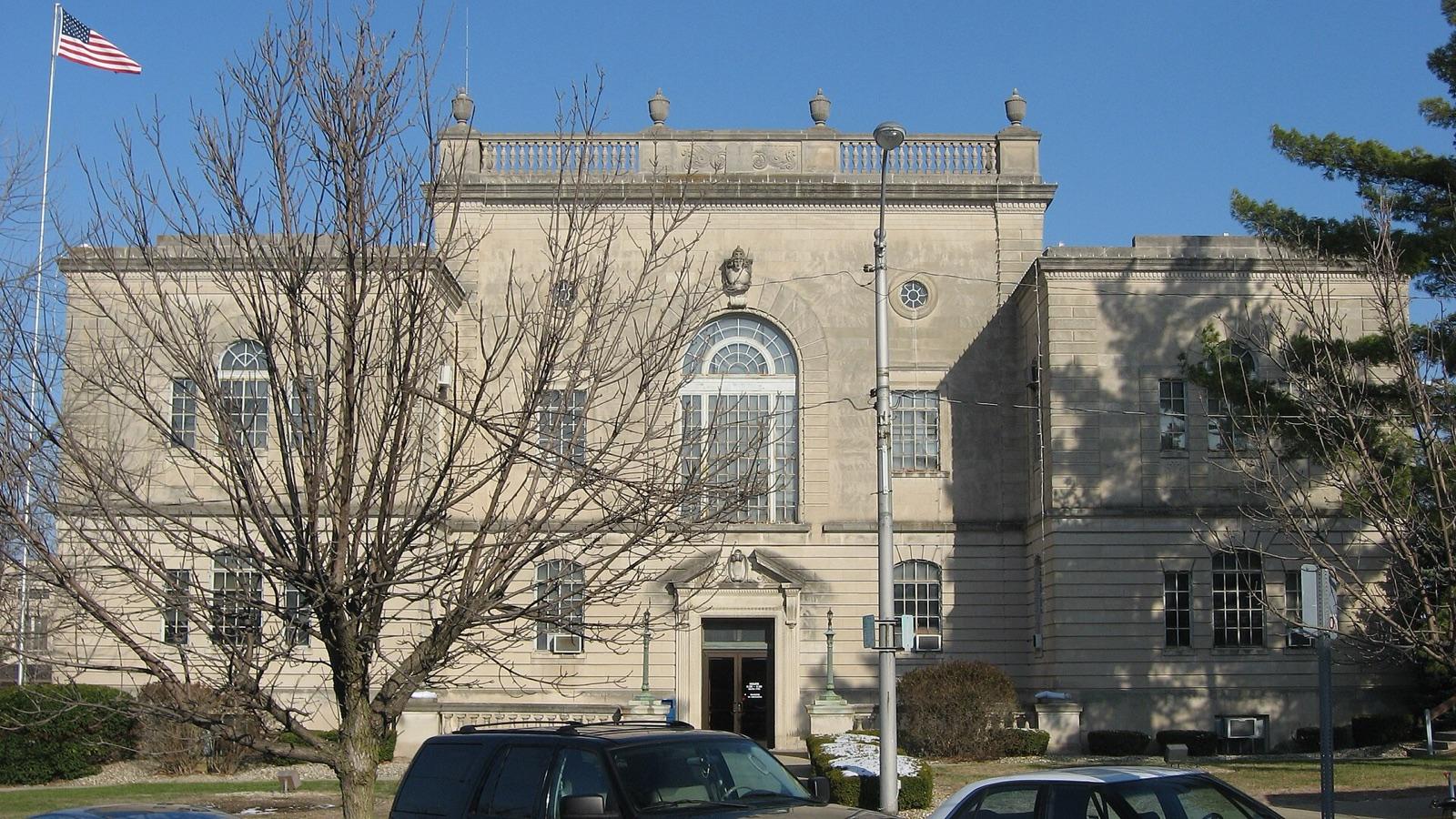
Corydon
PublicHarrison County, Indiana
Corydon, Indiana's first state capital, sits in the karst country of Harrison County at the southern end of the geode belt, where cave-and-spring geology produces calcite, fluorite, dolomite, and quartz along with geodes in the local limestones.
Calcite, Fluorite, Dolomite, Quartz
 Top pick
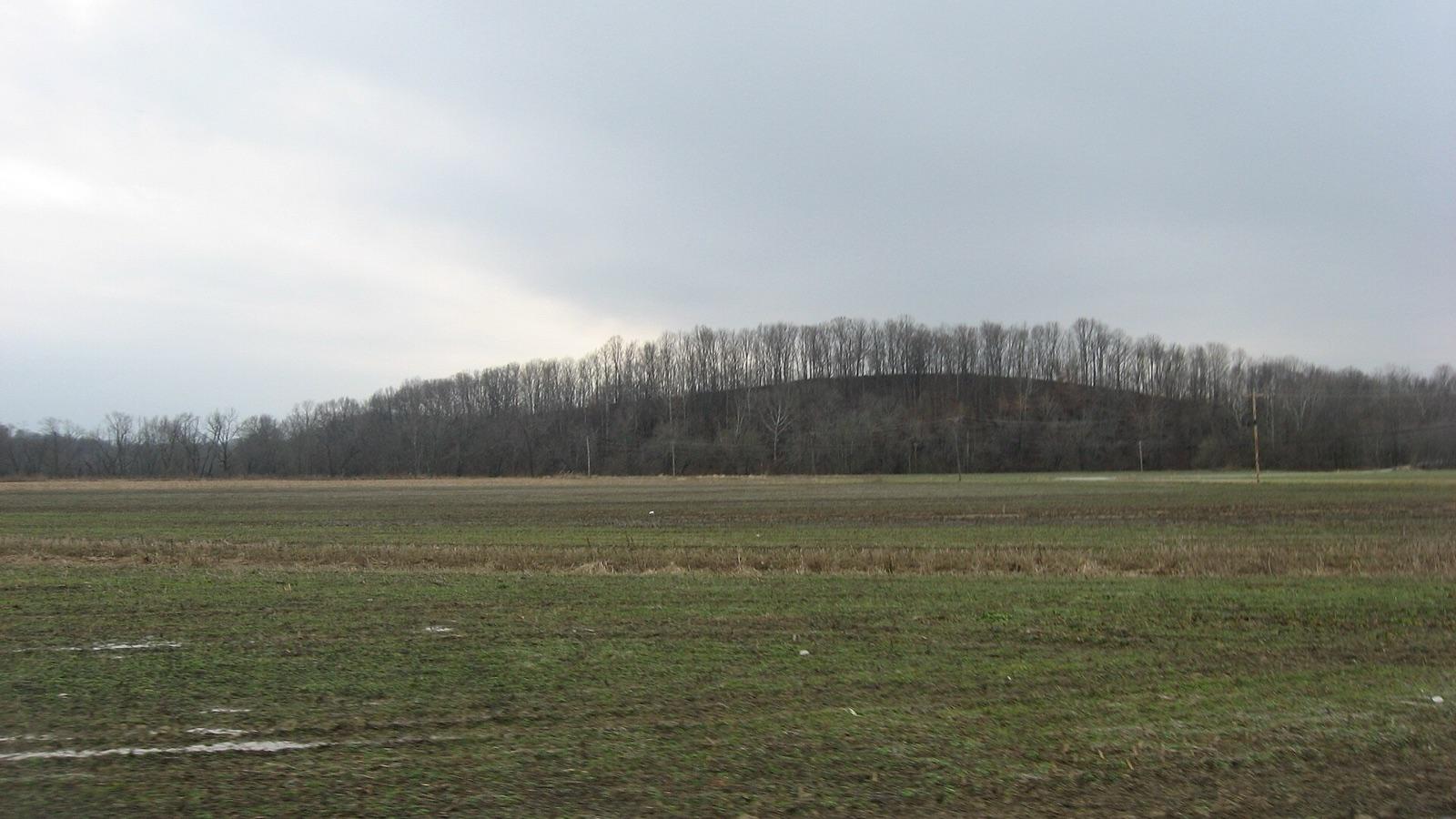
Bedford
PublicLawrence County, Indiana
Bedford is the "Limestone Capital of the World," center of the Salem Limestone (Indiana Limestone) district that supplied the Empire State Building and the Pentagon and became the official state stone in 1971.
Geode
 Top pick
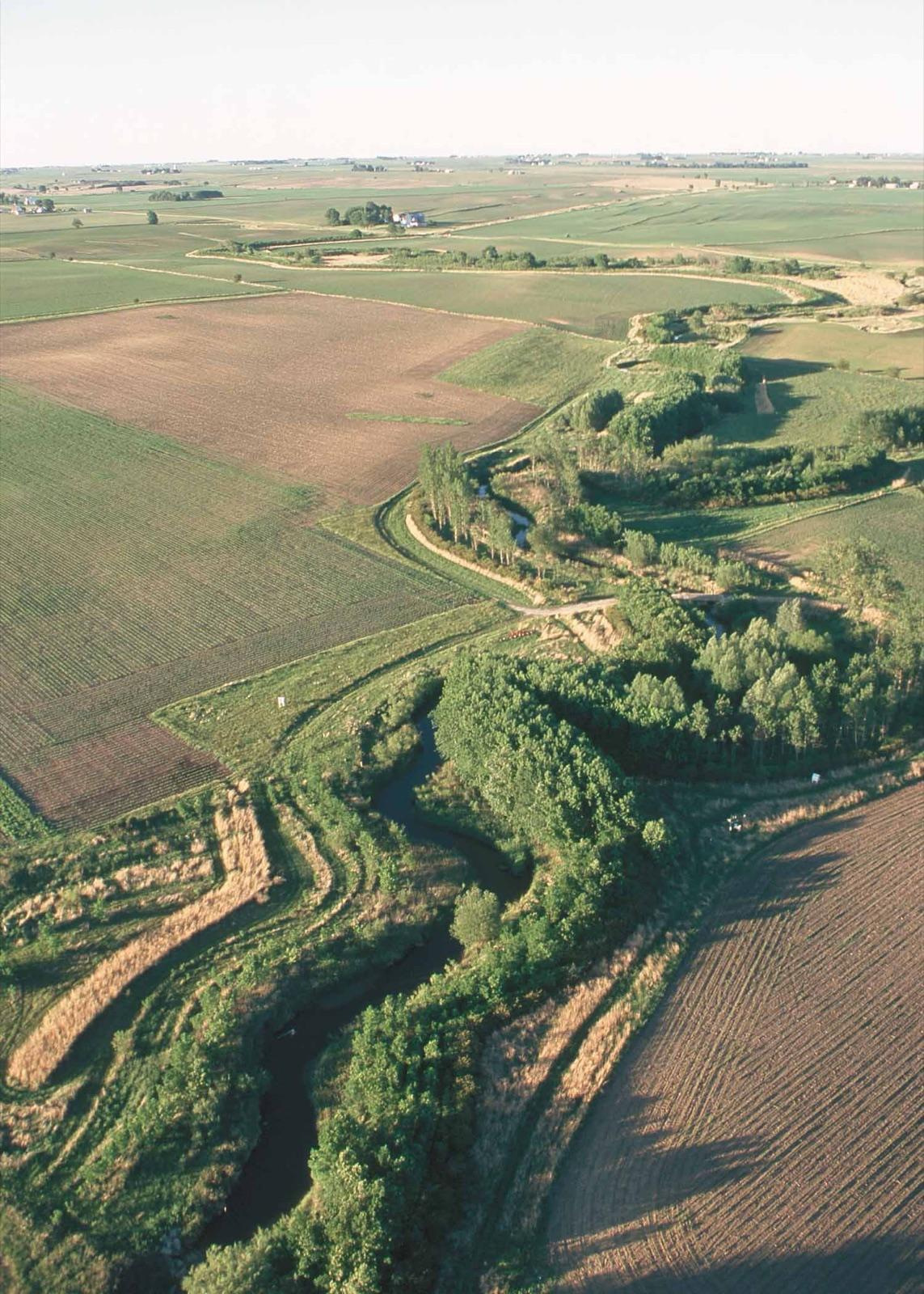
Salt Creek
PublicLawrence County, Indiana
Salt Creek drains the heart of Indiana's Mississippian geode belt, where quartz- and calcite-lined geodes weather out of the Harrodsburg and Salem limestones into the streambed gravel.
Geode
 Top pick
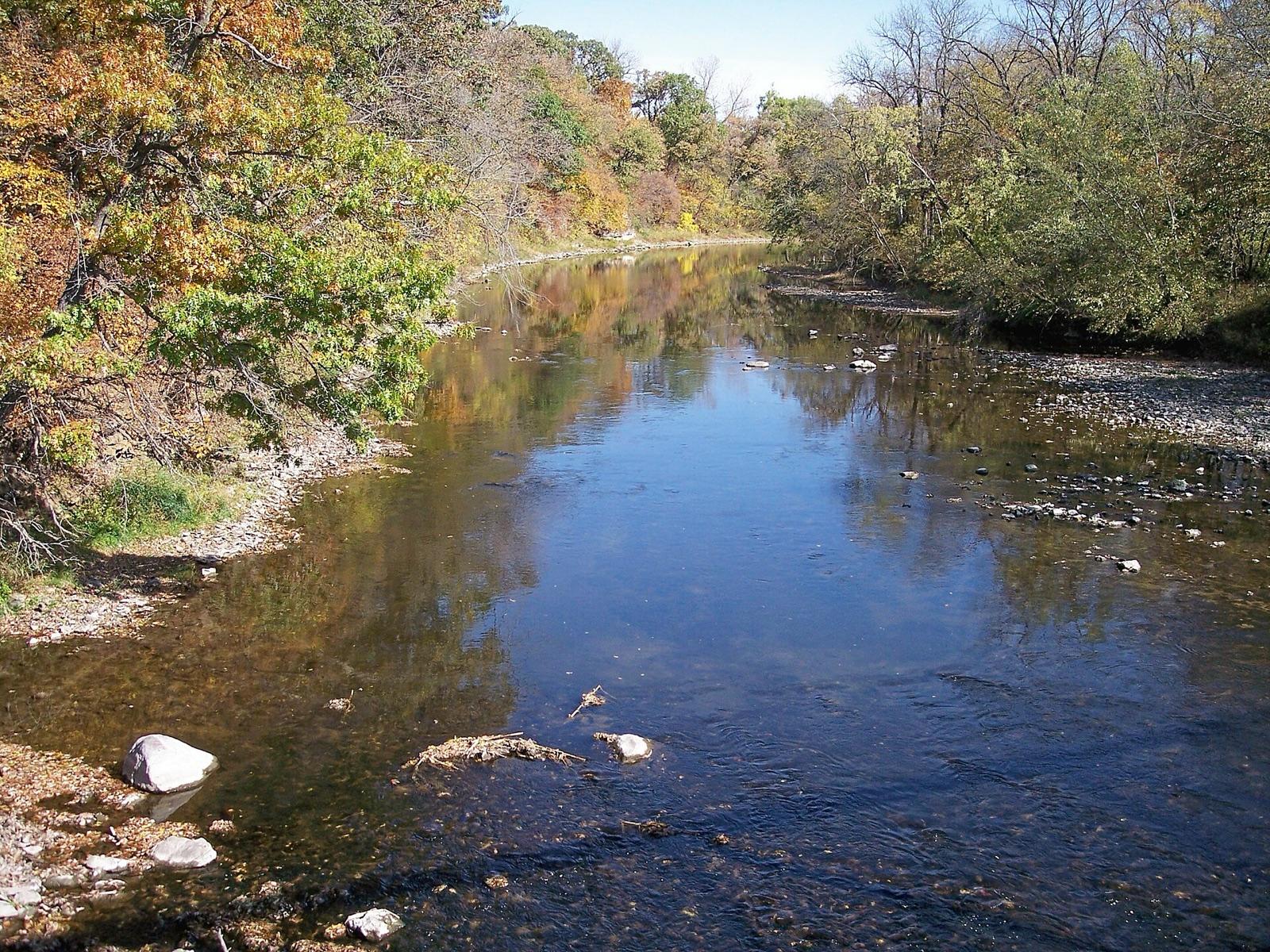
Ames
PublicStory County, Iowa
Central Iowa lies under the Des Moines Lobe, the last glacier to cross the state, and its drift is salted with Lake Superior agate, chalcedony, and jasper carried south from the Superior basin.
Chalcedony, Fossil
 Top pick
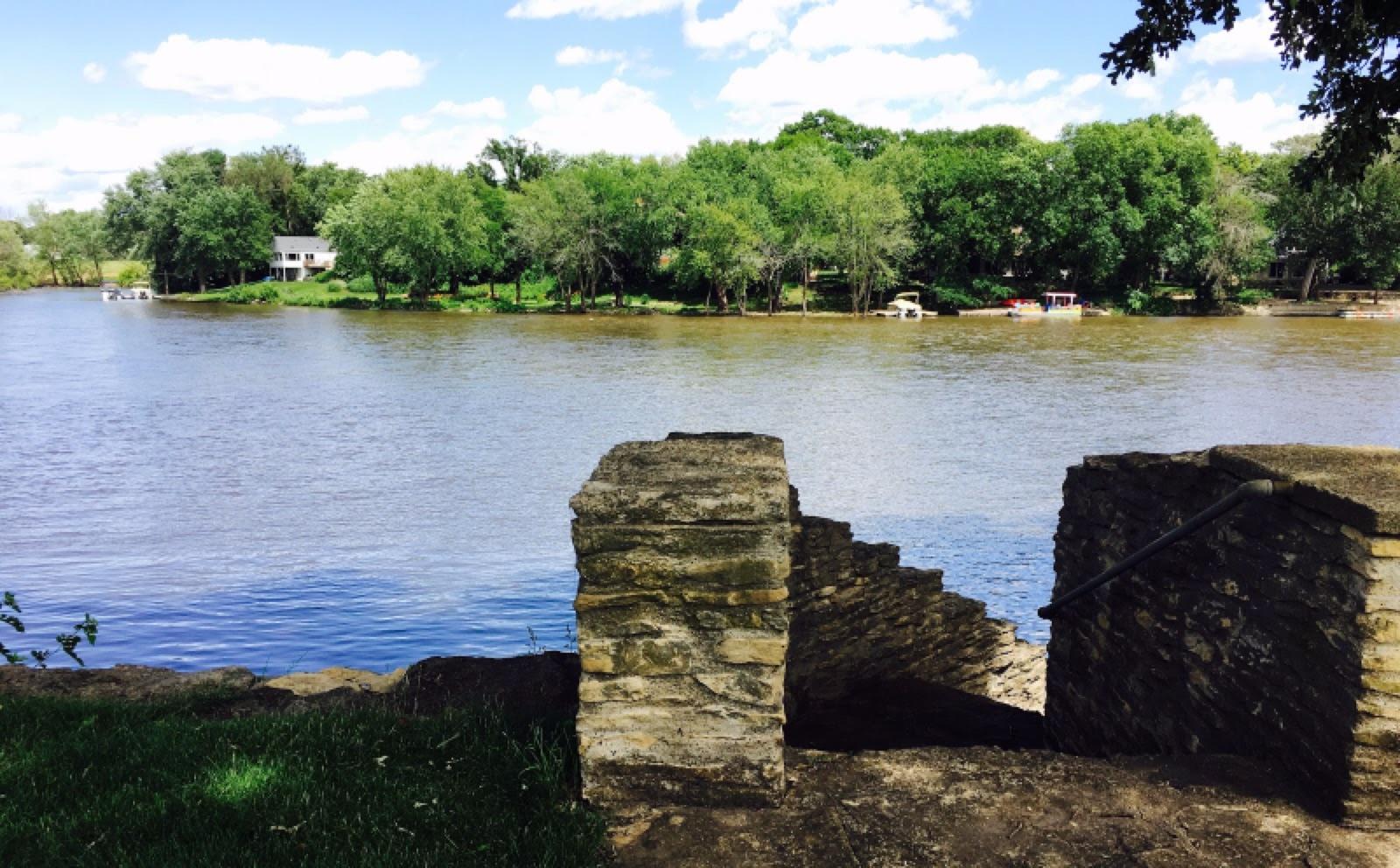
Bells Mill Park
PublicHamilton County, Iowa
Bells Mill Park preserves outcrops along the Boone River where dark, well-formed calcite crystals occur in the Mississippian carbonates, an unusual and distinctive Iowa mineral locality.
Calcite
 Top pick
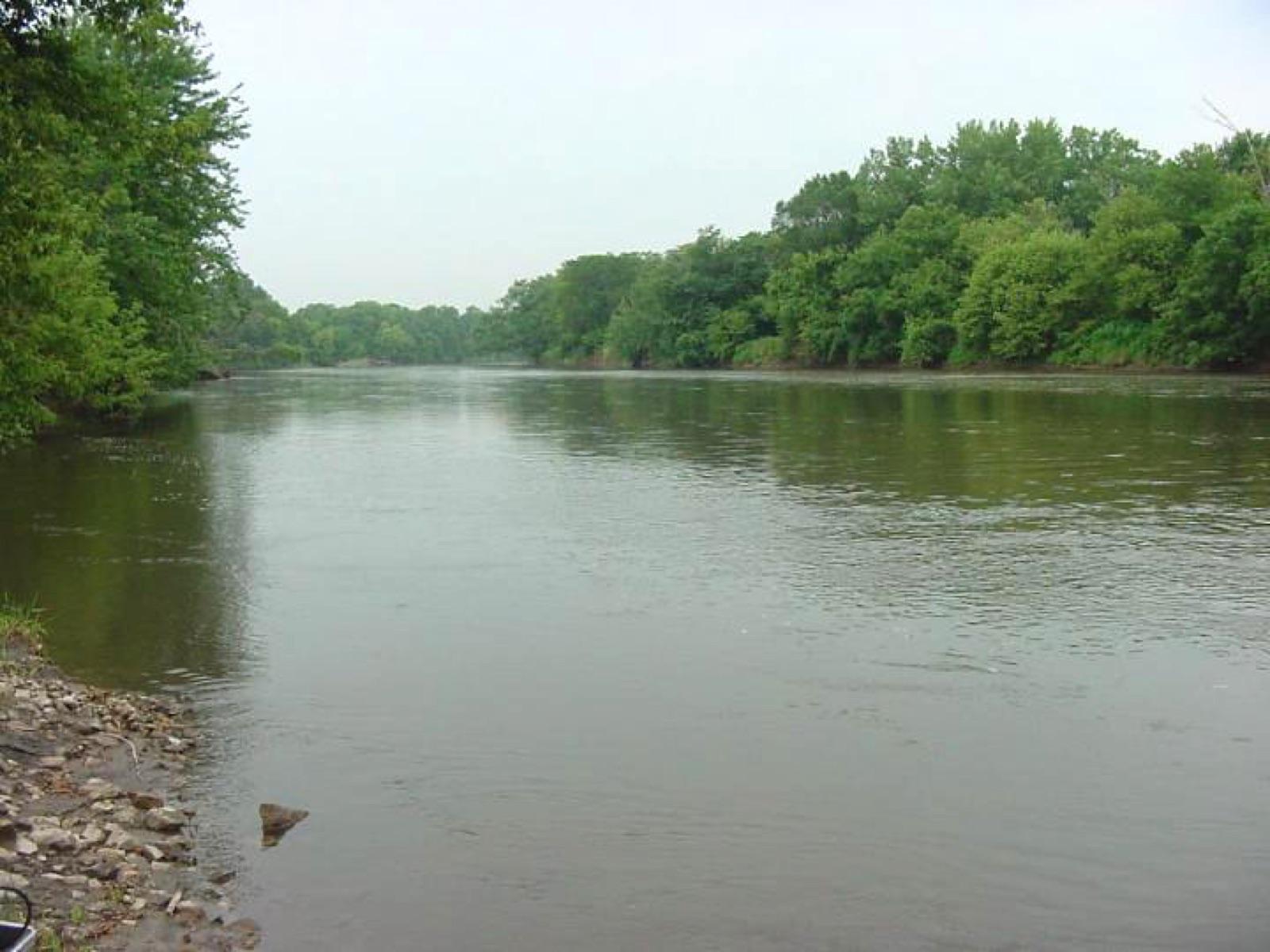
Black Hawk County
PublicBlack Hawk County, Iowa
The Cedar River valley through Black Hawk County is the home ground of the Iowa coldwater agate, a pale blue-gray to cream banded agate weathered from Devonian limestone and reworked into the river gravels.
Cold Water Agate
 Top pick
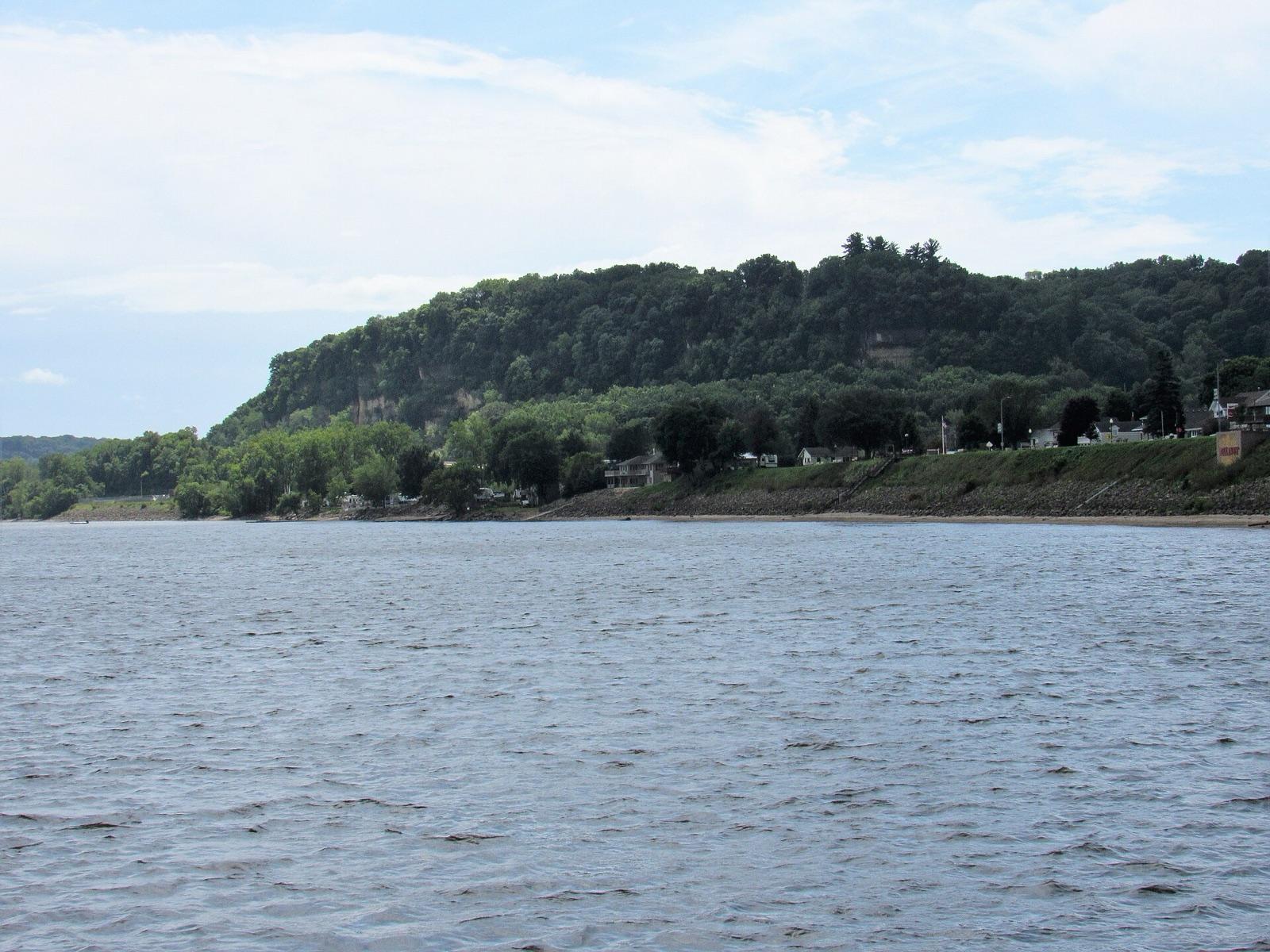
Steamboat River
PublicHardin County, Iowa
The Iowa River around Steamboat Rock cuts through glacial drift and Mississippian bedrock, concentrating agate, chalcedony, and clear to smoky quartz in its gravel bars.
Geode
 Top pick
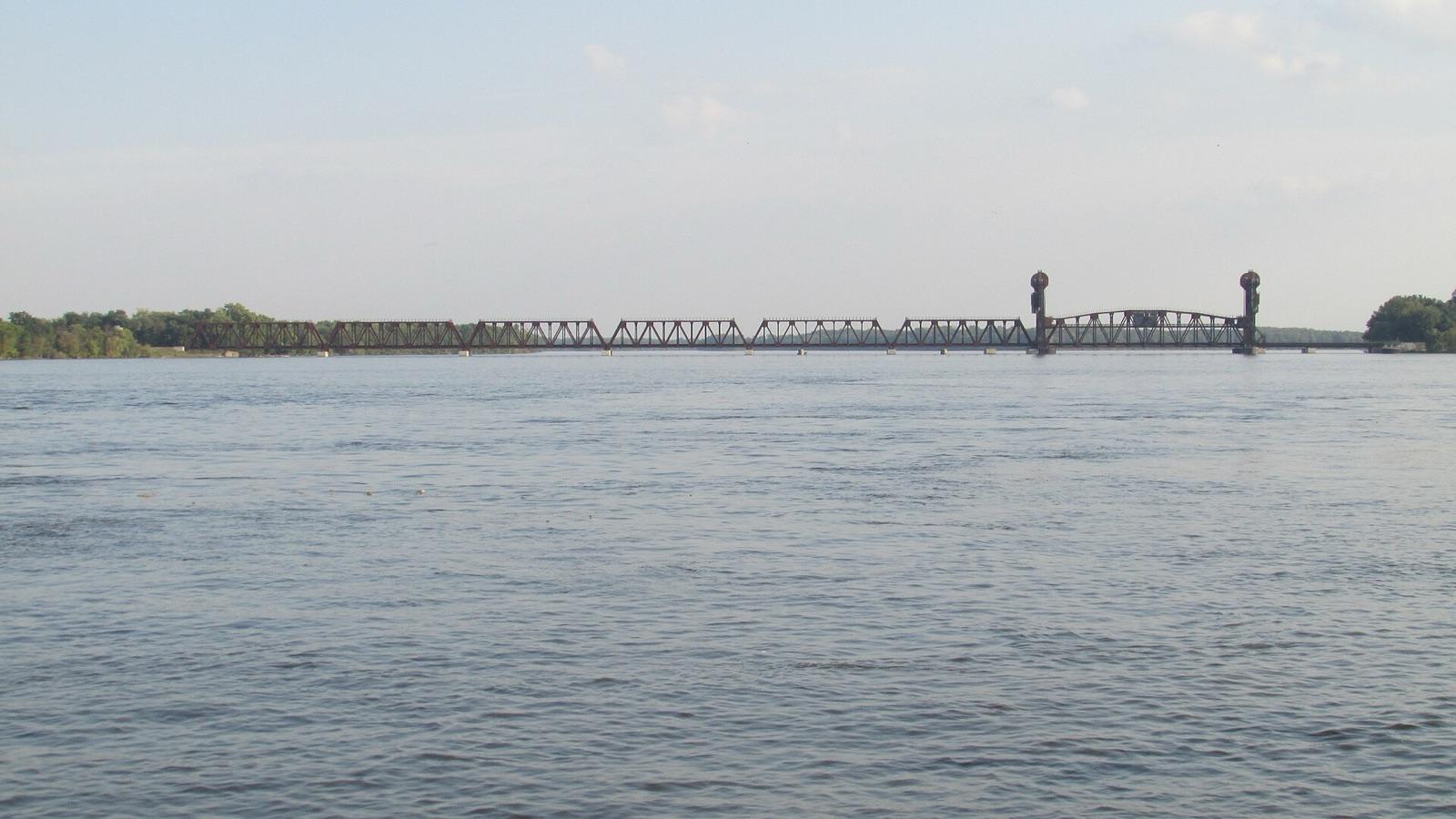
Bellevue
PublicJackson County, Iowa
The Mississippi River gravel bars near Bellevue are one of Iowa's most productive Lake Superior agate grounds, working glacial drift that the river continually reworks and sorts.
Lake Superior Agate, Moss Agate, Carnelian, Moonstone
 Top pick
Burlington (geodes)
PublicDes Moines County, Iowa
Burlington marks the transition between Iowa's two great rockhounding stories: the Keokuk geode belt to the south and the Lake Superior agate fields carried in by glaciers.
Lake Superior Agate, Quartz, Geode
 Top pick
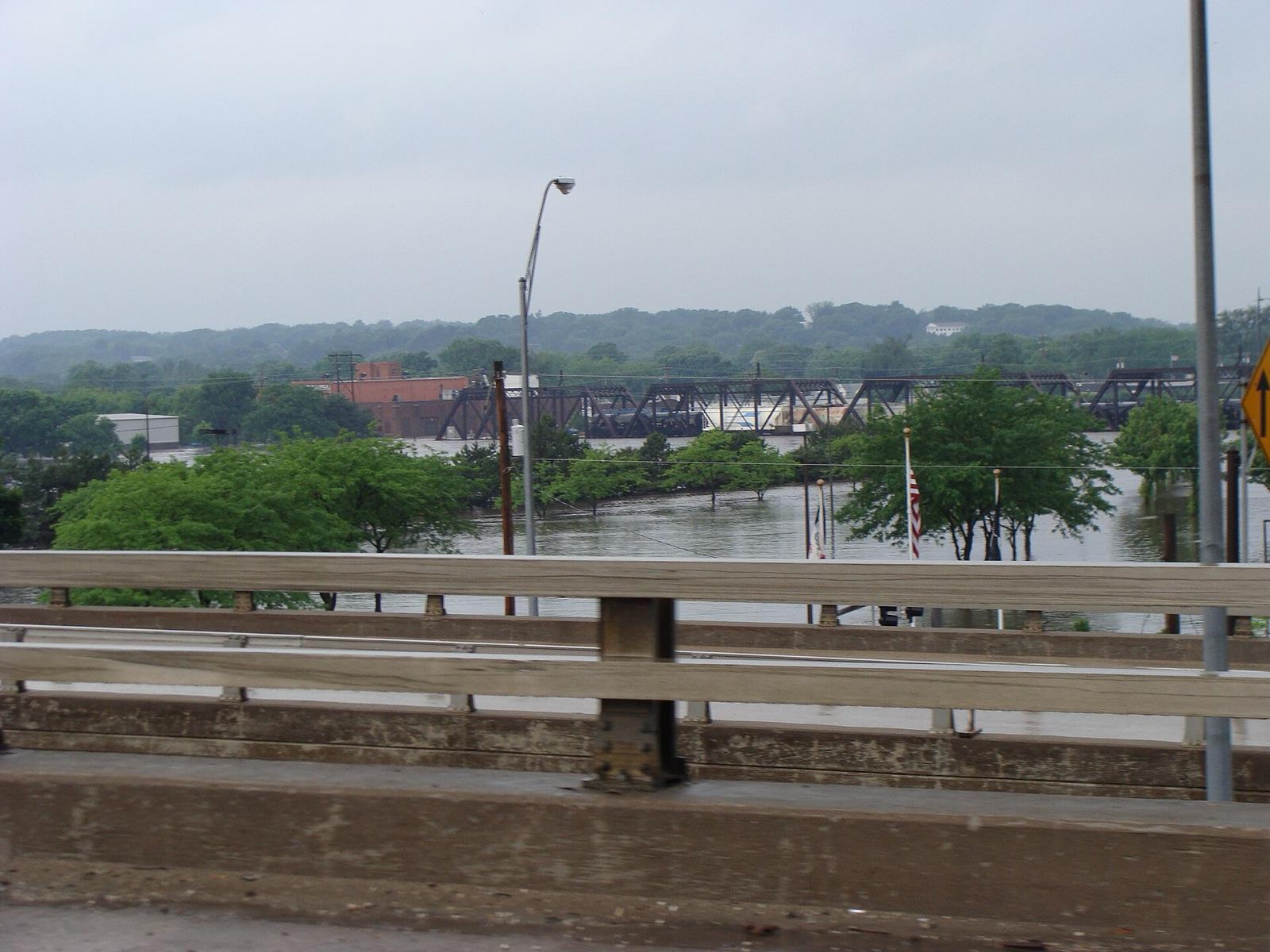
Lowell
PublicHenry County, Iowa
Lowell sits in the heart of the Keokuk geode district, where the Mississippian Warsaw Formation sheds hollow, quartz-lined geodes into the Skunk River and its tributary creeks.
Keokuk Geode
 Top pick
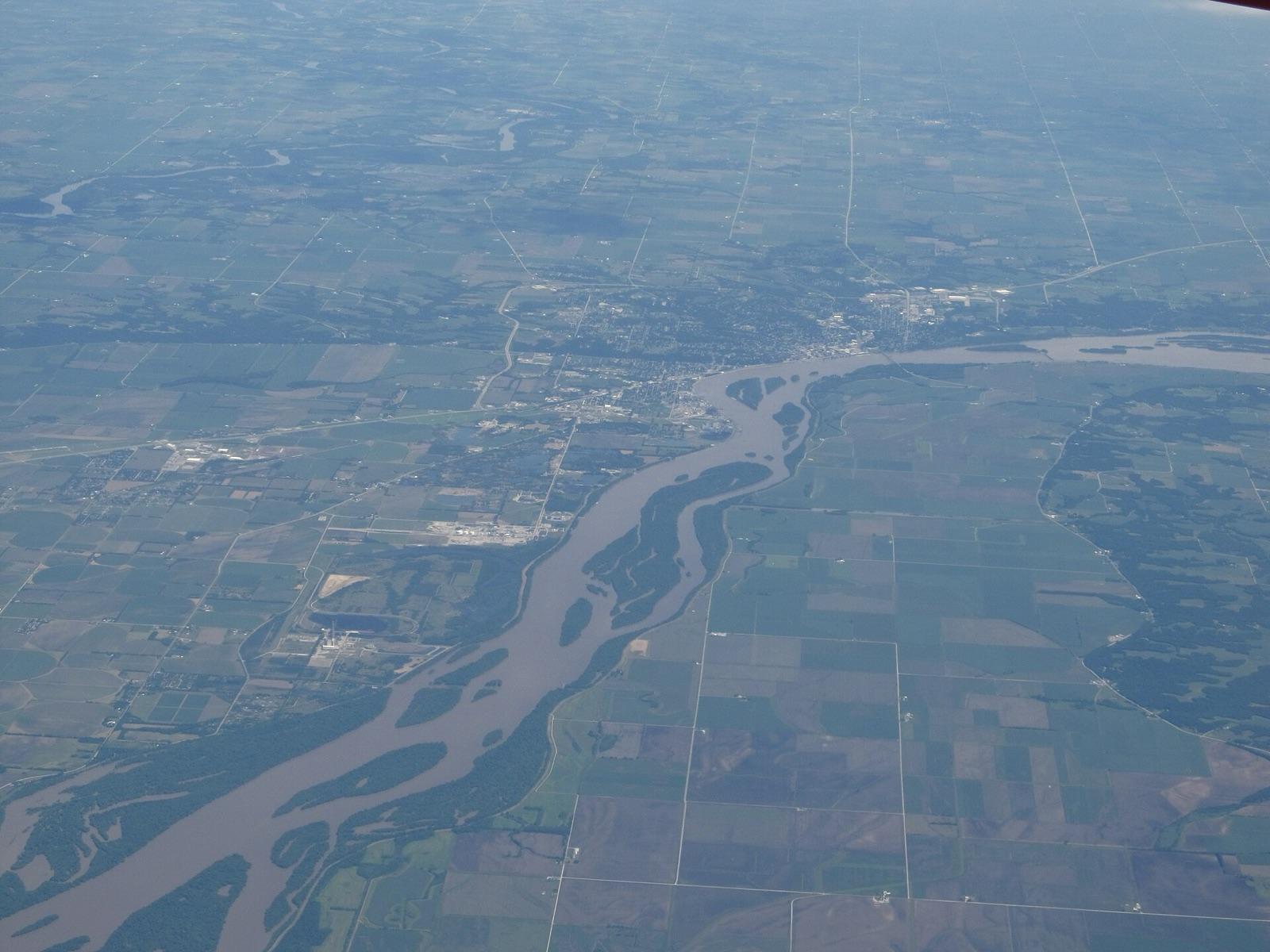
Cedar Rapids
PublicLinn County, Iowa
The Cedar River gravels around Cedar Rapids carry silicified Devonian coral weathered out of the Cedar Valley Group limestones that underlie eastern Iowa.
Silicified Coral, Calcified Coral
 Top pick
Muscatine (agate)
PublicLouisa County, Iowa
The stream gravels around Muscatine and neighboring Louisa County are named by the Iowa Geological Survey as a reliable source of Lake Superior agate, moss agate, chalcedony, and clear quartz.
Lake Superior Agate, Moss Agate, Chalcedony, Quartz
 Top pick
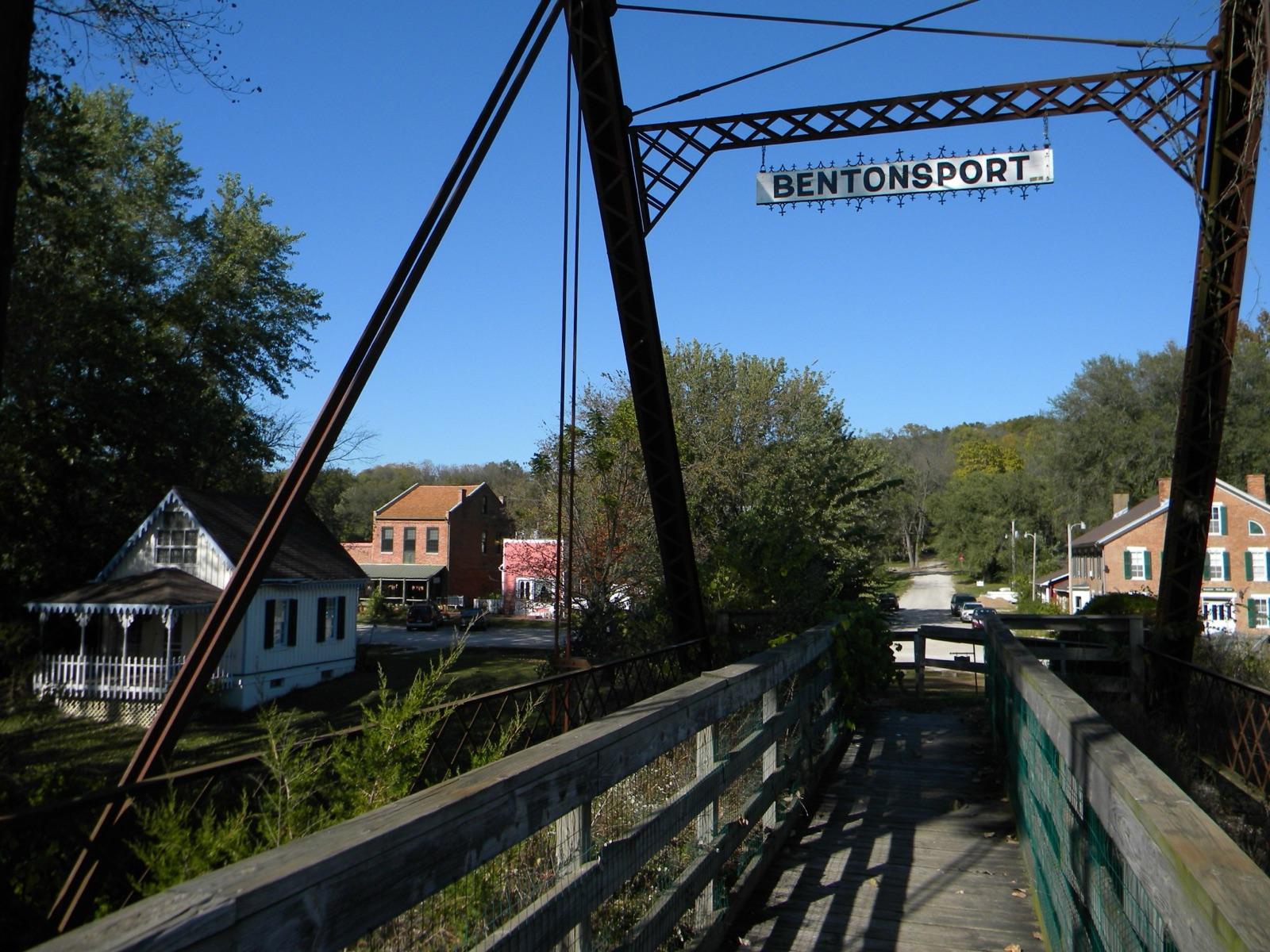
Bentonsport
PublicVan Buren County, Iowa
Bentonsport, a preserved 19th-century village on the Des Moines River, lies within the same lower Warsaw geode horizon that defines southeast Iowa.
Keokuk Geode
 Top pick
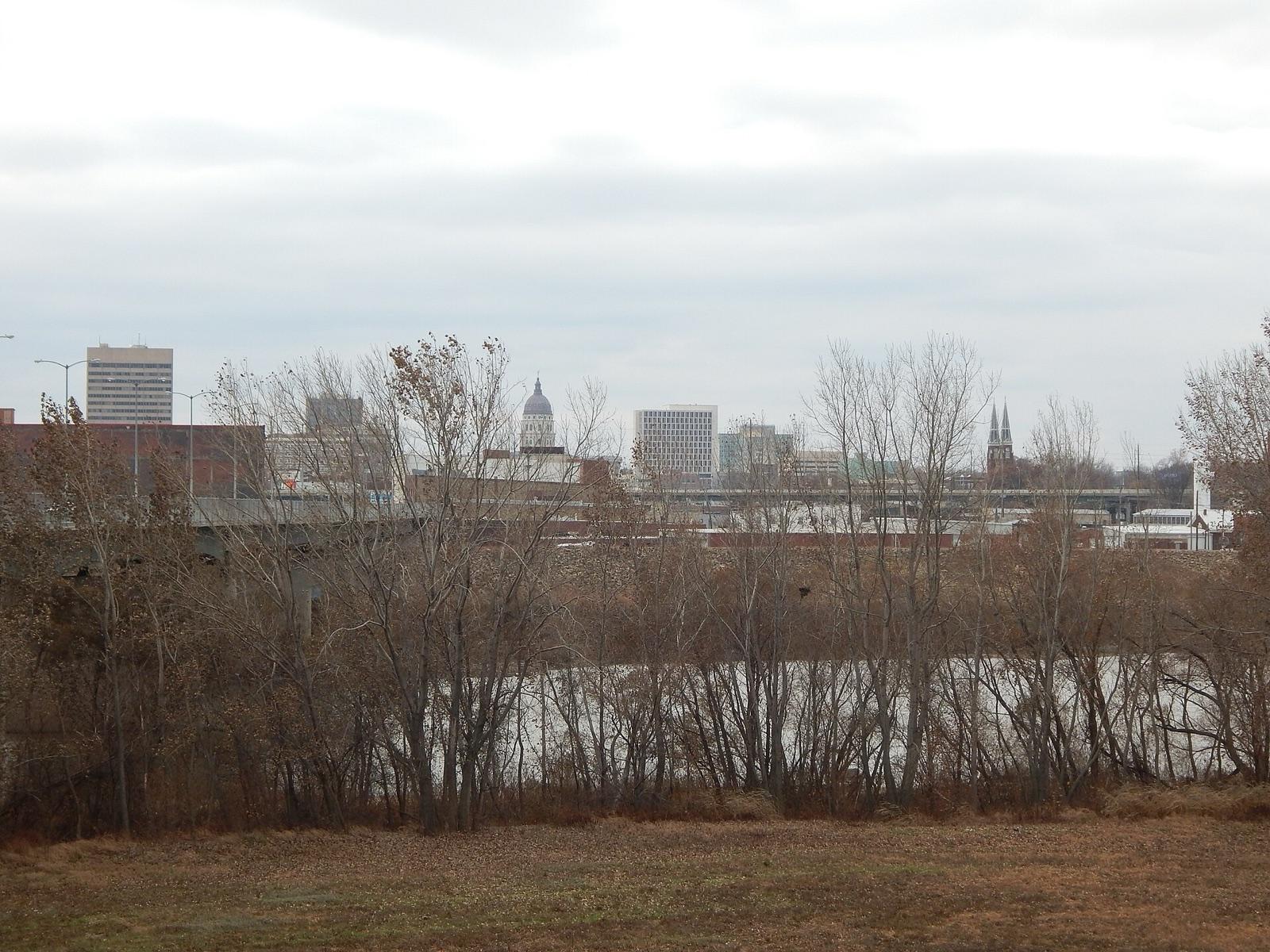
Topeka
PublicShawnee County, Kansas
The Kansas River gravels in and near Topeka hold Lake Superior agate carried south by Ice Age glaciers, a distribution the Kansas Geological Survey describes as highly localized to this part of the state.
Lake Superior Agate
 Top pick
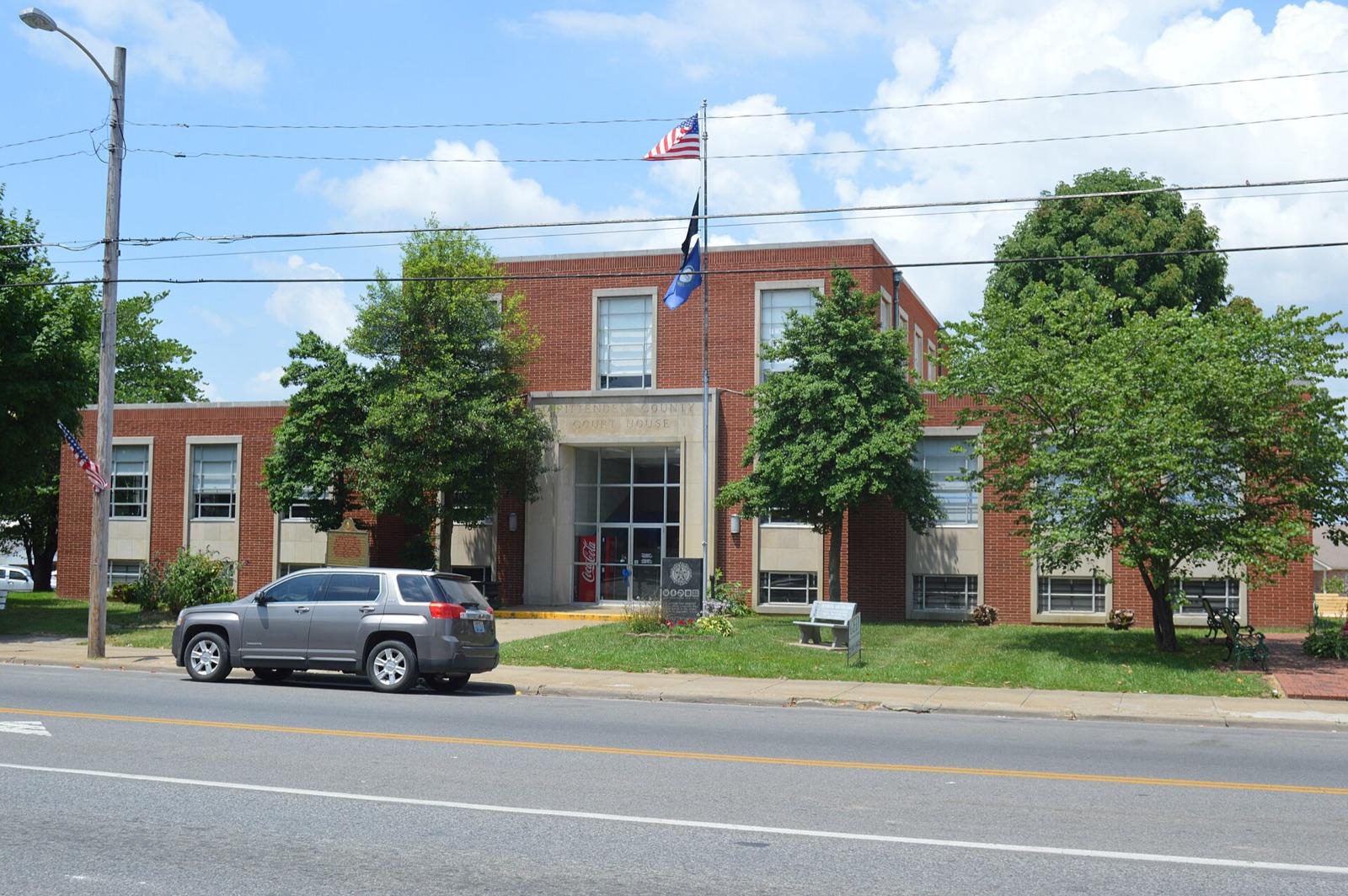
Crittenden County
PublicCrittenden County, Kentucky
Crittenden County anchors the Illinois-Kentucky Fluorspar District, historically one of the world's great sources of large crystalline purple and yellow fluorite, alongside galena, sphalerite, barite and calcite.
Galena, Fluorite, Barite, Calcite
 Top pick
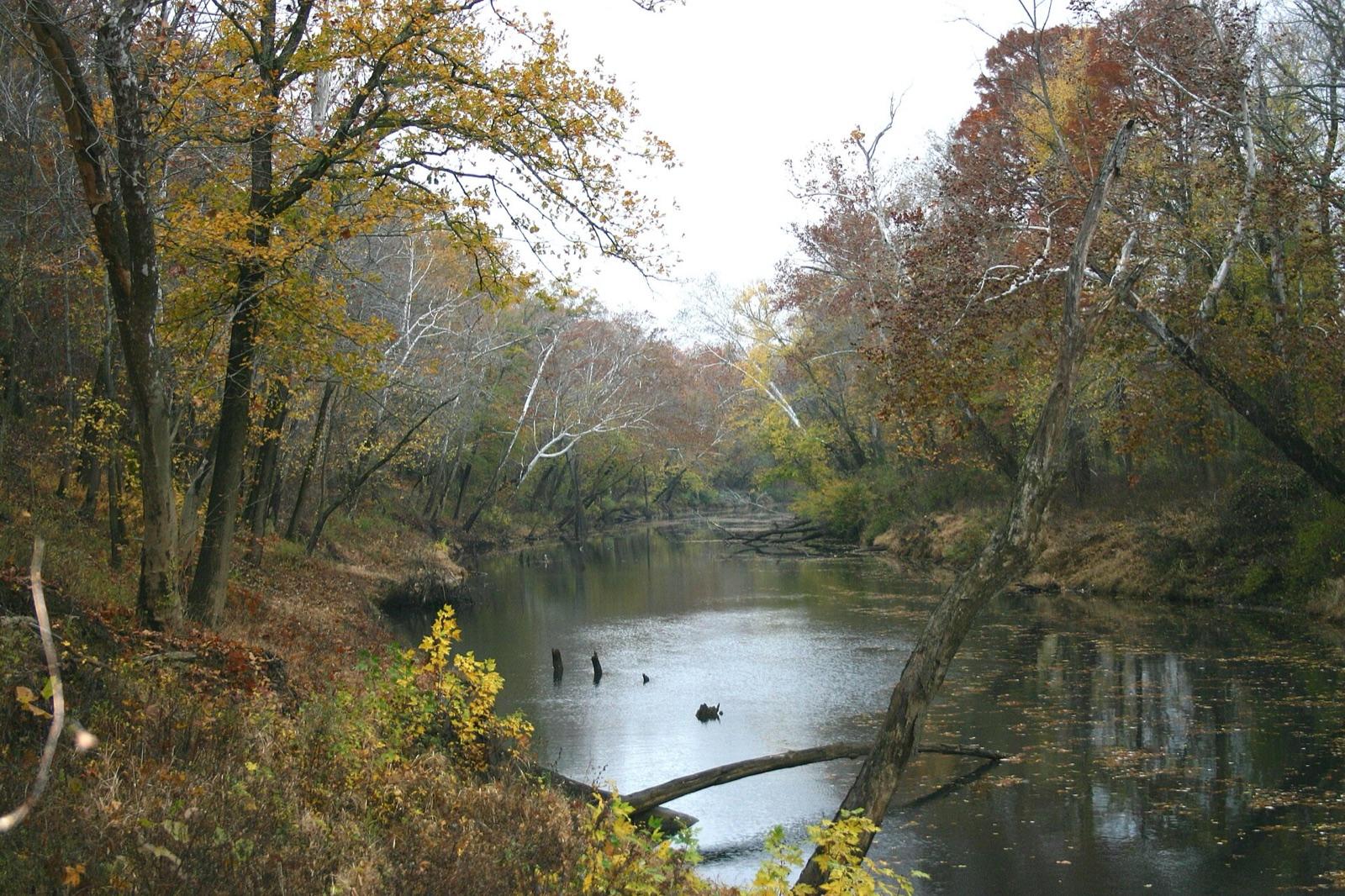
Graves County
PublicGraves County, Kentucky
Graves County, in the far-western Jackson Purchase, is the state's best-known source of gravel-pit agate, jasper and silicified wood.
Agate, Chalcedony, Chert, Jasper
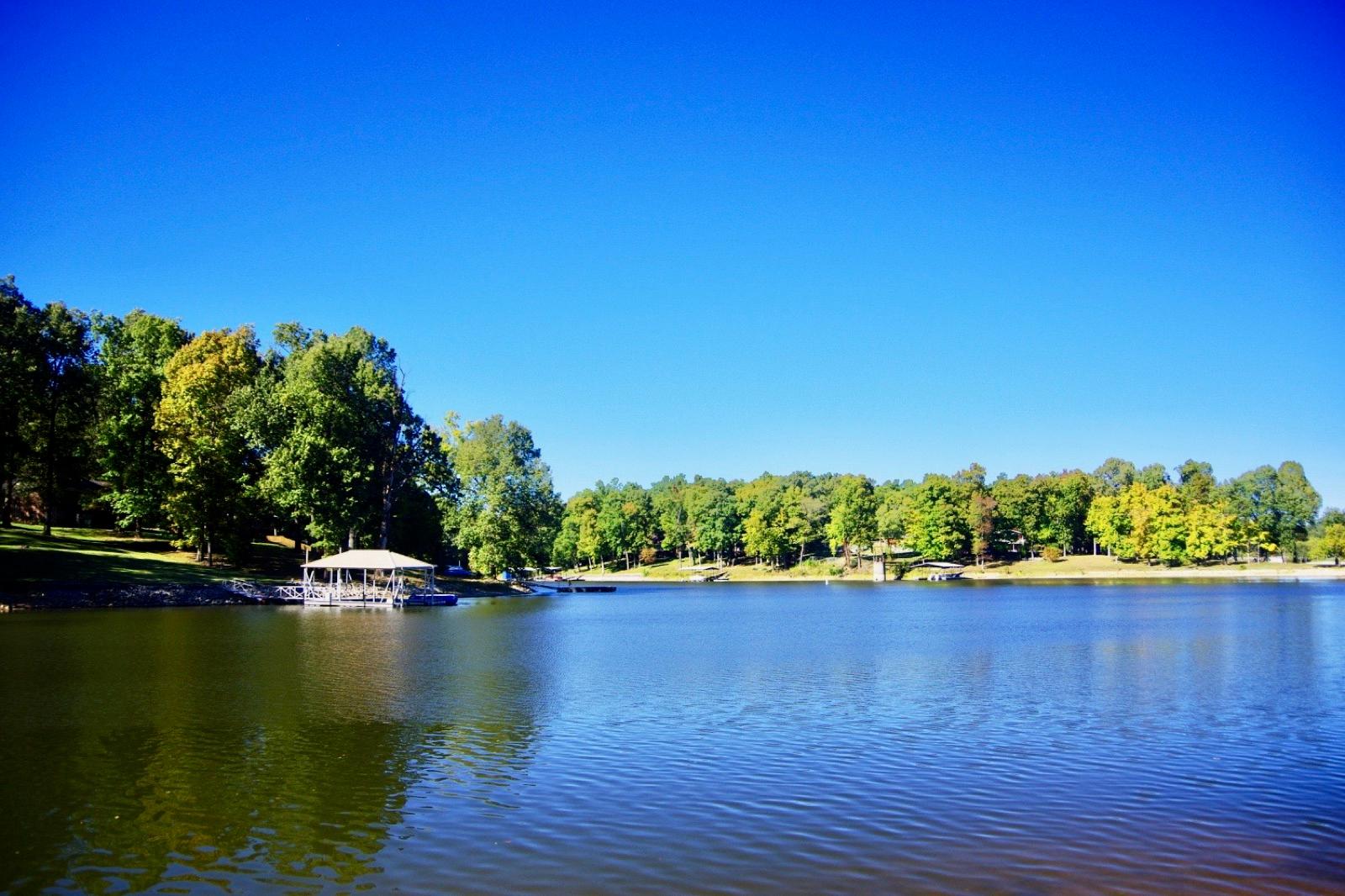 Top pick
Eddyville
PublicLyon County, Kentucky
Lyon County, set between Lake Barkley and Kentucky Lake on the lower Cumberland River, is known for agate, chalcedony and jasper that collect in gravels and along the reservoir shorelines.
Agate, Chalcedony, Jasper
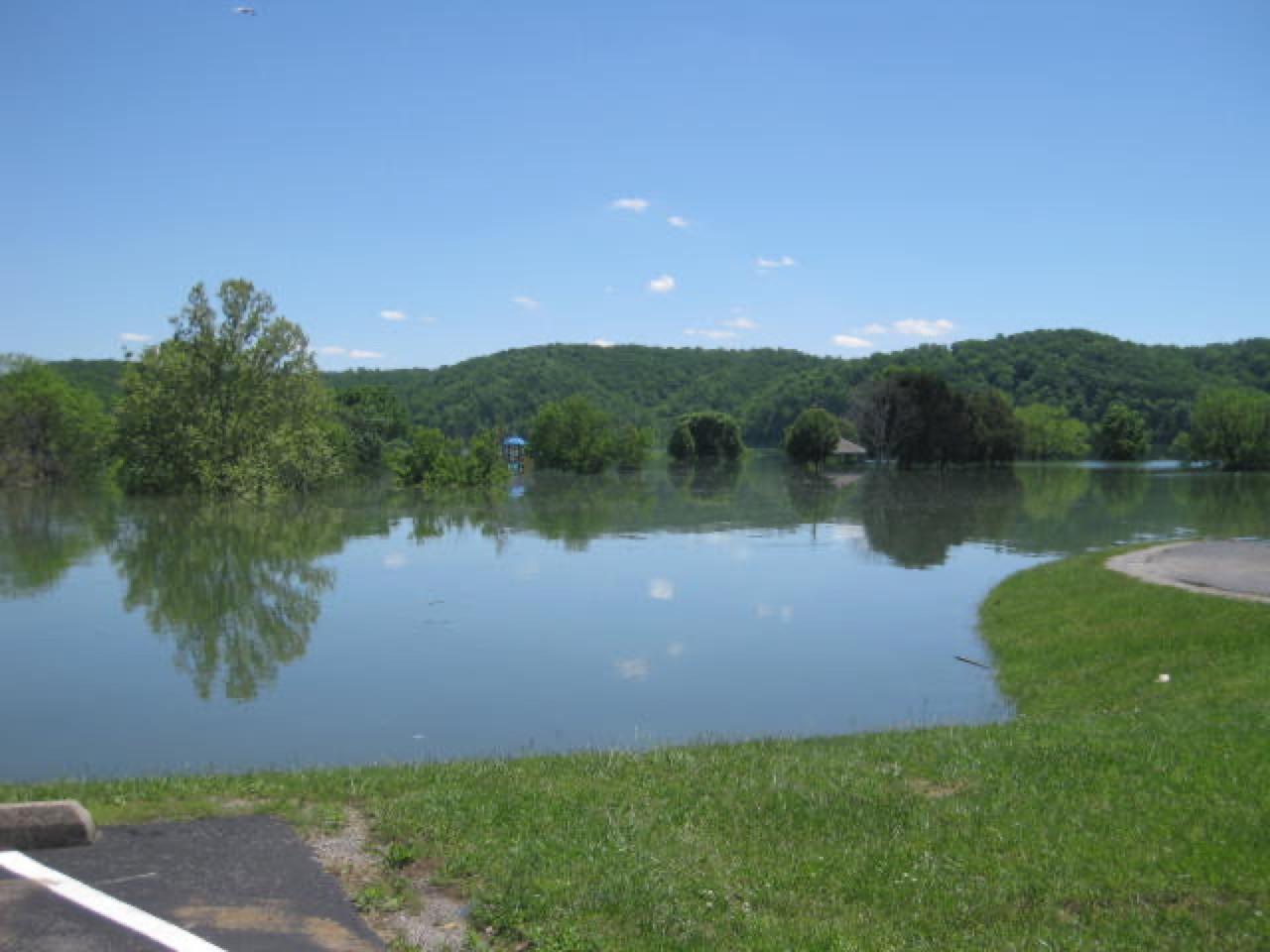 Top pick
Adair County
PublicAdair County, Kentucky
The Green River and the creeks draining the Fort Payne Formation through Adair County are among the most reliable geode grounds in the state.
Geode
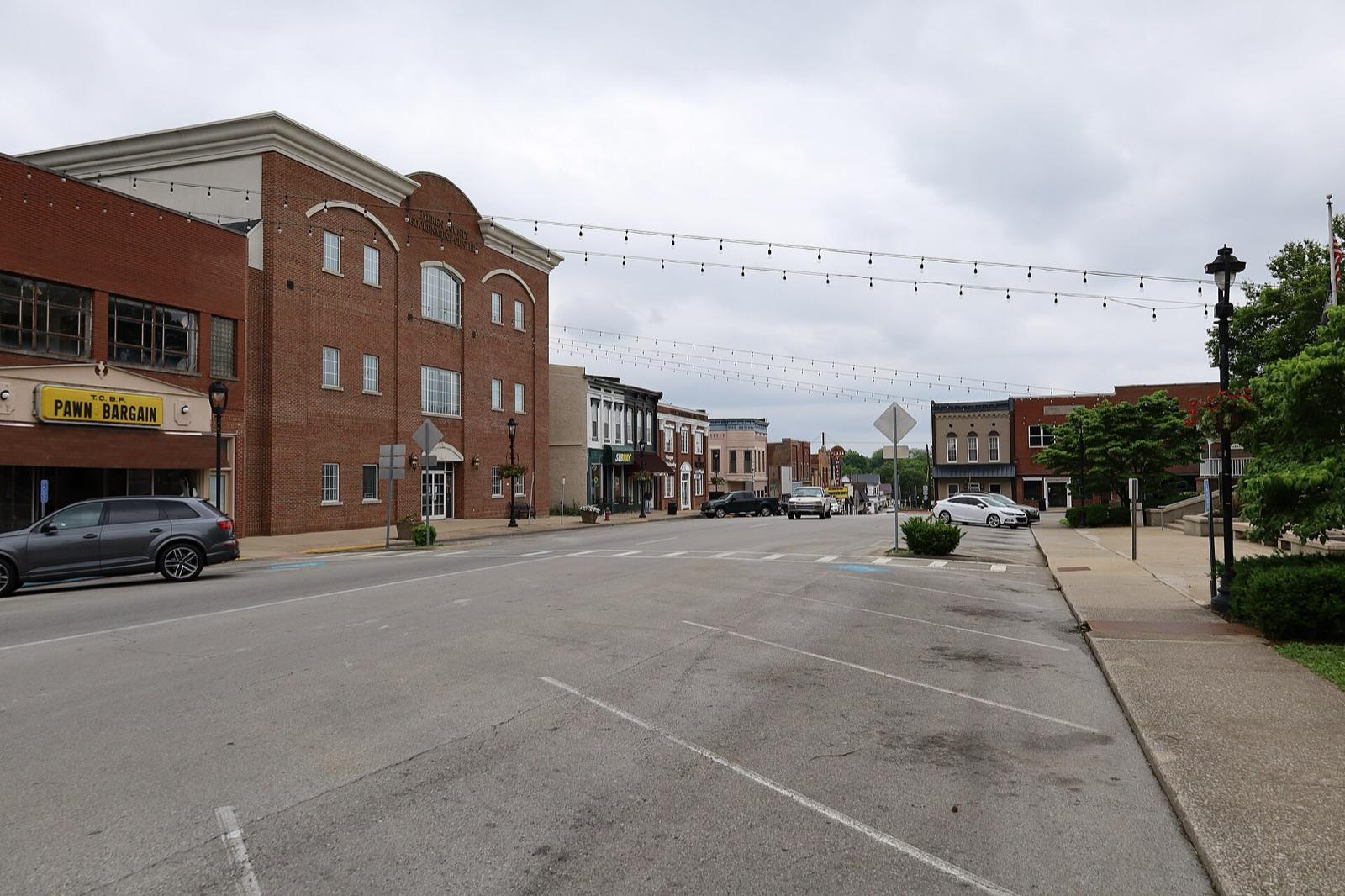 Top pick
Glasgow
PublicBarren County, Kentucky
Barren County lies on the Warsaw Limestone outcrop belt that produces south-central Kentucky's classic gray, lumpy geodes.
Geode
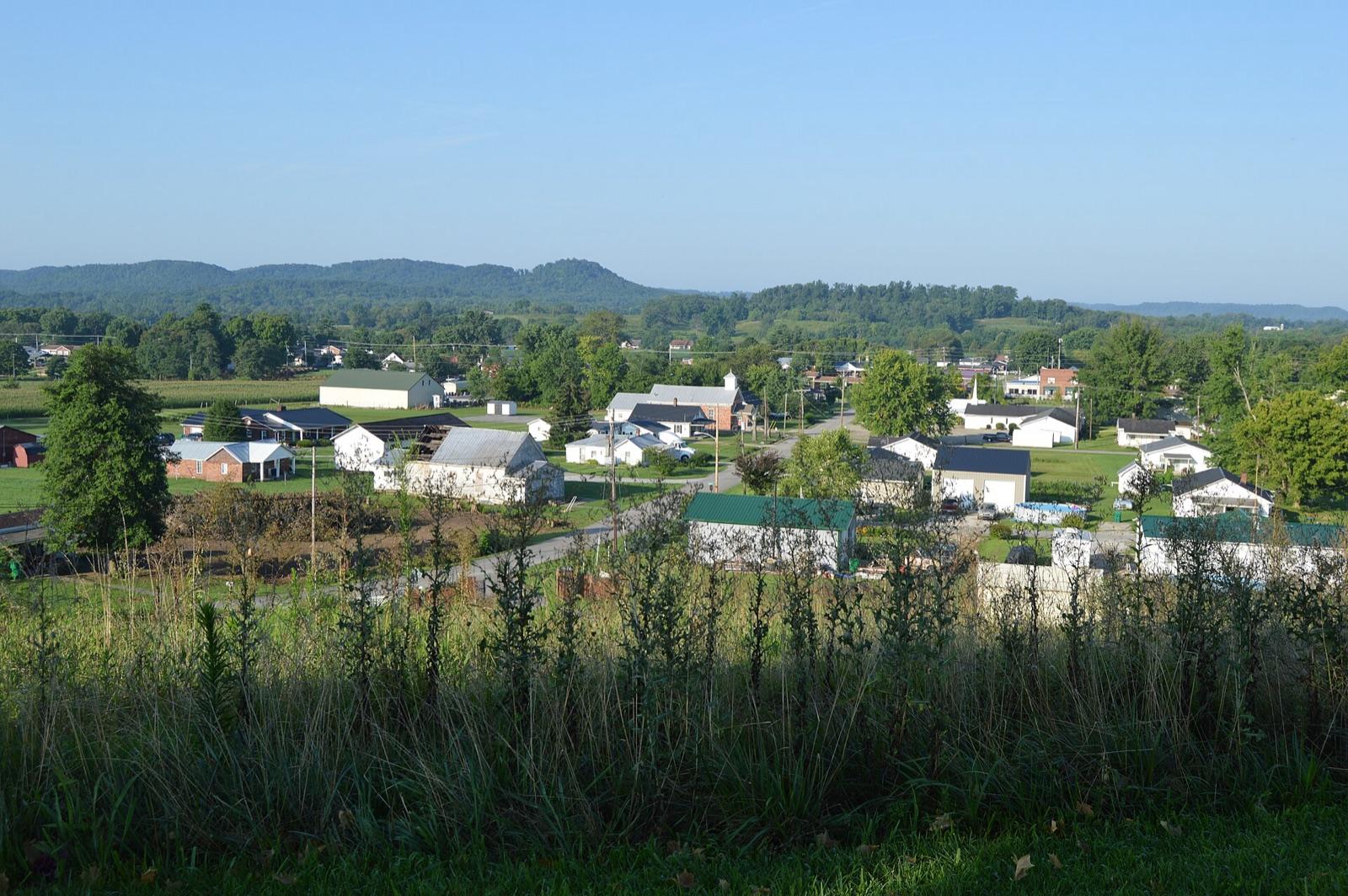 Top pick
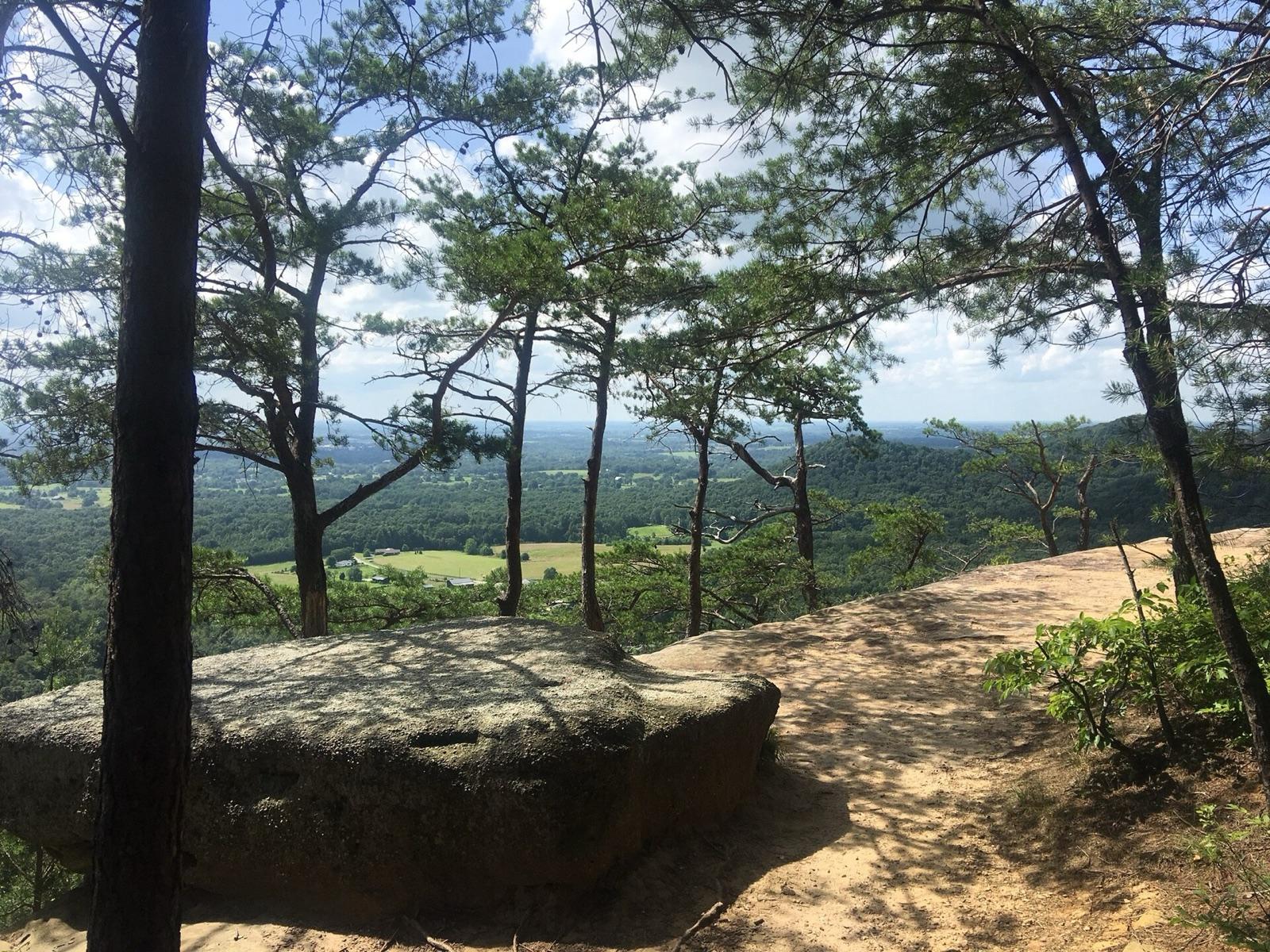
Lincoln County
PublicLincoln County, Kentucky
Lincoln County sits at the heart of Kentucky's geode belt, where the Mississippian Fort Payne and Warsaw formations shed hollow, quartz-lined nodules into the upper Green River drainage and its feeder creeks.
Geode, Quartz, Celestite, Goethite
 Top pick
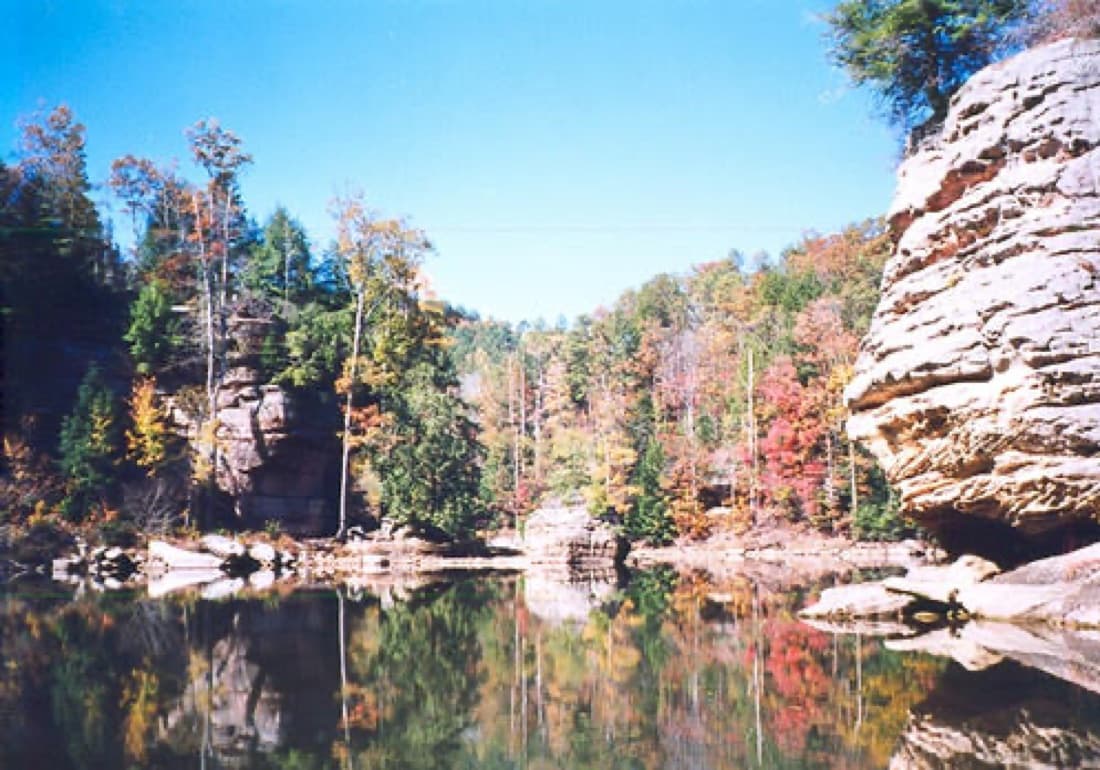
Berea
PublicMadison County, Kentucky
Berea sits where the Knobs meet the Bluegrass, on the western edge of the Kentucky Agate District and within the Fort Payne geode belt.
Geode
 Top pick
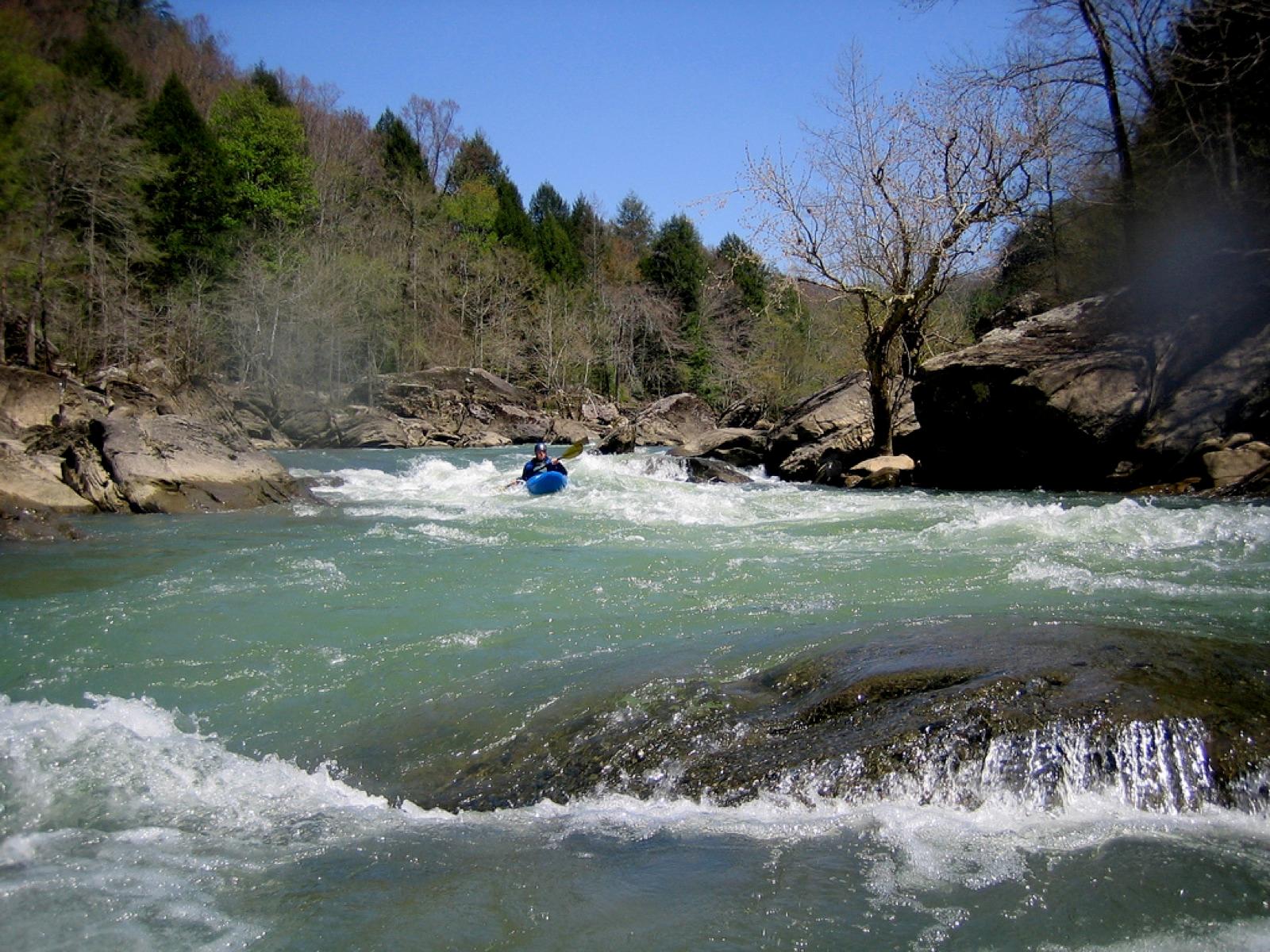
Little Sandy River
PublicElliott County, Kentucky
Elliott County holds the only kimberlite in Kentucky, the Late Cretaceous Elliott County Peridotite at Ison Creek, a mantle-derived intrusion that carries pyrope garnet, chrome diopside and olivine.
Apatite, Almandine Garnet, Chromite, Diopside
 Top pick
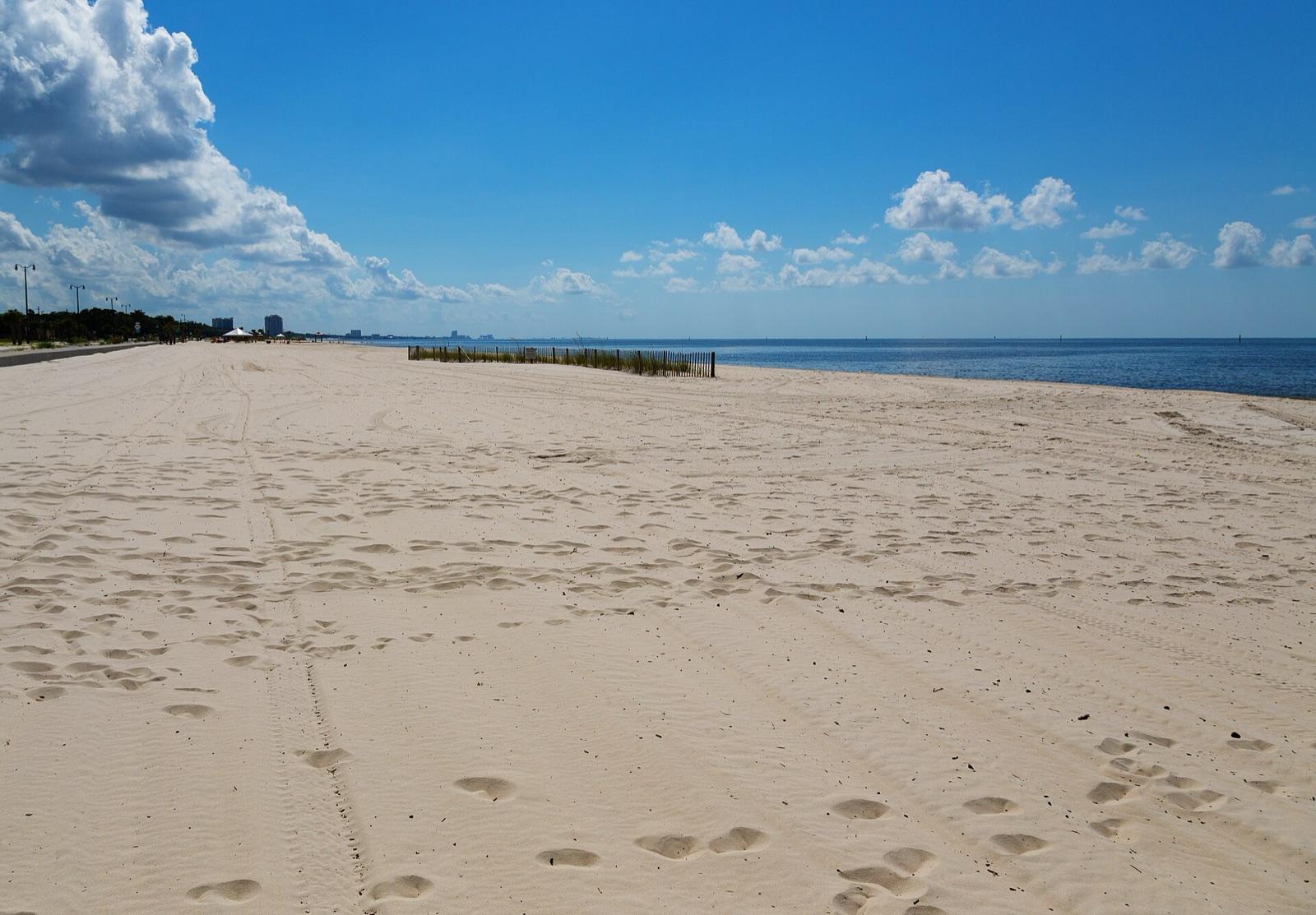
Mount Vernon
PublicRockcastle County, Kentucky
Rockcastle County lies inside both the Kentucky Agate District and the Daniel Boone National Forest, a rare pairing of collectible geology and legal public access.
Chert, Jasper, Geode, Oolite
 Top pick
Gulfport
PublicHarrison County, Mississippi
Harrison County's Pliocene and Pleistocene Citronelle Formation and terrace gravels carry jasper, agate, chert, and petrified wood pebbles across the coastal plain behind Gulfport.
Jasper, Petrified Wood
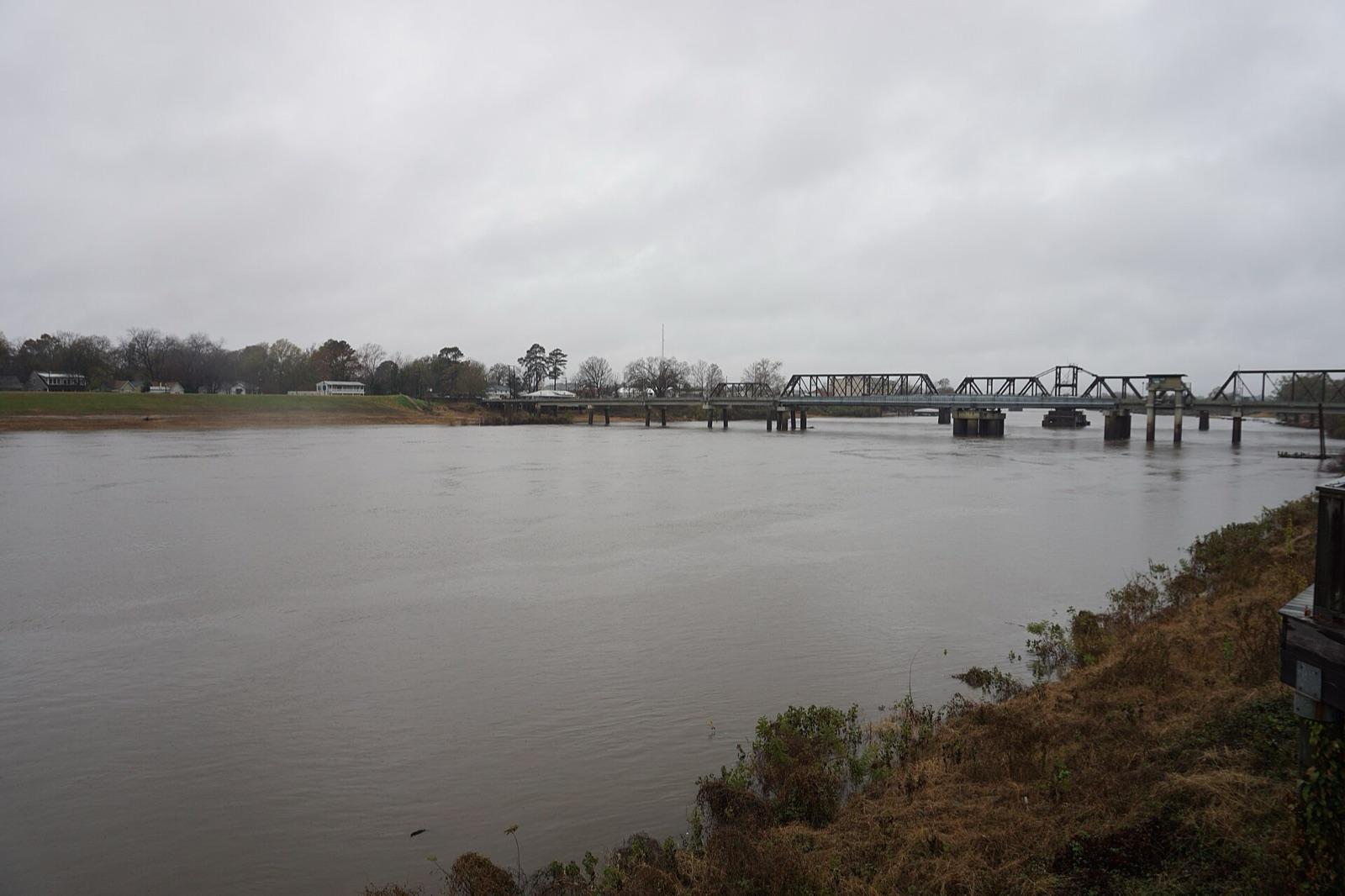 Top pick
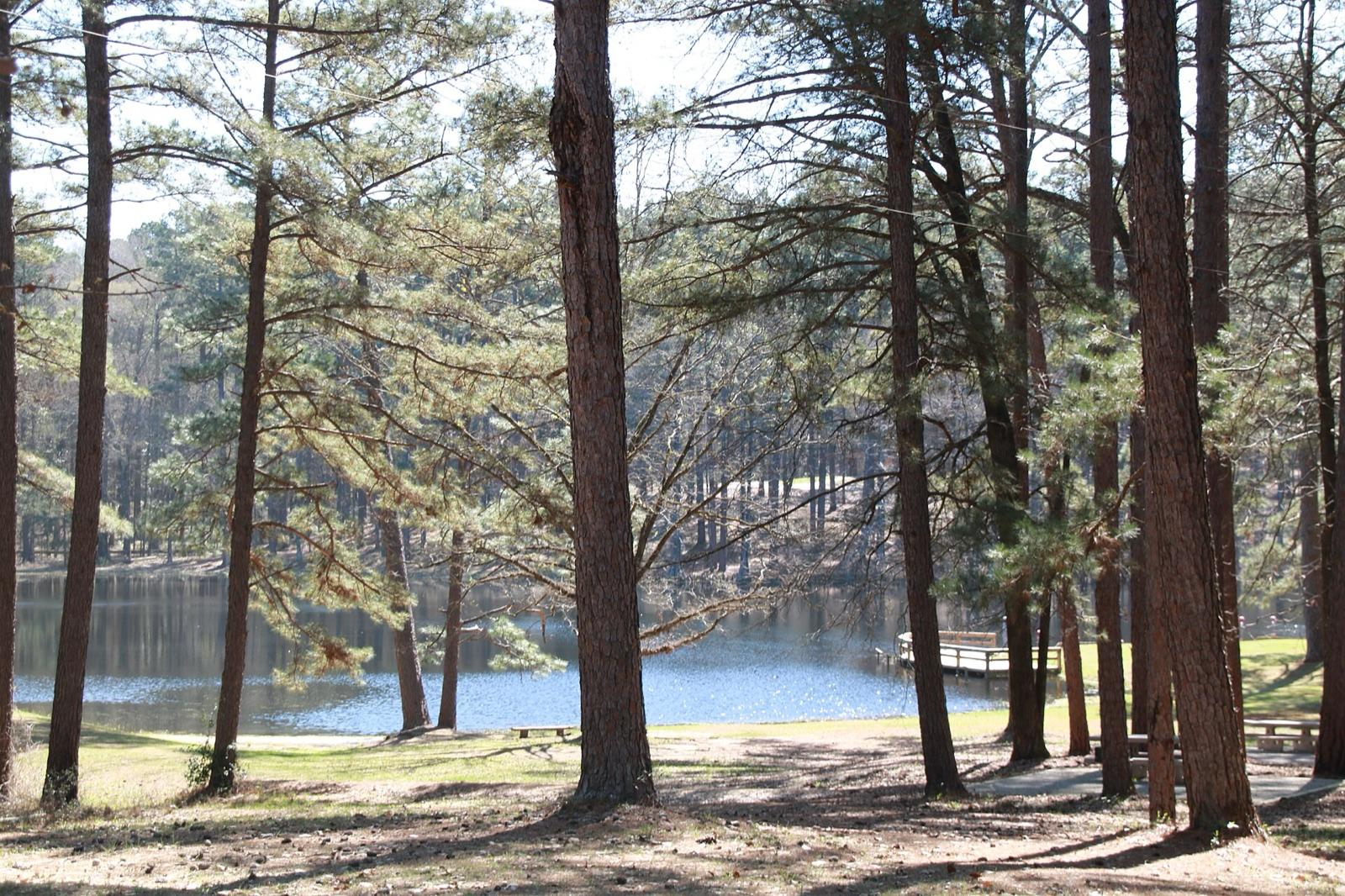
Ouachita River
PublicOuachita Parish, Louisiana
The Ouachita River carries agate, petrified wood, and opalized wood south out of the Arkansas uplands, dropping them on gravel bars around Monroe in north Louisiana.
Agate, Petrified Wood, Opalized Wood
 Top pick
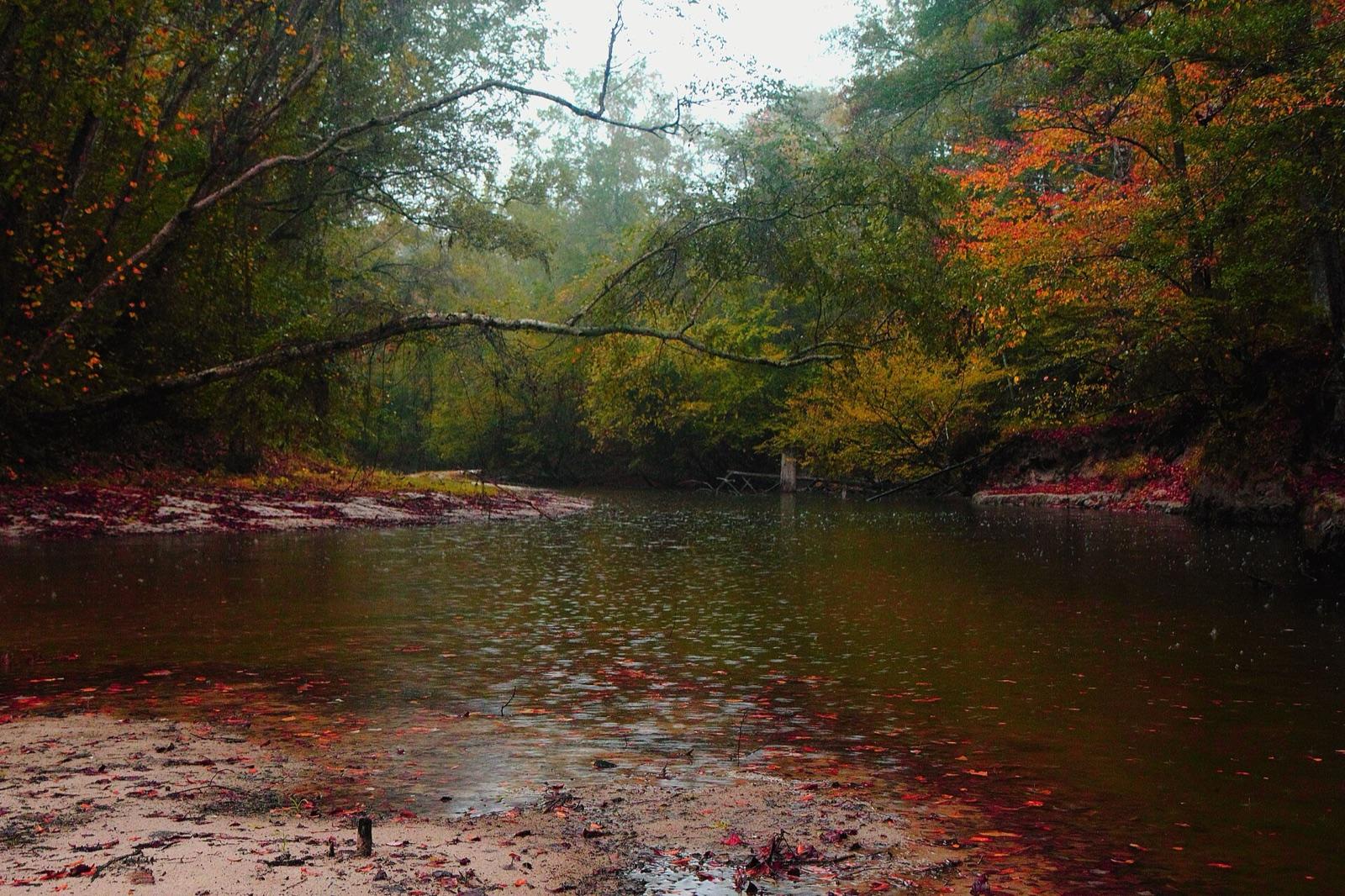
Pollock
PublicGrant Parish, Louisiana
The gravel-capped Kisatchie Hills around Pollock shed agate, jasper, and petrified wood, including palmwood, into the road cuts and creek bottoms of the Catahoula Ranger District.
Agate, Petrified Wood
 Top pick
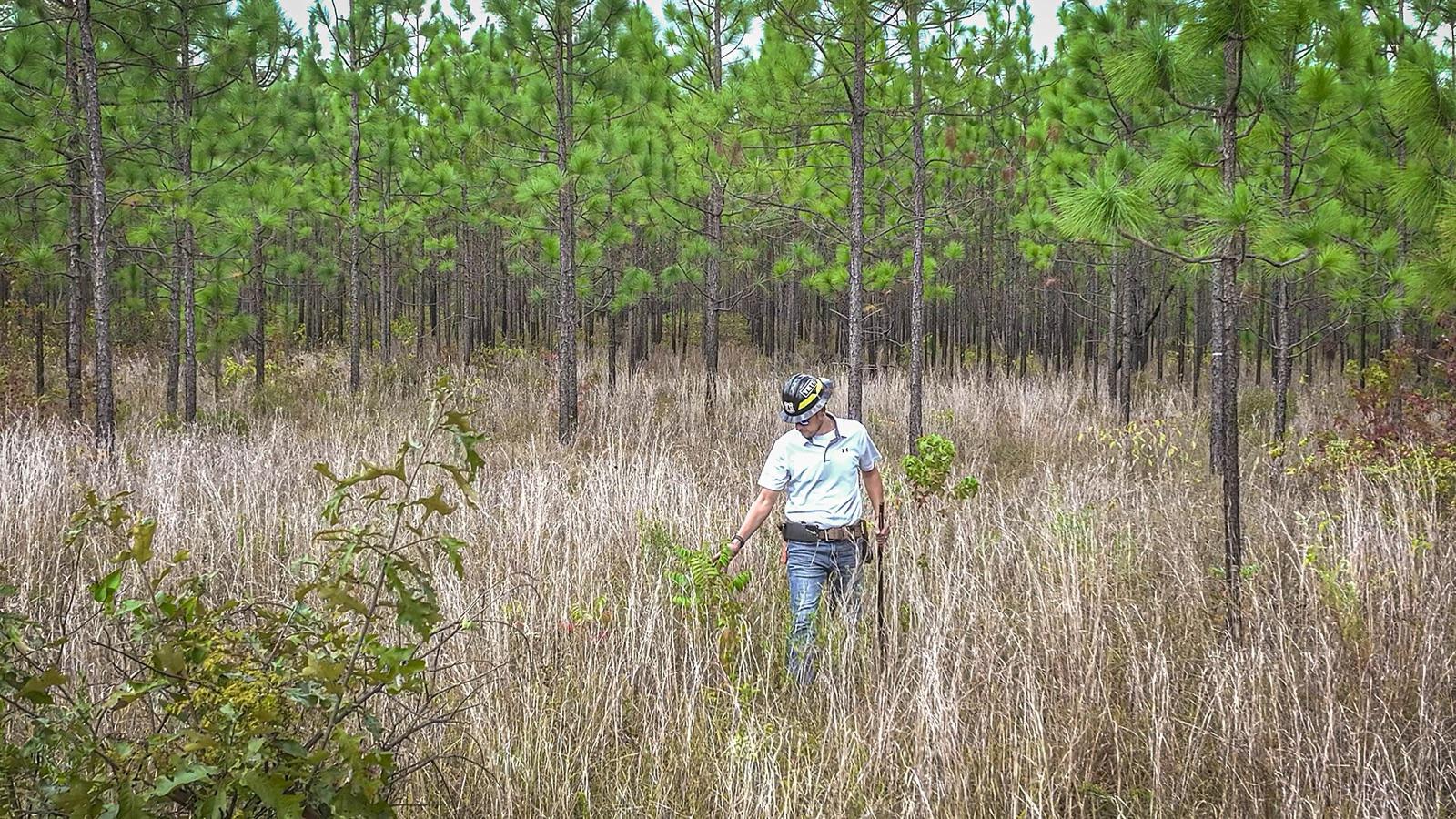
Rapides Parish
PublicGrant Parish, Louisiana
This is the heart of Louisiana's petrified palmwood country, the silicified state fossil that weathers out of the Oligocene Catahoula Formation across Rapides and Grant parishes.
Silicified Palm Wood
 Top pick
Vernon Parish
PublicVernon Parish, Louisiana
Vernon Parish is one of the four parishes, with Rapides, Grant, and Natchitoches, that produce Louisiana's petrified palmwood, and its Catahoula gravels are a reliable source of the spotted, rod-structured fossil wood.
Silicified Palm Wood
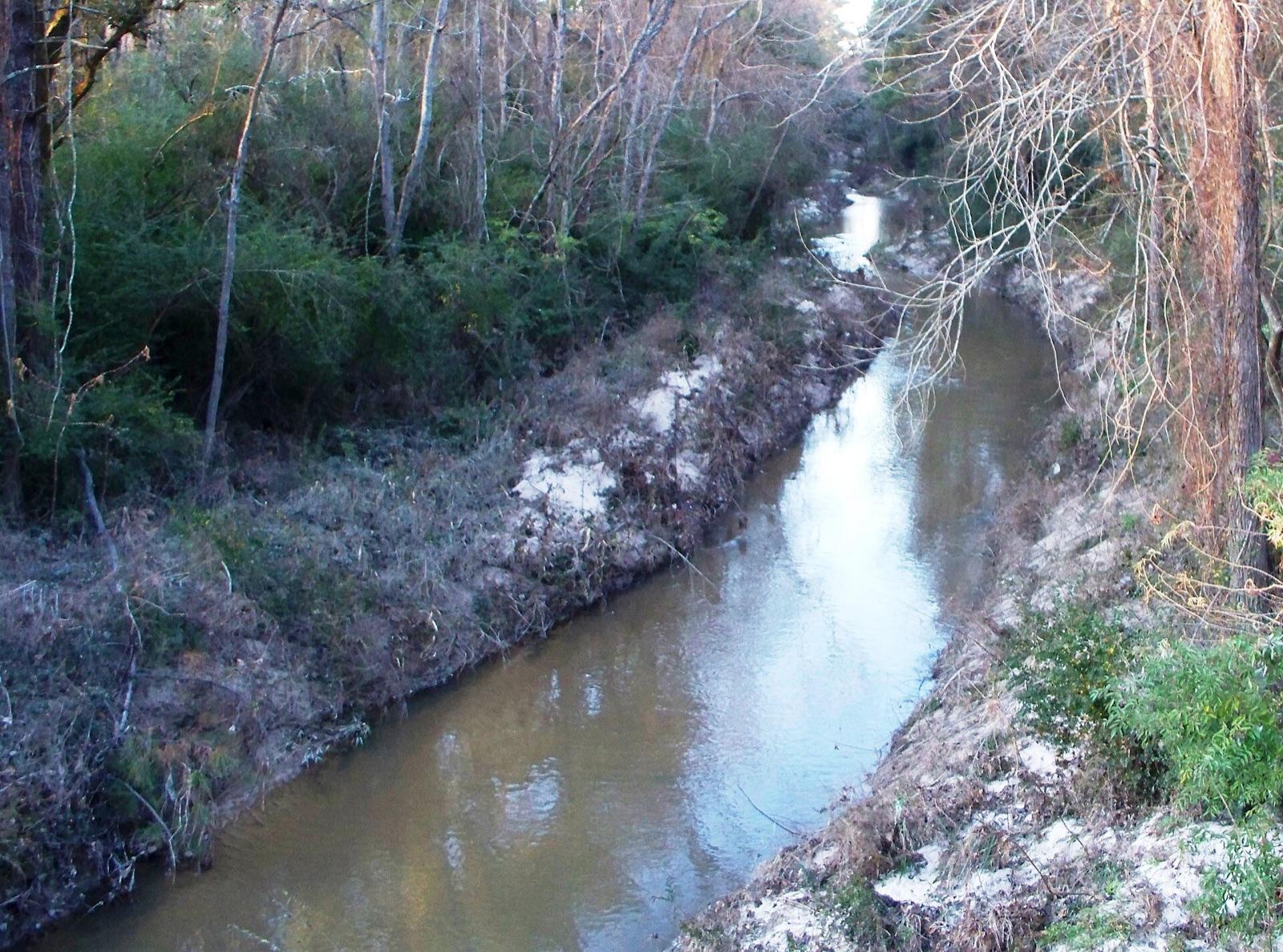 Top pick
Tangipahoa River & Streams
PublicTangipahoa Parish, Louisiana
The Tangipahoa River near Amite City draws agate, carnelian, and jasper from the same Citronelle gravel belt that feeds the Amite, and its LA 16 crossing is a long-known access point for collectors.
Agate
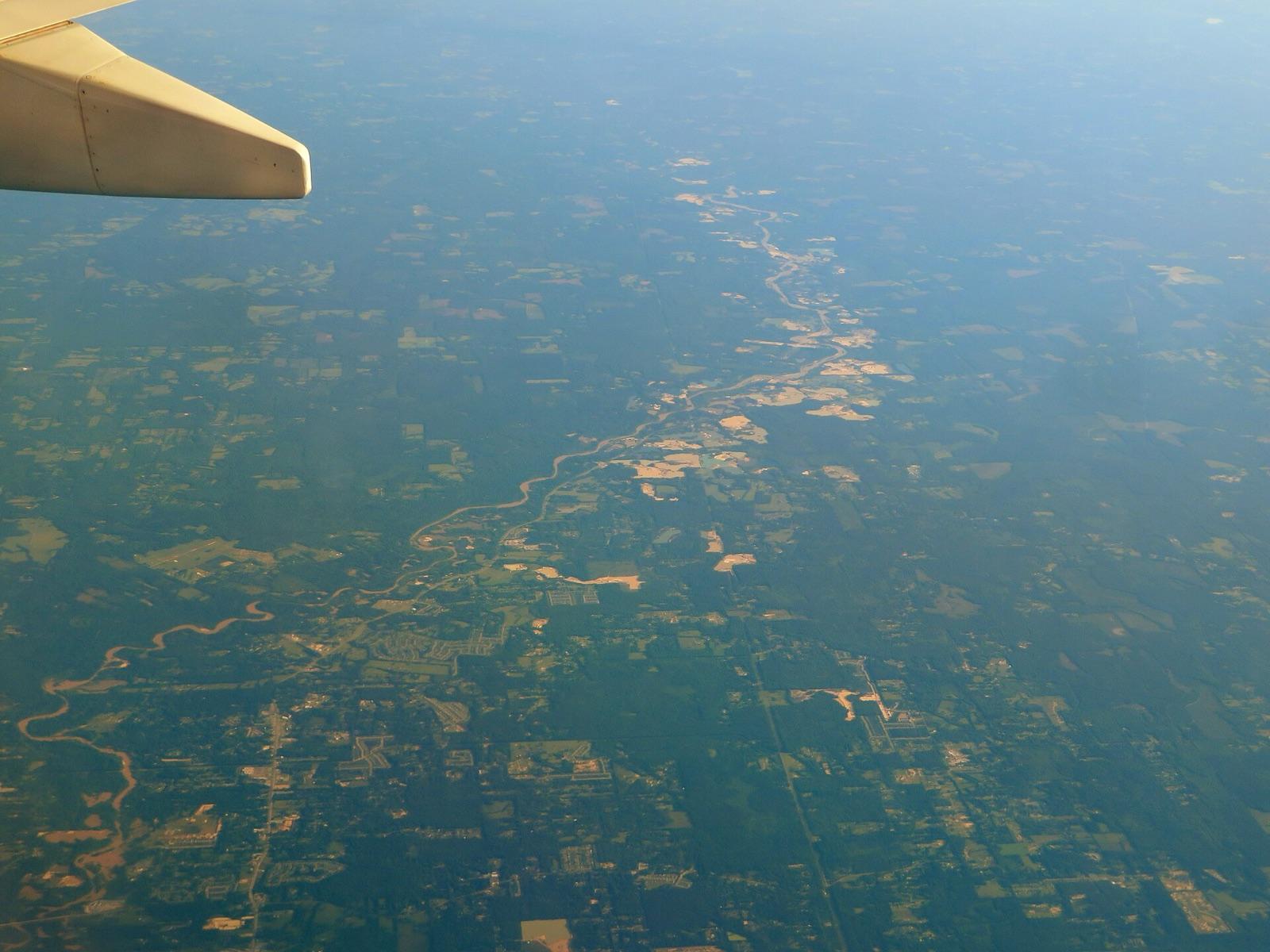 Top pick
Amite River Valley
PublicEast Baton Rouge Parish, Louisiana
The Amite River near Baton Rouge is Louisiana's most productive agate locality, its gravel bars carrying banded agate, carnelian, jasper, and even the rare local opal.
Agate
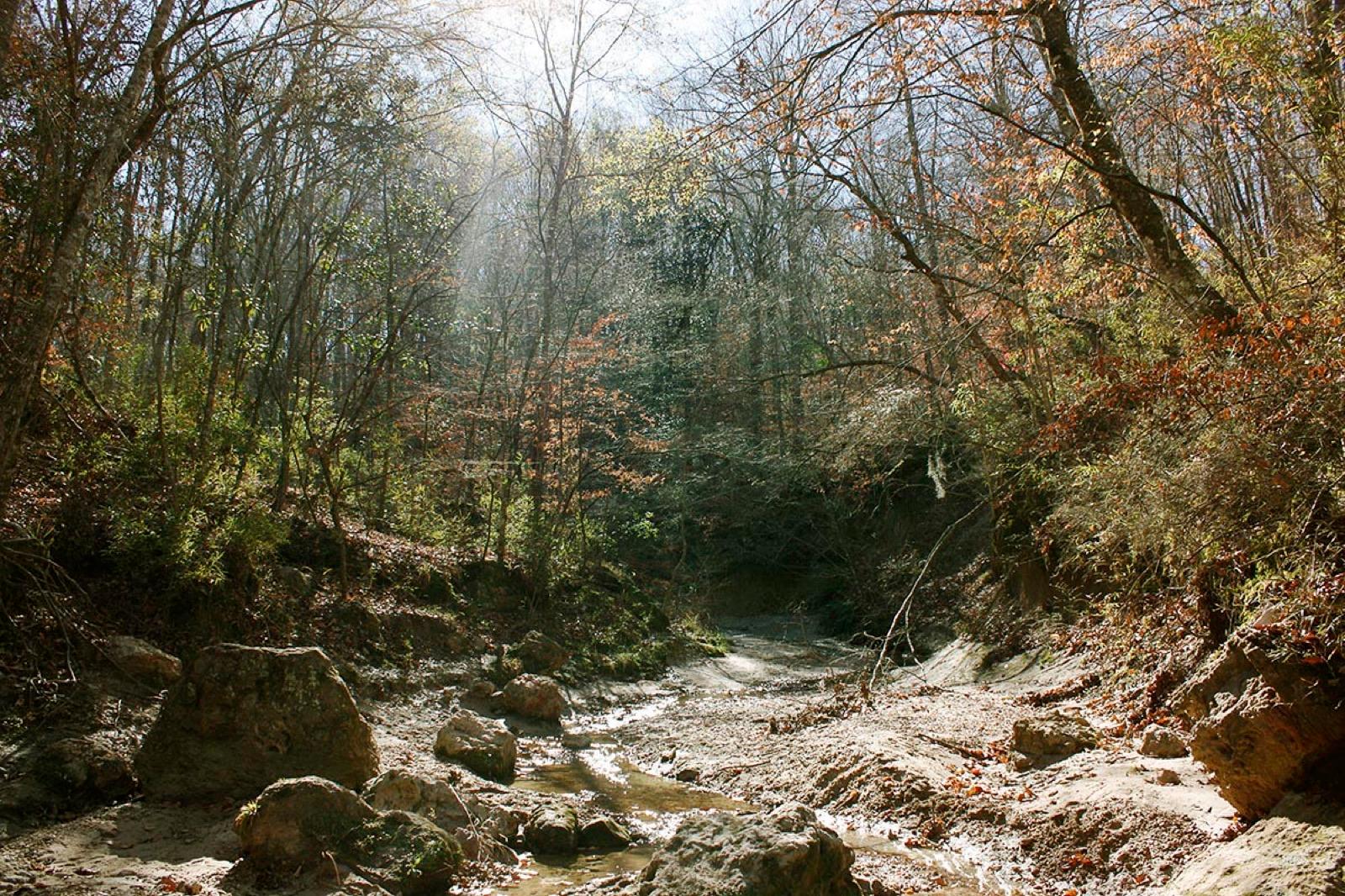 Top pick
East & West Feliciana Parishes
PublicEast Feliciana Parish, Louisiana
The Feliciana parishes sit on some of Louisiana's best exposures of the gravel-rich Citronelle Formation, the source rock for the state's agate and carnelian.
Agate
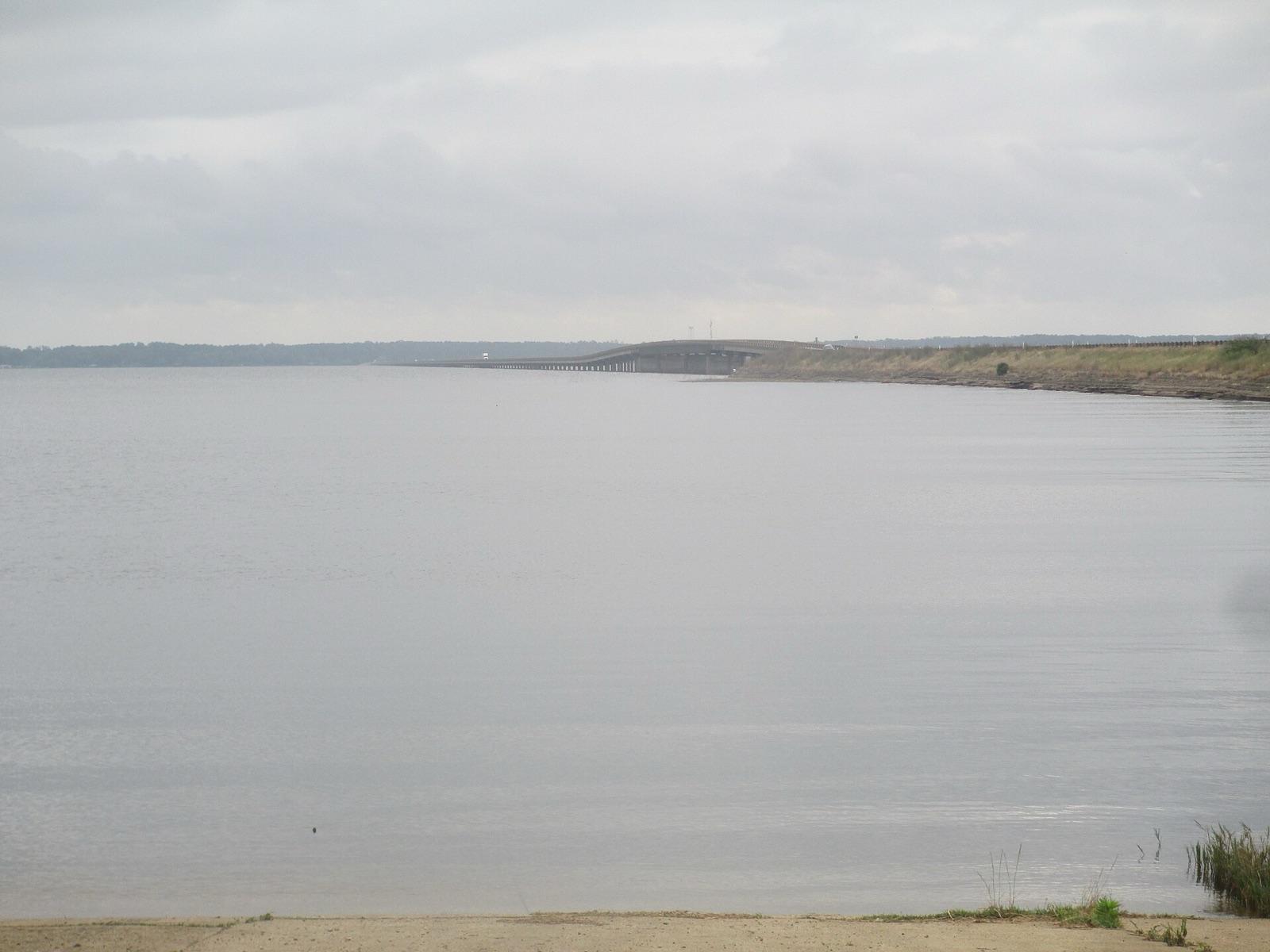 Top pick
Toledo Bend
PermissionSabine Parish, Louisiana
Toledo Bend, straddling the Sabine River on the Texas line, is the single best-known name for petrified palmwood, a stone shared as the Louisiana state fossil and the Texas state stone.
Petrified Palm Wood
 Top pick
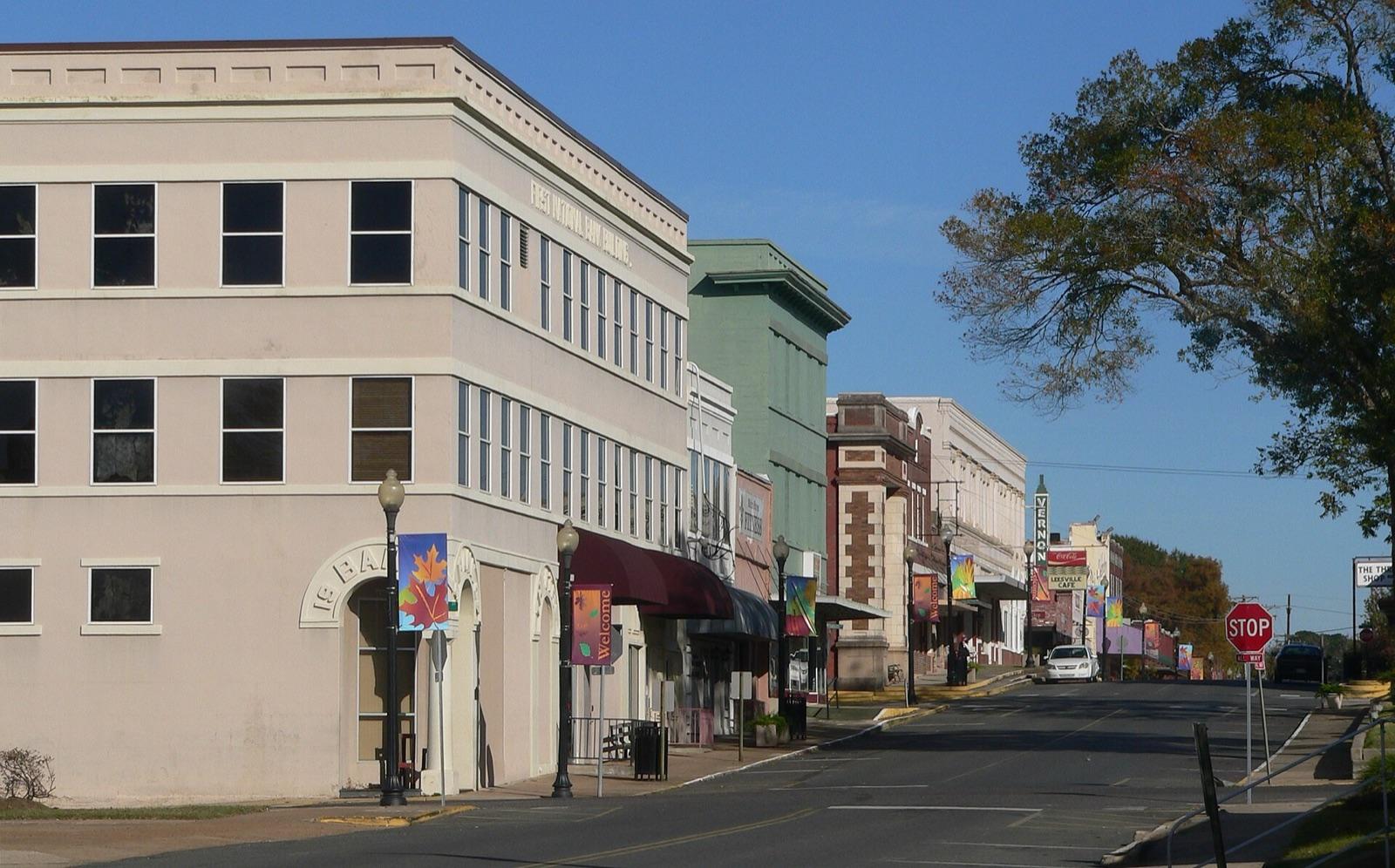
Leesville (opal area)
PublicVernon Parish, Louisiana
The Leesville area is the classic source of so-called Louisiana opal, wood that has been replaced by common opal rather than agate, giving a waxy translucent stone unusual for the state.
Louisiana Opal
 Top pick
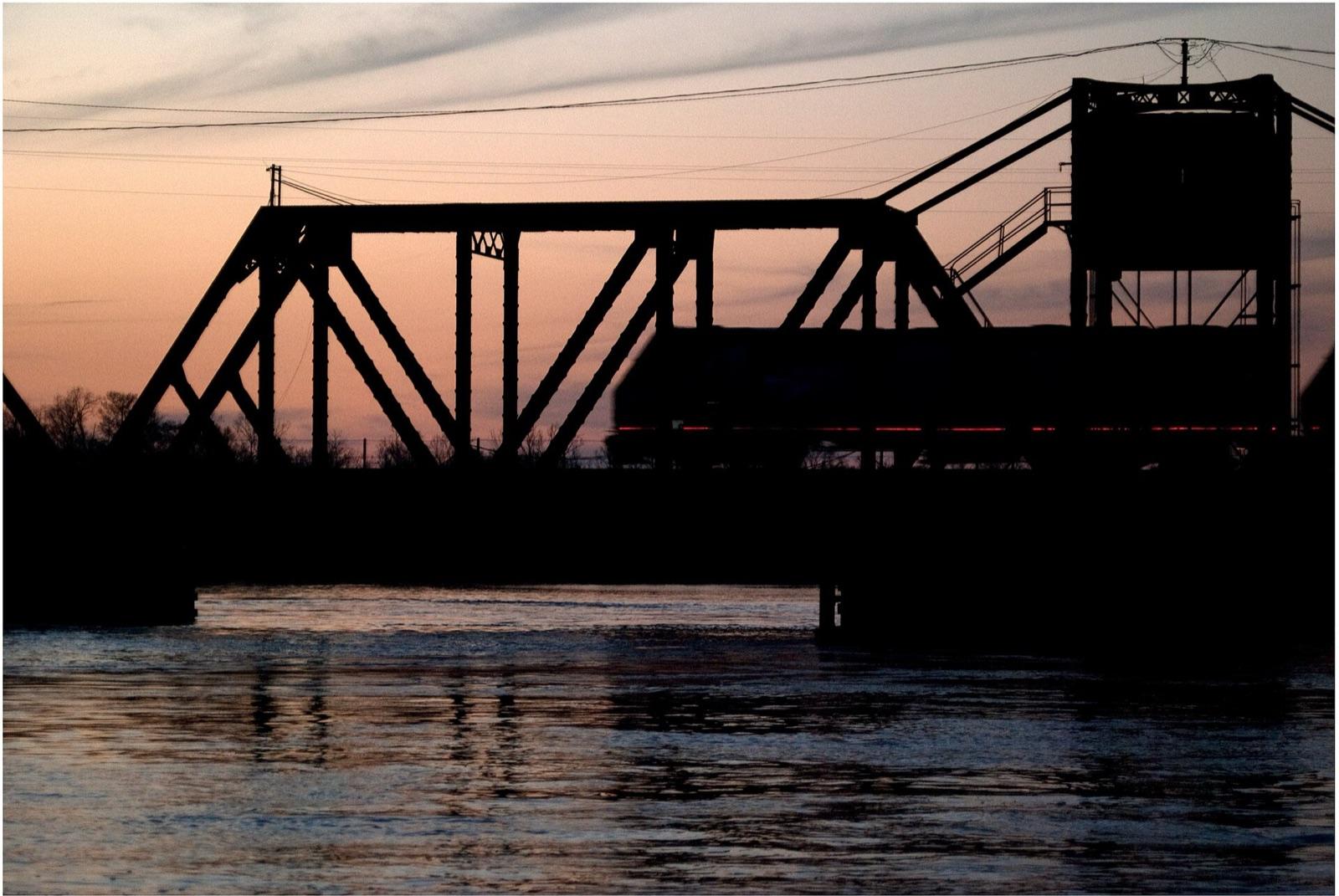
Old Pearl River
PermissionSt. Tammany Parish, Louisiana
The Pearl River system on Louisiana's eastern edge reworks Citronelle gravels into agate, carnelian, and petrified wood, giving the southeastern Florida Parishes their own collecting water.
Agate
 Top pick
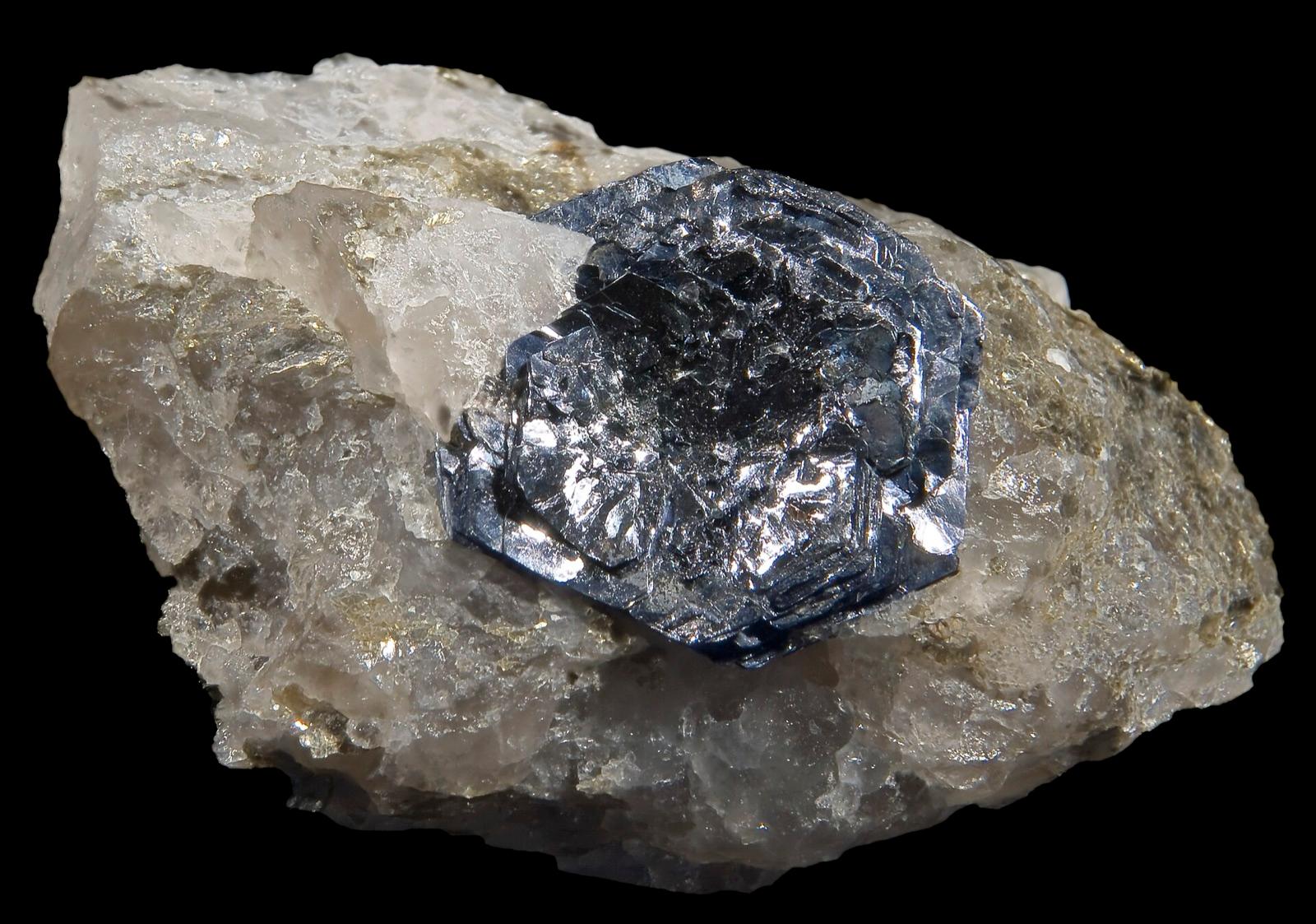
Catherine Mountain (Donnell Pond)
PermissionHancock County, Maine
Catherine Mountain holds a nineteenth-century molybdenite prospect where molybdenite occurs in granite pegmatite, rare vugs, and fractures, alongside reported scheelite and wolframite.
Molybdenite, Scheelite, Fluorapatite, Magnetite
 Top pick
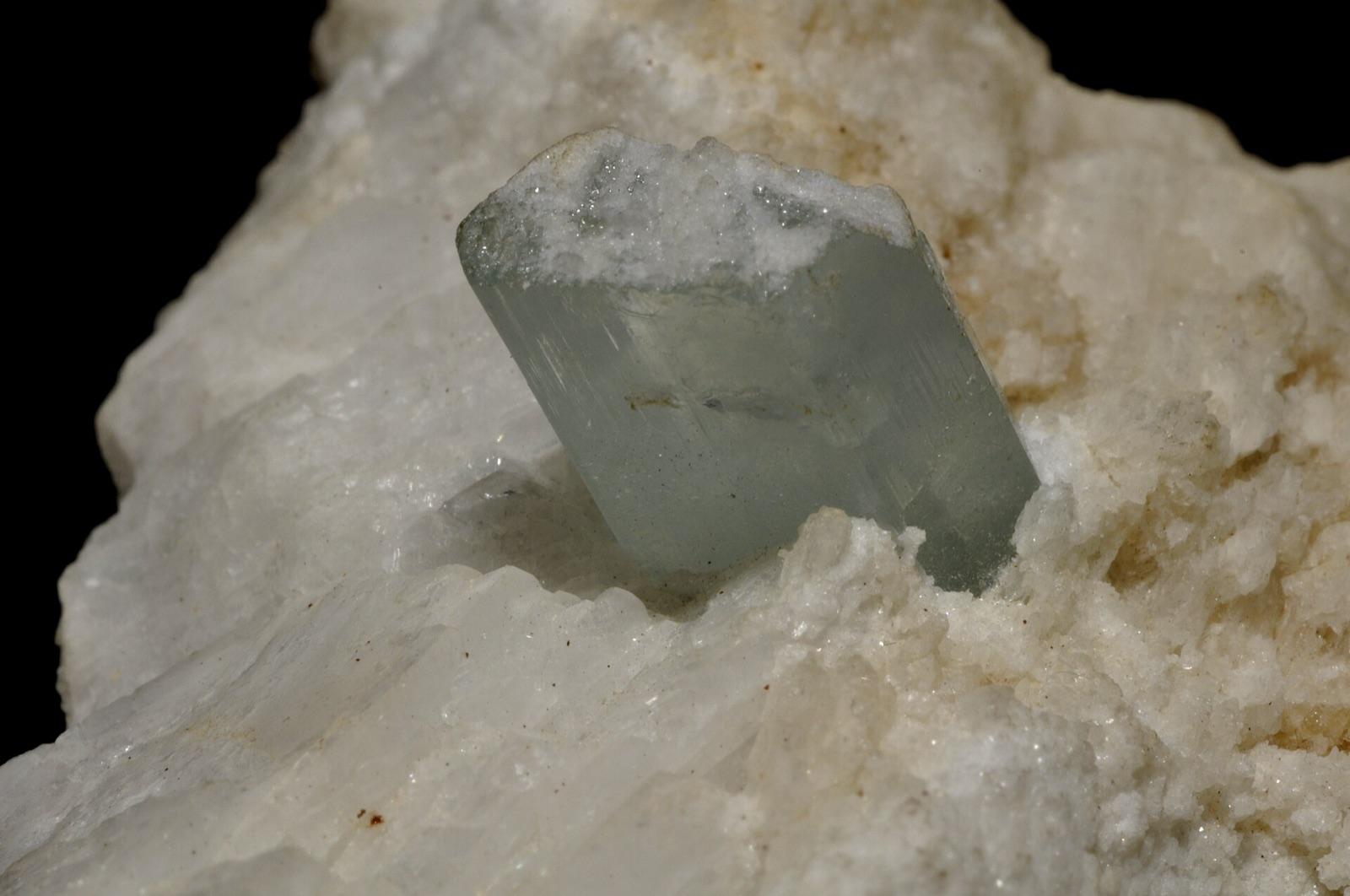
Edgecomb Quarry (Schmid Preserve)
PublicLincoln County, Maine
The Edgecomb pegmatite pits sit inside the 766-acre Schmid Preserve, town land laced with more than seven miles of public trails, where 1880s feldspar and mica workings exposed almandine garnet, beryl, and aquamarine.
Almandine Garnet, Beryl, Aquamarine, Smoky Quartz
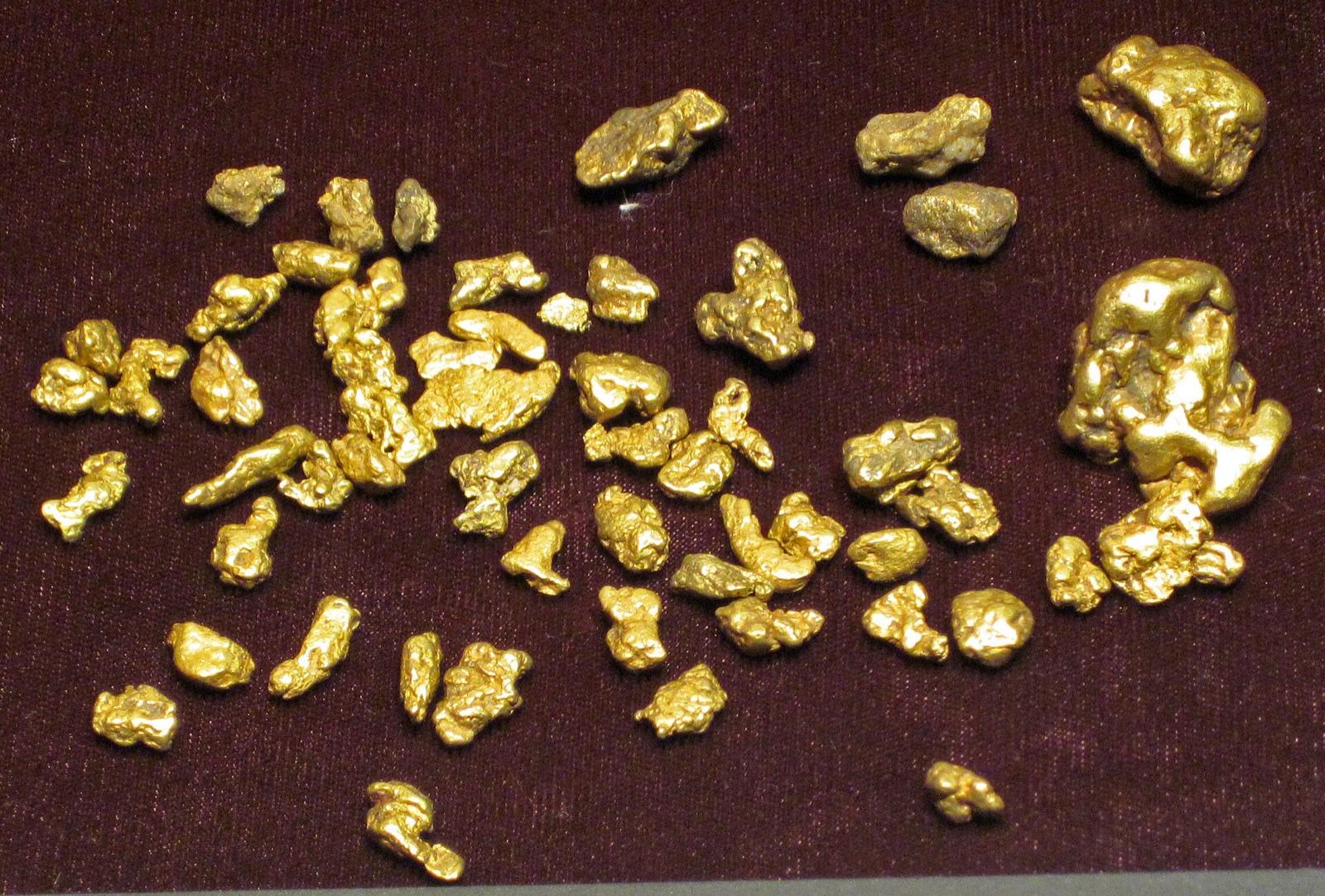 Top pick
Swift River at Coos Canyon
PublicOxford County, Maine
The Swift River at Coos Canyon in Byron carries fine glacial gold and is the most famous recreational gold-panning spot in New England, with flakes recoverable from bedrock crevices in the roadside gorge.
Gold, Garnet, Magnetite, Staurolite
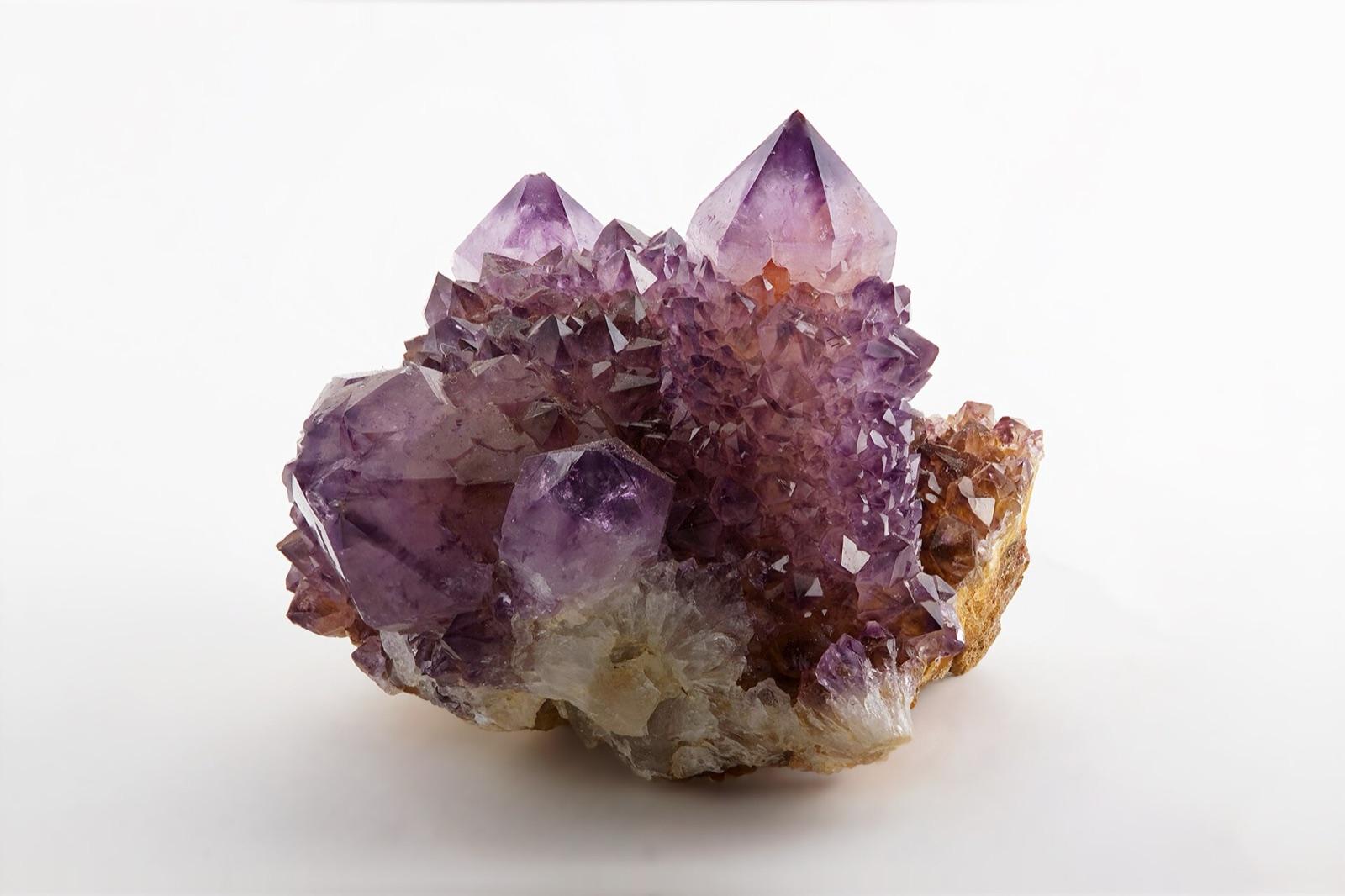 Top pick
Deer Hill (White Mountain National Forest)
PublicOxford County, Maine
Deer Hill is a US Forest Service designated mineral collecting area in the White Mountain National Forest, known for amethyst recovered by screening the sandy soil.
Amethyst, Beryl, Feldspar, Garnet
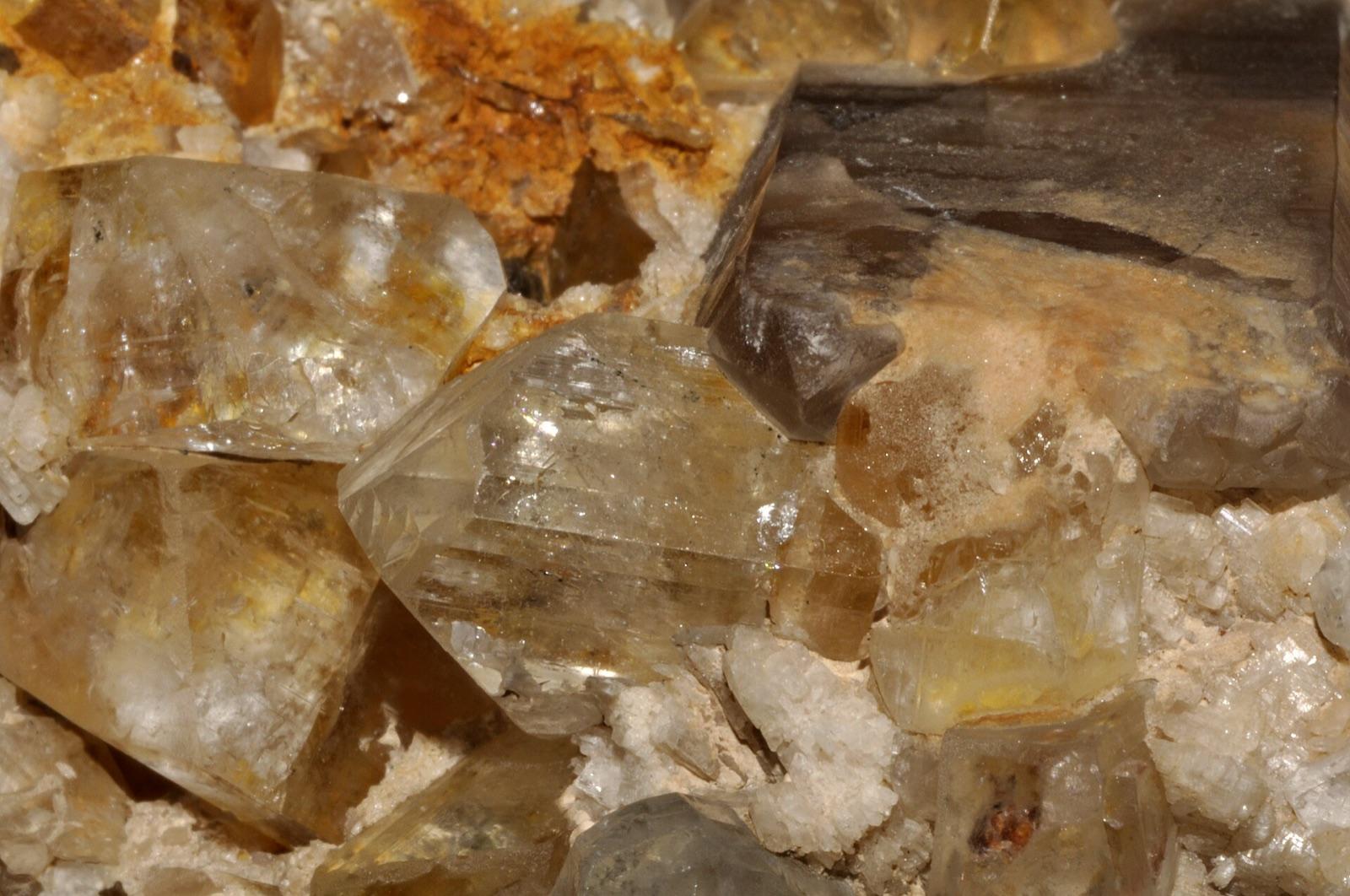 Top pick
Lord Hill (White Mountain National Forest)
PublicOxford County, Maine
Lord Hill is a granite pegmatite in the White Mountain National Forest where more than 50 minerals have been recorded, most famously large white topaz and smoky quartz crystals encrusted with rare phenakite.
Topaz, Phenakite, Smoky Quartz, Feldspar
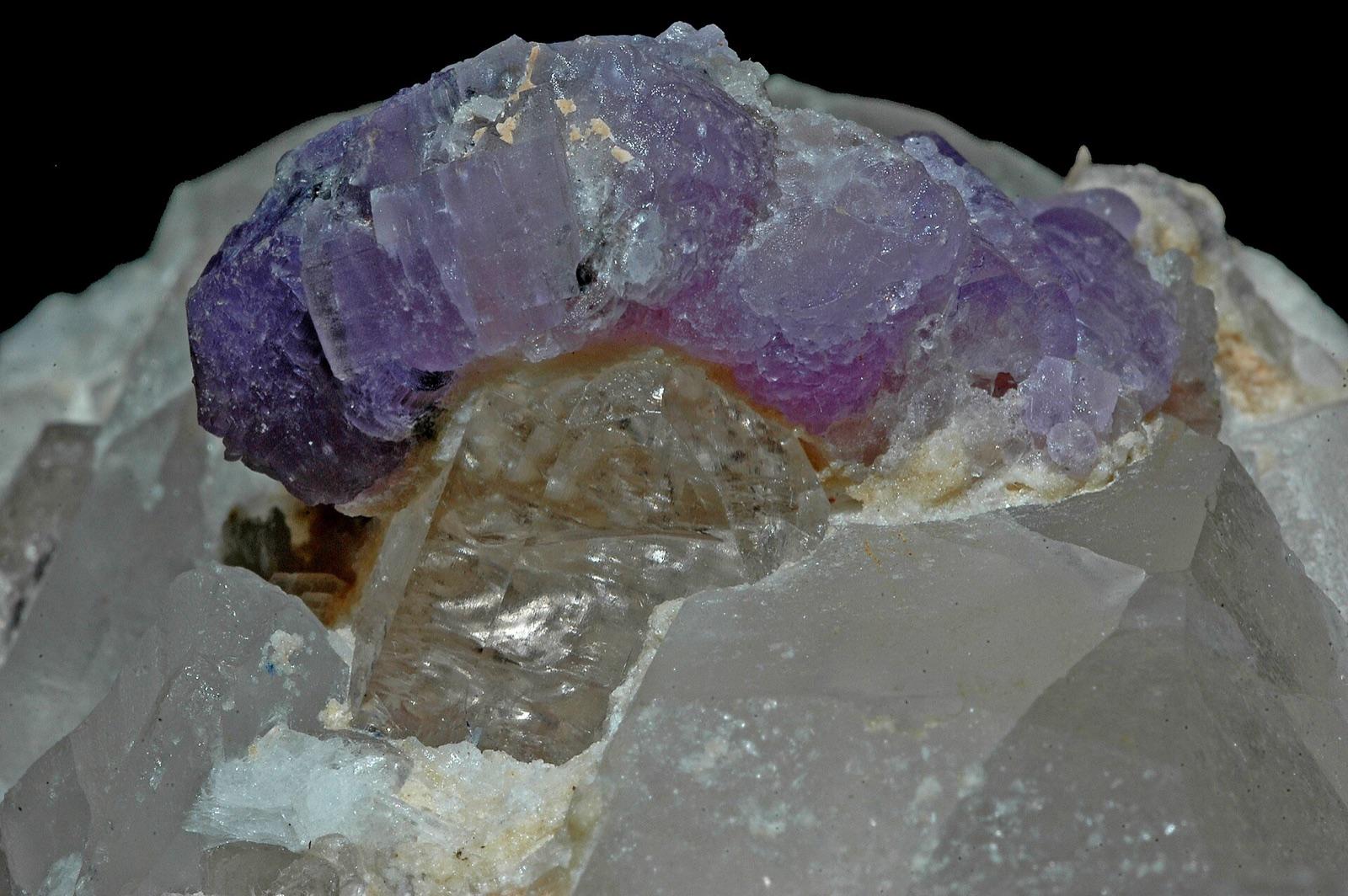 Top pick
Mount Apatite
PublicAndroscoggin County, Maine
Mount Apatite is a lithium-rich pegmatite district where the Pulsifer Quarry produced some of the finest purple apatite crystals in the world, alongside green and pink tourmaline, aquamarine, and lilac lepidolite.
Green Tourmaline, Pink Tourmaline, Aquamarine, Purple Apatite
 Top pick
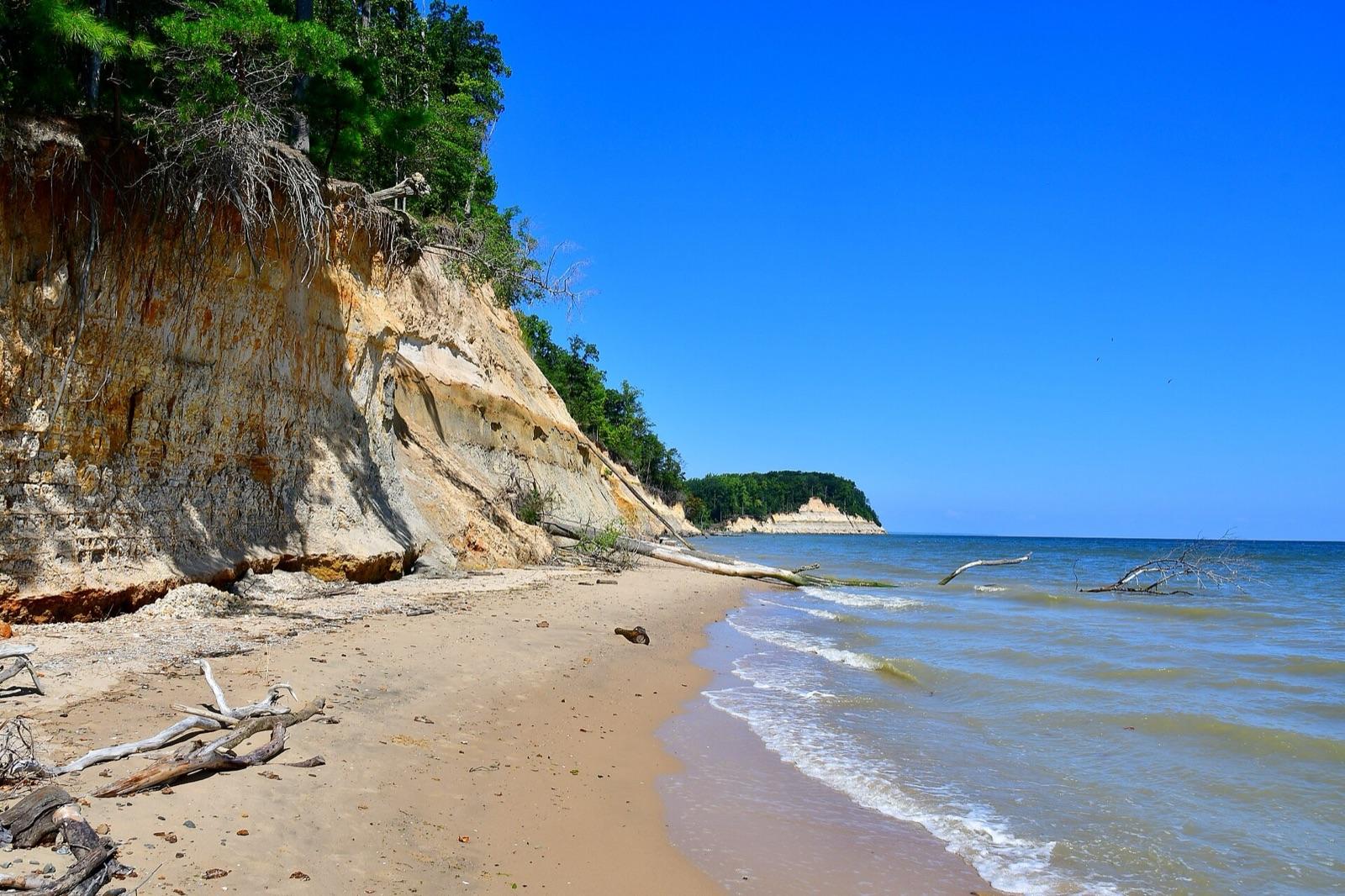
Calvert Cliffs State Park
PublicCalvert County, Maryland
The cliffs here expose the Miocene Calvert Formation, roughly 8 to 18 million years old, one of the richest marine fossil beds on the East Coast.
Fossil, Shark Tooth
 Top pick
Cecil County
PublicLancaster County, Pennsylvania
This Fulton Township locality sits in the State Line serpentine district and is famed for williamsite, the translucent green gem serpentine prized by Pennsylvania collectors, together with kammererite, chromite, brucite and soapstone.
Kammererite, Serpentine, Soapstone, Williamsite
 Top pick
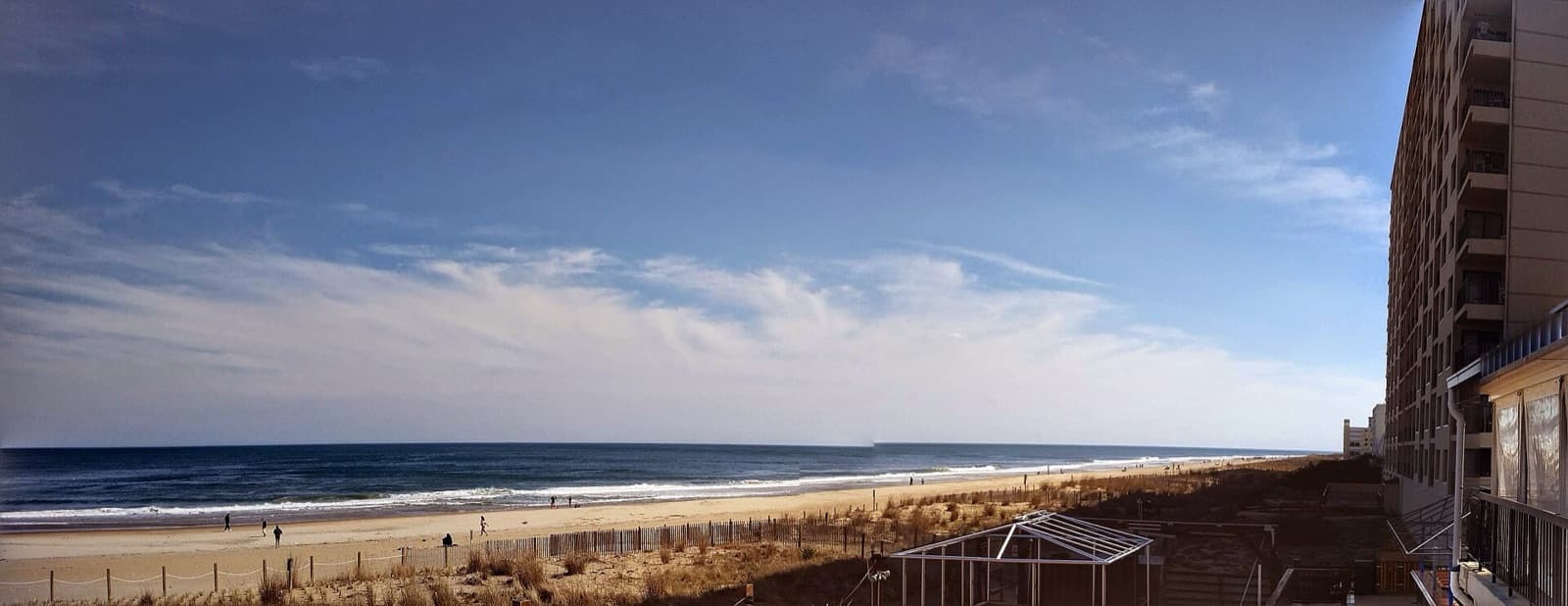
Ocean City
PublicWorcester County, Maryland
Ocean City's free public beach is Maryland's most accessible ocean rockhounding, where the surf sorts out clear and frosted quartz pebbles, sometimes called Cape May diamonds, that concentrate near the inlet at the south end.
Quartz
 Top pick
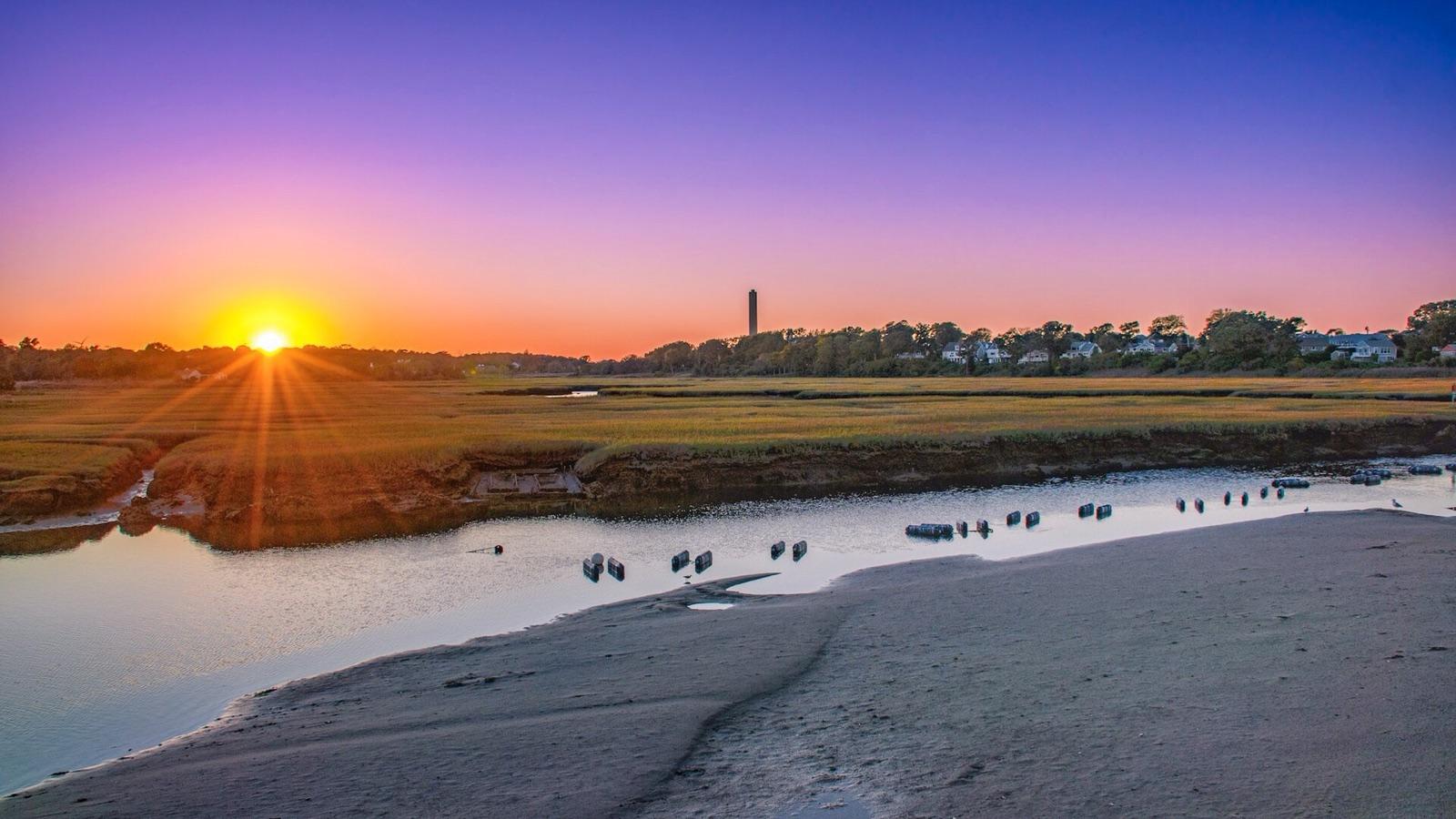
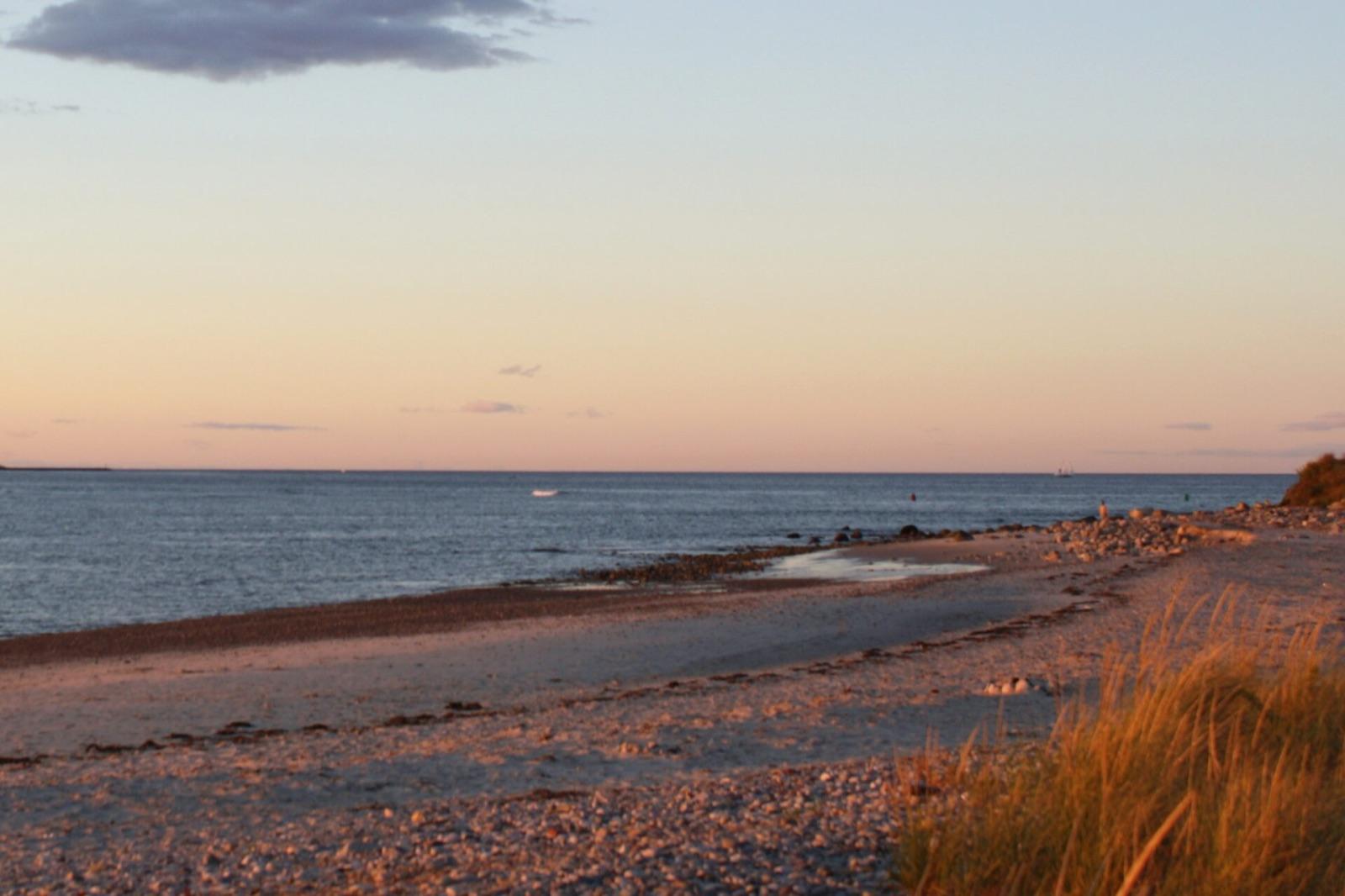
Sandwich
PublicBarnstable County, Massachusetts
The Cape Cod Bay beaches at Sandwich sit at the southern end of the Massachusetts Bay jasper belt, where glacial outwash gravels deliver red and yellow jasper, often veined with green epidote.
Jasper
 Top pick
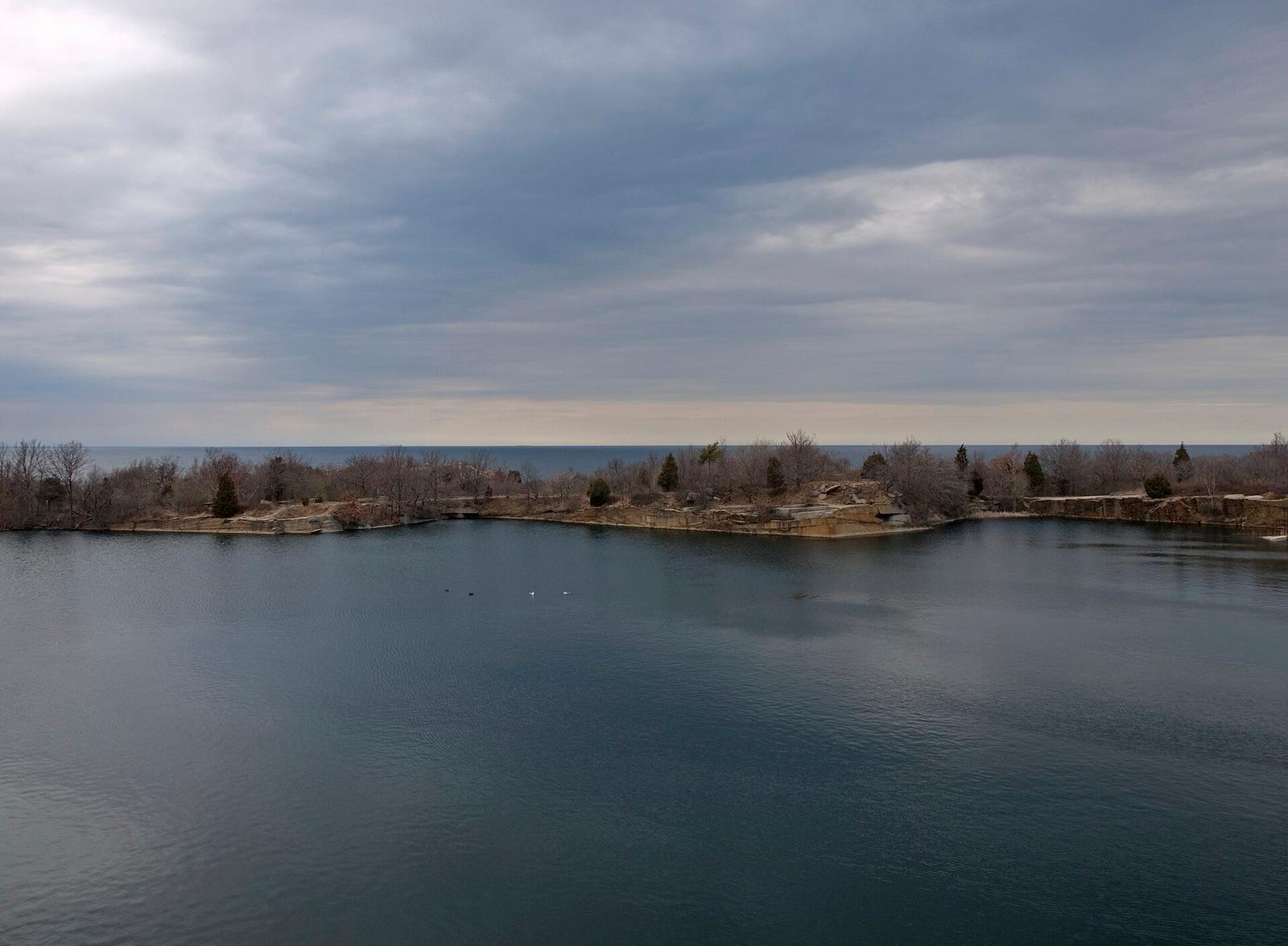
Marshfield
PublicPlymouth County, Massachusetts
Marshfield's beaches lie along the Massachusetts Bay jasper belt, where glacial gravels shed red and yellow jasper, epidote, and iron-rich feldspars onto the shore.
Jasper
 Top pick
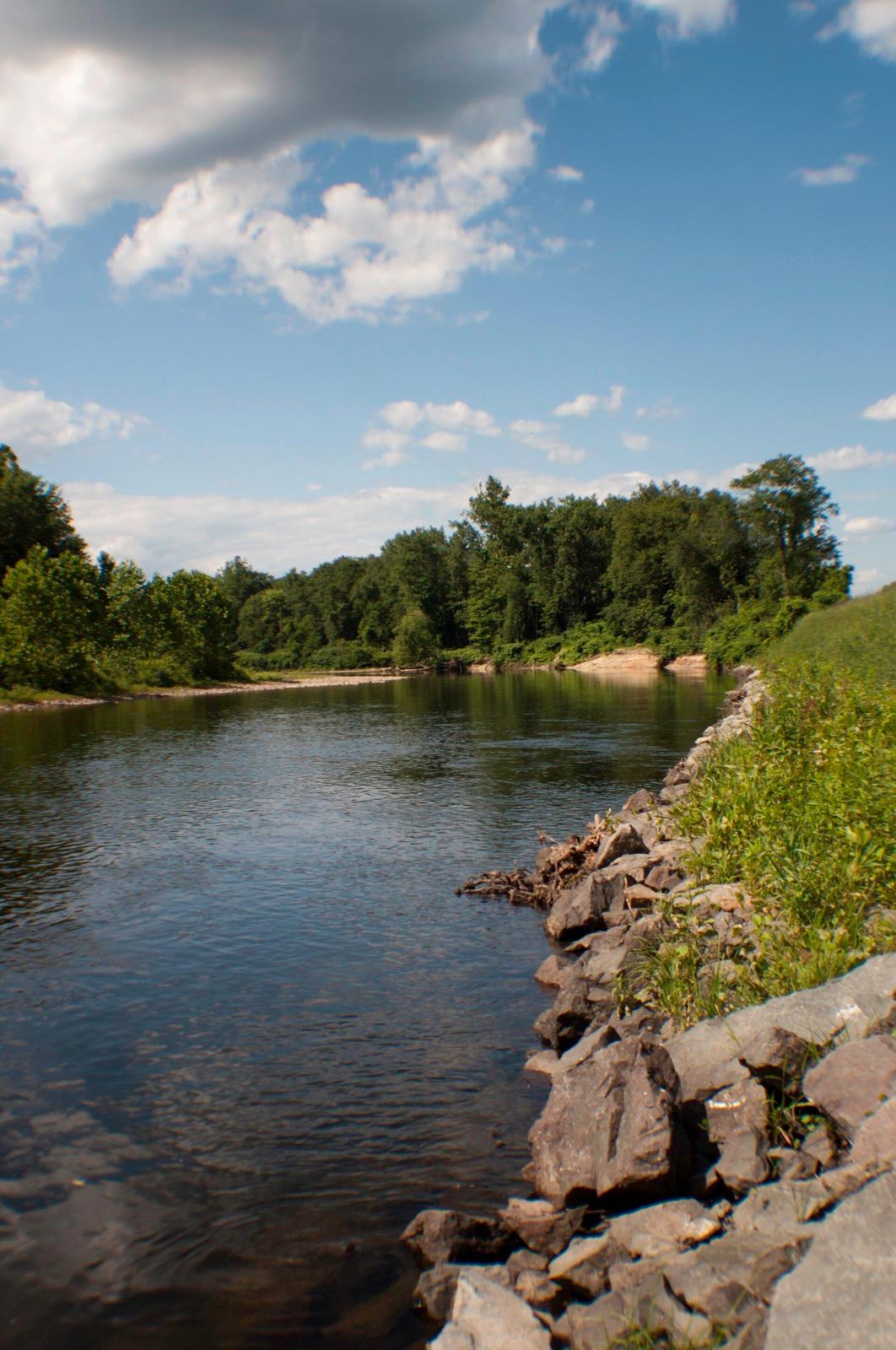
Rockport
PublicEssex County, Massachusetts
Rockport sits on the Cape Ann granite, a coarse pluton whose miarolitic pockets and pegmatites carry blue-green amazonite (microcline), smoky quartz, and the sodium amphibole riebeckite.
Amazonite
 Top pick
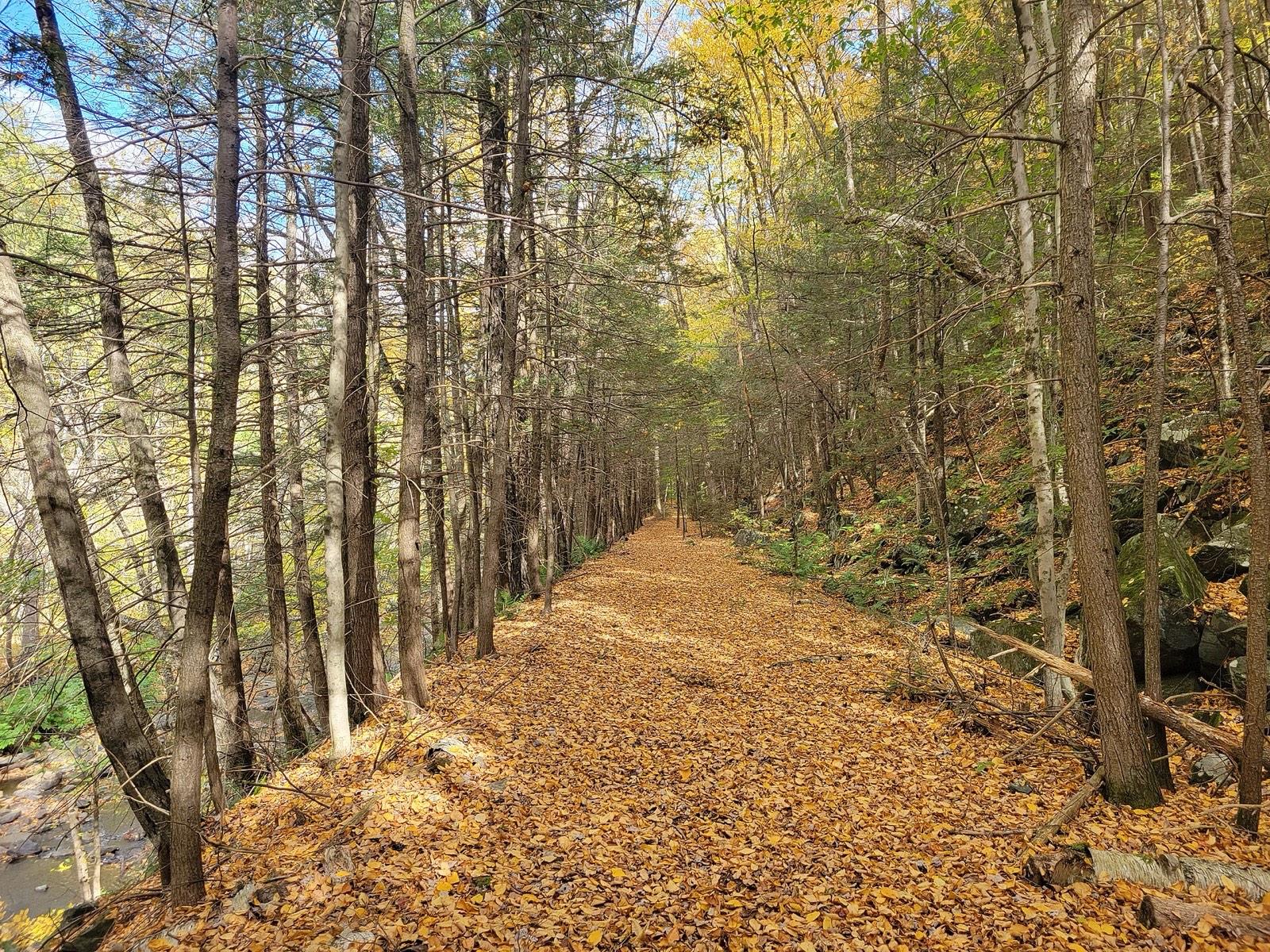
Deerfield River
PublicFranklin County, Massachusetts
The lower Deerfield River is the best known site in Massachusetts for agate, jasper, and chalcedony, eroded from the Deerfield basalt and other Triassic-Jurassic volcanic rocks of the Connecticut Valley rift and concentrated in the river's gravel bars.
Jasper, Agate, Chalcedony
 Top pick
Chester
PublicHampden County, Massachusetts
The Chester emery mines worked one of the few commercial emery deposits (corundum with magnetite) in the United States, mined from the 1860s for abrasives.
Emery, Diaspore, Jasper, Pyrrhotite
 Top pick
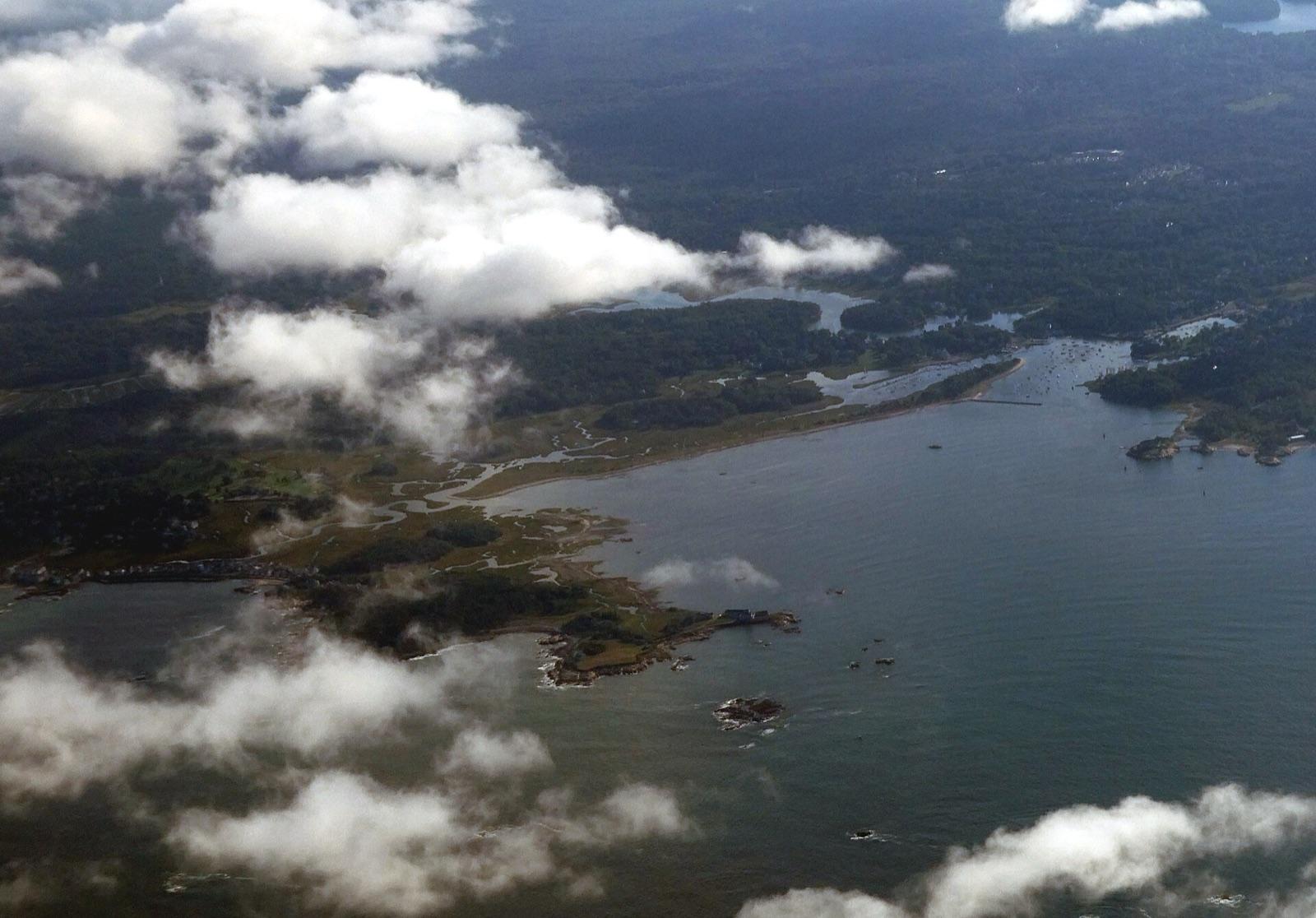
Cohasset
PublicNorfolk County, Massachusetts
Cohasset's rugged shoreline is one of the classic South Shore localities for jasper and epidote, weathered from the volcanic and intrusive rocks of the Boston-area terrane and rolled smooth in the beach gravels.
Jasper, Epidote
 Top pick
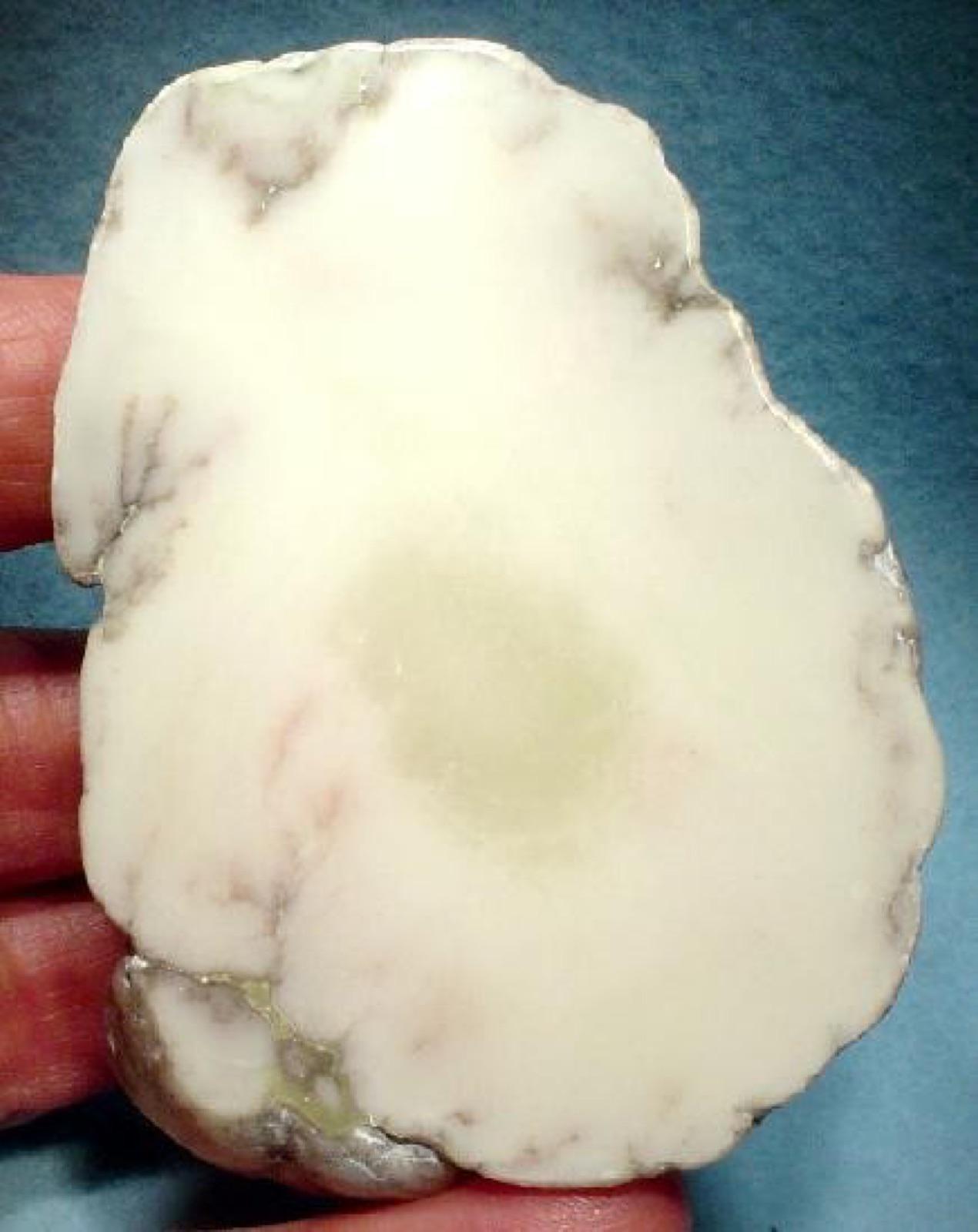
Keweenaw Point
PublicKeweenaw County, Michigan
The exposed Lake Shore Traps along the wave-washed tip of the Keweenaw Peninsula carry agate-filled amygdules and datolite, with larger Keweenaw agates working loose from a narrow gravel band at the waterline.
Keweenaw Agate, Thomsonite, Datolite, Chalcedony
 Top pick
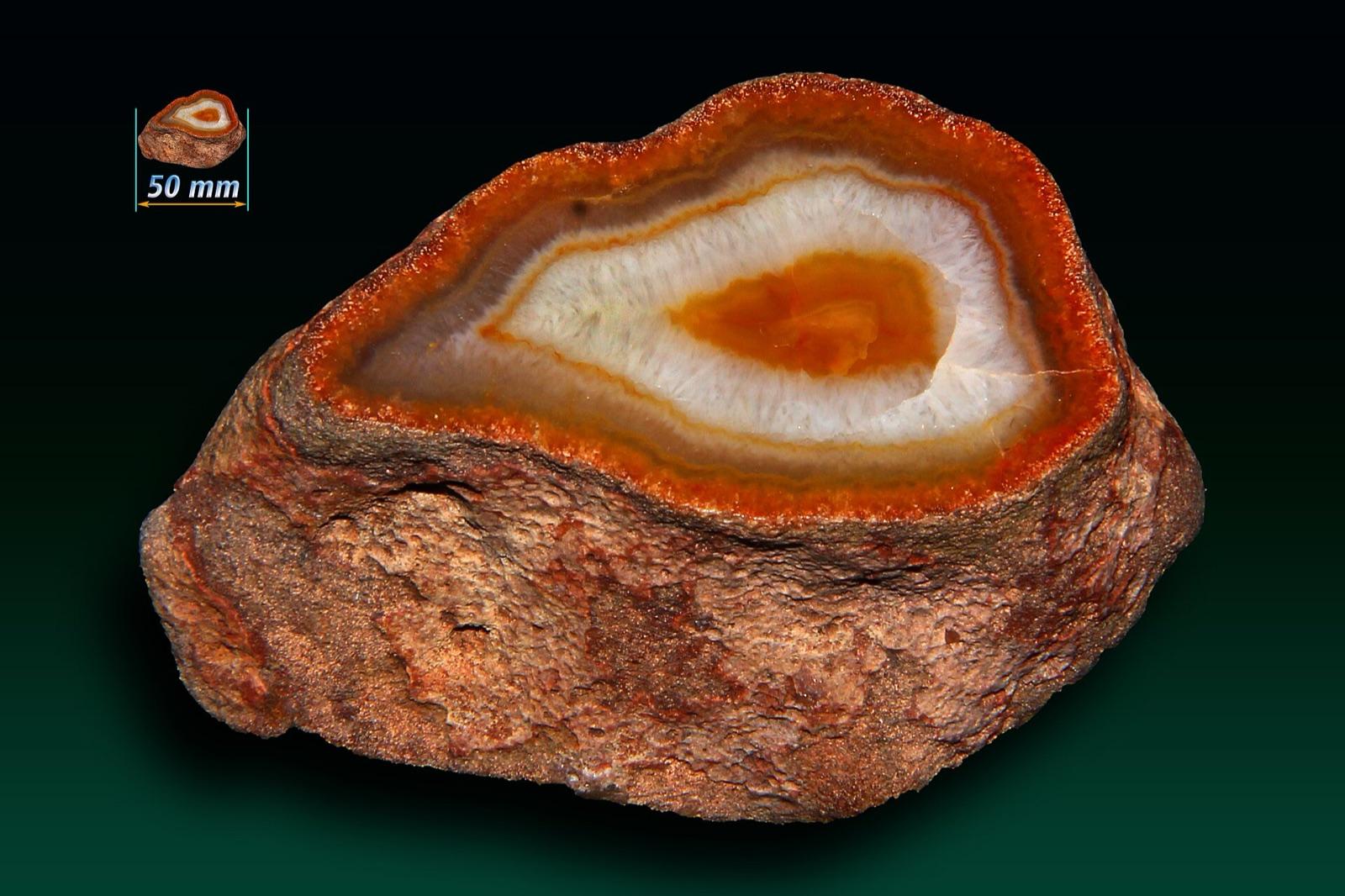
Lake Superior Beach (Ontonagon)
PublicOntonagon County, Michigan
The Lake Superior shoreline around Ontonagon is among the most agate-rich in Michigan, with the stretch toward Copper Harbor noted for unusually heavy agate cover along with quartz, jasper, and occasional copper.
Keweenaw Agate, Thomsonite, Chalcedony, Jasper
 Top pick
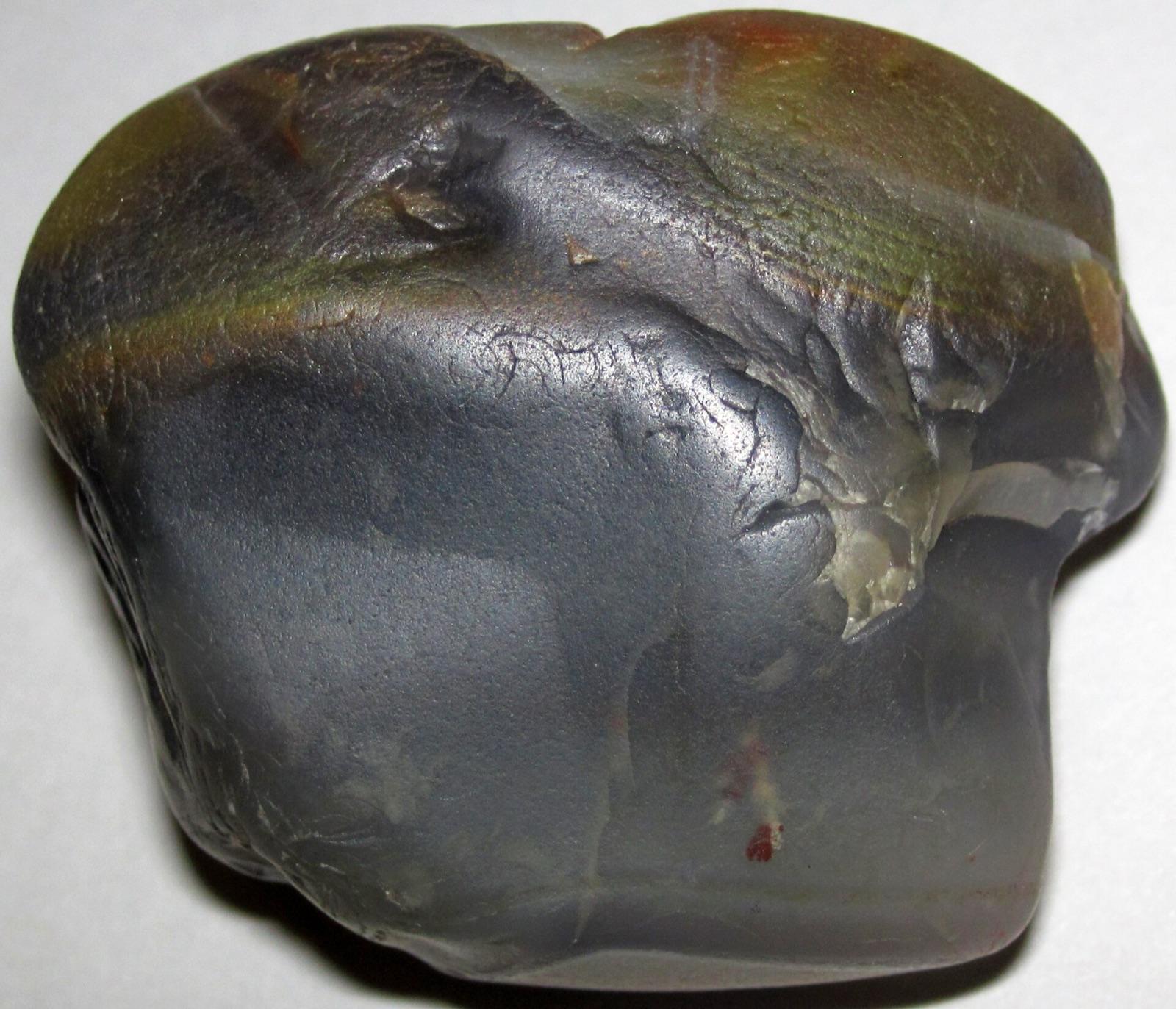
Manitou Island
PublicKeweenaw County, Michigan
The 93-acre Manitou Island Light Station Preserve, owned by the Keweenaw Land Trust off the tip of the Keweenaw, is one of the few outer-island shores expressly open to the public for rock collecting.
Lake Superior Agate, Quartz
 Top pick
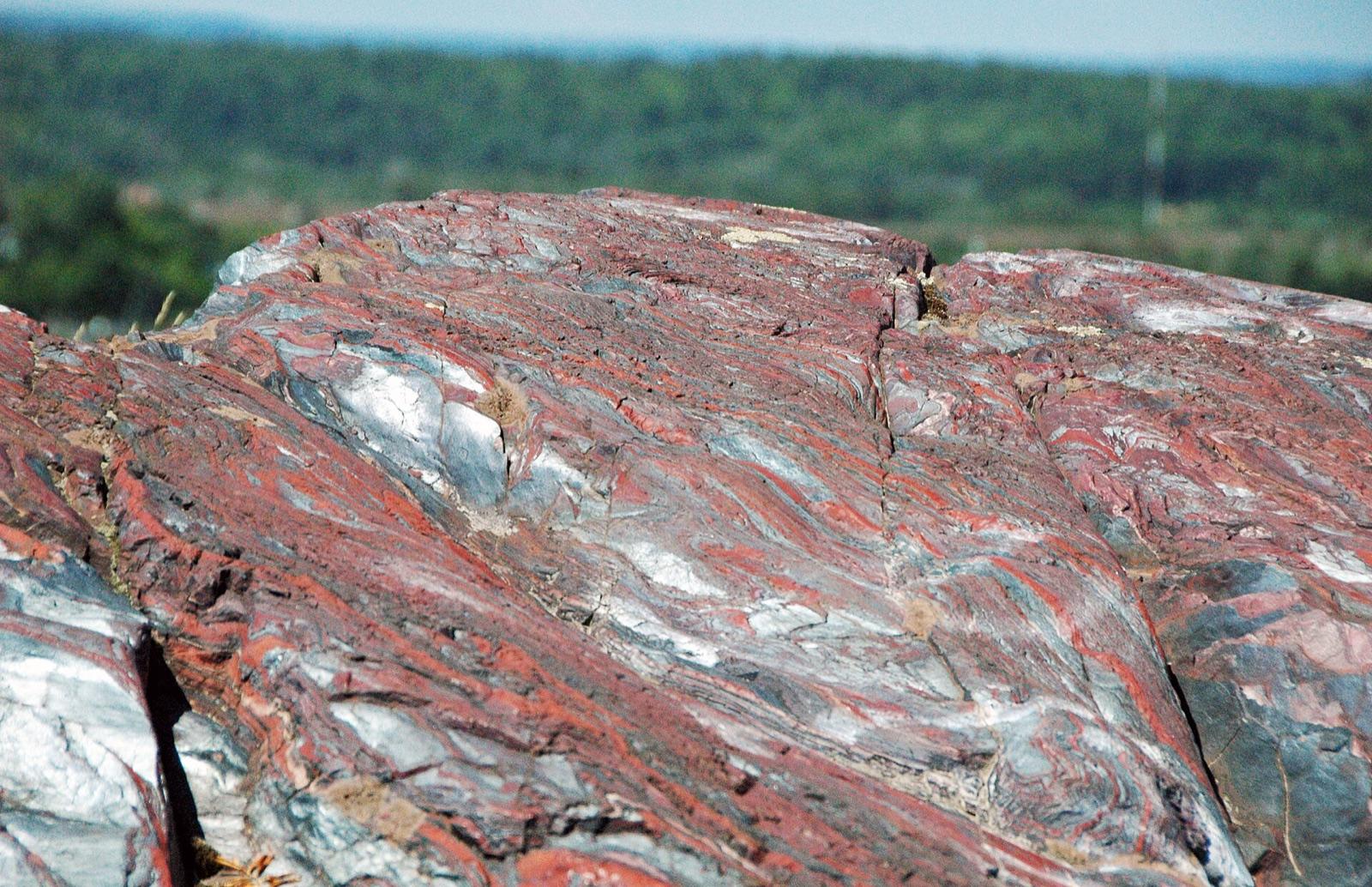
Jasper Knob (Jasper Hill)
PublicMarquette County, Michigan
Jasper Knob in Ishpeming is a bald hilltop made entirely of jaspilite, a 1.87-billion-year-old banded iron formation of alternating red jasper and silvery specular hematite.
Jaspilite, Jasper, Hematite, Specular Hematite
 Top pick
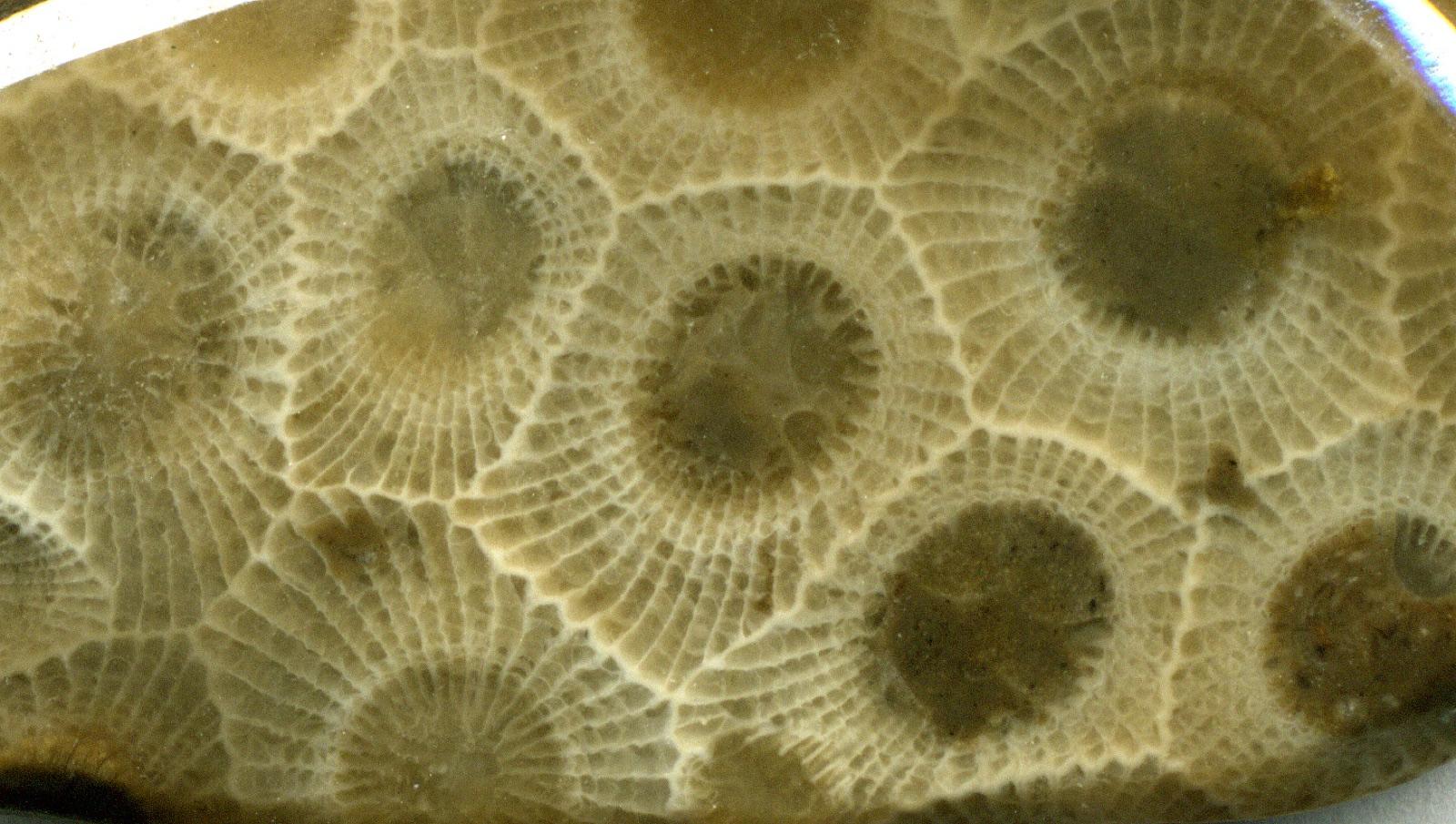
Petoskey Beaches (Little Traverse Bay)
PublicEmmet County, Michigan
Little Traverse Bay in Emmet County is the most reliable place in Michigan to find Petoskey stones, the state stone, which are fossilized Hexagonaria colonial coral that show their honeycomb pattern best when wet.
Petoskey Stone
 Top pick
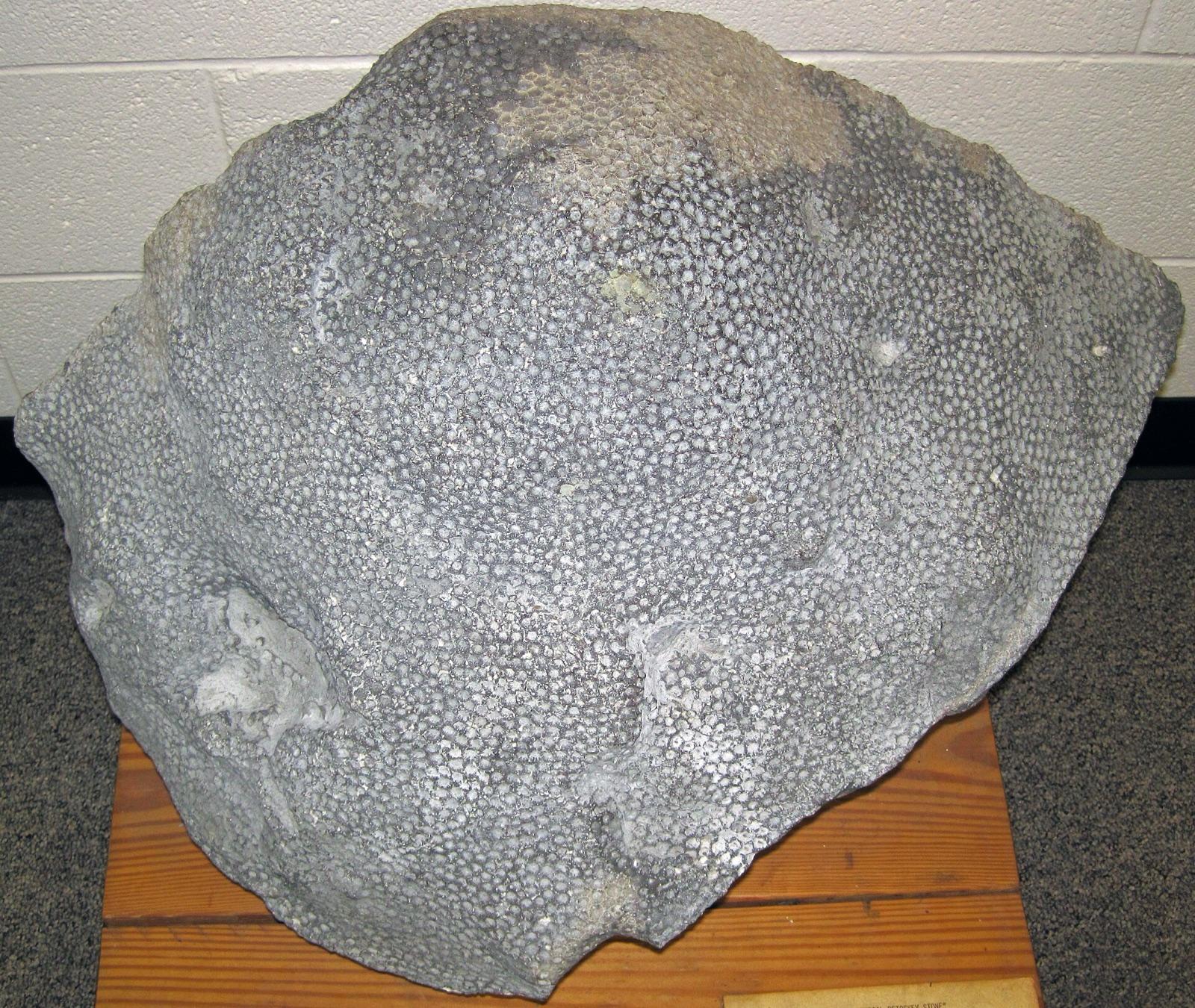
Charles Mears State Park Beach
PublicOceana County, Michigan
Charles Mears State Park puts almost 2,000 feet of Lake Michigan beach within easy reach in Pentwater, where wave-sorted gravel turns up Petoskey stones and other glacially transported Great Lakes specimens.
Petoskey Stone, Agate, Fossil
 Top pick
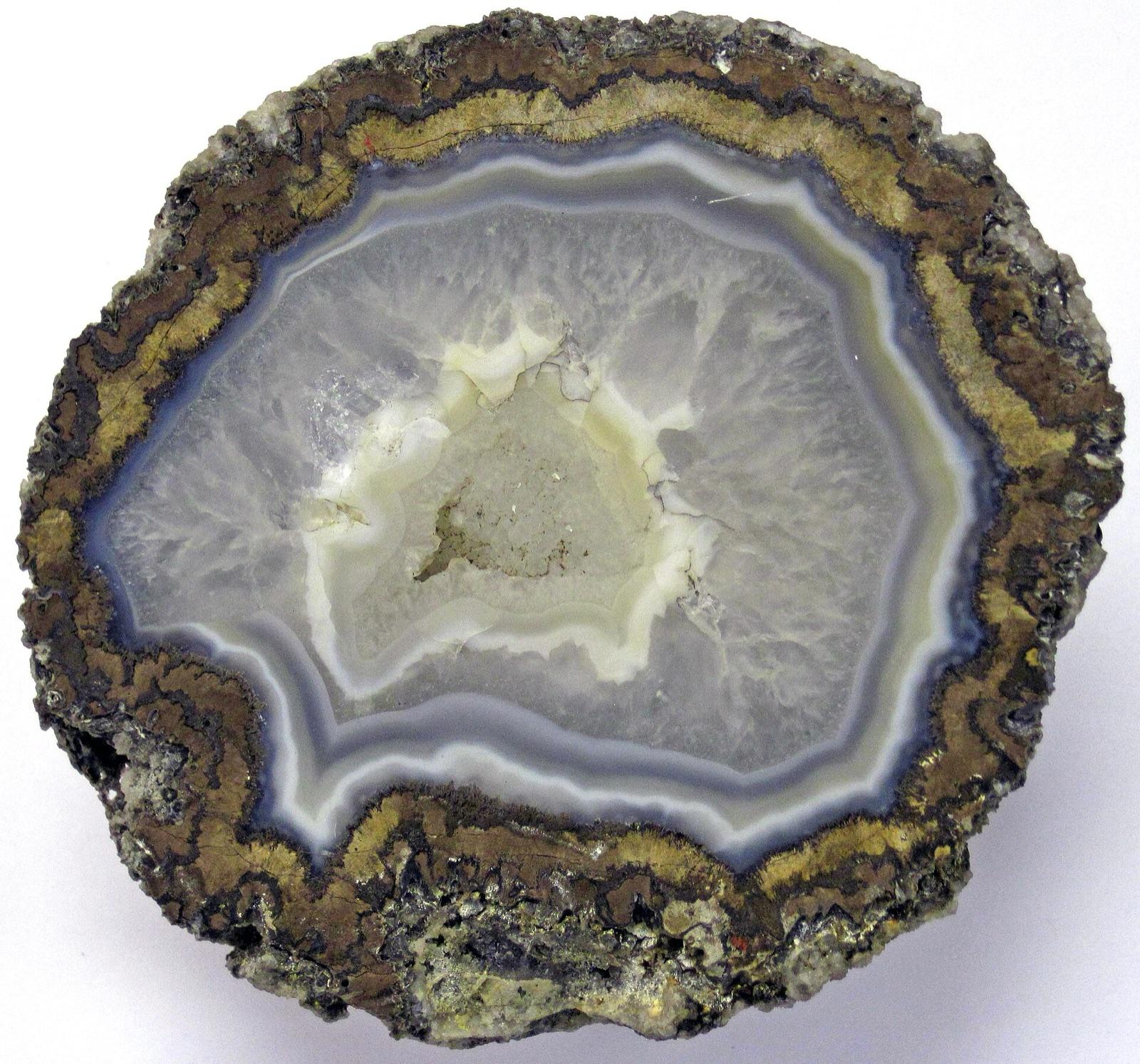
Presque Isle Shoreline
PublicPresque Isle County, Michigan
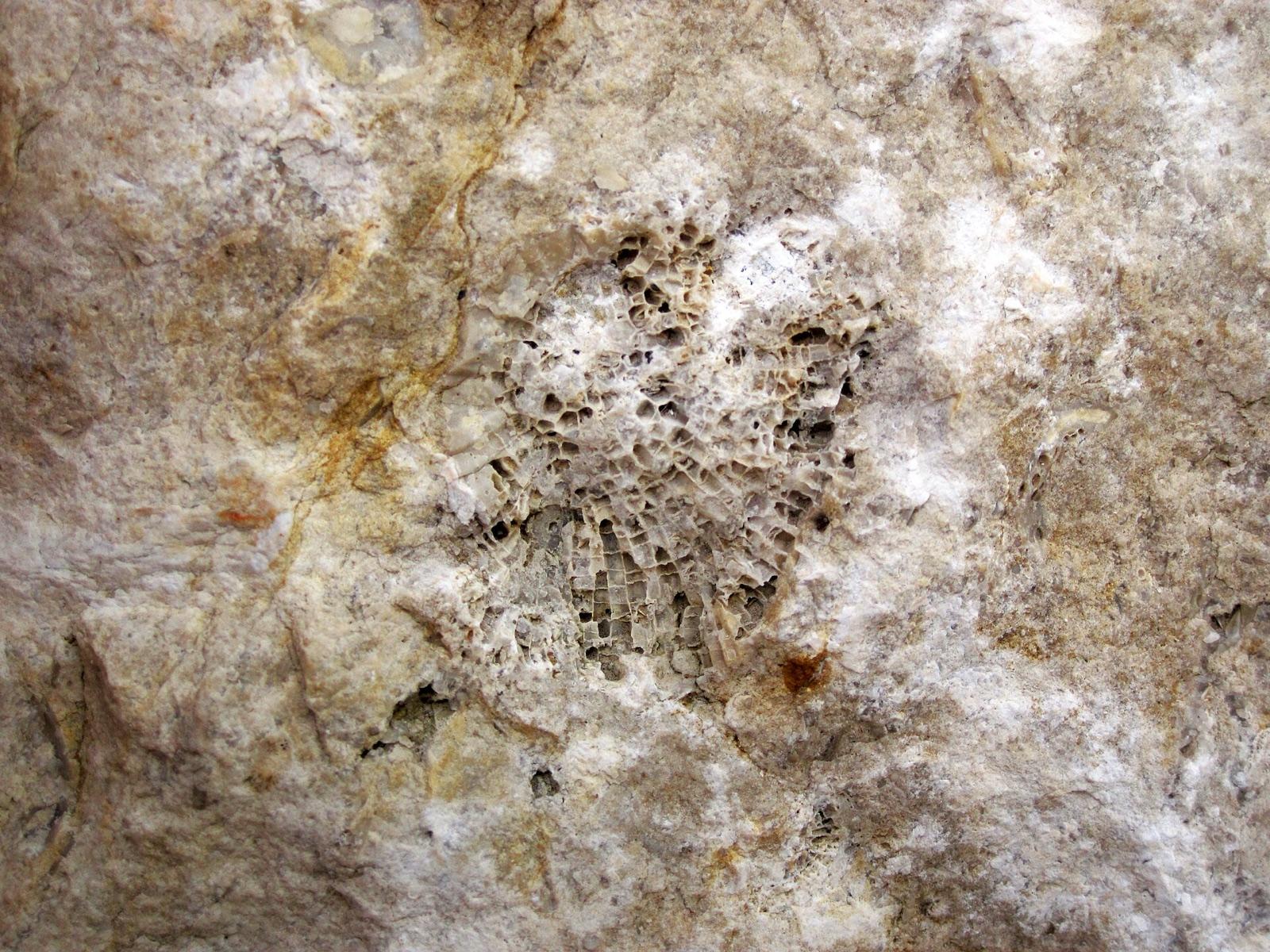
The Presque Isle peninsula on Lake Huron is documented for an unusual mix of agate, chalcedony geodes, and brown sandstone veined with calcite, finds that gather along its rocky shoreline after summer storms.
Agate, Chalcedony Geode, Sandstone With Calcite Vein
 Top pick
Rockport Recreation Area
PublicAlpena County, Michigan
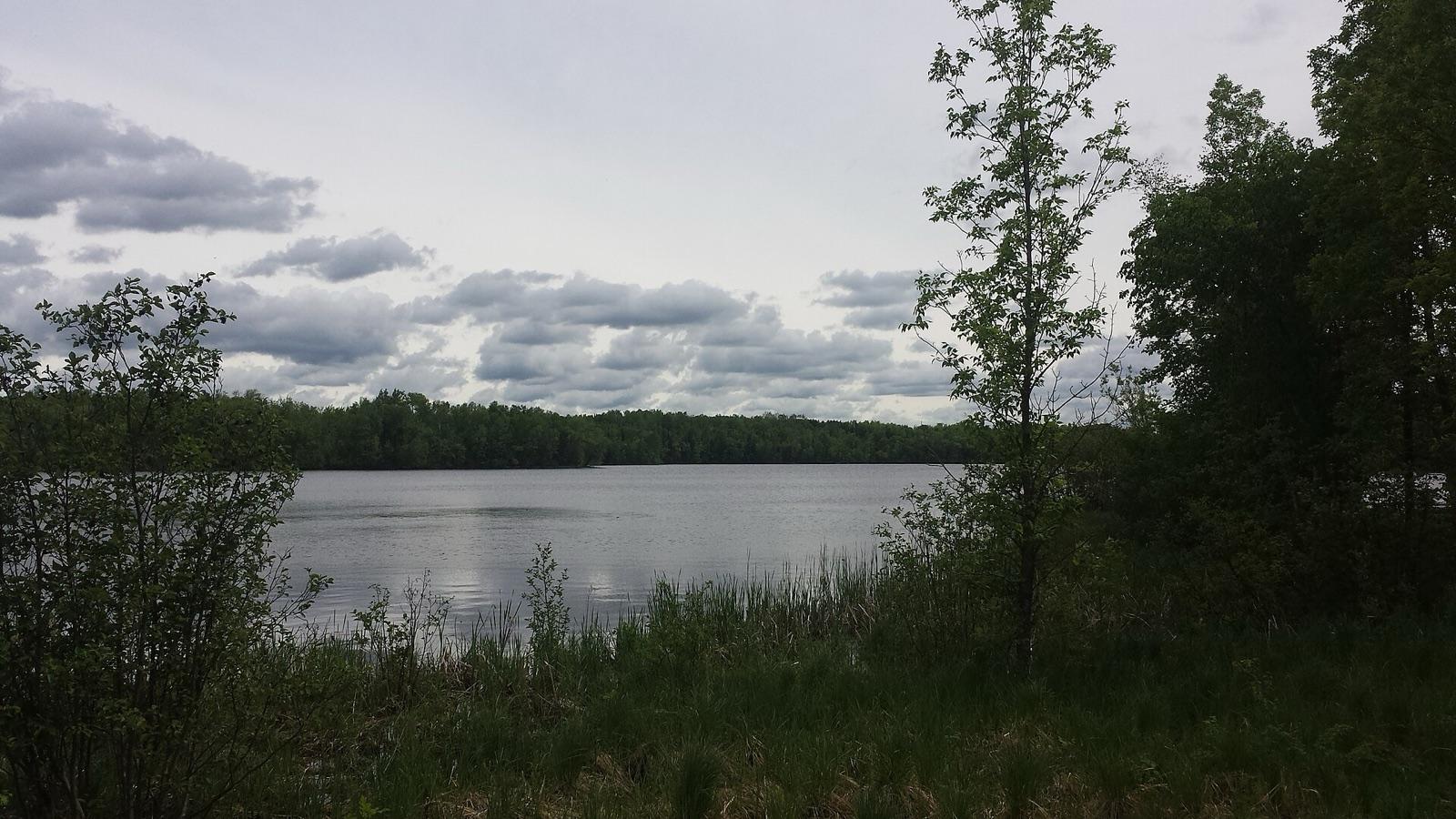
Rockport State Recreation Area opens a 300-acre former limestone quarry whose floor is scattered with Devonian fossils about 400 million years old, including Petoskey stones, Favosites honeycomb coral, brachiopods, and crinoids.
Petoskey Stone, Fossilized Coral, Brachiopod, Crinoid Stem
 Top pick
Cloquet
PermissionCarlton County, Minnesota
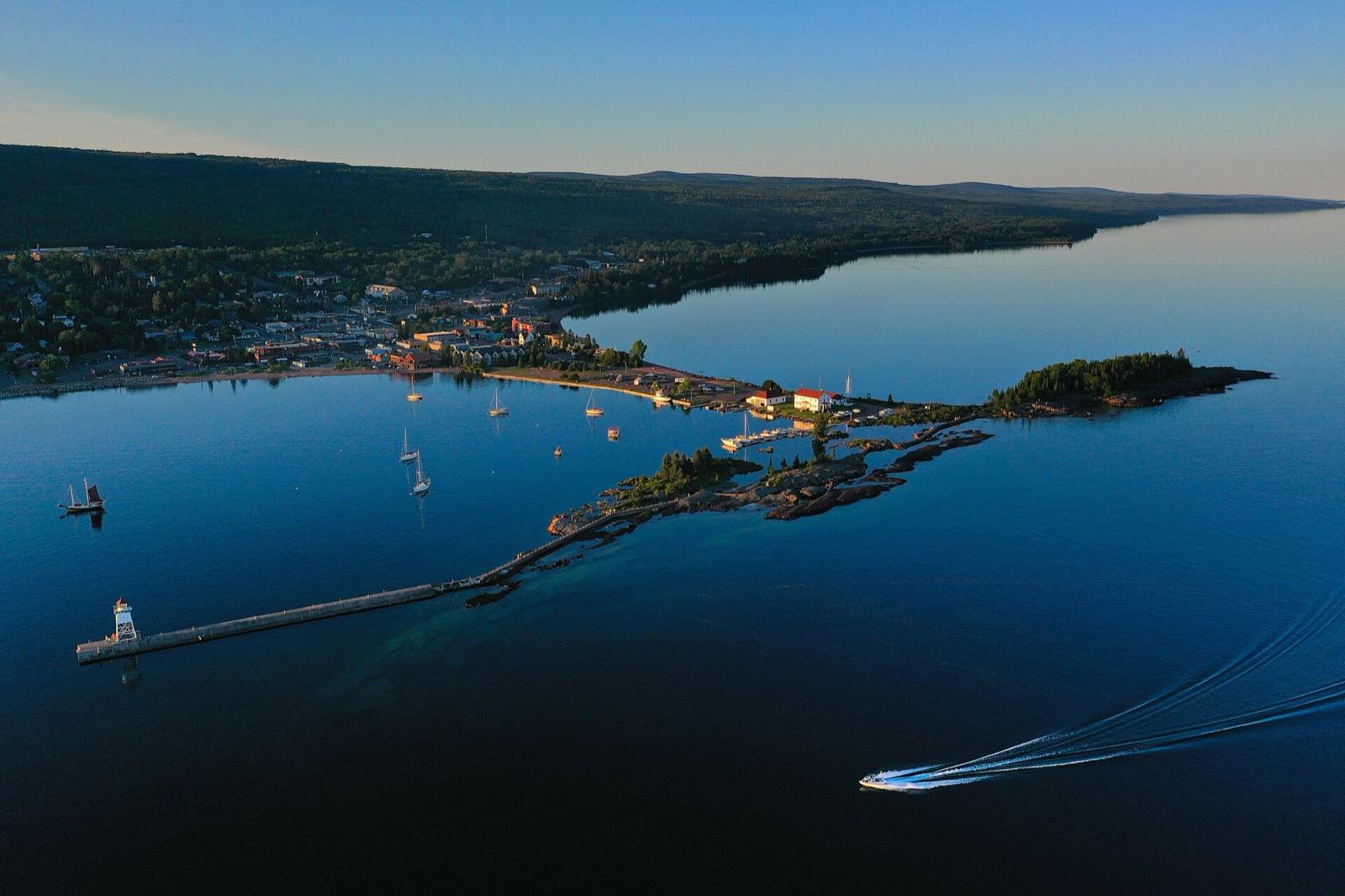
Carlton County is the heart of Minnesota's inland agate country: glaciers dragged Lake Superior agate south and dumped it in the region's thick gravel deposits, and the nearby Moose Lake area is billed as the Agate Capital of the World.
Lake Superior Agate, Garnet, Greenalite, Magnetite
 Top pick
Grand Marais
PublicCook County, Minnesota
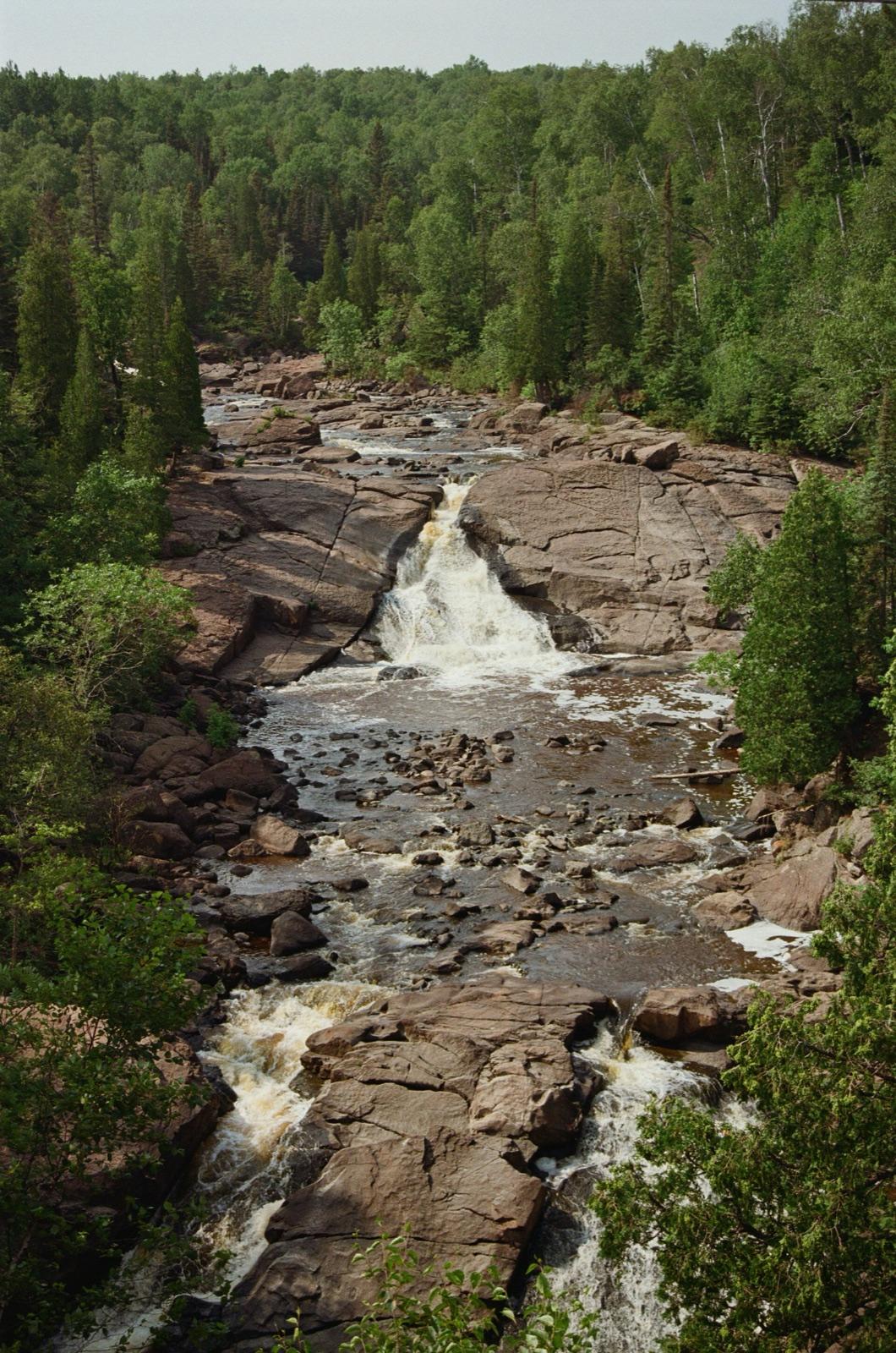
The Cook County shore around Grand Marais holds Minnesota's best thomsonite, a zeolite that filled gas cavities in the billion-year-old North Shore basalt flows and weathers out as rounded nodules with concentric green, pink, and white eyes.
Lintonite, Thomsonite
 Top pick
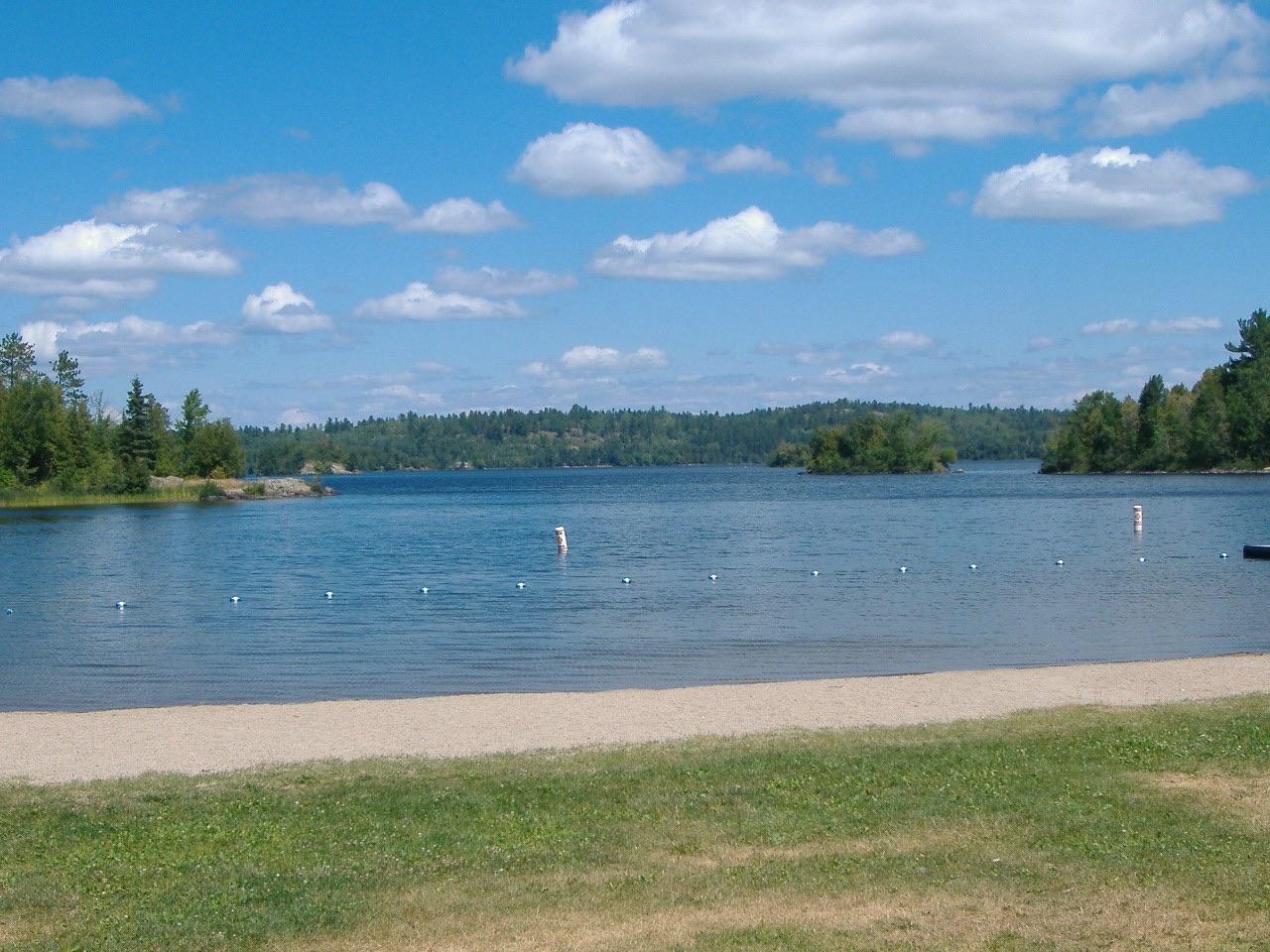
Beaver Bay
PublicLake County, Minnesota
Beaver Bay sits on a stretch of North Shore where both Lake Superior agate and thomsonite wash into the beach gravel, a combination that has made it a long-standing favorite among Minnesota collectors.
Lake Superior Agate, Thomsonite
 Top pick
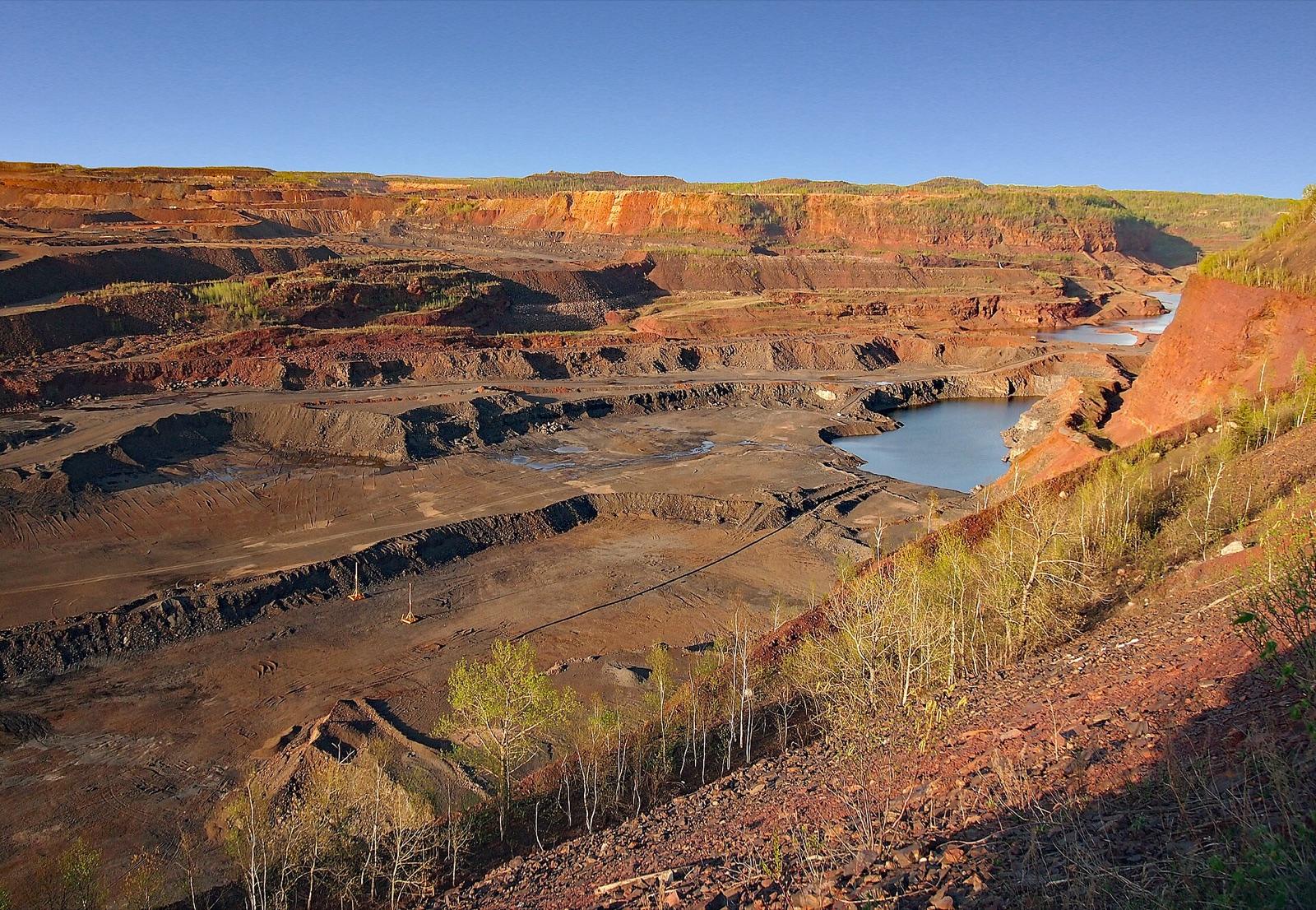
Ely
PublicSaint Louis County, Minnesota
The bedrock around Ely belongs to the Archean Ely Greenstone, some of the oldest rock in Minnesota at roughly 2.7 billion years, and its iron formations and quartz veins yield jasper, quartz, and chalcedony.
Jasper, Quartz, Chalcedony
 Top pick
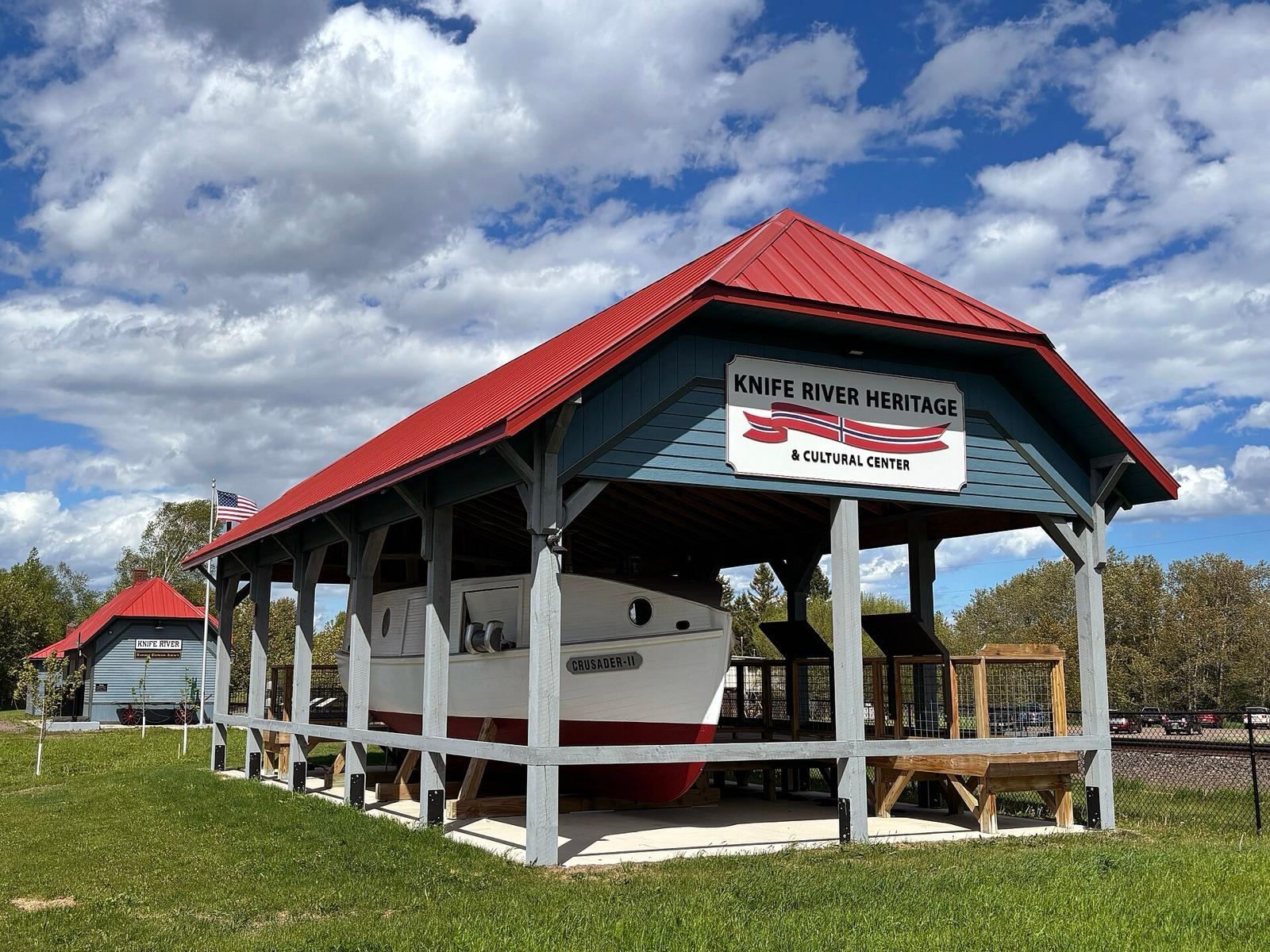
Hibbing (area 2)
PublicSaint Louis County, Minnesota
Hibbing sits on the Mesabi Range, where the 1.9-billion-year-old Biwabik Iron Formation exposes banded iron formation of alternating hematite, magnetite, and goethite layered with red and gray jasper.
Iron, Agate, Jasper, Marcasite
 Top pick
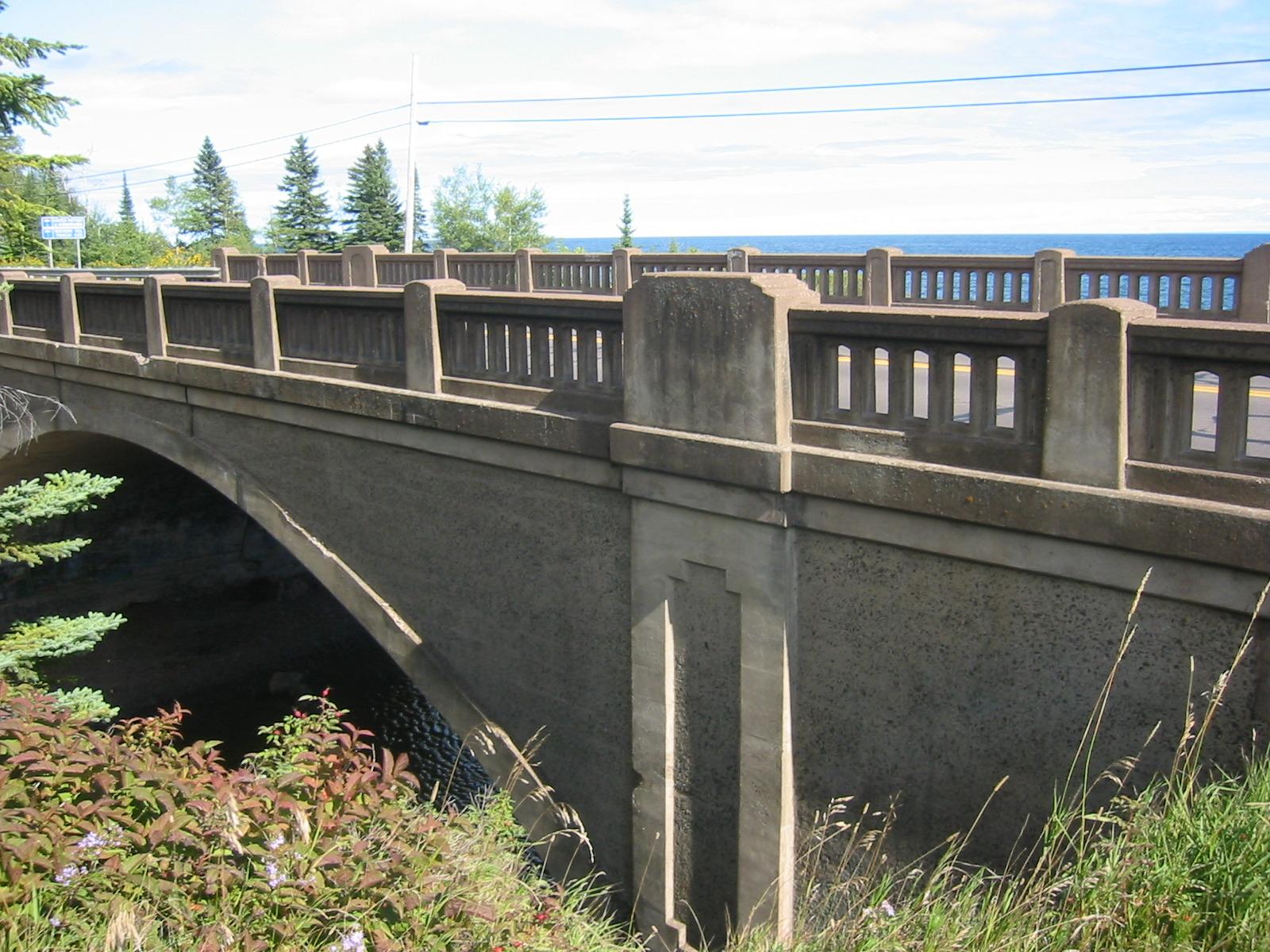
Knife River beaches
PublicLake County, Minnesota
The cobble beaches at Knife River are one of the North Shore's most reliable places to hunt Lake Superior agate, Minnesota's state gemstone, formed roughly a billion years ago in the gas vesicles of Keweenawan basalt along the Midcontinent Rift.
Lake Superior Agate
 Top pick
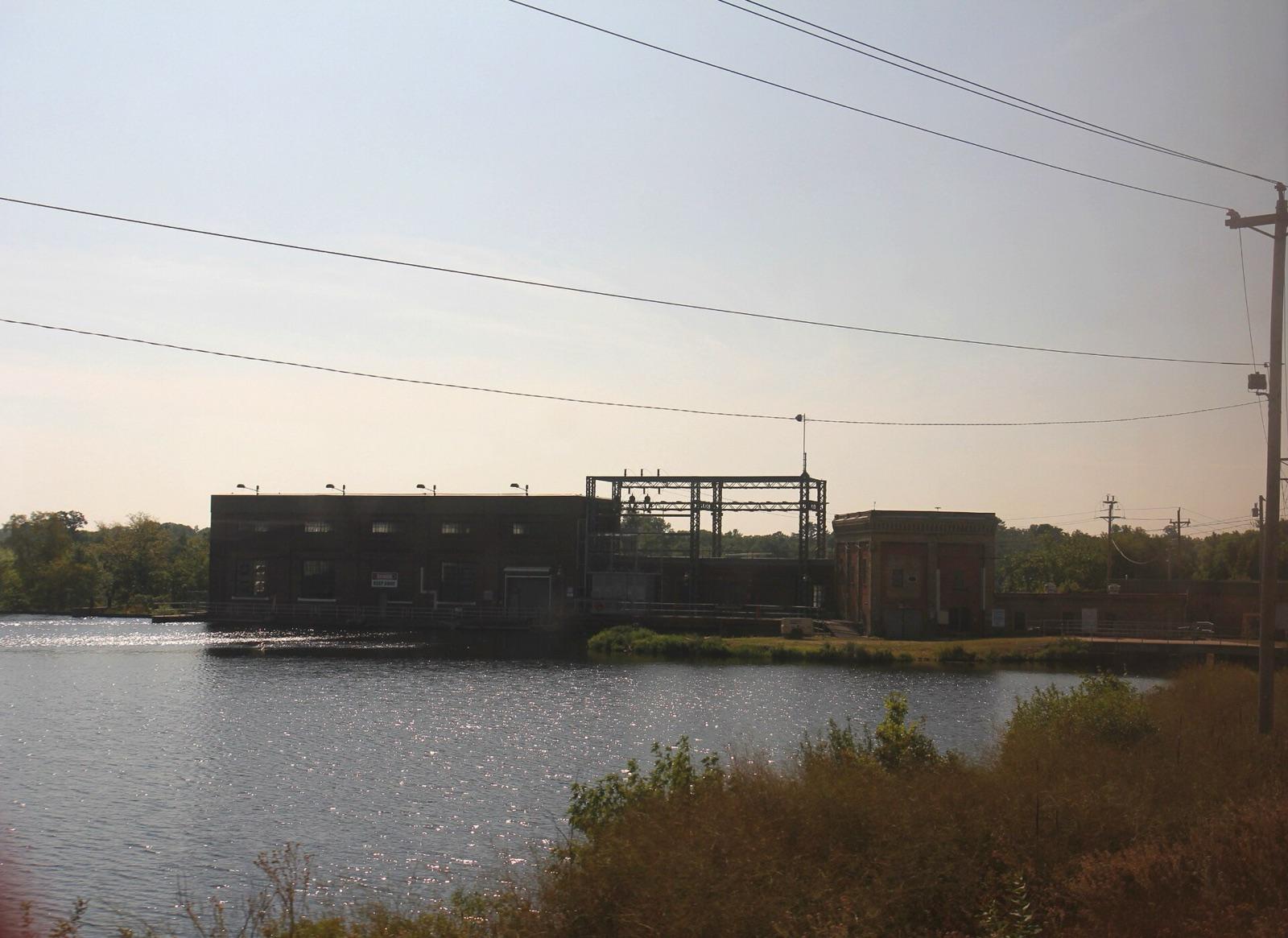
Kelsey Beach
PublicLake County, Minnesota
Kelsey Beach, the public cobble beach at the Stewart River mouth a few miles north of Two Harbors, sits in the North Shore agate belt where wave-sorted gravel yields Lake Superior agate along with basalt and jasper from the billion-year-old rift lava flows.
Lake Superior Agate
 Top pick
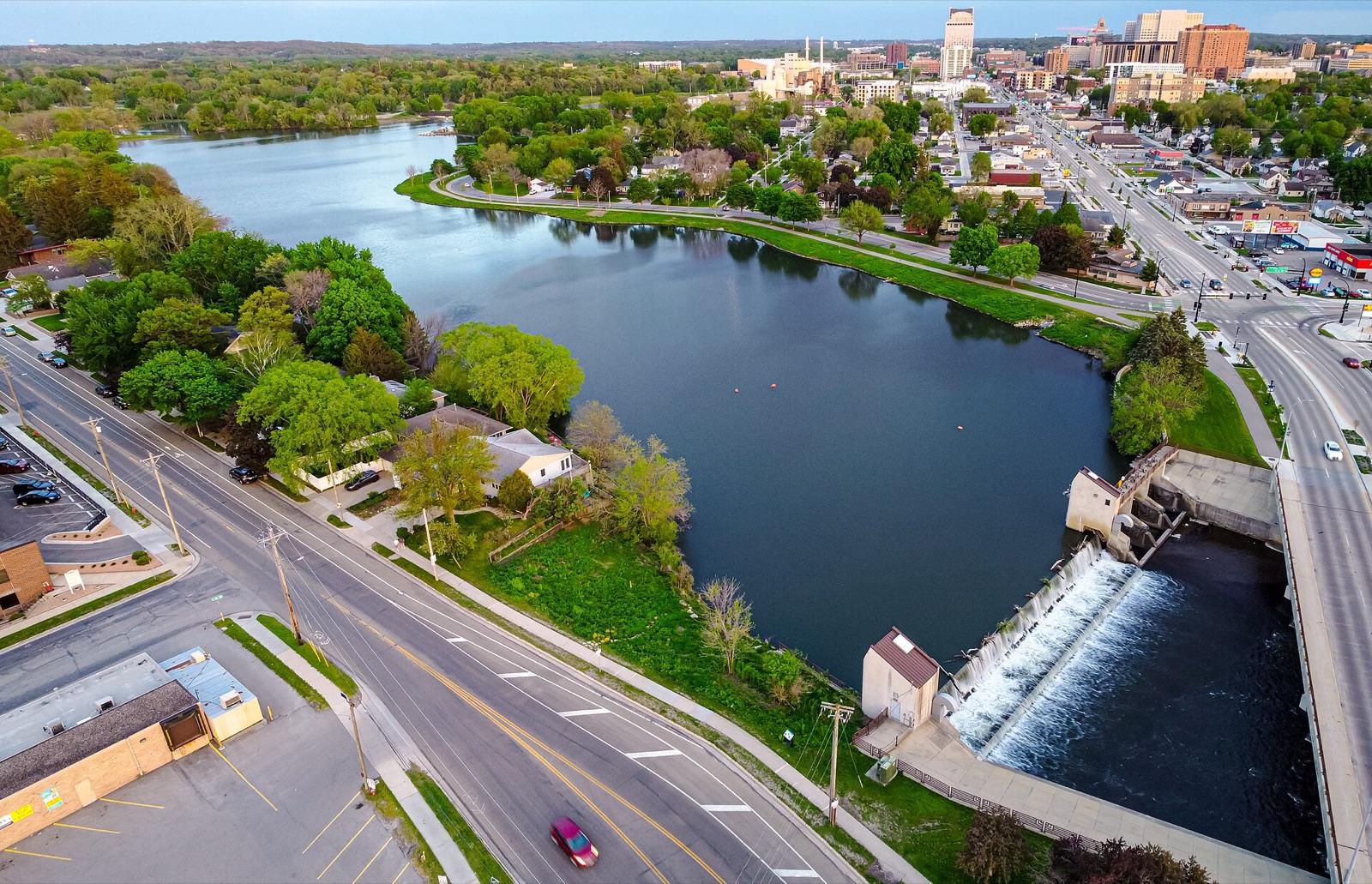
Little Falls
PublicMorrison County, Minnesota
The Mississippi River gravels around Little Falls carry Lake Superior agate along with staurolite, the twinned fairy cross crystals that made the area locally famous.
Lake Superior Agate, Garnet, Staurolite
 Top pick
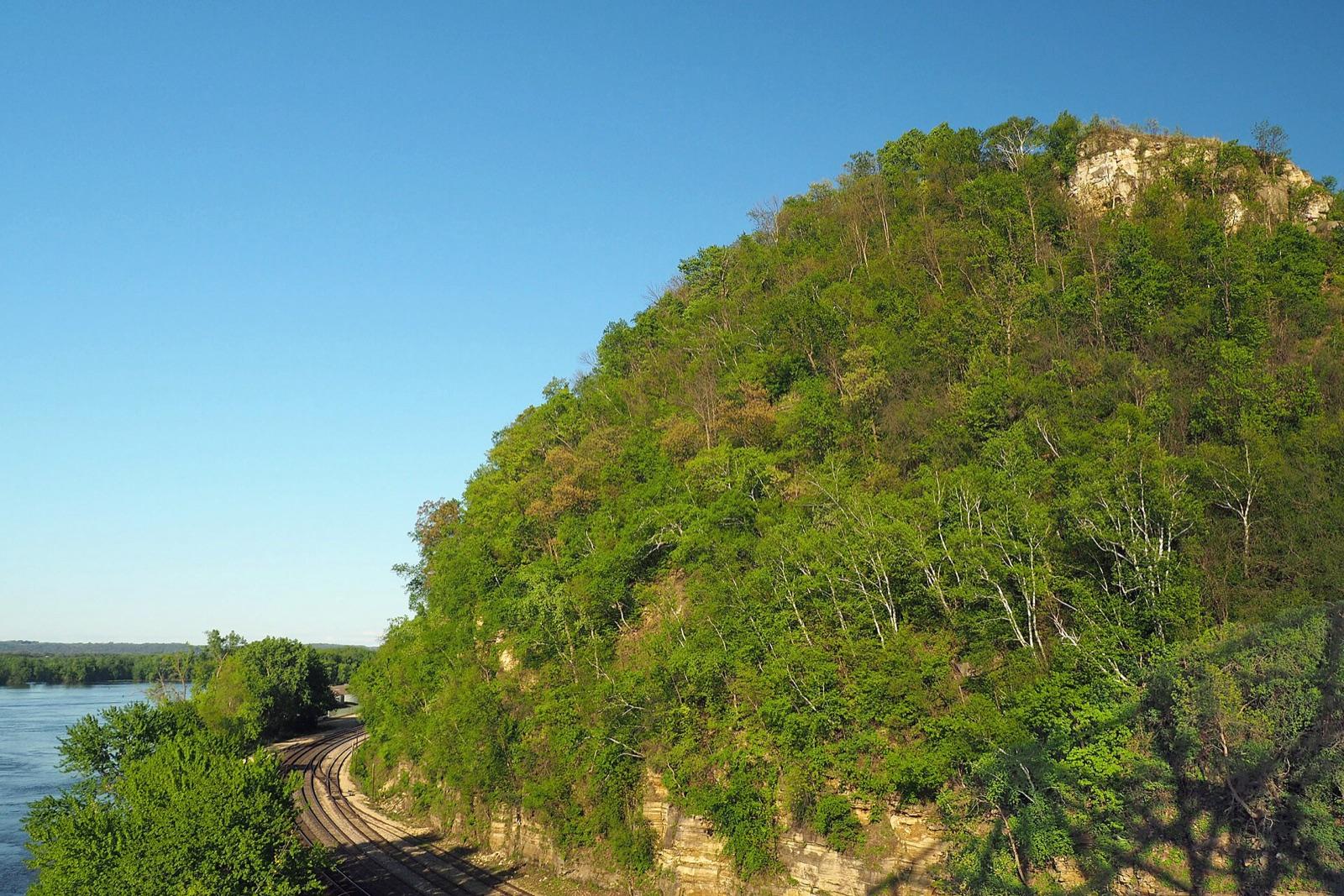
Rochester
PublicOlmsted County, Minnesota
The Rochester area combines two southeastern Minnesota draws: Lake Superior agate scattered through the glacial and river gravels, and Ordovician marine fossils weathering out of the region's roughly 450-million-year-old limestone and shale.
Lake Superior Agate, Chalcedony, Fossil
 Top pick
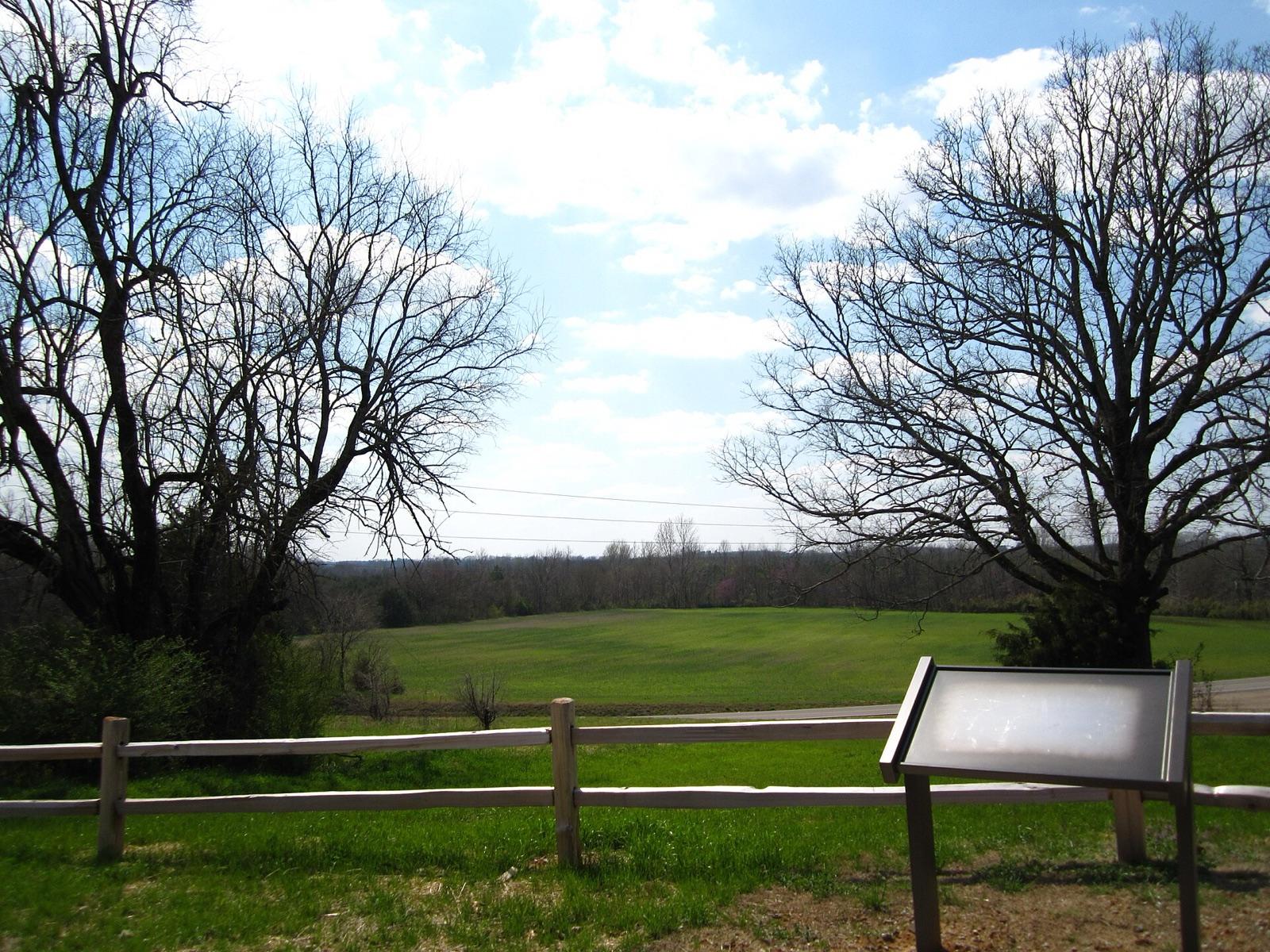
Red Wing
PublicGoodhue County, Minnesota
Red Wing anchors the southeastern reach of Minnesota's Lake Superior agate range: glaciers and the Mississippi River spread agate-bearing gravel far south of the stone's North Shore origin.
Lake Superior Agate
 Top pick
Twentymile Creek
PublicPrentiss County, Mississippi
Twenty Mile Creek near Baldwyn cuts through the Campanian Demopolis Formation and the underlying Coffee Sand, exposing a marine fossil bed roughly 75 million years old.
Fossil, Petrified Wood
 Top pick
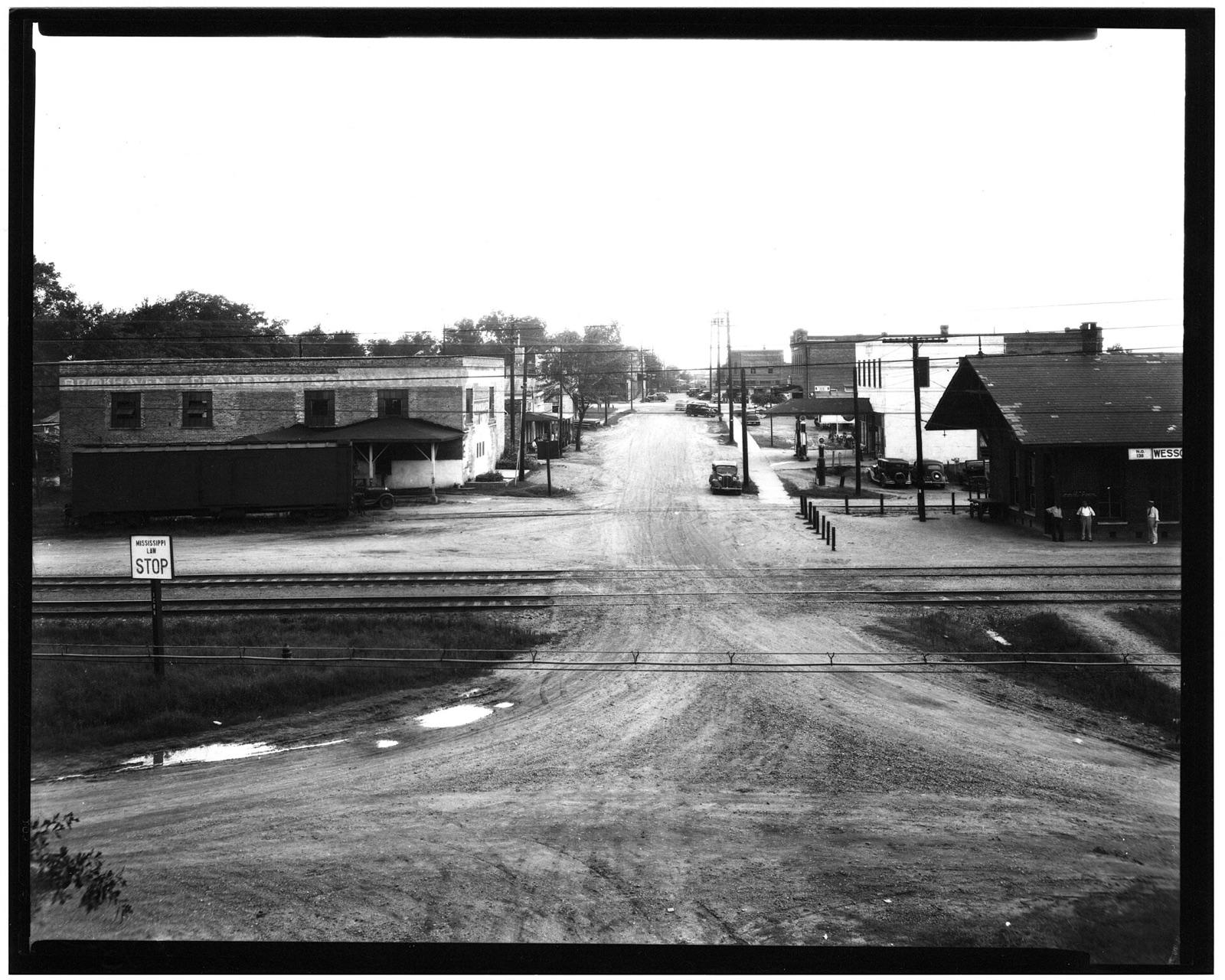
Wesson
PublicCopiah County, Mississippi
The upland terrace and Citronelle gravels around Wesson in Copiah County produce banded agate, chalcedony, and petrified wood, all catalogued from the county on mindat.
Banded Agate, Chalcedony, Petrified Wood
 Top pick
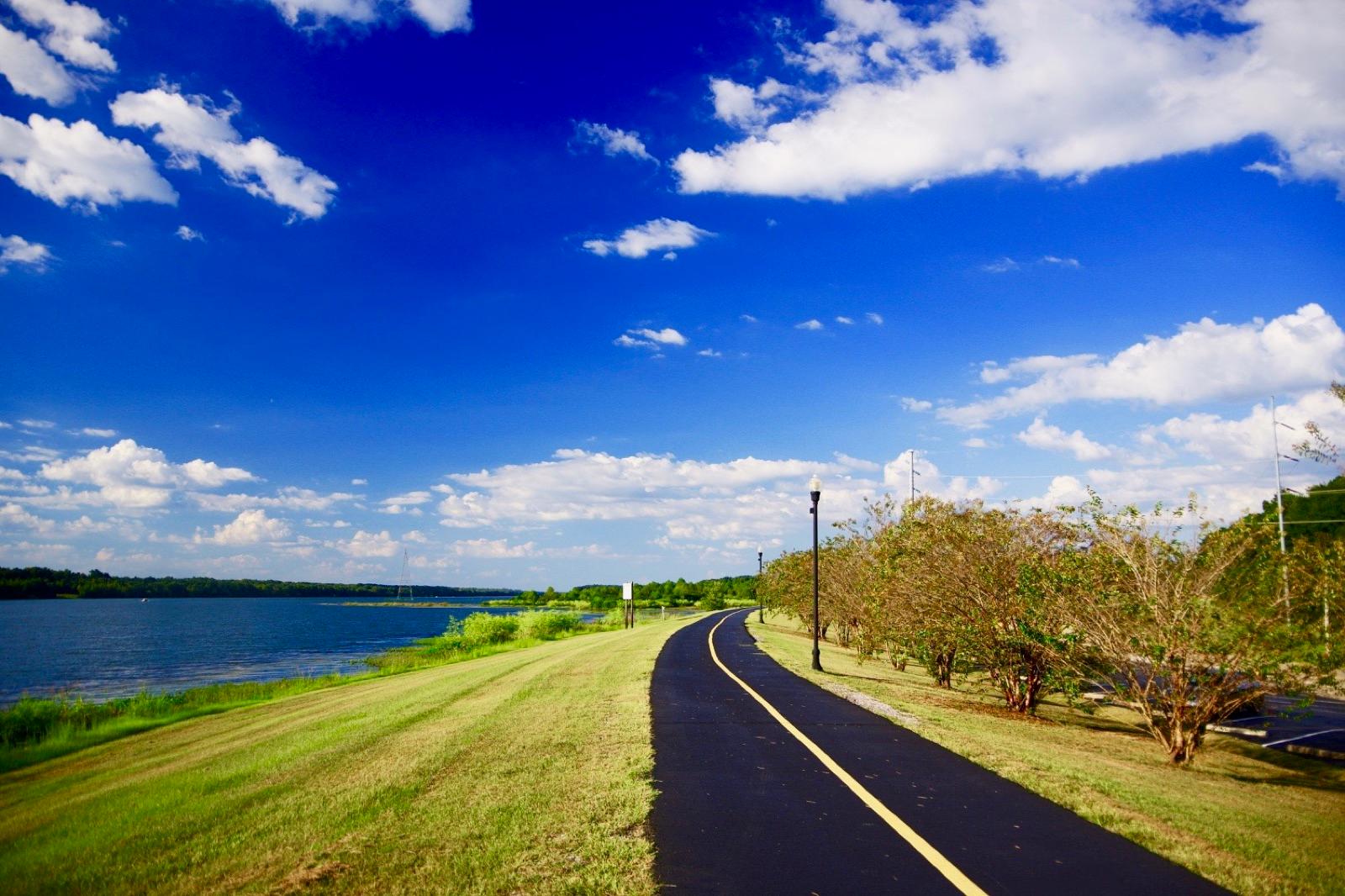
Tombigbee River
PublicItawamba County, Mississippi
The Tombigbee River in Itawamba County flows past Cretaceous chalk and sand of the Coffee Sand, Demopolis, and Prairie Bluff units, the same fossil-bearing belt exposed farther south.
Shark Tooth
 Top pick
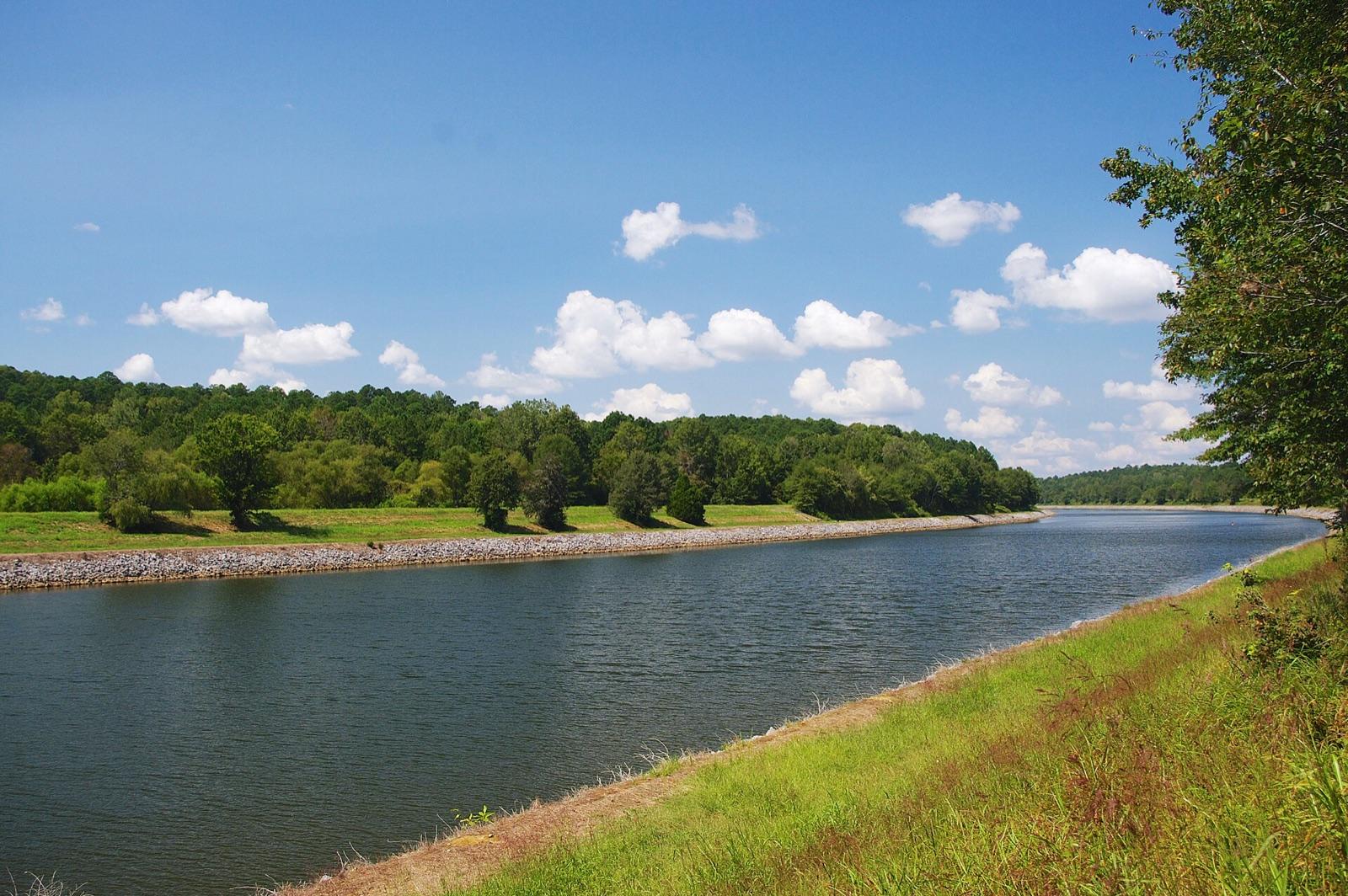
Paden
PublicTishomingo County, Mississippi
The clay and lignite beds around Paden in Tishomingo County are one of the few documented sources of Upper Cretaceous amber in Mississippi, tied to the Coffee Sand and Tuscaloosa Group.
Amber
 Top pick
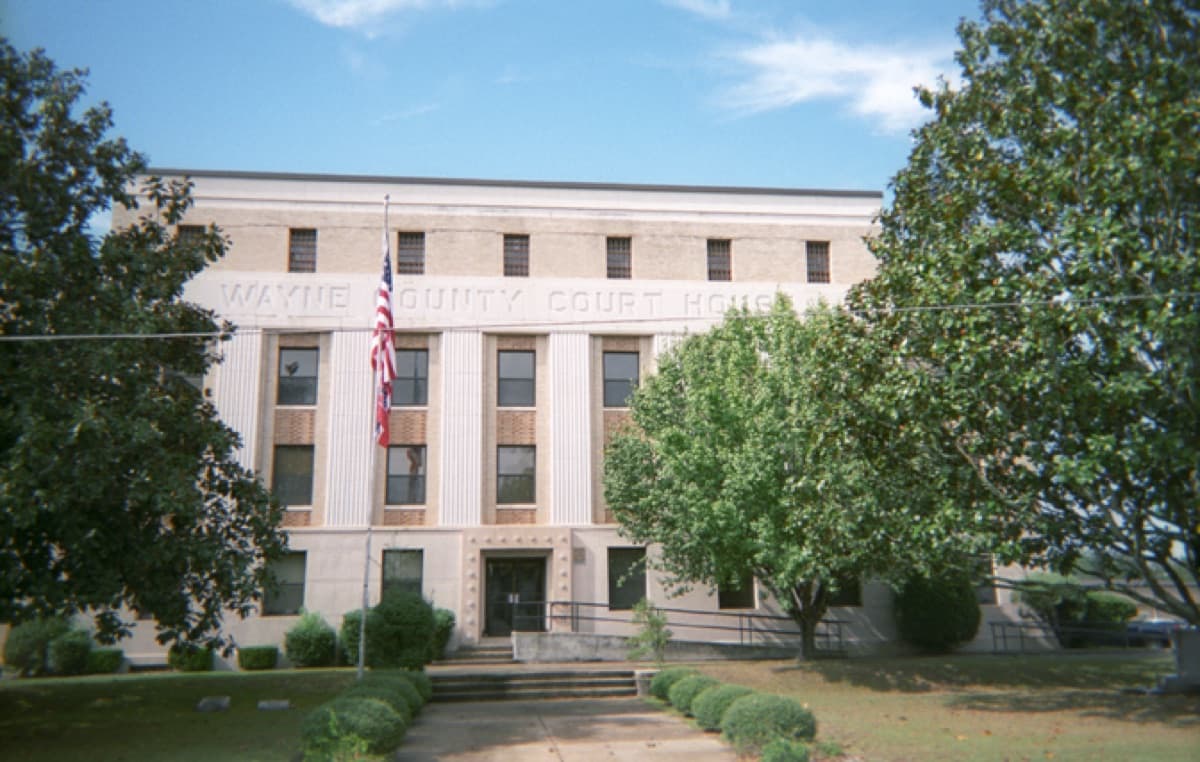
Waynesboro
PublicWayne County, Mississippi
Creek gravels around Waynesboro in Wayne County carry petrified palm wood and silicified wood eroded from Citronelle and Hattiesburg-age sediments of southeast Mississippi.
Fossil, Petrified Palm Wood
 Top pick
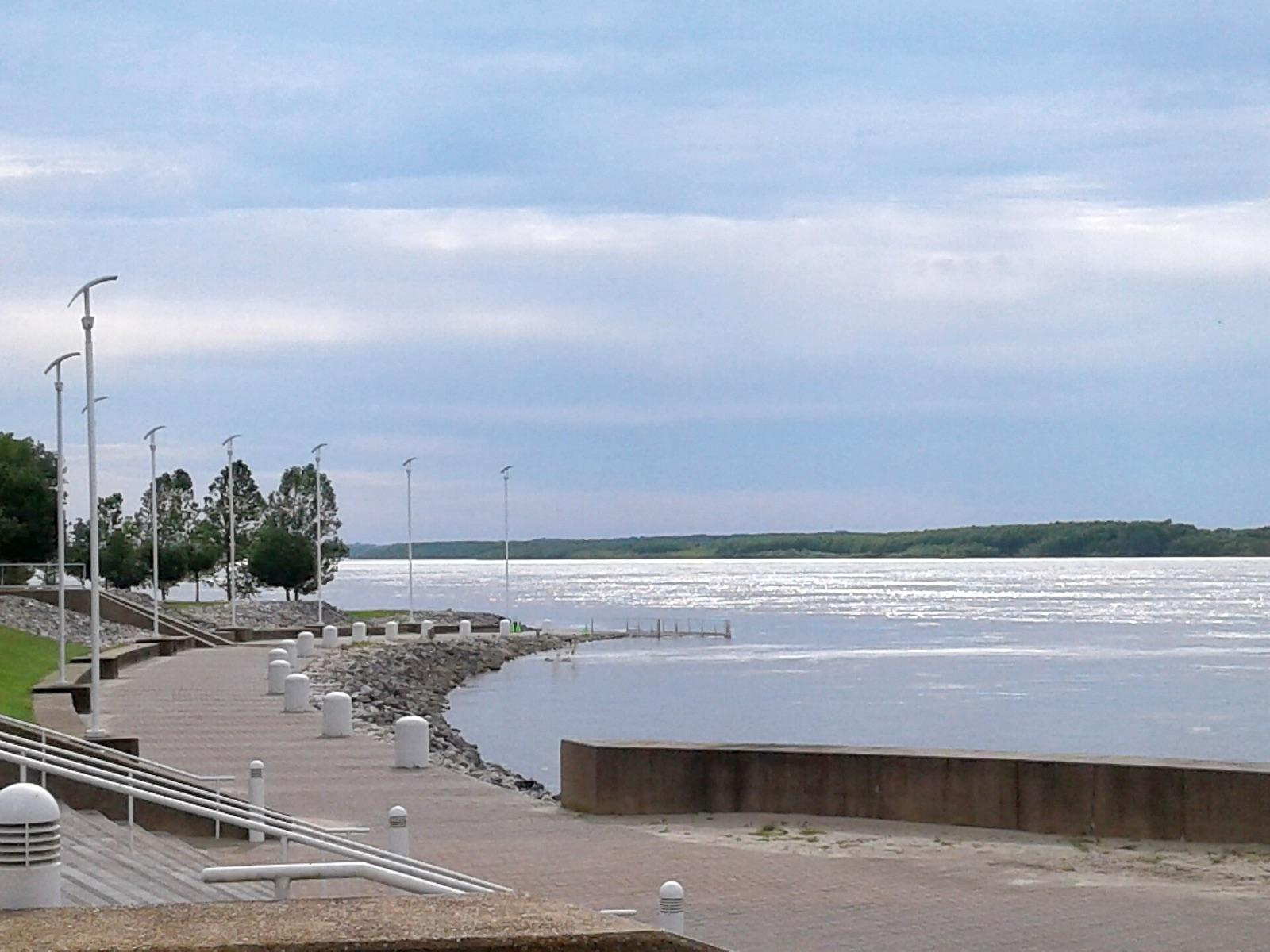
Mississippi River
PublicTunica County, Mississippi
Point-bar gravels along the Mississippi River in Tunica County carry quartz, chalcedony, agate, chert, and petrified wood rafted downstream from as far as the Great Lakes and the Ozarks.
Agate, Fossil
 Top pick
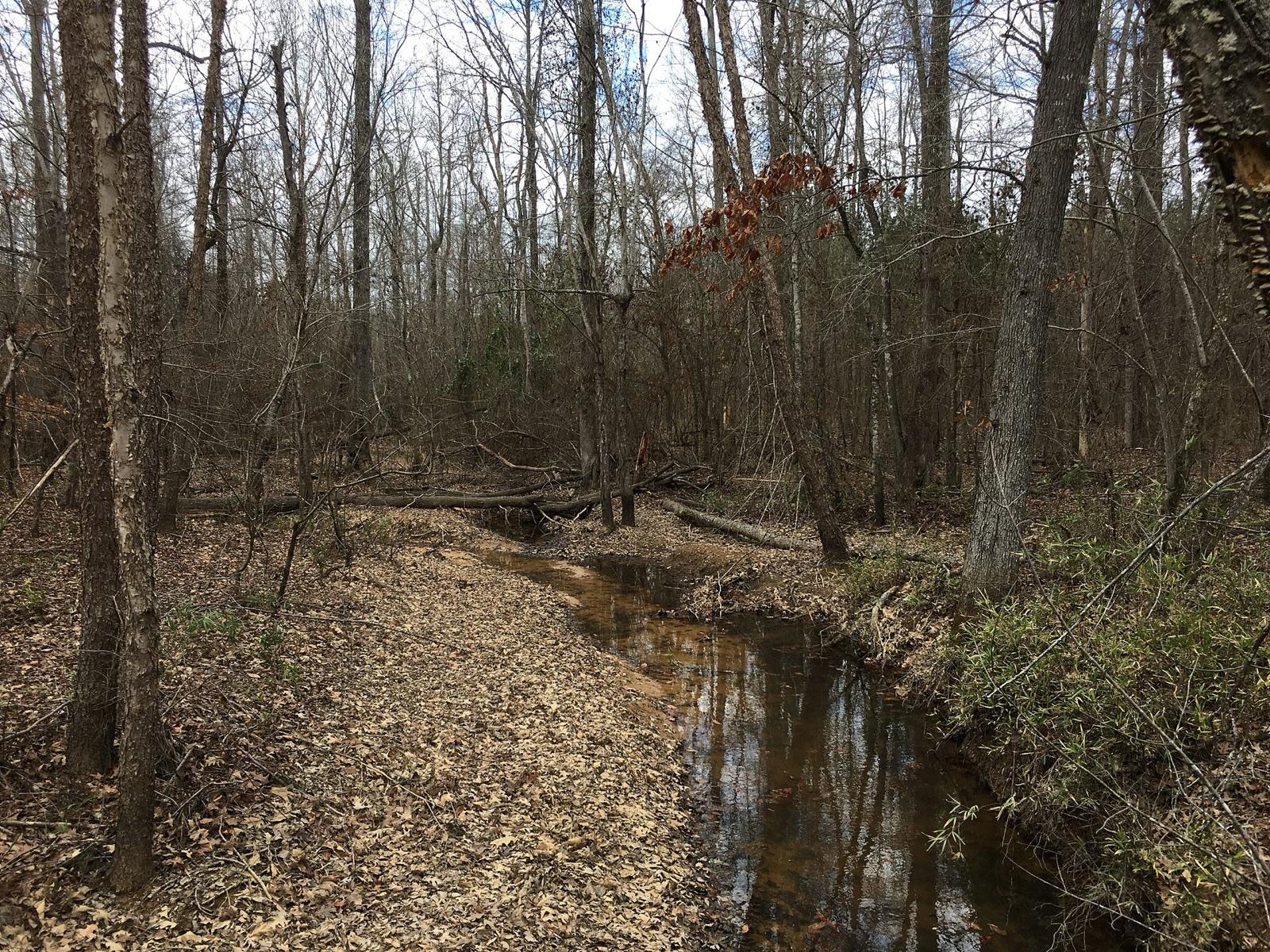
Holly Springs National Forest
PublicMarshall County, Mississippi
Holly Springs National Forest sits on Eocene Wilcox and Claiborne sands and reworked upland gravels that carry silicified and petrified wood, Mississippi's official state stone.
Petrified Wood
 Top pick
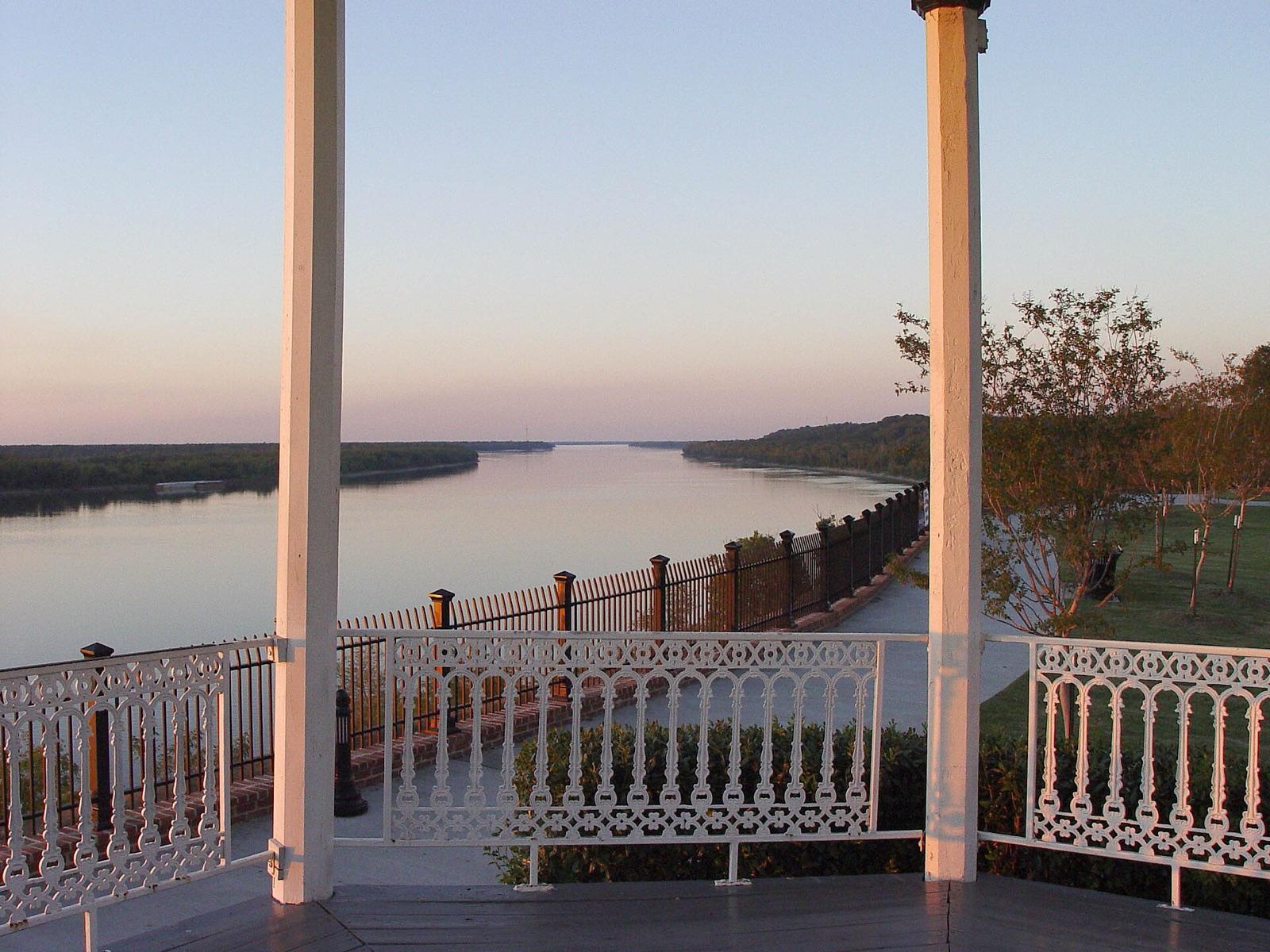
Adams County
PublicAdams County, Mississippi
Adams County in the far southwest yields banded agate, quartz, and chalcedony from Citronelle and Mississippi River terrace gravels, historically collected from commercial gravel stockpiles along the Natchez riverfront.
Banded Agate
 Top pick
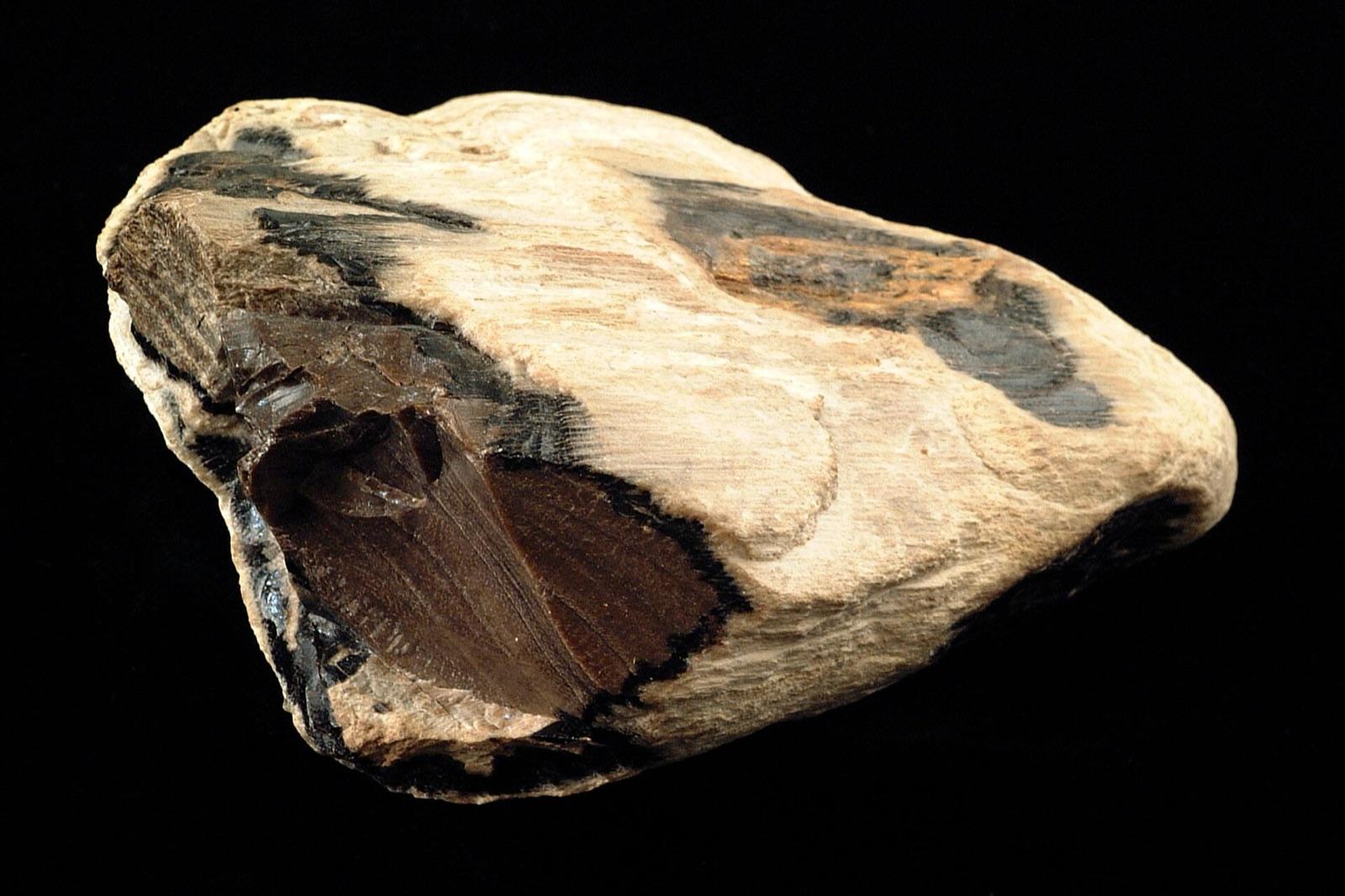
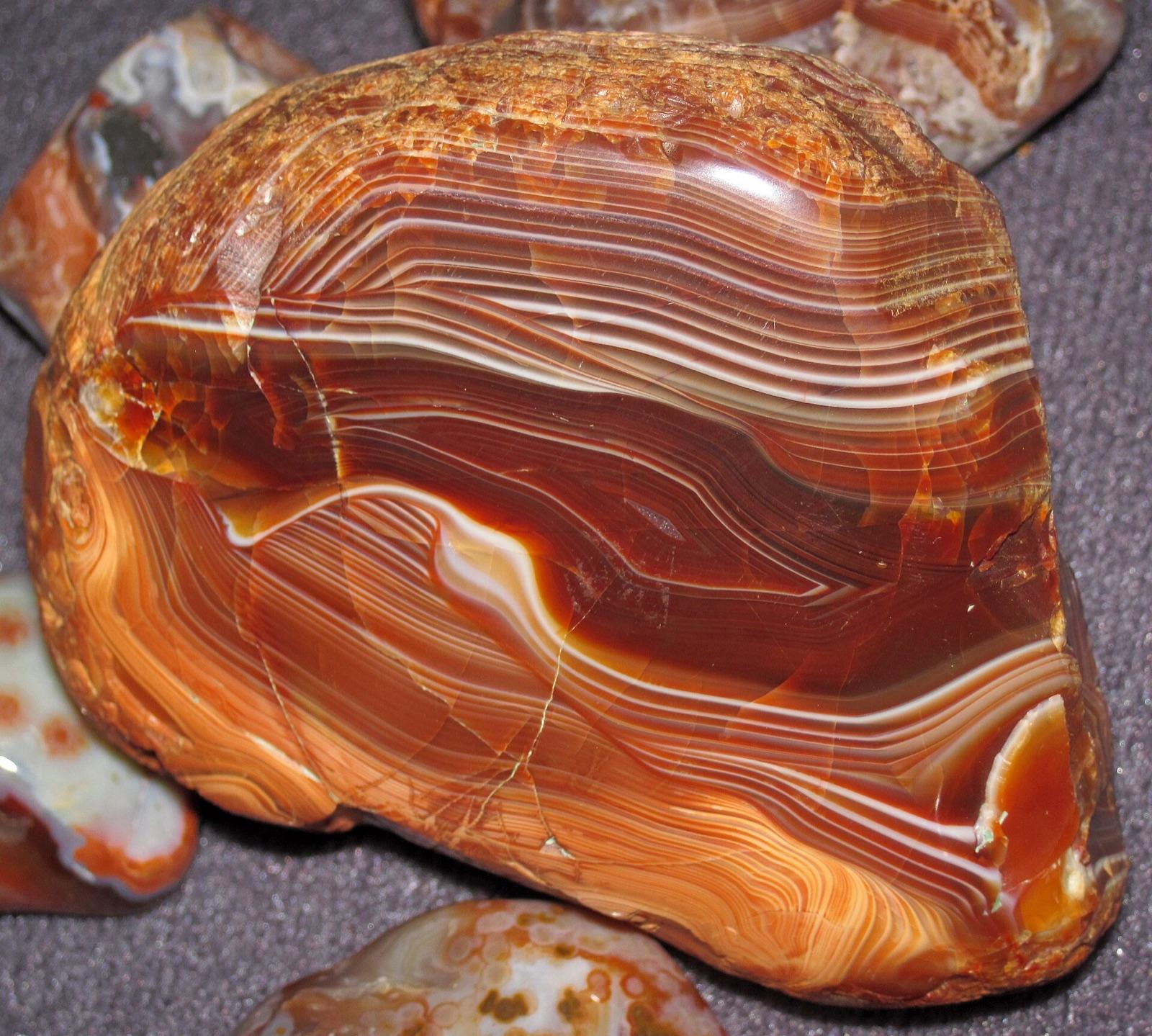
Gallatin
PublicDaviess County, Missouri
Gallatin sits on the Grand River in glaciated Daviess County, and the river gravels here are a documented source of petrified wood, agate, jasper, and chalcedony reworked from glacial drift.
Agate, Chalcedony, Jasper, Petrified Wood
 Top pick
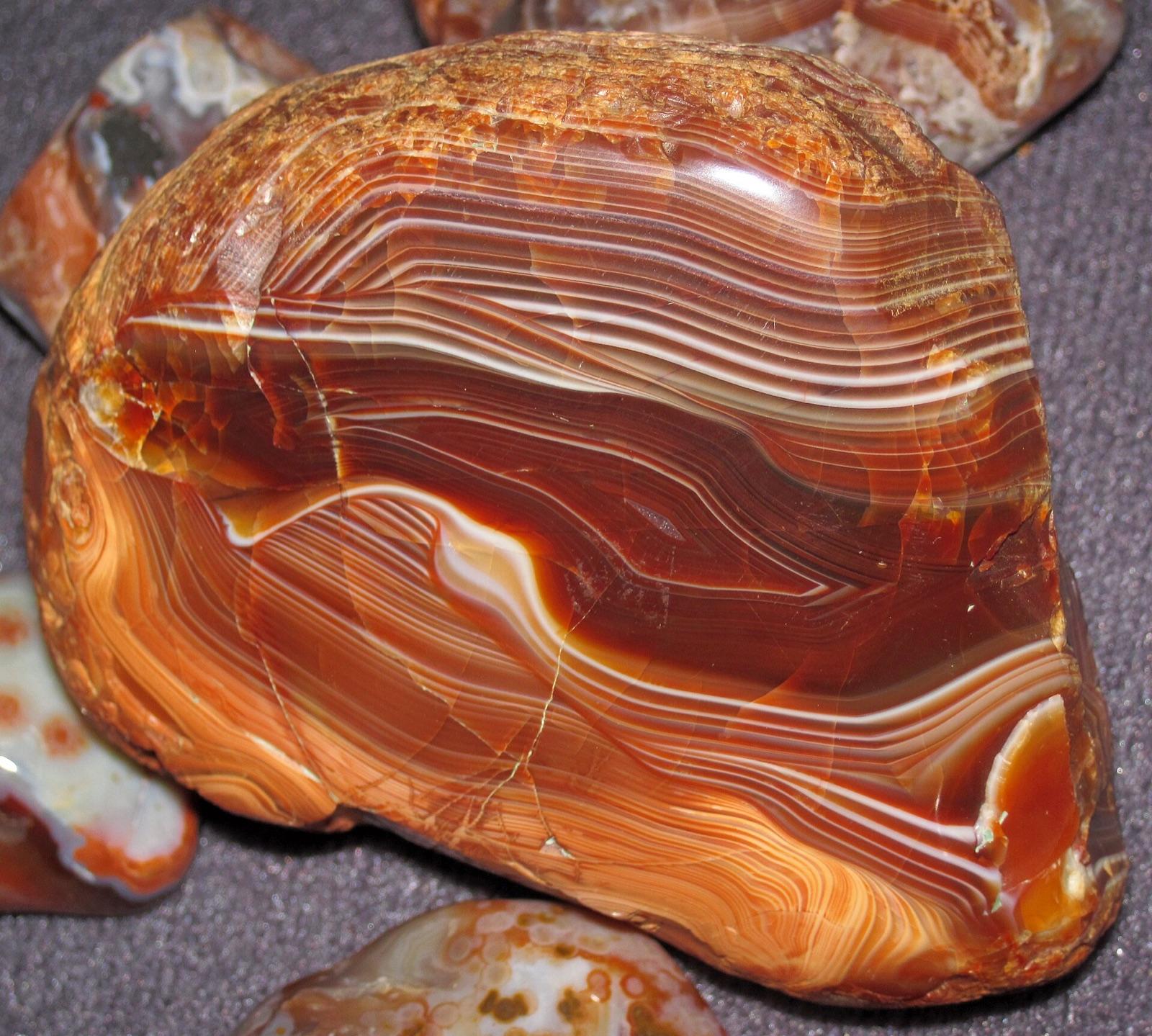
Gentry County
PublicGentry County, Missouri
Gentry County in far northwestern Missouri lies squarely in glacial-drift country, where ice-rafted Lake Superior agates, jasper, and petrified wood are scattered through till and reworked into the area's stream gravels.
Lake Superior Agate, Jasper, Fossil, Petrified Wood
 Top pick
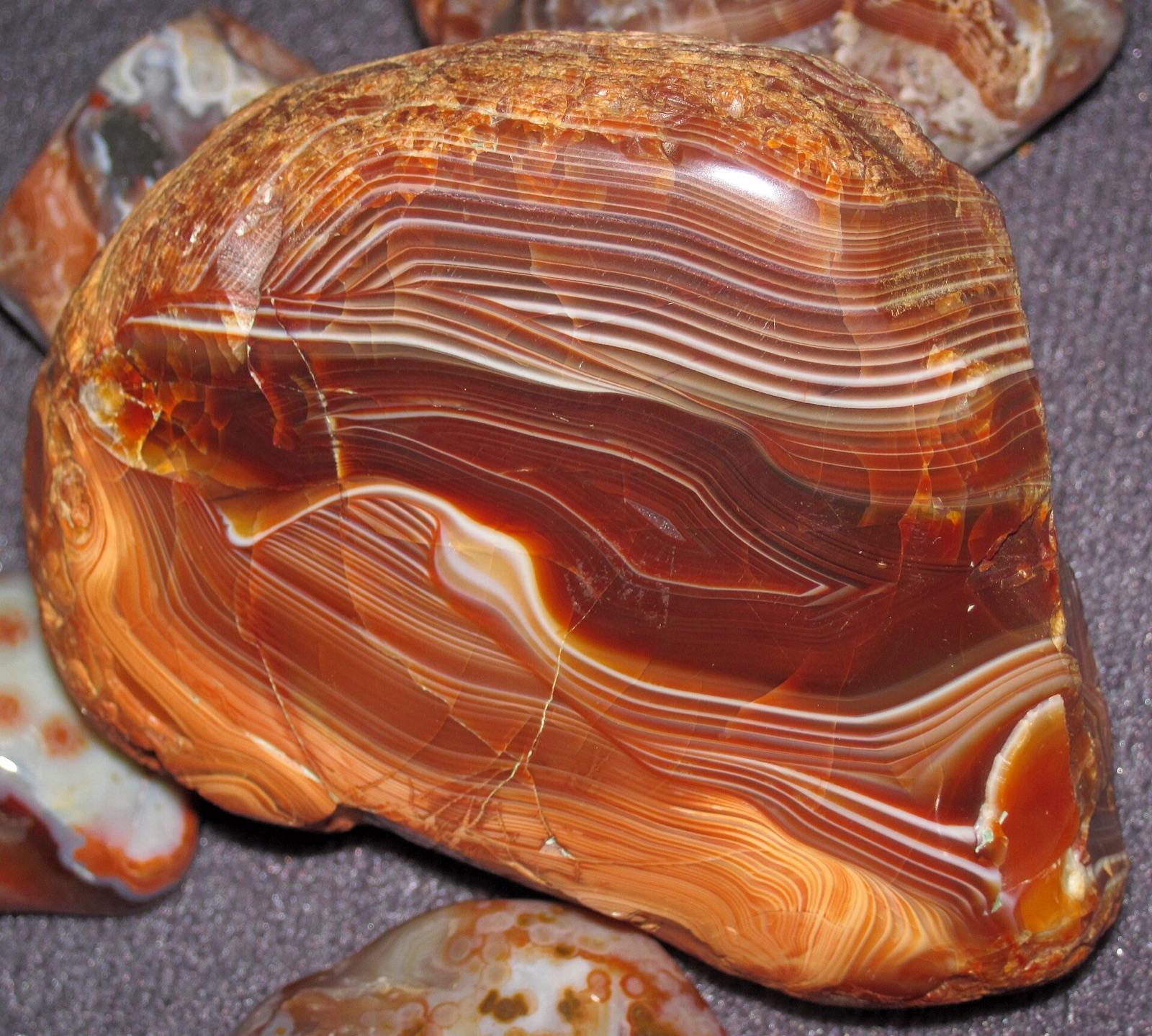
Daviess County
PublicDaviess County, Missouri
Daviess County lies in the glaciated plains of northern Missouri, where Pleistocene ice sheets carried Lake Superior agates south from the Great Lakes basin and dropped them in glacial drift and stream gravels.
Lake Superior Agate, Jasper, Fossil, Petrified Wood
 Top pick
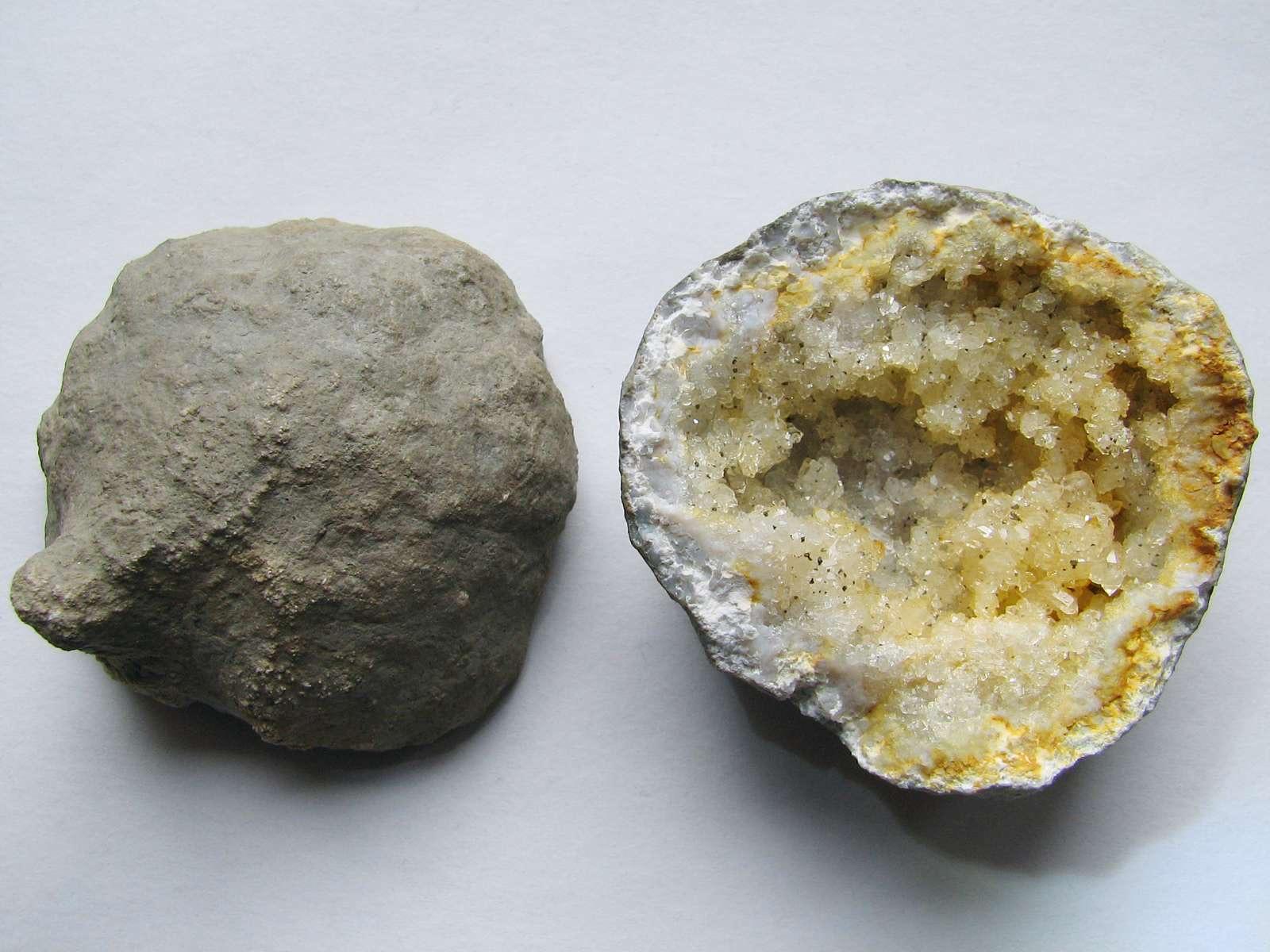
Grundy County
PublicGrundy County, Missouri
Grundy County rounds out the cluster of glaciated northern Missouri counties that yield ice-transported Lake Superior agates, with mindat documenting Lake Superior agate from the county.
Lake Superior Agate, Jasper, Fossil, Petrified Wood
 Top pick
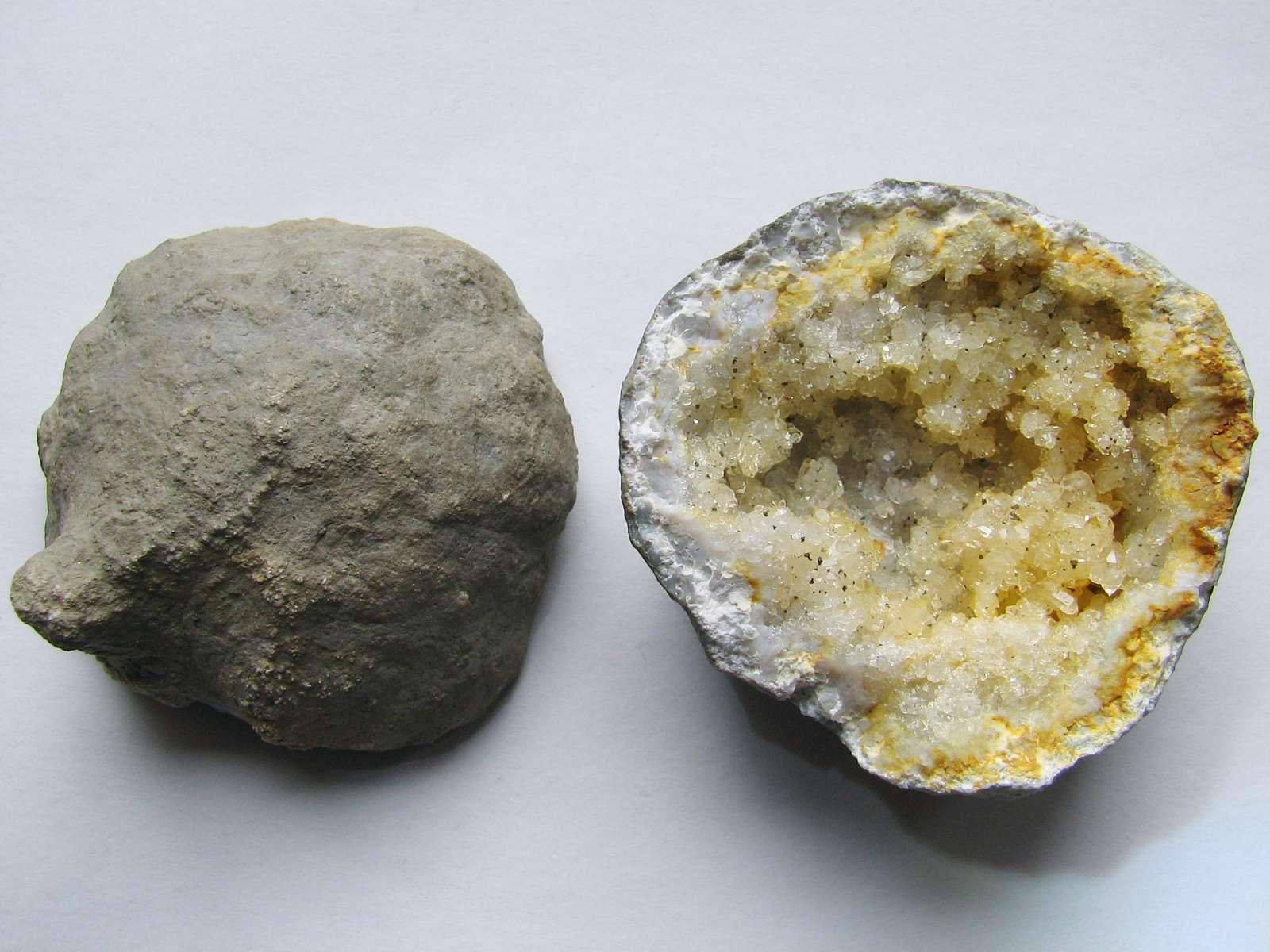
Alexandria & Wayland
PublicClark County, Missouri
Clark County is the most productive geode-collecting county in Missouri, sitting at the southwestern edge of the famous Keokuk geode district along the Des Moines and Mississippi drainages.
Geode
 Top pick
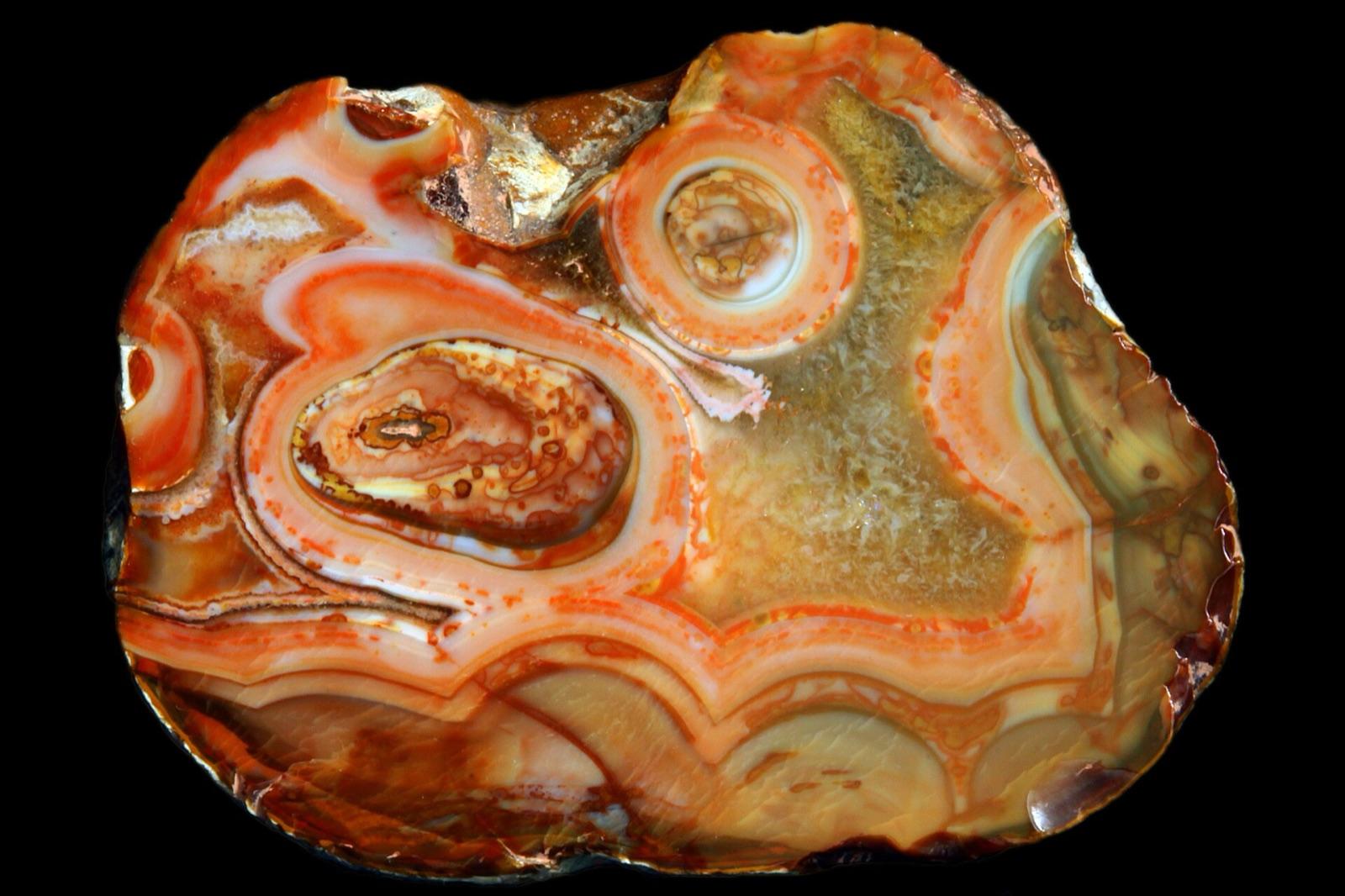
Fabius River
PublicLewis County, Missouri
The Fabius River drainage in Lewis County cuts through the Warsaw Formation on the southern margin of the Keokuk geode belt, releasing geodes lined with quartz, calcite, aragonite, and trace sulfides into the river gravels.
Geode, Calcite, Malachite, Pyrite
 Top pick
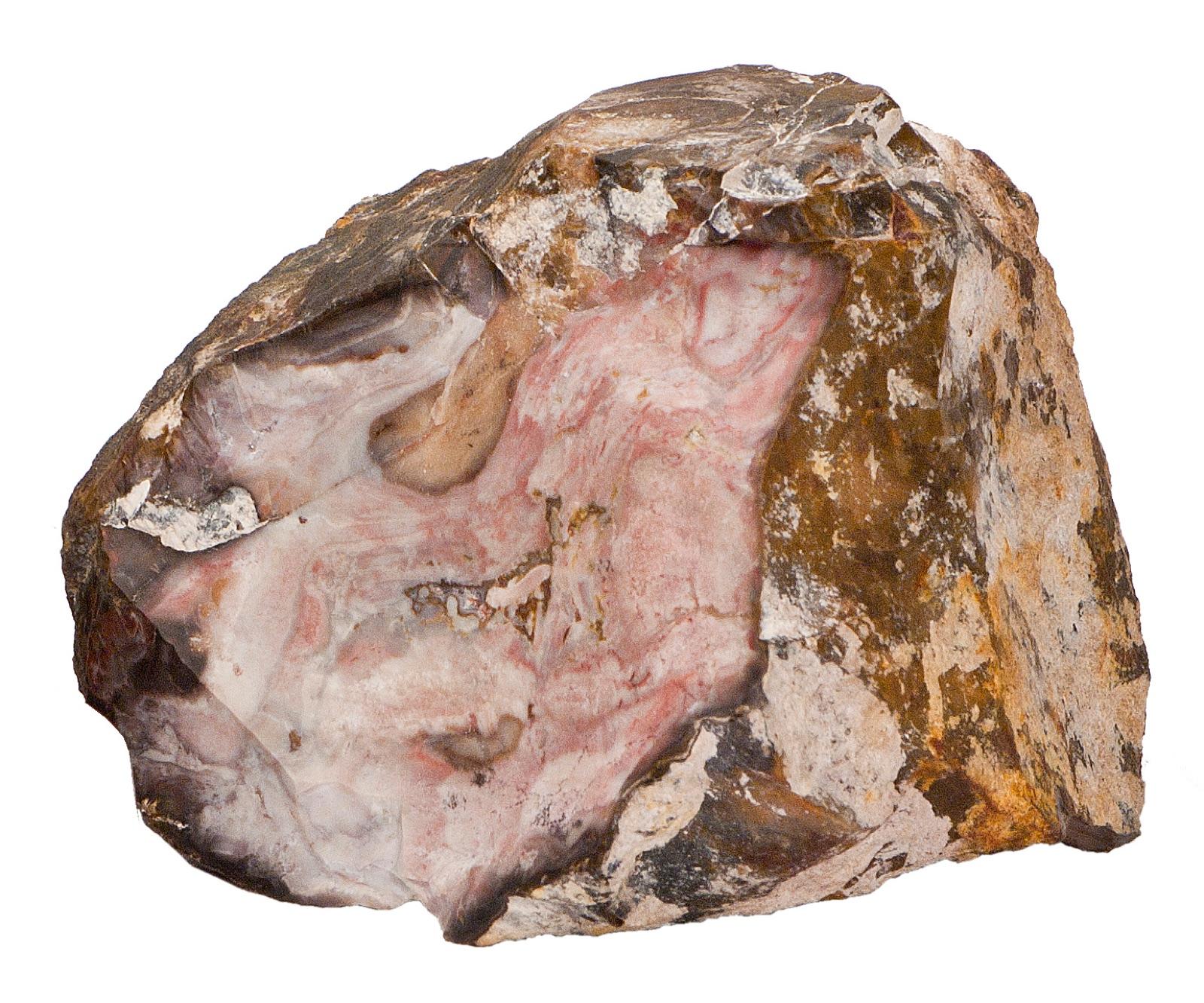
La Grange
PublicLewis County, Missouri
The Mississippi River gravels around La Grange in Lewis County carry gem-quality agate, chalcedony, jasper, petrified wood, and the occasional Keokuk geode, all concentrated by the river and reworked glacial drift.
Agate, Chalcedony, Jasper
 Top pick
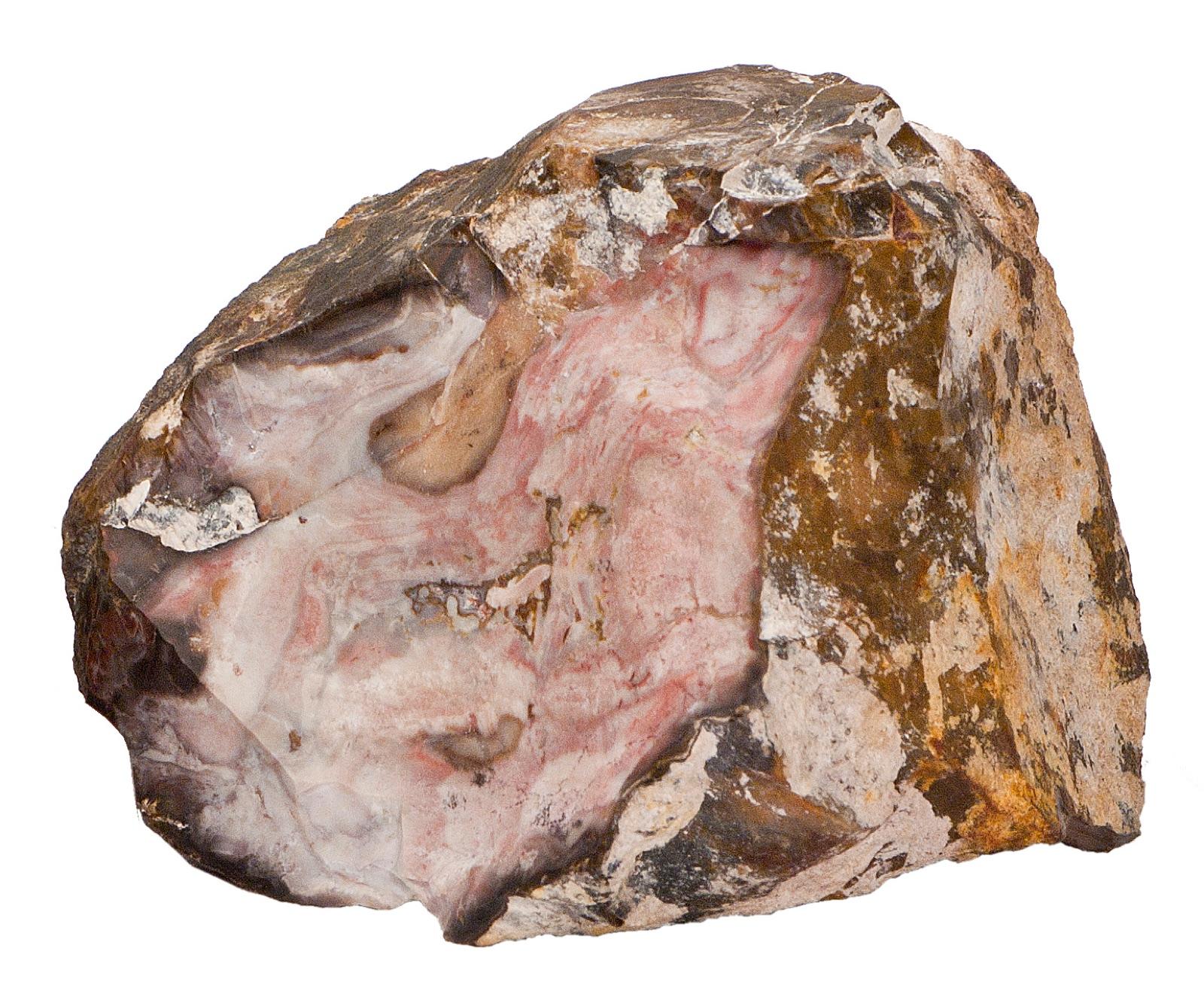
Lincoln
PublicBenton County, Missouri
Lincoln sits at the heart of the mozarkite country in Benton County, the source of Missouri's official state rock, a multicolored gem chert that weathers out of the Mississippian Burlington and Warsaw limestones.
Chalcedony, Chert, Mozarkite, Galena
 Top pick
Warsaw
PublicBenton County, Missouri
Warsaw anchors the southern end of the Benton County mozarkite belt and sits on the Harry S. Truman Reservoir, where falling lake levels expose chert and mozarkite cobbles along the shoreline.
Agate, Chert, Mozarkite
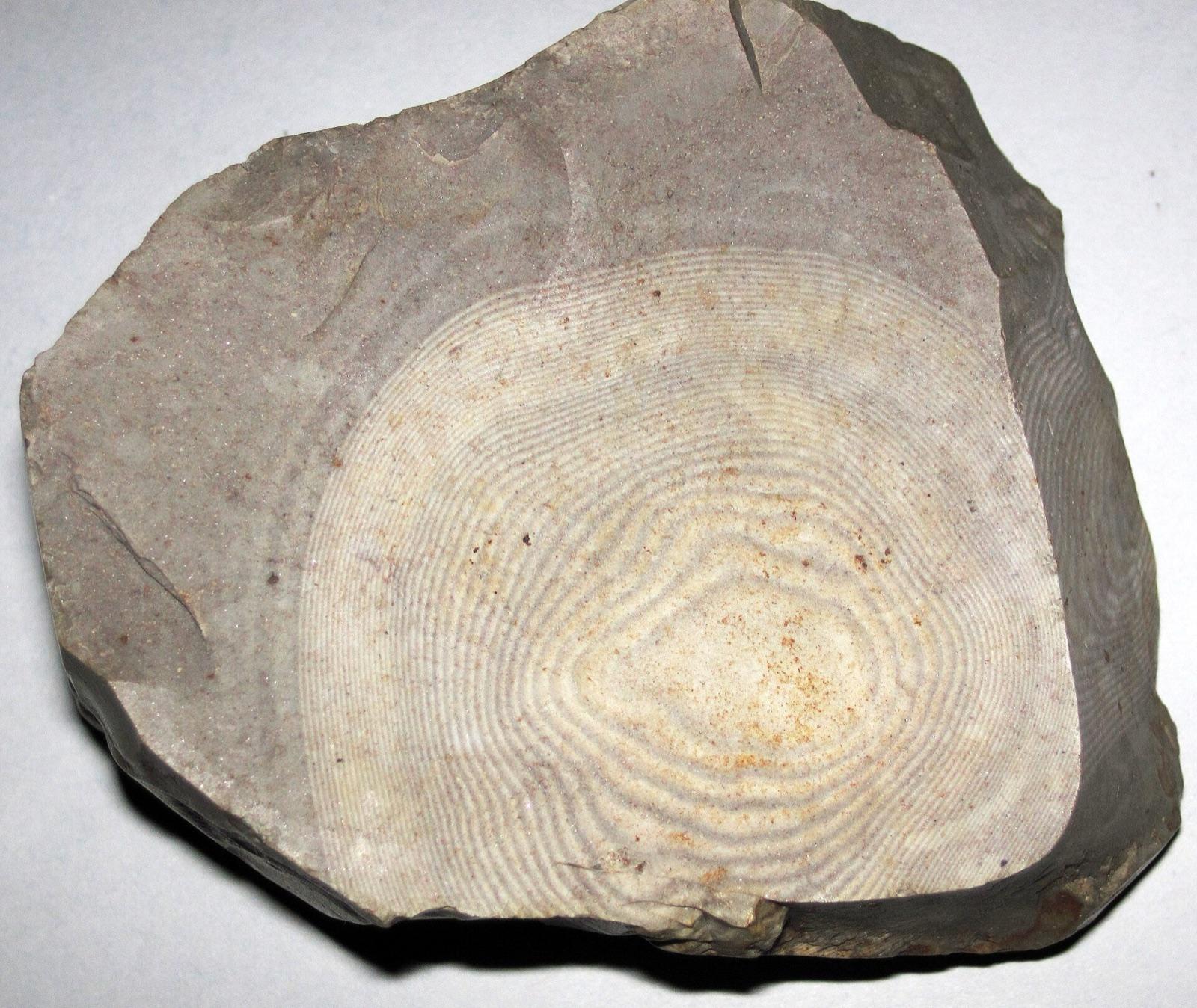 Top pick
Elk River near Bee Bluff
PublicMcDonald County, Missouri
The Elk River in McDonald County is a clear, floatable Ozark stream whose gravel bars are packed with colorful Mississippian chert, including the locally prized blue and gray banded chert weathered from the surrounding Boone Formation.
Chert, Blue Chert
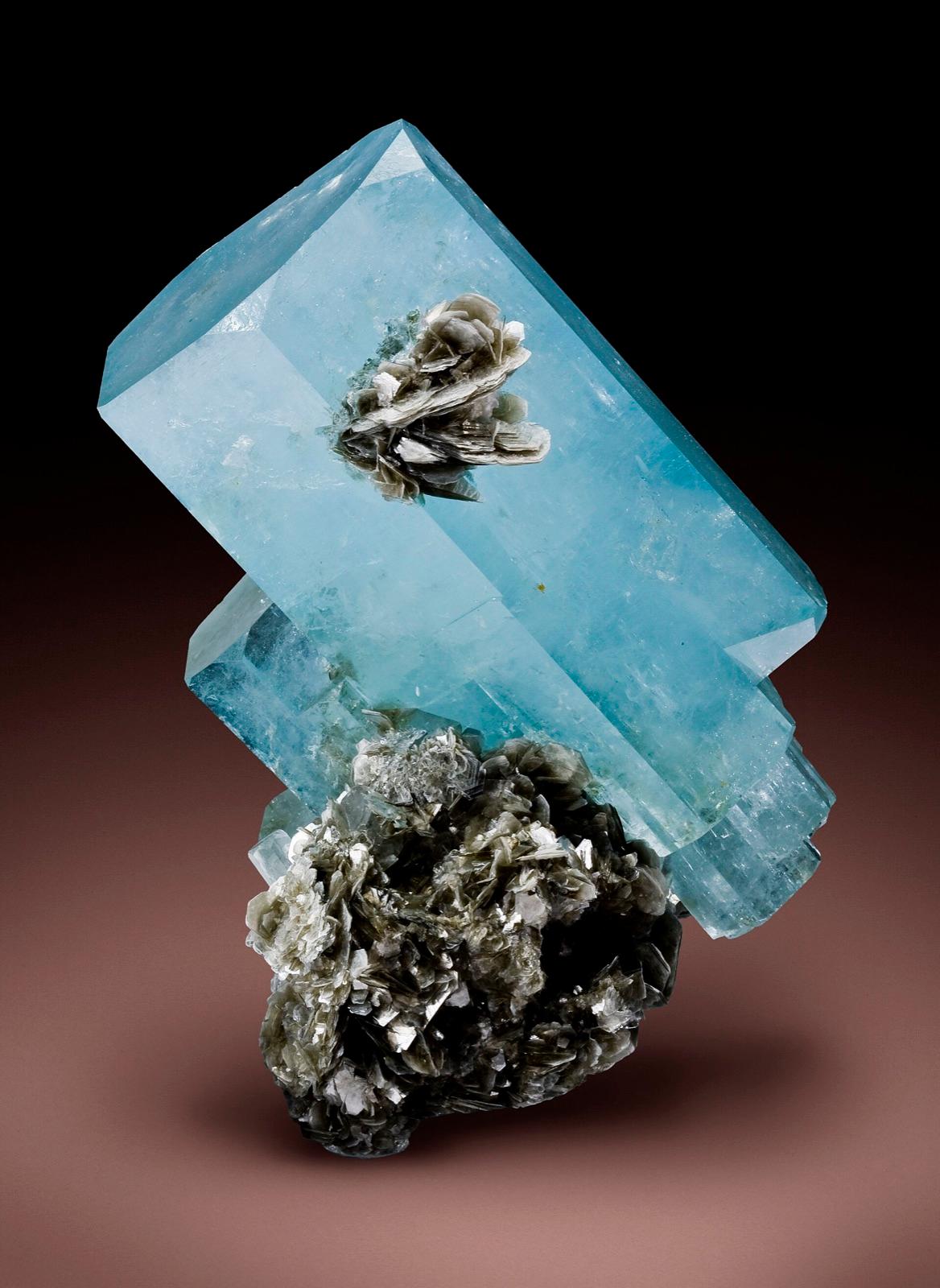 Top pick
Calvert Hill Mine
PublicBeaverhead County, Montana
Calvert Hill Mine adds a tungsten-skarn flavor to the Montana list, with Mindat describing a surface mine in Cambrian Meagher Formation limestone and listing scheelite, garnet, beryl var.
Scheelite, Garnet, Aquamarine, Tungsten
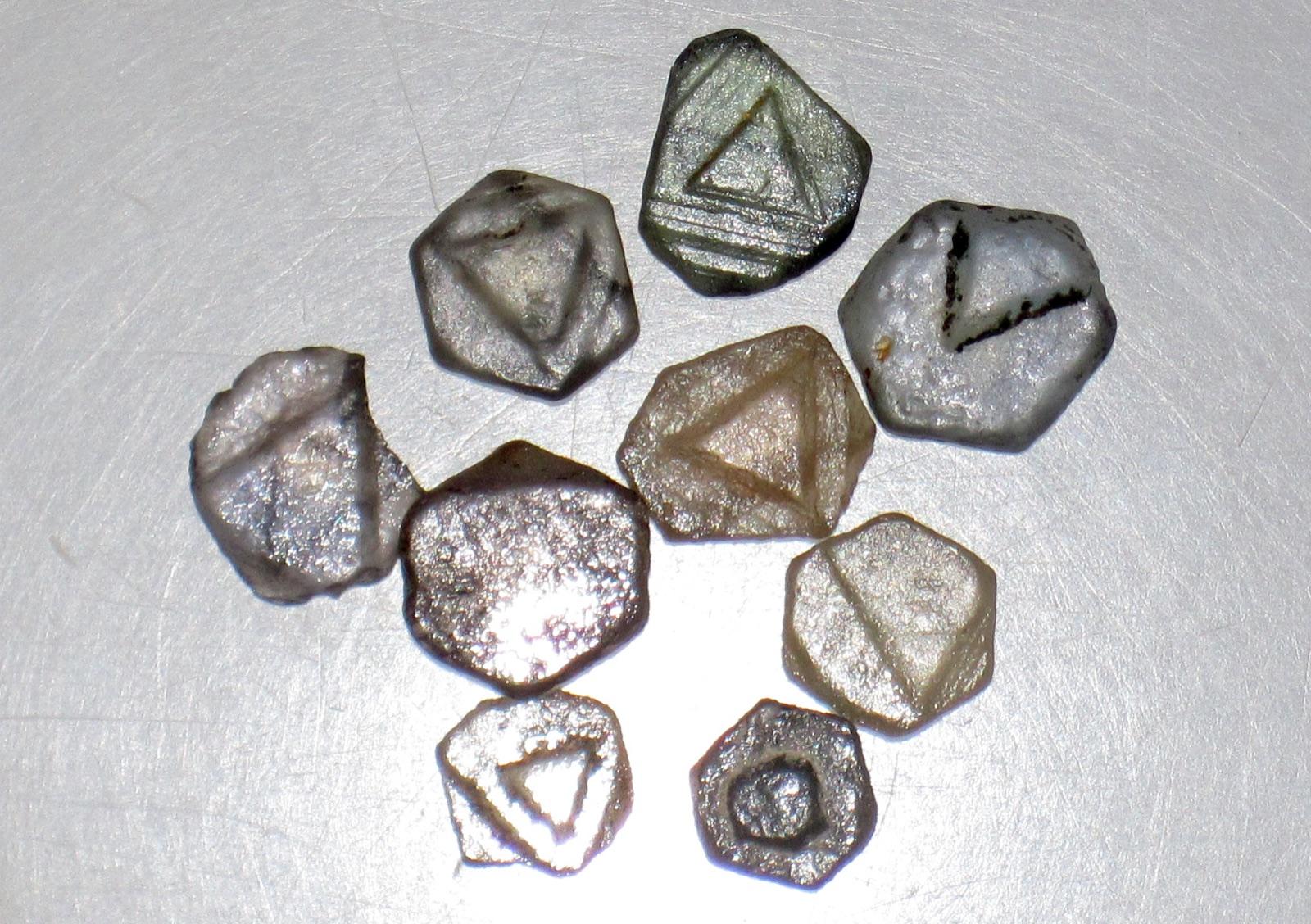 Top pick
Rock Creek
PublicGranite County, Montana
Rock Creek is one of Montana's four classic sapphire districts, documented by USGS and GIA alongside the Missouri River, Dry Cottonwood Creek, and Yogo Gulch.
Quartz, Sapphire
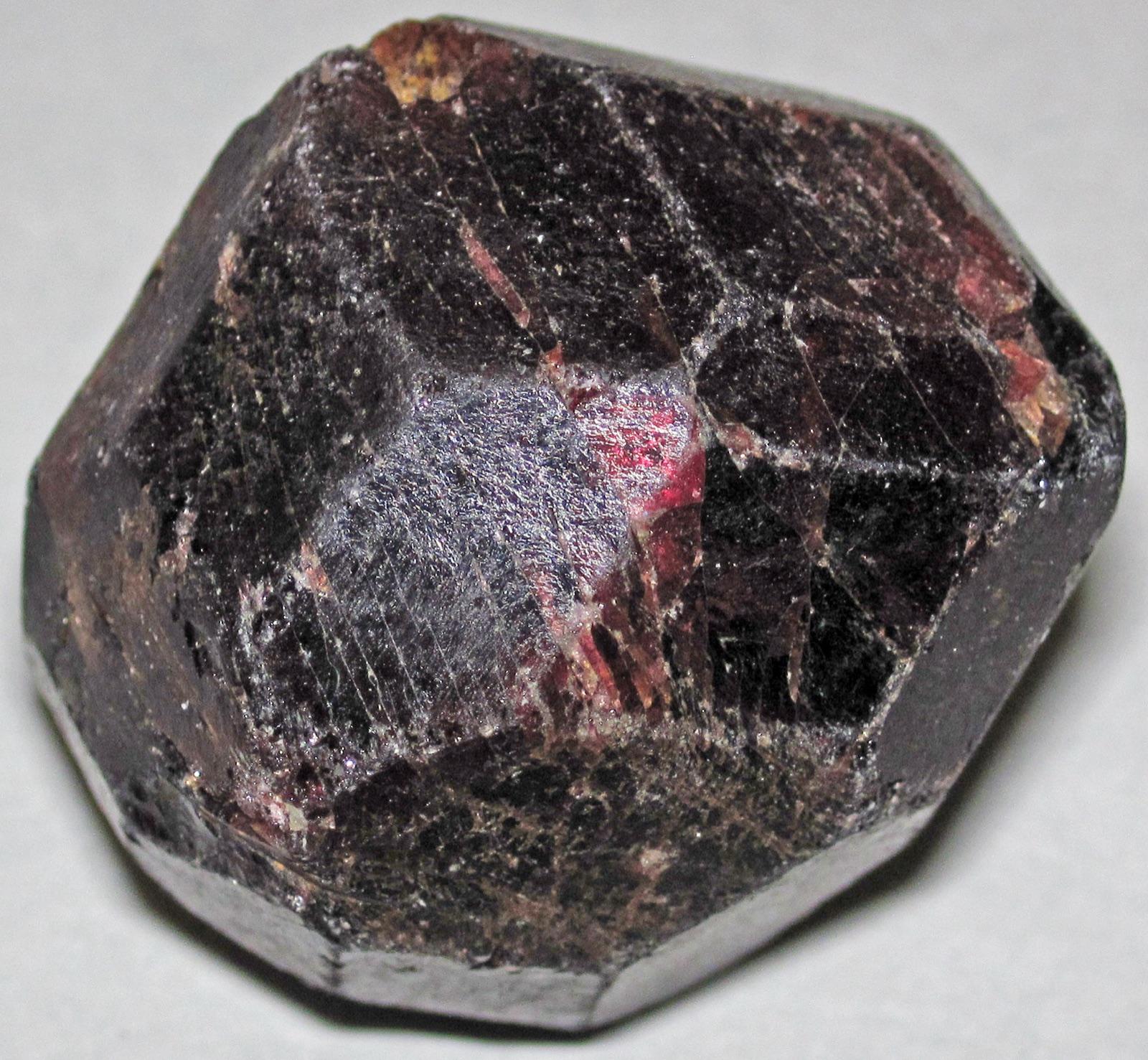 Top pick
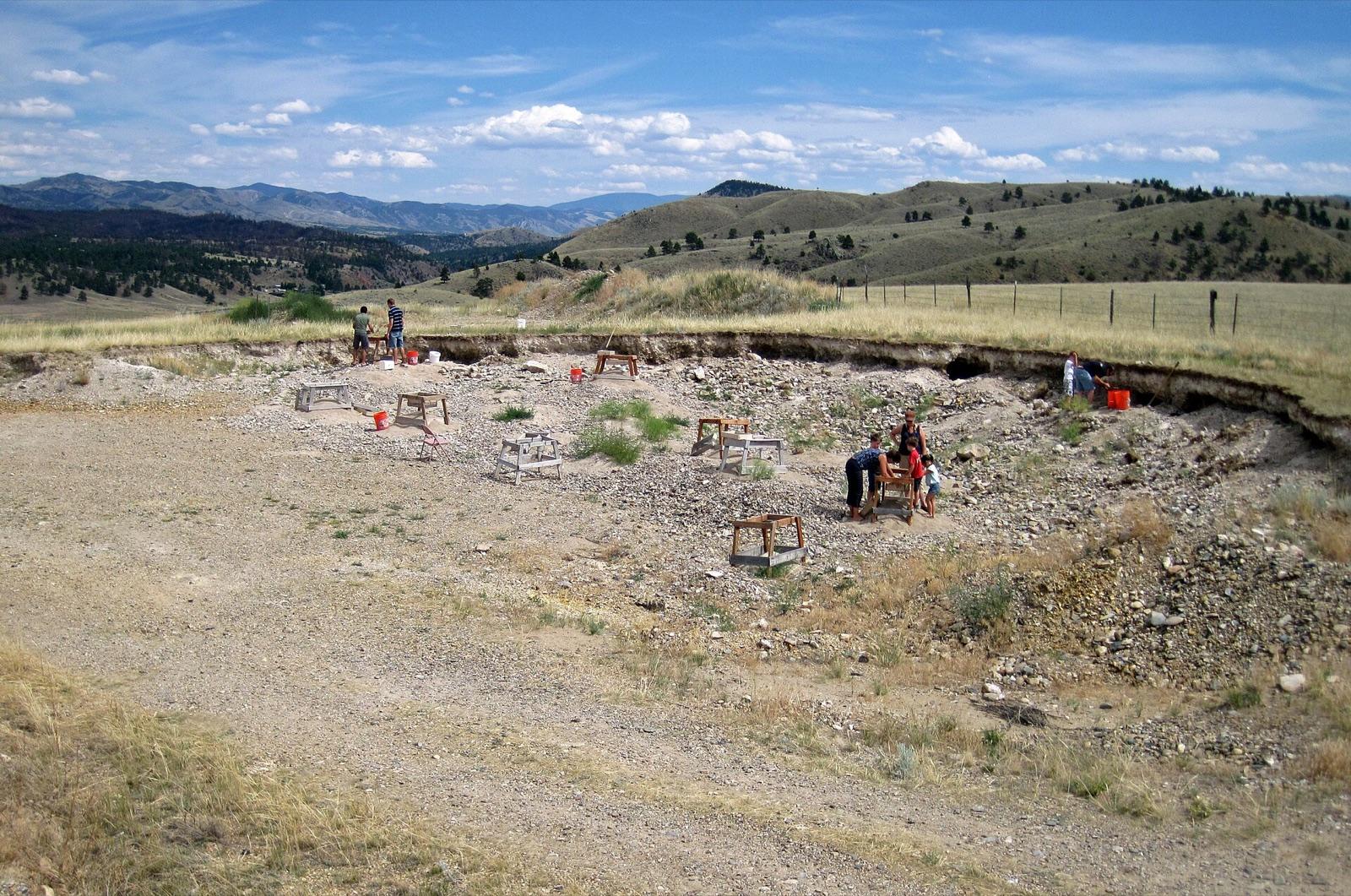
Ruby River
PublicMadison County, Montana
Ruby River is Montana's clearest garnet-focused pick in this candidate set, with nearby Mindat records listing almandine and broader Madison County garnet occurrences.
Almandine Garnet
 Top pick
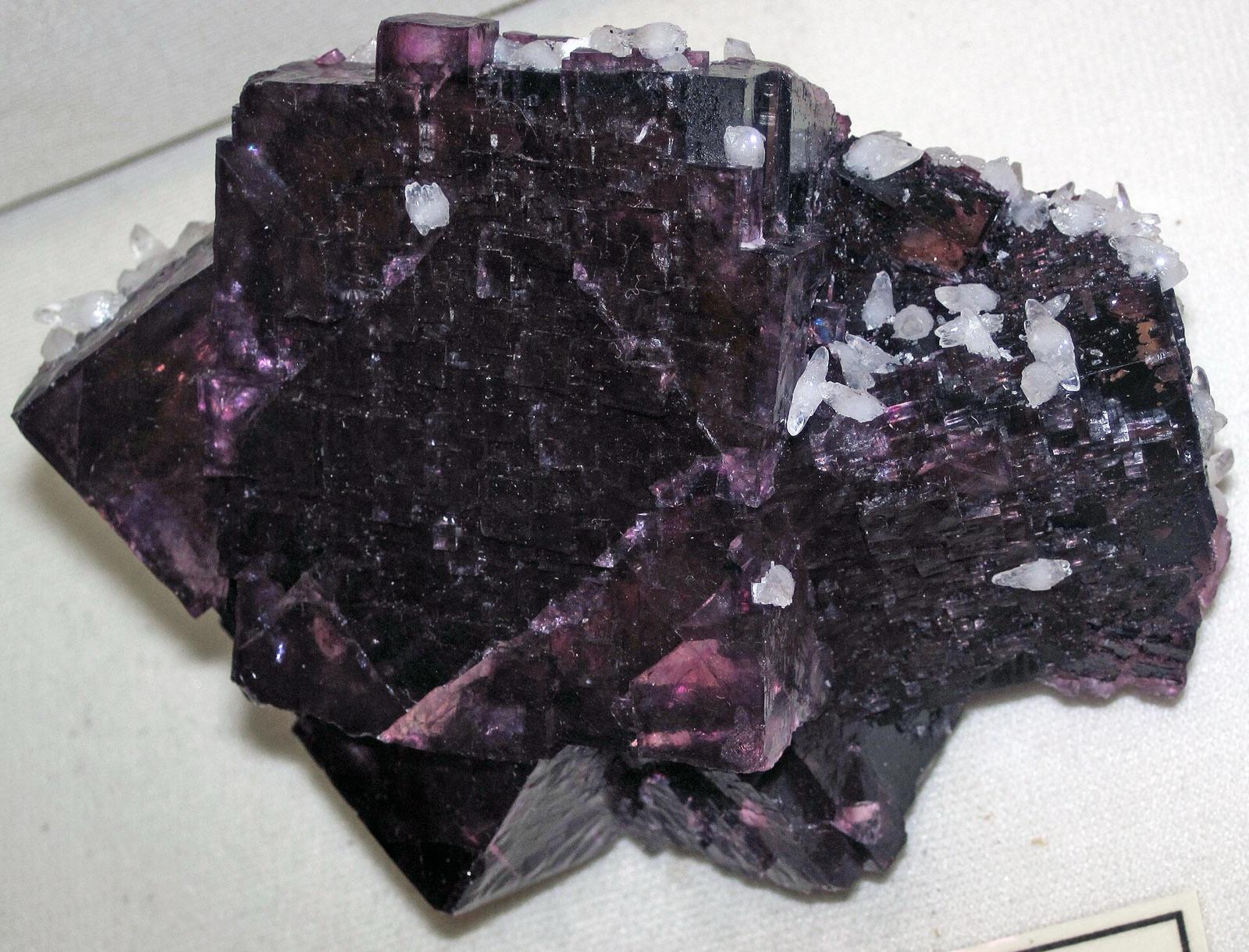
Dry Cottonwood Creek
PublicDeer Lodge County, Montana
Dry Cottonwood Creek is one of the historic Montana sapphire fields named by USGS and GIA, discovered after the Missouri River bars and before Rock Creek and Yogo Gulch.
Sapphire
 Top pick
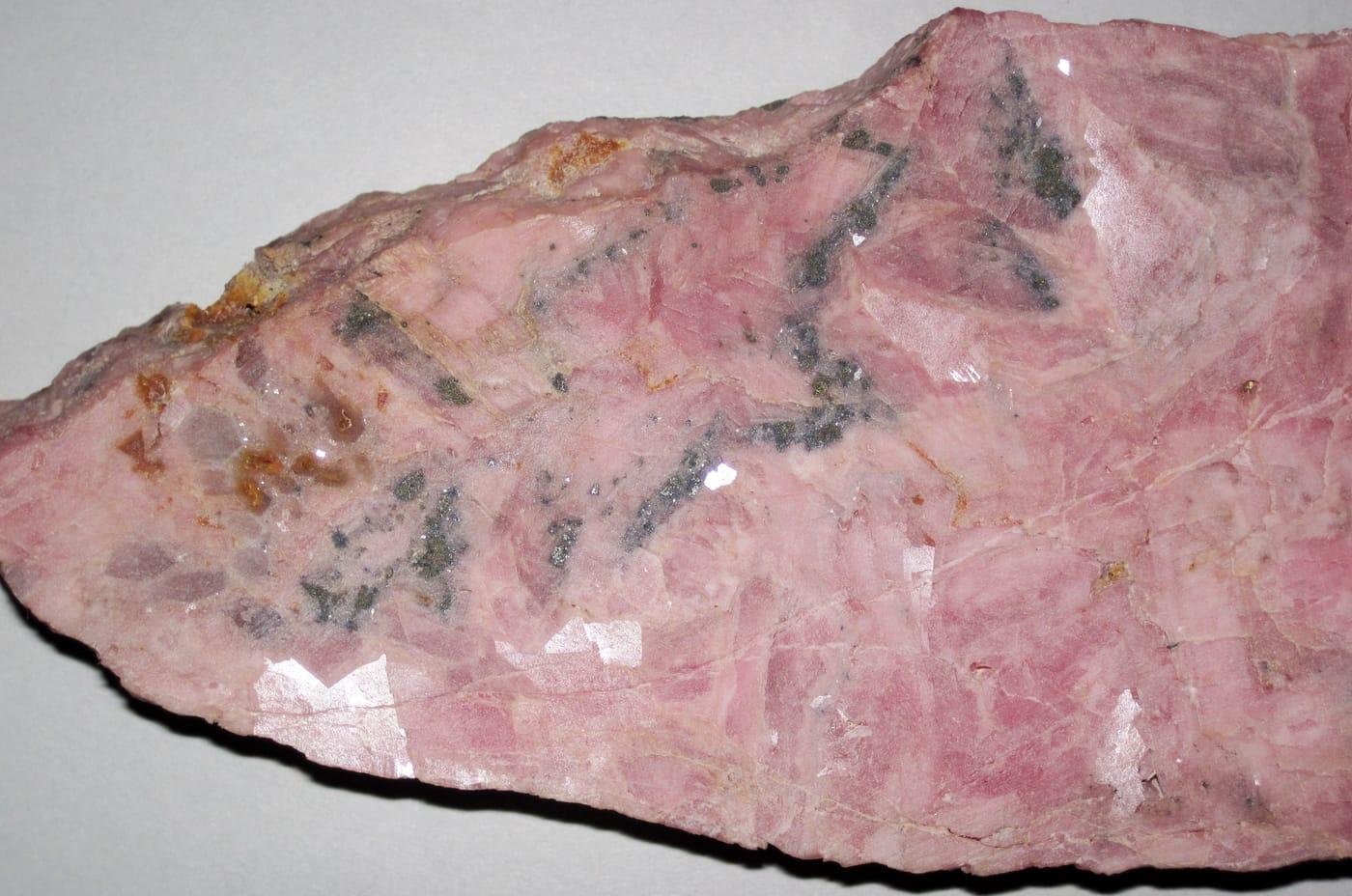
Crystal Mountain Mine
PublicRavalli County, Montana
Crystal Mountain Mine is a focused fluorite locality, with Mindat tying the Ravalli County site to the Crystal Mountain Fluorspar Mine and listing fluorite with quartz and accessory phosphate and silicate minerals nearby.
White Fluorite, Green Fluorite, Purple Fluorite
 Top pick
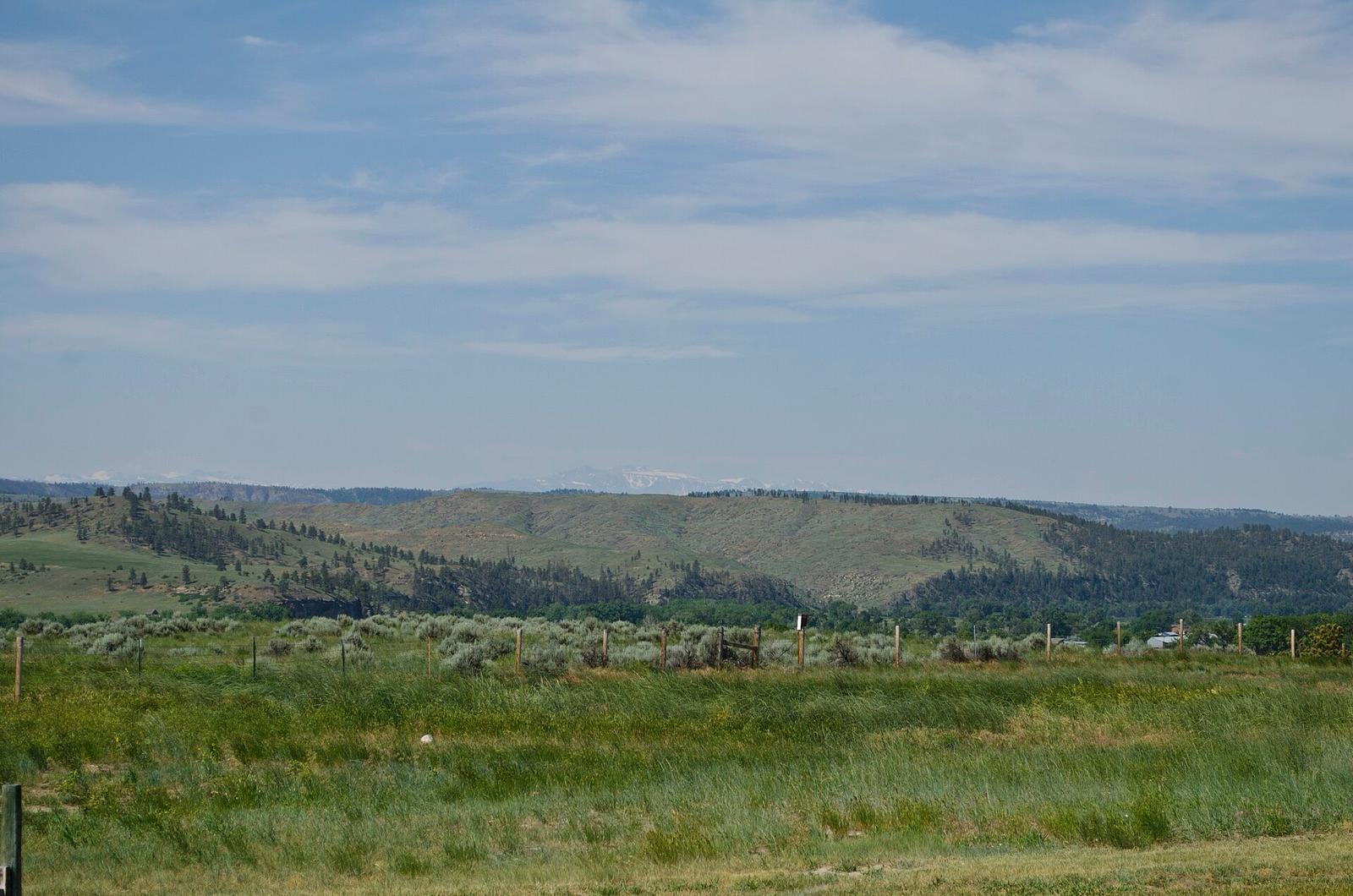
Butte
PublicSilver Bow County, Montana
Butte is Montana's heavyweight ore-mineral locality, with MBMG and USGS work documenting complex copper, silver, manganese, and related vein mineralogy in the district.
Bornite, Pisanite, Rhodochrosite, Rhodonite
 Top pick
Pryor Mountains
PermissionBig Horn County, Montana
The Pryor Mountains stand out for Dryhead-style agate, with Mindat listing agate and chalcedony from the range and a named Dryhead Agate Mine in the Bighorn River area.
Fossil, Agate, Chalcedony, Jasper
 Top pick
American Bar
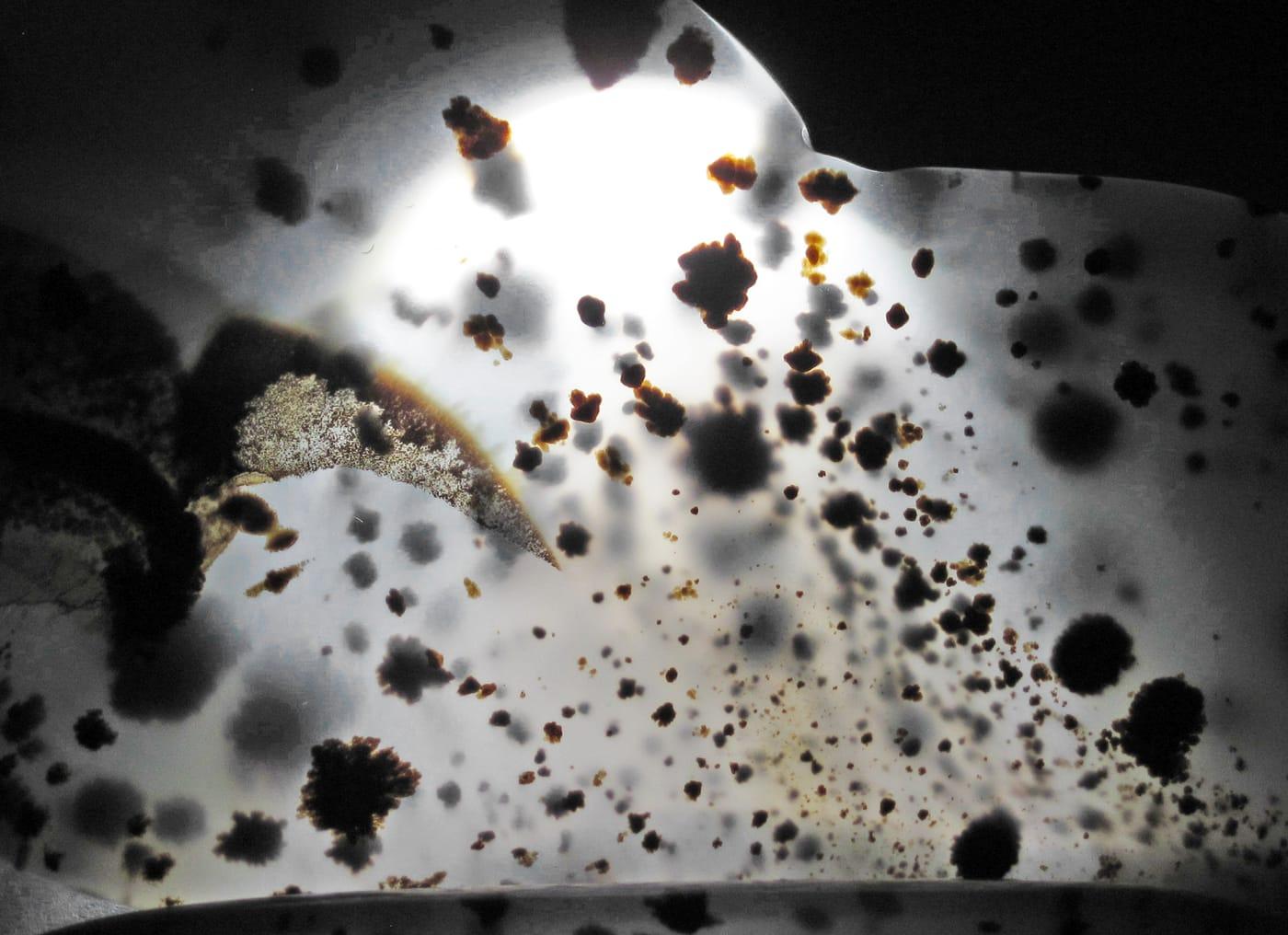
PublicLewis and Clark County, Montana
American Bar belongs to the upper Missouri River sapphire province, where GIA traces gem-quality sapphire mining back to 1865.
Sapphire, Cassiterite, Chalcedony, Garnet
 Top pick
Yellowstone River (Billings area)
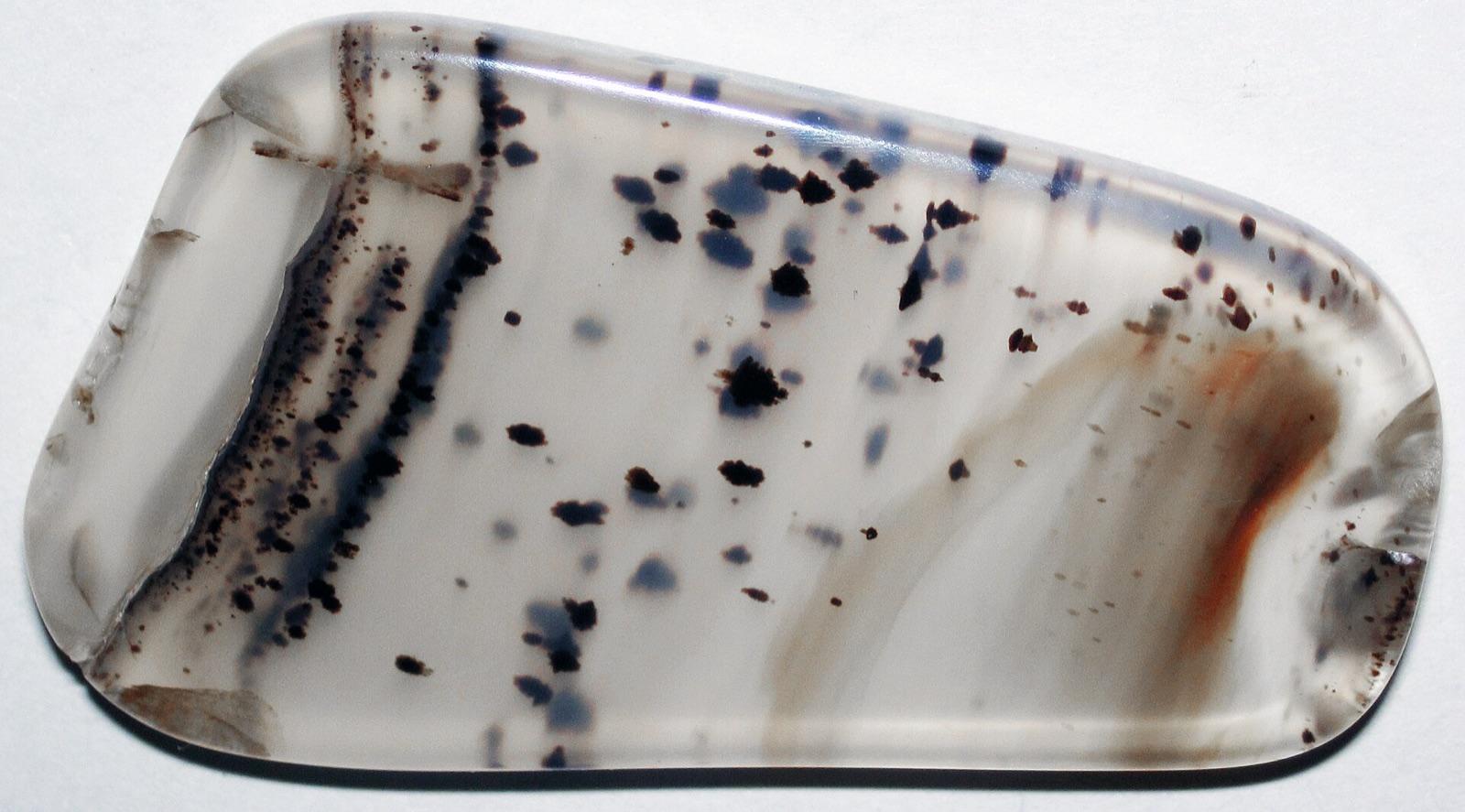
PublicYellowstone County, Montana
The Billings reach of the Yellowstone River is a benchmark Montana agate setting, where river gravels carry chalcedony, jasper, chert, and dendritic moss agate.
Montana Agate, Chalcedony, Chert, Jasper
 Top pick
Glendive
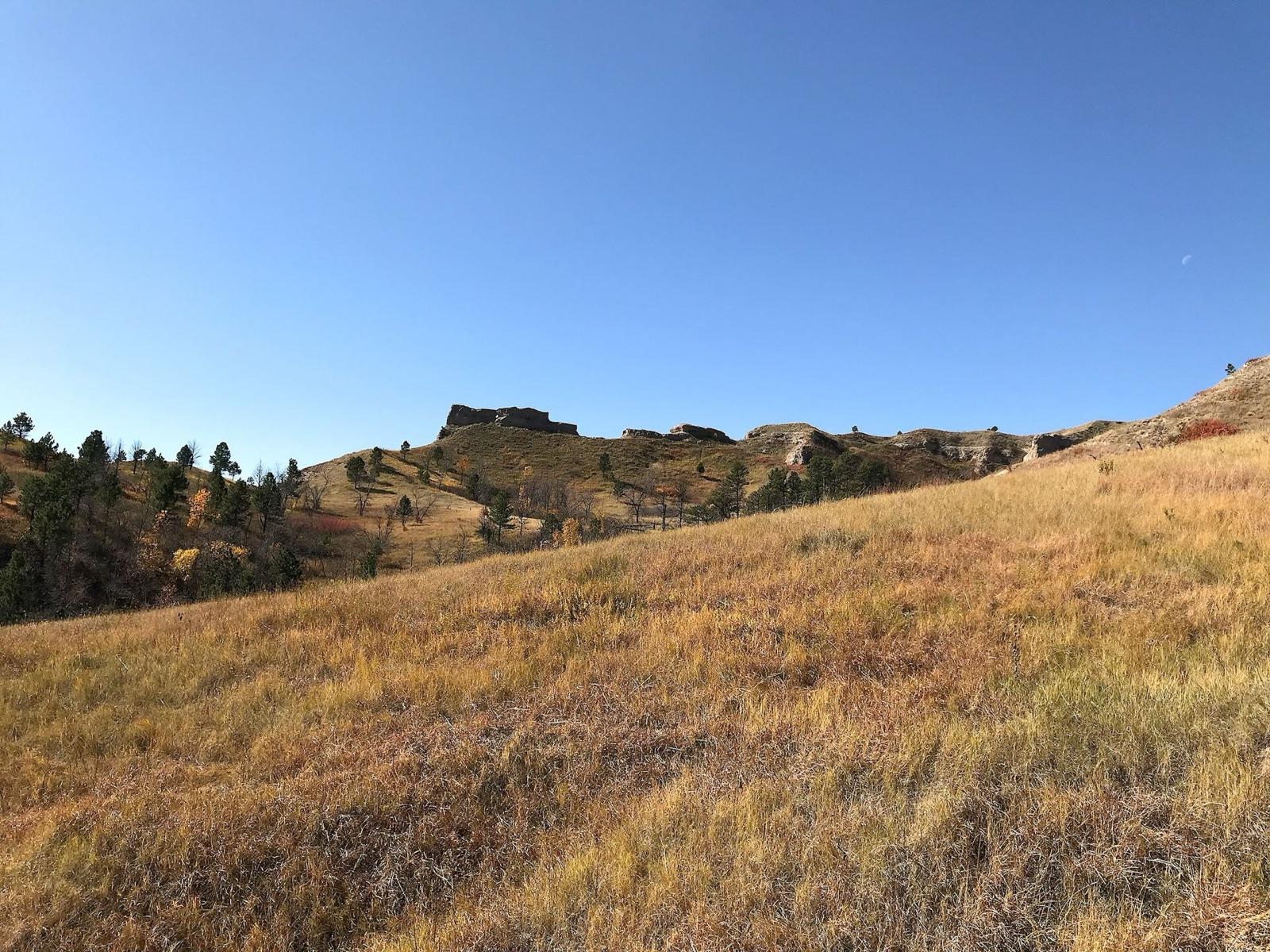
PublicDawson County, Montana
Glendive sits in eastern Montana's Yellowstone River agate belt, where gravel bars and nearby breaks are known for agate, jasper, and petrified-wood style silica material.
Agate, Jasper, Moss Opal
 Top pick
Chadron
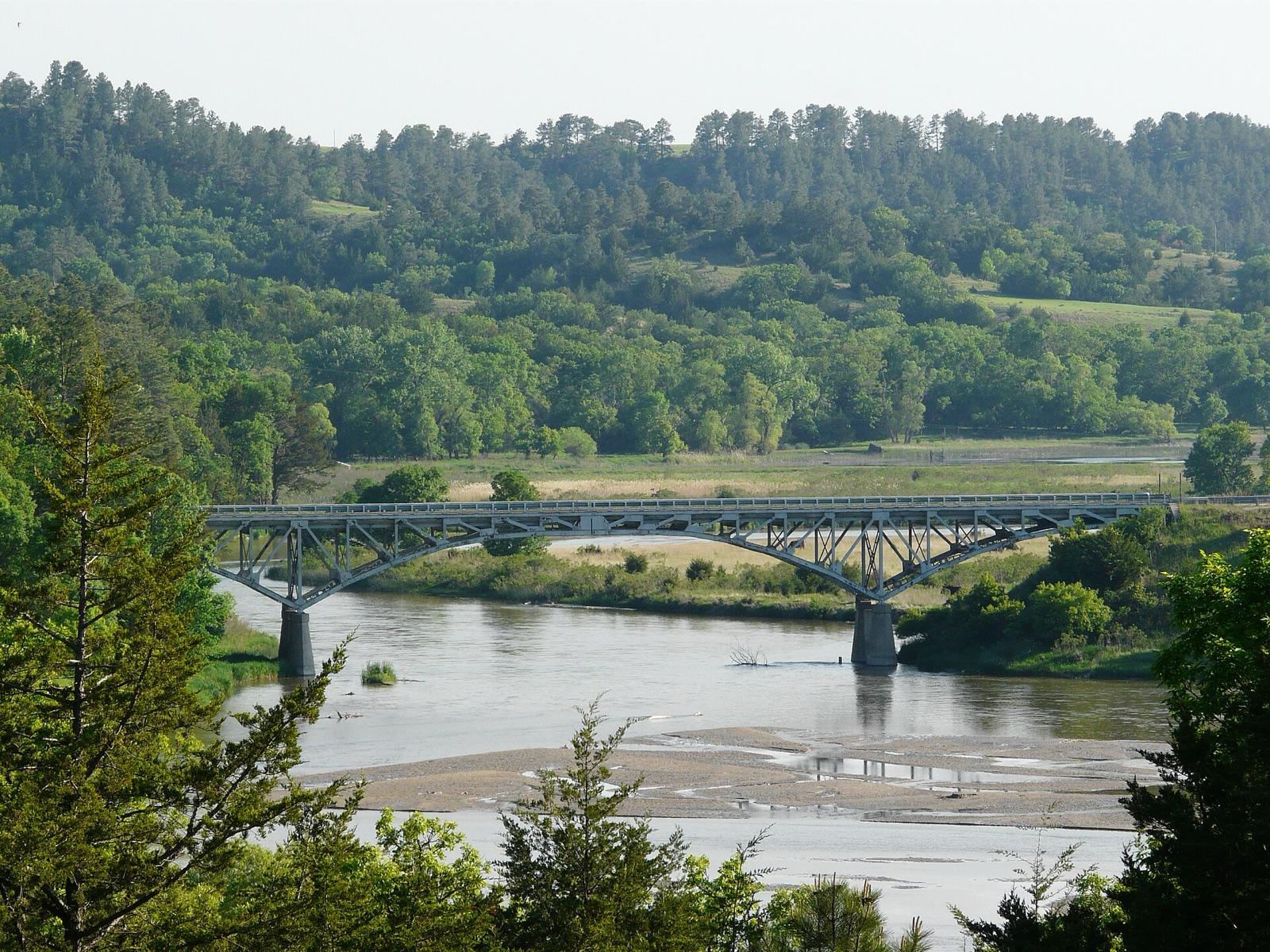
PublicDawes County, Nebraska
Chadron sits in the type area of the Chadron Formation, the Oligocene beds that produce Nebraska's state gemstone: translucent blue chalcedony, often called Nebraska blue agate.
Chalcedony, Blue Chalcedony
 Top pick
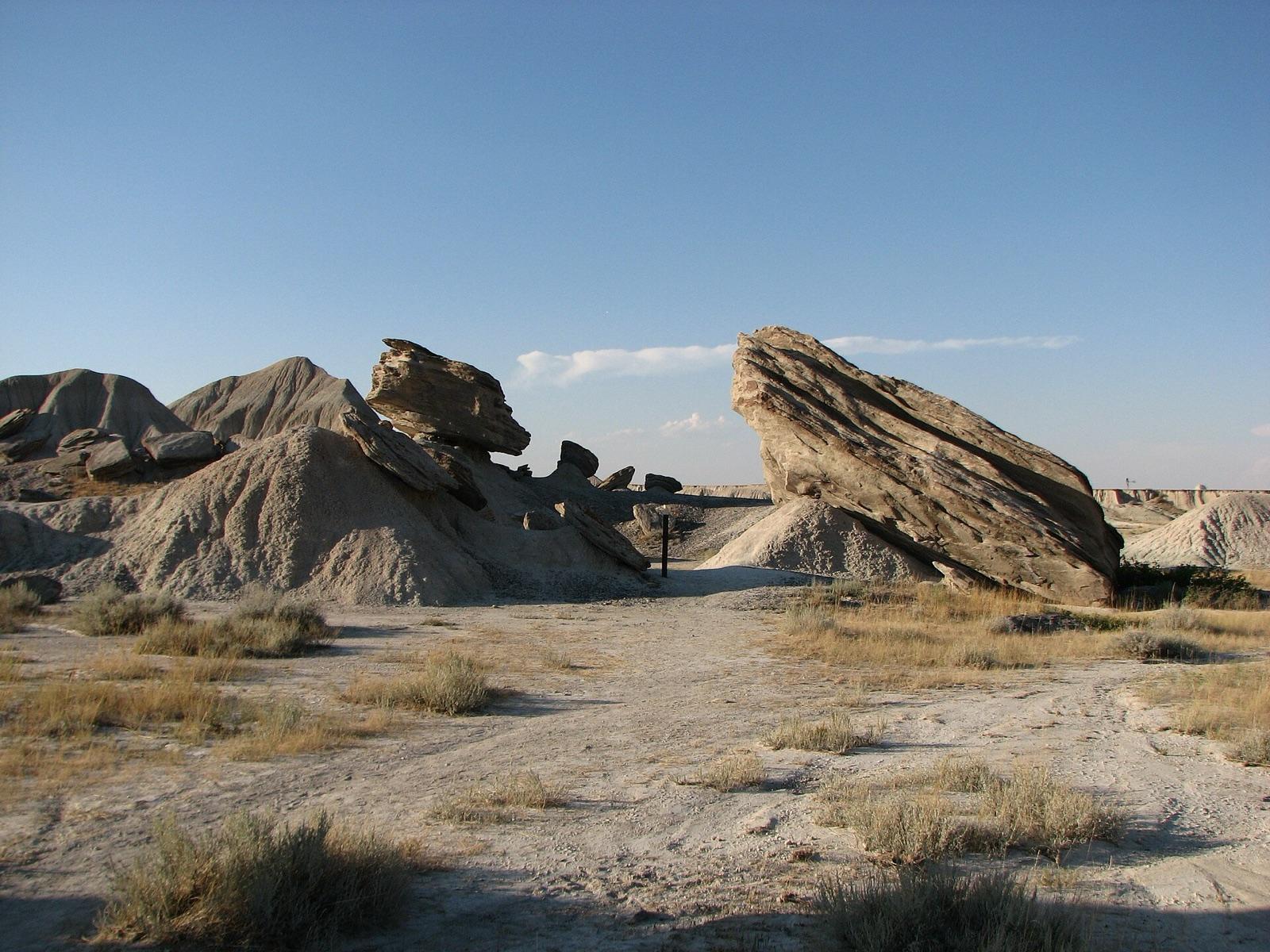
Valentine
PermissionCherry County, Nebraska
The Niobrara River country around Valentine, on the edge of the Nebraska Sandhills, carries agatized and opalized wood, agate, and jasper in its river and terrace gravels.
Agatized Wood, Opalized Wood, Agate, Jasper
 Top pick
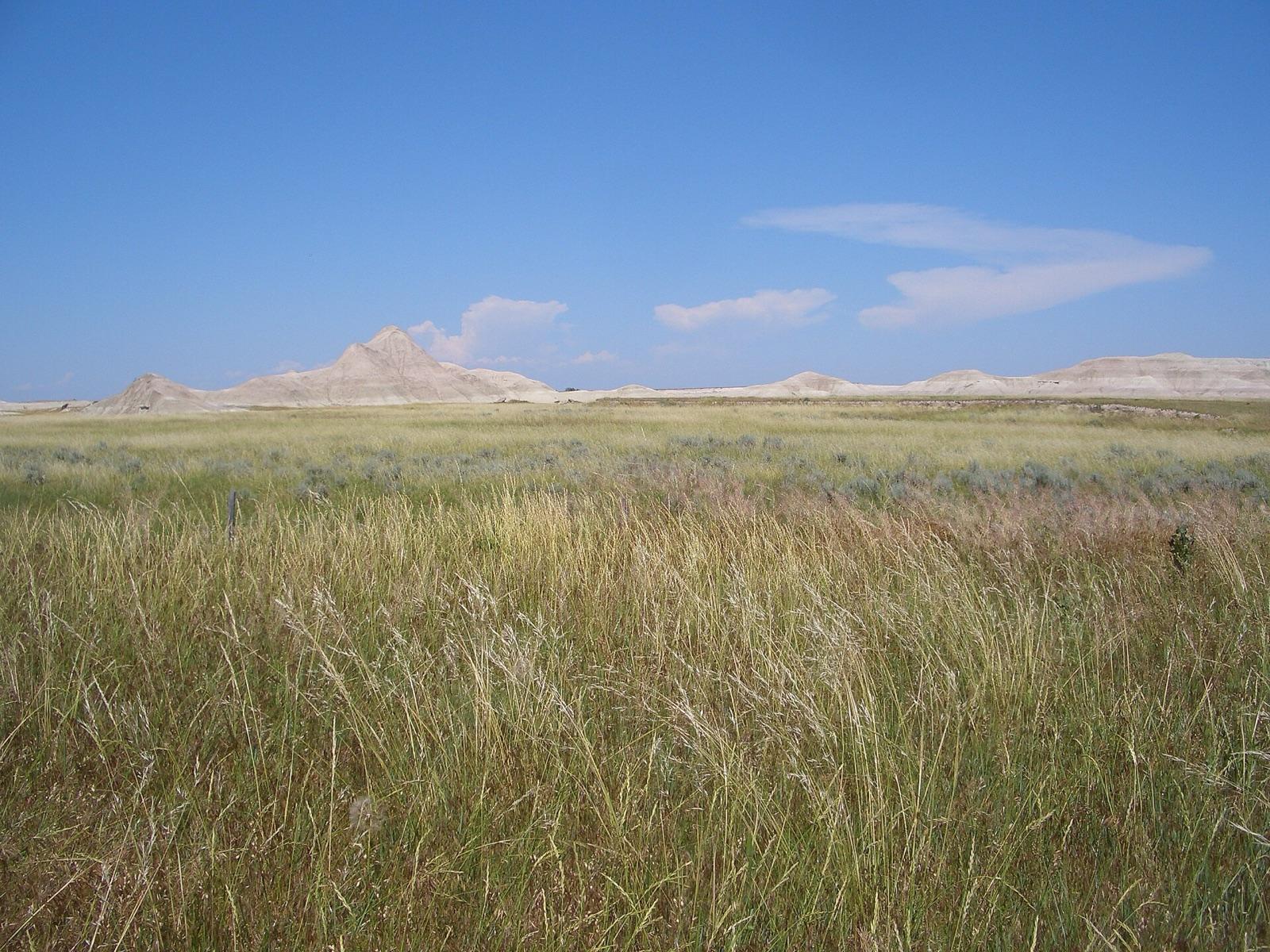
Crawford (Fairburn area)
PublicDawes County, Nebraska
Crawford is the gateway to Toadstool Geologic Park and the northern Oglala National Grassland, and the grassland draws around it are one of the few places in Nebraska to hunt Fairburn agate, the prized fortification agate, alongside prairie agate, jasper, and chalcedony.
Fairburn Agate
 Top pick
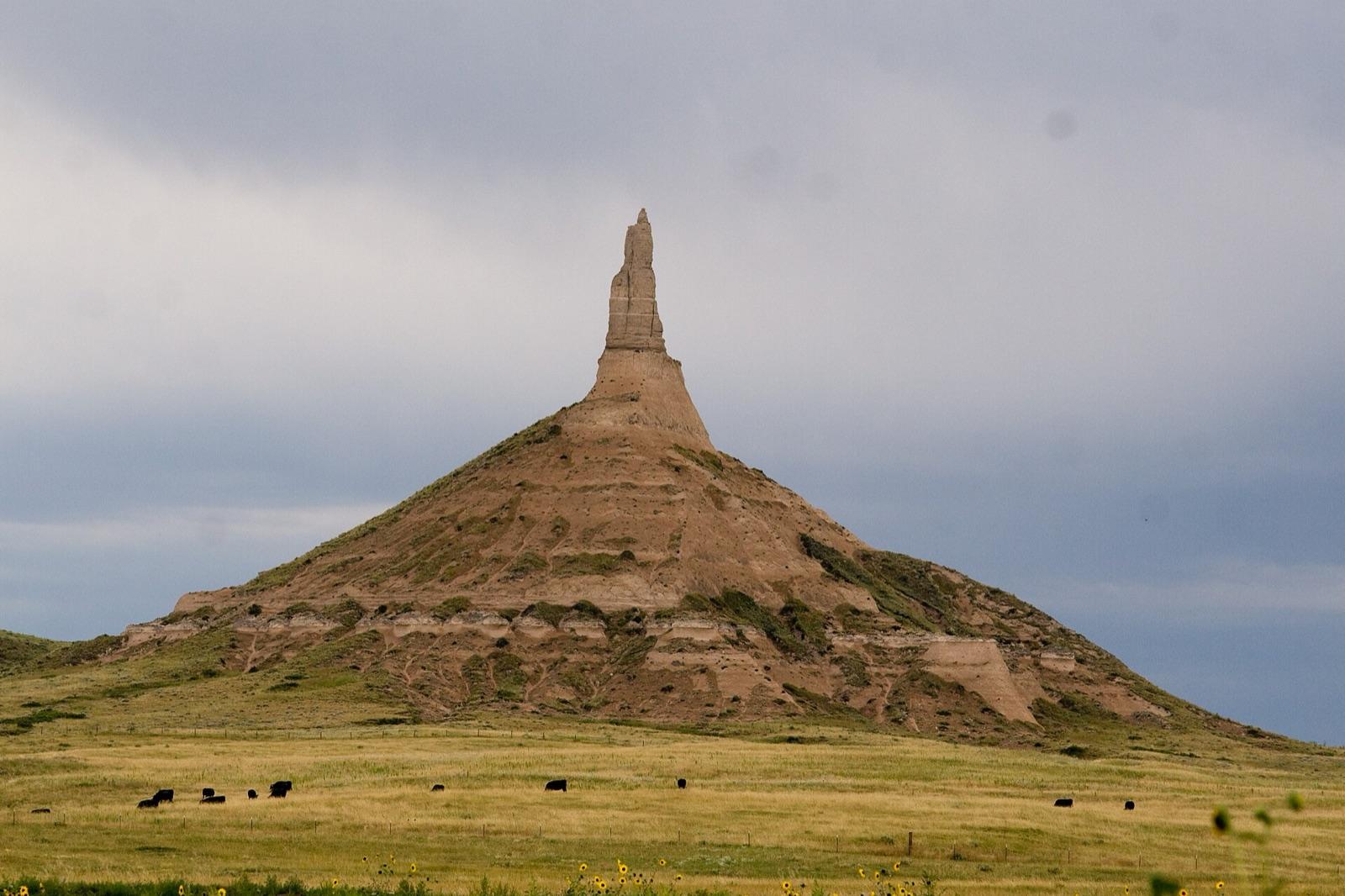
Orella
PublicDawes County, Nebraska
The heart of Nebraska rockhounding.
Fairburn Agate, Jasper, Carnelian, Opalized Wood
 Top pick
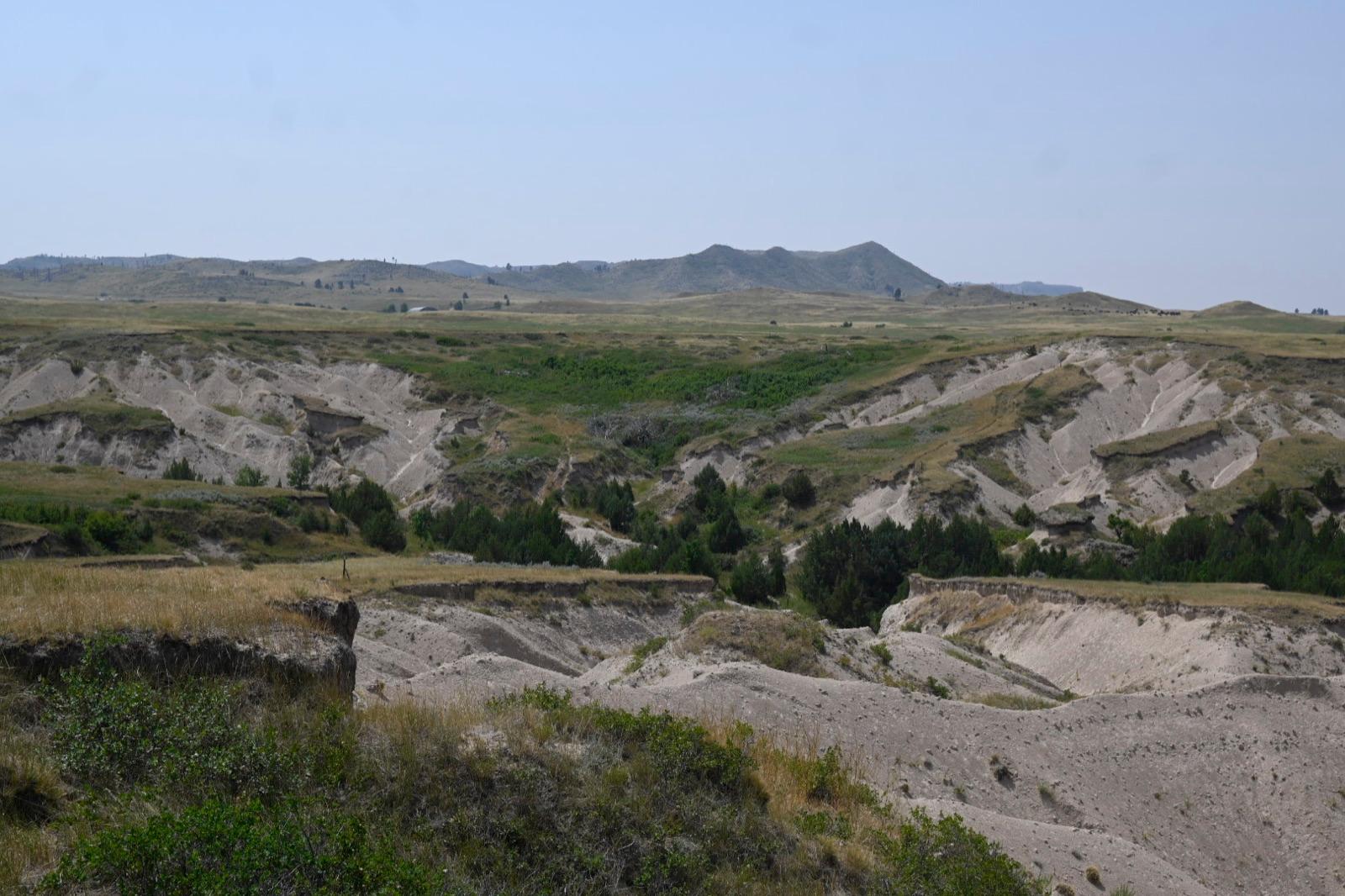
Bayard
PublicMorrill County, Nebraska
Bayard sits in the North Platte valley under Chimney Rock and the Wildcat Hills, where terrace and river gravels yield agate, chalcedony, and petrified wood eroded from the Tertiary beds of the western Panhandle.
Agate, Petrified Wood
 Top pick
Montrose
PublicSioux County, Nebraska
A classic Sioux County agate ground in the far northwest, on the Oglala National Grassland side of the Pine Ridge.
Agate, Jasper, Fossil
 Top pick
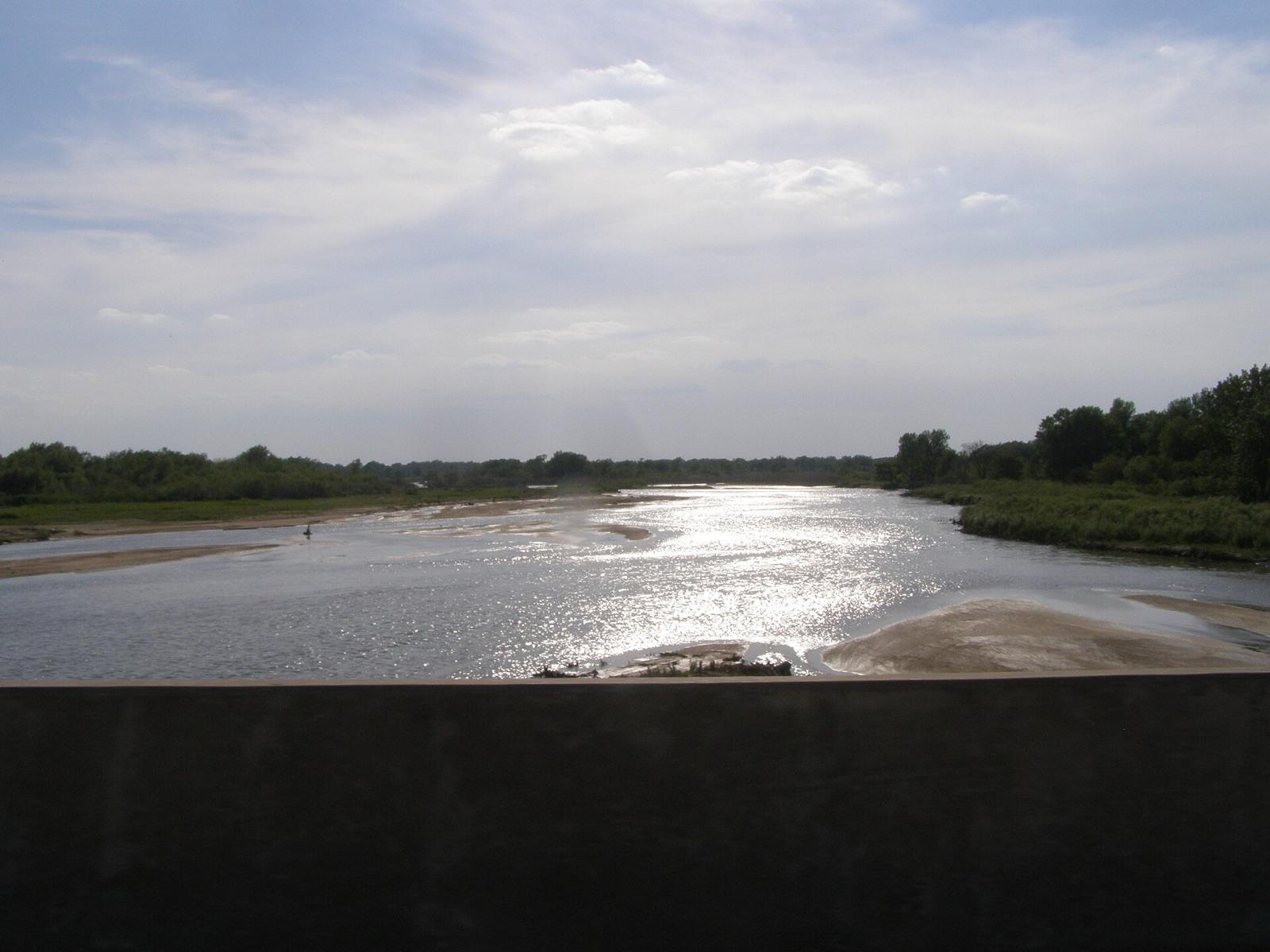
Platte River
PublicBuffalo County, Nebraska
The braided Platte at Kearney concentrates agate, chalcedony, jasper, and petrified wood in its gravel bars, all tumbled east from the Rockies and the western Nebraska gravels.
Agate, Chalcedony, Jasper, Petrified Wood
 Top pick
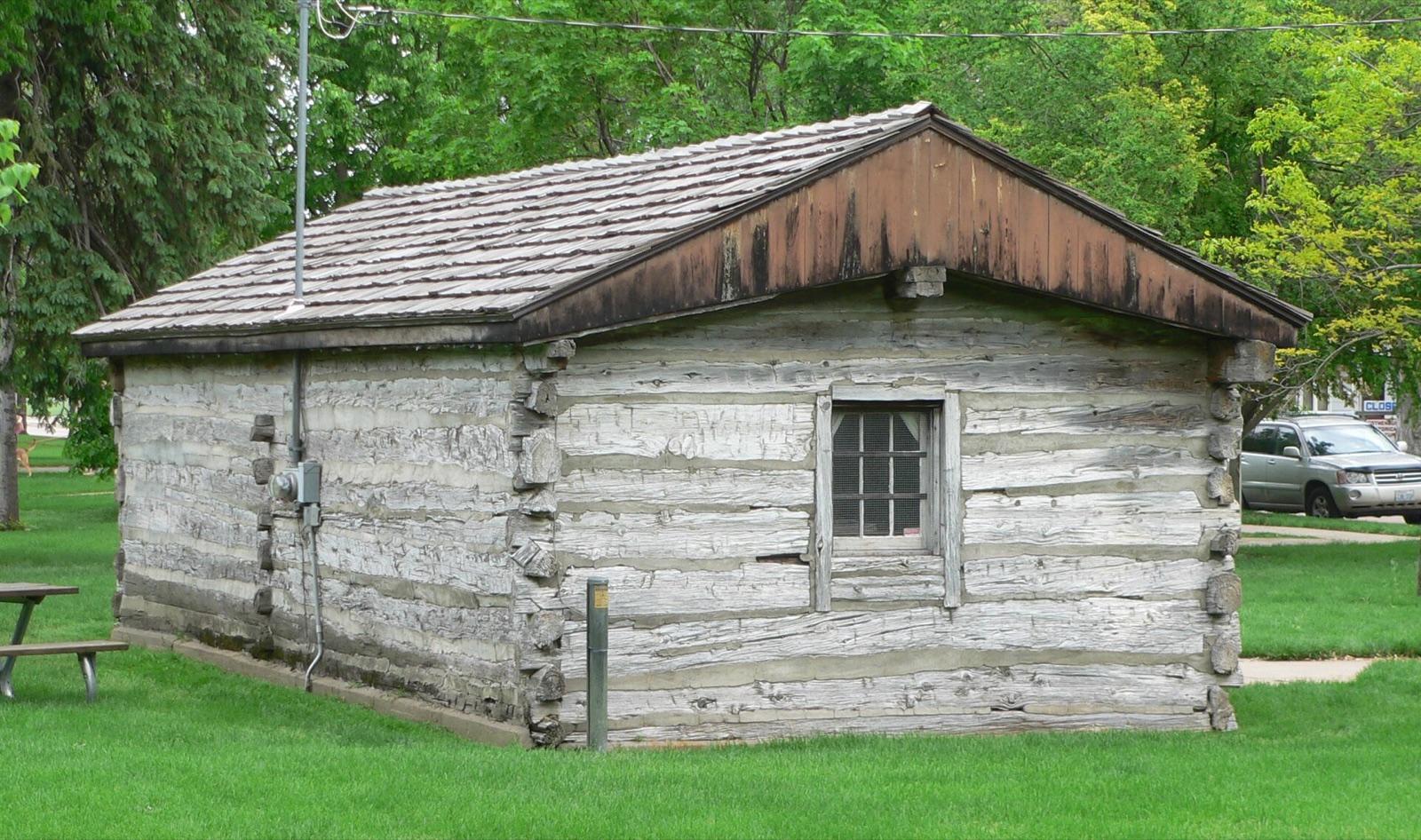
Gothenburg
PublicDawson County, Nebraska
Gothenburg and the central Platte valley are Nebraska's classic hunting ground for petrified palm wood, along with agate, carnelian, and chalcedony carried down from the Rockies and shed from the Ogallala gravels.
Petrified Palm Wood
 Top pick
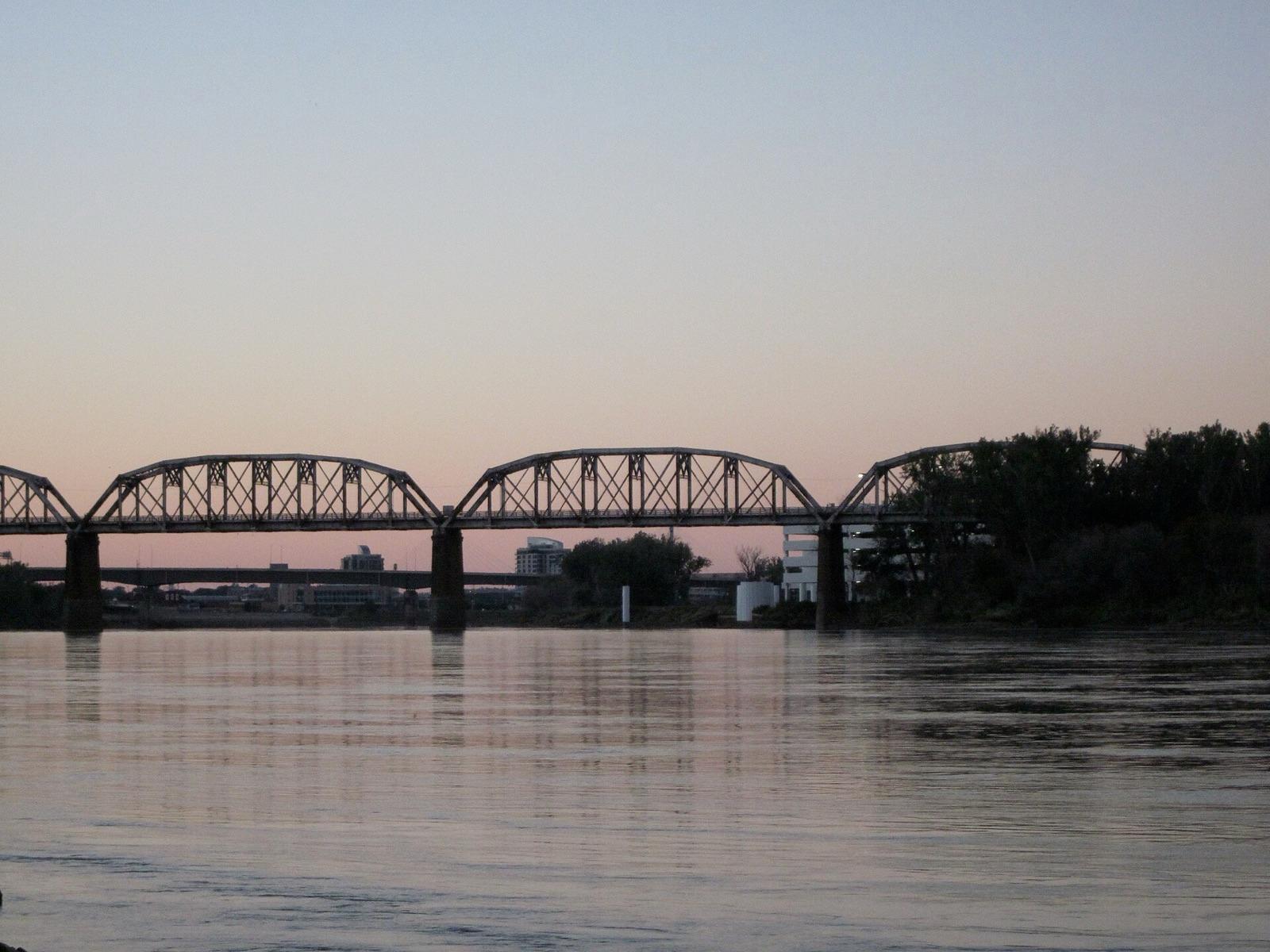
Omaha
PublicDouglas County, Nebraska
Eastern Nebraska sits on glacial drift, and the gravels around Omaha turn up an unusually varied mix: banded and moss agate, Lake Superior-type agate, chalcedony, chert, flint, jasper, and even opal, all ice-transported into the state.
Banded Agate, Moss Agate, Chalcedony, Chert
 Top pick
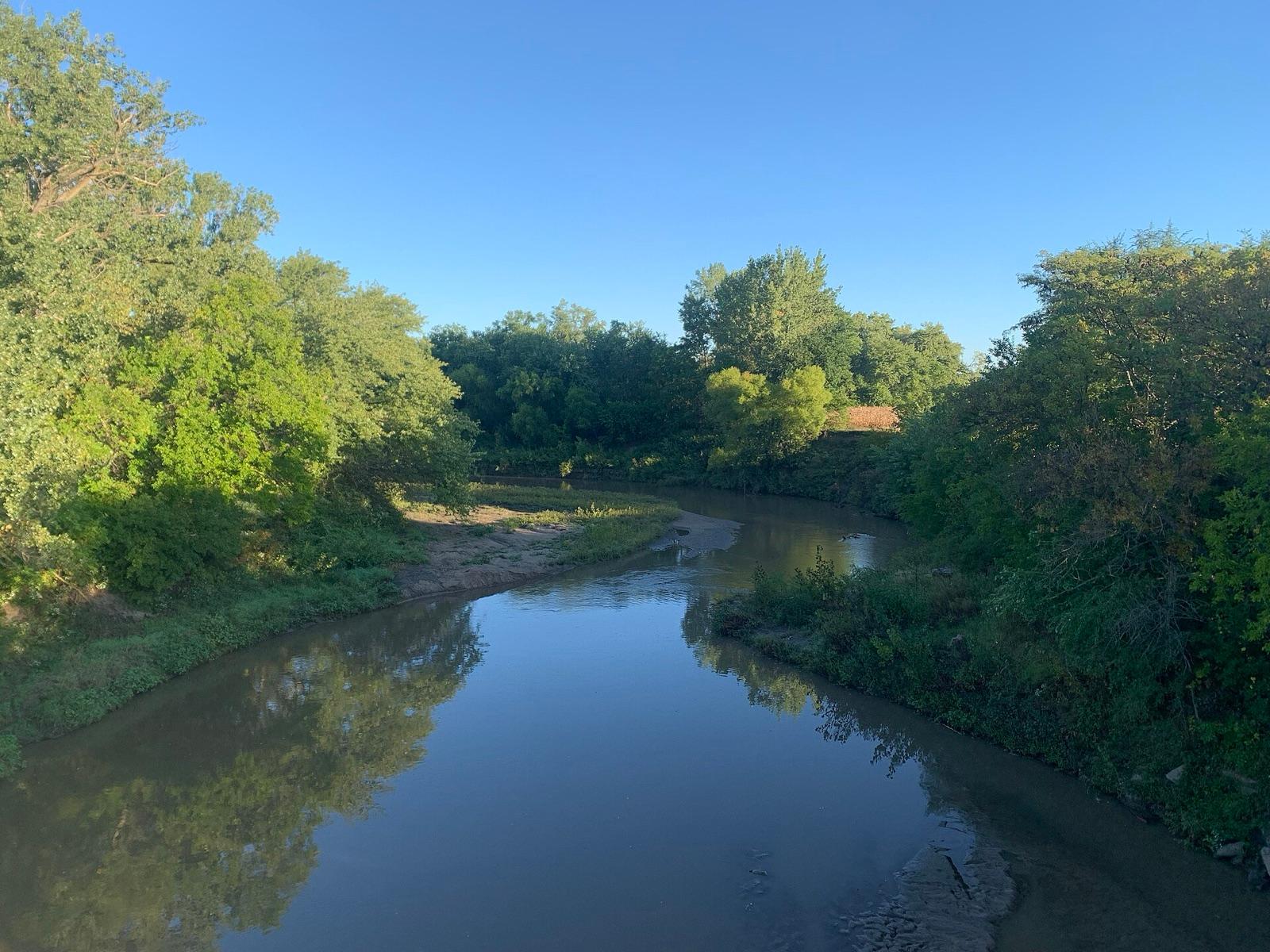
Little Nemaha River
PublicNemaha County, Nebraska
In far southeast Nemaha County the Little Nemaha River and the surrounding glacial drift carry moss agate, chalcedony, jasper, and petrified wood, giving the corn-country side of Nebraska its own honest rockhounding, far from the Panhandle.
Agate, Moss Agate, Chalcedony, Jasper
 Top pick
Virgin Valley
PermissionHumboldt County, Nevada
Virgin Valley is the United States' classic black-opal district, with USGS and Mindat both placing the opal field near the Oregon line in the Sheldon refuge country.
Agate, Chalcedony, Chert, Flint
 Top pick
Black Rock Desert
PublicPershing County, Nevada
Black Rock Desert belongs on the list because the collecting context is an enormous BLM-managed volcanic and basin landscape rather than a single small pit.
Opalized Wood, Petrified Wood, Agate, Fire Opal
 Top pick
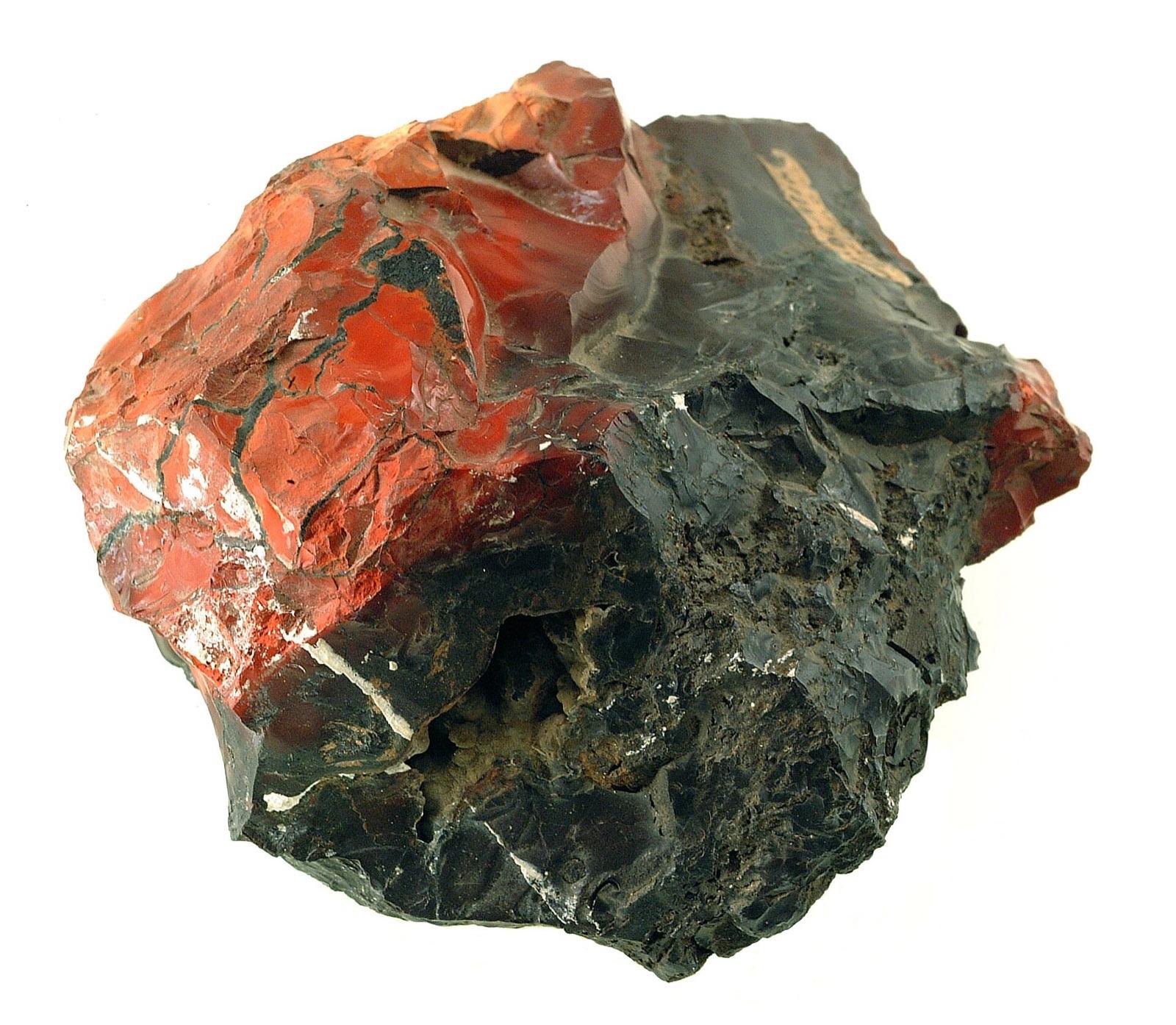
Garnet Hill
PublicWhite Pine County, Nevada
Garnet Hill is Nevada's clearest public rockhounding benchmark: BLM identifies it as the Ely District's designated rockhounding area, and Mindat ties the locality to almandine garnet in flow-banded rhyolite with lithophysae.
Garnet
 Top pick
Fernley Hills
PublicLyon County, Nevada
Fernley Hills is a practical western Nevada silica stop, with Mindat records documenting agate, chalcedony, opal, quartz, and zeolite minerals in the Fernley area.
Agate, Chert, Jasper
 Top pick
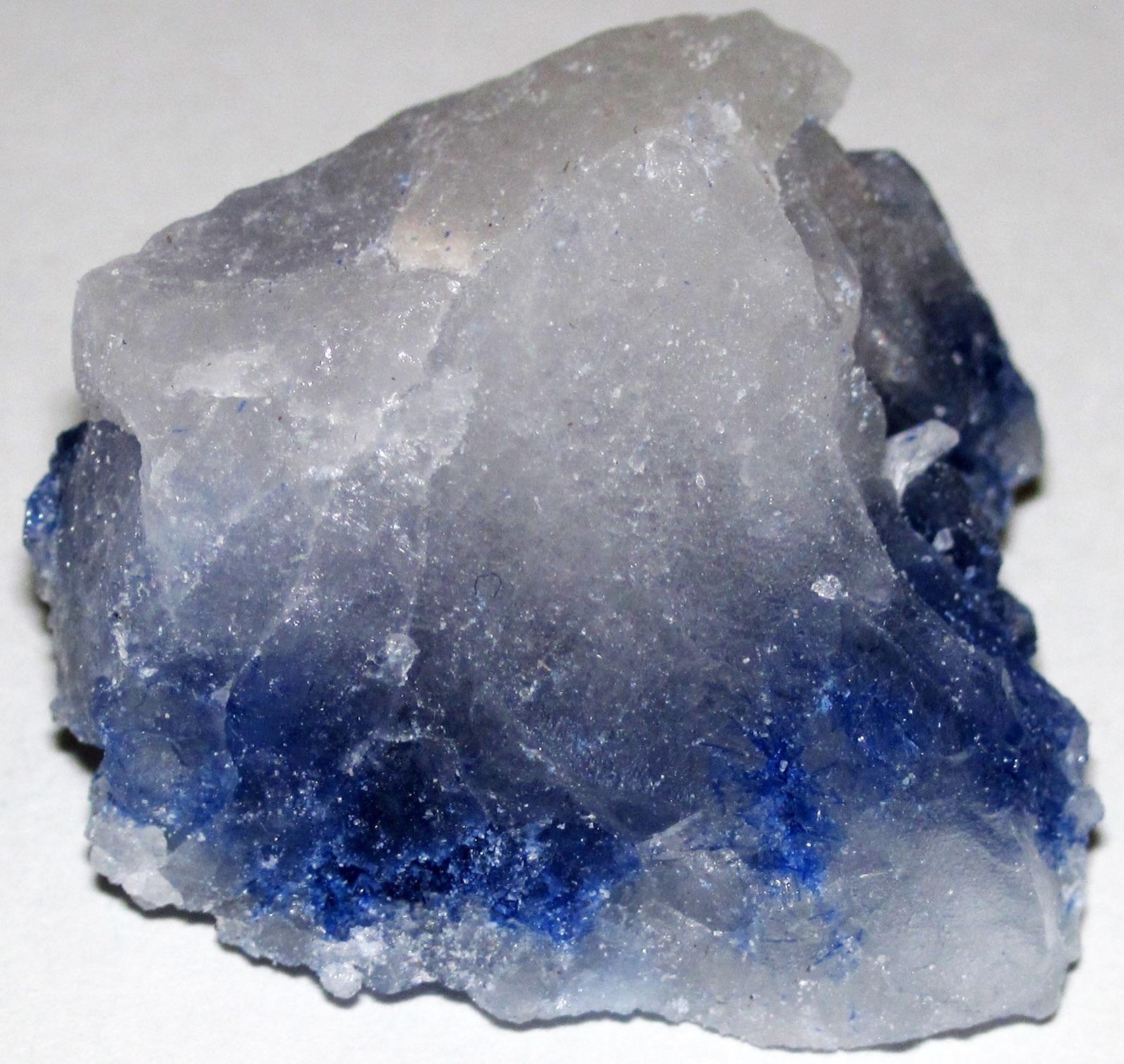
Lincoln Hill
PublicPershing County, Nevada
Lincoln Hill is unusually specific for a lapidary locality: Mindat and cited NBMG work document pink to lavender dumortierite in felsitic trachyte breccia, with quartz, andalusite, corundum, ganterite, and tourmaline in the same deposit.
Blue Dumortierite, Pink Dumortierite
 Top pick
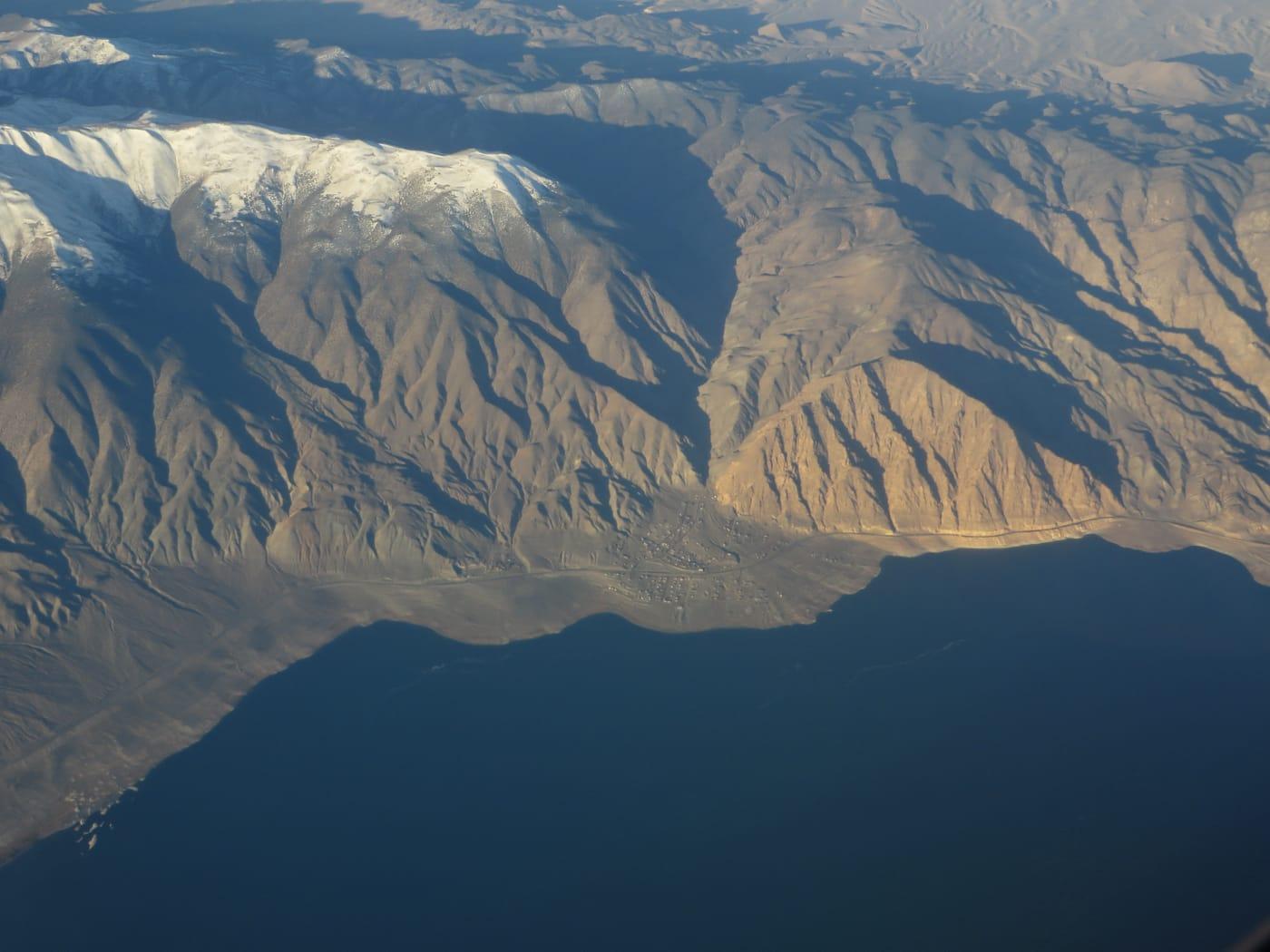
Coaldale
PublicEsmeralda County, Nevada
Coaldale is a useful Esmeralda County silica locality because the candidate data points to agate, chert, hyalite opal, jasper, and turquoise in a compact desert area.
Agate, Chert, Hyalite Opal, Jasper
 Top pick
Fish Lake Valley
PublicEsmeralda County, Nevada
Fish Lake Valley is notable for hot-spring mercury mineralization rather than ordinary desert float, with Mindat records describing opalized and silicified rhyolite-hosted rock carrying cinnabar and opal.
Cinnabar, Opalite
 Top pick
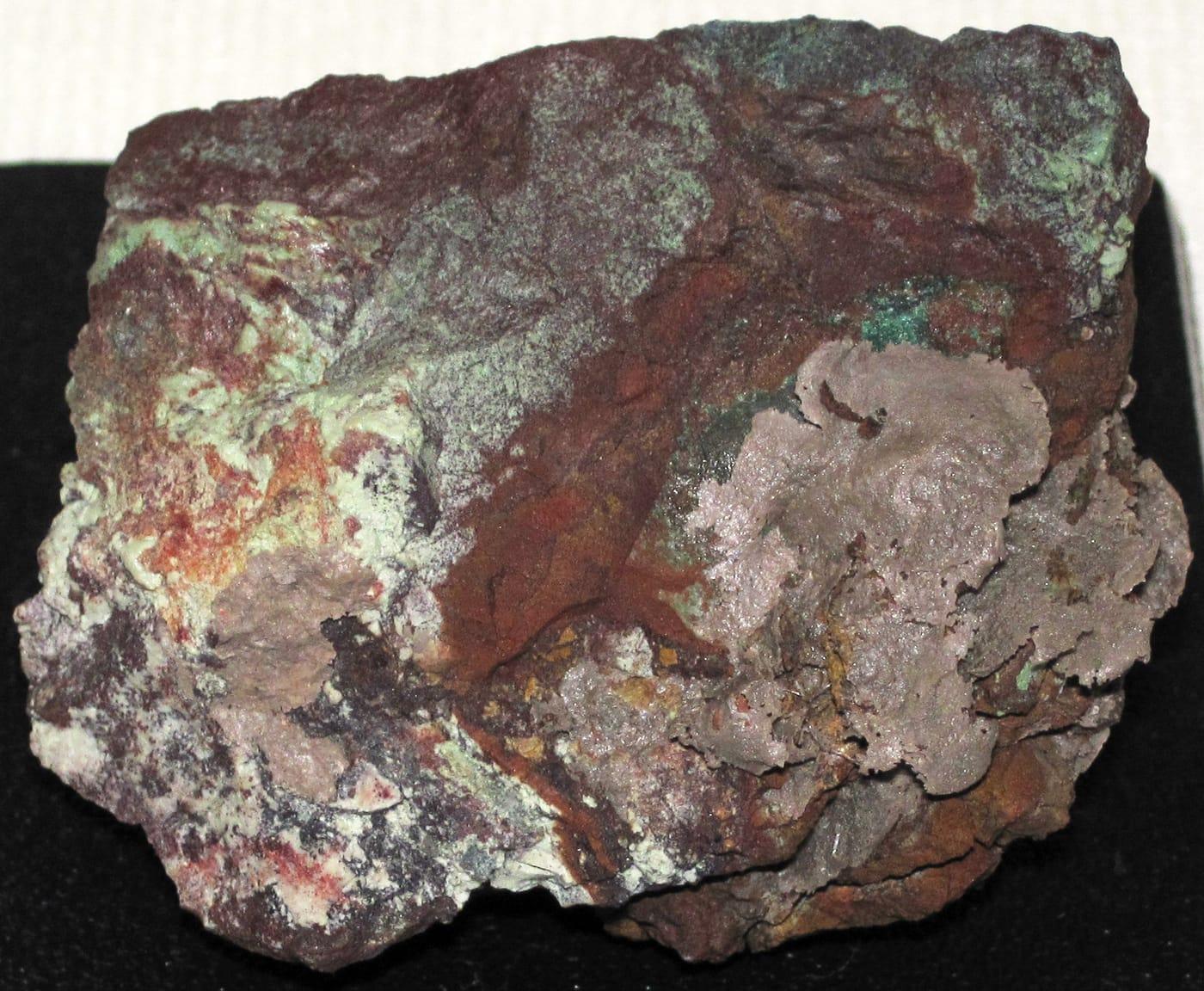
Goldfield
PublicEsmeralda County, Nevada
Goldfield is one of Nevada's strongest mineralogical districts because Mindat documents a high-sulfidation quartz-alunite gold system with native gold, native silver, pyrite, alunite, tellurides, and several type-locality minerals.
Alum, Pyrite, Quartz, Copper
 Top pick
San Antonio Mountains
PublicNye County, Nevada
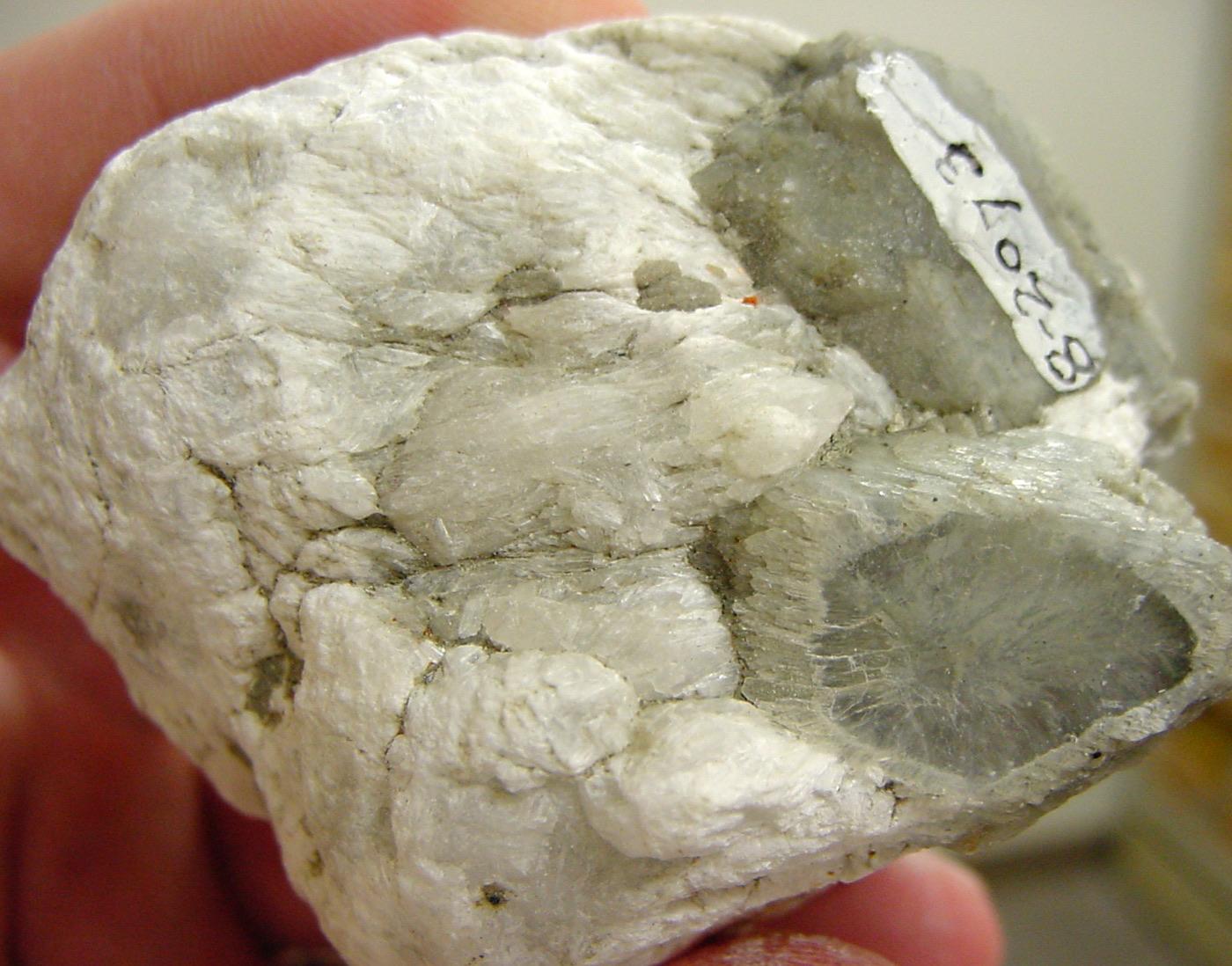
The San Antonio Mountains add central Nevada range-scale diversity, with Mindat documenting a large Nye County assemblage that includes quartz, chalcedony, opal, fluorite, rhodochrosite, scheelite, sulfides, and several copper minerals.
Jade, Petrified Wood, Wonderstone
 Top pick
White Basin
PublicClark County, Nevada
White Basin stands apart from Nevada's silica and precious-metal localities because it is a borate occurrence, with Mindat listing ulexite, colemanite, gypsum, halite, and related evaporite minerals from the Muddy Mountains district.
Ulexite
- No photoTop pick
Crystal Hill Area, Kofa National Wildlife Refuge
PublicLa Paz County, Arizona
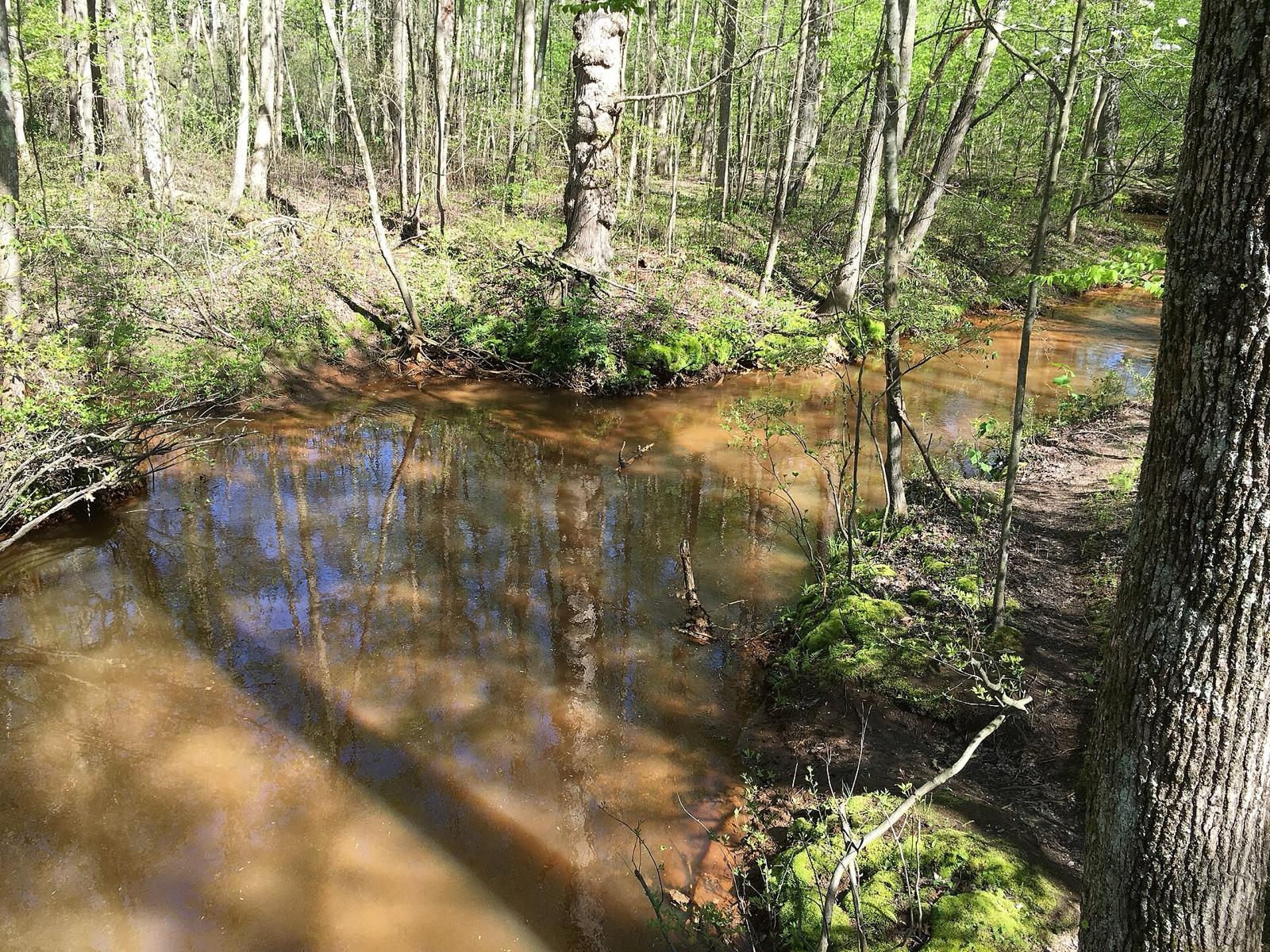
Crystal Hill is the only place on the 665,400-acre Kofa National Wildlife Refuge where recreational rock and mineral collecting is permitted, per the USFWS Public Use and Hunting Regulations, which restrict it to a designated 1.5-square-mile area and prohibit collecting across the entire remainder of the refuge.
Quartz
 Top pick
Shark River
PublicMonmouth County, New Jersey
Shark River is named for the fossil shark teeth found where it cuts middle Eocene marine beds, notably the Shark River and Manasquan formations, roughly 45 million years old.
Shark Tooth, Fossil
 Top pick
Cape May
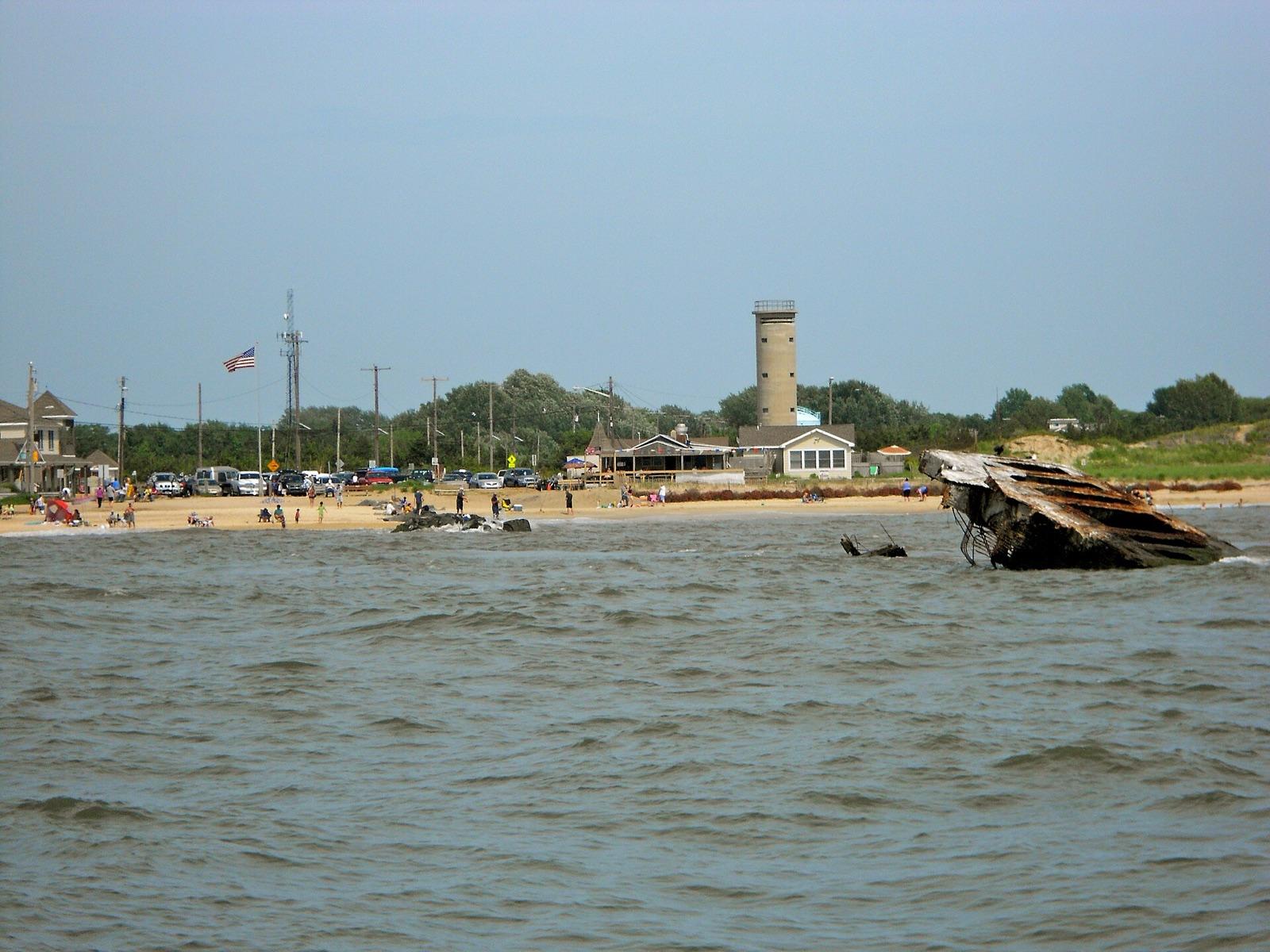
PublicCape May County, New Jersey
Sunset Beach at the tip of Cape May is the classic place to hunt Cape May diamonds, rounded pure quartz pebbles that polish up like gemstones.
Quartz, Chalcedony
 Top pick
Jean & Ric Edelman Fossil Park
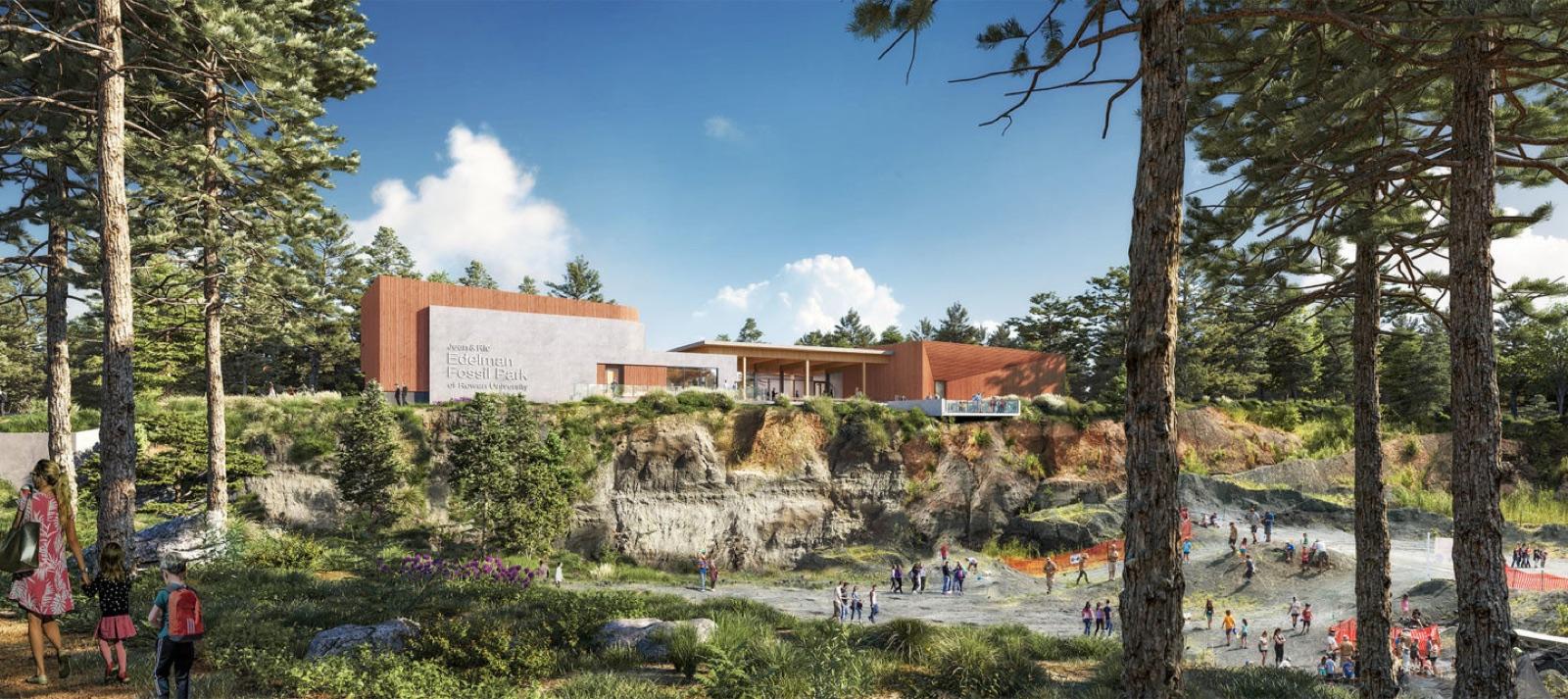
PublicGloucester County, New Jersey
The Jean and Ric Edelman Fossil Park preserves a former marl quarry whose bone bed sits right at the 66-million-year-old end-Cretaceous extinction boundary.
Amber, Fossil
 Top pick
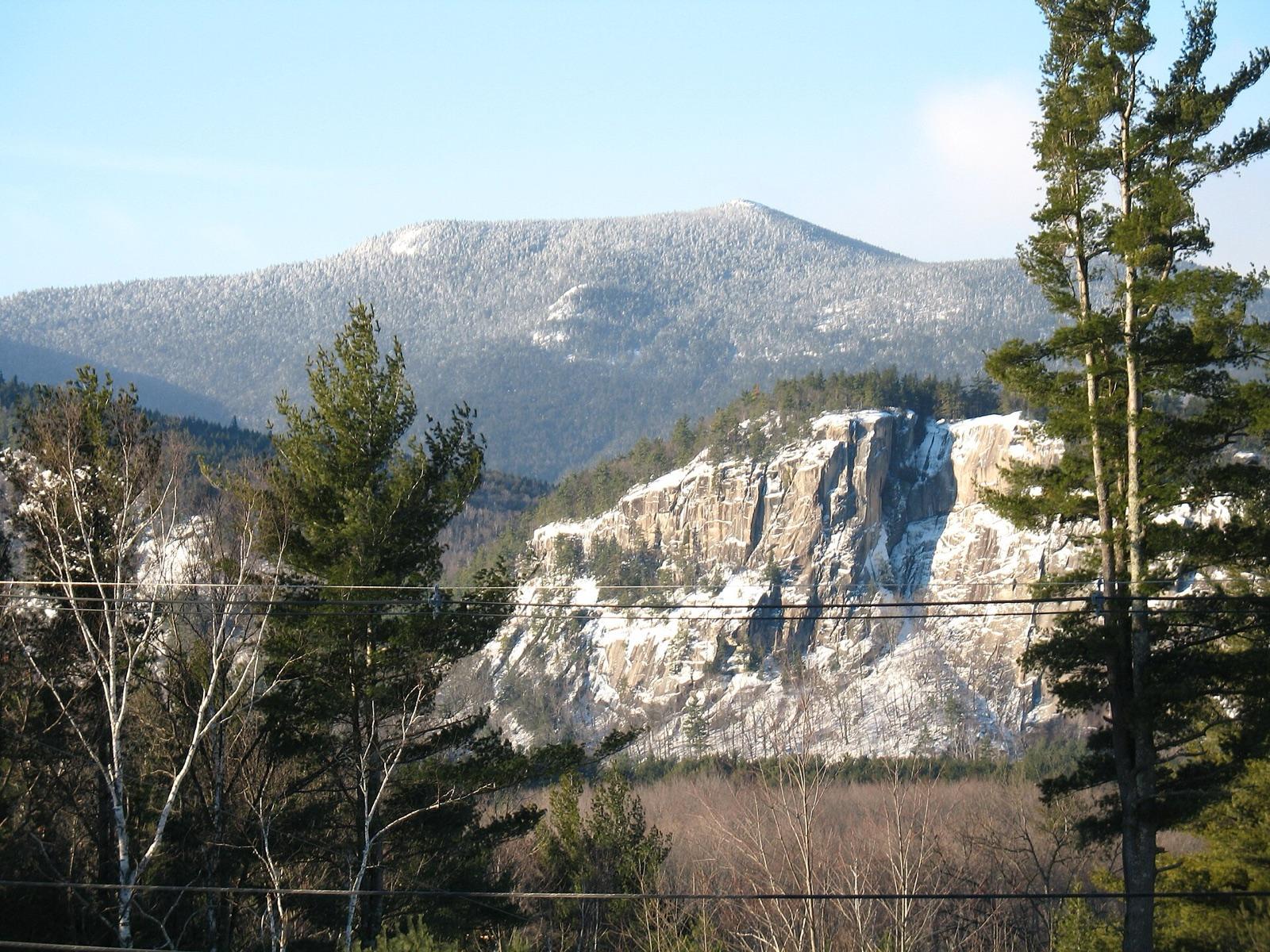
Conway
PublicCarroll County, New Hampshire
Moat Mountain is one of only a handful of White Mountain National Forest sites where the public may dig for minerals, and it is the classic New Hampshire locality for smoky quartz and green amazonite feldspar weathered out of the Conway granite.
Feldspar, Smoky Quartz, Topaz
 Top pick
Redstone
PublicCarroll County, New Hampshire
The Redstone quarries worked the Conway granite from the 1880s to the 1940s for its prized red and green building stone, and the waste piles still yield smoky quartz and the green potassium feldspar that tints the granite.
Amethyst, Apatite, Quartz, Smoky Quartz
 Top pick
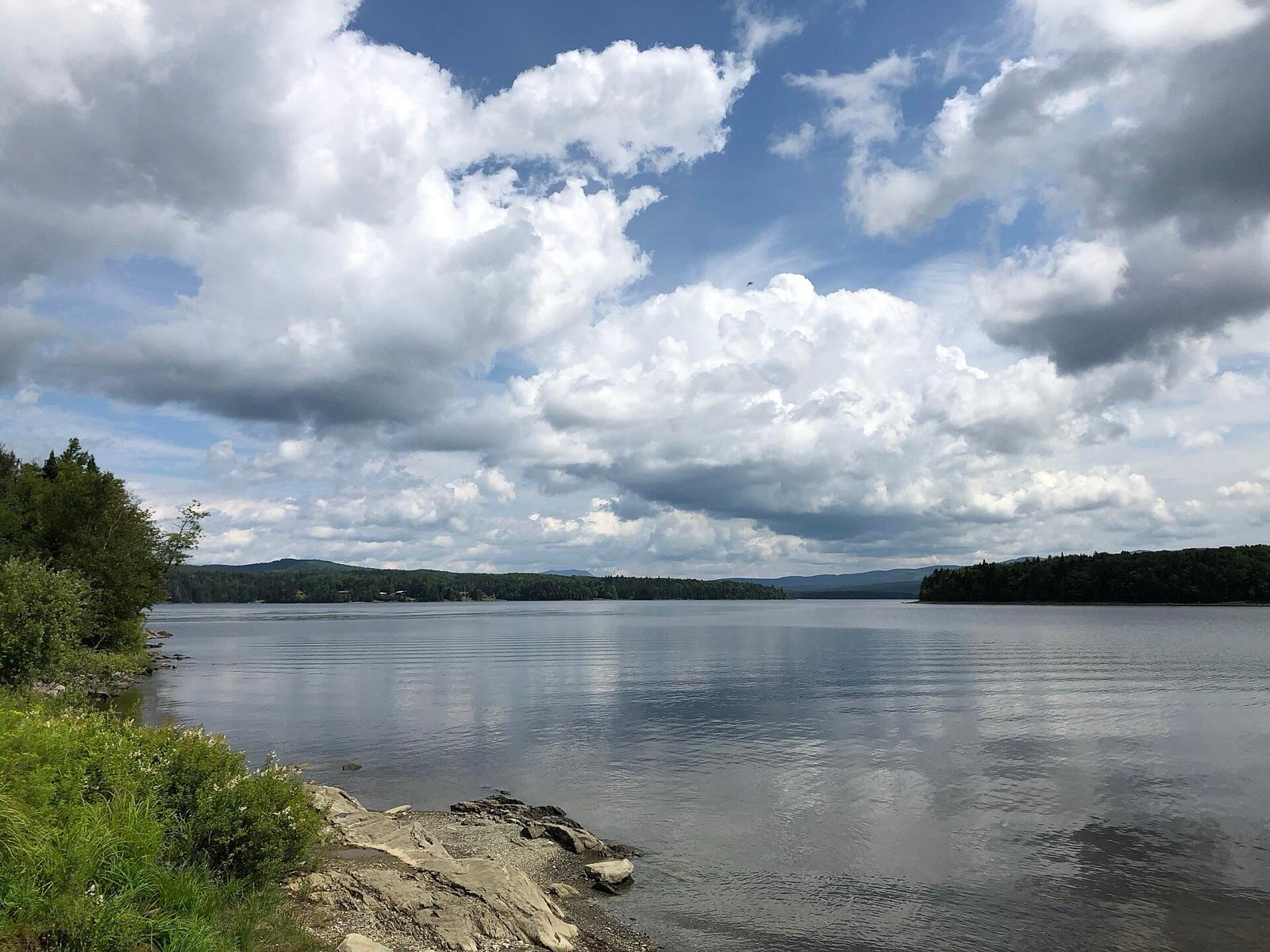
Indian Stream
PublicCoös County, New Hampshire
Indian Stream drains the remote Great North Woods above Pittsburg and carries fine placer gold in its glacial gravels, a lightly worked alternative to the busier Grafton County streams.
Gold Nugget, Gold Placer
 Top pick
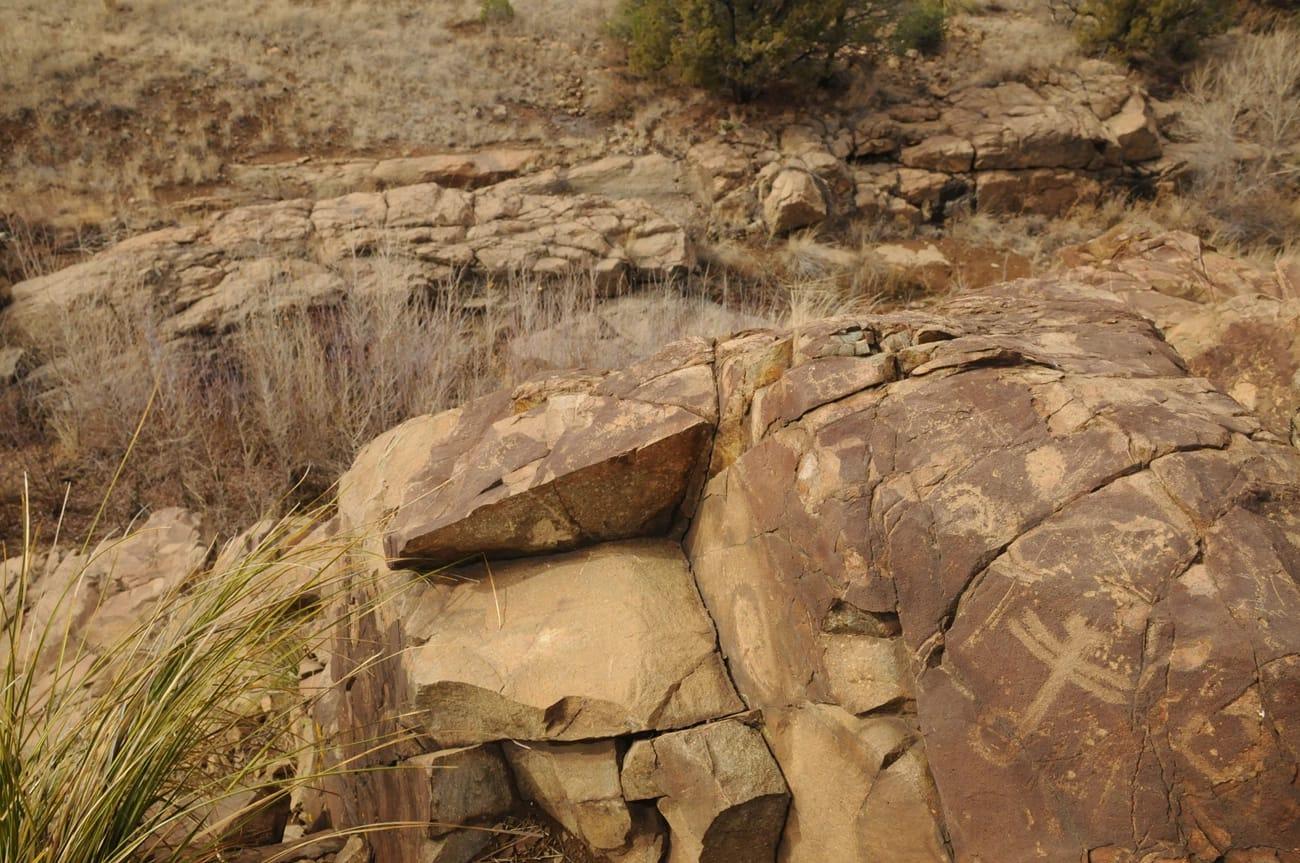
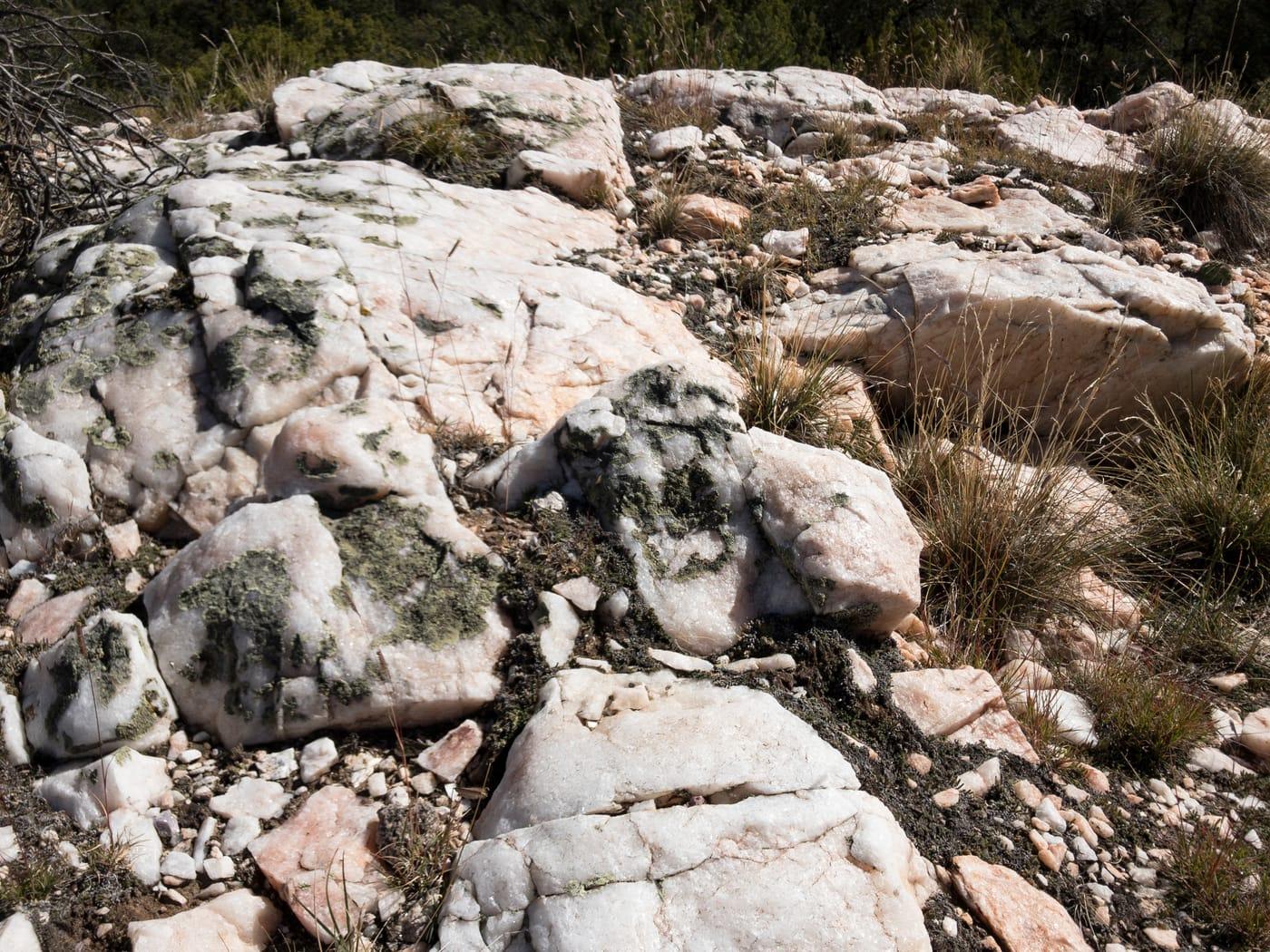
Zuni Mountains
PublicCibola County, New Mexico
The Zuni Mountains give New Mexico's top ten a western forest-and-public-land agate field rather than another southern mining district.
Agate, Chalcedony, Jasper, Petrified Wood
 Top pick
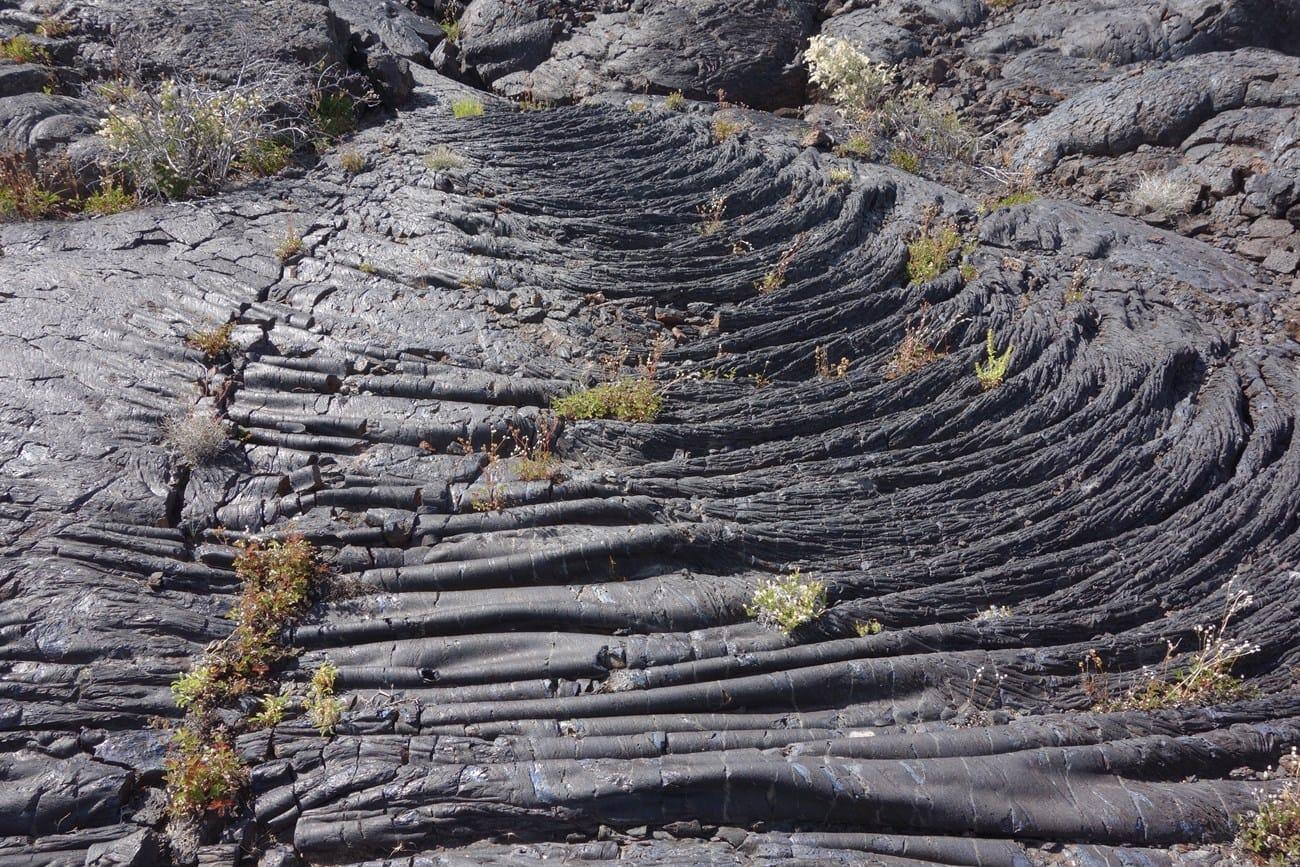
Harding Pegmatite Mine
PublicTaos County, New Mexico
Harding Pegmatite Mine is a preserved lithium-beryllium-tantalum pegmatite where UNM still allows small personal collecting under posted rules.
Blue Apatite, Bityite, Eucryptite, Purple Lepidolite
 Top pick
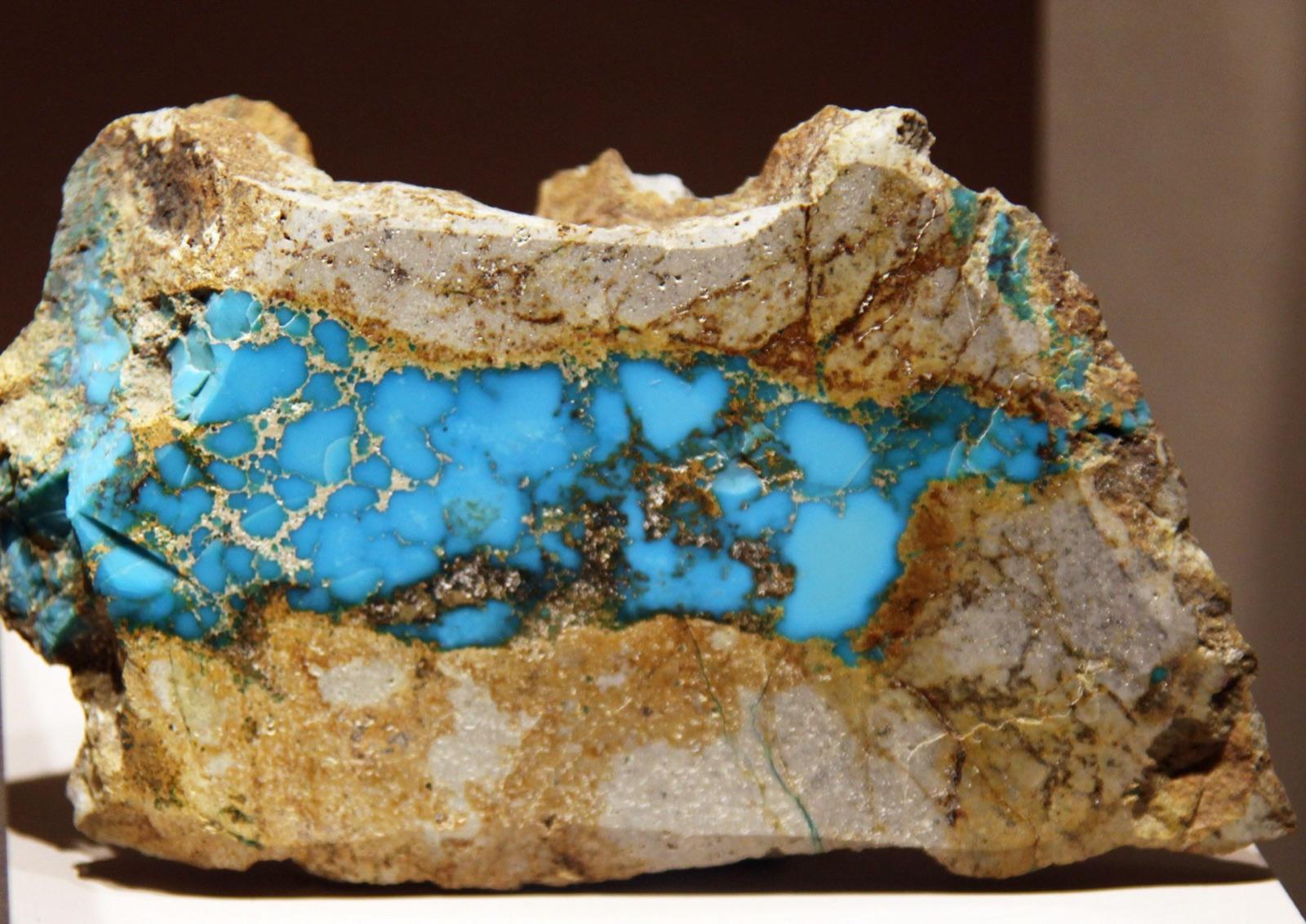
Jemez National Recreation Area
PublicSandoval County, New Mexico
The Jemez National Recreation Area sits in one of New Mexico's most visible volcanic landscapes, within the Santa Fe National Forest's Jemez Ranger District.
Obsidian, Opalized Wood
 Top pick
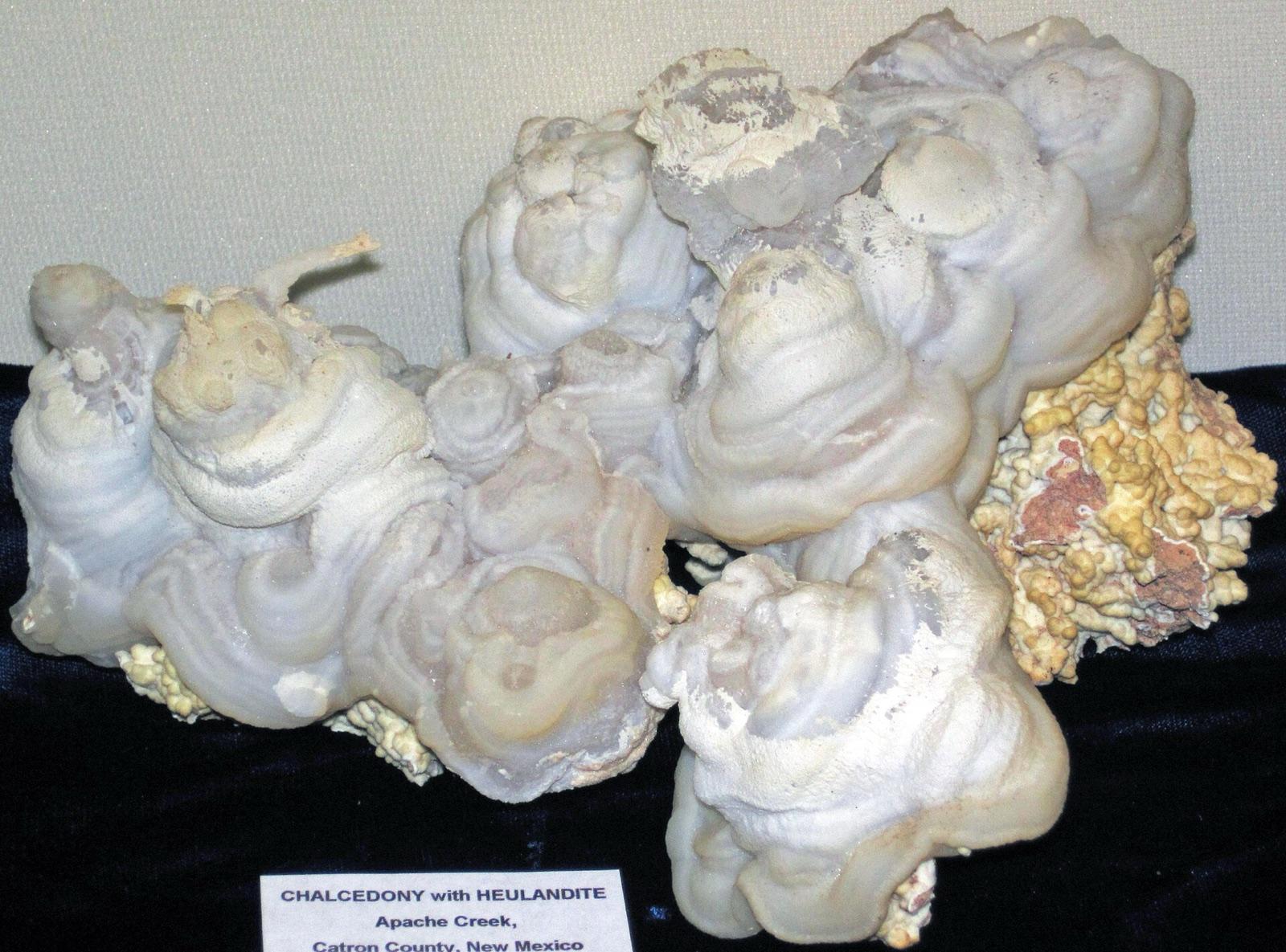
Mount Chalchihuitl
PublicSanta Fe County, New Mexico
Mount Chalchihuitl is tied to the Cerrillos turquoise district, one of New Mexico's defining prehistoric and historic turquoise sources.
Agate, Chalcedony, Petrified Wood, Turquoise
 Top pick
Hatch
PublicDoña Ana County, New Mexico
Hatch is a useful southern New Mexico agate and jasper area because it represents the broad volcanic terrain around the Caballo and Hatch country, not a single pay-to-dig pit.
Agate, Chalcedony, Jasper, Quartz
 Top pick
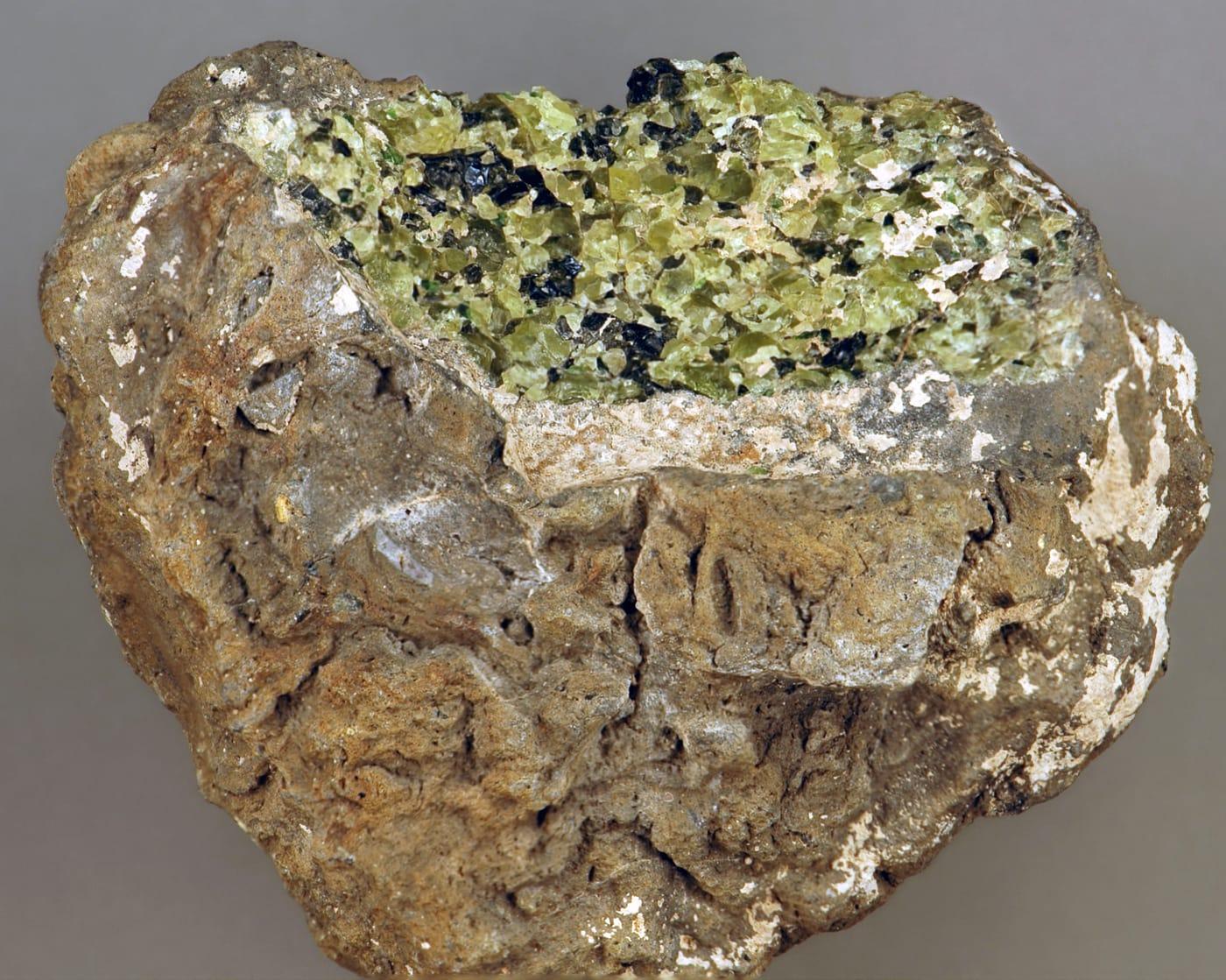
Kilbourne Hole
PermissionDoña Ana County, New Mexico
Kilbourne Hole is a BLM-managed maar crater and National Natural Landmark where volcanic bombs can contain bright olivine-rich interiors.
Augite, Peridot
 Top pick
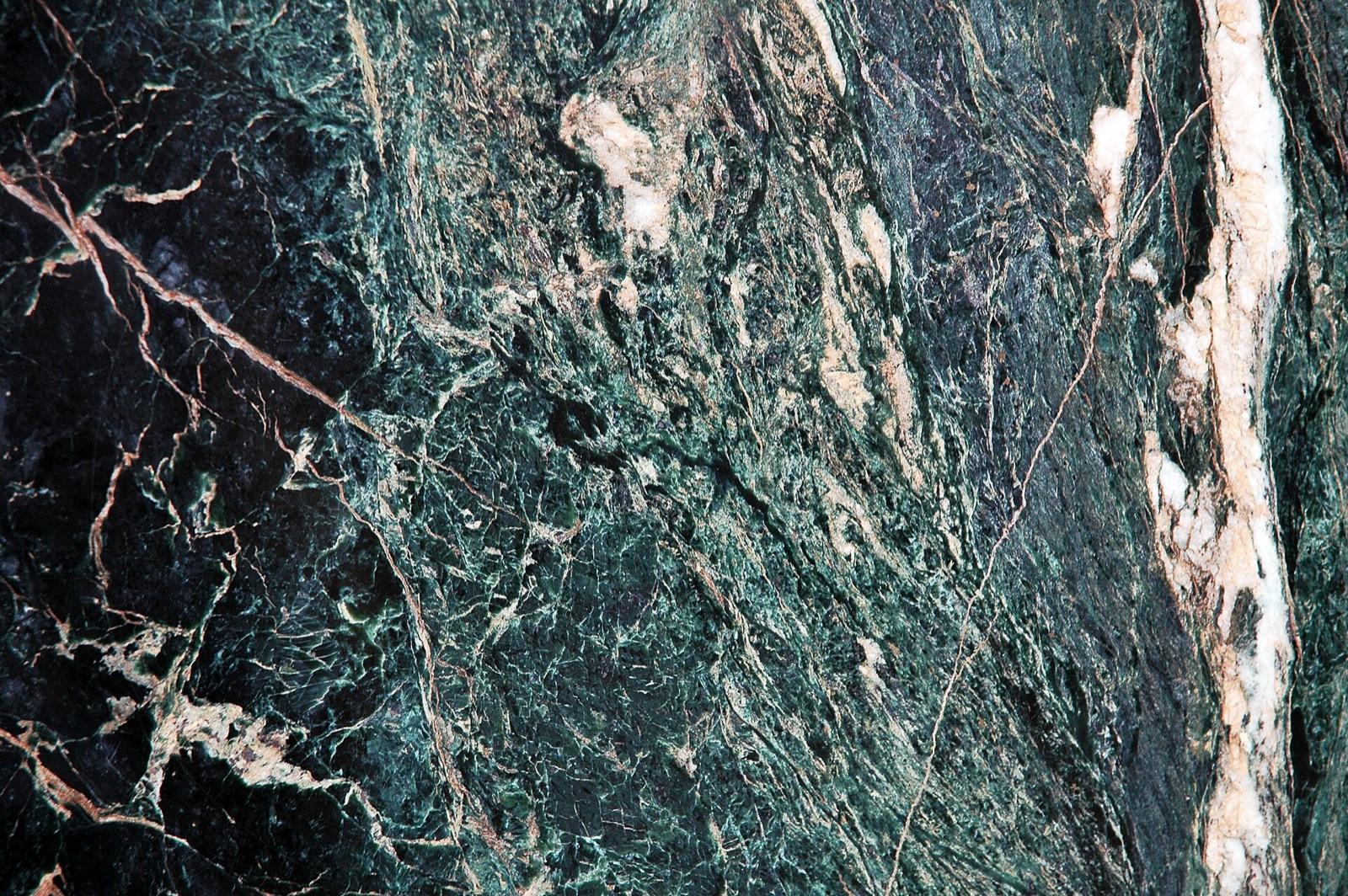
Redrock
PublicGrant County, New Mexico
Redrock stands out for ricolite, the banded nonfibrous serpentine associated with the Ricolite district in the Burro Mountains.
Ricolite, Banded Serpentine
 Top pick
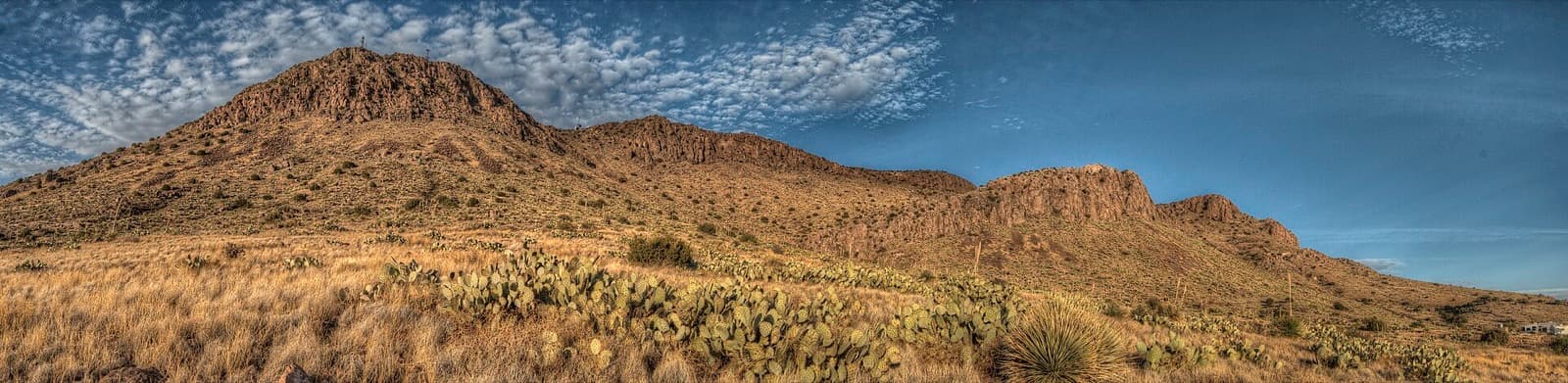
Rockhound State Park
PermissionLuna County, New Mexico
Rockhound State Park is unusual because it was set aside specifically for personal mineral collecting, with state-park rules allowing visitors to keep a limited amount of material.
Agate, Blue Chalcedony, Jasper
 Top pick
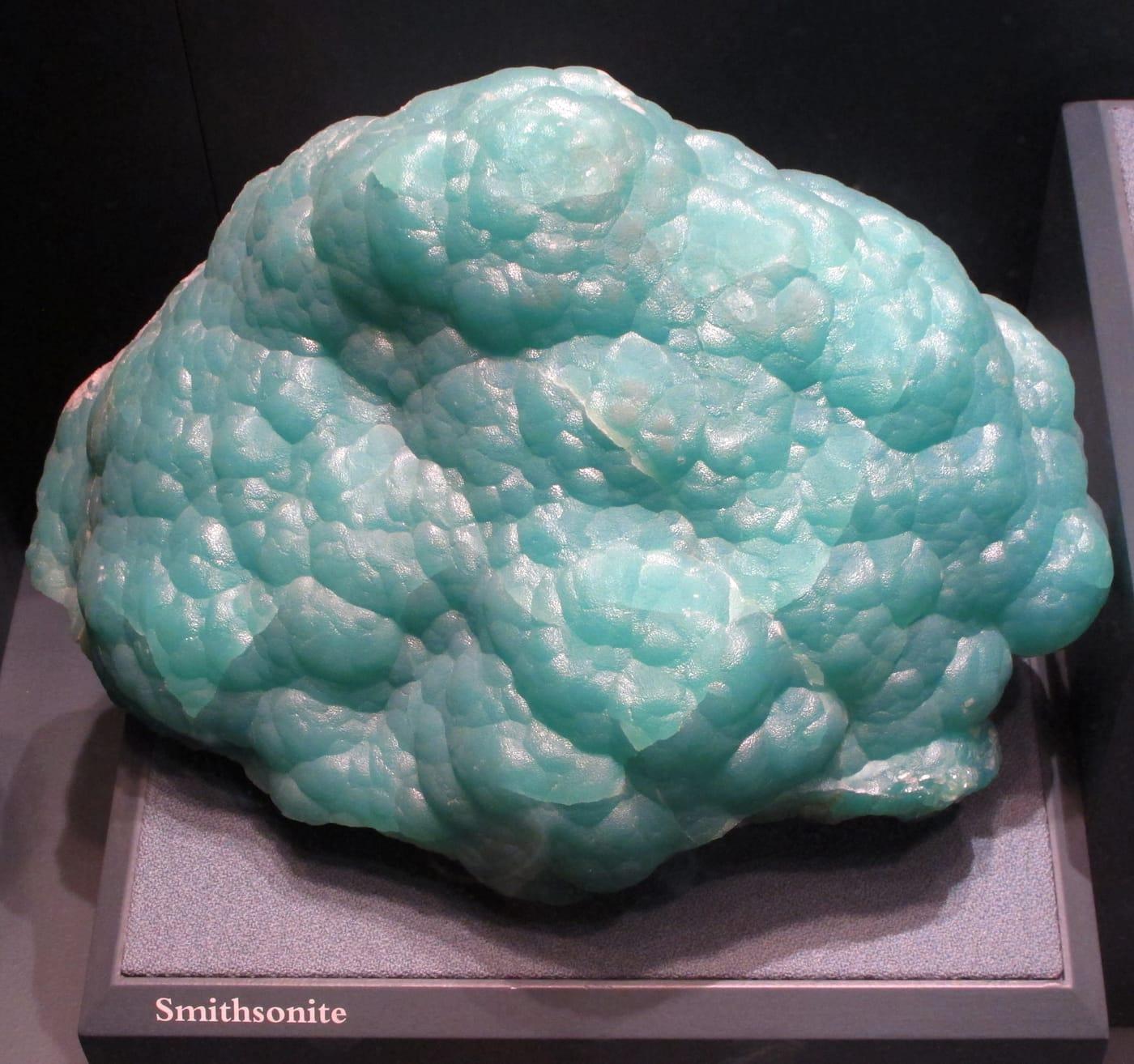
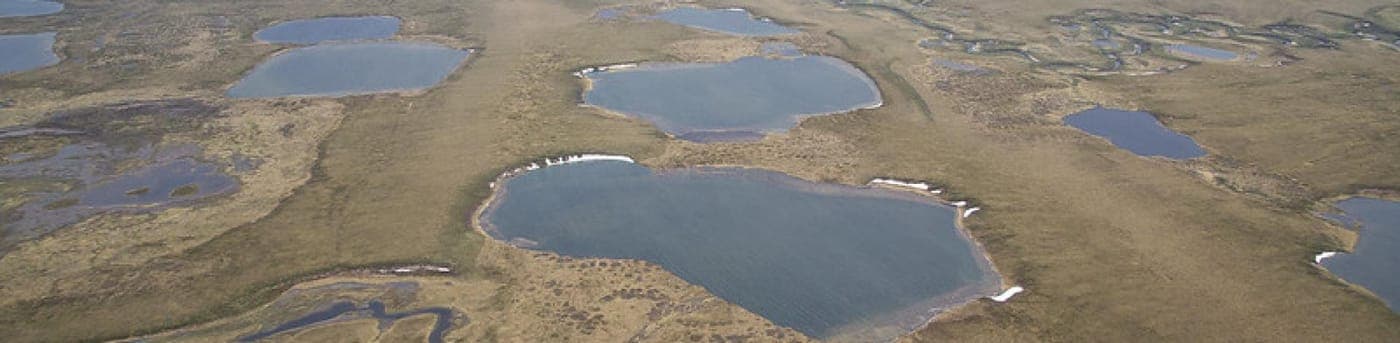
Kelly Ghost Town
PublicSocorro County, New Mexico
Kelly is a benchmark locality for blue smithsonite from the Magdalena mining district, with Mindat rating the species occurrence as world-class or very significant.
Smithsonite, Zinc, Fossil
 Top pick
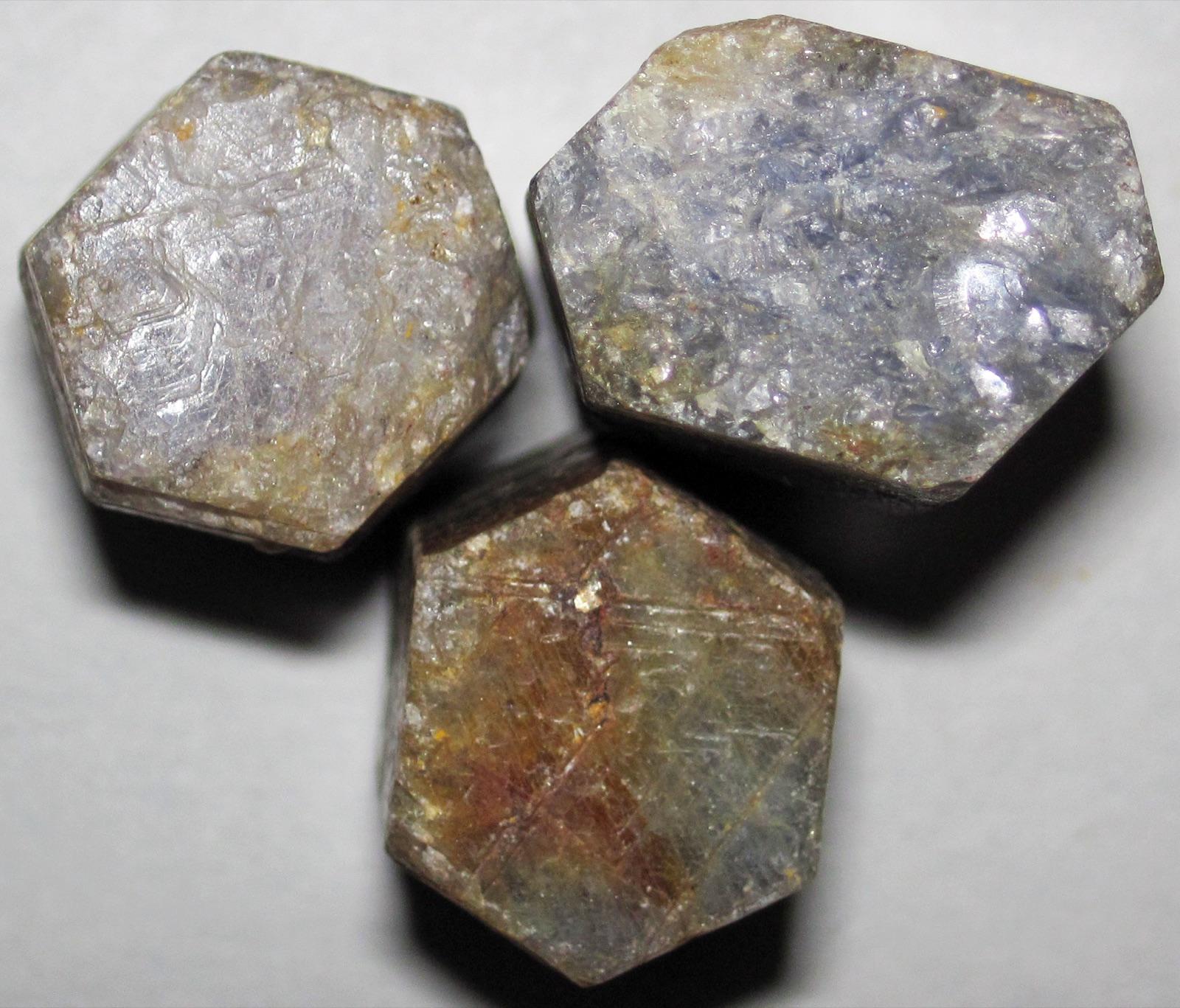
Fort Sumner
PublicDe Baca County, New Mexico
Fort Sumner represents the Pecos diamond belt, where the collectible material is doubly terminated authigenic quartz rather than true diamond.
Quartz, Pecos Diamond
 Top pick
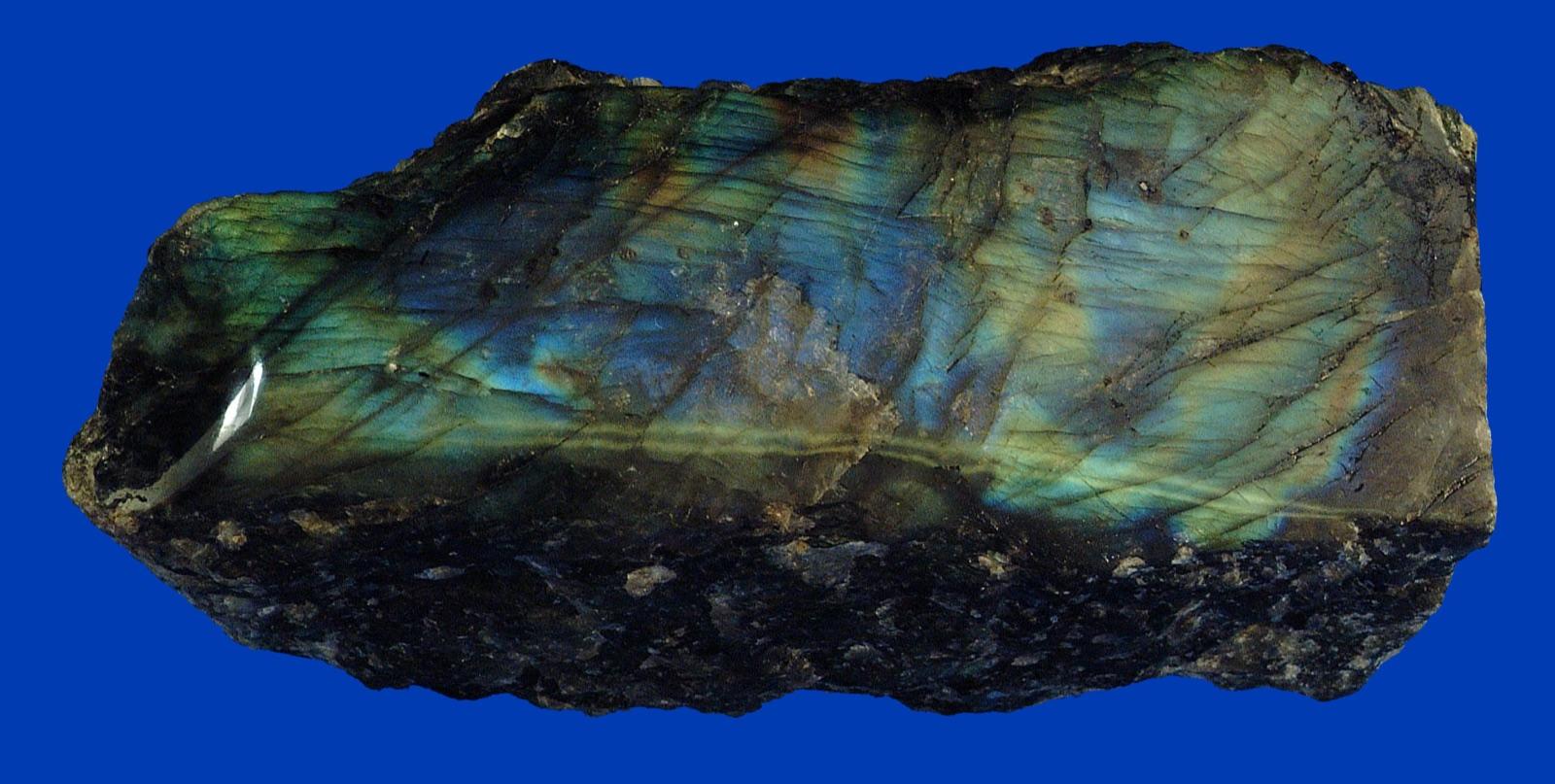
Amity
PublicOrange County, New York
Amity is a classic Orange County contact-metamorphic locality where blue and white corundum, spinel, and fluorite occur in the crystalline limestone belt.
Blue Corundum, White Corundum, Fluorite
 Top pick
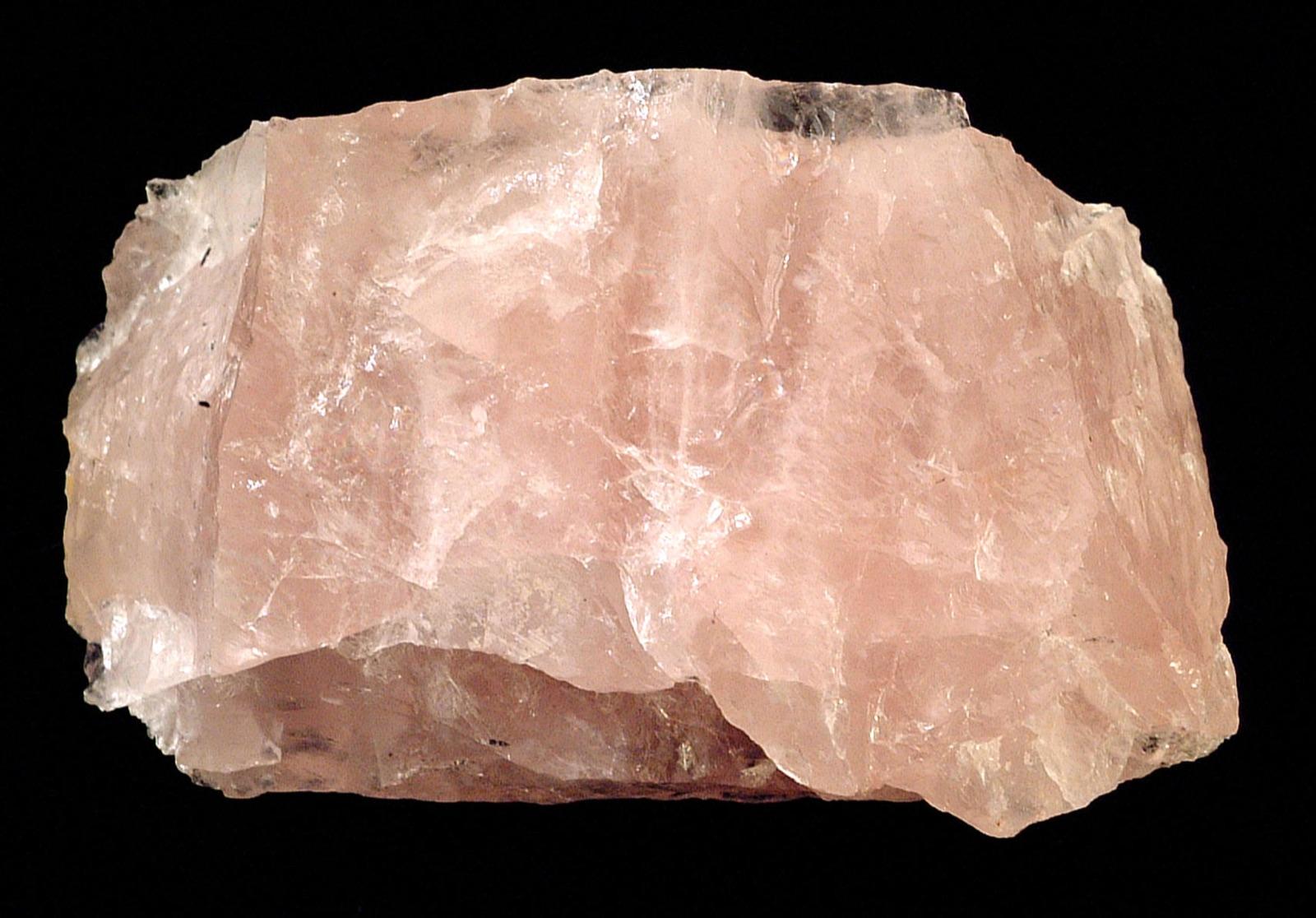
Crown Point
PublicEssex County, New York
Crown Point produces the iridescent Adirondack feldspar known as sunstone, along with labradorite, in the anorthosite and gneiss of eastern Essex County.
Sunstone
 Top pick
Mill Pond
PublicEssex County, New York
Mill Pond is a well-known Essex County source of massive rose quartz weathering out of Adirondack pegmatite.
Rose Quartz
 Top pick
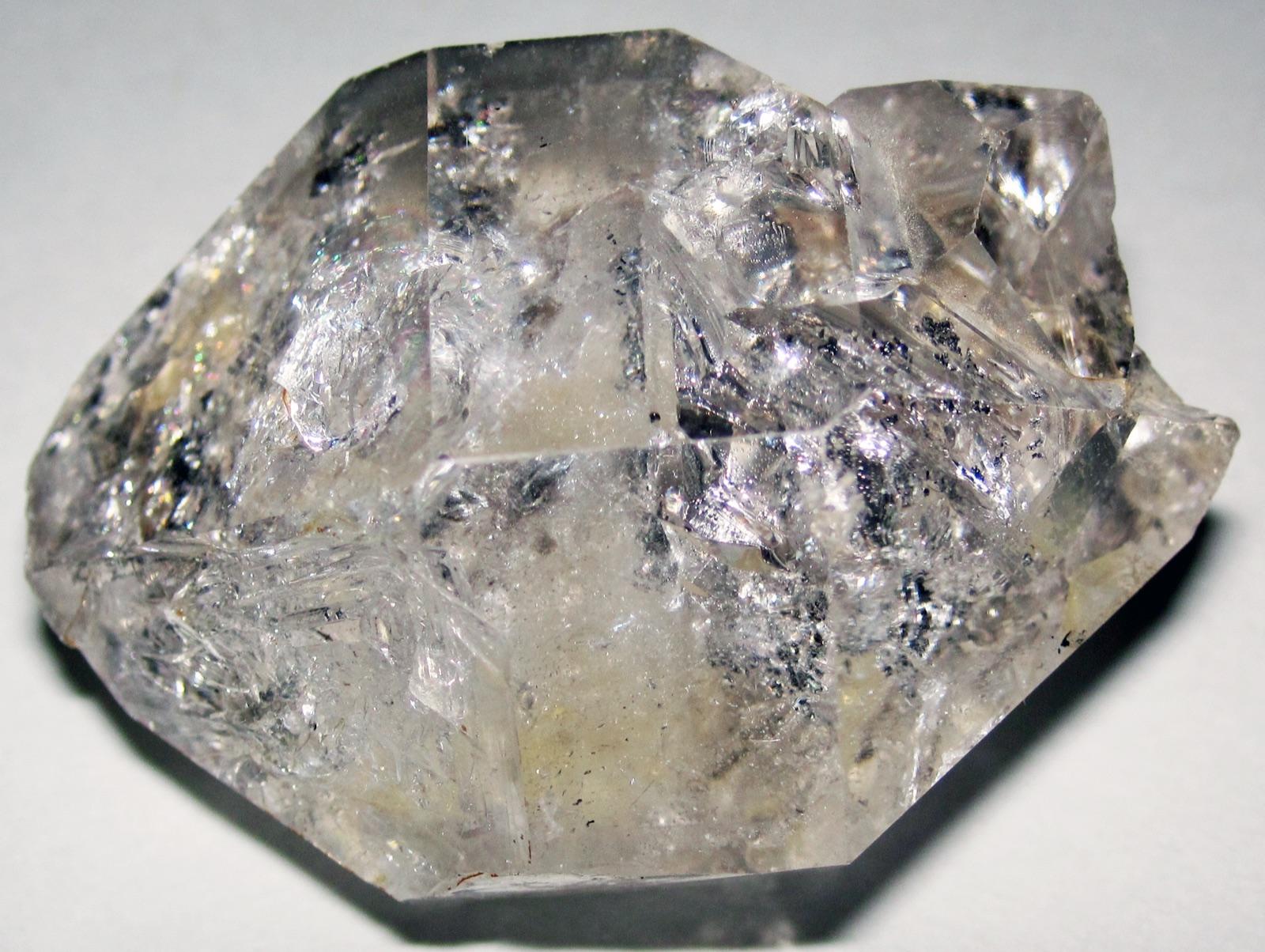
Sprakers
PublicMontgomery County, New York
The Sprakers roadcuts and quarry ground expose the same Little Falls Dolostone that hosts Herkimer diamonds, and the site is a long-known free alternative to the fee mines for finding doubly-terminated quartz.
Herkimer Diamond, Quartz
 Top pick
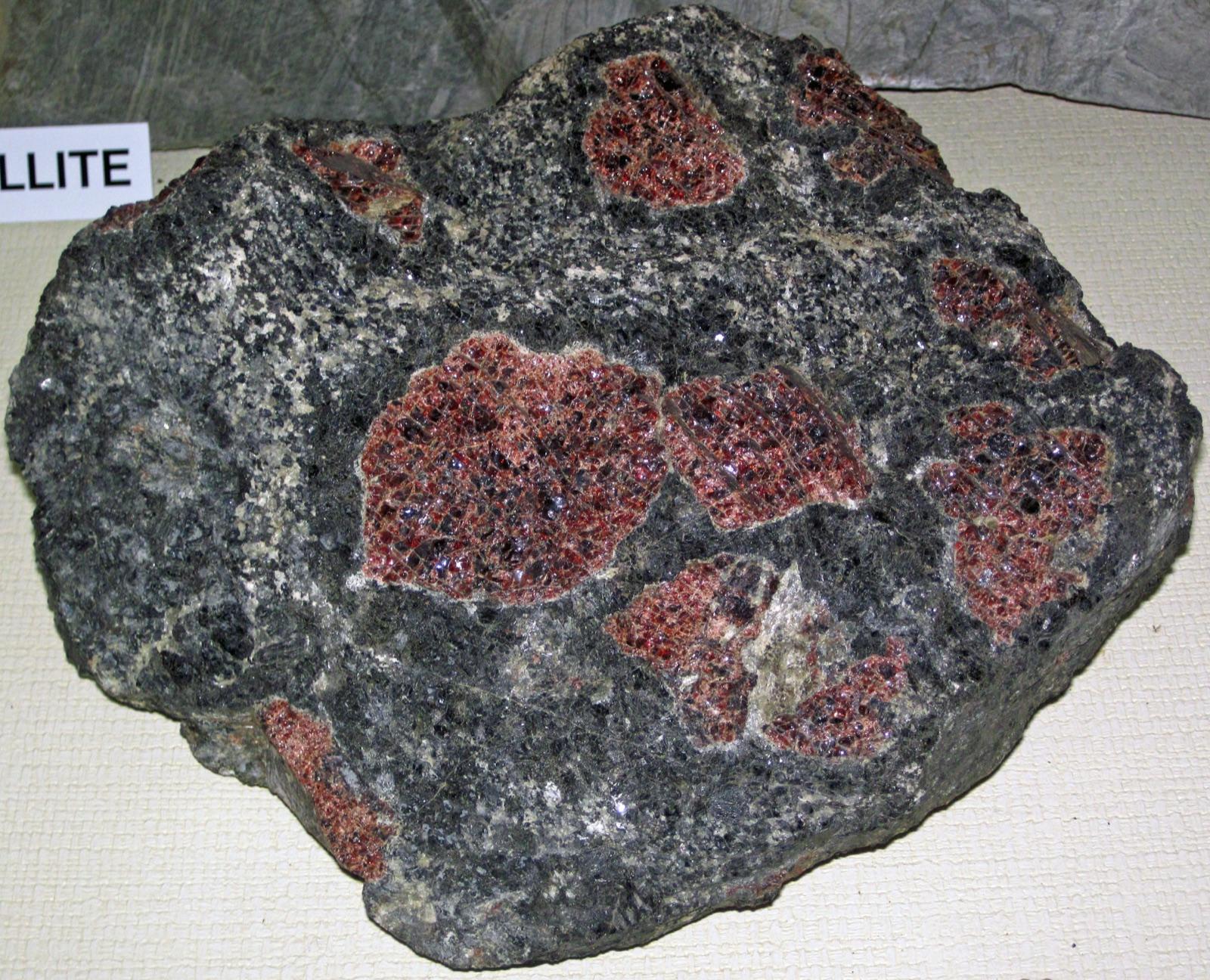
Gore Mountain
PublicWarren County, New York
Gore Mountain is the classic Adirondack almandine garnet locality, source of the enormous dark-red garnet porphyroblasts that made Warren County world-famous and supplied the abrasive industry for a century.
Almandine, Garnet
 Top pick
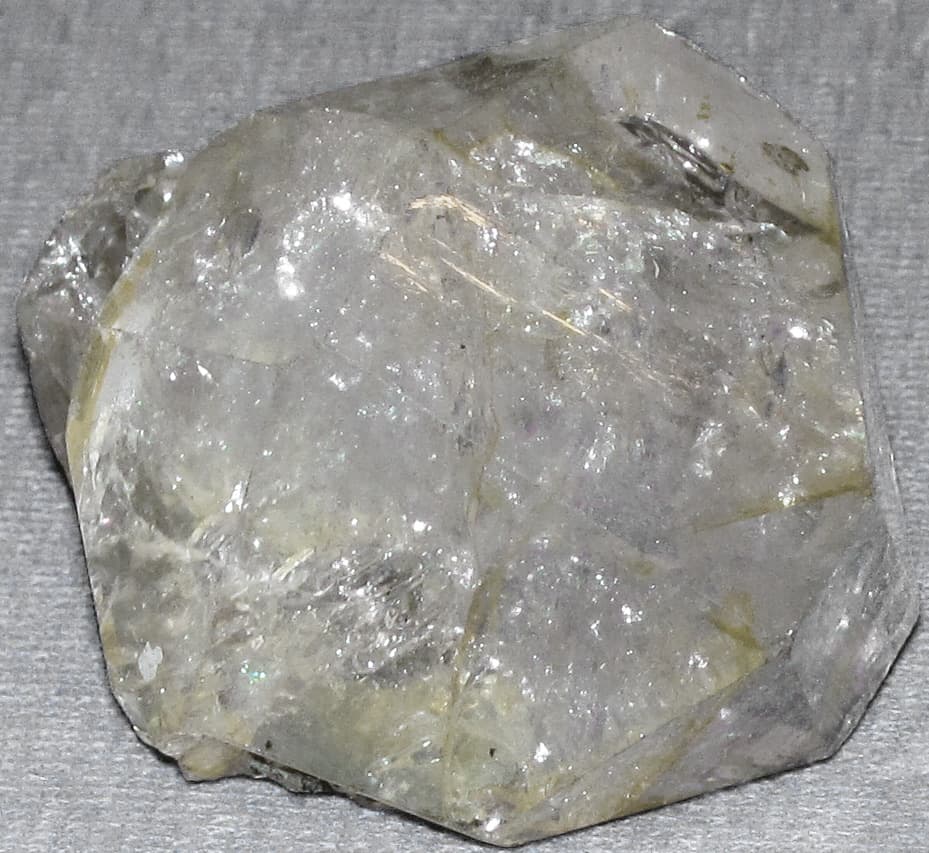
Ace of Diamonds & Herkimer Diamond Mine
PermissionHerkimer County, New York
The Ace of Diamonds and neighboring Herkimer Diamond Mine sit on the Cambrian Little Falls Dolostone, the type ground for the doubly-terminated clear quartz crystals known worldwide as Herkimer diamonds.
Herkimer Diamond
 Top pick
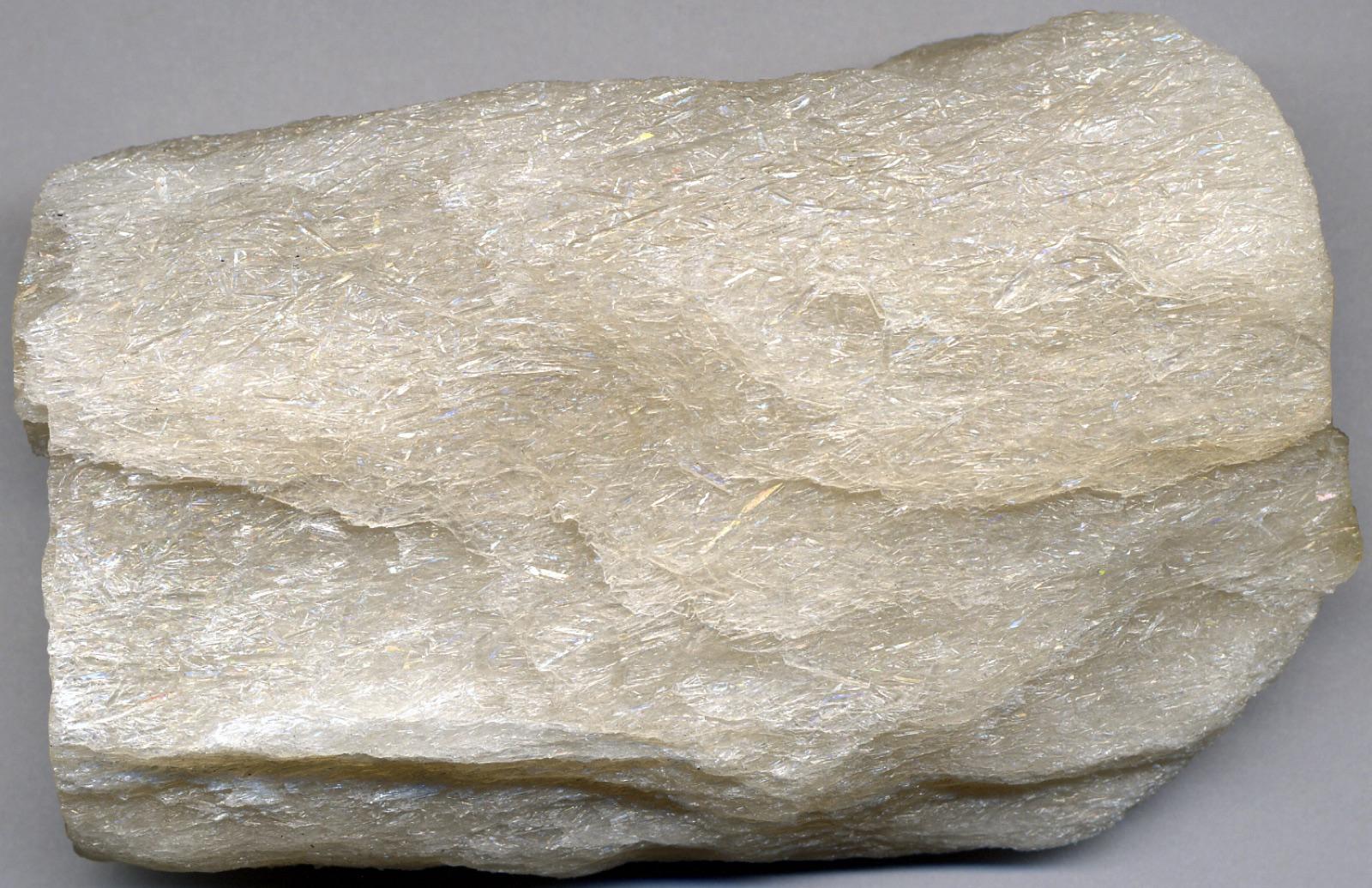
Balmat
PublicSaint Lawrence County, New York
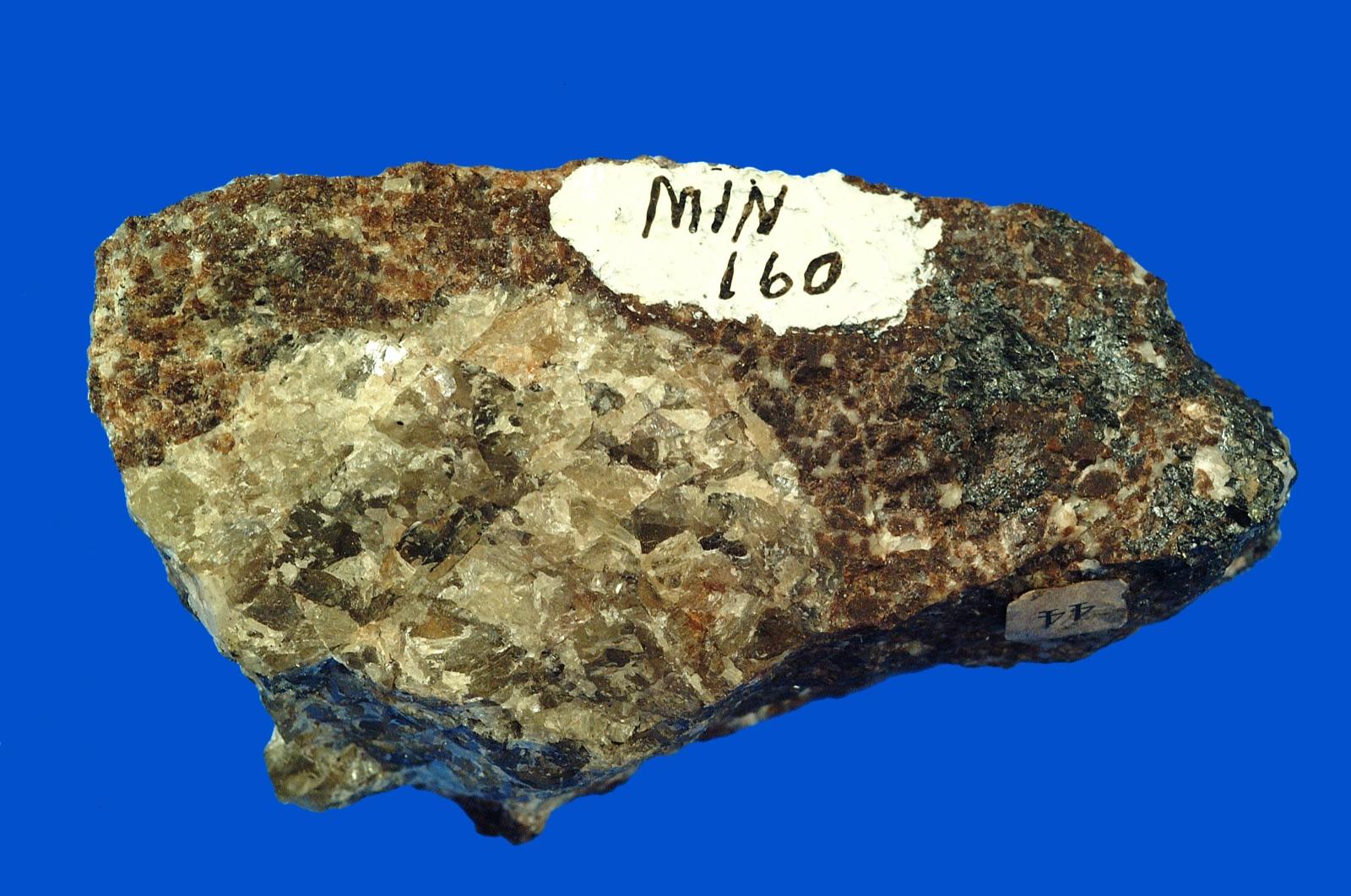
Balmat anchors the Balmat-Edwards zinc district, a world-class metamorphosed carbonate terrane famous for fine tremolite, talc, anthophyllite, and associated sulfides.
Anthophyllite, Apatite, Talc, Tremolite
 Top pick
Edwards
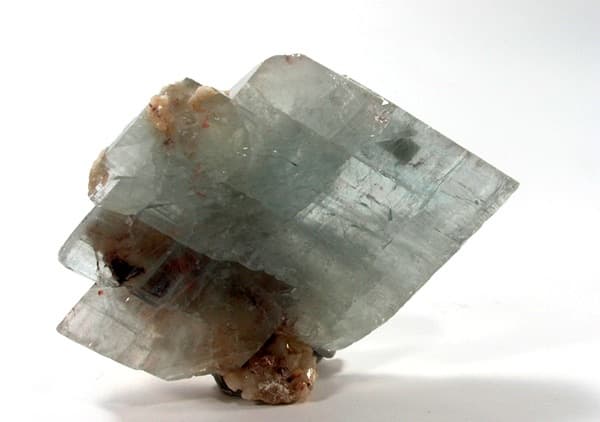
PublicSaint Lawrence County, New York
Edwards is a core locality of the Balmat-Edwards zinc belt, yielding sphalerite, galena, gypsum, and purple fluorite from the same metamorphosed marble that made the district internationally known.
Barite, Galena, Gypsum, Sphalerite
 Top pick
Fowler
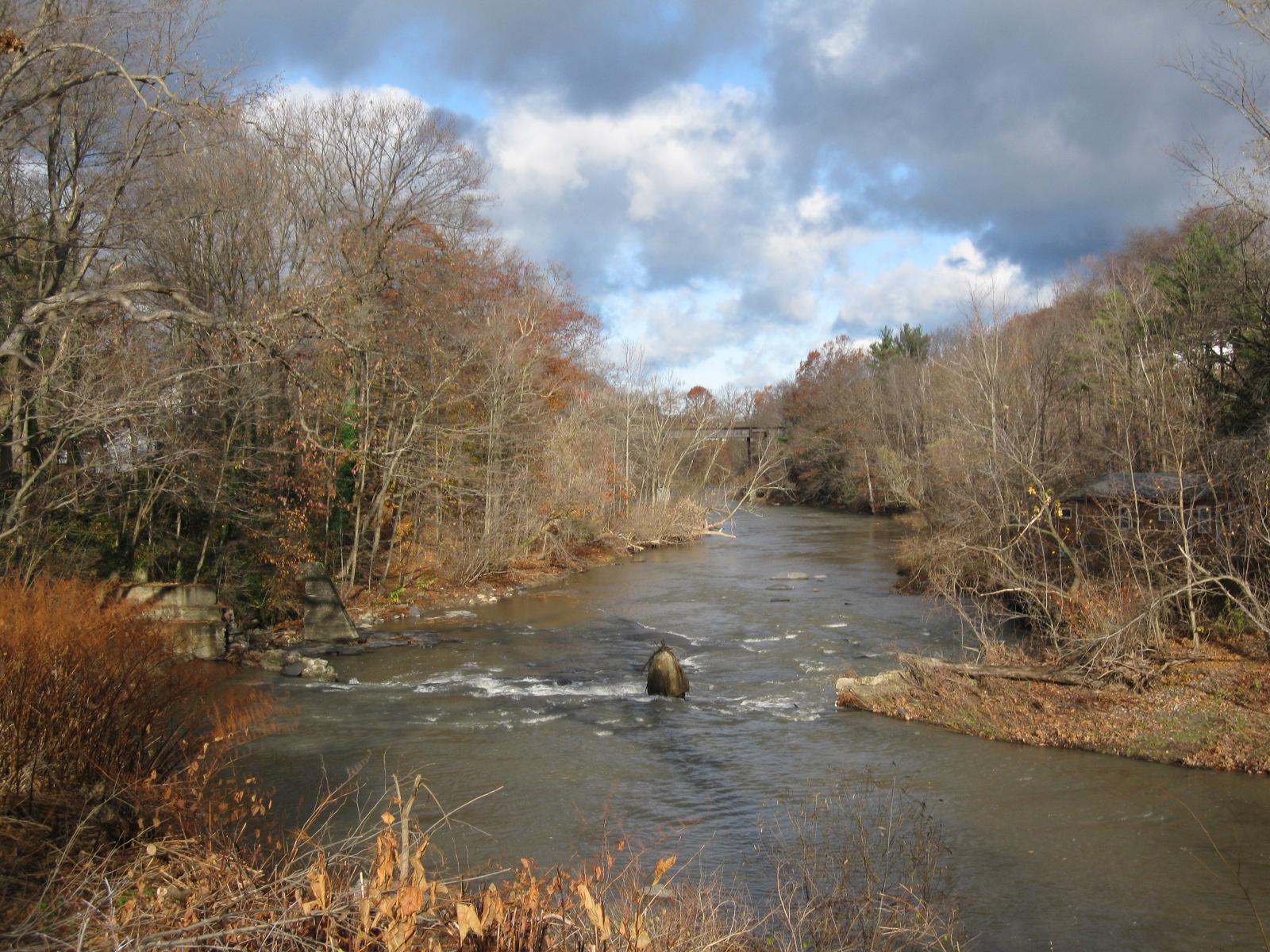
PublicSaint Lawrence County, New York
Fowler is a St. Lawrence County locality noted for barite and hematite geodes in the metamorphosed carbonate terrane, offering collectors crystal-lined pockets uncommon elsewhere in the region.
Geode, Hematite, Barite
 Top pick
18 Mile Creek
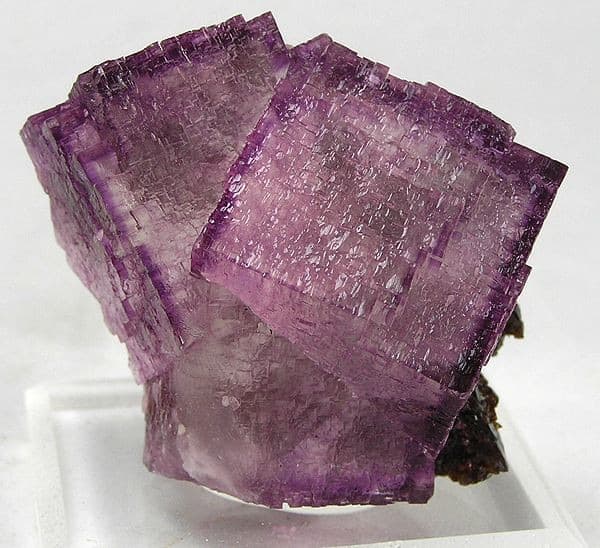
PublicErie County, New York
The shale banks at the mouth of Eighteen Mile Creek expose the Devonian Windom Shale, one of the most fossil rich horizons in western New York.
Trilobite, Horn Coral, Crinoid, Brachiopod
 Top pick
Lockport
PublicNiagara County, New York
Lockport is the type area for the Lockport Dolostone, whose vugs and cavities host classic New York fluorite along with celestite, calcite, and dolomite crystals.
Fluorite
 Top pick
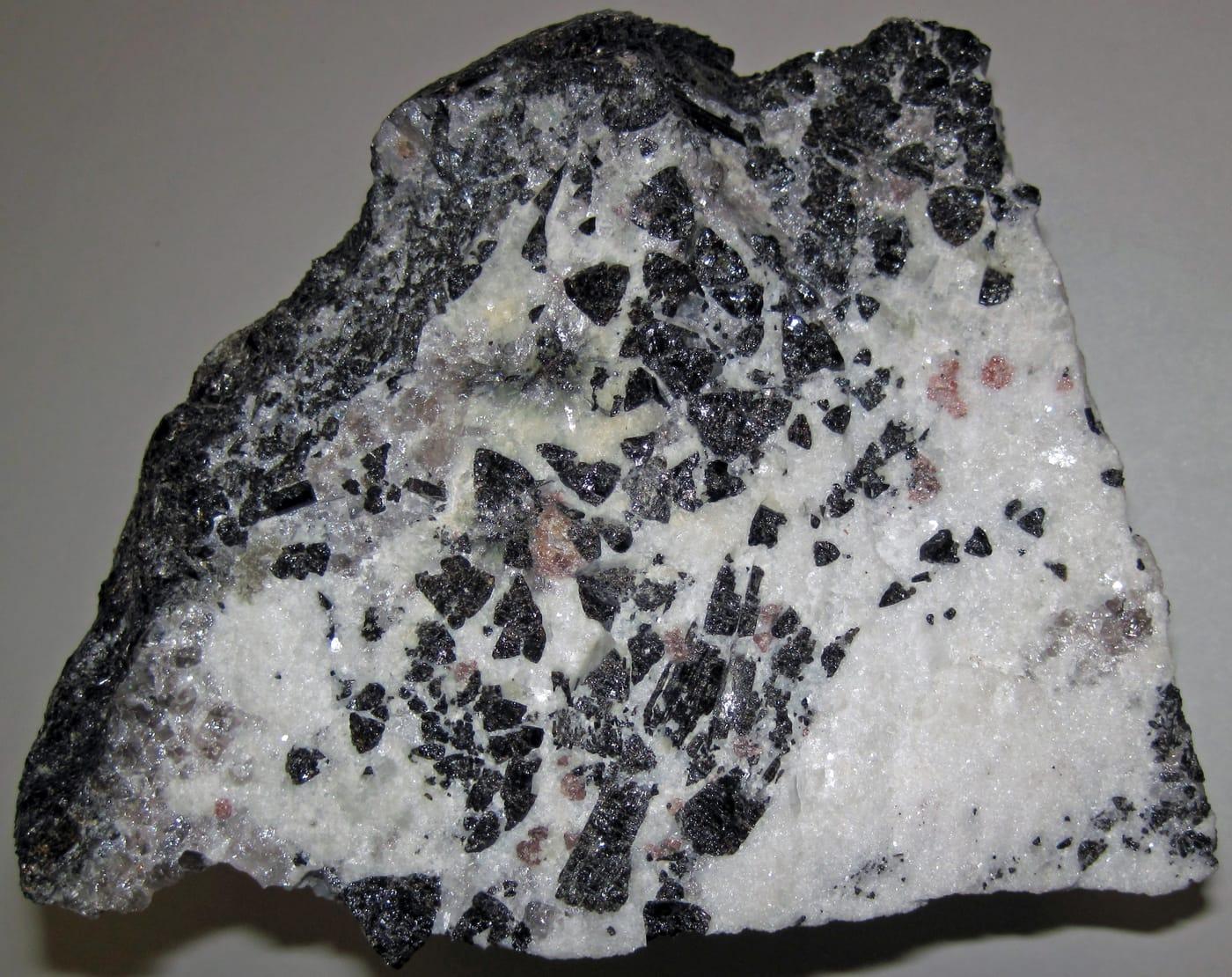
Little Pine Garnet Mine
PublicMadison County, North Carolina
Little Pine is a focused almandine locality where Mindat records red garnets up to 6 inches in green chlorite schist, a scale that separates it from ordinary garnet-bearing roadcuts.
Garnet, Quartz, Chlorite
 Top pick
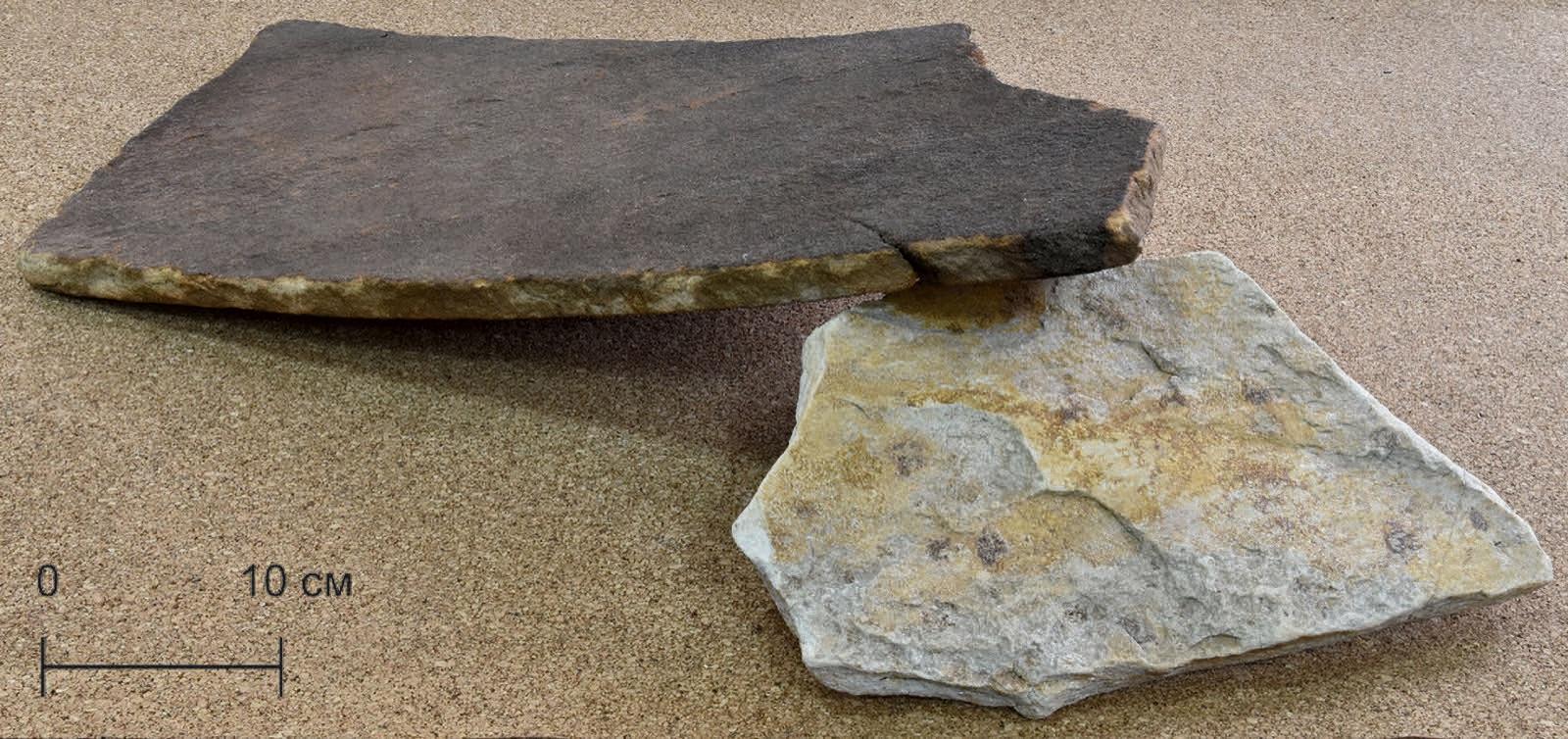
Linville Mountain
PublicBurke County, North Carolina
Linville Mountain is a useful Burke County contrast because NCGS collecting-site maps call out itacolumite, a flexible quartzite, along with pyrophyllite and related metamorphic minerals.
Actinolite, Graphite, Manaccanite, Pyrophyllite
 Top pick
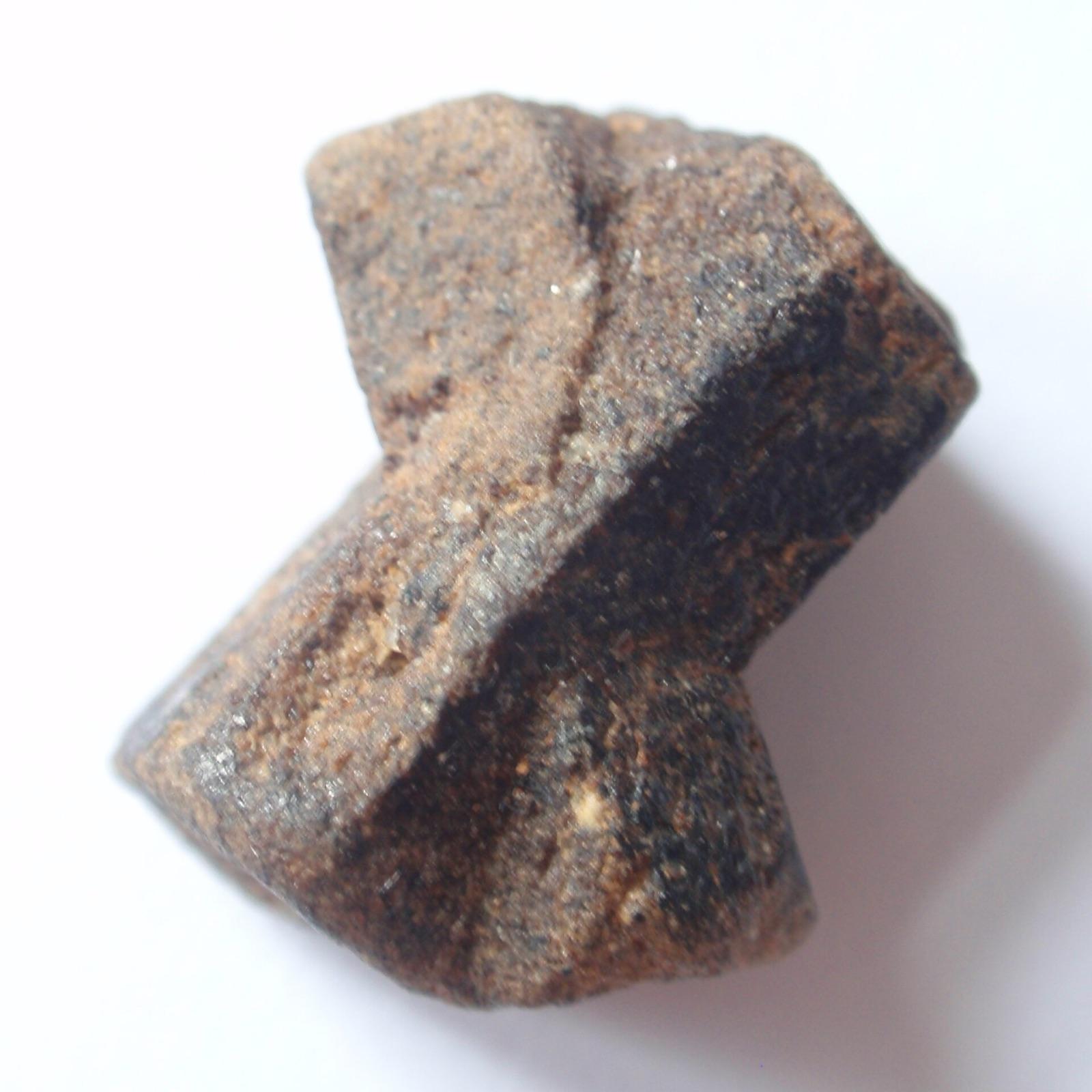
Vengeance Creek
PublicCherokee County, North Carolina
Vengeance Creek is one of the better free Cherokee County entries for staurolite, with garnet, quartz, and calcite adding a compact metamorphic suite.
Calcite, Garnet, Quartz, Staurolite
 Top pick
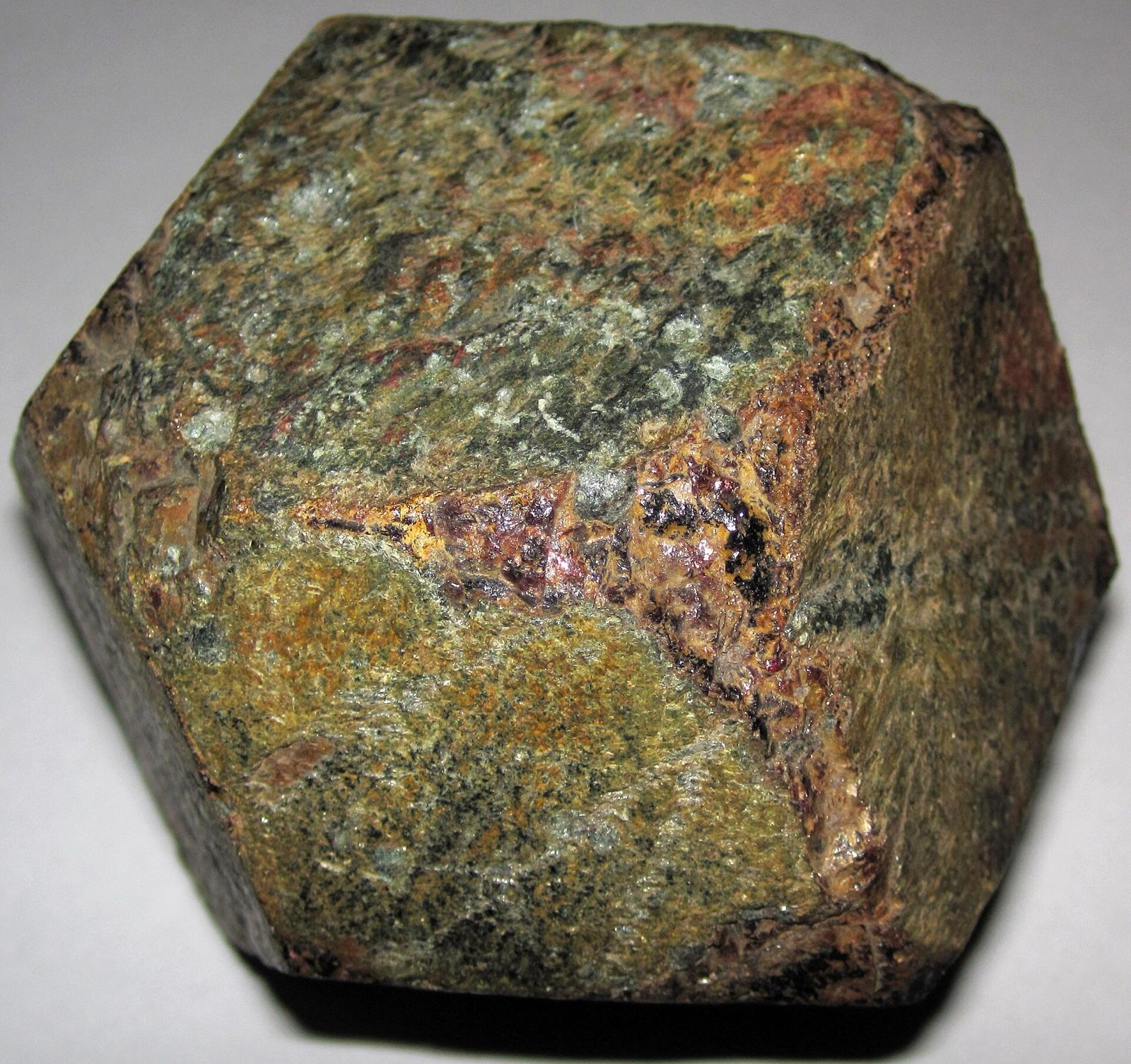
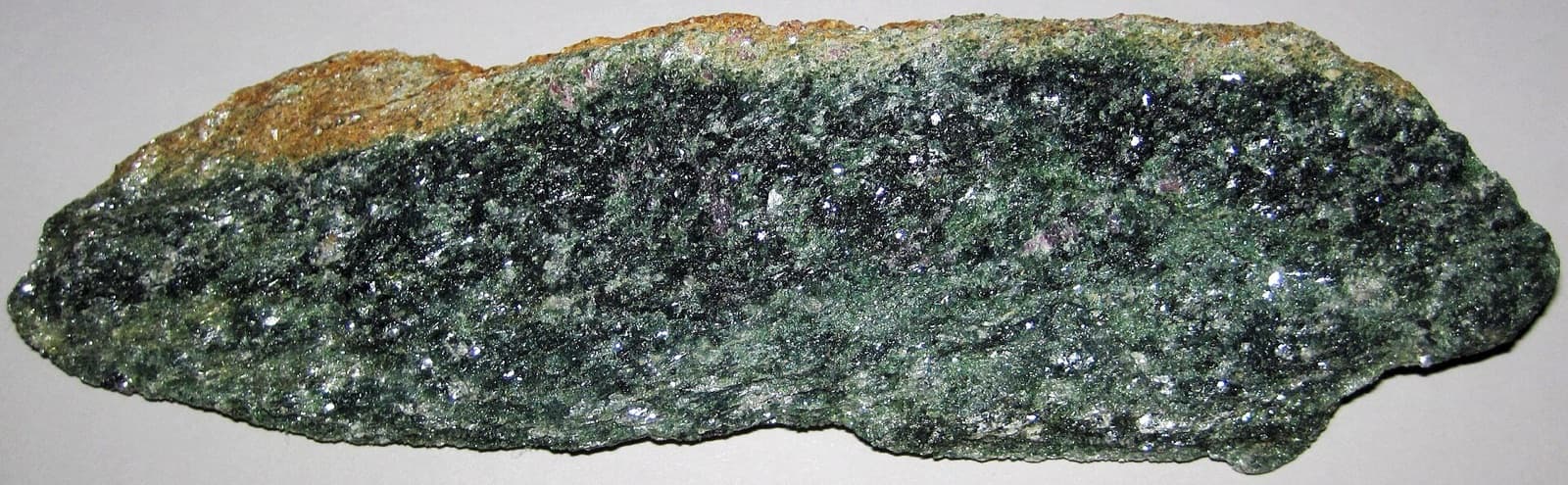
Little Snowbird Mountains
PublicCherokee County, North Carolina
The Little Snowbird Mountains add chloritoid, ottrelite, staurolite, garnet, and gold to the western North Carolina set, a distinctly metamorphic association rather than another pegmatite stop.
Chloritoid, Ottrelite, Garnet, Gold
 Top pick
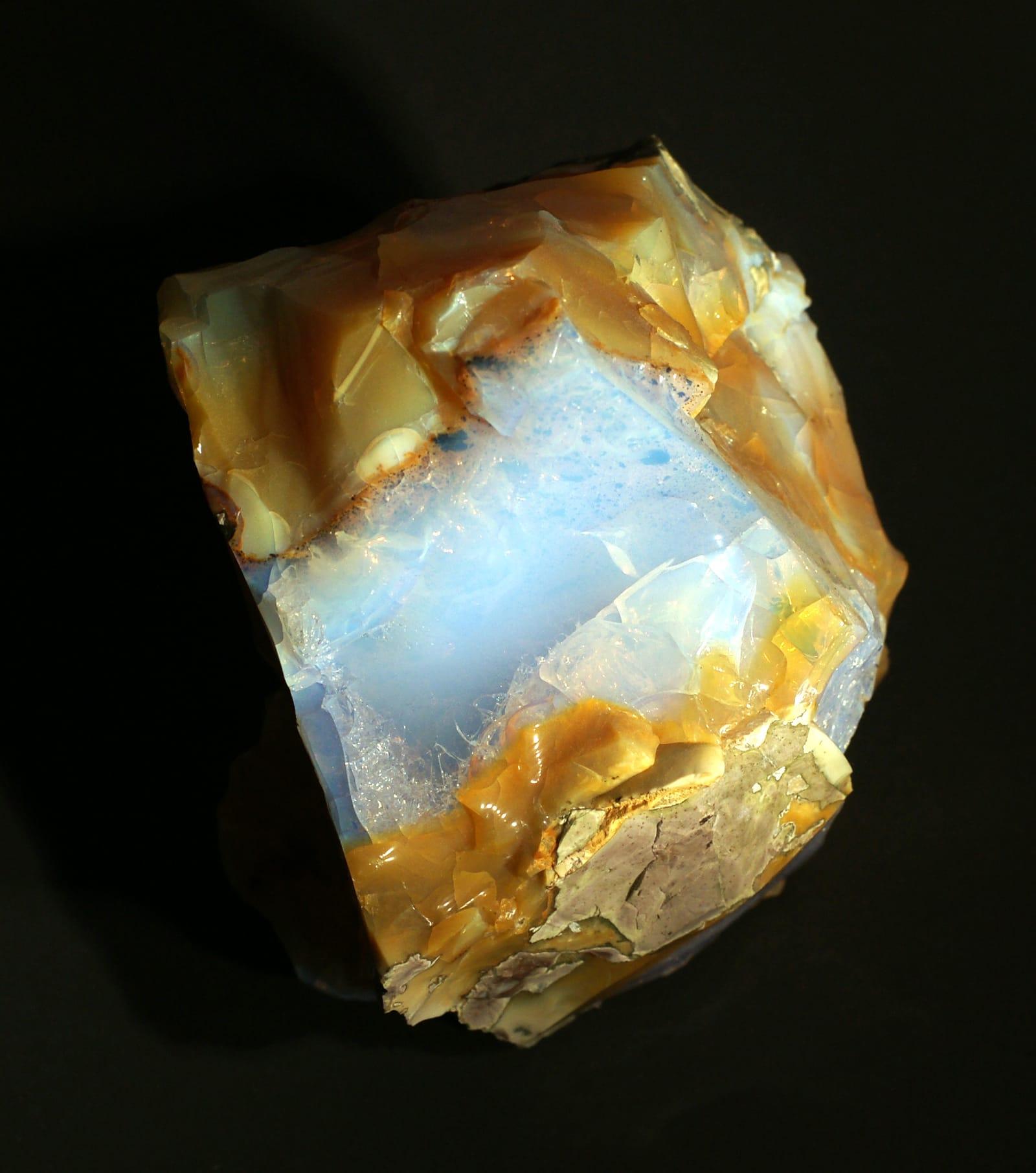
Chunky Gal Mountain
PublicClay County, North Carolina
Chunky Gal Mountain stands out because the Buck Creek dunite body is a named mafic-ultramafic complex, not just a generic mountain roadcut.
Garnet, Staurolite
 Top pick
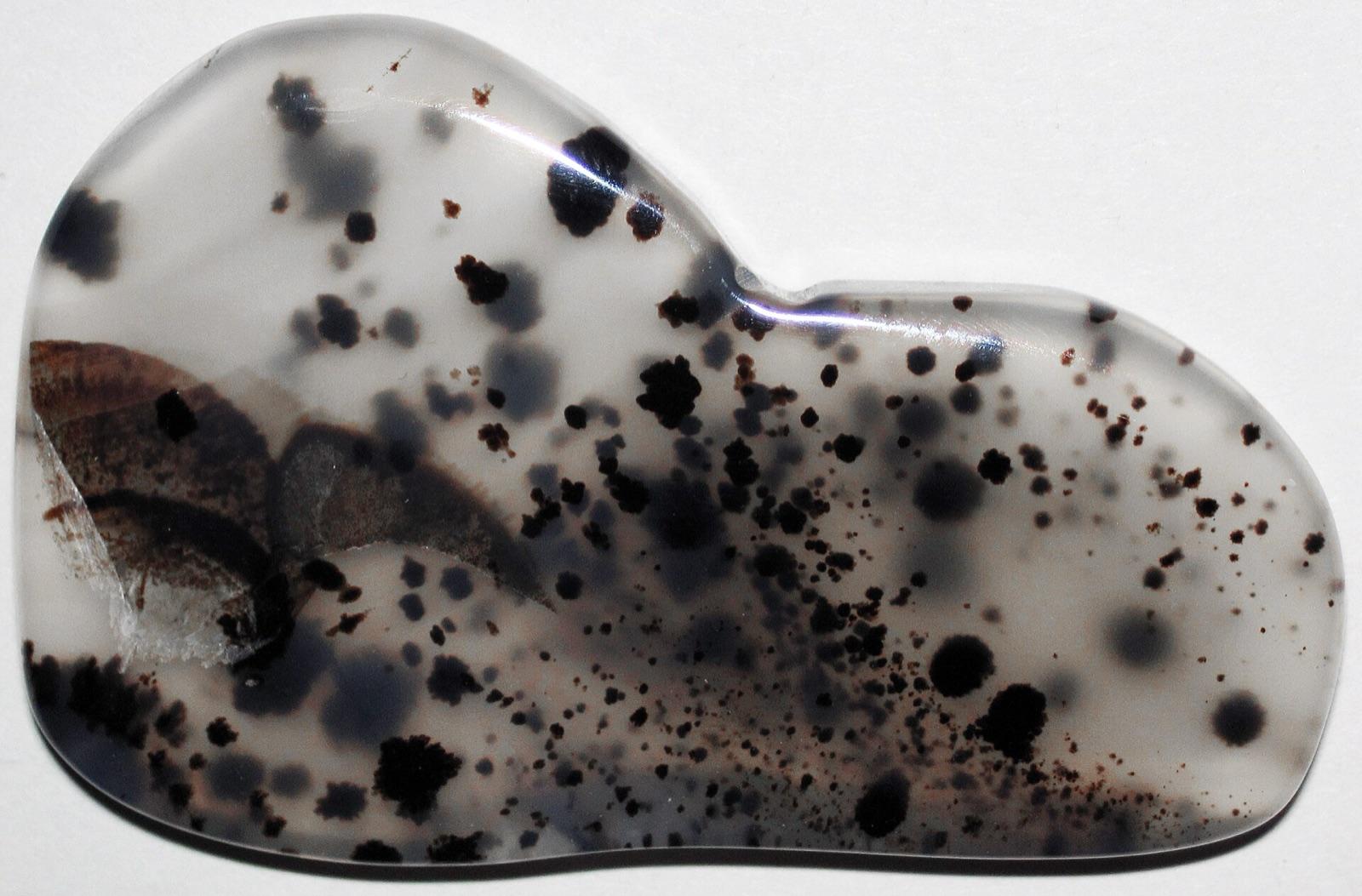
Opal Butte
PermissionMorrow County, Oregon
Opal Butte is noted for hyalite and several gem opal varieties, including rainbow, contra luz, hydrophane, crystal, fire, and blue opal.
Hyalite Opal
 Top pick
Warm Springs Reservoir
PermissionHarney County, Oregon
The high desert around Warm Springs Reservoir, on the Malheur River southeast of Burns, exposes weathered volcanic ground that yields agate, jasper, and petrified wood across public BLM land.
Agate, Chalcedony, Jasper, Petrified Wood
 Top pick
Succor Creek General Area
PublicMalheur County, Oregon
Succor Creek is a remote canyon locality where Oregon State Parks identifies a haven for rock hounds and DOGAMI lists agate, jasper, and related chalcedony-family material from the area.
Agate, Chalcedony, Chert, Jasper
 Top pick
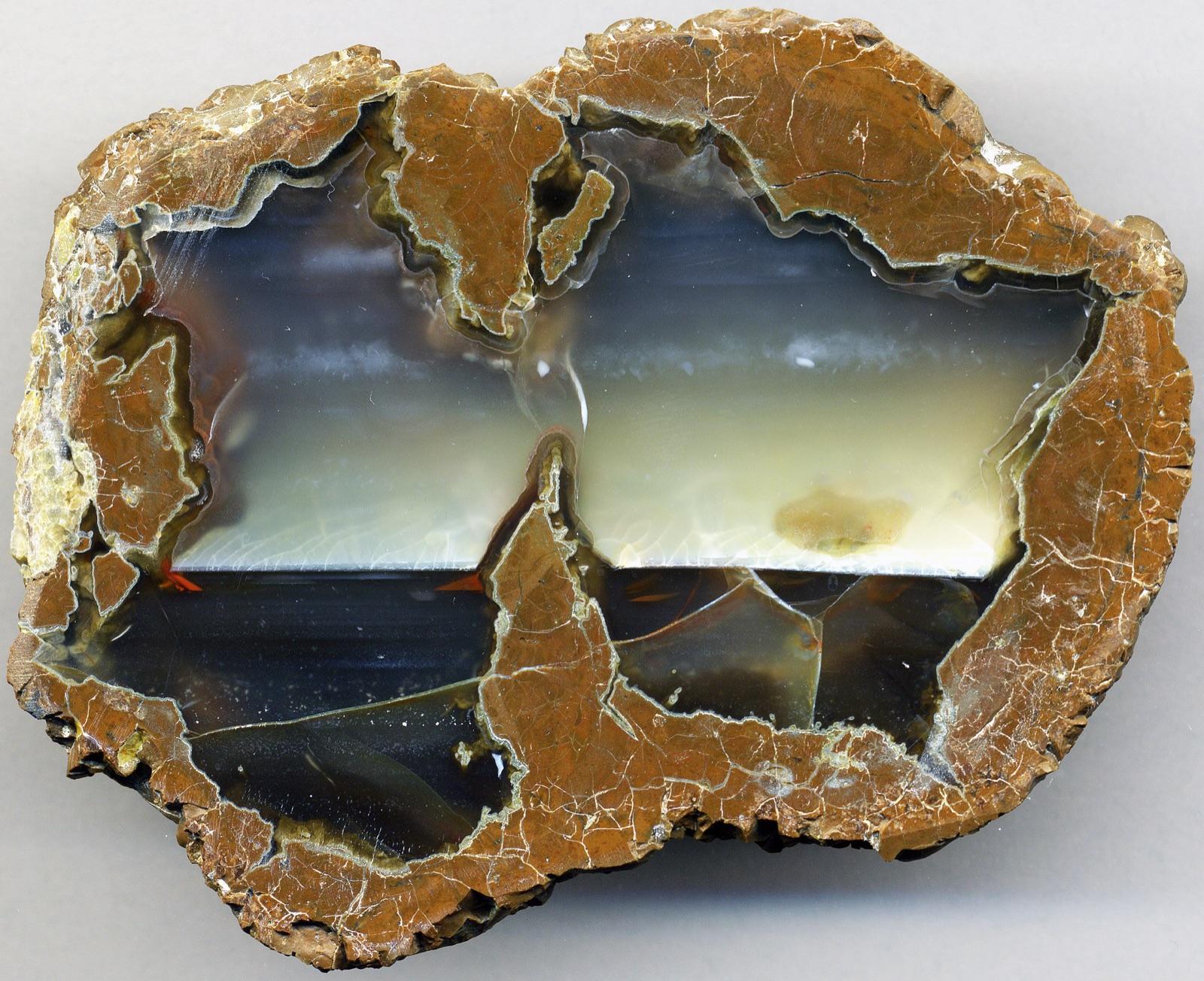
White Fir Spring
PublicCrook County, Oregon
White Fir Spring is a public Ochoco National Forest thunderegg locality, with DOGAMI and Mindat records tying the site to agate- and jasper-filled nodules.
Thunderegg, Jasper
 Top pick
Whistler Spring
PublicCrook County, Oregon
Whistler Spring is one of central Oregon's classic free National Forest thunderegg sites, listed by DOGAMI alongside White Fir in the Madras-Prineville rockhounding belt.
Thunderegg
 Top pick
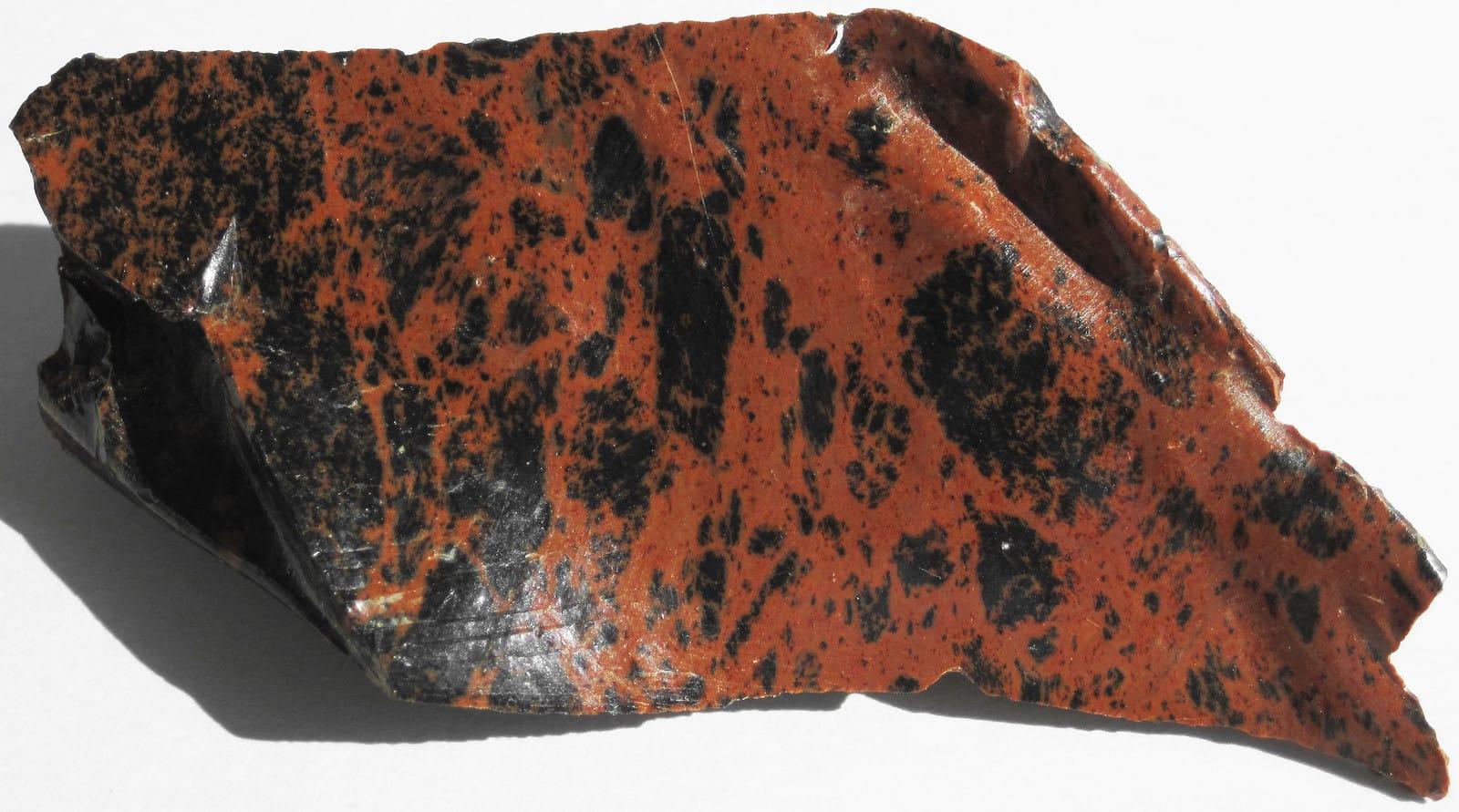
Glass Butte Recreational Rockhound Area
PublicLake County, Oregon
Glass Buttes is a rhyolite and obsidian complex with an unusually broad suite of gem-quality obsidian, including mahogany, rainbow, gold sheen, silver sheen, midnight lace, and other varieties documented by Oregon State University.
Obsidian, Silver Sheen Obsidian, Lace Obsidian, Mahogany Obsidian
 Top pick
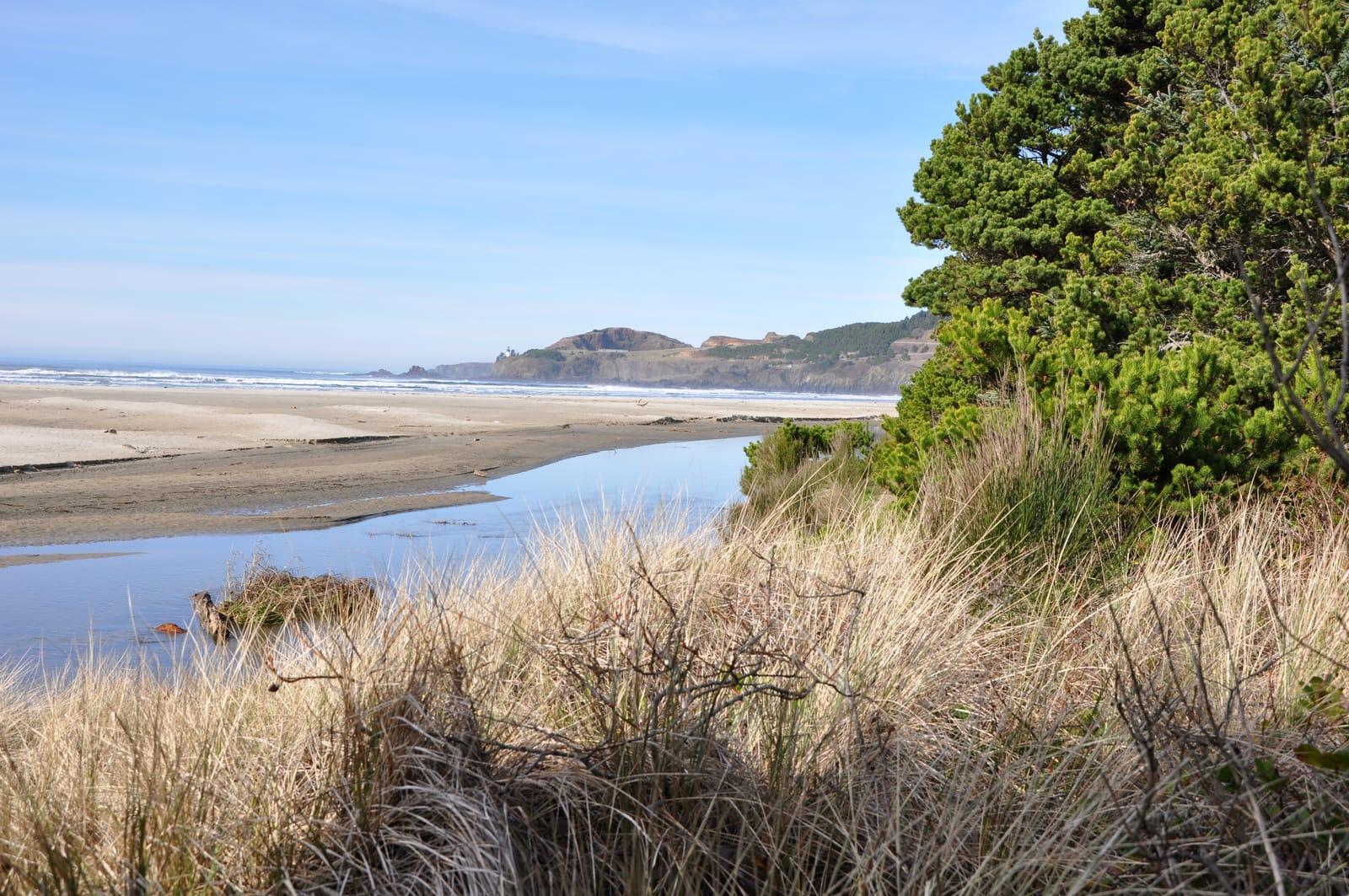
Agate Beach
PublicLincoln County, Oregon
Agate Beach is named for the agates found along the Newport and Yaquina Head shoreline, and Oregon Sea Grant notes that winter storms expose the gravel beds that supply beach agates.
Agate, Moonstone, Jasper, Chalcedony
 Top pick
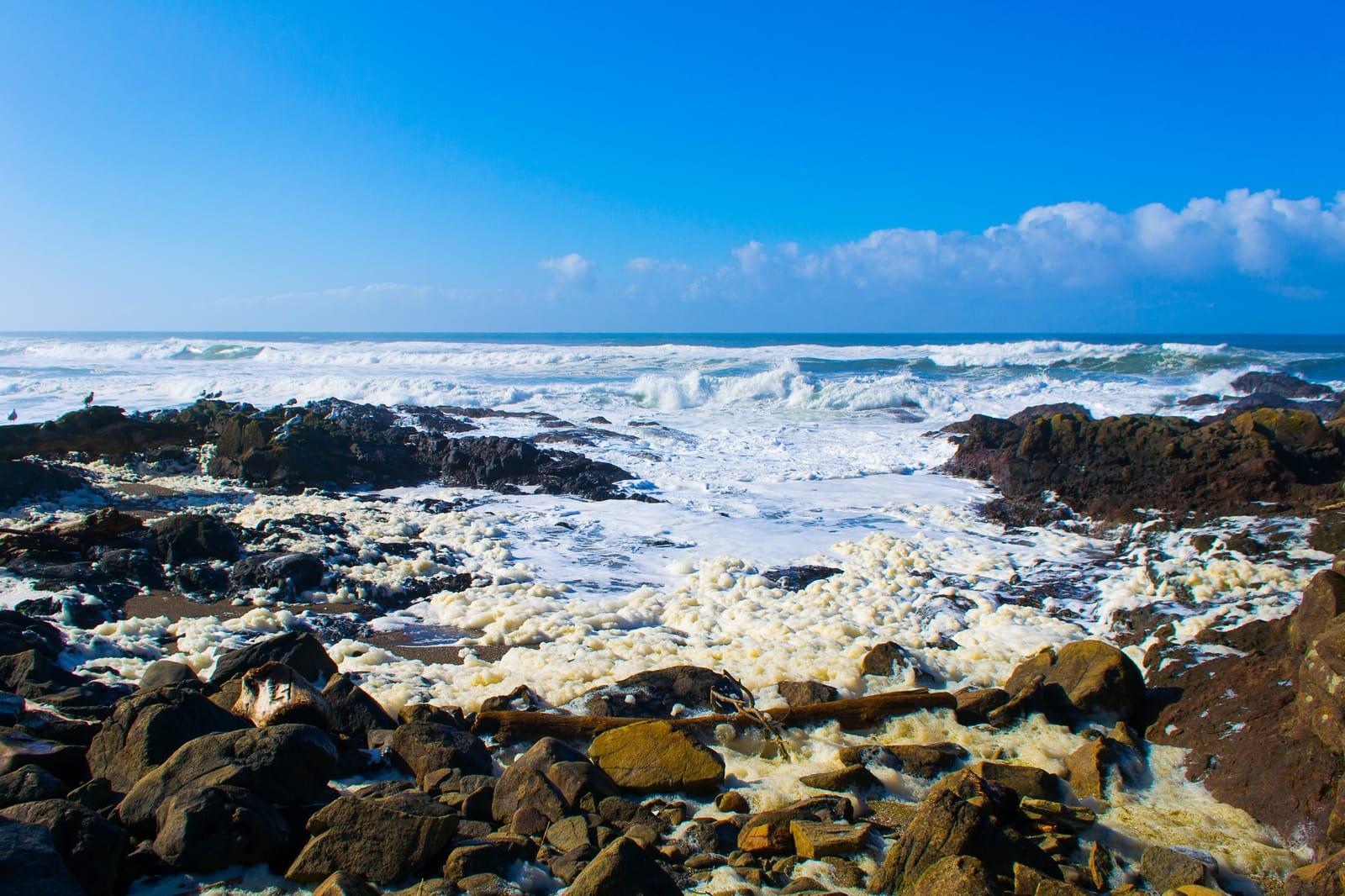
Beach Area Yachats
PublicLincoln County, Oregon
The Yachats beach area sits on Oregon's central coast, where storm-reworked gravel can expose agate, chalcedony, jasper, and related beach material.
Agate, Chalcedony, Jasper, Moonstone
 Top pick
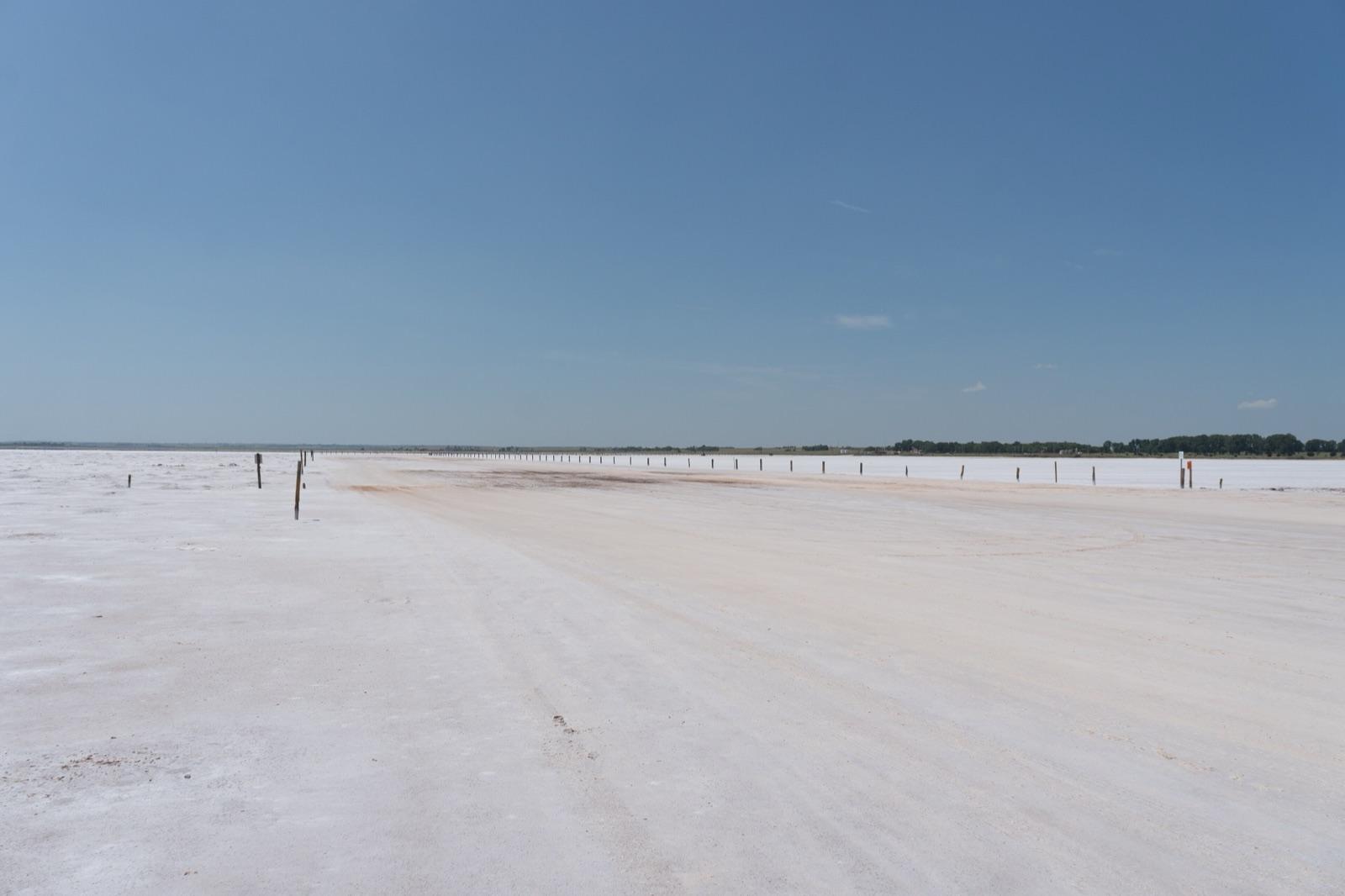
Great Salt Plains
PublicAlfalfa County, Oklahoma
The Salt Plains are the only place on Earth where selenite crystals grow with a natural hourglass of reddish-brown sand sealed inside them, and selenite is Oklahoma's state crystal.
Selenite, Halite
 Top pick
Carrizozo Creek
PermissionCimarron County, Oklahoma
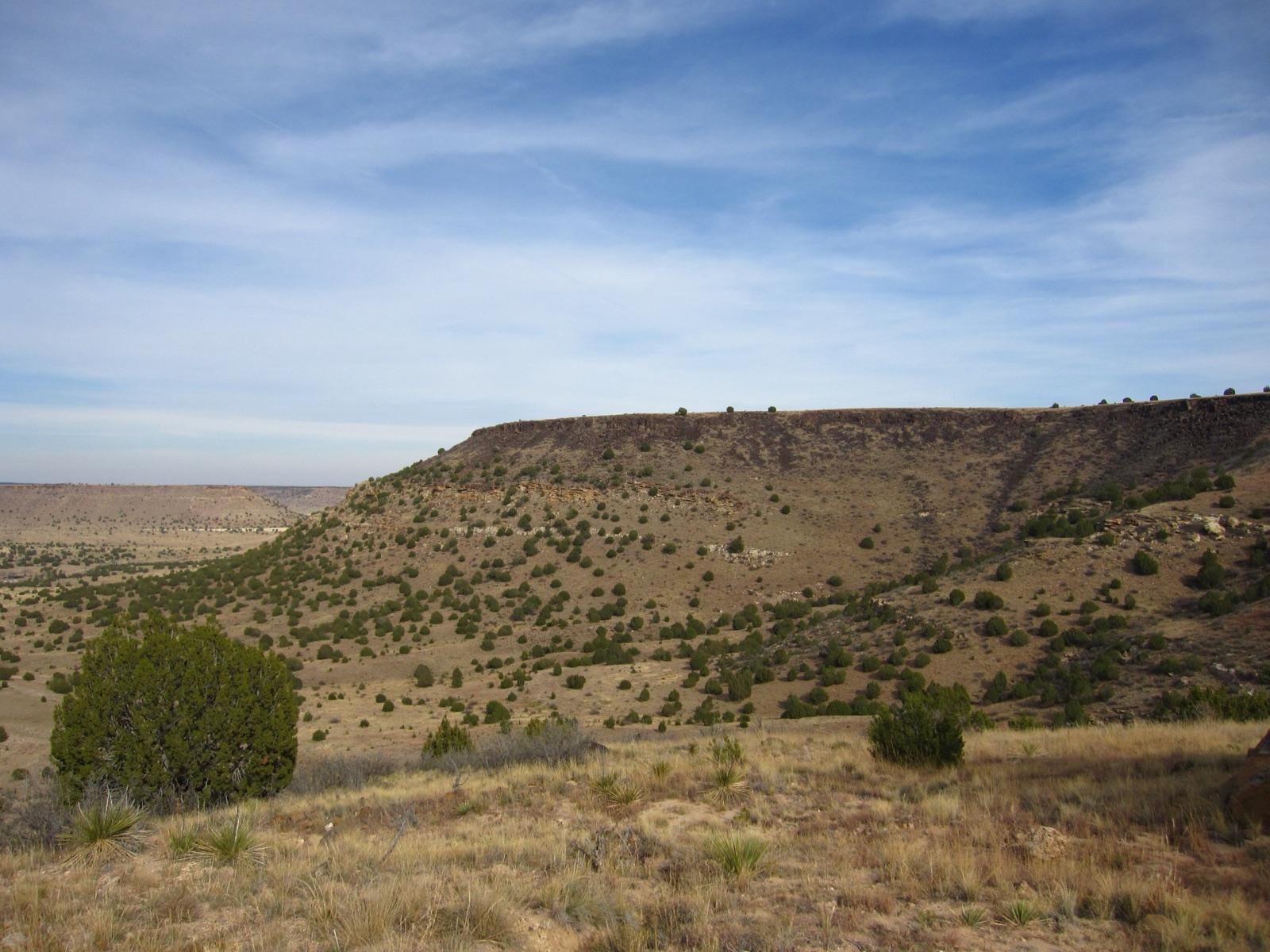
The Black Mesa country at the far tip of the Oklahoma panhandle produces the state's most distinctive agate, including rose-colored agate, agatized algae, and agatized wood eroded from Tertiary gravels.
Rose Agate, Agatized Algae, Agatized Cyad Wood
 Top pick
Seiling & Taloga
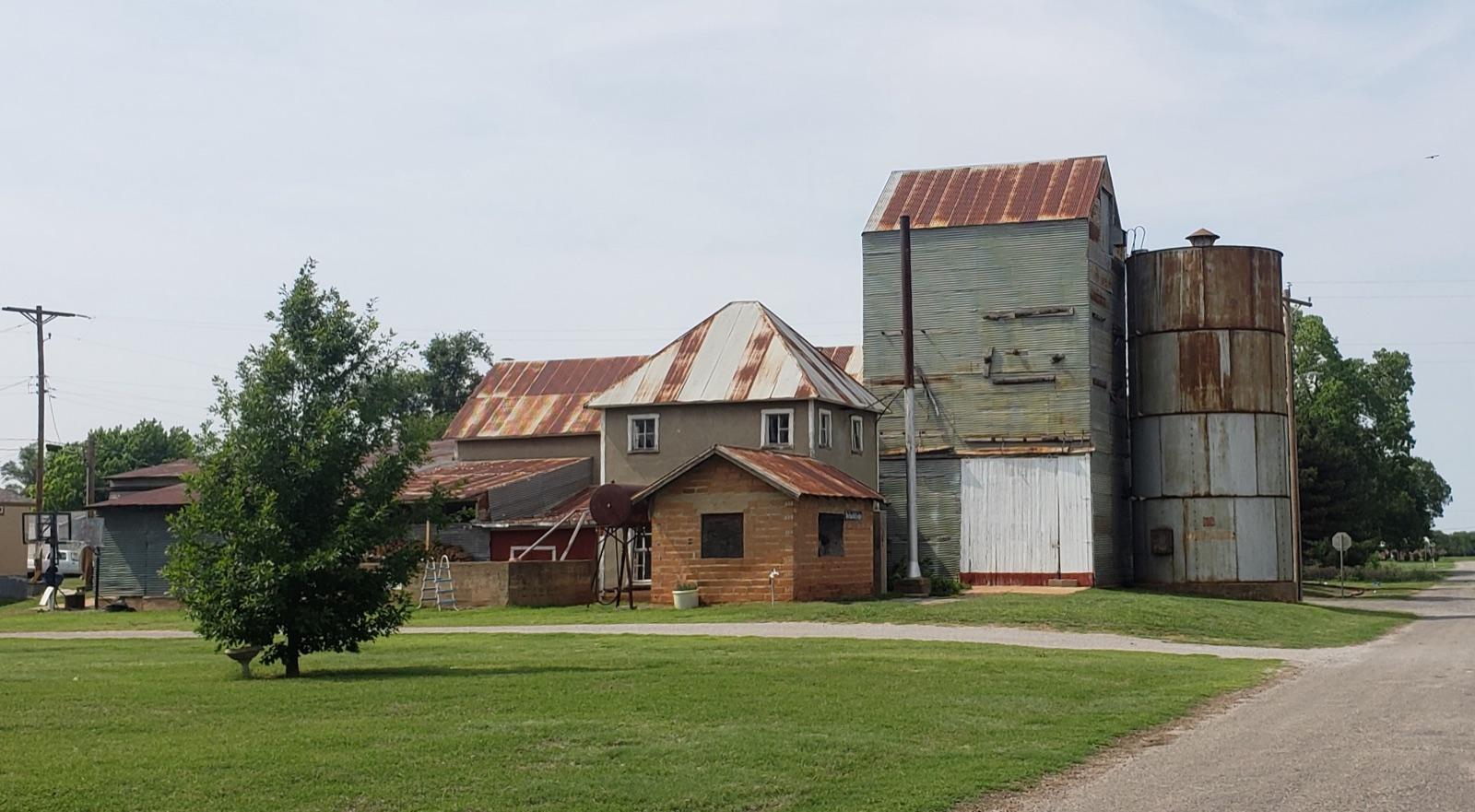
PermissionDewey County, Oklahoma
West-central Oklahoma along the Canadian and North Canadian river systems, around Seiling and Taloga in Dewey County, is known for agate, jasper, and petrified wood weathered from red-bed and gravel deposits.
Agate, Jasper, Petrified Wood
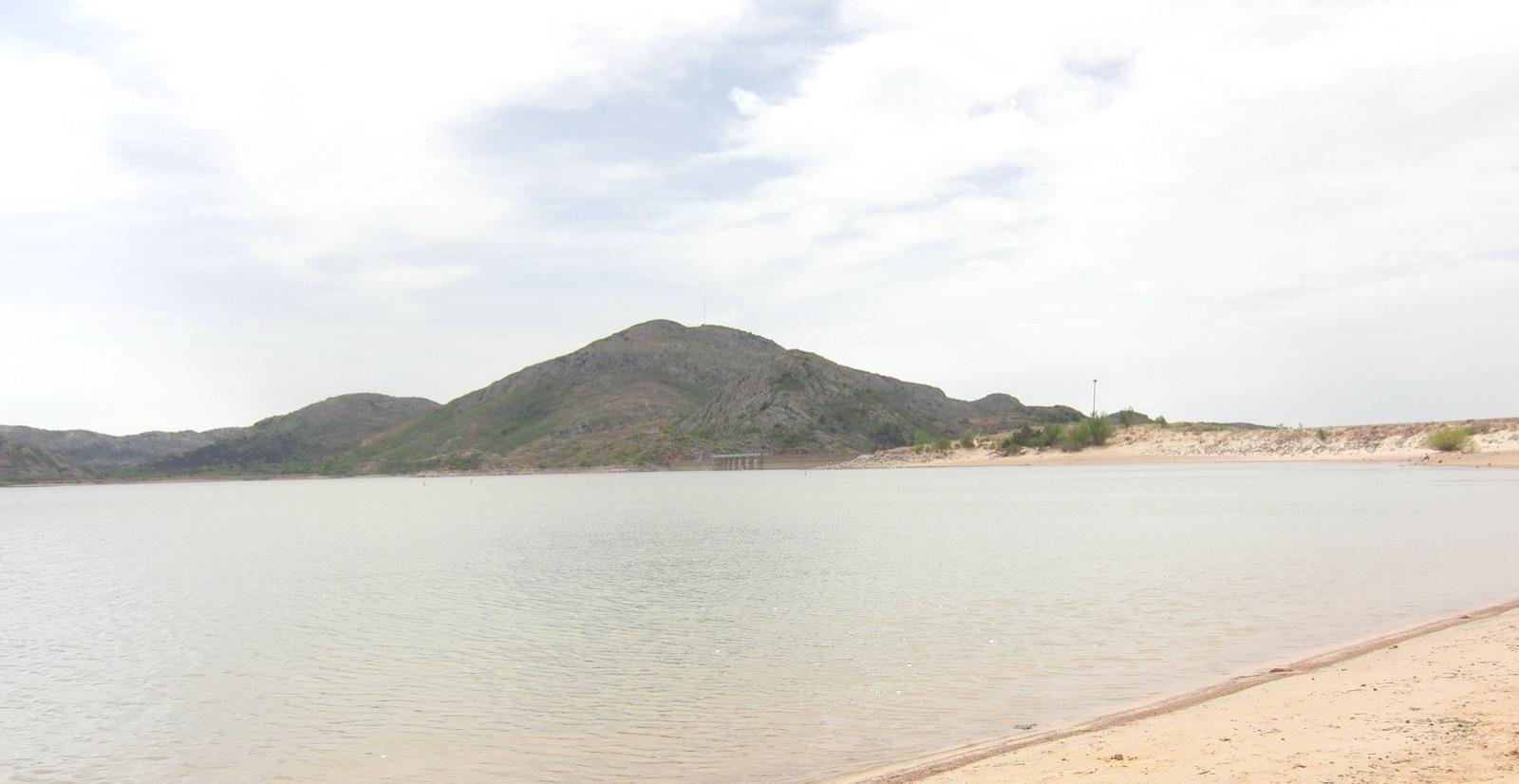 Top pick
Mangum
PermissionGreer County, Oklahoma
Greer County in southwestern Oklahoma, around Mangum, produces agatized and petrified wood along with alabaster and selenite from the region's Permian gypsum and red beds.
Agatized Wood
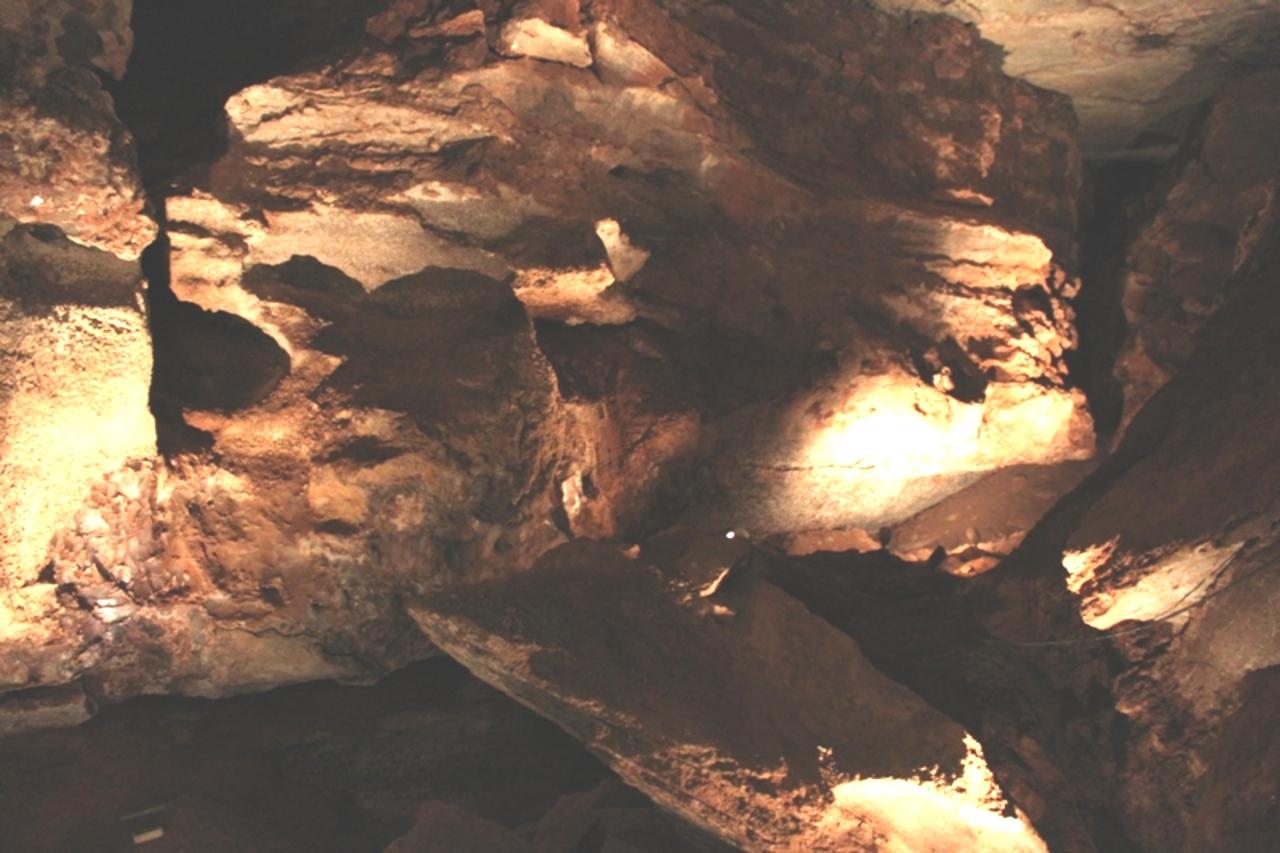 Top pick
Alva
PermissionWoods County, Oklahoma
The gypsum hills and stream gravels of Woods County around Alva yield banded agate, moss agate, chalcedony, and jasper reworked from western Oklahoma formations.
Banded Agate, Moss Agate, Chalcedony, Chert
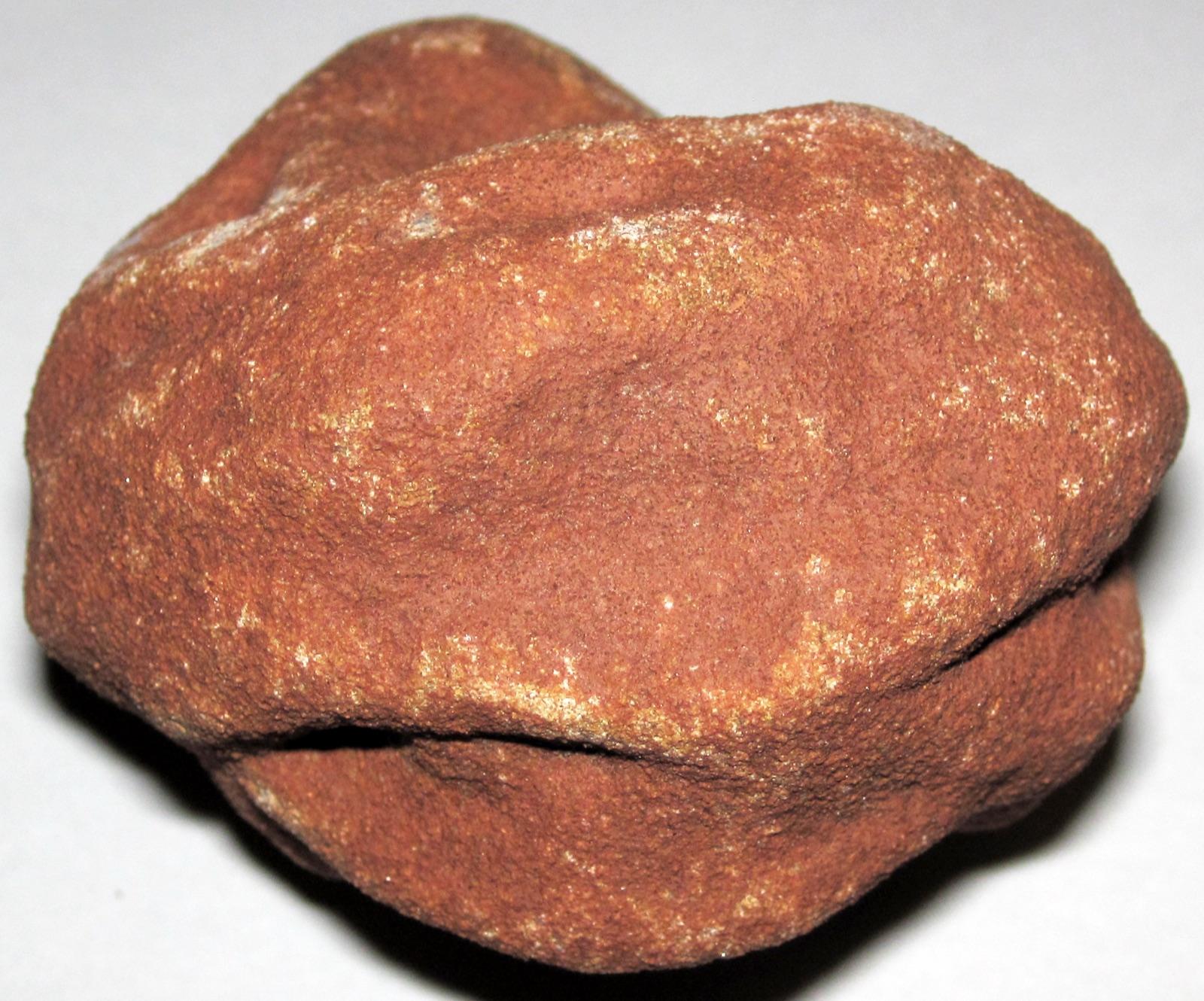 Top pick
Noble
PermissionCleveland County, Oklahoma
Noble calls itself the Rose Rock Capital of the World, a title the Oklahoma Legislature recognized in 1983, and the barite roses in the surrounding Garber Sandstone are the reference locality for the state rock.
Barite, Rose Rock
 Top pick
Lake Stanley Draper
PublicCleveland County, Oklahoma
Rose rocks, clusters of barite crystals shaped like a blooming rose, are Oklahoma's state rock, and they weather out of the red Garber Sandstone across the Oklahoma City area.
Barite, Rose Rock
 Top pick
Atoka
PermissionAtoka County, Oklahoma
Atoka County sits along the western Ouachita foldbelt, where the Arkansas Novaculite forms ridges of dense, fine-grained silica rock long prized for whetstones.
Novaculite, Chert
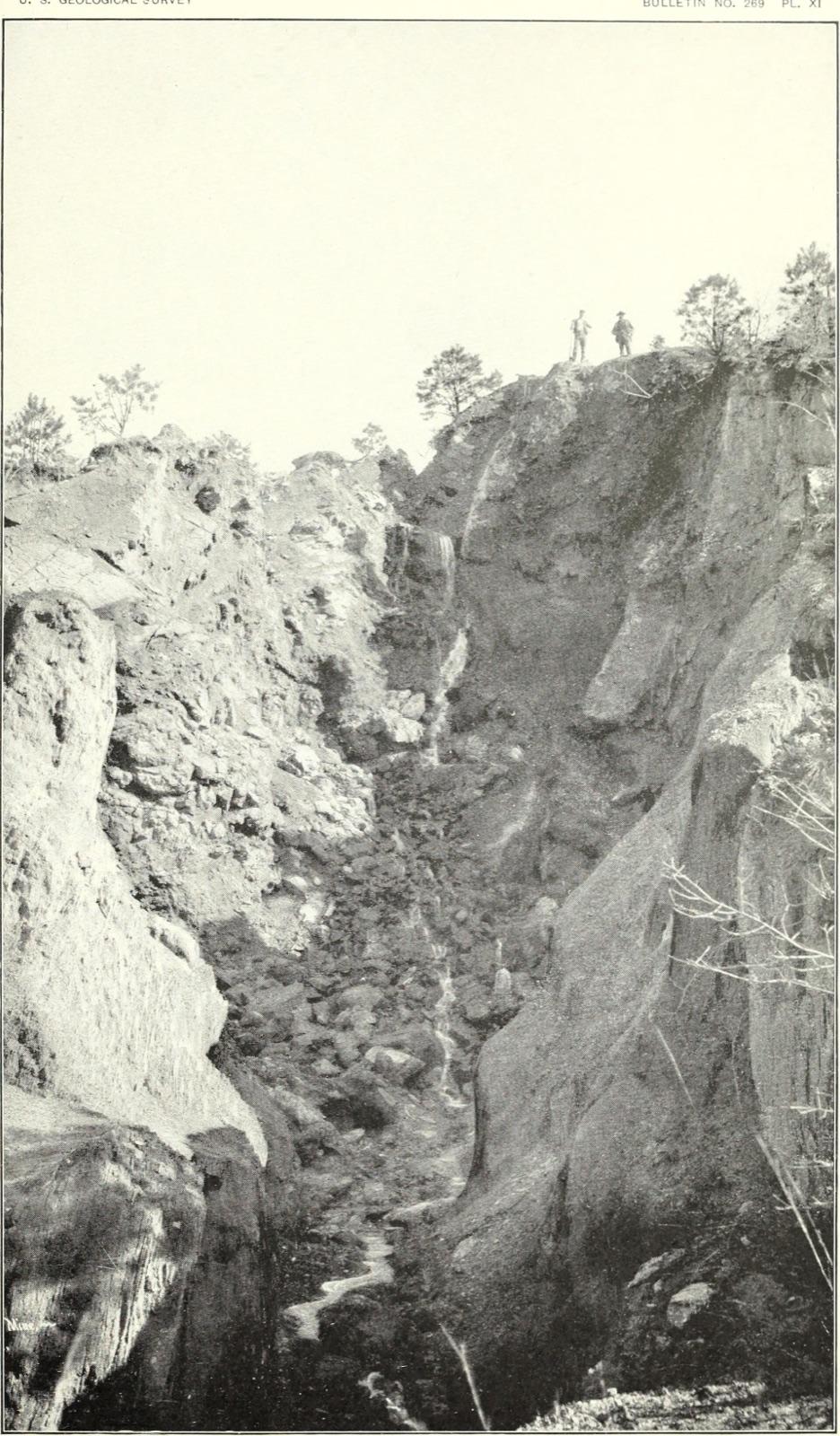 Top pick
Corundum Hill
PublicMacon County, North Carolina
Corundum Hill belongs to the Cowee Valley ruby and sapphire belt, one of the classic eastern U.S. corundum districts described in early USGS work.
Corundum, Ruby, Blue Sapphire, Green Sapphire
 Top pick
Burnsville
PublicYancey County, North Carolina
Ray Mine gives North Carolina a rare free public pegmatite locality, with Mindat documenting aquamarine, beryl, amazonite, muscovite, rutile, tourmaline, and other Spruce Pine district minerals.
Albite, Amazonite, Apatite, Aquamarine
 Top pick
Eldorado
PublicMontgomery County, North Carolina
Eldorado is the Uwharrie-region gold and base-metal pick, tied to the Carolina Slate Belt rather than the Blue Ridge gem belts.
Azurite, Calcite, Gold, Malachite
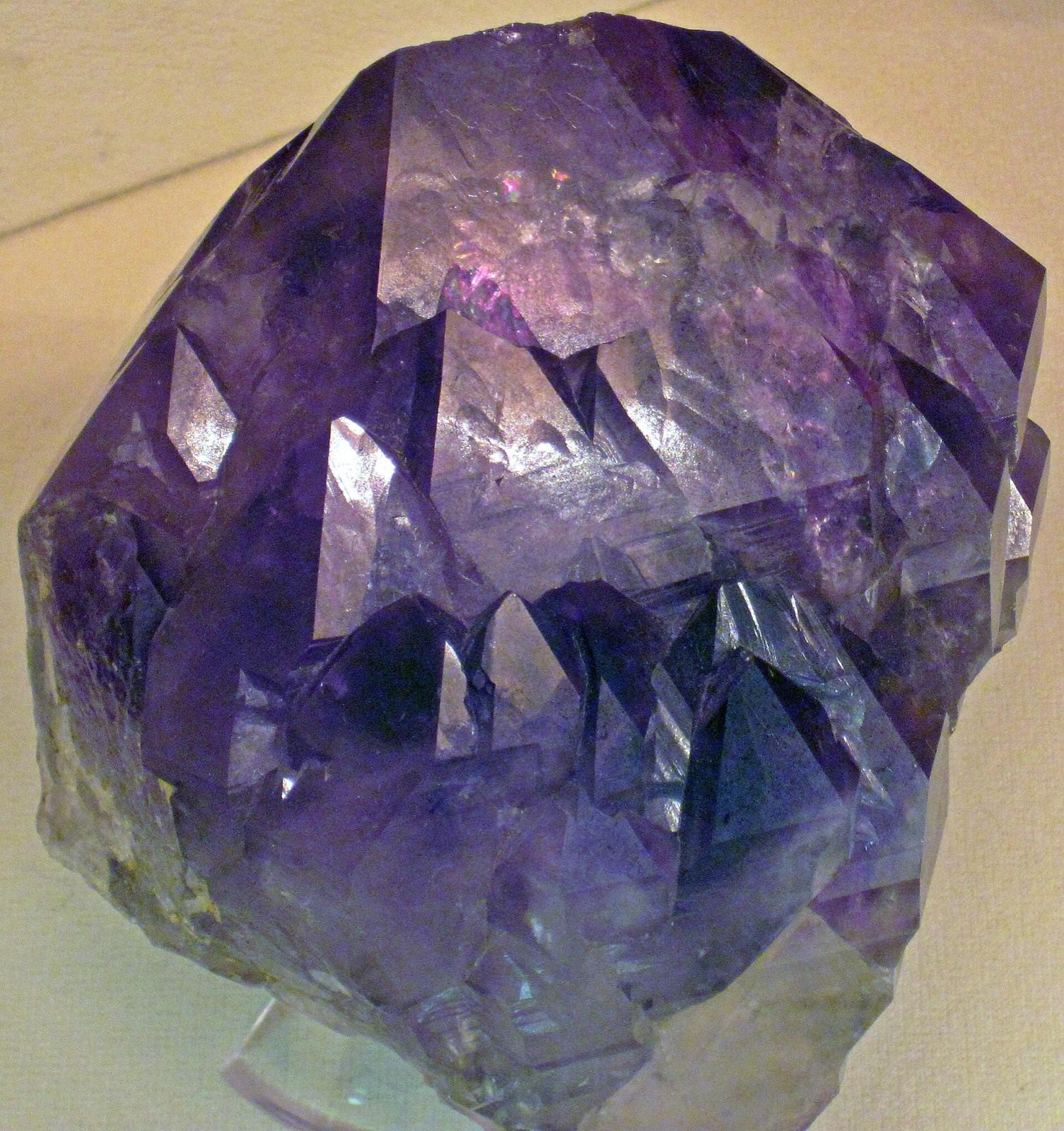 Top pick
Danbury
PublicStokes County, North Carolina
Danbury is the best northern Piedmont silica stop in this set, with agate, carnelian, chalcedony, jasper, hyalite opal, hematite, and amethyst listed from the Stokes County area.
Agate, Carnelian, Chalcedony, Jasper
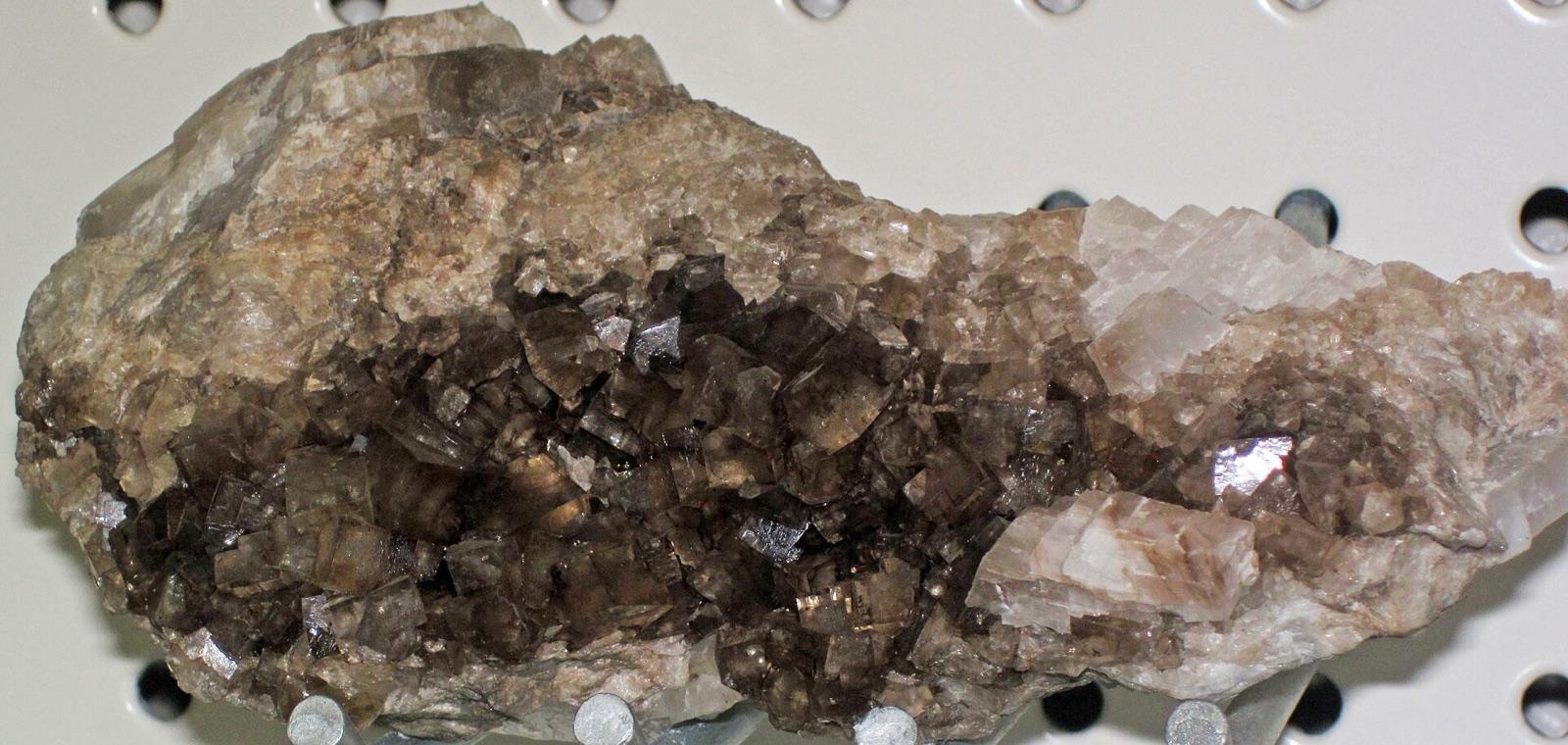 Top pick
Island Creek
PublicVance County, North Carolina
Island Creek represents the Hamme tungsten district, where NCGS work identifies hubnerite-bearing veins with quartz, sericite, fluorite, and scheelite at the Tungsten Queen mine.
Apatite, Chalcopyrite, Fluorite, Galena
 Top pick
Medora
PermissionBillings County, North Dakota
Medora sits in the badlands of Billings County, ringed by the Little Missouri National Grassland where the Forest Service permits casual collection of petrified wood, agate, and chalcedony.
Agate, Chalcedony, Silicified Wood
 Top pick
Bismarck
PublicBurleigh County, North Dakota
Bismarck fronts the Missouri River, the one North Dakota waterway the courts have held navigable, meaning the state owns the bed below the ordinary high water mark.
Agate, Chalcedony, Silicified Wood, Jasper
 Top pick
Richardton
PublicStark County, North Dakota
Richardton sits in the gravels of Stark County at the eastern edge of the Little Missouri badlands collecting country, where the Bullion Creek and Sentinel Butte formations shed agate, chalcedony, agatized wood, jasper, and blades of selenite.
Agate, Chalcedony, Agatized Wood, Jasper
 Top pick
Souris River
PublicMcHenry County, North Dakota
The Souris, or Mouse, River loops through the drift prairie of north-central North Dakota, and its glacial gravels carry quartz, agate, chalcedony, and jasper eroded from Canadian bedrock and dropped by the ice sheets.
Quartz, Agate, Chalcedony, Jasper
 Top pick
McKenzie County
PublicMcKenzie County, North Dakota
McKenzie County holds the largest share of the Little Missouri National Grassland, the one broadly reliable place in North Dakota to collect on public land.
Montana Moss Agate, Jasper, Silicified Wood
 Top pick
Little Missouri River
PublicMcKenzie County, North Dakota
The Little Missouri River drains the heart of the North Dakota badlands, and its gravel bars concentrate Montana moss agate, agatized wood, and jasper eroded from the Sentinel Butte and Bullion Creek formations and carried down from Montana.
Montana Moss Agate, Jasper, Agatized Wood
 Top pick
Mandan
PublicMorton County, North Dakota
Mandan lies in the Cannonball Formation belt that produces Teredo-bored petrified wood, North Dakota's state fossil: ancient driftwood riddled by marine shipworms and later silicified.
Agate, Chalcedony, Chert, Teredo Petrified Wood
 Top pick
Lisbon
PublicRansom County, North Dakota
Lisbon marks the eastern end of North Dakota's Teredo petrified wood belt, which runs across the state from the Mandan badlands to the Sheyenne River valley.
Quartz, Teredo Petrified Wood
 Top pick
Williams County
PublicWilliams County, North Dakota
Williams County ranks among North Dakota's better counties for Montana moss agate and jasper, which wash into the Missouri and Yellowstone river gravels and glacial drift of the state's northwest corner.
Montana Moss Agate, Red Jasper, Yellow Jasper
 Top pick
Killdeer
PublicDunn County, North Dakota
Killdeer is the seat of Dunn County, the core of the Knife River flint source area, a glossy brown chalcedony that prehistoric knappers quarried and traded across much of the continent.
Knife River Flint
 Top pick
Conneaut
PublicAshtabula County, Ohio
Conneaut sits at Ohio's northeast corner where the Lake Erie shore mixes glacial erratics, well-tumbled quartz and jasper pebbles, Devonian shale fossils, and the frosted beach glass the eastern lakeshore is known for.
Calcite
 Top pick
Coshocton County
PublicCoshocton County, Ohio
Coshocton County is the home of Upper Mercer flint, the glossy blue-black, white-flecked chert that flint knappers prize above almost any other Ohio material and still gather at the annual Coshocton Flint Festival and Knap-In.
Dark Gray Flint, Black Flint
 Top pick
Lawrence County
PublicLawrence County, Ohio
At Ohio's southern tip the Ohio River rolls up gravel bars carrying flint nodules, chert, jasper, and quartz eroded and reworked from the Appalachian bedrock upstream.
Flint Nodule
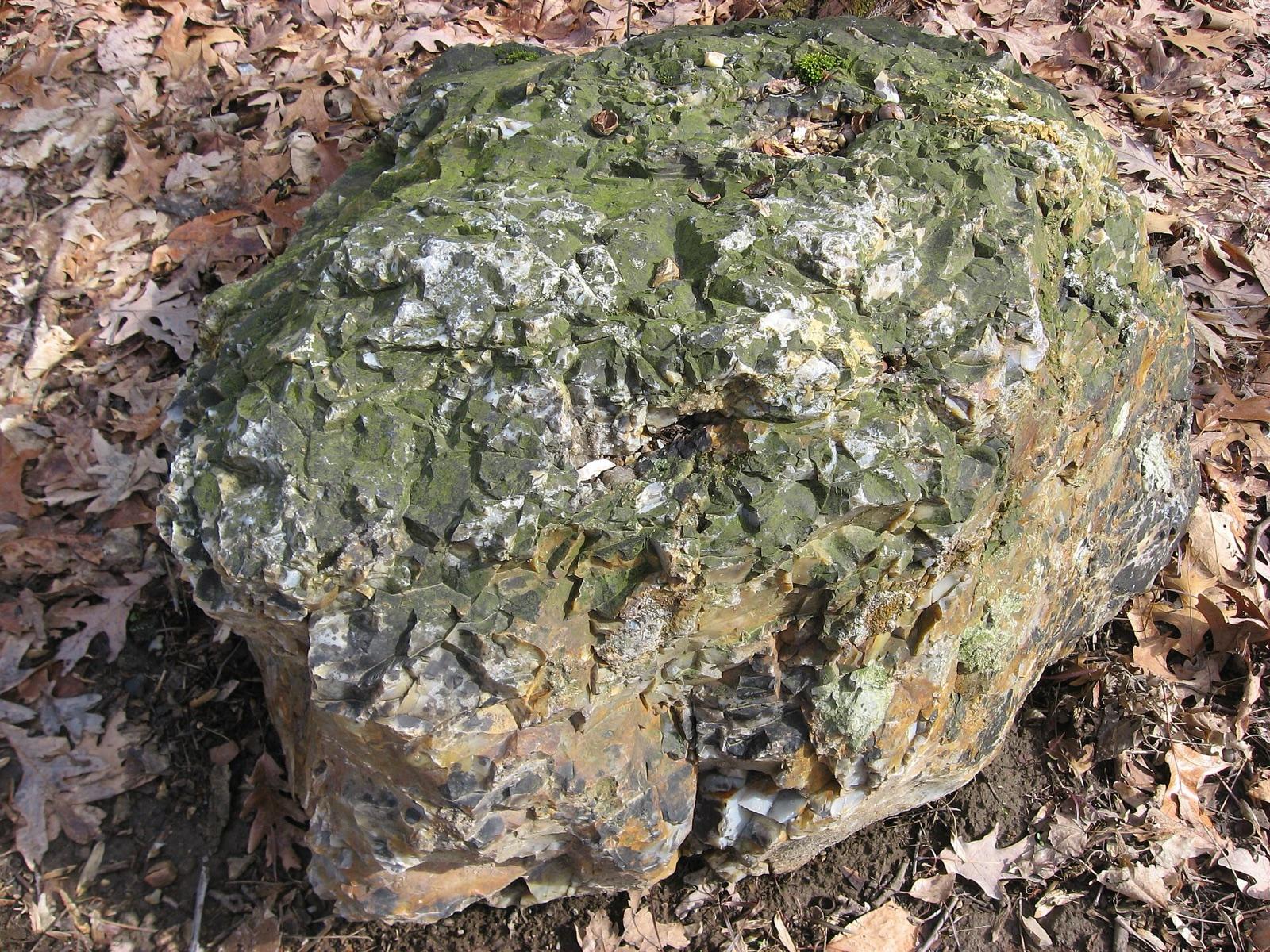 Top pick
Flint Ridge
PublicLicking County, Ohio
Flint Ridge is the source of Ohio flint, the state's official gemstone since 1965, a Vanport chert that runs in vivid reds, pinks, blues, and greens found almost nowhere else at this quality.
Agate, Amethyst, Carnelian, Chalcedony
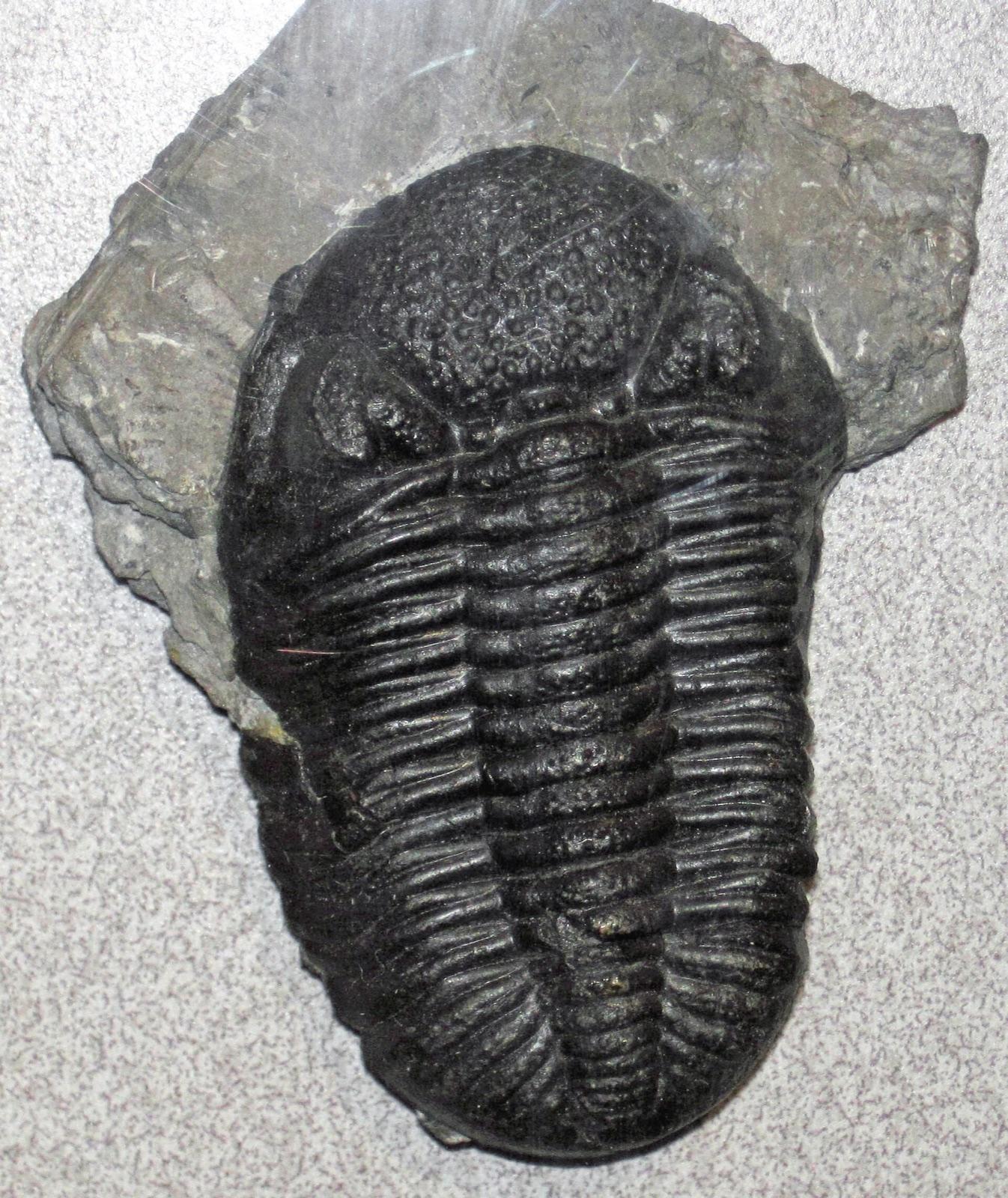 Top pick
Medusa Quarry in Sylvania
PublicLucas County, Ohio
This five-acre former Medusa cement quarry, now the Olander Park District's Fossil Park, is set into the Middle Devonian Silica Formation, a shale famous worldwide for beautifully preserved trilobites and more than 200 species of marine invertebrates about 375 million years old.
Fossil
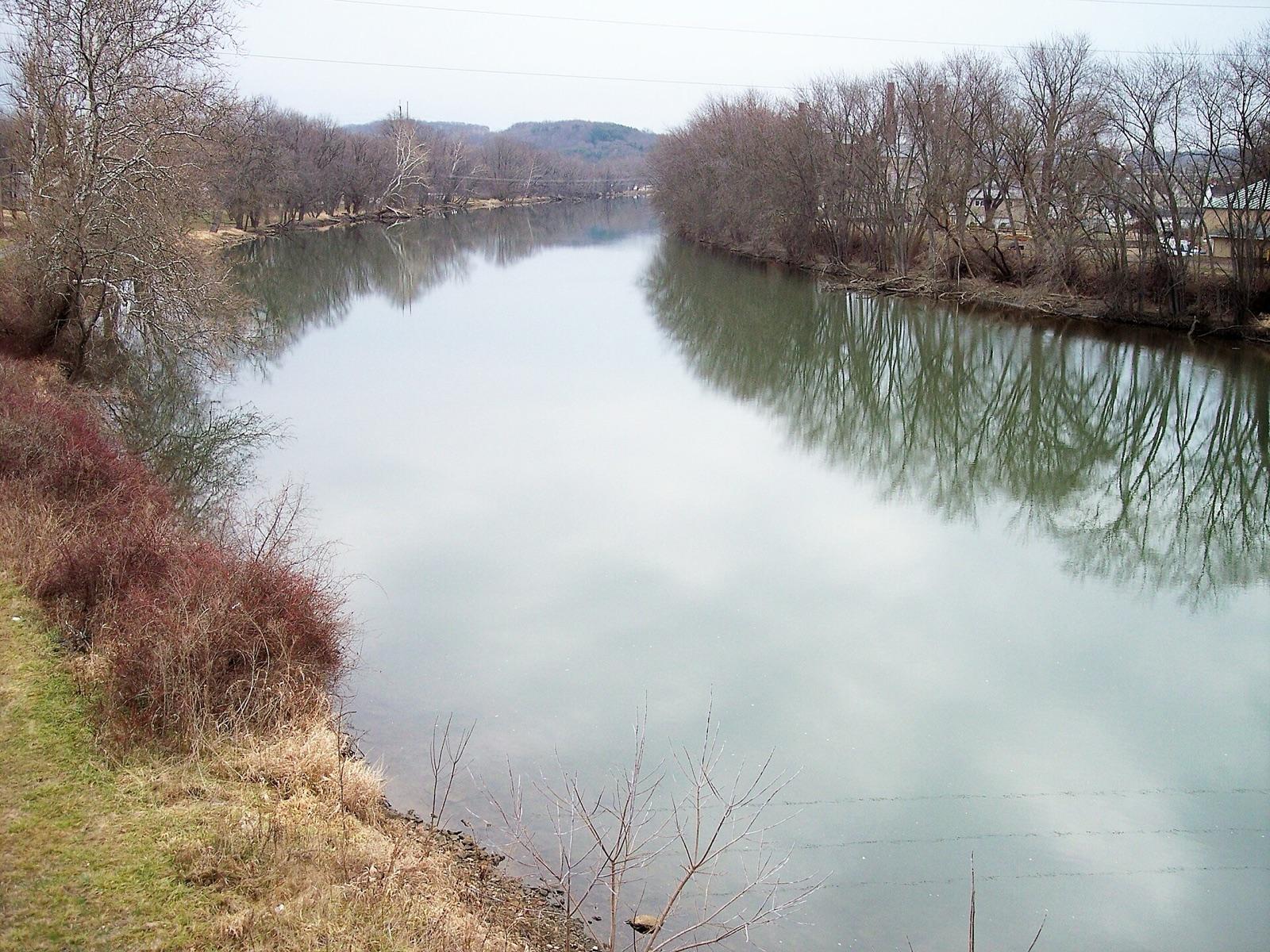 Top pick
Tuscarawas River near Zoar
PublicTuscarawas County, Ohio
The Tuscarawas River near the historic village of Zoar carries flint and chert cobbles, including Upper Mercer material, worked down from the surrounding Pennsylvanian bedrock and glacial deposits into workable gravel bars.
Flint
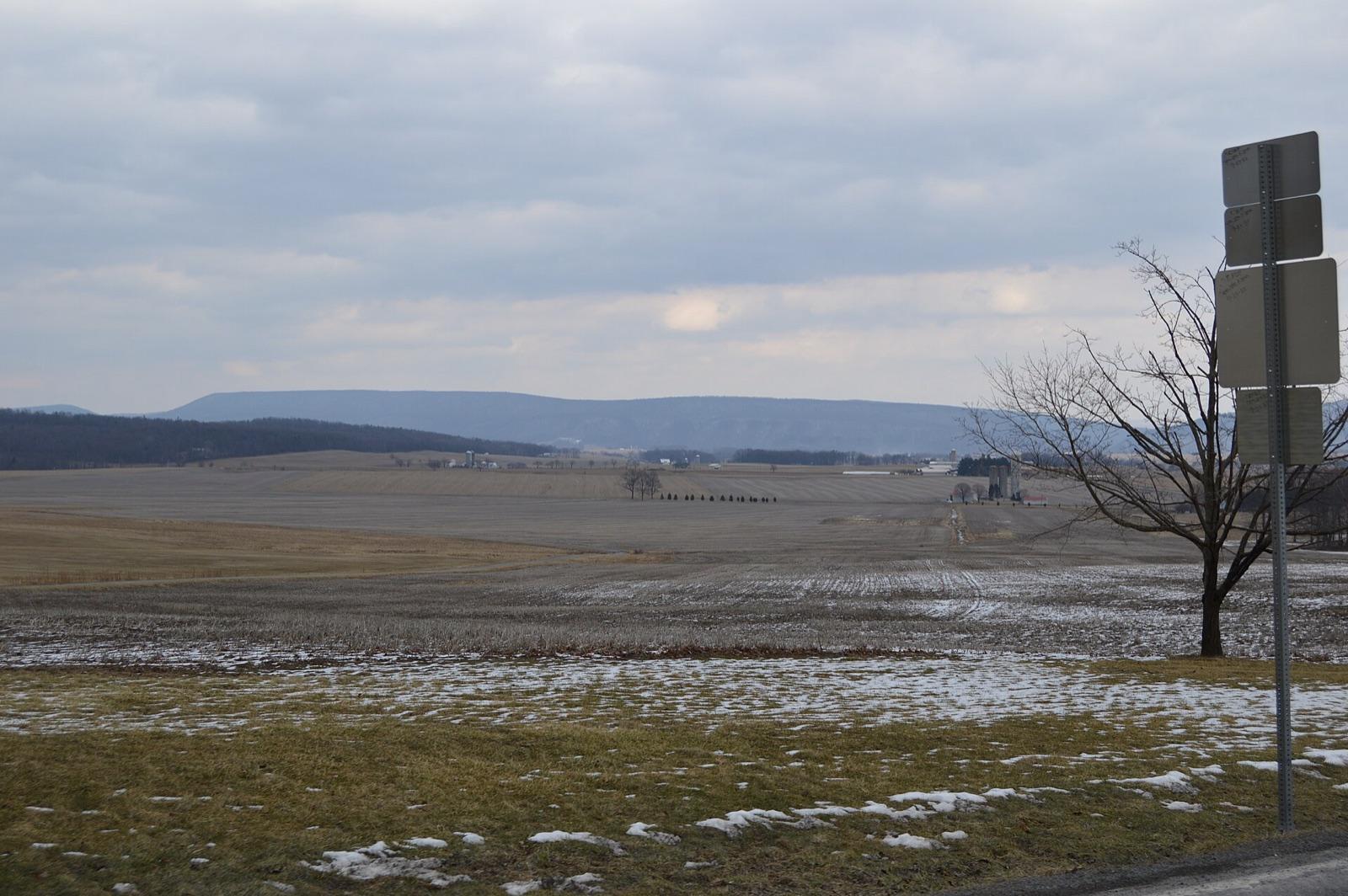 Top pick
Morrison Cove
PublicBedford County, Pennsylvania
Morrison Cove in Bedford County is a carbonate valley known for pockets of amethyst, clear and smoky quartz, and calcite in the surrounding folded Appalachian ridges.
Quartz, Amethyst, Calcite, Herkimer Diamond
 Top pick
Area Around Caledonia State Park
PublicFranklin County, Pennsylvania
The ridges of Michaux country around Caledonia in Franklin County shed agate and jasper into local streams and float, a byproduct of the region's iron-rich Blue Ridge geology.
Agate, Jasper
 Top pick
Reading
PublicBerks County, Pennsylvania
The Reading area of Berks County is the heart of Pennsylvania's historic jasper country, where prehistoric quarries supplied toolstone for thousands of years.
Jasper
 Top pick
Brookdale Mine
PublicChester County, Pennsylvania
The Brookdale Mine lies in the Phoenixville / Wheatley lead district, source of some of the finest pyromorphite specimens ever found in the United States.
Quartz, Pyromorphite, Azurite, Cerussite
 Top pick
Riegelsville
PublicHunterdon County, New Jersey
The Delaware River gravel bars near Riegelsville carry a rounded mix of jasper, quartz, and chalcedony pebbles washed down from Appalachian and Piedmont bedrock upstream.
Jasper, Quartz
 Top pick
Nottingham Park
PublicChester County, Pennsylvania
Nottingham County Park sits on the State Line serpentine barrens, one of the classic ultramafic exposures of the Pennsylvania Piedmont.
Serpentine, Garnet, Feldspar, Tourmaline
 Top pick
Carlisle
PublicCumberland County, Pennsylvania
The Carlisle area of Cumberland County is known for banded agate, jasper, amethyst and quartz weathering out of the local carbonate and diabase terrain.
Banded Agate, Quartz, Jasper, Amethyst
 Top pick
Chester Creek
PublicDelaware County, Pennsylvania
Chester Creek cuts through the same amethyst- and quartz-bearing Piedmont crystalline belt, and its gravels carry amethyst and smoky quartz weathered out of local veins and pegmatites.
Amethyst, Smoky Quartz
 Top pick
Crum Creek
PublicDelaware County, Pennsylvania
Crum Creek drains the pegmatite-rich crystalline rocks of the Delaware County Piedmont, and its gravels concentrate golden beryl, amethyst, garnet and quartz eroded from those bodies.
Golden Beryl, Amethyst, Garnet, Quartz
 Top pick
Cornwall
PublicLebanon County, Pennsylvania
Cornwall is one of the most famous iron deposits in eastern North America, a magnetite skarn worked for over two centuries.
Actinolite, Andradite, Calcite, Chlorite
 Top pick
Bristol
PublicBristol County, Rhode Island
The Bristol shoreline, including the public waterfront at Colt State Park and the town beaches, yields red and brown jasper pebbles along with occasional agate and quartz from the Narragansett Basin conglomerates.
Jasper
 Top pick
Warwick
PublicKent County, Rhode Island
Warwick's Narragansett Bay beaches, including the public shore around Conimicut Point and City Park, are a long-known source of water-worn carnelian and agate pebbles.
Carnelian
 Top pick
Johnston
PublicProvidence County, Rhode Island
The rock cuts and volcanic outcrops in Johnston, near the Route 6 and Interstate 295 corridor, have produced amethyst and clear to smoky quartz from vugs in the underlying felsic bedrock.
Amethyst
 Top pick
Jamestown Bridge
PublicNewport County, Rhode Island
The metamorphic rocks near the Jamestown bridge landing on Conanicut Island carry staurolite, the cross-shaped iron-aluminum silicate prized by collectors, along with serpentine tied to the same belt that produces the state's bowenite.
Staurolite
 Top pick
Mt. Hope Bay
PublicBristol County, Rhode Island
The beach gravels rimming Mt. Hope Bay hold Rhode Island's fullest spread of chalcedony, including red and green agate, carnelian, jasper, and thin plates of hematite eroded from the Narragansett Basin.
Red Agate, Amethyst, Carnelian, Jasper
 Top pick
Pawtuxet
PublicProvidence County, Rhode Island
The Narragansett Bay beach gravels at Pawtuxet Village turn up agate, carnelian, amethyst, and jasper pebbles, the same chalcedony suite that washes out of the region's volcanic and glacial deposits.
Agate, Carnelian, Amethyst, Jasper
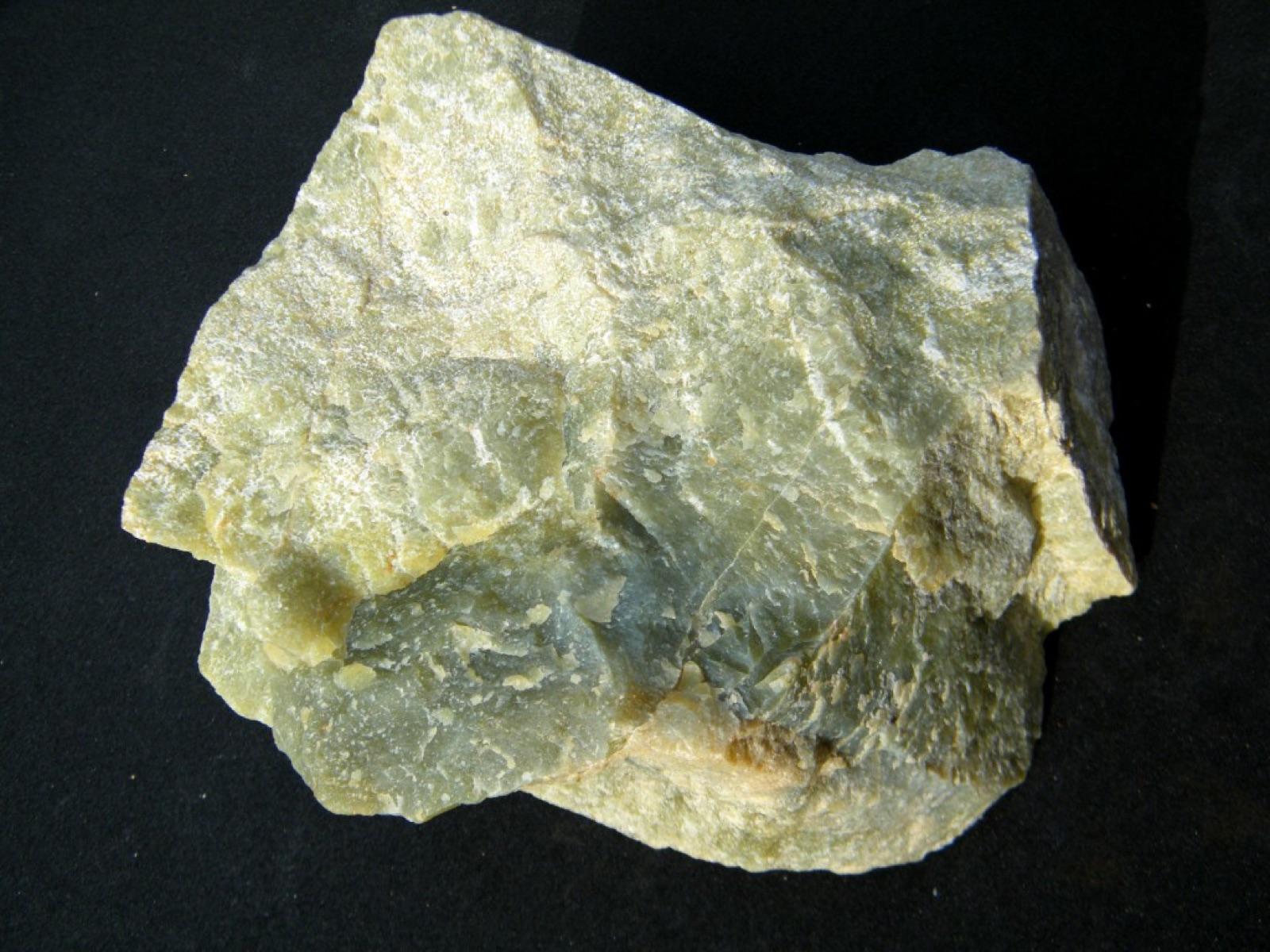 Top pick
North Providence
PublicProvidence County, Rhode Island
The serpentine belt running through northern Rhode Island is the home of bowenite, the state mineral, a hard translucent green serpentine close enough to jade to be cut as a gemstone.
Bowenite, Quartz, Serpentine
 Top pick
Narragansett
PublicSouth County, Rhode Island
The pegmatite outcrops along the Bonnet Shores coast in Narragansett carry beryl and quartz in coarse granitic pods, a rare chance to see gem-family minerals in place on a public Rhode Island shore.
Beryl, Quartz
 Top pick
Westerly
PublicSouth County, Rhode Island
Westerly is famous for its fine-grained granite, and the pegmatite dikes cutting that granite have yielded smoky quartz crystals up to six inches and occasional beryl.
Beryl
 Top pick
Diamond Hill Mine
PublicAbbeville County, South Carolina
Diamond Hill is the most dependable place in South Carolina to dig the state's official gemstone, amethyst, along with clear and smoky quartz scepters and crystal-lined pockets in the quartz veins.
Amethyst, Smoky Quartz, Beryl, Garnet
 Top pick
Dorn Mine
PublicMcCormick County, South Carolina
The Dorn Mine was one of the richest gold veins in South Carolina, worked from the 1850s, and it now lies within the Long Cane Ranger District of Sumter National Forest.
Gold
 Top pick
Bowens River and tributaries
PublicCherokee County, South Carolina
The Bowen River drainage in northern Cherokee County is South Carolina's most mineral-diverse gem stream, reported to carry corundum in ruby and sapphire colors along with garnet, zircon, topaz, and rutile eroded from the upper Piedmont metamorphic rocks.
Corundum, Garnet, Sapphire, Emerald
 Top pick
Oconee County
PublicOconee County, South Carolina
Oconee County covers South Carolina's Blue Ridge corner, where the Andrew Pickens Ranger District of Sumter National Forest opens up mountain streams for legal recreational collecting.
Gold, Graphite, Pyrite
 Top pick
Folly Beach
PublicCharleston County, South Carolina
Folly Beach is the best walk-up, no-boat shark-tooth beach near Charleston, with fossil teeth washing in from the same phosphate-rich Pleistocene deposits that feed nearby Morris Island.
Megalodon Tooth
 Top pick
Florence County
PublicFlorence County, South Carolina
The Pee Dee region is South Carolina's petrified wood country, and Florence County's river gravels along the Great Pee Dee and lower Lynches rivers are a classic source of silicified wood weathered out of the Coastal Plain sediments.
Petrified Wood
 Top pick
Myrtle Beach
PublicHorry County, South Carolina
Myrtle Beach anchors the Grand Strand as the go-to public shark-tooth stretch on South Carolina's northern coast, where small dark fossil teeth wash in along miles of open beach.
Agate, Chalcedony, Quartz, Fossilized Shark Tooth
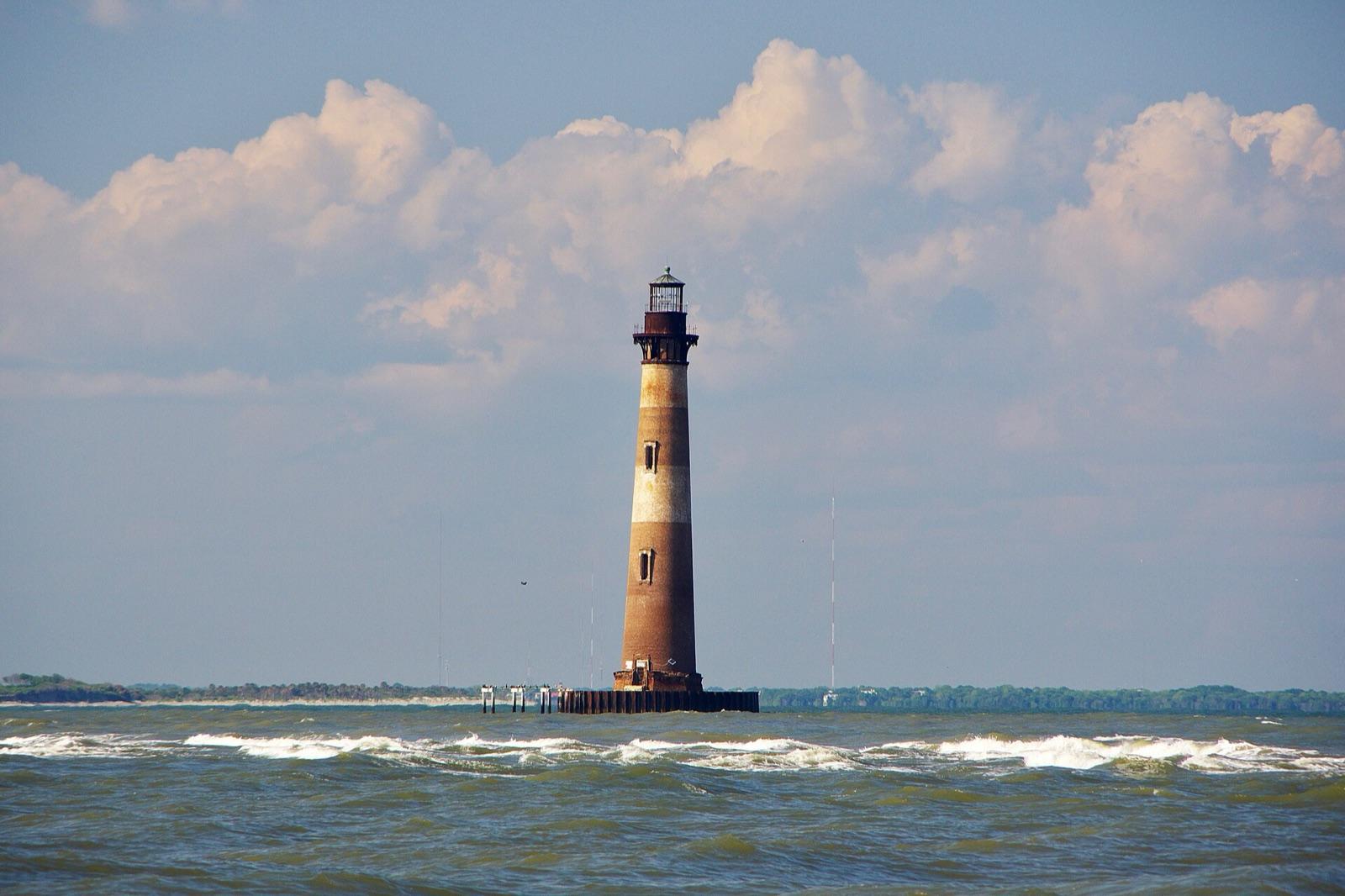 Top pick
Morris Island
PublicCharleston County, South Carolina
Morris Island holds the richest surface concentration of fossil shark teeth near Charleston, including megalodon, because tidal currents strip the phosphate gravel and pile teeth along the north end.
Megalodon Tooth
 Top pick
Edisto Beach
PublicColleton County, South Carolina
Edisto Beach is one of the most reliable places in South Carolina to find fossil shark teeth, including megalodon, along with Ice Age mammal bone eroding out of the offshore Pleistocene beds.
Megalodon Tooth
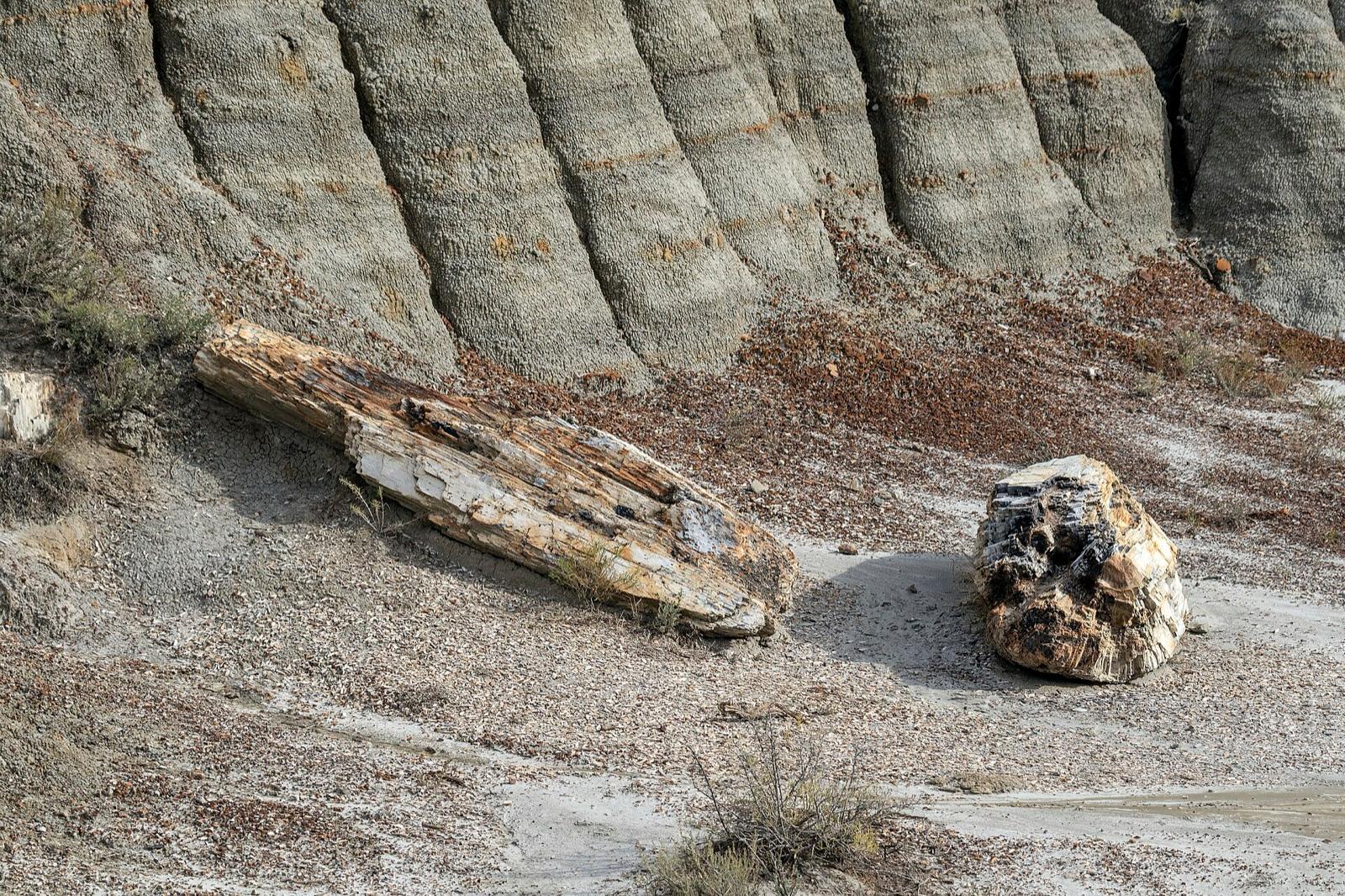 Top pick
Mound City
PermissionCampbell County, South Dakota
The country around Mound City, west toward the Missouri River, is a documented source of petrified and agatized wood, with occasional opal, weathering out of the banks and gravels of the river and its tributaries.
Petrified Wood, Opal
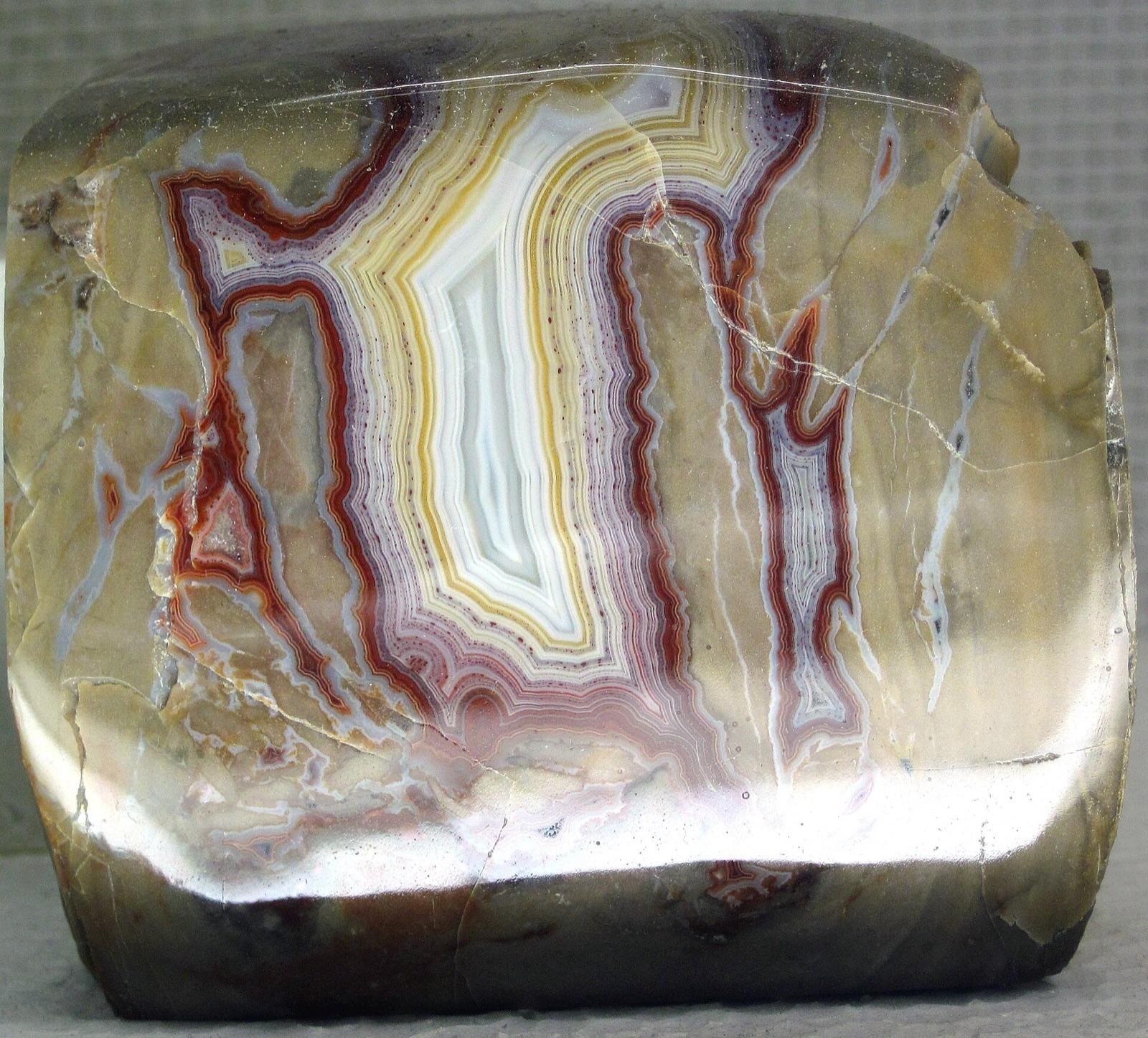 Top pick
Tepee Canyon
PublicCuster County, South Dakota
Tepee Canyon is the home of the distinctive Tepee Canyon banded agate, a fortification agate of purples, reds, and oranges encased in a chocolate-brown limestone host.
Agate, Beryl, Almandine Garnet, Lepidolite
 Top pick
Fairburn
PublicCuster County, South Dakota
These are the classic Fairburn agate beds, the type locality for South Dakota's official state gem, sitting in the eroded badlands and surface gravels just east of the village of Fairburn.
Fairburn Agate, Agatized Wood, Yellow Jasper
 Top pick
Cheyenne River
PublicCuster County, South Dakota
This locality along the Cheyenne River drainage sits within the core Fairburn agate belt just south of the main Fairburn beds, and the river gravels and surrounding badlands carry the same prized state-gem fortification agate.
Fairburn Agate
 Top pick
Ardmore
PublicFall River County, South Dakota
The badlands and surface gravels east and southeast of the near-ghost town of Ardmore are a well-documented Fairburn agate locality, producing Fairburn agate, agatized wood, jasper, chalcedony, and rose quartz.
Fairburn Agate, Agatized Wood, Jasper, Chalcedony
 Top pick
Oelrichs
PublicFall River County, South Dakota
The grassland south and east of Oelrichs is a long-recognized Fairburn agate area, also producing jasper, cone-in-cone calcite, and agatized wood.
Fairburn Agate, Jasper, Calcite, Agatized Wood
 Top pick
Camp Crook
PublicHarding County, South Dakota
The far northwestern corner of South Dakota around Camp Crook produces prairie moss agate and chalcedony in the river gravels of the Little Missouri system, material comparable in style to the well-known Montana moss agate.
Moss Agate, Chalcedony
 Top pick
Spearfish Canyon
PublicLawrence County, South Dakota
Lawrence County in the northern Black Hills is the best part of South Dakota for geodes, and the gravels in and around Spearfish Canyon yield baseball-sized geodes lined with amethyst, quartz, and chalcedony, plus silicified wood.
Amethyst, Geode, Chalcedony, Silicified Wood
 Top pick
Whitewood Creek
PermissionLawrence County, South Dakota
The gravels of Whitewood Creek in the northern Black Hills are a reliable source of geodes lined with amethyst and chalcedony, along with silicified wood.
Amethyst, Geode, Chalcedony, Silicified Wood
 Top pick
Mobridge
PublicWalworth County, South Dakota
The Missouri River banks and gravels around Mobridge are one of the few South Dakota localities that produce opalized wood, a blend of petrified wood and silica or precious opal, along with agatized wood.
Opalized Wood, Agatized Wood
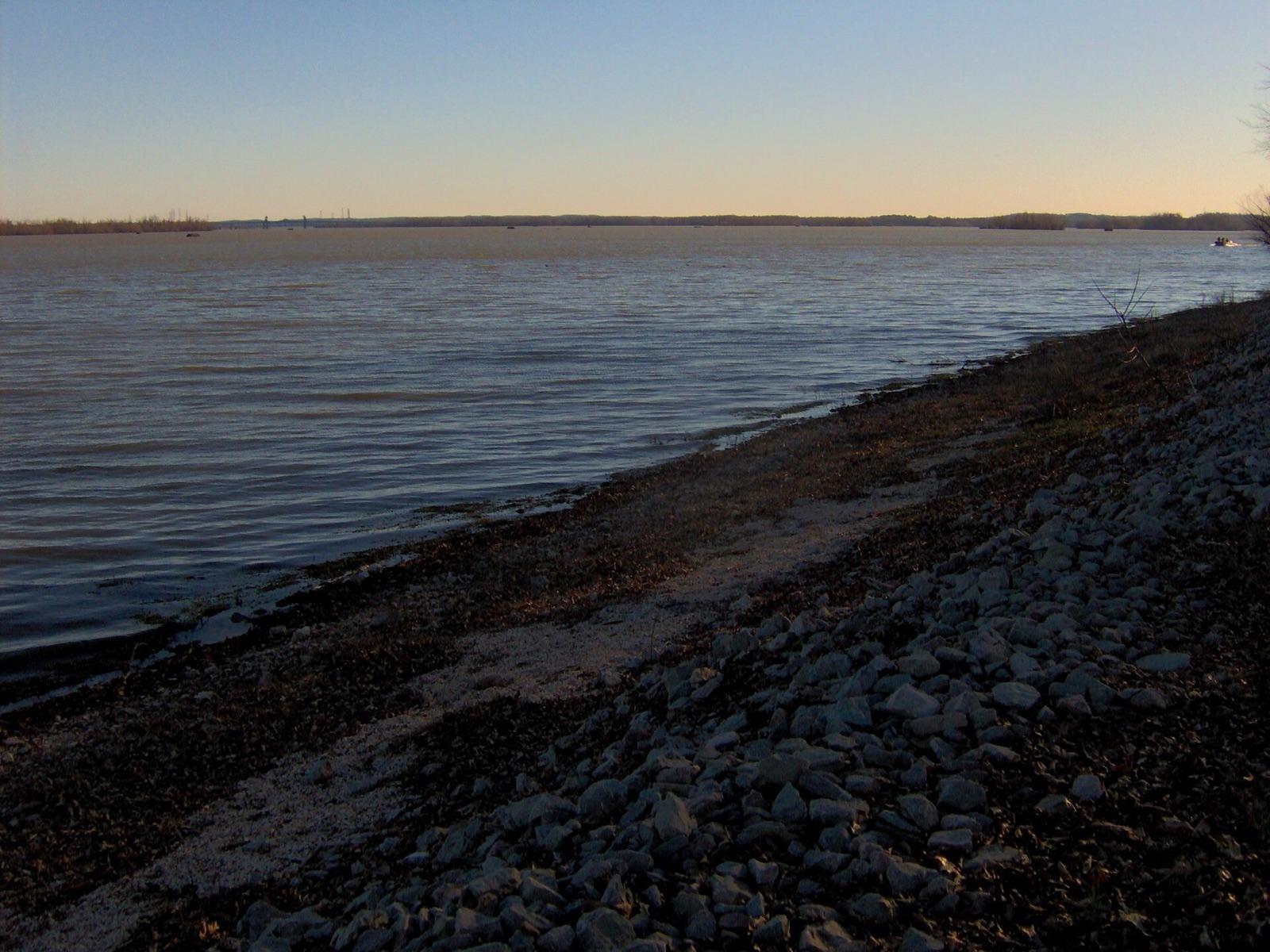 Top pick
Tennessee River & Streams
PublicDecatur County, Tennessee
The Tennessee River is the home of the Tennessee River pearl, the official state gem, a natural freshwater pearl formed in the river's native mussels.
Pearl
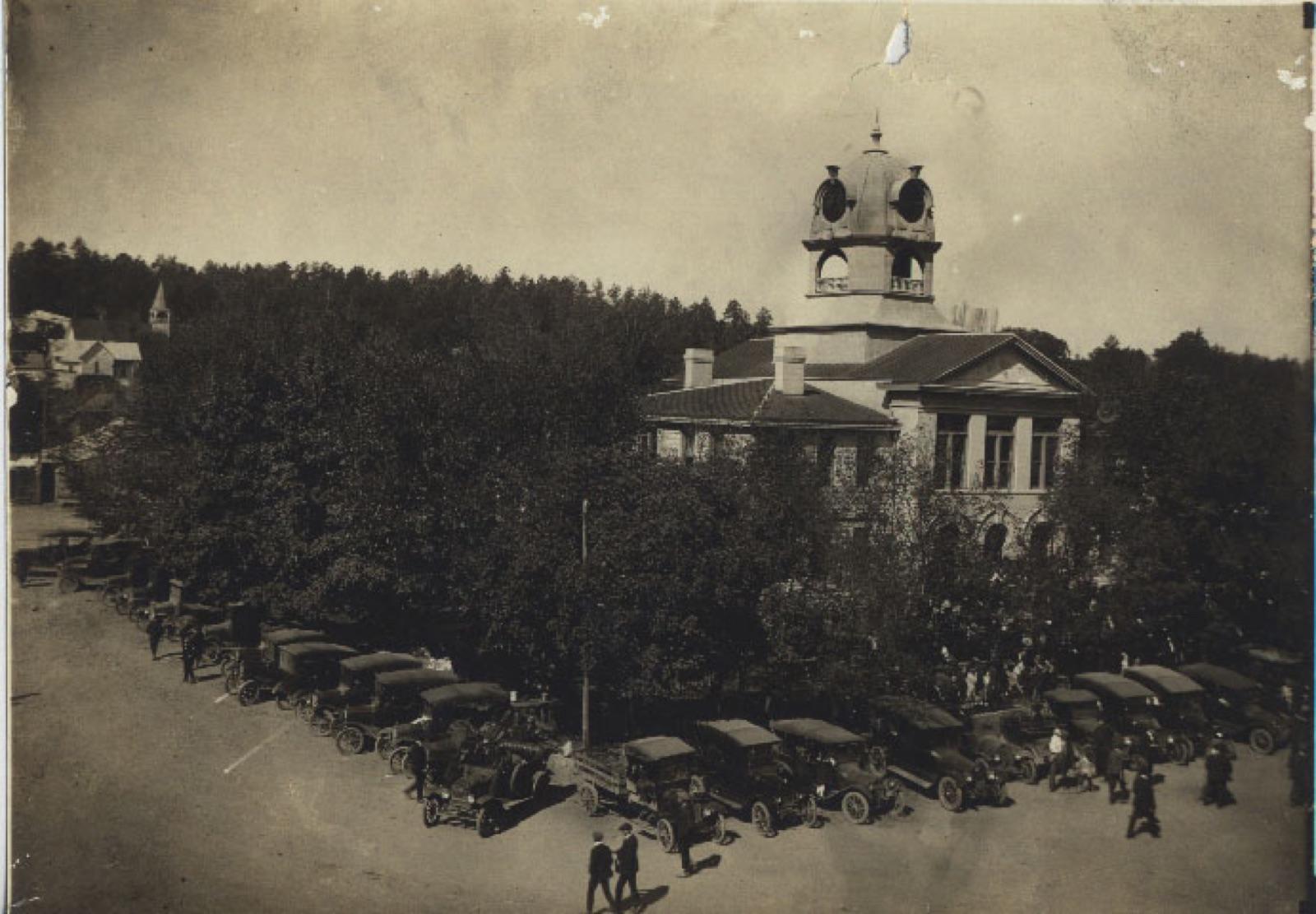 Top pick
Wayne County
PublicWayne County, Tennessee
Wayne County's Fort Payne and Mississippian limestones weather to release agatized fossils, gem-grade chert, and flint, and the Buffalo River gravel bars concentrate the harder Buffalo River chert long prized by knappers.
Chert, Agatized Fossil, Flint, Quartz
 Top pick
Horse Mountain
PermissionBedford County, Tennessee
Horse Mountain is the source of Horse Mountain agate, a tightly banded chalcedony from the Ordovician Hermitage Formation that is prized by lapidaries and flintknappers alike, with the thinnest cuts showing true iris color.
Horse Mountain Agate
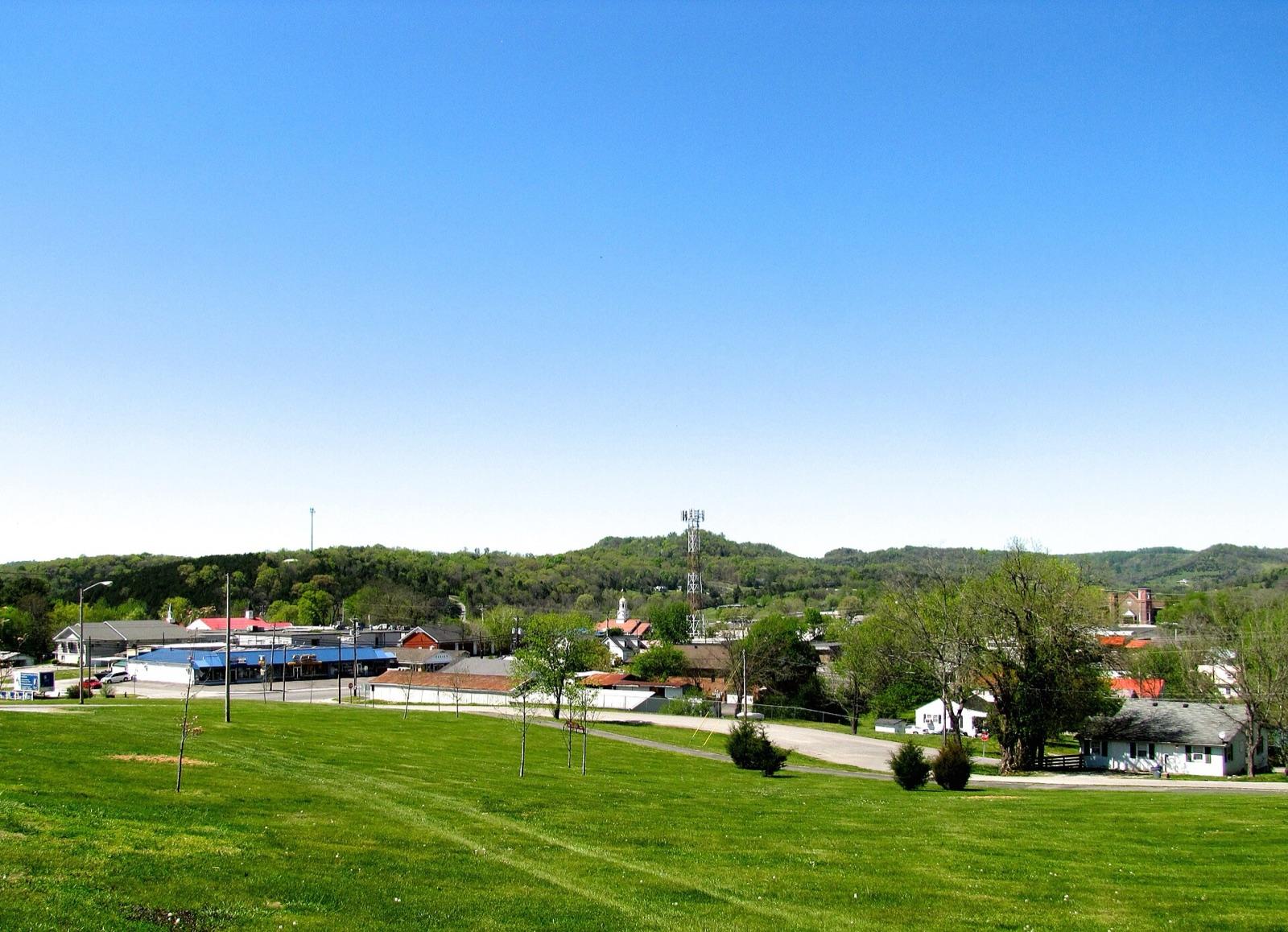 Top pick
Woodbury
PermissionCannon County, Tennessee
Cannon County is one of Middle Tennessee's defining geode counties, and the ground around Woodbury has produced large quartz geodes, including a roughly 20-inch specimen reported near the McMinnville road.
Geode
 Top pick
Ben Lomond Mountain
PermissionWarren County, Tennessee
Ben Lomond Mountain lies in the Middle Tennessee geode belt along the Highland Rim, where quartz geodes are lined with calcite, celestite, dolomite, marcasite, and pyrite.
Calcite, Celestite, Dolomite, Geode
 Top pick
Roan Mountain
PublicCarter County, Tennessee
Roan Mountain anchors the Unaka Range that gives unakite its name, and the pink-and-green epidote granite occurs as cobbles in the stream gravels and roadside cuts along the TN 143 corridor.
Unakite
 Top pick
Big Creek
PublicCocke County, Tennessee
Big Creek, in the Smoky Mountain foothills near Bluffton, is one of the few Tennessee streams known for green quartz, with some water-worn crystals reaching gem quality.
Green Quartz
 Top pick
Sweetwater
PermissionMonroe County, Tennessee
The Sweetwater district is a Mississippi Valley-type system in the Ordovician Knox Group that was mined for residual barite and carries fluorite, sphalerite, galena, and pyrite at depth.
Barite, Fluorite, Sphalerite
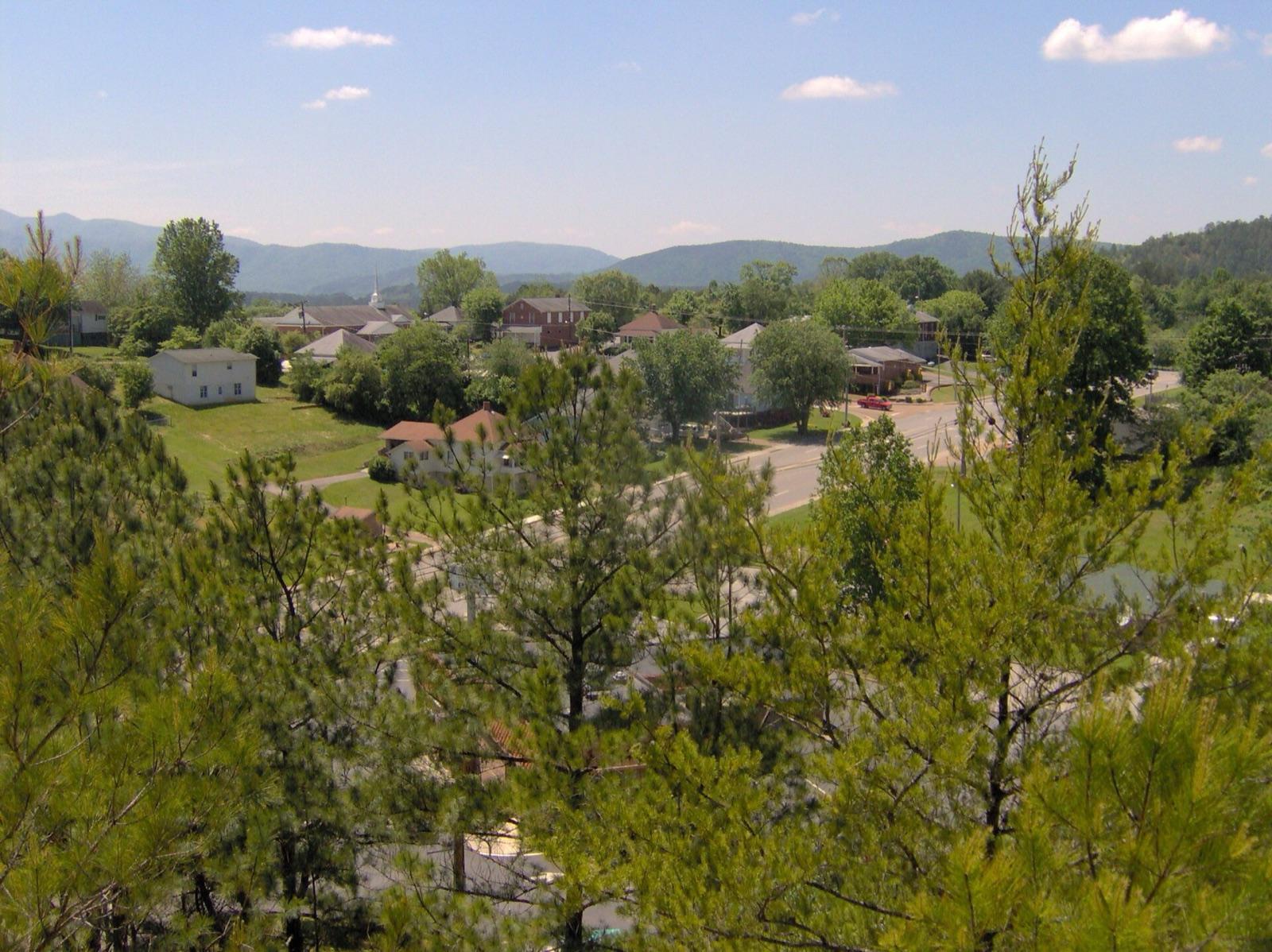 Top pick
Ducktown
PublicPolk County, Tennessee
Ducktown sits on the Copper Basin, a Precambrian massive-sulfide deposit that made it one of the most important copper districts in the Southeast.
Azurite, Chalcopyrite, Garnet, Gold
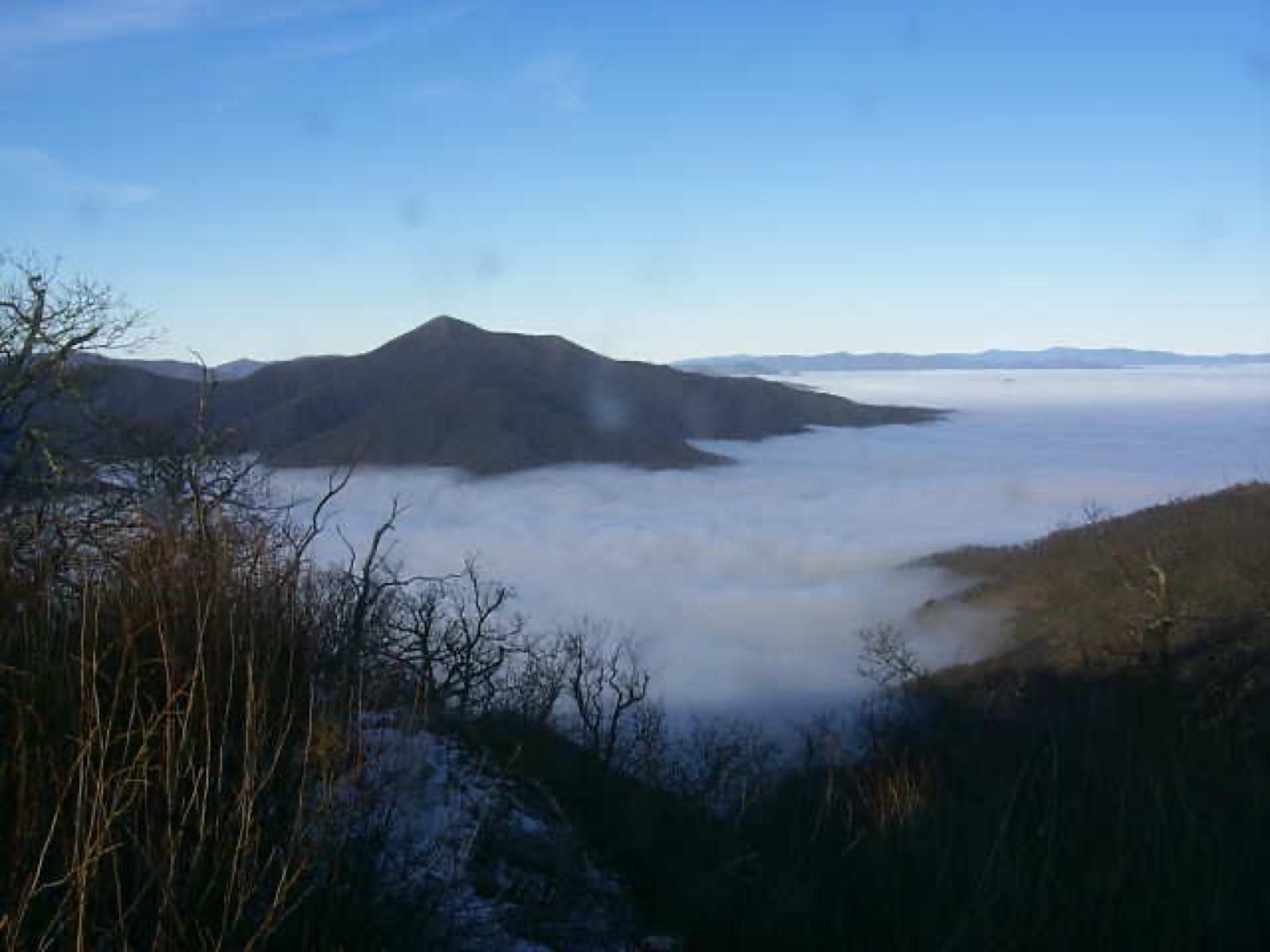 Top pick
Unaka Mountains
PublicUnicoi County, Tennessee
The Unaka Range is the type locality for unakite, the pink-and-green ornamental rock named after these mountains, an intergrowth of pink orthoclase, green epidote, and quartz weathered from the Precambrian basement.
Epidote, Quartz, Unakite
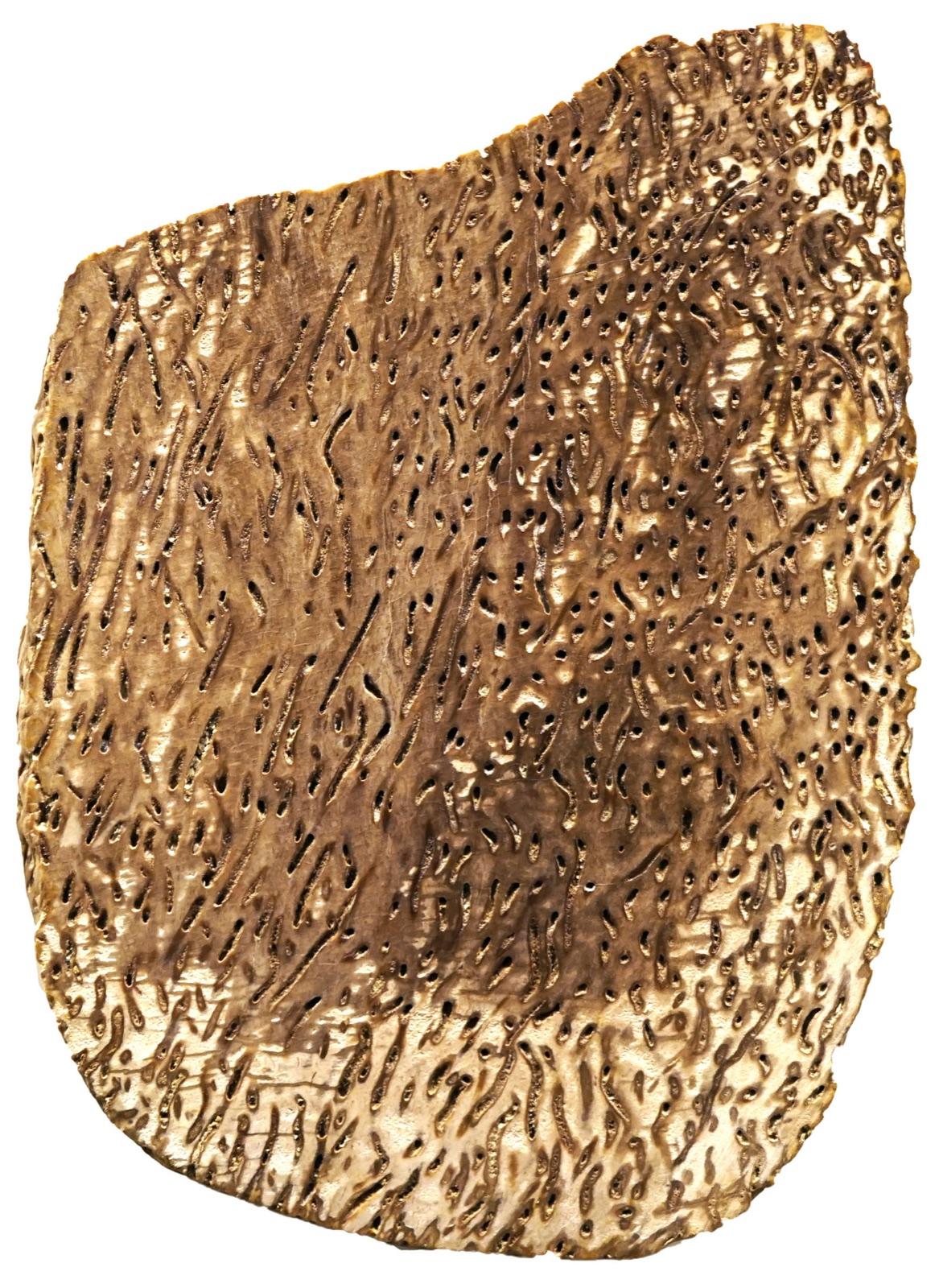 Top pick
Colorado River at Smithville
PublicBastrop County, Texas
The Colorado River at Smithville is a navigable Texas river, so its bed is state-owned public land, and the City of Smithville maintains free river access at Vernon L. Richards Riverbend Park beneath the Highway 71 bridges.
Petrified Palm Wood, Petrified Wood, Agate
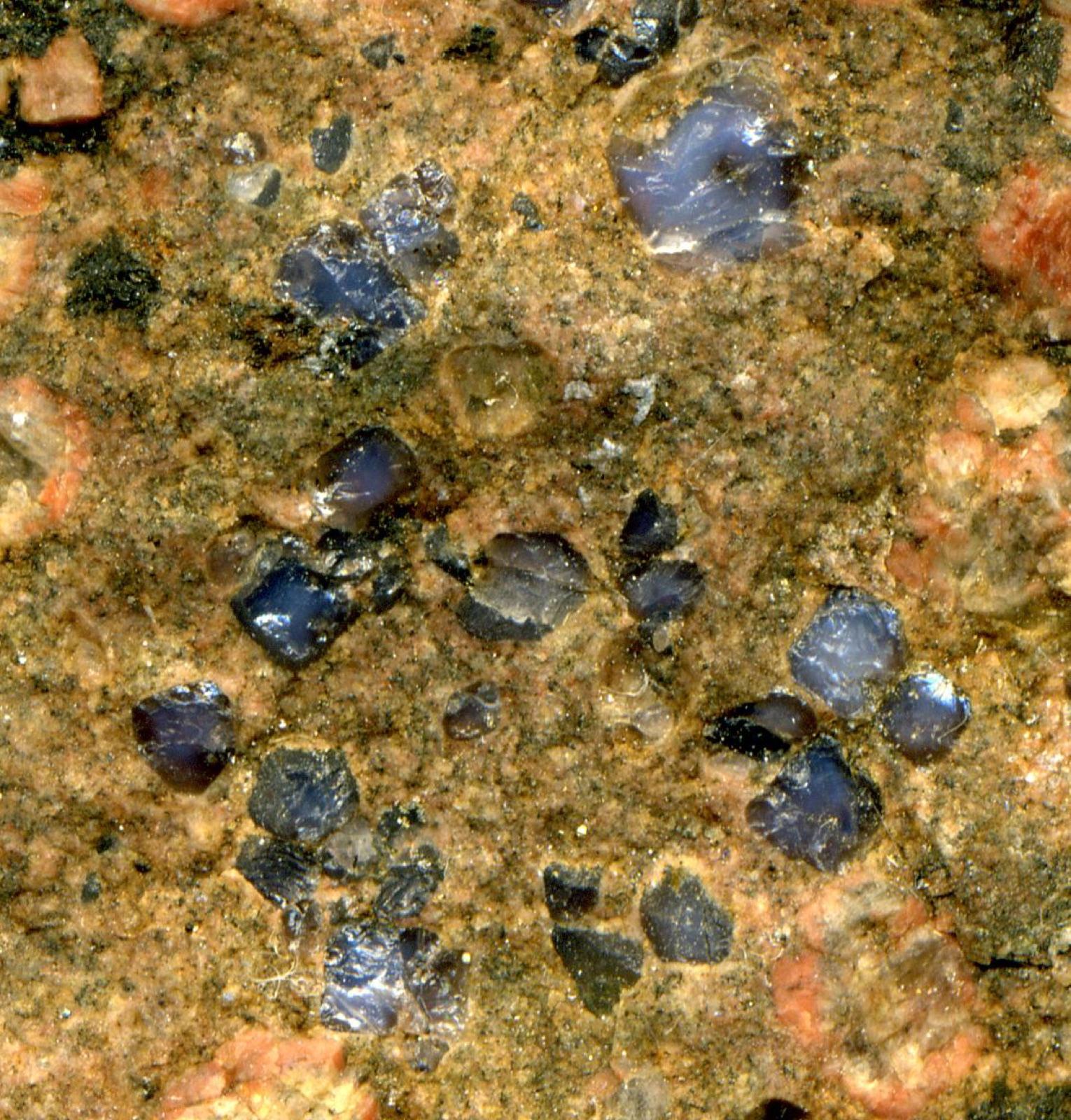 Top pick
Llanite Roadcut on Highway 16
PublicLlano County, Texas
The roadcut on Texas Highway 16 about nine miles north of Llano slices through the only known outcrop of llanite, a 1.1-billion-year-old rhyolite porphyry flecked with blue quartz crystals found essentially nowhere else on Earth.
Llanite, Blue Quartz
 Top pick
Bennington
PublicBennington County, Vermont
A Precambrian road-cut on Route 9 east of Bennington yields cabochon-grade blue quartz along with garnet, feldspar, biotite, and hornblende, set in the Green Mountains along the Molly Stark Trail.
Blue Quartz, Garnet, Feldspar, Biotite
 Top pick
Little River
PublicLamoille County, Vermont
Little River, which drops from the hills above Stowe into the Waterbury Reservoir, is an aptly named Vermont gold stream with fine flour gold in its gravels.
Gold
 Top pick
White River
PublicOrange County, Vermont
The White River around Bethel and Stockbridge is Vermont's best-documented placer gold reach, with USGS-mapped gold in the gravel bars and access through the Green Mountain National Forest at Peavine Park.
Gold
 Top pick
Lake Willoughby
PublicOrleans County, Vermont
The Route 5A road-cuts along the east shore of Lake Willoughby expose granite pegmatite carrying beryl, garnet, vesuvianite, and books of plumose muscovite, set beneath the fjord-like cliffs of Mount Pisgah and Mount Hor.
Muscovite, Beryl, Garnet, Idocrase
 Top pick
Devil's Den
PublicRutland County, Vermont
Devil's Den, high on Mount Tabor inside the Green Mountain National Forest, is one of the finest alpine quartz-crystal sites in the northeastern United States, producing smoky quartz and occasional amethyst in pockets in schist.
Smoky Quartz, Quartz, Pyrite, Ilmenite
 Top pick
Mad River
PublicWashington County, Vermont
The Mad River in the Mad River Valley carries fine placer gold in its gravels, part of the same gold belt that runs through central Vermont.
Gold
 Top pick
Adams Brook
PublicWindham County, Vermont
Adams Brook in the far southeast corner of Vermont tumbles varicolored serpentine boulders with red, orange, and green agate and clear quartz, a distinctive mix for the state.
Serpentine, Quartz, Red Agate, Orange Agate
 Top pick
Gassetts
PublicWindsor County, Vermont
The Route 103 road-cuts at Gassetts slice through silvery garnet-mica schist, one of Vermont's classic metamorphic mineral localities.
Quartz, Garnet, Tourmaline, Staurolite
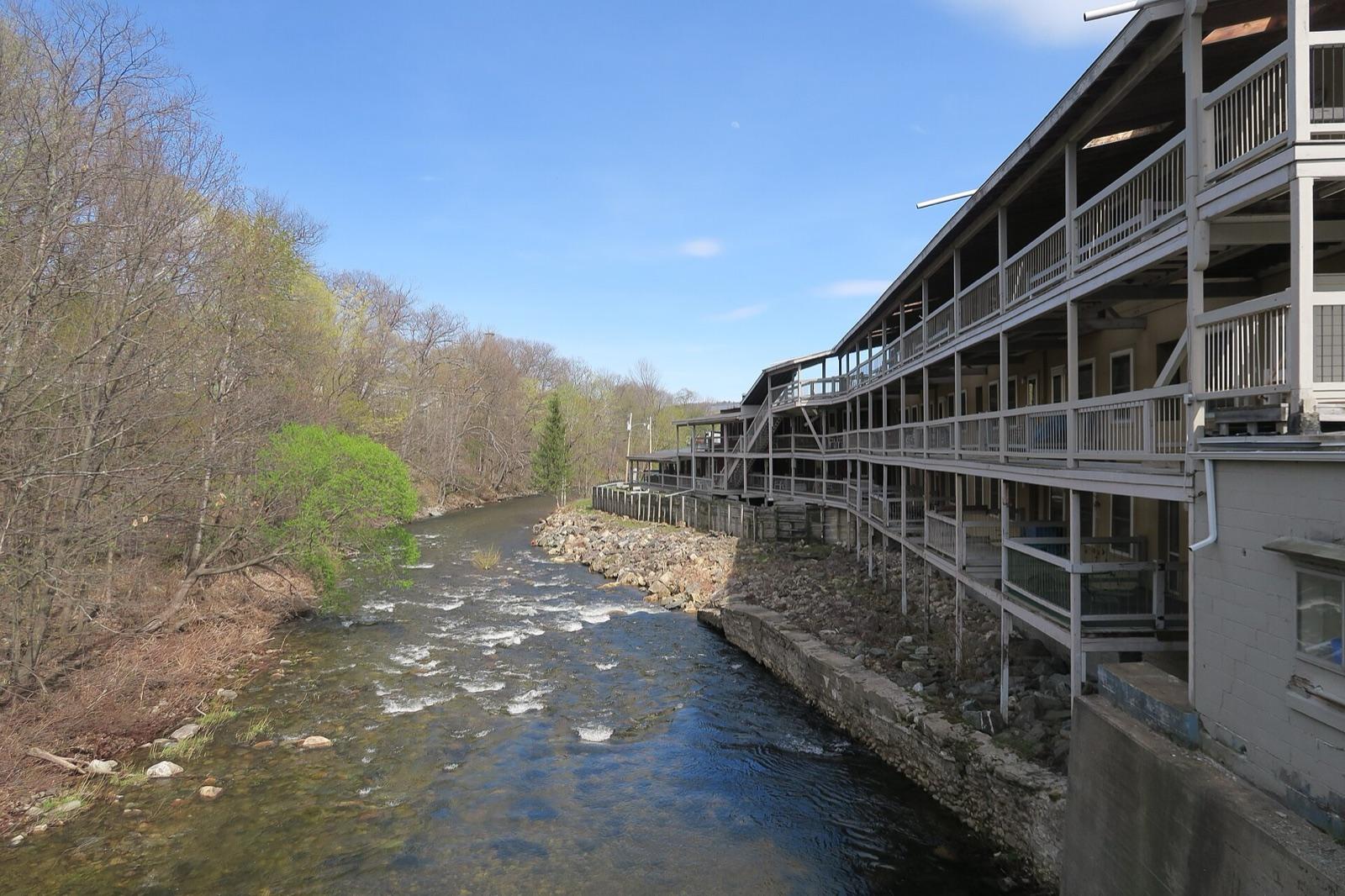 Top pick
Ludlow
PublicWindsor County, Vermont
A Route 103 road-cut just east of Ludlow village exposes black schorl tourmaline with diopside, calcite, talc, and pyrite in the metamorphic rock of the Black River valley.
Tourmaline, Pyrite, Talc, Calcite
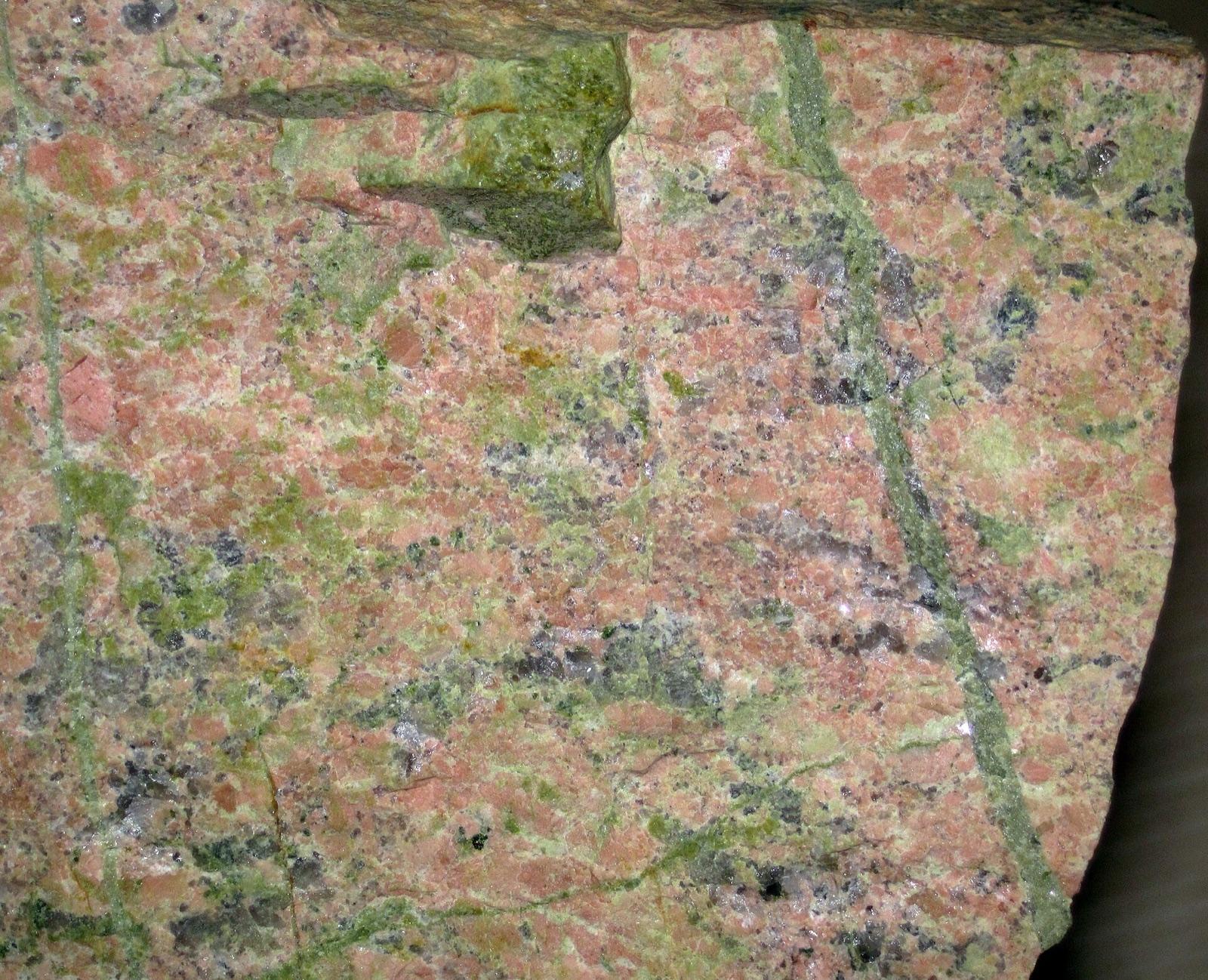 Top pick
Troutdale
PublicGrayson County, Virginia
The Troutdale area sits on the Blue Ridge basement where unakite, the pink-and-green epidote-feldspar granite that is one of Virginia's signature lapidary stones, weathers out along creeks and cuts alongside epidote and red jasper.
Epidote, Red Jasper, Unakite
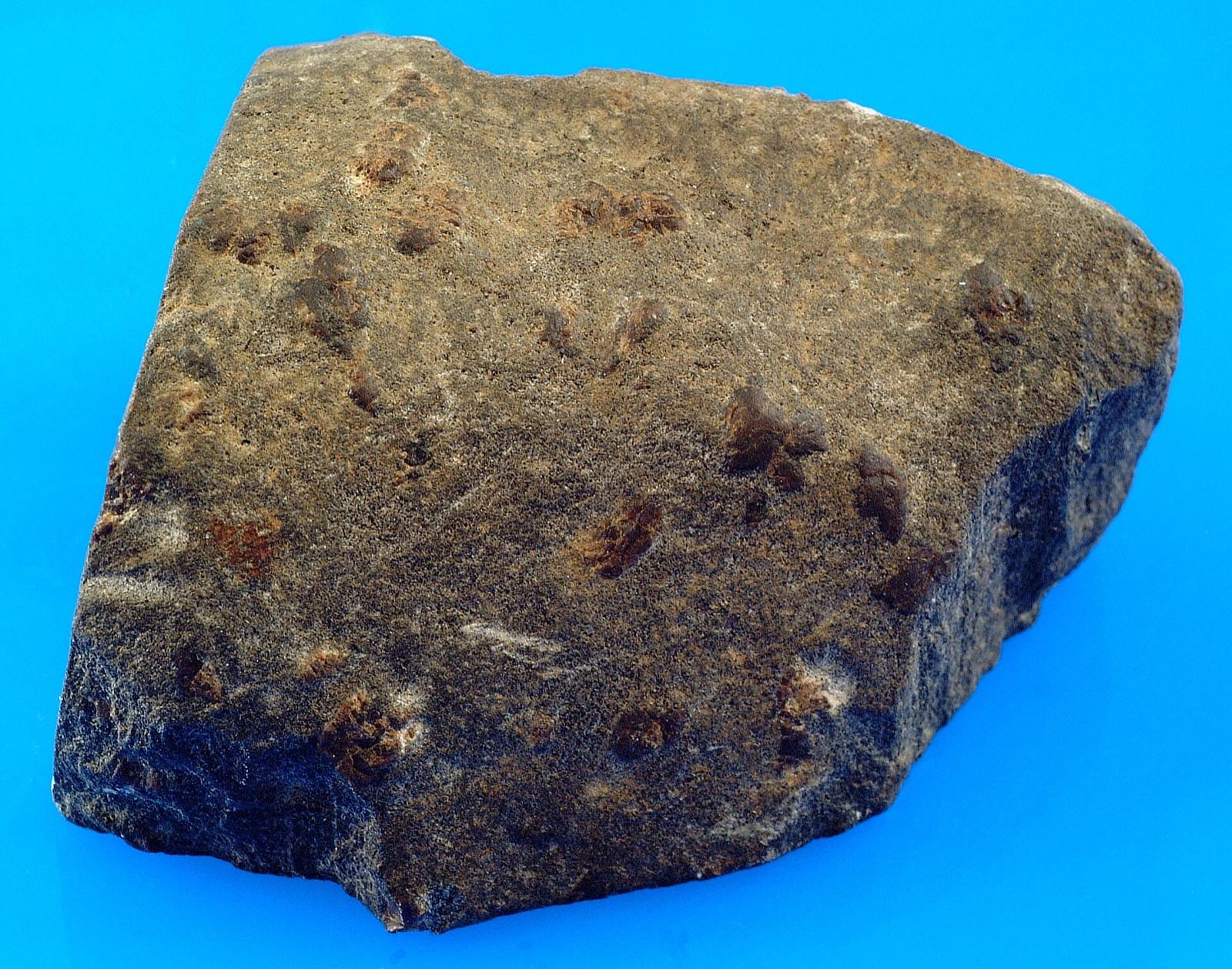 Top pick
Stuart
PublicPatrick County, Virginia
The mica schists around Stuart carry a rich metamorphic suite, with almandine garnet, staurolite fairy stones, corundum, and kyanite all documented in the Blue Ridge basement rocks by Mindat and Virginia geologic survey mapping.
Almandine Garnet, Staurolite, Corundum, Kyanite
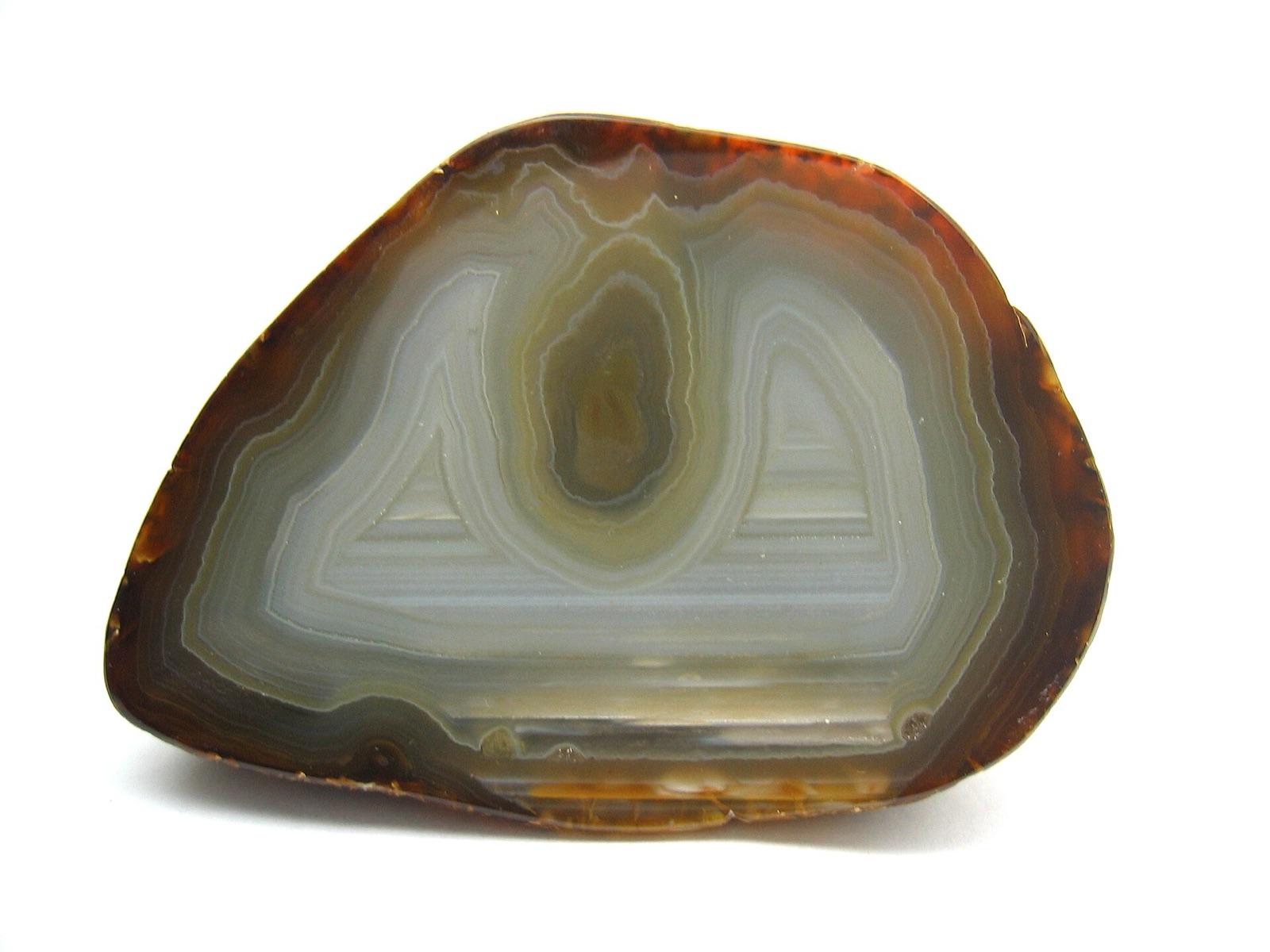 Top pick
Buck Mountain Creek
PublicAlbemarle County, Virginia
Buck Mountain Creek is a documented Albemarle County agate locality where chalcedony and banded agate weather into the stream gravels of the western Piedmont.
Agate
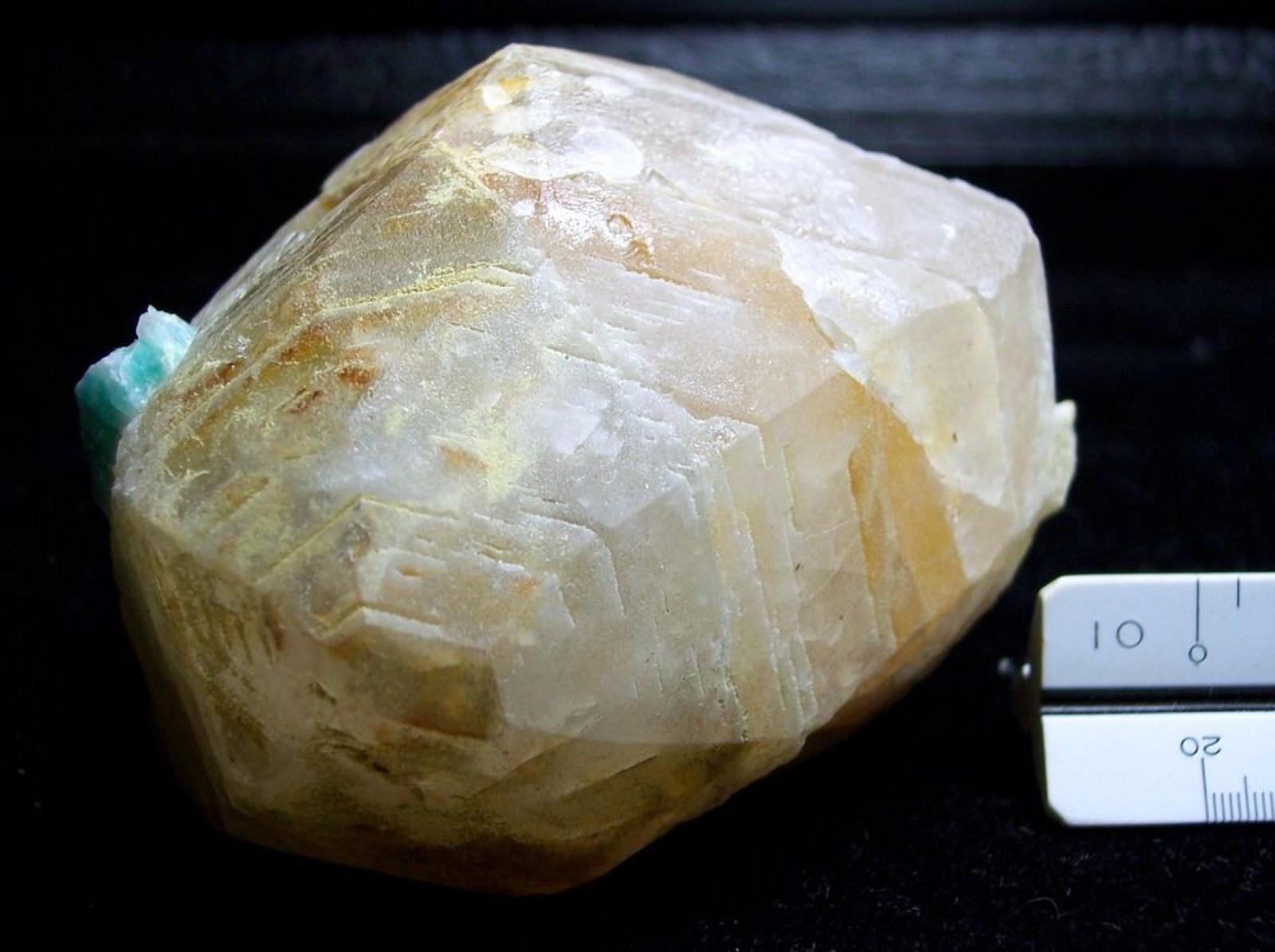 Top pick
Amelia Court House
PublicAmelia County, Virginia
The Amelia pegmatite district is one of the most productive rare-mineral areas on the East Coast, long famous for gem amazonite, blue-green beryl, topaz, and cleavelandite.
Amazonite, Amethyst, Feldspar, Cleavelandite
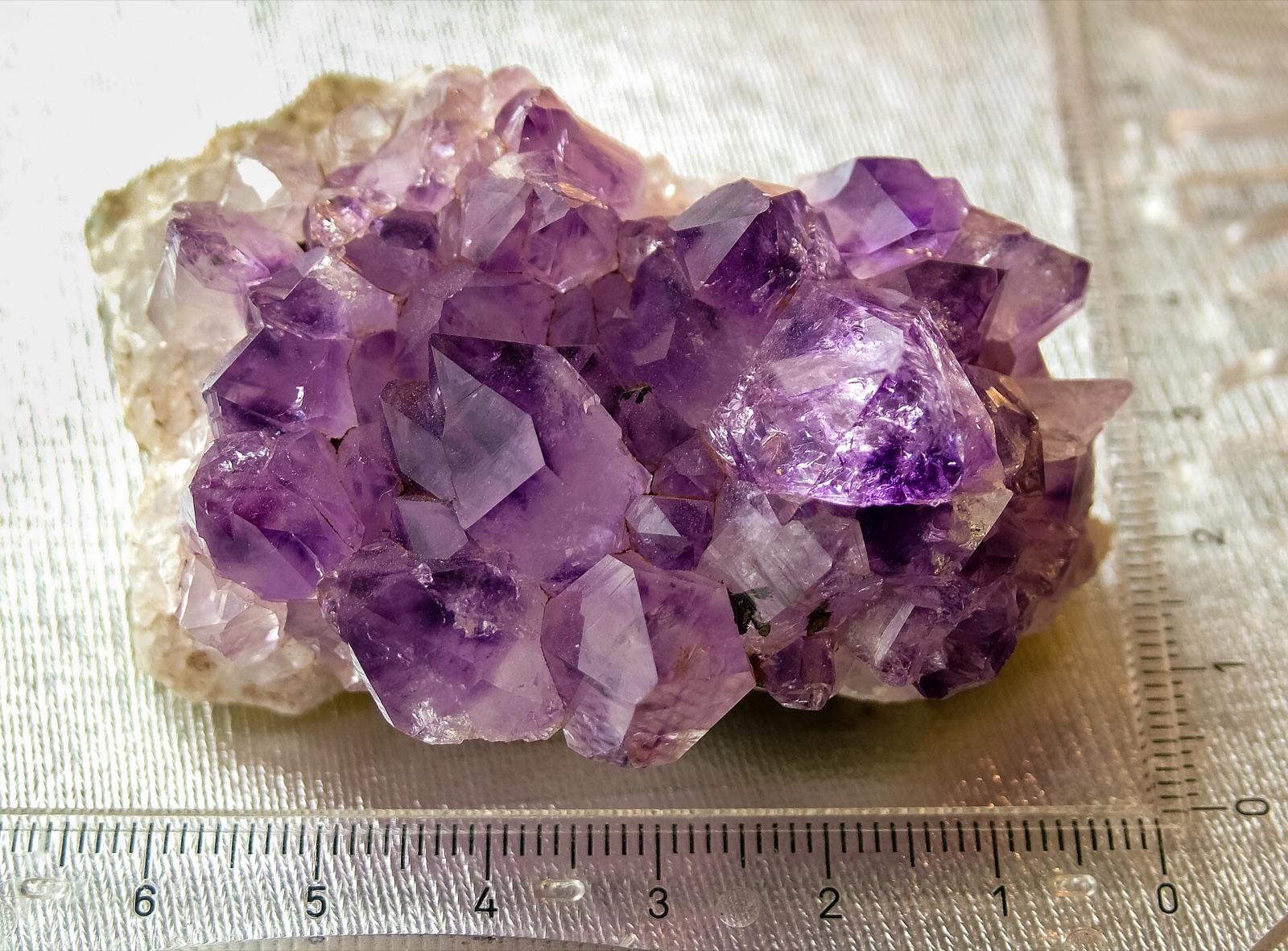 Top pick
Fancy Hill
PublicAmherst County, Virginia
The Fancy Hill area of Amherst County is a well-known Blue Ridge amethyst and quartz locality, where purple crystals and quartz veins occur in the crystalline basement.
Amethyst, Quartz
 Top pick
Fairy Stone State Park
PublicHenry County, Virginia
Fairy Stone State Park is Virginia's most famous staurolite locality, source of the twinned iron-aluminum silicate crosses that give the park its name.
Staurolite
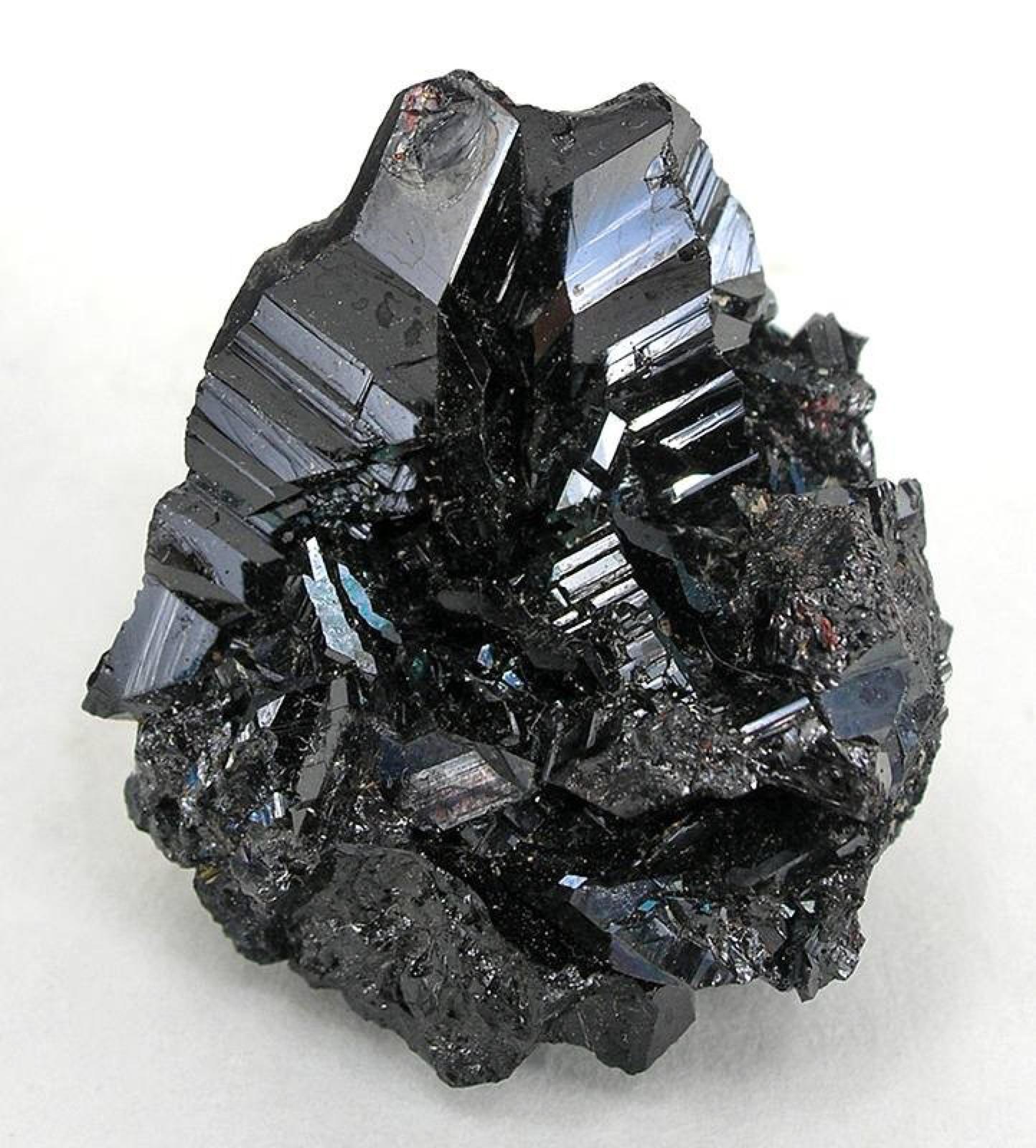 Top pick
Irish Creek
PublicRockbridge County, Virginia
Irish Creek is Virginia's classic tin locality, a greisen and pegmatite system in the George Washington National Forest that produced the state's best cassiterite along with blue moonstone feldspar.
Blue Moonstone, Cassiterite
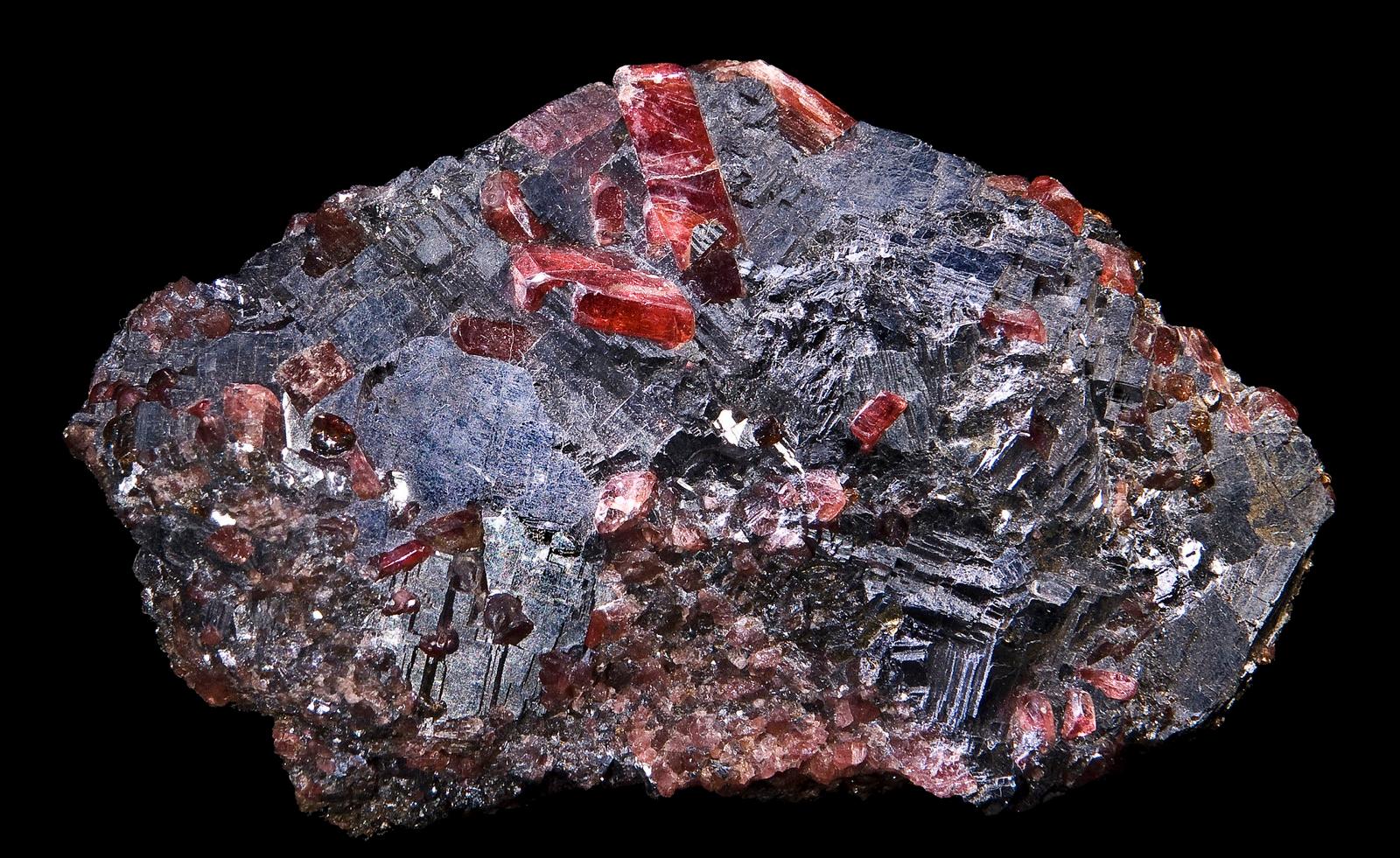 Top pick
Kidd's Store
PublicFluvanna County, Virginia
The Kidd's Store area of Fluvanna County is one of Virginia's few documented rhodonite localities, where the pink manganese silicate occurs in the Piedmont metamorphic rocks.
Rhodonite
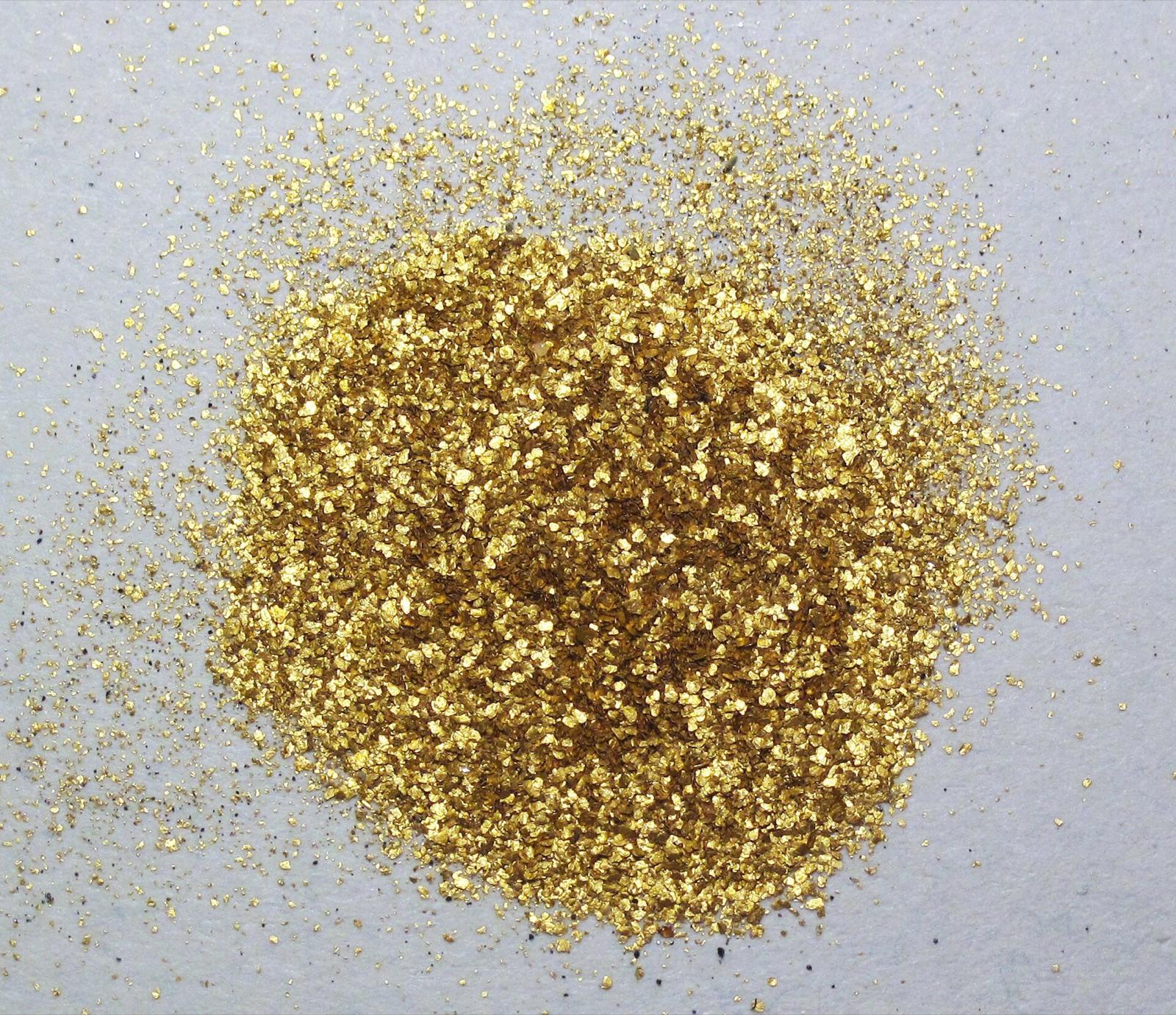 Top pick
Byrd Creek
PublicFluvanna County, Virginia
Byrd Creek lies in the Virginia gold-pyrite belt, the Piedmont trend that produced the state's historic lode and placer gold, and its gravels still yield fine placer gold to panners.
Gold, Quartz
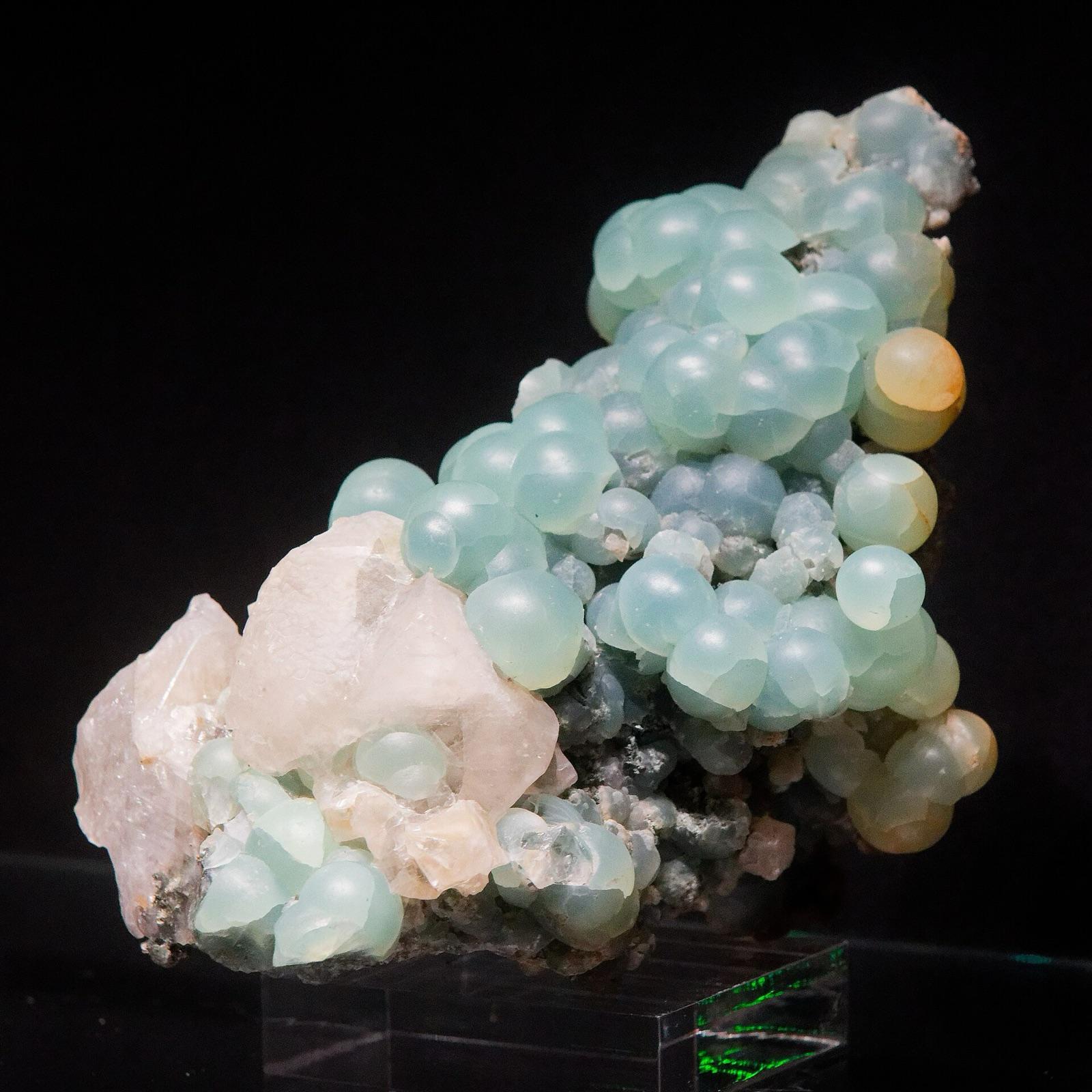 Top pick
Loudon County
PublicLoudoun County, Virginia
The Triassic diabase and basalt of the Culpeper Basin in Loudoun County host a classic Virginia zeolite suite, with prehnite, stilbite, natrolite, and datolite lining vugs and fractures.
Calcite, Datolite, Epidote, Natrolite
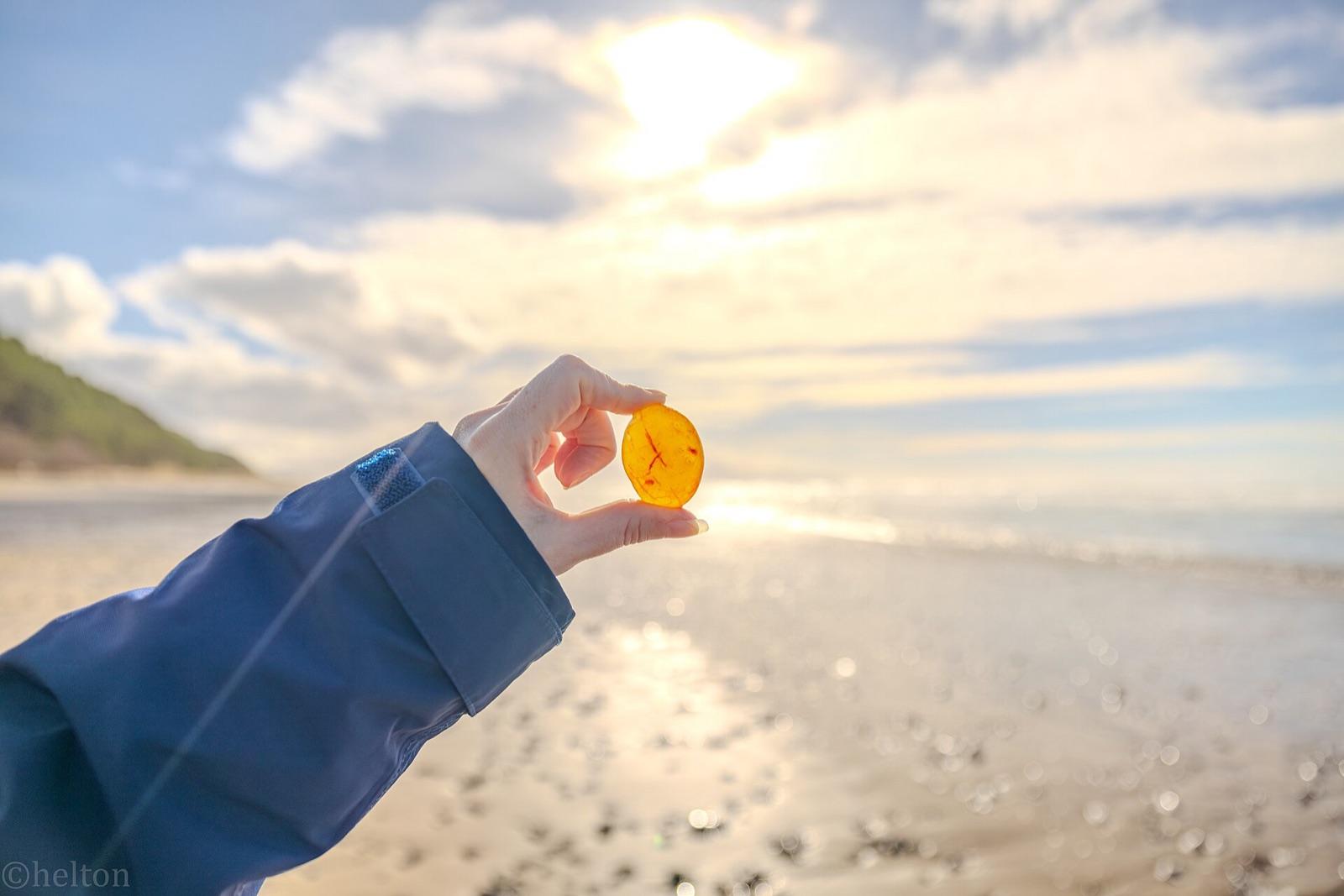 Top pick
Crescent Beach
PublicClallam County, Washington
Agates were once plentiful enough at Agate Bay, just west of Crescent Bay on the Strait of Juan de Fuca, to give the beach its name, and agate still weathers from the local basalt alongside variously colored chert and jasper.
Agate, Chert, Jasper
 Top pick
Red Top Mt. and Teanaway Ridge
PublicKittitas County, Washington
Red Top Mountain sits on the Eocene Teanaway Basalt, the rock unit Washington geologists identify as the source of the area's chalcedony, agate, and quartz-lined geodes.
Blue Agate Geode
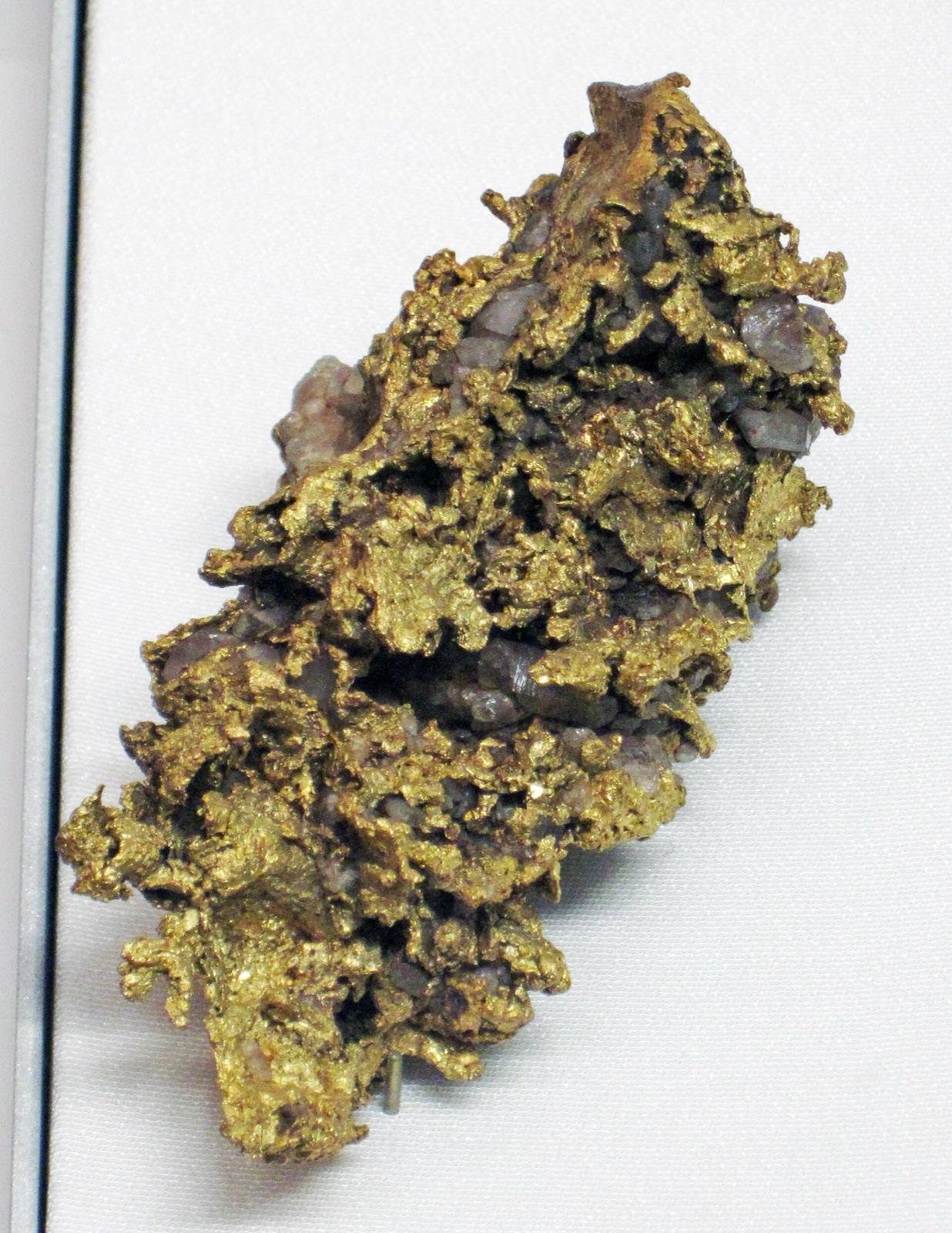 Top pick
Liberty
PublicKittitas County, Washington
The Liberty and Swauk district produced some of the finest crystalline and wire gold specimens in the United States, formed in epithermal quartz veins above town and recovered as coarse nuggets in Swauk and Williams creeks.
Gold
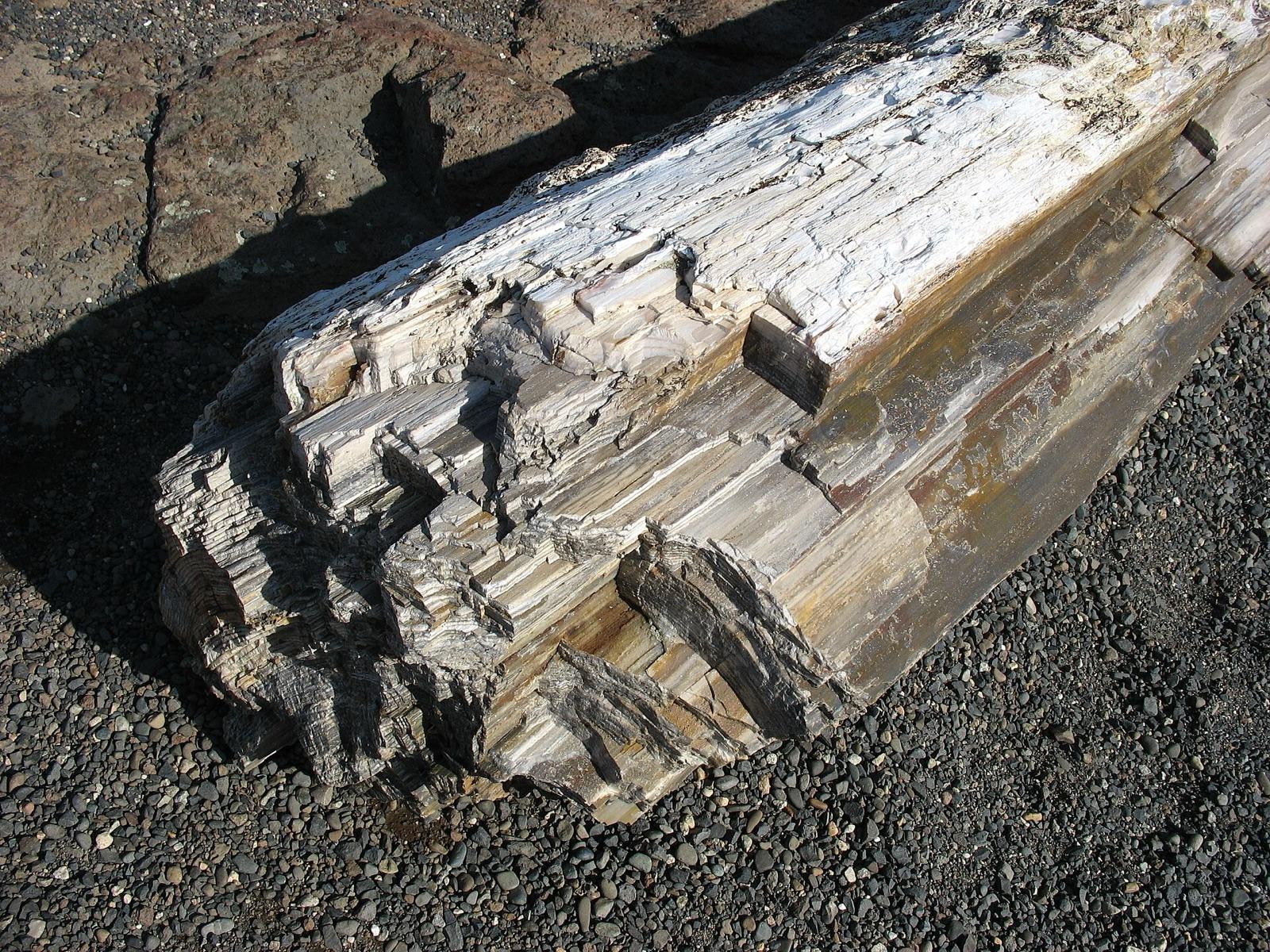 Top pick
Columbia River
PublicKittitas County, Washington
The Saddle Mountains expose a petrified forest preserved between Wanapum Basalt flows roughly 14 to 15 million years old, and the area is one of the few places where collectors can legally gather Washington's state gem on public land.
Opalized Wood, Petrified Wood
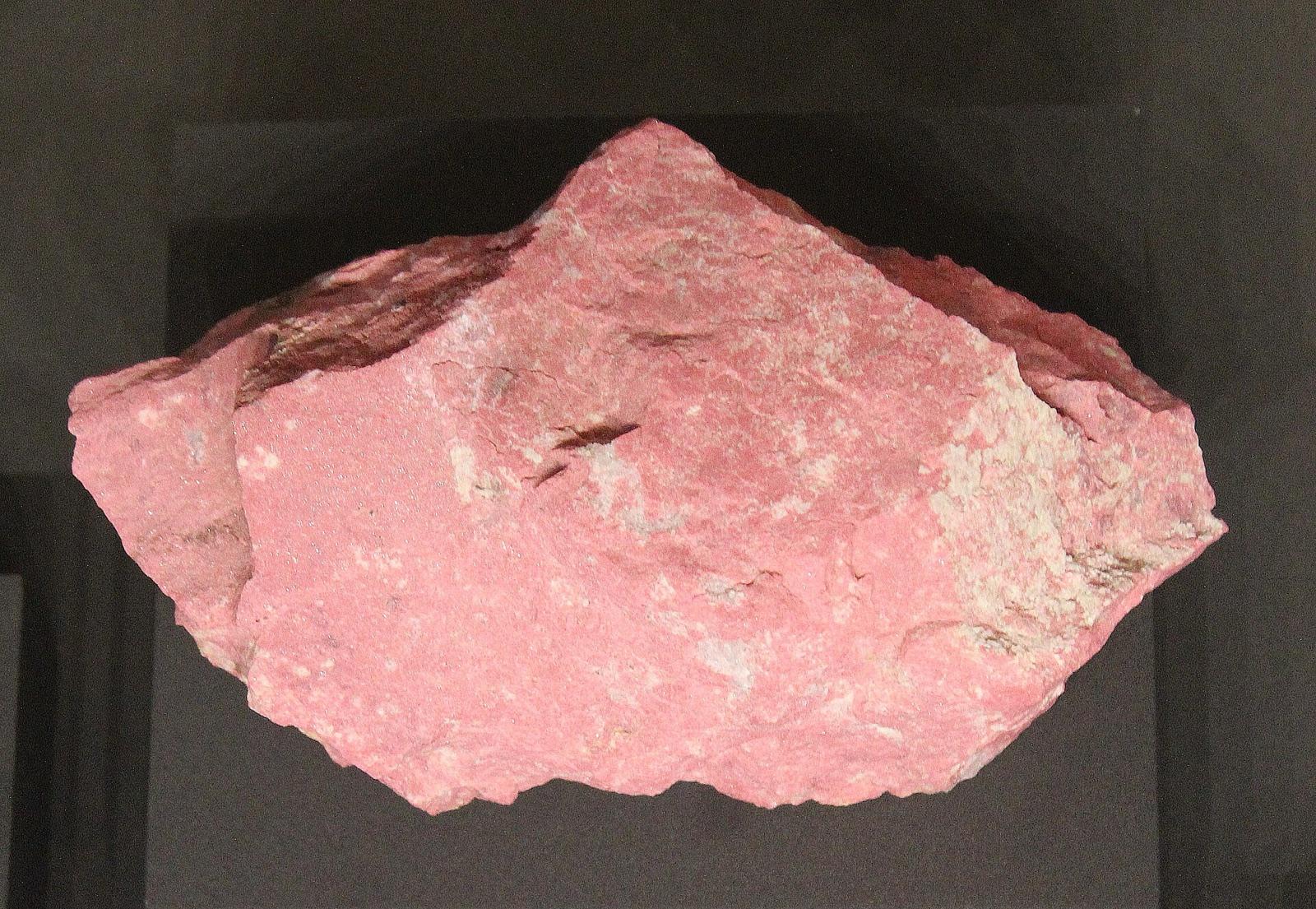 Top pick
Tunk Creek
PublicOkanogan County, Washington
Tunk Creek is one of Washington's few documented thulite localities, where rose-pink thulite, a variety of zoisite, occurs in lenses up to three feet across within hornblende schist.
Quartz, Blue Corundum, Pink Corundum, Thulite
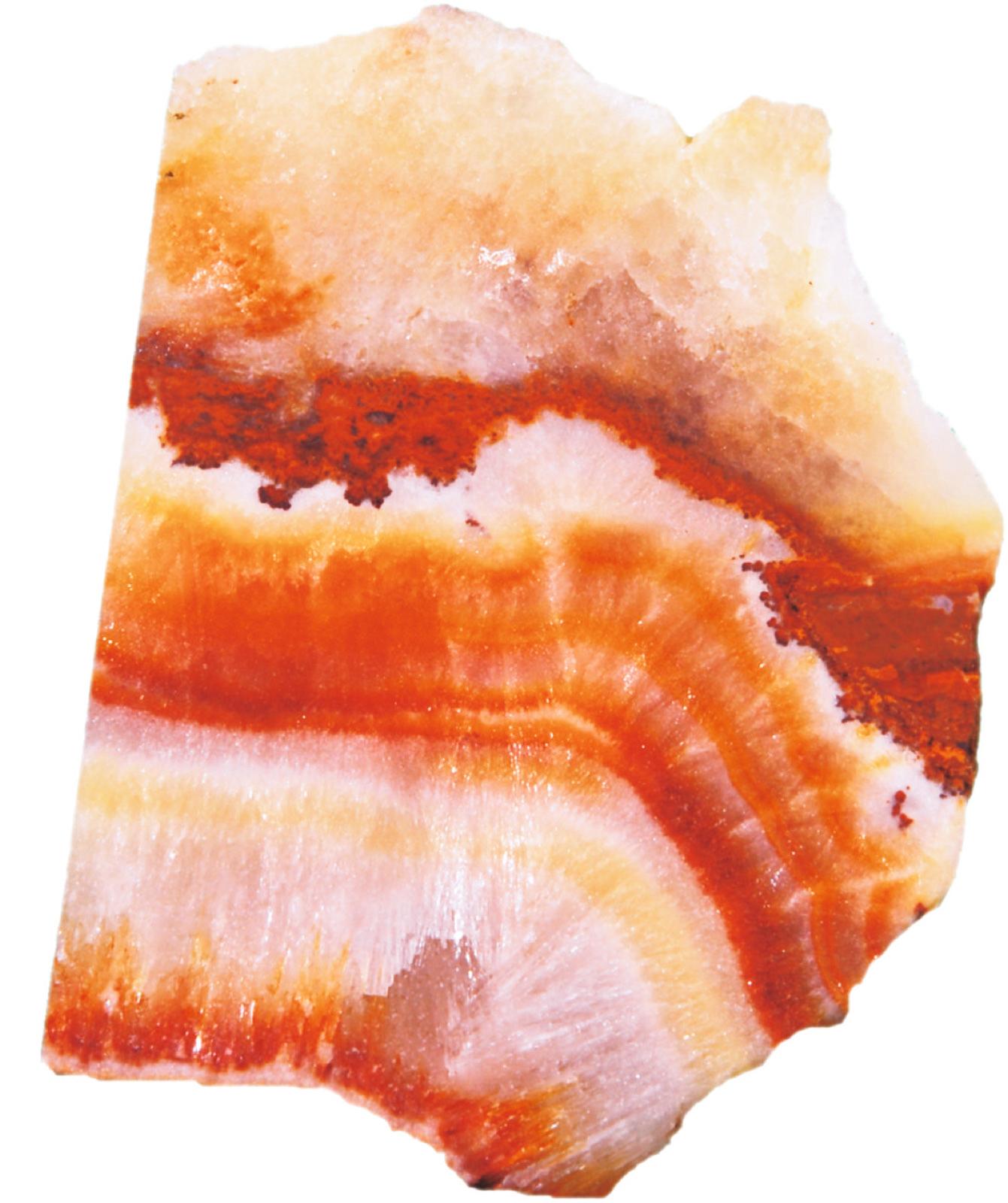 Top pick
Ringold
PublicFranklin County, Washington
Iron-stained gravels at the base of the White Bluffs, on the east side of the Columbia River from Byers Landing to Ringold, hold frequent agate and jasper, the agate chiefly gray and buff chalcedony with some red hues.
Agate
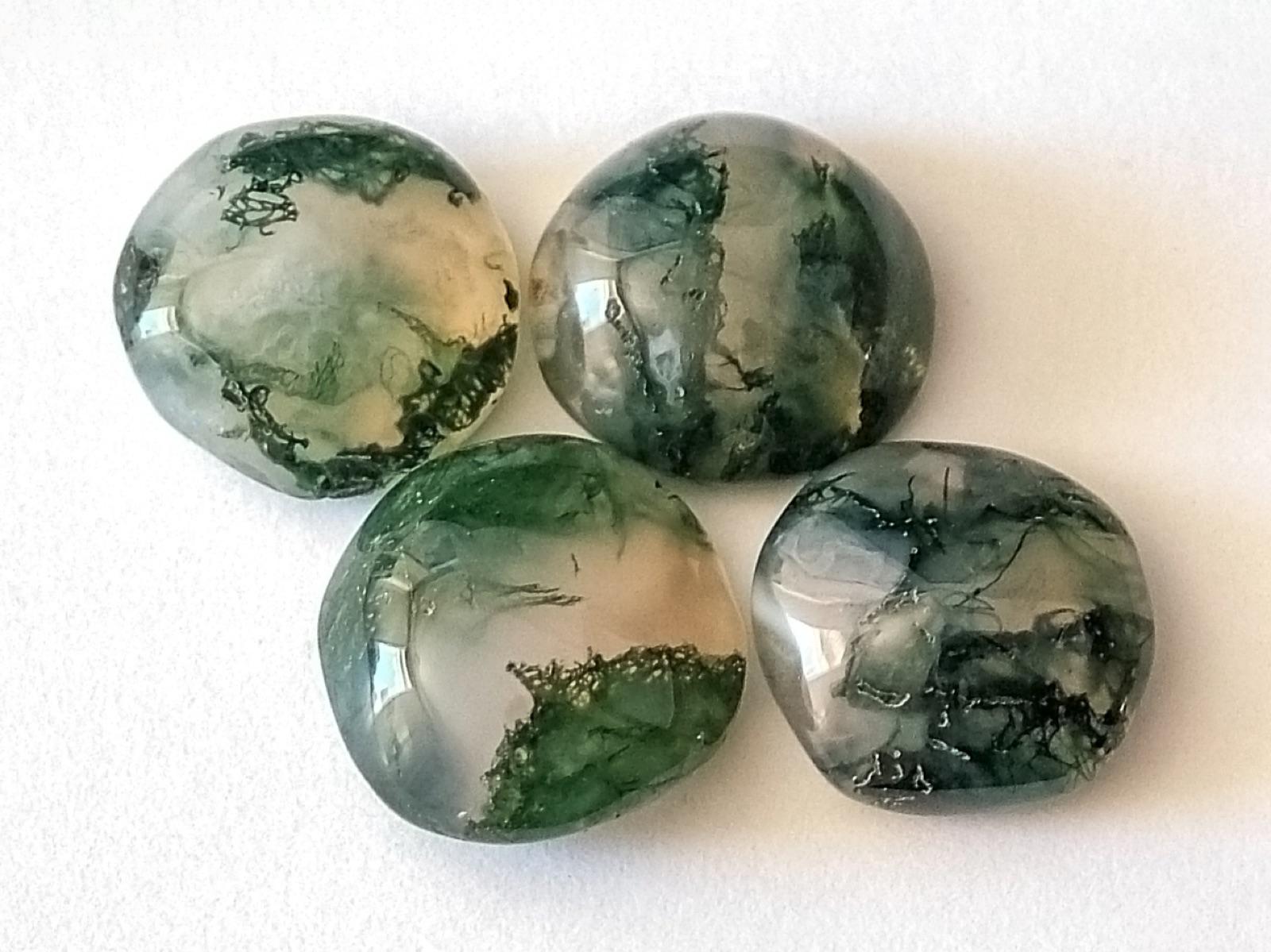 Top pick
Washougal
PermissionClark County, Washington
Gravel bars along the Washougal River yield moss agate, carnelian, jasper, and petrified wood weathered from the surrounding volcanic terrain.
Moss Agate, Amethyst
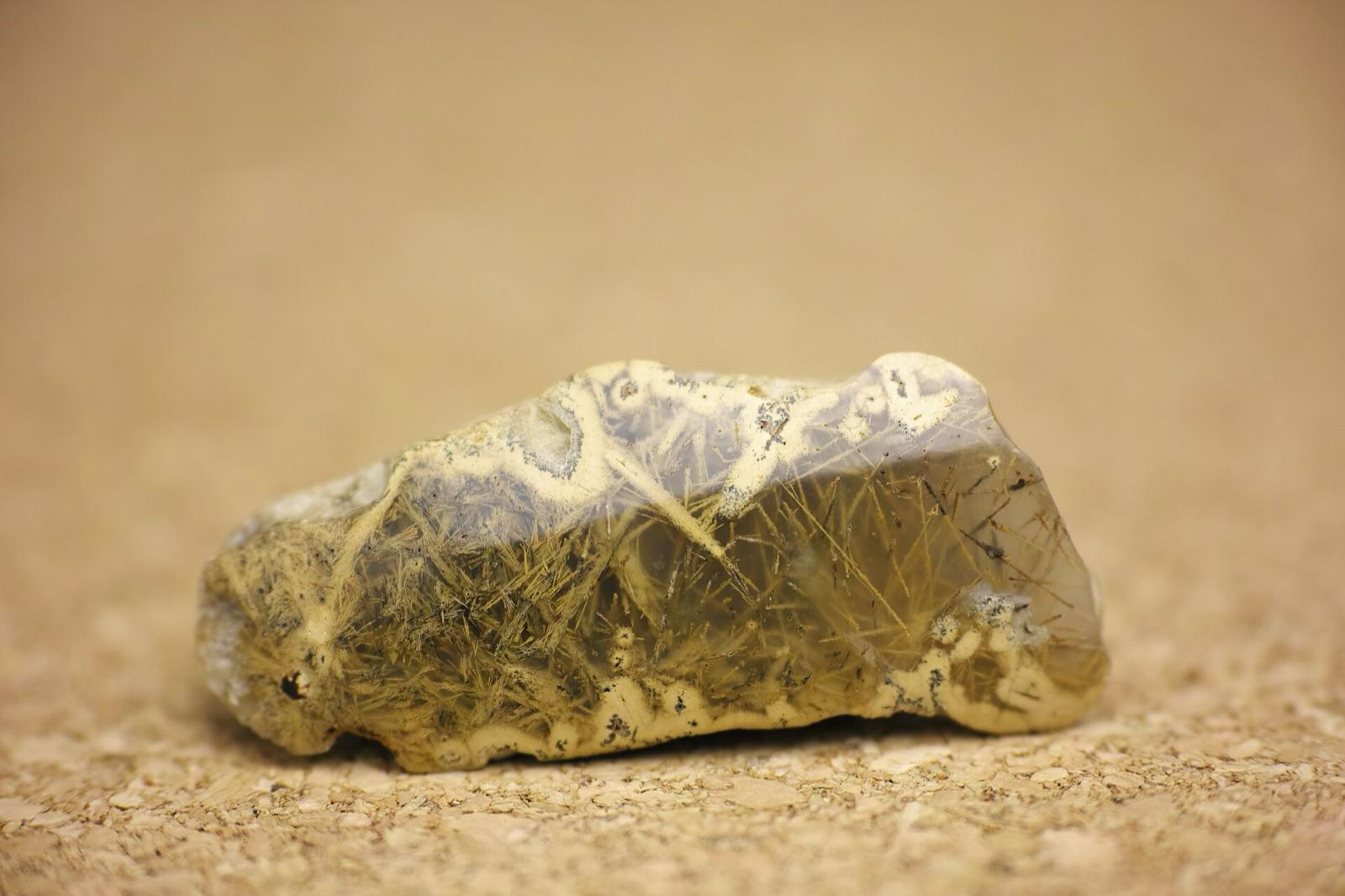 Top pick
Moclips
PublicGrays Harbor County, Washington
The beach at Moclips lies within Washington's Seashore Conservation Area, documented in rockhounding guides for the agate and jasper that wash in along the tideline and stream gravels.
Agate, Jasper
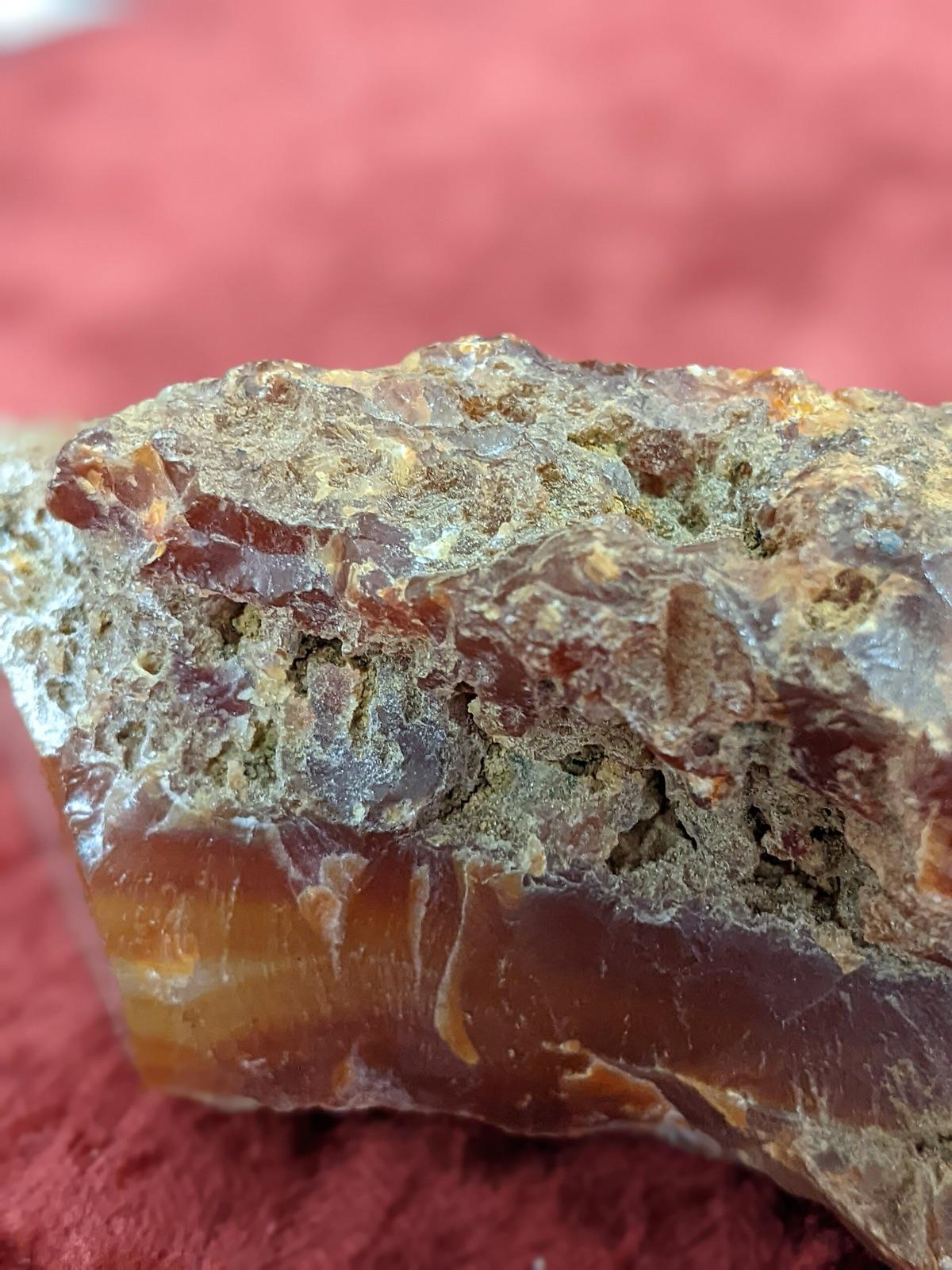 Top pick
Pe Ell
PublicLewis County, Washington
The Washington Geological Survey's gemstone report records that hundreds of pounds of agate have been taken between Adna and Pe Ell, in the heart of Lewis County's carnelian-agate country.
Agate, Carnelian, Chalcedony, Geode
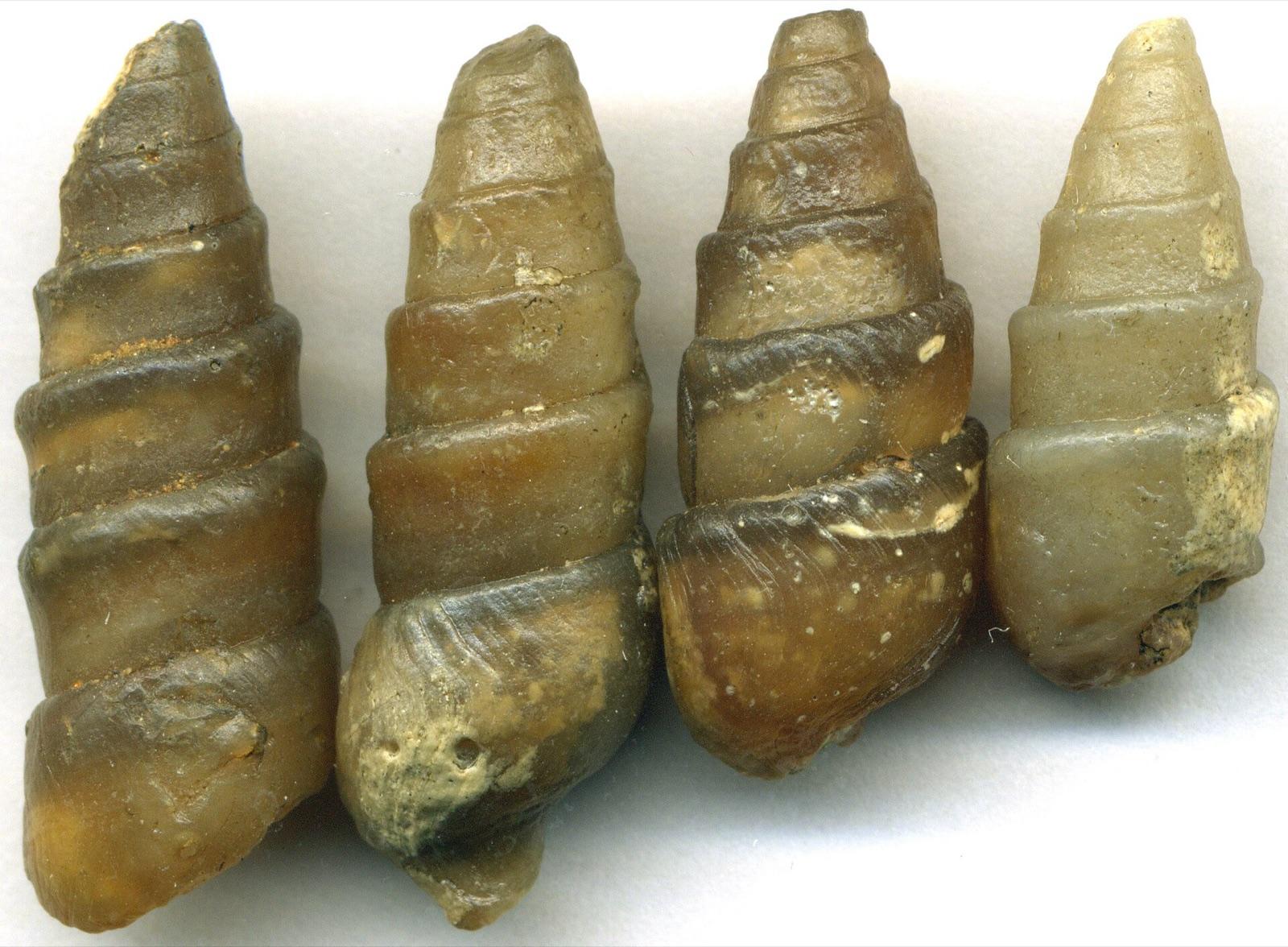 Top pick
Willapa Hills
PublicPacific County, Washington
The Washington Geological Survey documents light-gray to yellowish-gray chalcedony casts of fossil clams in the Willapa Hills, some holding trapped water that shifts when the specimen is turned, a feature collectors call enhydros.
Agatized Fossil Shell
 Top pick
Petersburg
PublicGrant County, West Virginia
Petersburg sits on the South Branch Potomac River just downstream of Smoke Hole Canyon, where the river drops onto a broad valley and drops its bed load of quartz, calcite, and dolomite eroded from the Silurian and Devonian ridges upstream.
Calcite, Dolomite, Quartz
 Top pick
Fort Spring
PublicGreenbrier County, West Virginia
Fort Spring lies on the Greenbrier River in southern Greenbrier County, in the Mississippian carbonate belt that gives the county its celestite, calcite, and dolomite.
Calcite, Celestite, Dolomite, Quartz
 Top pick
Williamsburg
PublicGreenbrier County, West Virginia
Williamsburg sits in the northern Greenbrier County belt of the Hillsdale Limestone, the same formation that yields West Virginia's state gem silicified coral in neighboring Pocahontas County.
Silicified Coral, Quartz
 Top pick
Knobly Mountain
PublicMineral County, West Virginia
Knobly Mountain is a classic 19th-century West Virginia mineral locality, a railroad cut on the mountain's west flank that exposed limestone yielding exceptional celestite crystals before 1890.
Chalcedony, Calcite, Dolomite, Fluorite
 Top pick
Sugar Grove road cut
PublicPendleton County, West Virginia
The Sugar Grove Basalt is one of the few zeolite localities in the central Appalachians, an Eocene amygdaloidal basalt dike-sill about 45 million years old that intrudes the Devonian Millboro Shale south of Sugar Grove.
Chabazite
 Top pick
Moss Mountain
PublicMonroe County, West Virginia
Moss Mountain in southern Monroe County is a documented manganese locality, where the weathered carbonate section carries psilomelane and pyrolusite along with chert nodules, dolomite, and glauconite.
Chert Nodule, Iron, Manganese, Psilomelane
 Top pick
Berkeley Springs
PublicMorgan County, West Virginia
Berkeley Springs anchors the eastern panhandle, where the Devonian Oriskany (Ridgeley) Sandstone is worked for exceptionally pure glass sand and its vuggy zones produce clear and smoky quartz crystals, some in large clusters.
Calcite, Jasper, Pyrite Cube, Quartz
 Top pick
Smoke Hole
PublicPendleton County, West Virginia
Smoke Hole Canyon is a 20 mile gorge cut by the South Branch Potomac River through the Cave Mountain anticline, exposing a full Silurian to Devonian section of limestones, sandstones, and shales inside the Monongahela National Forest.
Geode, Gypsum, Pyrite, Fossil
 Top pick
Hillsboro
PublicPocahontas County, West Virginia
The Hillsboro area produces West Virginia's official state gem: the Mississippian colonial coral Lithostrotionella, silicified and replaced by chalcedony in the Hillsdale Limestone.
Blue Silicified Coral
 Top pick
Harman
PublicRandolph County, West Virginia
Harman lies in the high country of eastern Randolph County near the Dry Fork of the Cheat River and the edge of the Monongahela National Forest, where folded Devonian and Mississippian carbonates weather out quartz, calcite, and dolomite.
Calcite, Dolomite, Quartz
 Top pick
Bayfield County
PublicBayfield County, Wisconsin
The Lake Superior shoreline of Bayfield County, along the State Highway 13 corridor between Port Wing and Cornucopia, is a classic stretch of public agate beach.
Agate, Jasper
 Top pick
Near Saxon Falls
PublicIron County, Wisconsin
The Montreal River gorge below Saxon Falls exposes Keweenawan basalt whose gas cavities are lined with zeolite minerals.
Calcite, Chlorite, Epidote, Laumontite
 Top pick
Jackson Co. Iron Mine dumps
PublicJackson County, Wisconsin
The reclaimed Jackson County iron mine, now the free Wazee Lake Recreation Area east of Black River Falls, is one of Wisconsin's premier metamorphic mineral localities.
Actinolite, Almandine, Andalusite, Biotite
- No photoTop pick
Racine
PublicRacine County, Wisconsin
Quarry Lake Park in Racine exposes the Silurian Racine Formation dolomite, part of the reef complex recognized as among the first fossil coral reefs described in North America.
Fossil, Calcite, Marcasite
 Top pick
Muscoda
PublicIowa County, Wisconsin
The Wisconsin River gravel bars near Muscoda carry Lake Superior agates and quartz transported south by glacial outwash, giving the Driftless Area a rare source of free public collecting.
Agate
 Top pick
Sweetwater River
PermissionFremont County, Wyoming
Sweetwater agate is Wyoming's signature agate, and the Sweetwater River drainage is the classic field area tied to the Granite Mountains source terrain.
Agate
 Top pick
Atlantic City
PublicFremont County, Wyoming
Atlantic City sits in the South Pass country, where Wyoming's gold-mining history overlaps with the central Wyoming jade and agate belt.
Agate, Chalcedony, Gold, Nephrite Jade
 Top pick
Warm Springs
PublicFremont County, Wyoming
Warm Springs is a strong Granite Mountains-area pick because it combines Wyoming jade targets with agate, jasper, chalcedony, quartz, and silicified wood in one public-land collecting corridor.
Agate, Chalcedony, Jasper, Jade
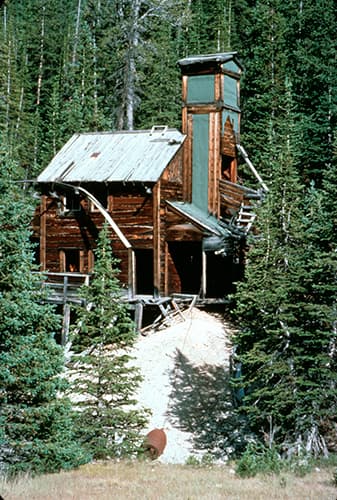 Top pick
Kirwin Mine
PublicPark County, Wyoming
Kirwin is the strongest metallic-mineral contrast to Wyoming's agate and wood localities, with USGS work documenting the district's copper, gold, lead, zinc, molybdenum, and silver mineralization.
Azurite, Barite, Chalcopyrite, Cuprite
 Top pick
Eden Valley
PublicSweetwater County, Wyoming
Eden Valley is the Wyoming benchmark for silicified and agatized wood, with Mindat records tying petrified wood to Eden Valley and the Blue Forest area.
Silicified Wood
 Top pick
Wamsutter
PublicSweetwater County, Wyoming
Wamsutter is the practical Wyoming stop for dark fossiliferous lapidary material sold as Turritella agate, more accurately tied to silicified Green River Formation gastropods.
Turritella Agate
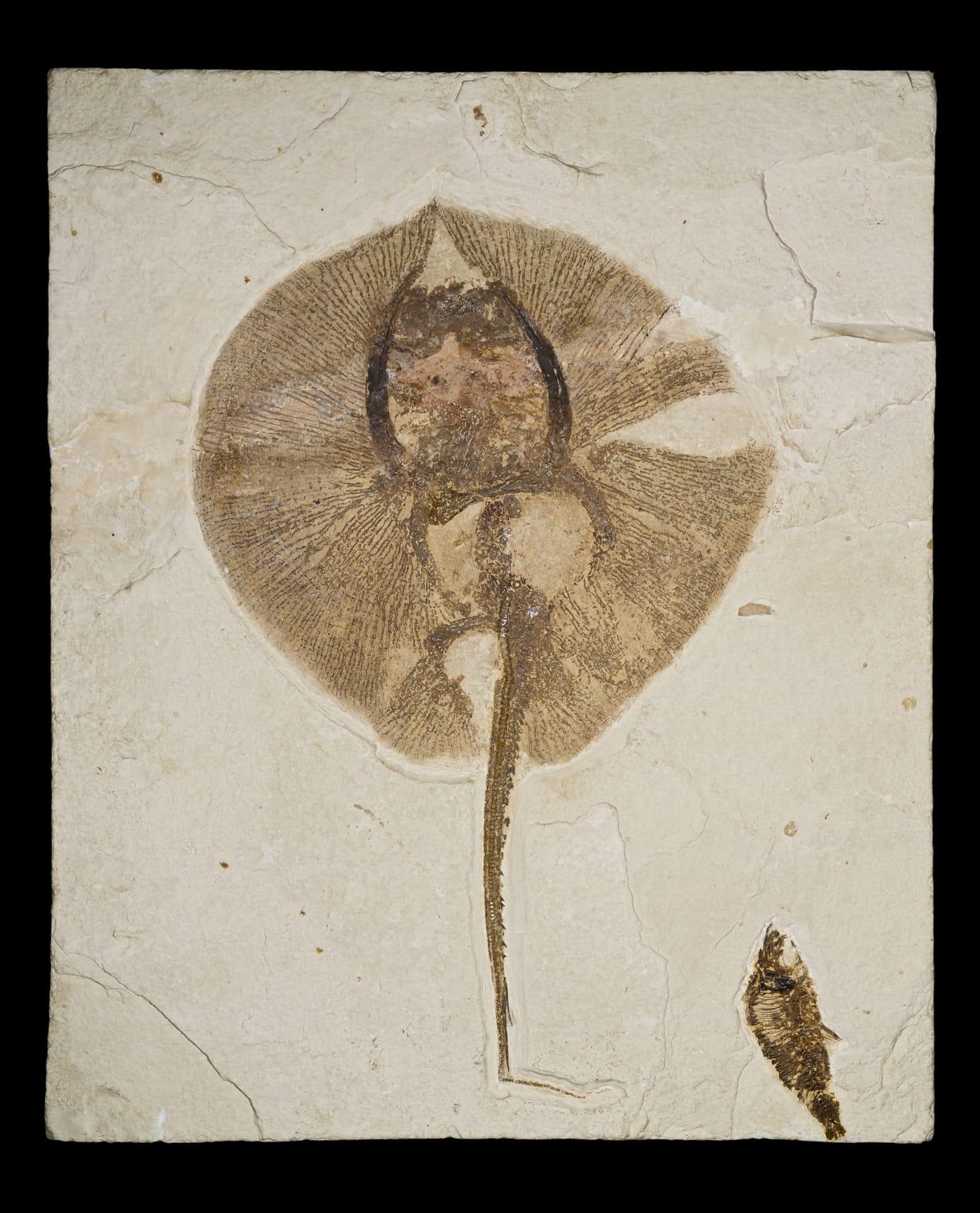 Top pick
Kemmerer
PublicLincoln County, Wyoming
Kemmerer anchors the western Green River Formation belt, where public-land outcrops and gravels can yield chert, chalcedony, jasper, silicified wood, and fossiliferous lapidary stone.
Turritella Agate, Chalcedony, Chert, Jasper
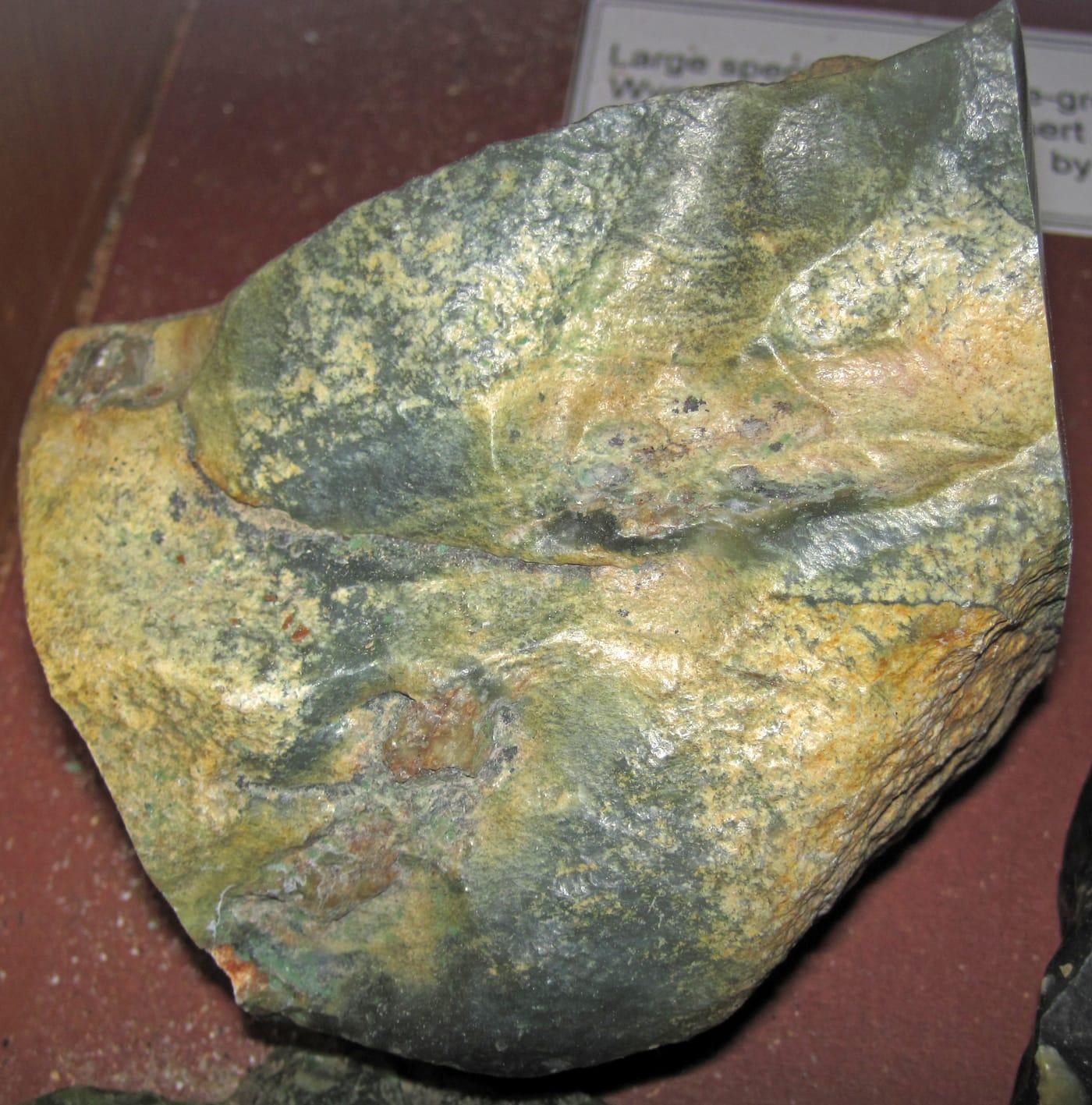 Top pick
Laramie Mountains
PublicAlbany County, Wyoming
The Laramie Mountains add a southeastern public-land agate, chalcedony, and jasper stop to a Wyoming list otherwise dominated by Sweetwater and Green River Basin material.
Agate, Chalcedony, Jasper
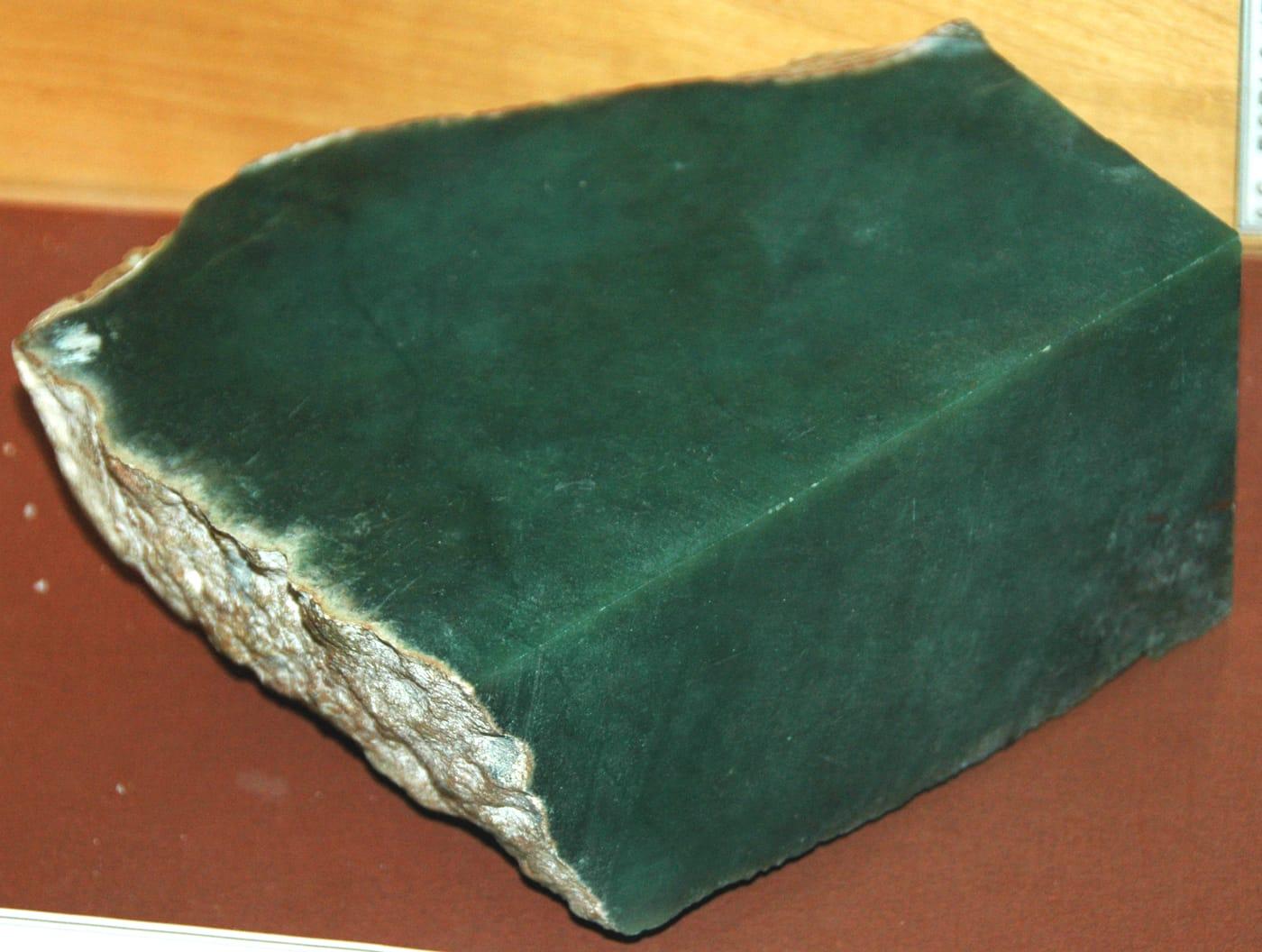 Top pick
Seminoe Reservoir
PublicCarbon County, Wyoming
Seminoe Reservoir represents the Seminoe Mountains side of Wyoming's jade and lapidary-rock story, with WSGS noting silicified banded iron formation from the Seminoe Mountains alongside the state's better-known jade resources.
Jade
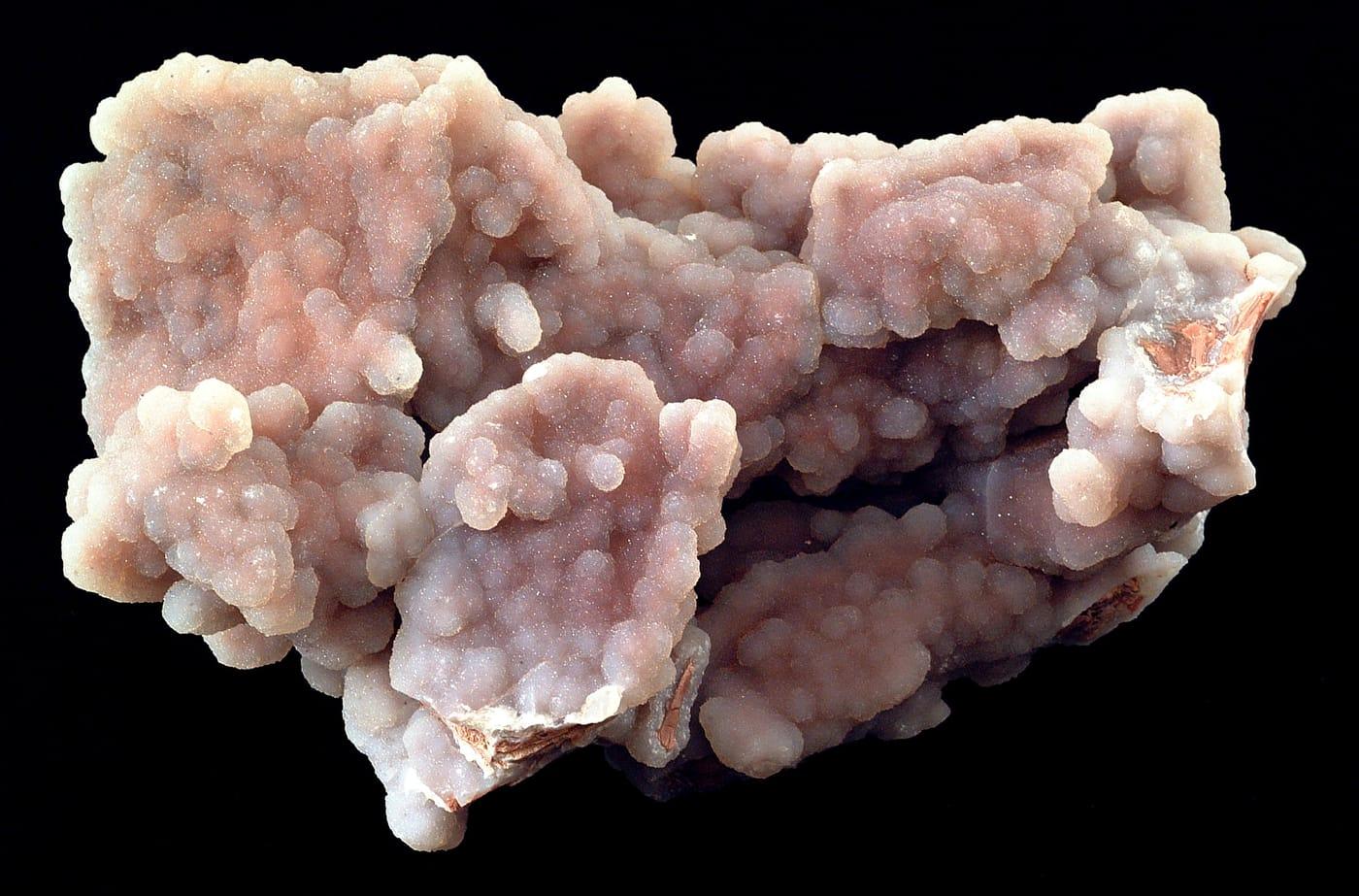 Top pick
Hartville
PublicPlatte County, Wyoming
Hartville is the southeastern Wyoming choice for Guernsey Limestone chalcedony, including moss agate, dendritic agate, stalactitic agate, and youngite noted by WSGS.
Agate, Moss Agate, Chalcedony
 Top pick
Frisco
PublicBeaver County, Utah
Frisco combines a major historic silver-lead camp with a long mineral list that includes copper carbonates, galena, sphalerite, pyrite, opal, and wulfenite.
Azurite, Barite, Calamine, Chalcocite
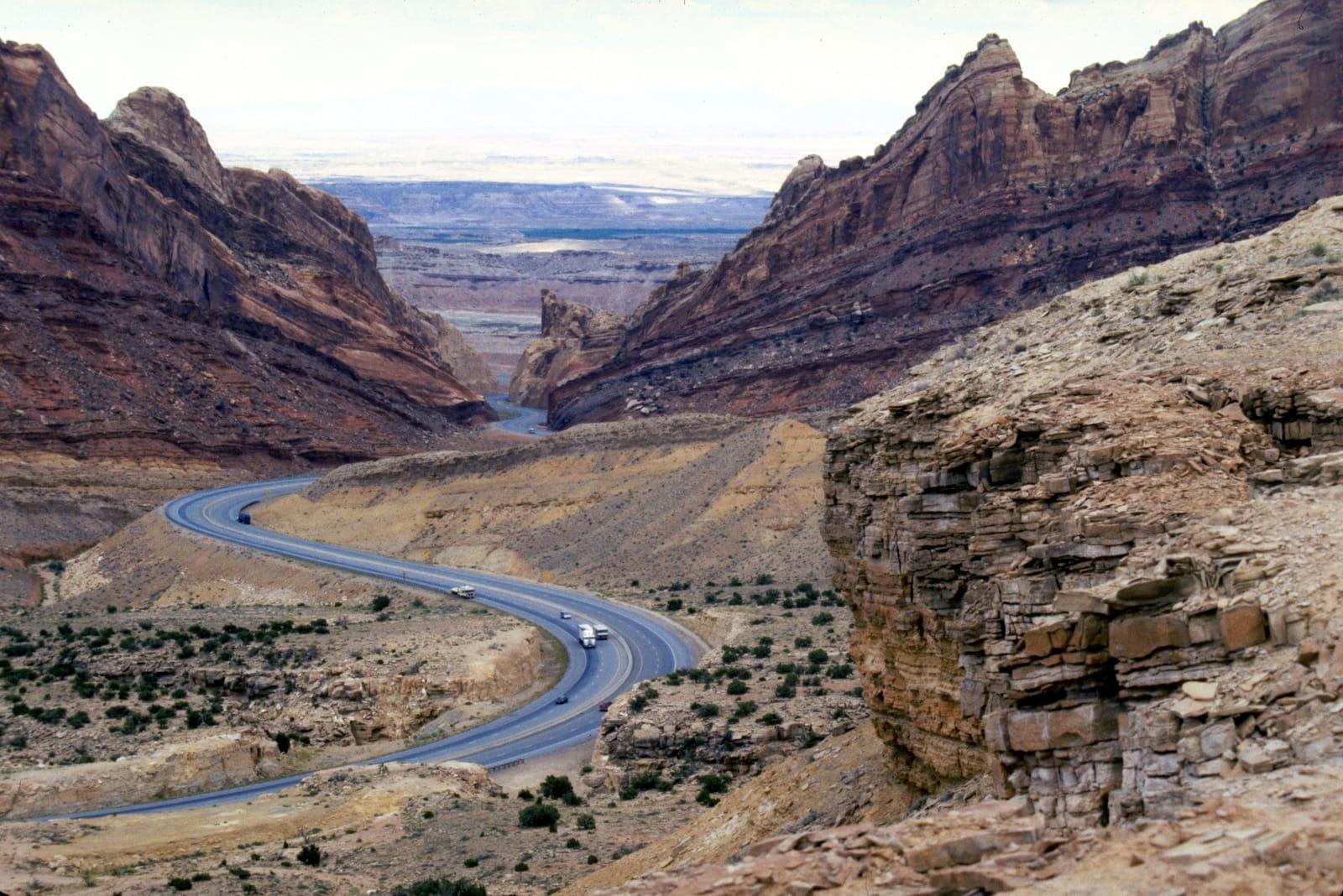 Top pick
San Rafael Swell
PublicEmery County, Utah
The San Rafael Swell is a broad exposed anticline where Morrison, Curtis, and Cedar Mountain strata carry local agate, jasper, chalcedony, petrified wood, and dinosaur-bone material.
Agatized Wood, Amethyst, Carnotite, Petrified Wood
 Top pick
Dugway Range
PublicJuab County, Utah
The Dugway Geode Beds are one of Utah's clearest geology-to-specimen localities: Miocene rhyolite cavities were eroded by Lake Bonneville and redeposited as diggable geodes in lake sediments.
Beryl, Chalcedony, Fluorite, Garnet
 Top pick
Spor Mountain
PublicJuab County, Utah
Spor Mountain stands out because its topaz-rhyolite-related deposits made it the world's premier beryllium district and Utah's largest fluorite producer.
Fluorite, Bertrandite, Carnotite, Chalcedony
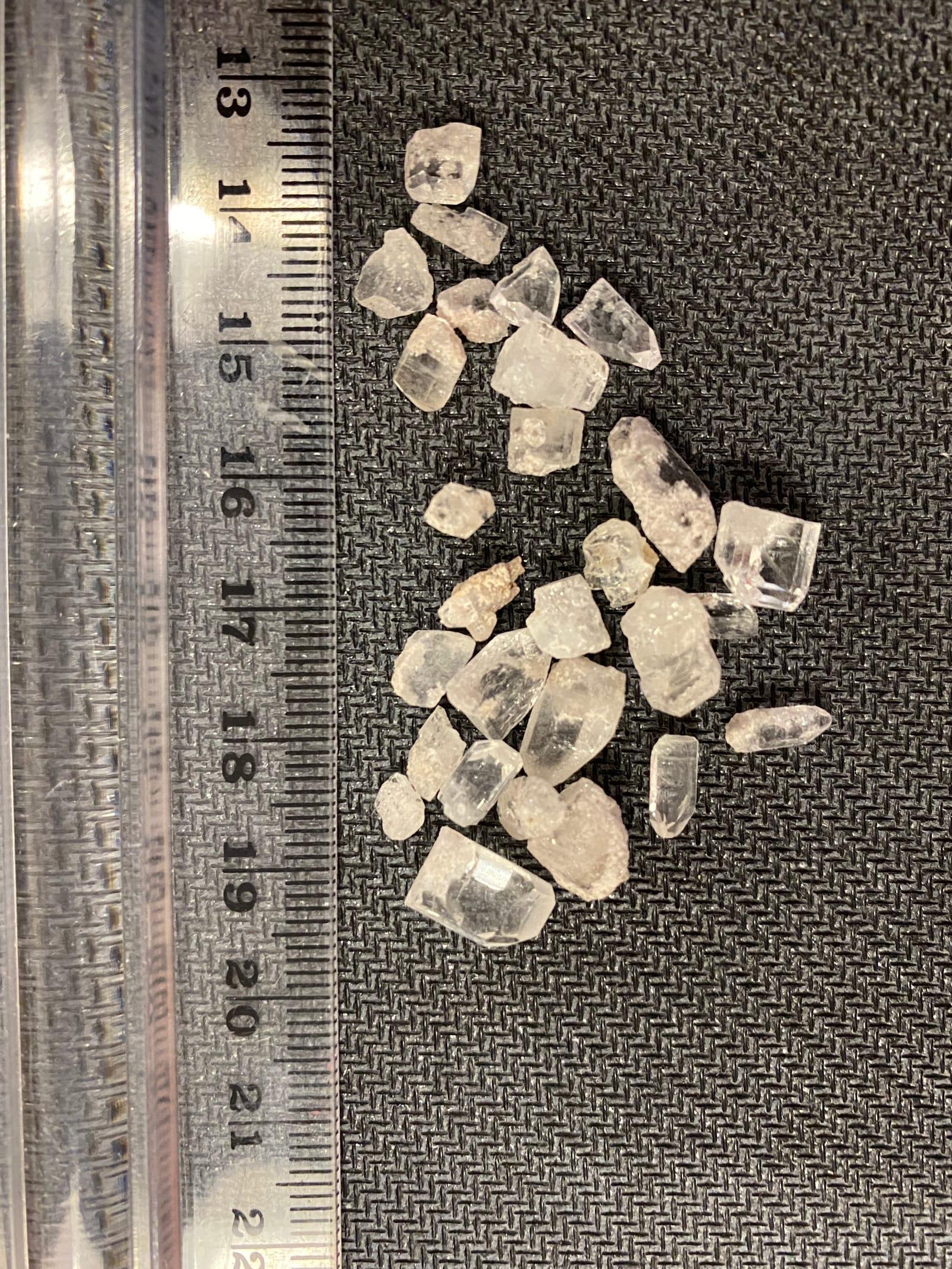 Top pick
Topaz Dome Quarry
PermissionJuab County, Utah
Topaz Mountain is Utah's defining gem locality, where amber topaz crystals formed in cavities of the Topaz Mountain Rhyolite and commonly bleach colorless in sunlight.
Beryl, Calcite, Bixbyite, Carnelian
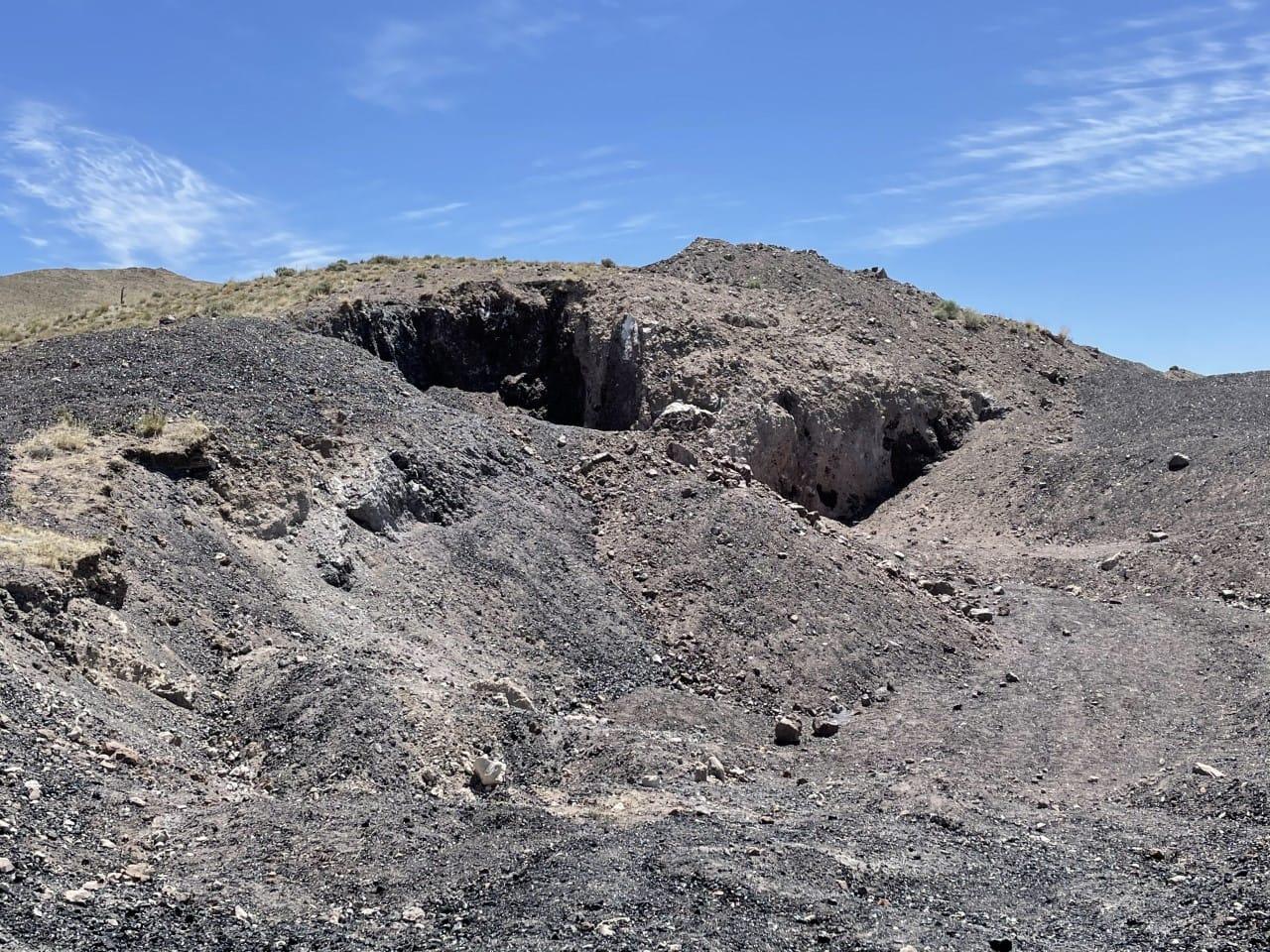 Top pick
Black Rock
PublicMillard County, Utah
Black Rock is Utah's standout obsidian stop, with black, reddish-brown, and snowflake obsidian weathering from young rhyolitic volcanic rocks in the Black Rock Desert.
Snowflake Obsidian
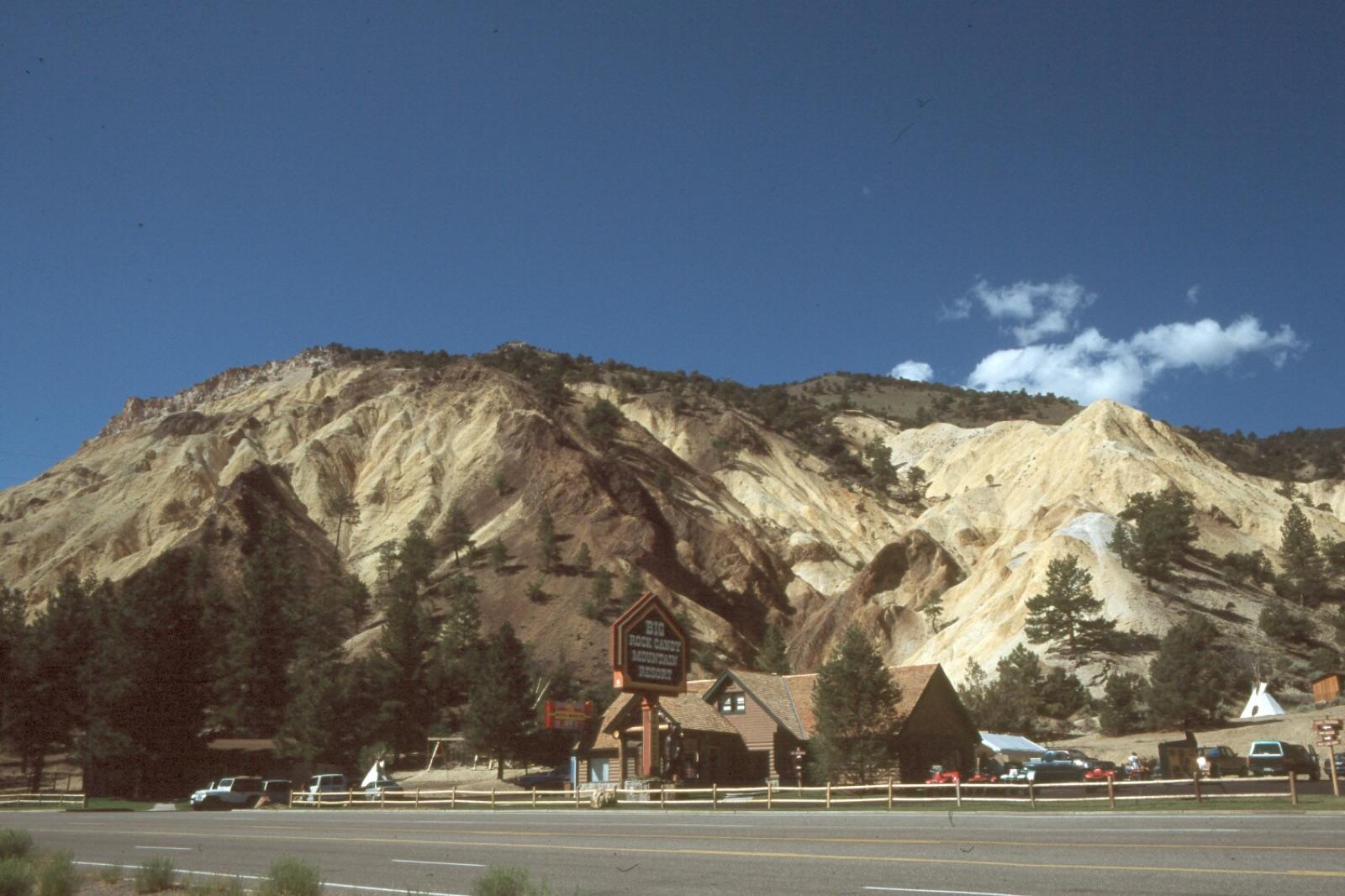 Top pick
Marysville
PublicPiute County, Utah
Marysvale earns a top spot for small but well-formed crystals in rhyolite cavities, especially bixbyite, amethyst, and reported rutile or pseudobrookite.
Cinnabar, Alunite, Albite, Biotite
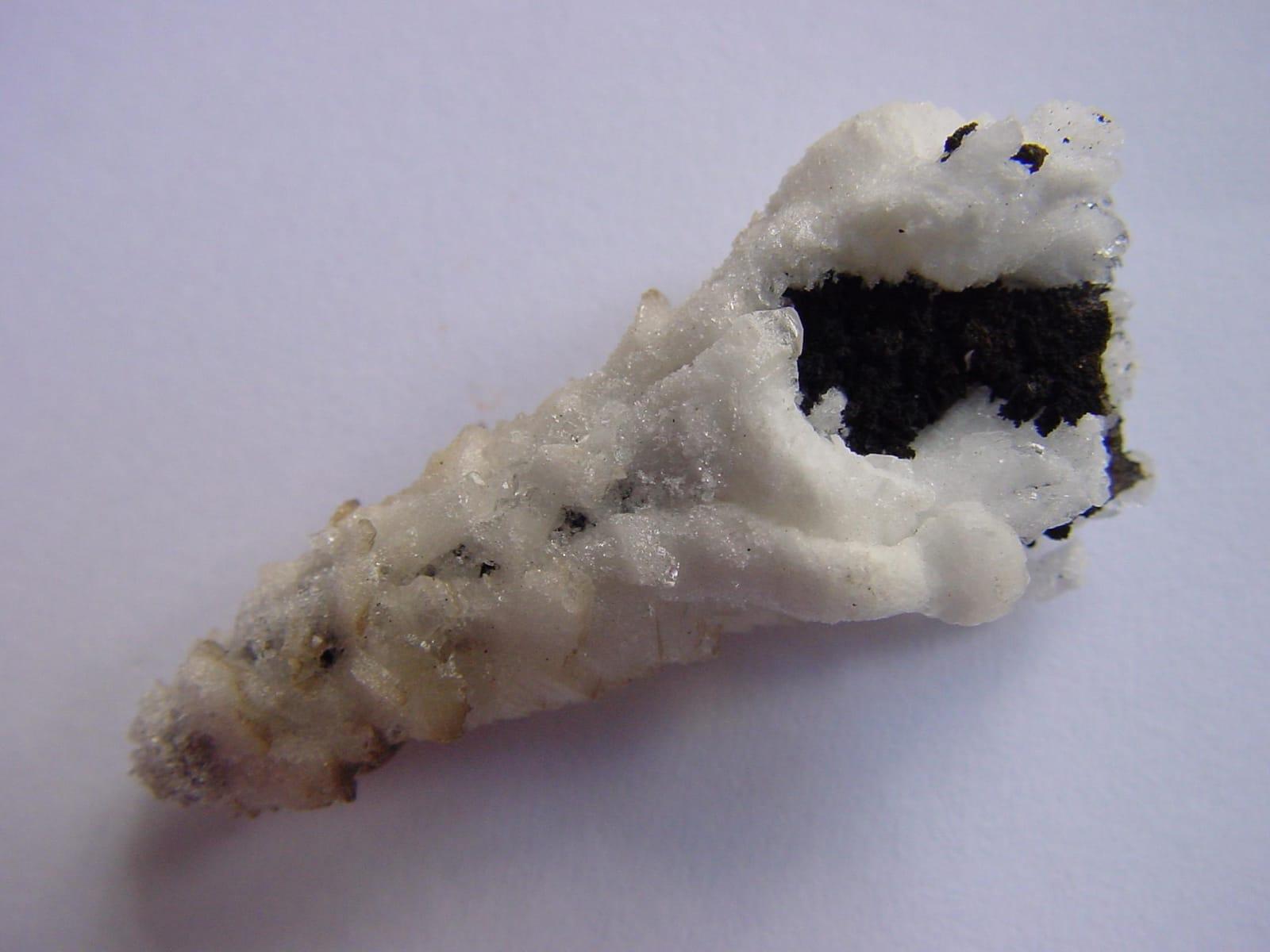 Top pick
Gold Hill
PublicTooele County, Utah
Gold Hill is one of Utah's most mineralogically varied old districts, with arsenic, gold, copper, lead, silver, tungsten, and zinc production tied to skarn, vein, and replacement deposits.
Azurite, Cerussite, Chalcopyrite, Chlorite
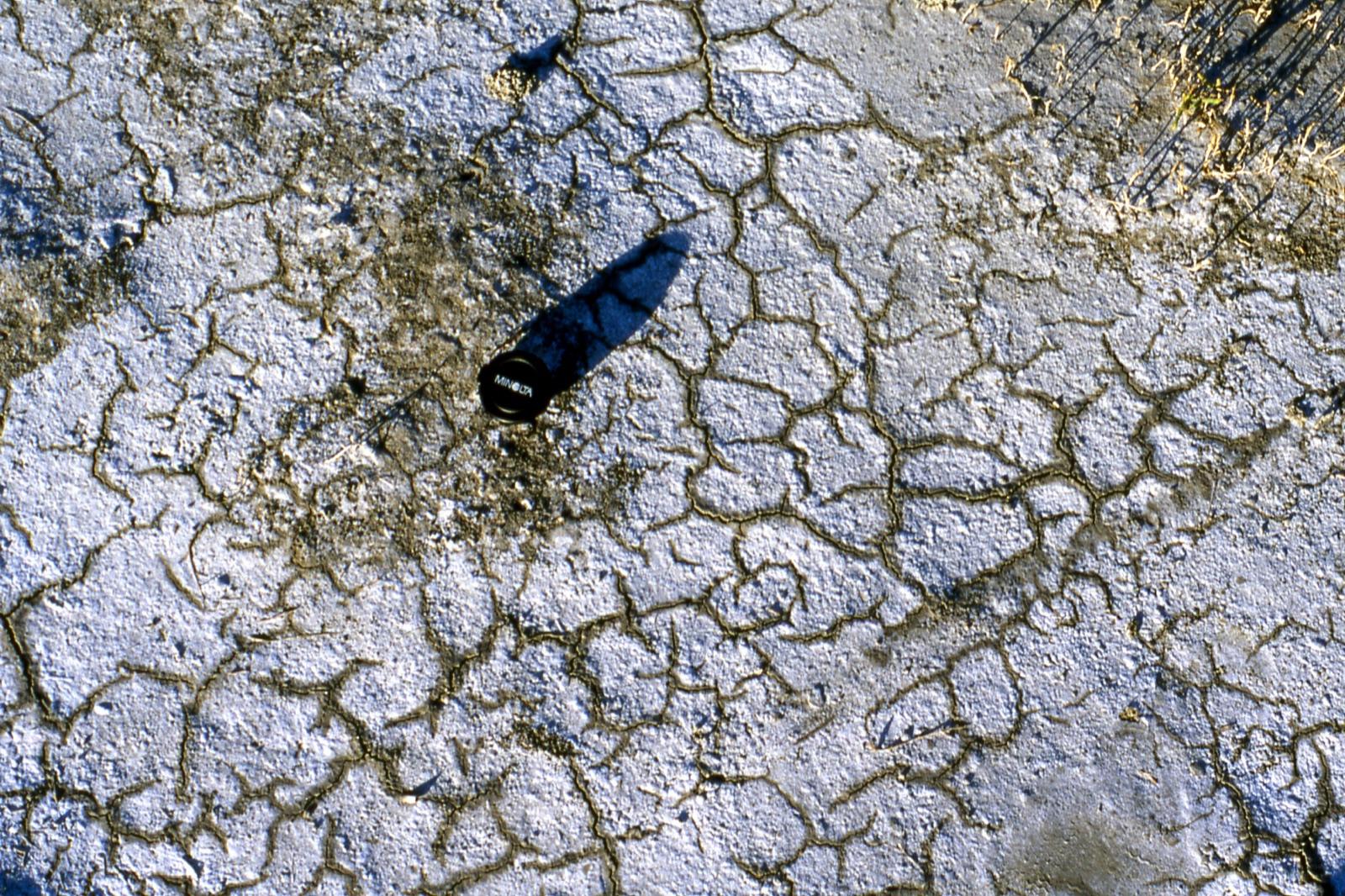 Top pick
Great Salt Lake
PublicTooele County, Utah
The Tooele side of Great Salt Lake offers an unusual sediment specimen rather than a hard-rock target: oolitic sand made of calcium-carbonate coats around tiny nuclei in shallow, wave-agitated brine.
Aragonite, Bloedite, Gypsum, Halite
 Top pick
Hanksville
PublicWayne County, Utah
The Hanksville and Caineville stretch of Wayne County is a strong public-land agate and petrified-wood area because weathering has released chalcedony, chert, jasper, and silicified wood from Mesozoic sedimentary rocks.
Agate, Jasper, Petrified Wood
 Top pick
Mineral Wells Fossil Park
PublicPalo Pinto County, Texas
Mineral Wells Fossil Park exposes Pennsylvanian marine shale roughly 300 million years old, where eroded slopes yield abundant crinoid stems, brachiopods, sea urchins, and bivalves.
Crinoid Stem, Brachiopod, Echinoid, Bivalve
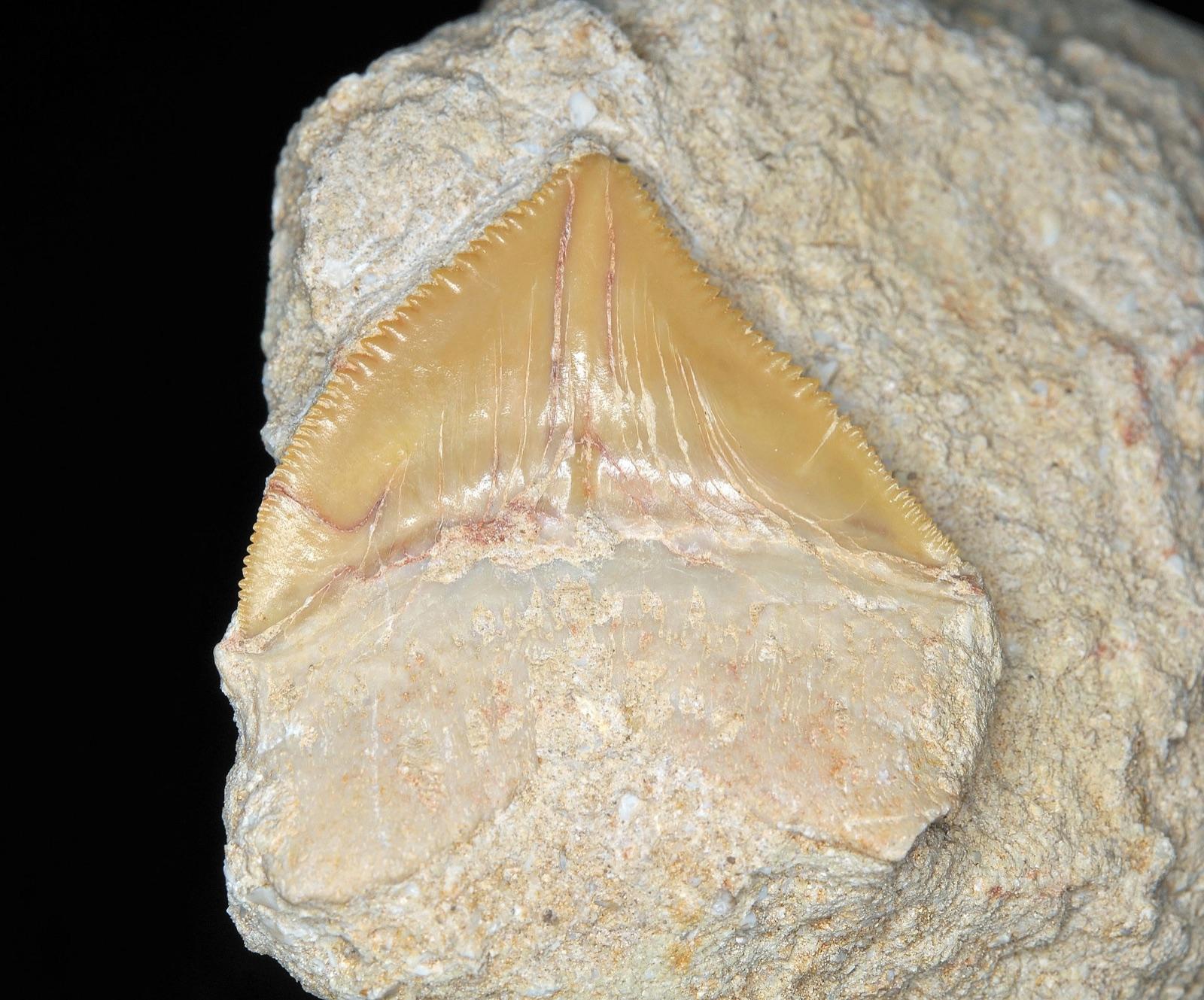 Top pick
Ladonia Fossil Park
PublicFannin County, Texas
The North Sulphur River channel at Ladonia cuts into Late Cretaceous marine beds that yield shark teeth, mosasaur teeth and bone, ammonites, and Exogyra oysters.
Fossilized Shark Tooth, Ammonite, Mosasaur Tooth, Fossilized Oyster
 Top pick
Whiskey Bridge (Brazos River)
PublicBurleson County, Texas
Whiskey Bridge exposes the Stone City beds of the Eocene Crockett Formation, widely regarded as the most fossiliferous marine outcrop in Texas, with well over 200 identified species.
Fossil Snail, Fossilized Shell, Coral, Scaphopod
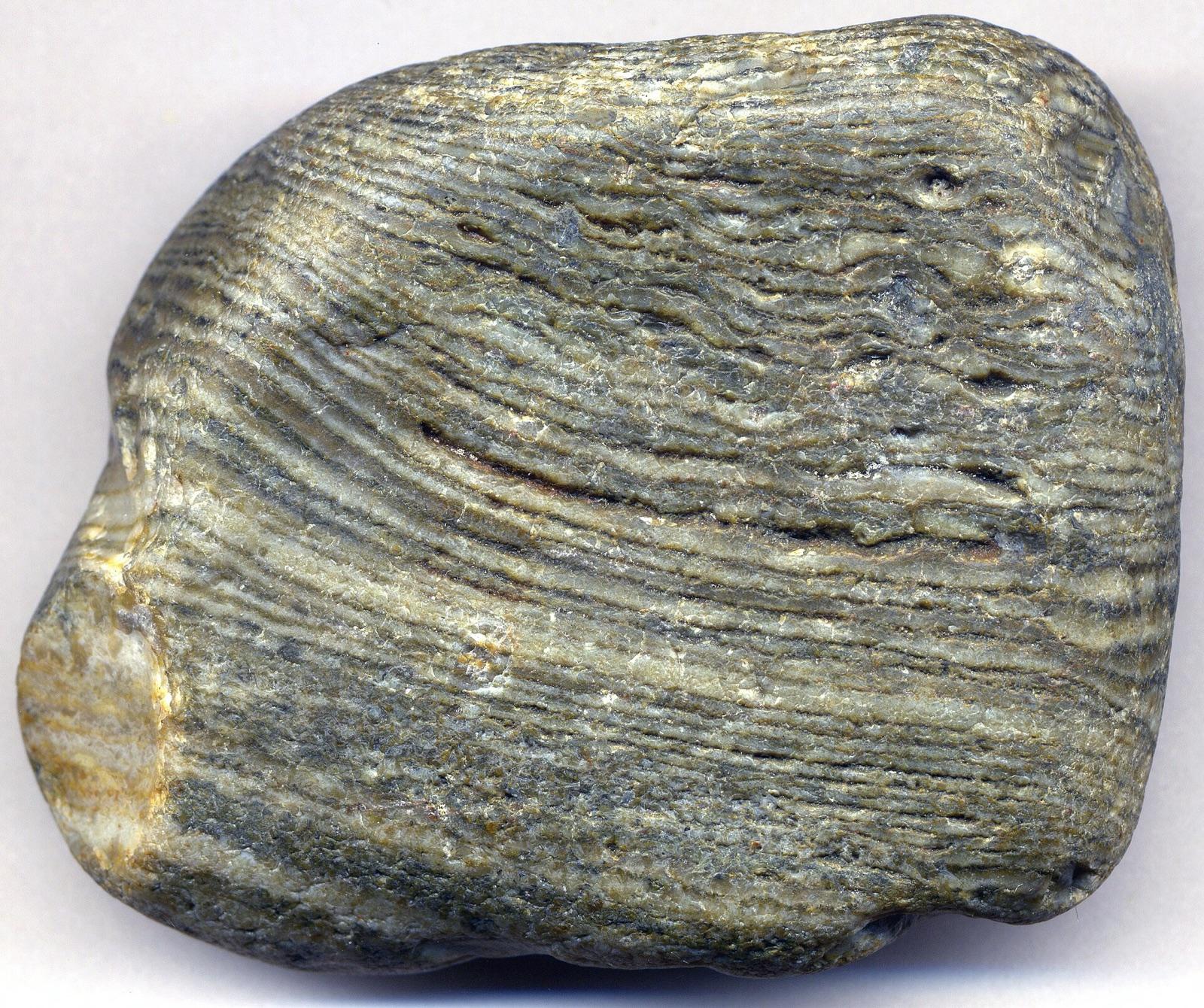 Top pick
Brazos River at Brazos Park East
PublicMcLennan County, Texas
The Brazos is a navigable Texas river, so its bed is state-owned and open to public use where reached from a public access point.
Petrified Wood, Agatized Wood, Agate, Jasper
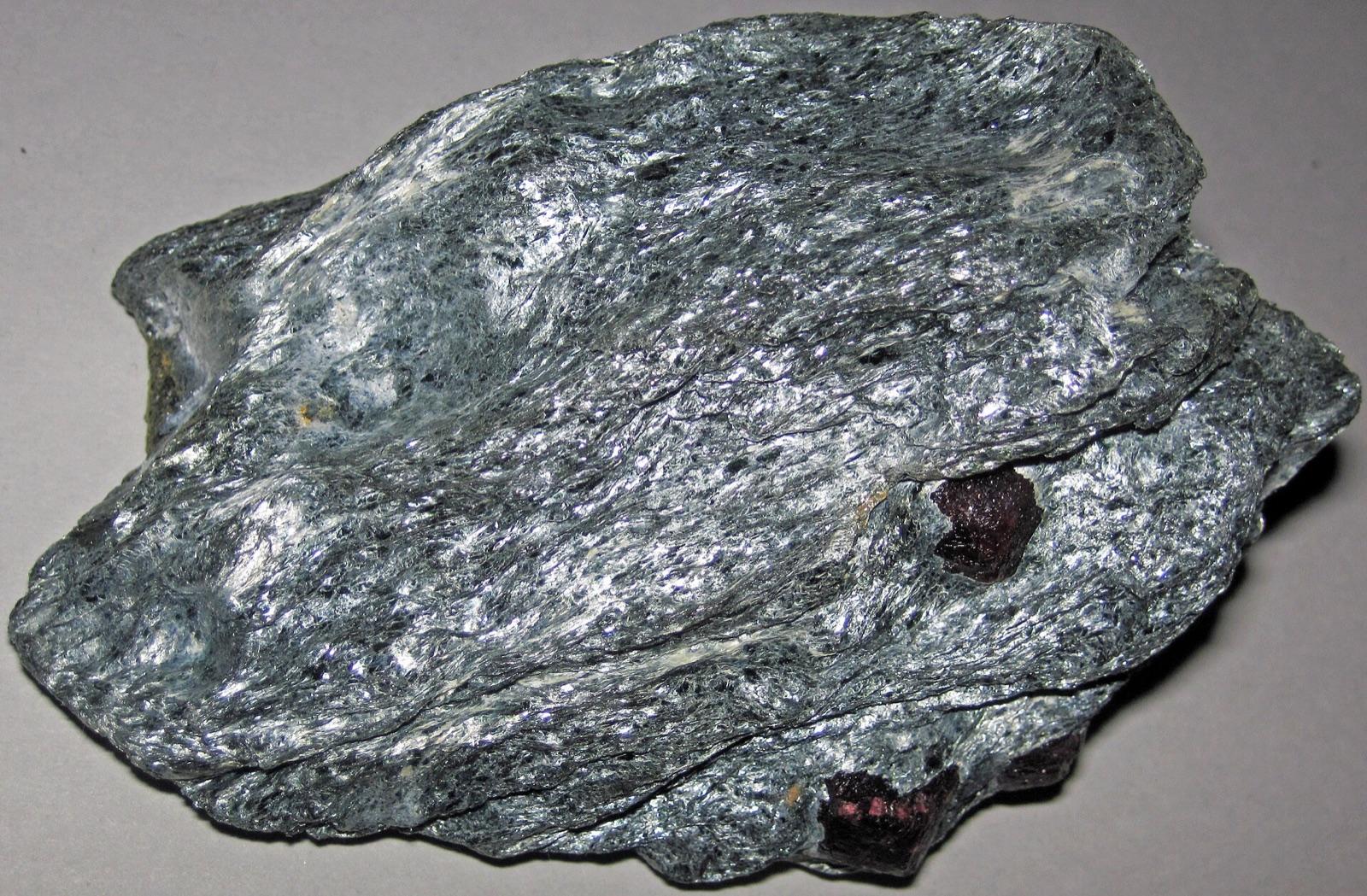 Top pick
Llano River at Grenwelge Park
PublicLlano County, Texas
The Llano River cuts through the Precambrian Llano Uplift, so its gravels carry granite, gneiss, schist, garnet, and quartz, including the blue quartz that defines local llanite.
Blue Quartz, Quartz, Almandine Garnet, Granite
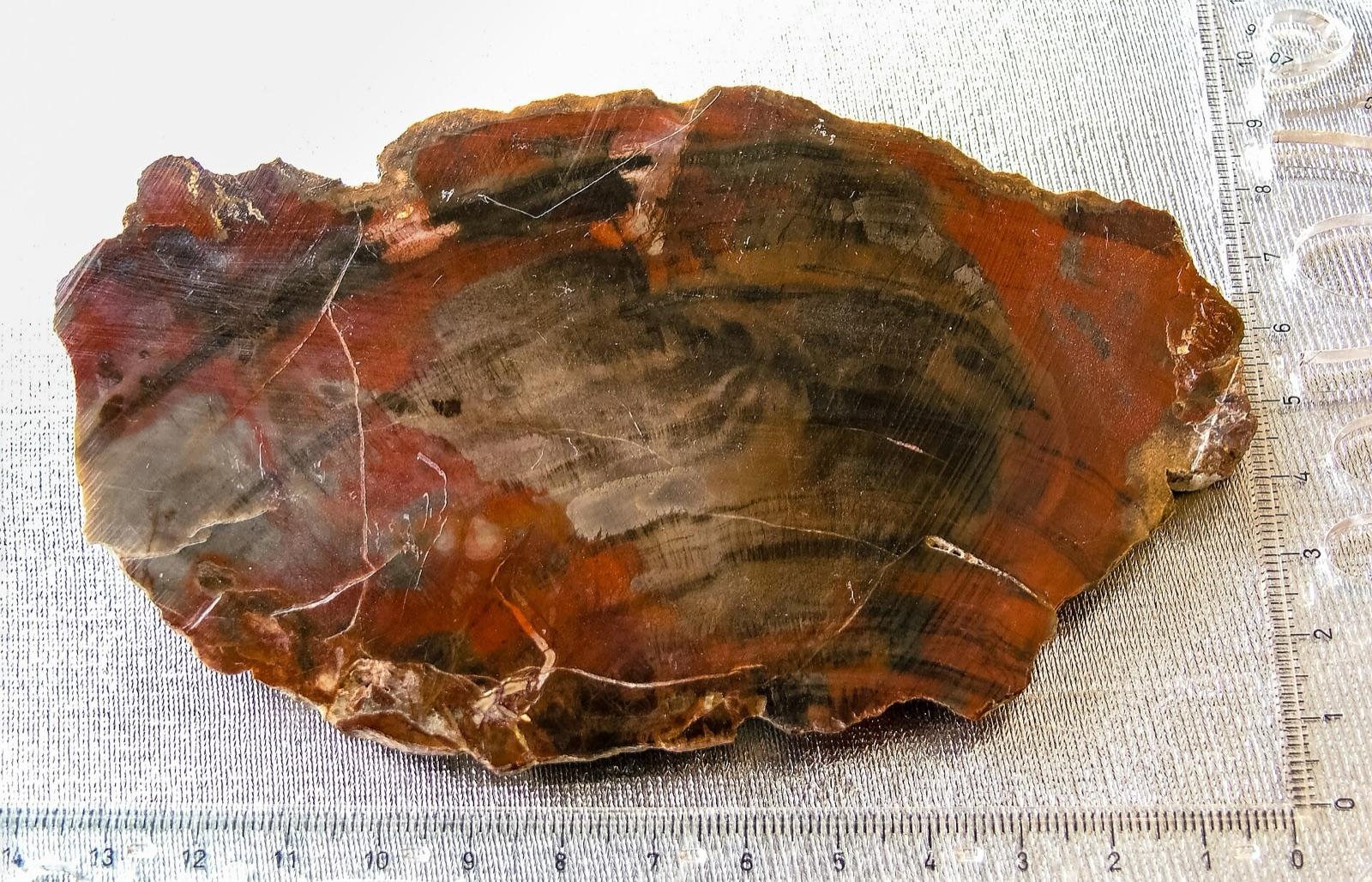 Top pick
Davy Crockett National Forest (Ratcliff Lake)
PublicHouston County, Texas
The Davy Crockett National Forest sits in the petrified-wood belt of East Texas, where silicified and agatized wood weathers out of Catahoula and Manning Formation gravels alongside jasper and agate.
Petrified Wood, Agatized Wood, Jasper, Agate
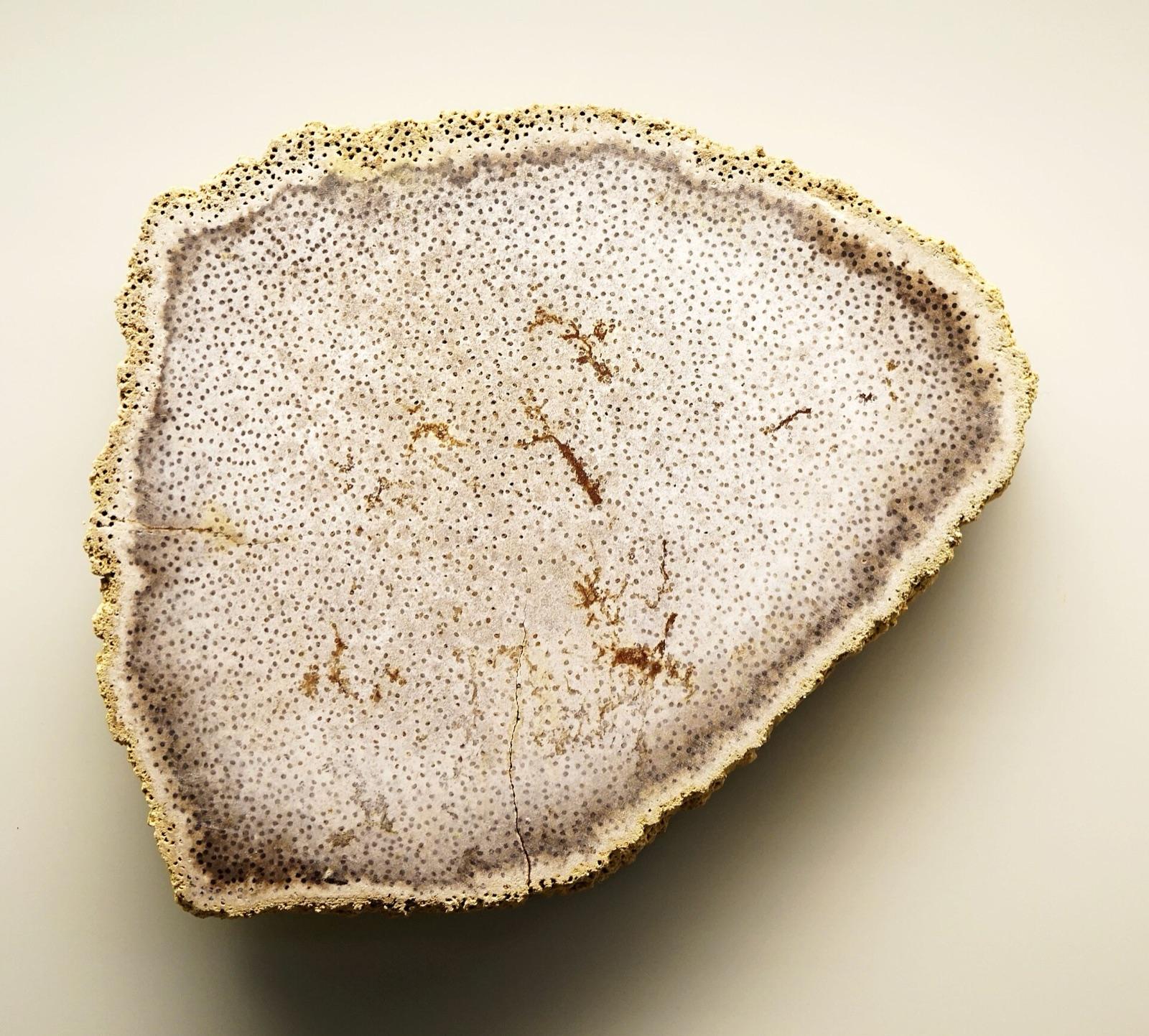 Top pick
Sam Houston National Forest (Double Lake)
PublicSan Jacinto County, Texas
Sam Houston National Forest carries petrified palm wood, the official Texas state stone since 1969, along with agate, jasper, and chalcedony weathered from young Gulf Coastal Plain gravels.
Petrified Palm Wood, Petrified Wood, Agate, Jasper
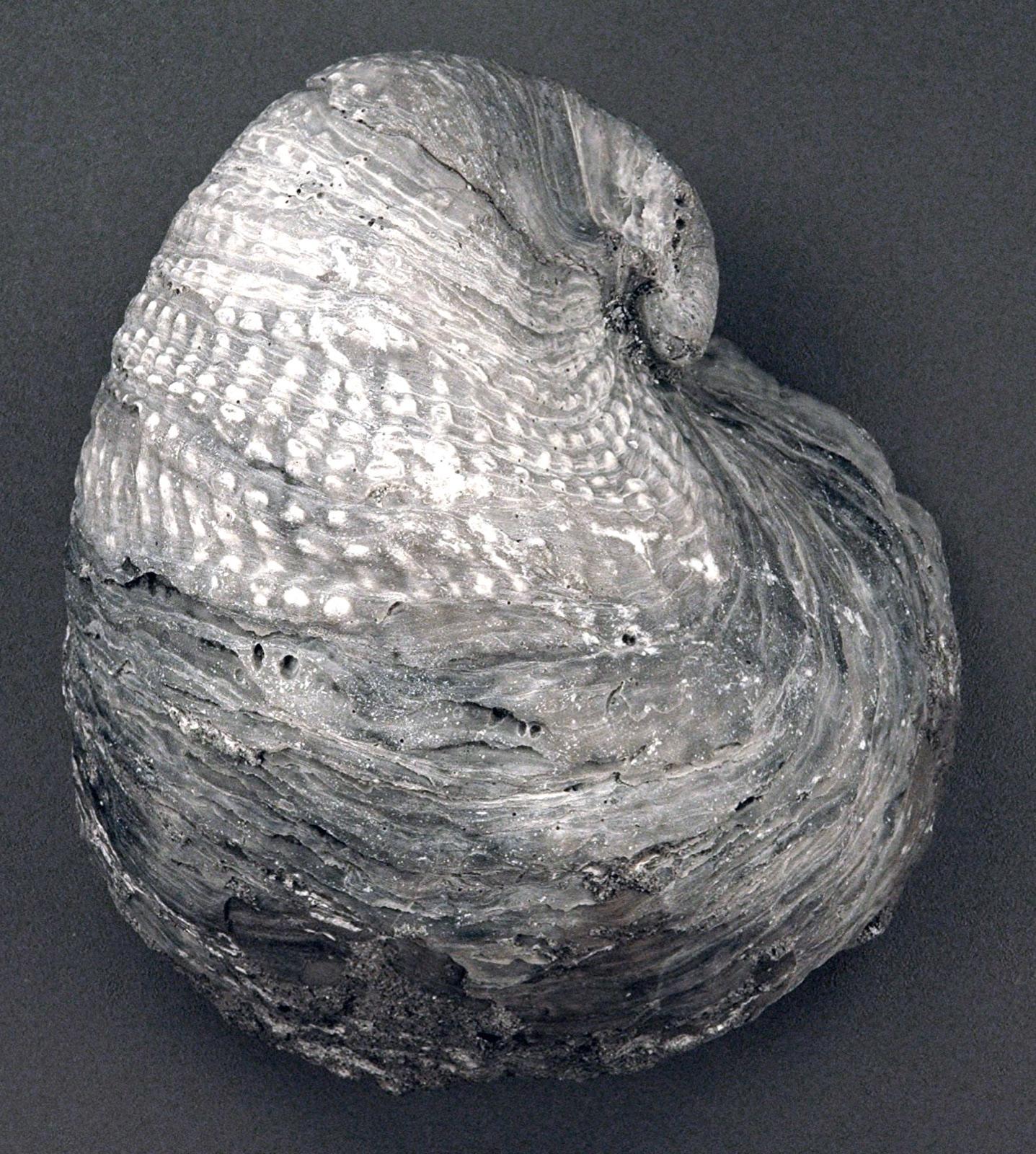 Top pick
Lyndon B. Johnson National Grassland (Black Creek Lake)
PublicWise County, Texas
The Lyndon B. Johnson National Grassland exposes Cretaceous limestone full of fossil oysters along its ridges, plus agate, chert, and petrified wood in its sandy soils.
Fossilized Oyster, Agate, Petrified Wood, Chert
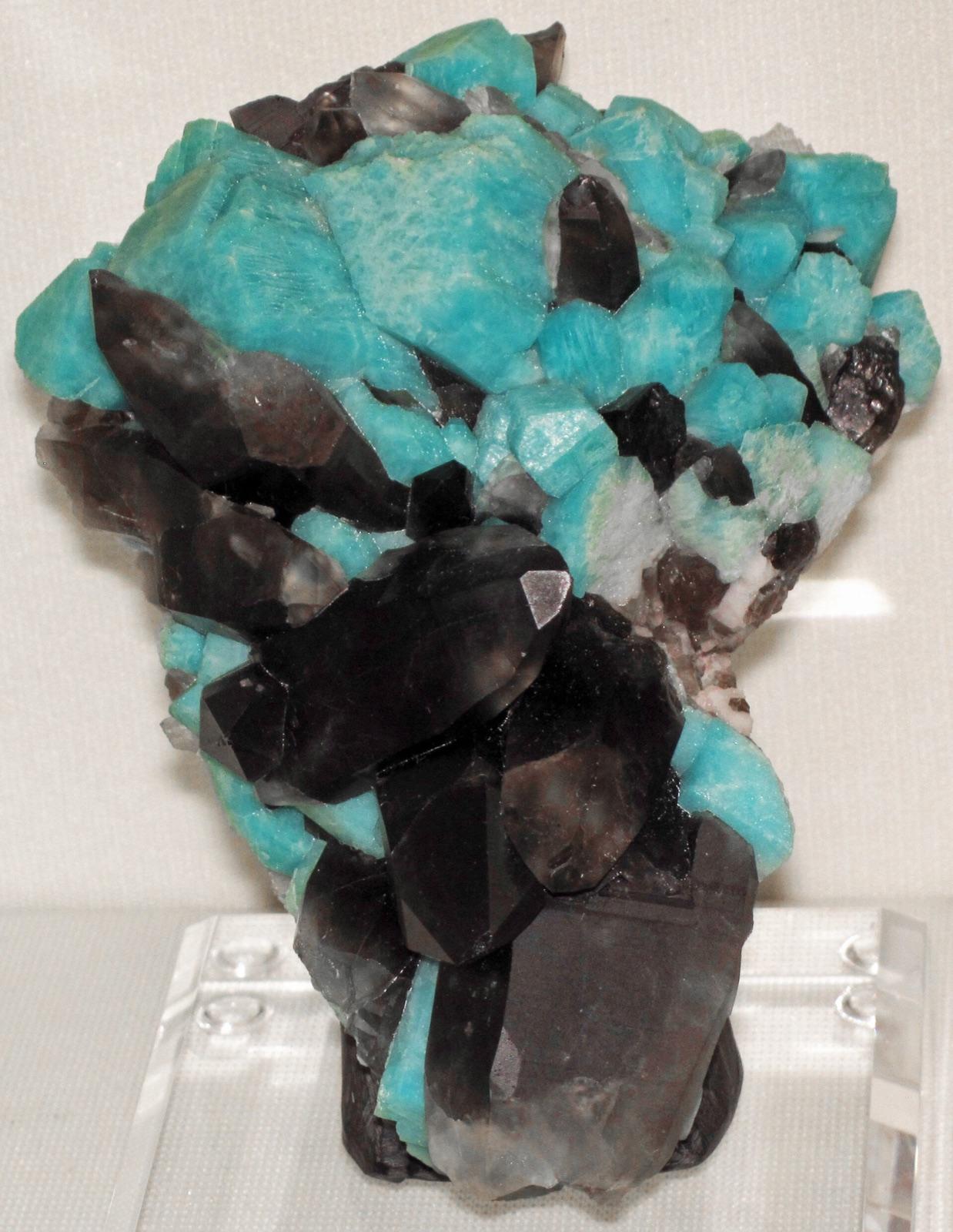 Top pick
Devils Head (Rampart Range)
PublicDouglas County, Colorado
Devils Head sits in the Pikes Peak granite of the Rampart Range, where weathered pegmatite pockets have produced large topaz and smoky quartz crystals along with amazonite and fluorite.
Smoky Quartz, Topaz, Amazonite, Fluorite
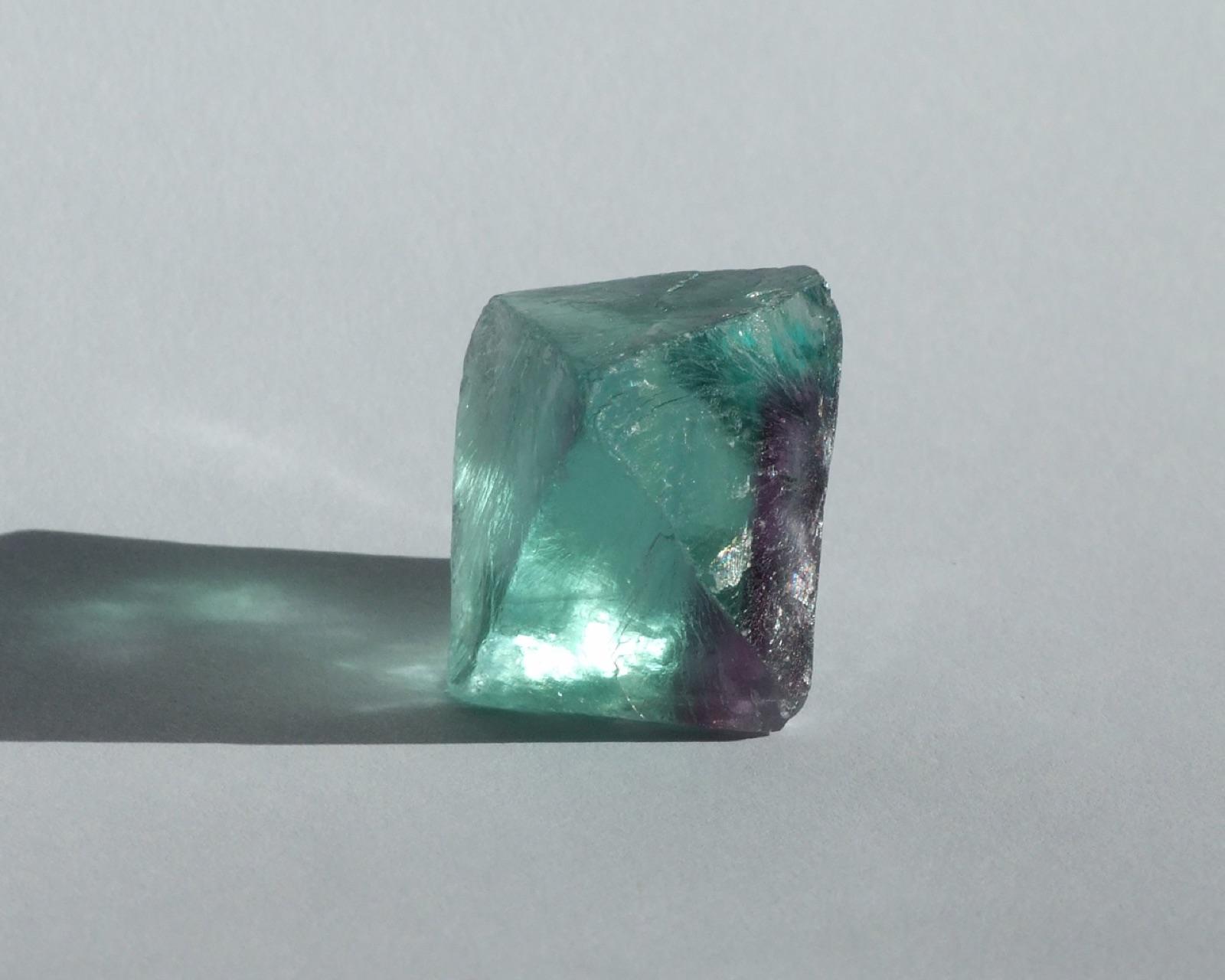 Top pick
St. Peters Dome (Gold Camp Road)
PublicEl Paso County, Colorado
St. Peters Dome is a Pikes Peak granite peak in Pike National Forest where the historic Cheyenne fluorspar district left dumps that still yield loose purple, green, and white fluorite within a short walk of the parking area.
Fluorite, Smoky Quartz, Amazonite, Zircon
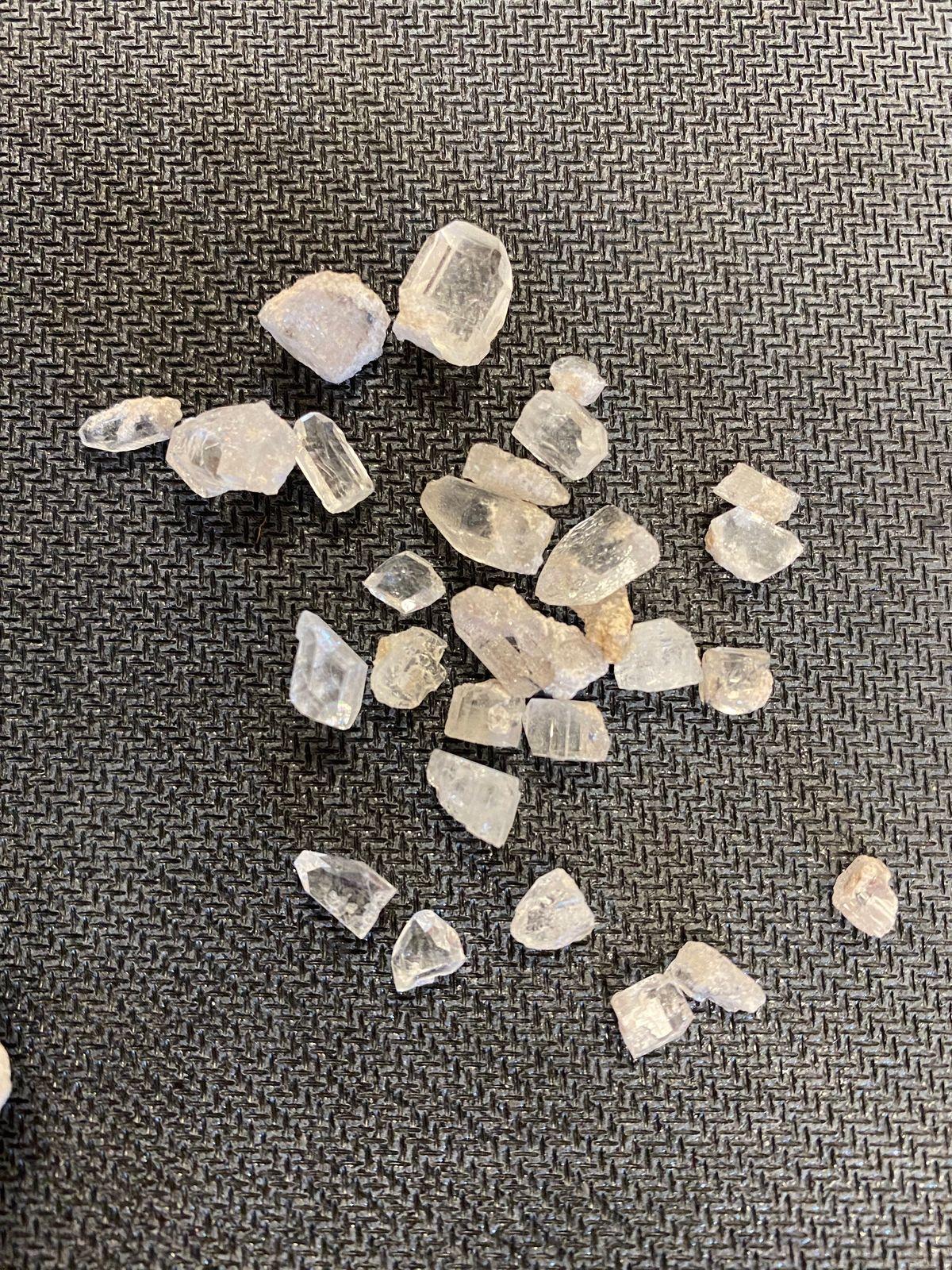 Top pick
Tarryall Mountains (Spruce Grove)
PublicPark County, Colorado
The Tarryall Mountains are one of the better topaz localities in the Pikes Peak region, with smoky quartz and pale amazonite in pegmatites of the Redskin Stock.
Smoky Quartz, Topaz, Amazonite
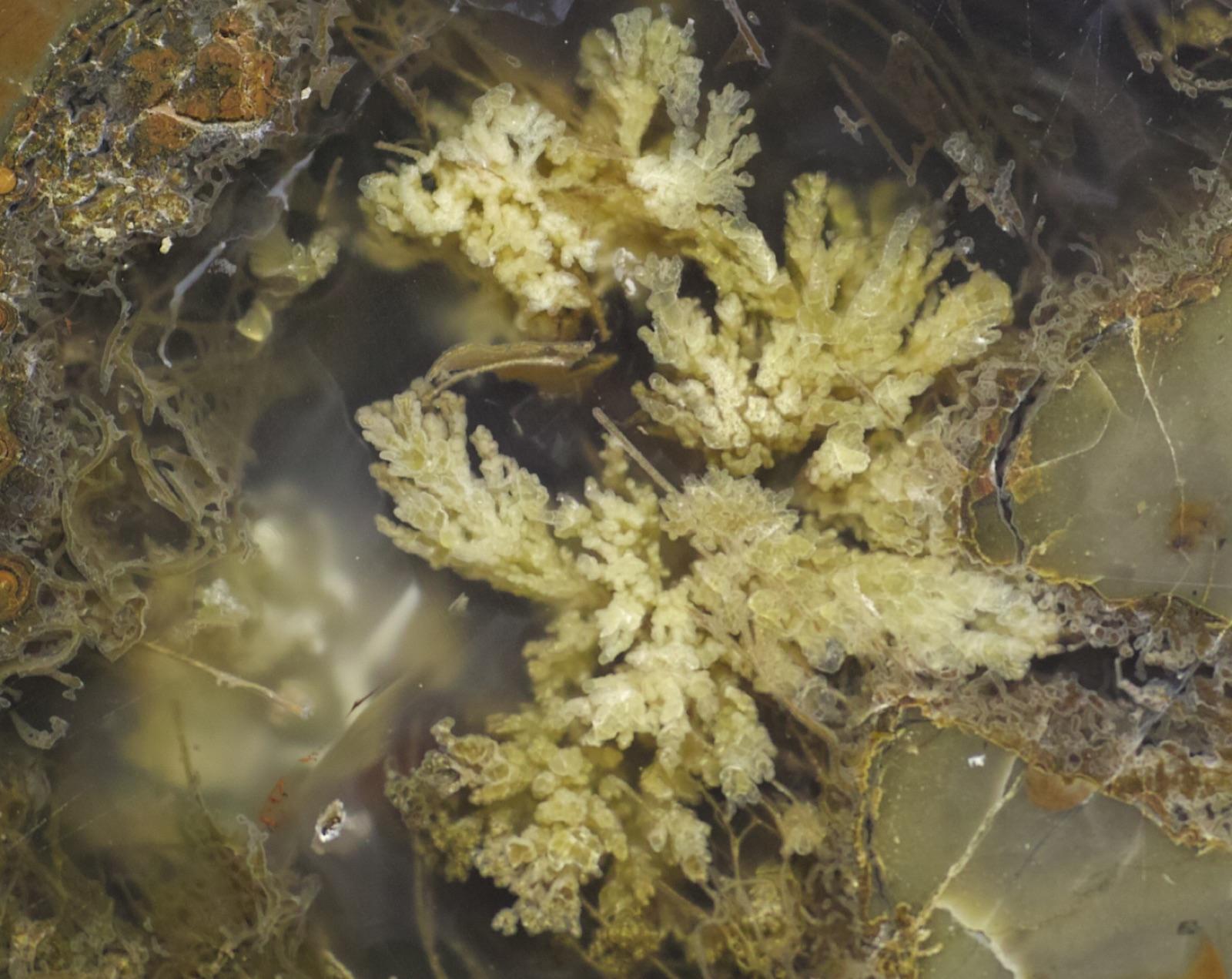 Top pick
Del Norte Thunder Egg Beds
PublicSaguache County, Colorado
The thunderegg beds northwest of Del Norte have yielded plume and moss agate from rhyolite flows since the late 1800s, with chalcedony, common opal, and quartz-lined cavities documented at the locality.
Plume Agate, Moss Agate, Chalcedony, Common Opal
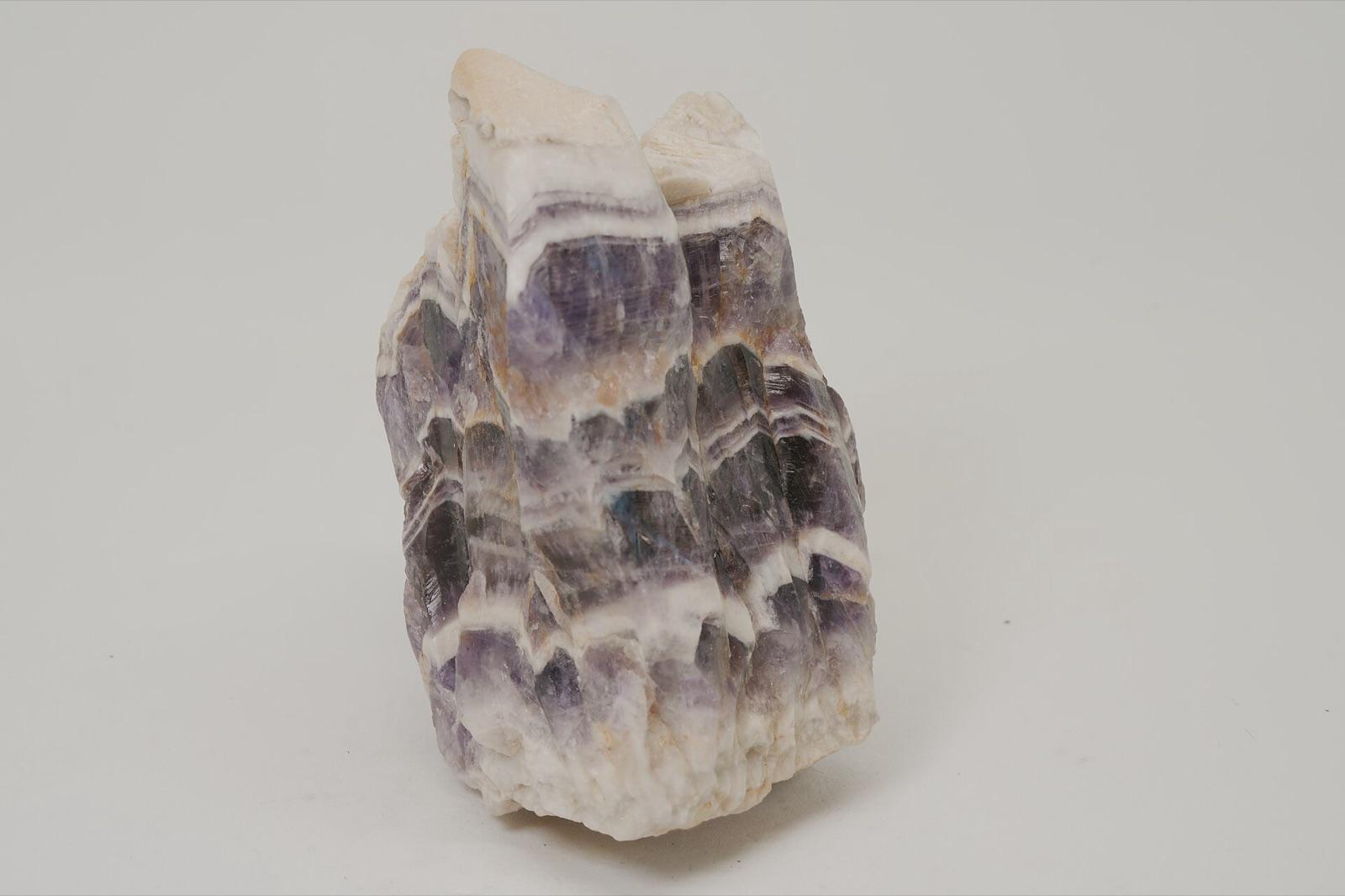 Top pick
Crystal Hill
PublicSaguache County, Colorado
Crystal Hill near La Garita is documented by the USGS as a source of clear rock crystal and pale lavender amethyst in brecciated volcanic rock, a San Luis Valley collecting site worked since the 1880s.
Amethyst, Quartz, Smoky Quartz
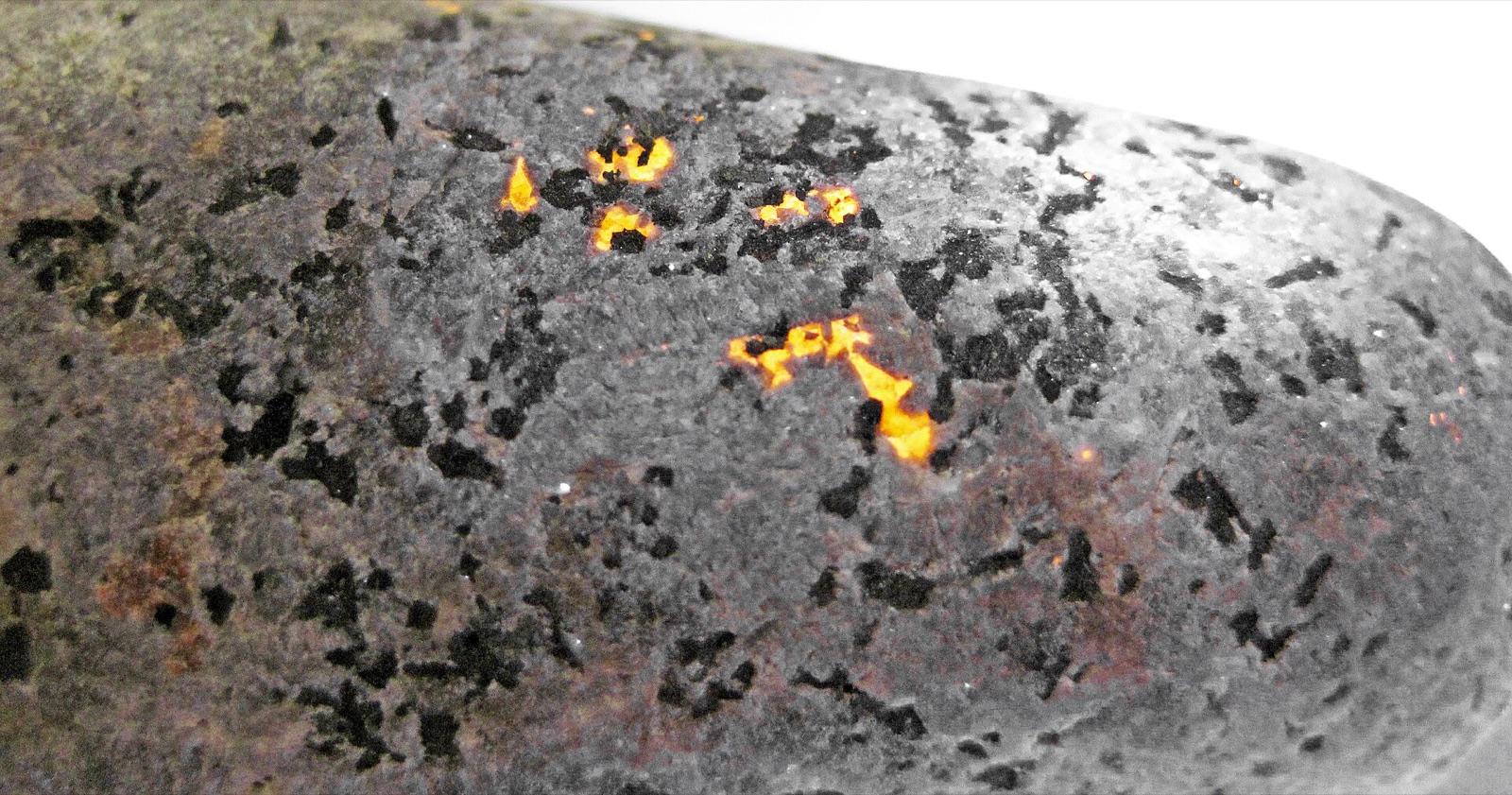 Top pick
Woodland Park Beach, Grand Marais
PublicAlger County, Michigan
Grand Marais is the most famous place in Michigan to hunt Yooperlites, sodalite-bearing syenite stones that glow bright orange under ultraviolet light.
Yooperlite, Lake Superior Agate, Jasper, Quartz
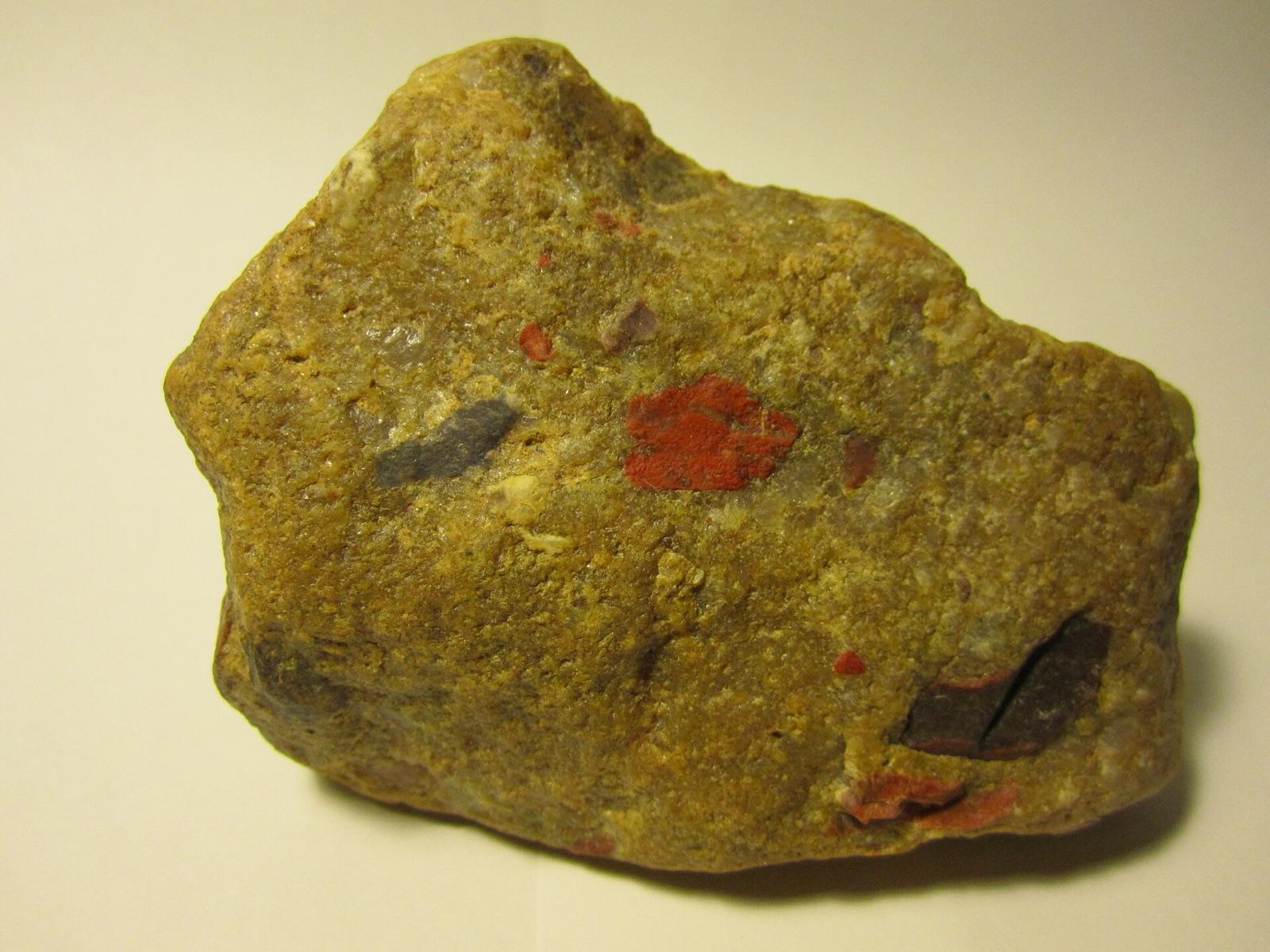 Top pick
Drummond Island (Pudding Stone)
PublicChippewa County, Michigan
Drummond Island is one of the best places in Michigan to find pudding stone, a striking metaconglomerate of red jasper pebbles set in white quartzite that glaciers carried south from Ontario.
Pudding Stone, Jasper Conglomerate, Petoskey Stone
 Top pick
Harvard Quarry (Noyes Mountain)
PublicOxford County, Maine
The historic Harvard Quarry on Noyes Mountain produced the gem green tourmaline that gave the Harvard green color its name, and its dumps still yield schorl, beryl, smoky quartz, rose quartz, and purple apatite.
Green Tourmaline, Schorl, Beryl, Rose Quartz
 Top pick
Sandy River at New Sharon
Check locallyFranklin County, Maine
The Maine Geological Survey lists the Sandy River from Avon to New Sharon as open to recreational gold prospecting, one of the few reaches where even motorized methods are allowed.
Gold, Garnet, Magnetite
 Top pick
St. Croix River at Grand Falls Flowage
Check locallyWashington County, Maine
The Maine Geological Survey lists the St. Croix River at Baileyville among the state's recreational gold-panning streams, where the gold is very fine flour gold thought to be shed from nearby base-metal mineralization.
Gold, Garnet, Magnetite
 Top pick
Tunk Mountain
PublicHancock County, Maine
Tunk Mountain is carved from the Tunk Lake pluton, a concentrically zoned alkali granite that grades into rapakivi granite, producing smoky quartz, perthitic feldspar, and dark hornblende-bearing rock.
Smoky Quartz, Feldspar, Hornblende, Biotite
 Top pick
Quartzville Recreational Mining Corridor
PublicLinn County, Oregon
Quartzville Creek runs through a designated recreational mining corridor on BLM public land east of Sweet Home, where a stretch of the Wild and Scenic River is withdrawn from mineral entry but left open to casual prospecting.
Gold, Agate, Jasper, Quartz
 Top pick
Hampton Butte
PublicDeschutes County, Oregon
Hampton Butte, north of Brothers in central Oregon, is the classic source of green petrified wood, where Eocene wood was replaced by jasper and chalcedony and tinted by copper and iron minerals.
Petrified Wood, Jasper, Agate, Limb Cast
 Top pick
Case Quarries
PublicLower Connecticut River Valley Planning Region, Connecticut
The Case Quarries are one of only three sites in Connecticut where mineral collecting on state land is legally sanctioned, set in the pegmatites of Meshomasic State Forest.
Beryl, Aquamarine, Columbite, Feldspar
 Top pick
Clark Hill Quarries
PublicLower Connecticut River Valley Planning Region, Connecticut
Clark Hill in Meshomasic State Forest is a second DEEP-sanctioned collecting site and includes the well-known Nathan Hall Quarry.
Beryl, Aquamarine, Garnet, Muscovite
 Top pick
CCC Quarry
PublicLower Connecticut River Valley Planning Region, Connecticut
The CCC Quarry, a 19th-century feldspar working near the old Civilian Conservation Corps camp in Cockaponset State Forest, is the third state-sanctioned collecting site in Connecticut.
Beryl, Aquamarine, Microcline, Albite
 Top pick
Wisconsin Point
PublicDouglas County, Wisconsin
Wisconsin Point, a three-mile public sand and gravel spit at the mouth of Superior Bay, is the state's most accessible Lake Superior agate beach.
Lake Superior Agate, Jasper, Copper, Basalt
 Top pick
Big Bay Town Park
PublicAshland County, Wisconsin
Big Bay Town Park on Madeline Island gives collectors a Lake Superior beach reachable by the Bayfield ferry.
Lake Superior Agate, Jasper, Thomsonite, Basalt
- No photoTop pick
Saxon Harbor County Park
PublicIron County, Wisconsin
Saxon Harbor is Wisconsin's only county park on Lake Superior, set on Oronto Bay near the Michigan border.
Lake Superior Agate, Jasper, Copper
 Top pick
Lime Kiln Park
PublicOzaukee County, Wisconsin
Lime Kiln Park near Grafton preserves two small Silurian reefs in the walls of a former limestone quarry along the Milwaukee River.
Fossil, Coral, Crinoid, Dolomite
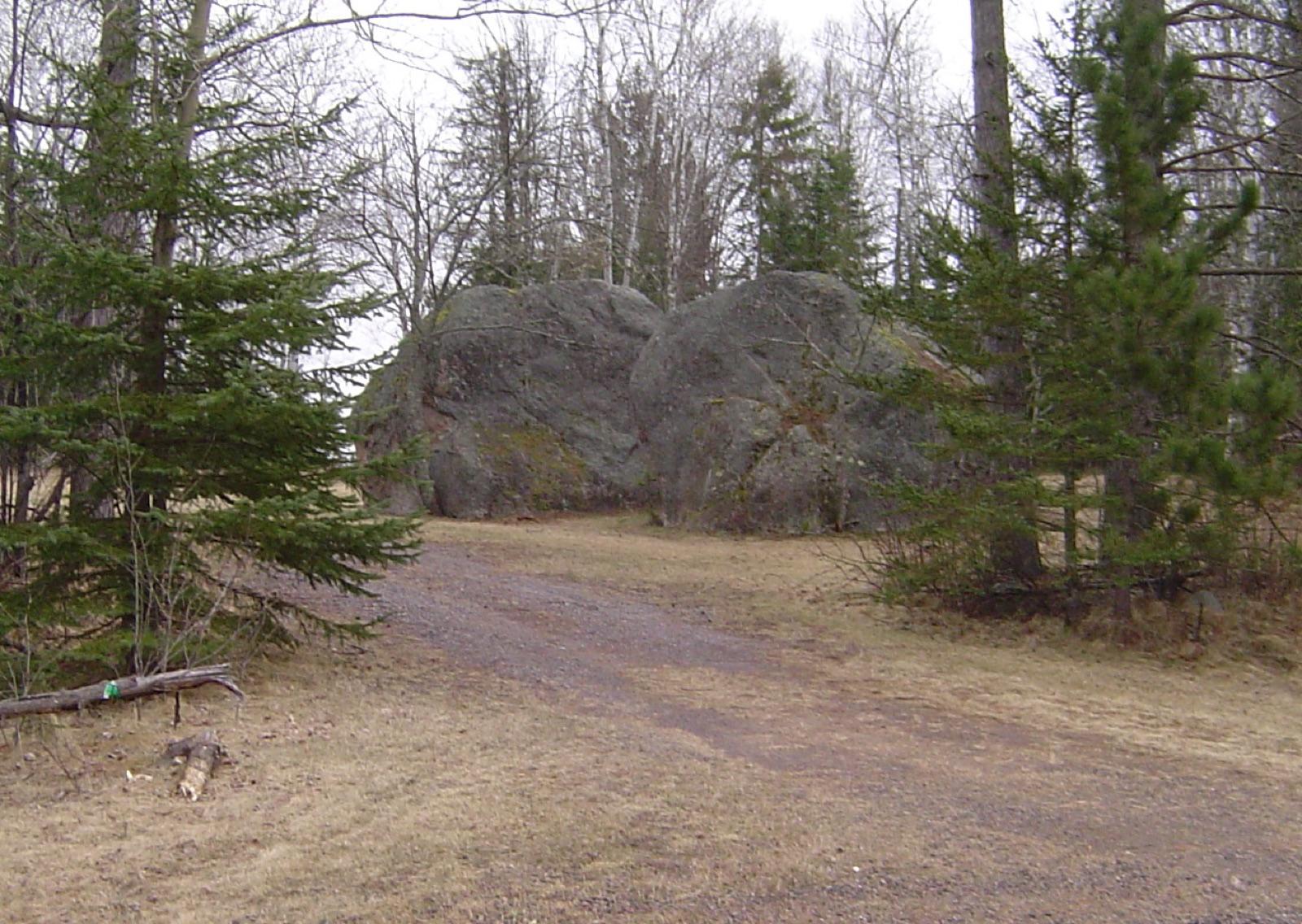 Top pick
Powell Kyanite
PublicIron County, Wisconsin
The schist exposures near Powell, on the Manitowish Range, form one of Wisconsin's few good kyanite and staurolite localities.
Kyanite, Staurolite, Almandine, Biotite
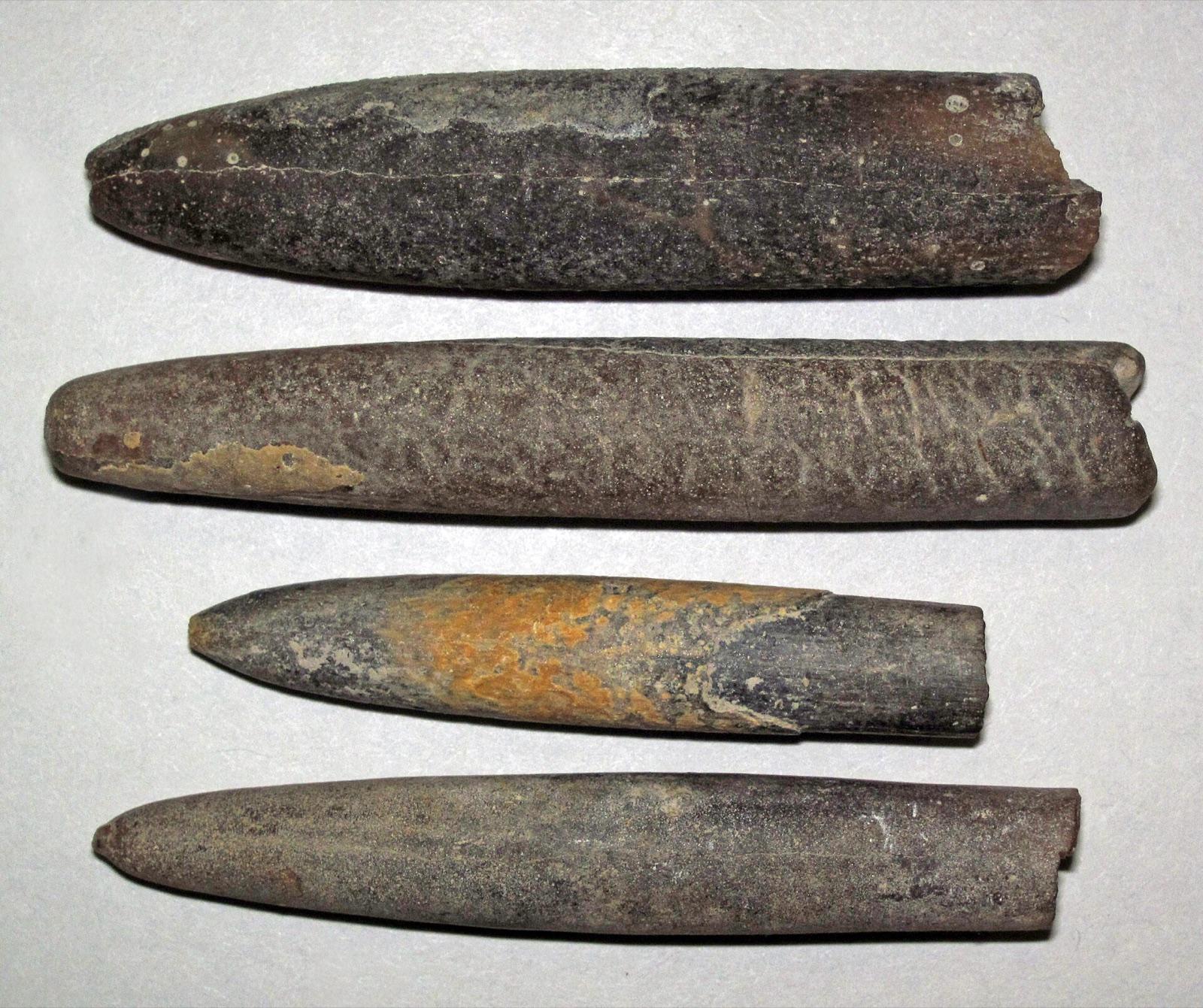 Top pick
Big Brook Park
PublicMonmouth County, New Jersey
Big Brook is New Jersey's best known free fossil stream, cutting Late Cretaceous marine beds of the Navesink Formation that are roughly 70 million years old.
Shark Tooth, Belemnite, Fossil
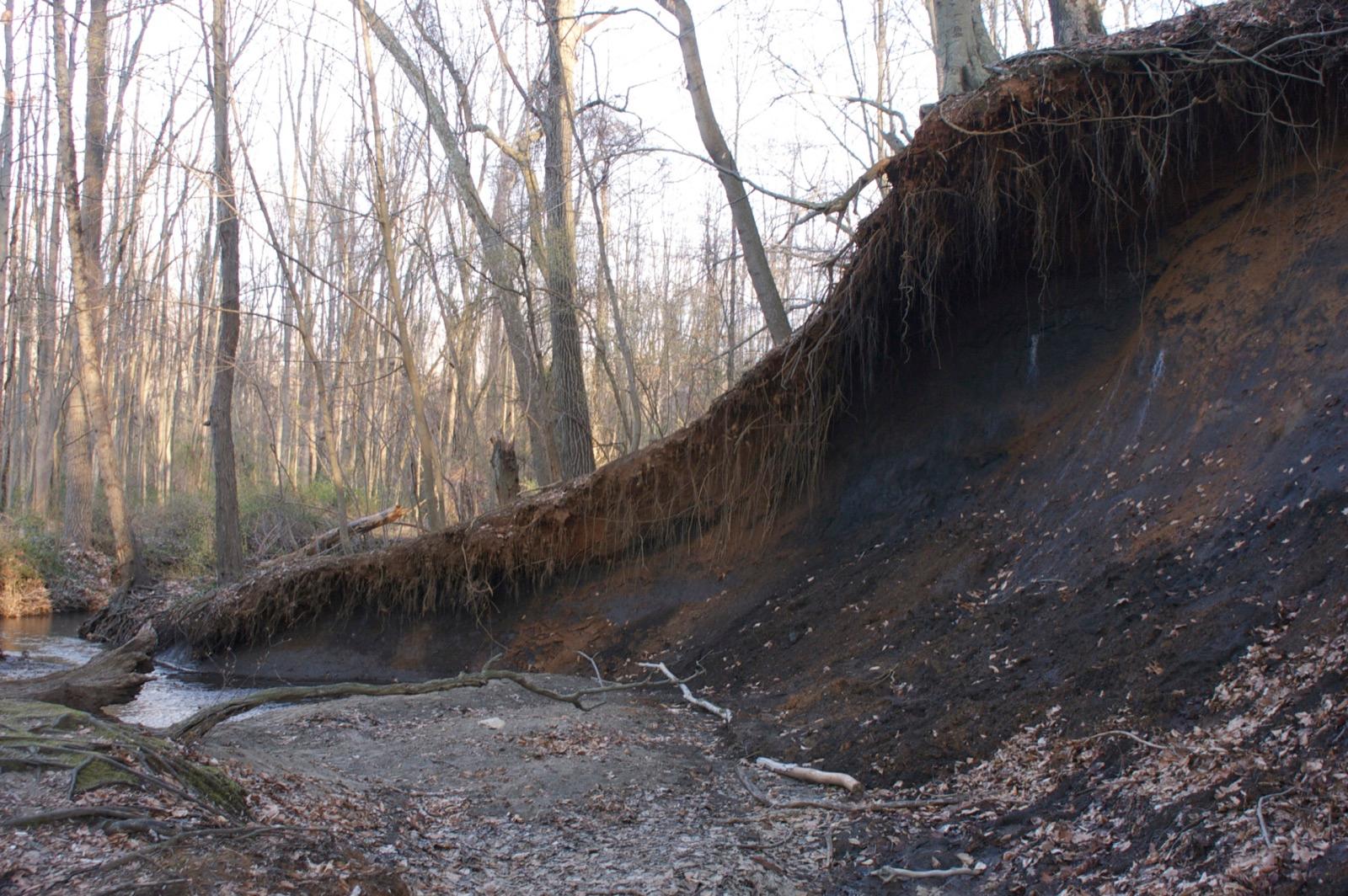 Top pick
Poricy Park Fossil Beds
PublicMonmouth County, New Jersey
Poricy Brook exposes the same Late Cretaceous Navesink Formation as nearby Big Brook, and its fossil beds are among the most accessible in the state.
Belemnite, Shark Tooth, Fossil
 Top pick
Ramanessin Brook
PublicMonmouth County, New Jersey
Ramanessin Brook is a quieter alternative to Big Brook and Poricy, draining the same Late Cretaceous Monmouth Group marine sequence in Holmdel.
Shark Tooth, Fossil
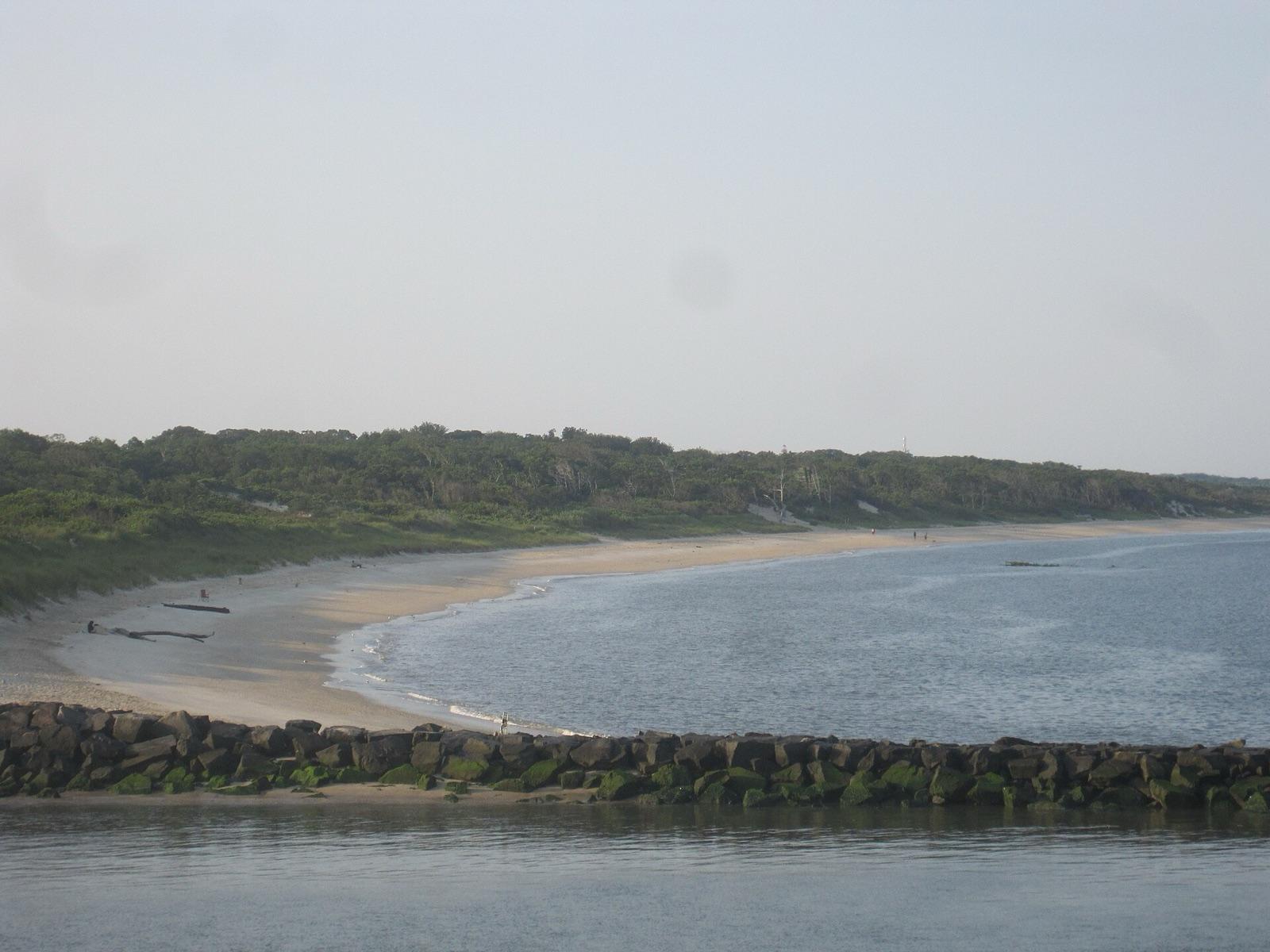 Top pick
Higbee Beach Wildlife Management Area
PublicCape May County, New Jersey
Higbee Beach is a free, no-tag stretch of Delaware Bay shoreline where Cape May diamonds, wave-polished clear quartz pebbles, concentrate along the strand line.
Quartz, Chalcedony
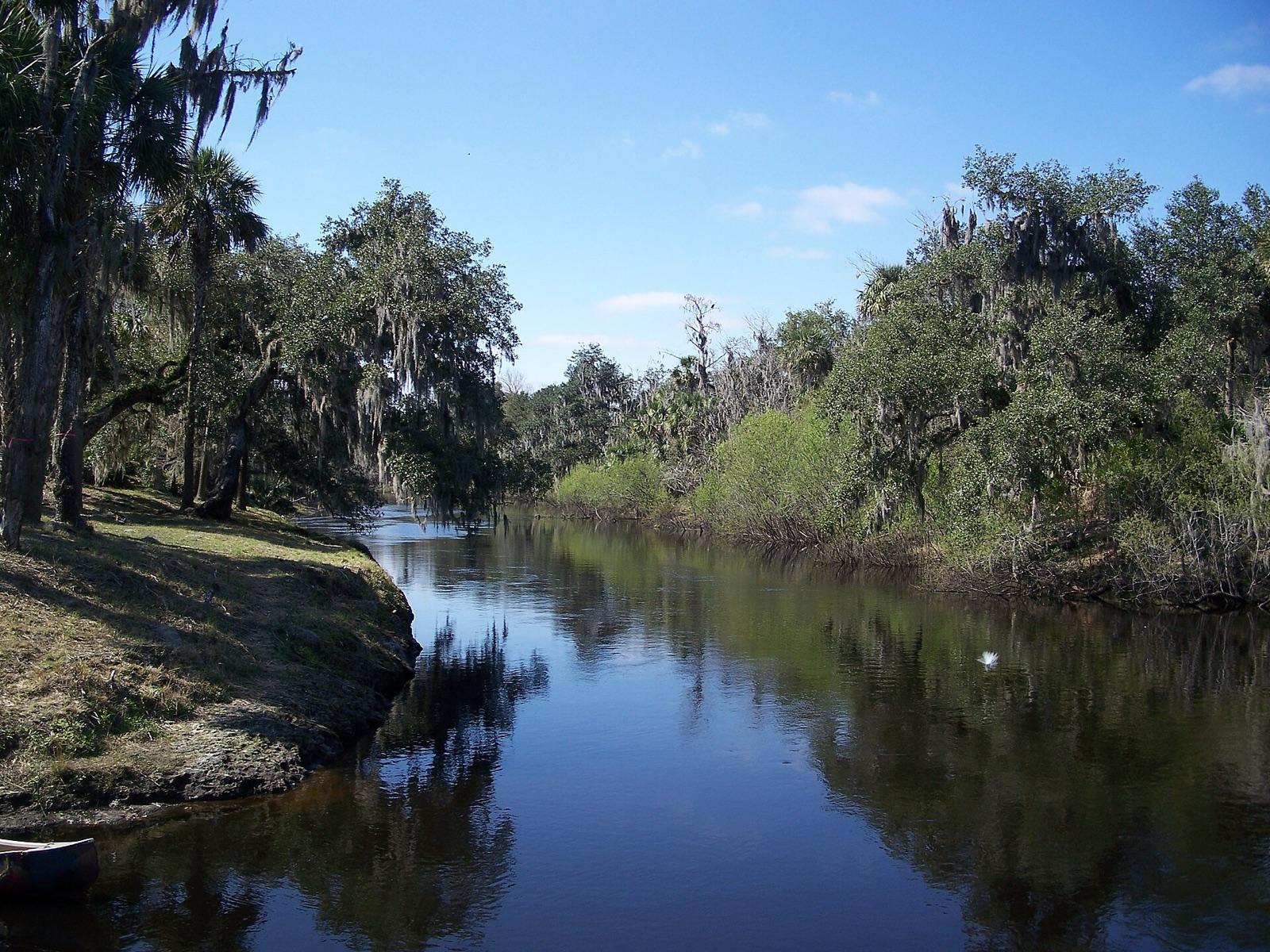 Top pick
Peace River
PublicDeSoto County, Florida
The Peace River was a shark nursery during the Miocene and later ran through Ice Age Florida, so its gravel bars carry fossil shark teeth, including large megalodon teeth, alongside mammoth, mastodon, and other Pleistocene mammal fossils.
Shark Tooth, Megalodon Tooth, Fossil, Mammoth
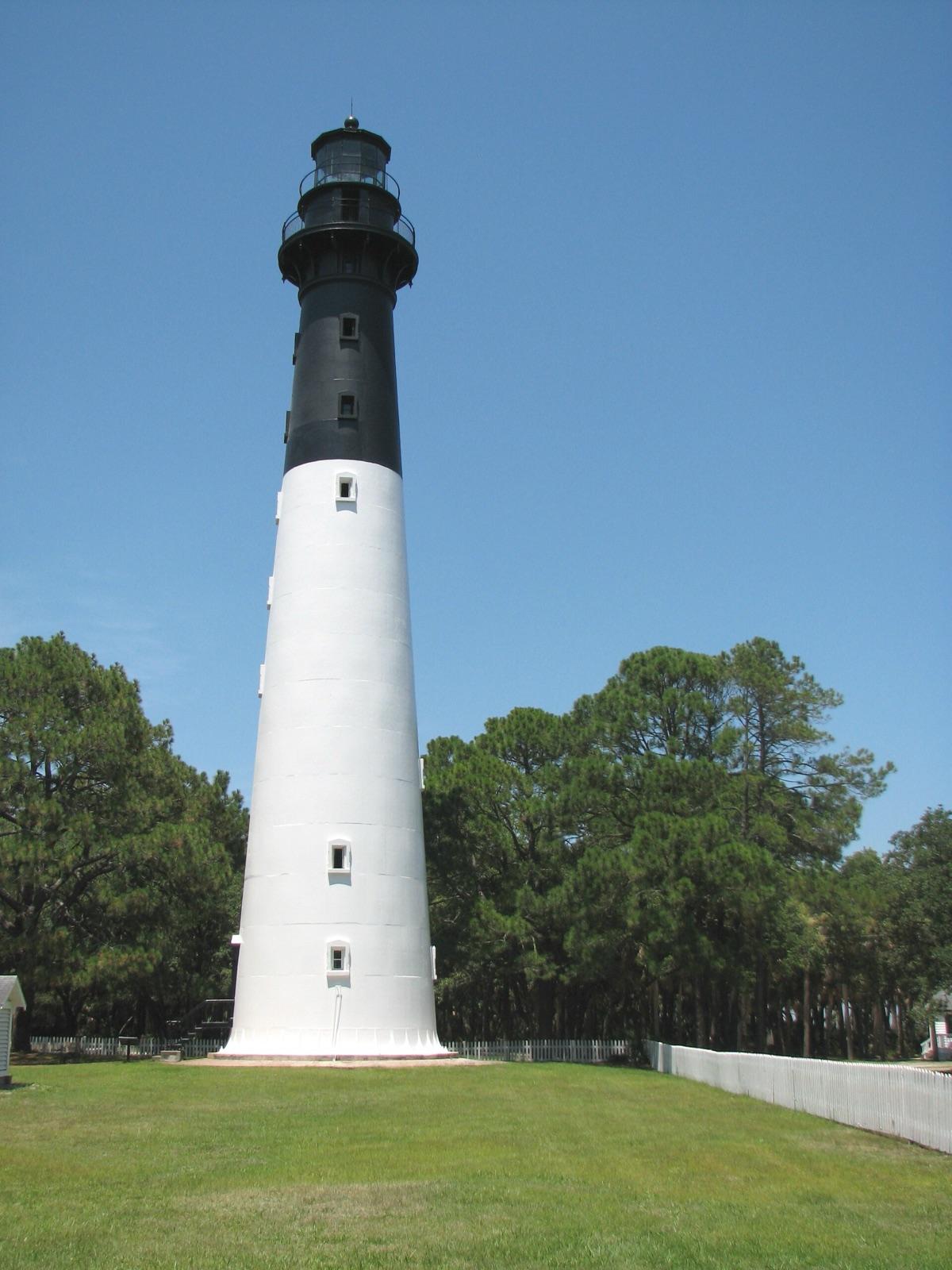 Top pick
Hunting Island State Park
PublicBeaufort County, South Carolina
Hunting Island is the most accessible fossil beach in the southern Lowcountry, with fossil shark teeth turning up in the shell beds near the historic lighthouse and along the park's eroding north end.
Fossil Shark Tooth, Megalodon Tooth
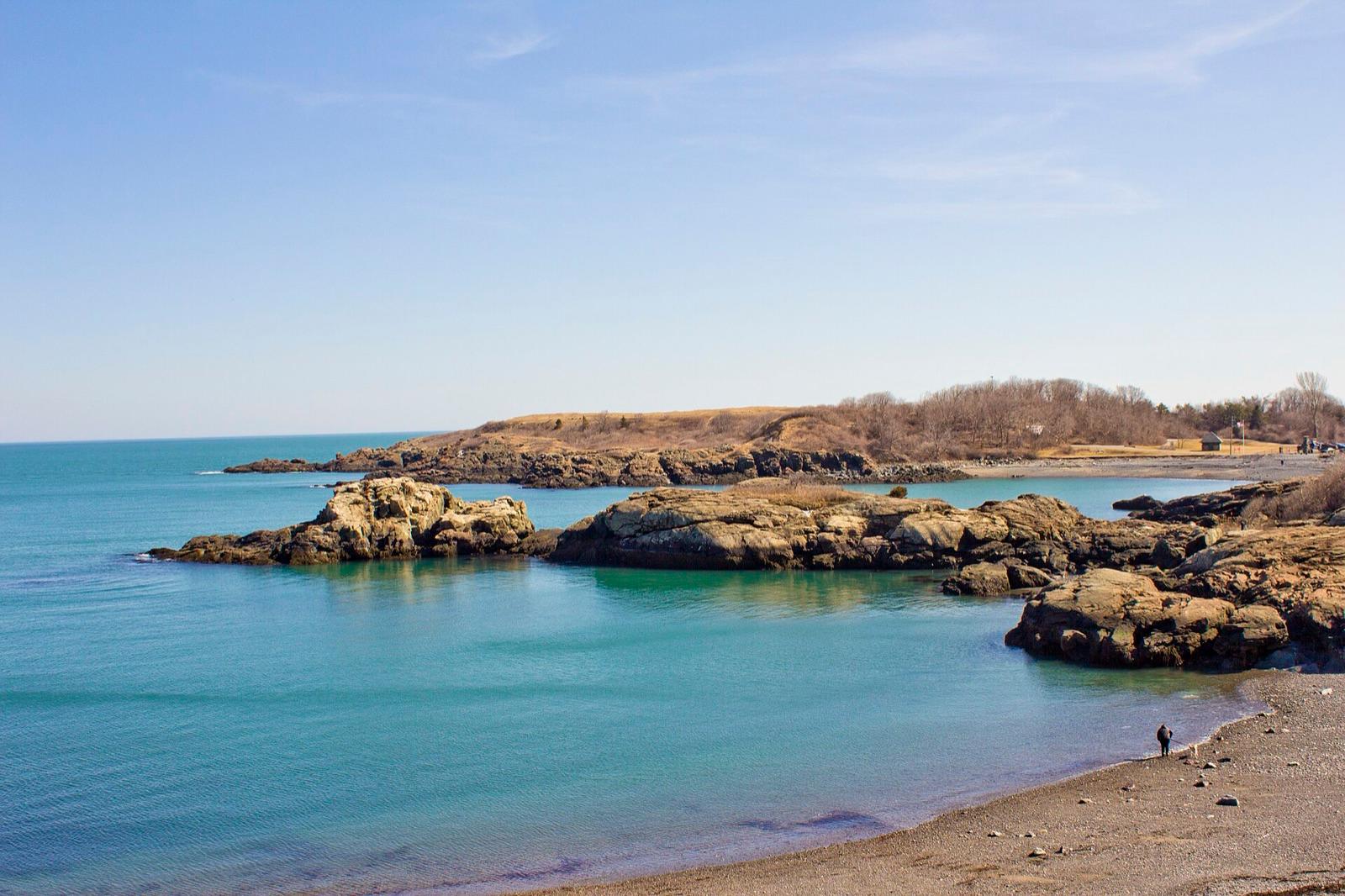 Top pick
Nahant
PermissionEssex County, Massachusetts
Nahant's rocky shore exposes the Nahant gabbro and diabase, a dark intrusive rock cut by veins and vesicles that carry jasper, epidote, prehnite, datolite, and chalcedony, documented here since the nineteenth century.
Jasper, Epidote, Prehnite, Datolite
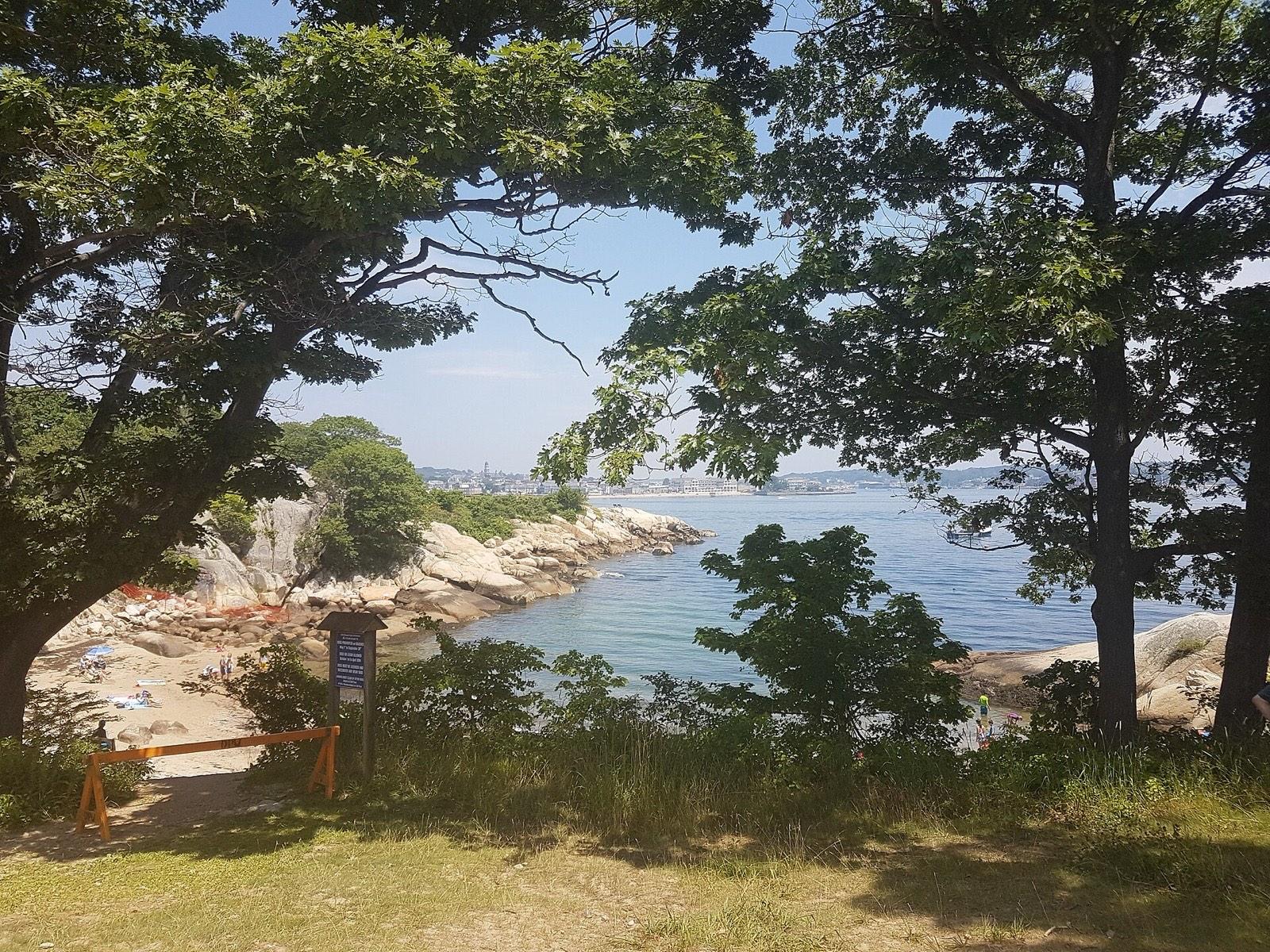 Top pick
Stage Fort Park
PublicEssex County, Massachusetts
Gloucester sits on the same Cape Ann granite as neighboring Rockport, and its miarolitic pockets and pegmatites yield blue-green amazonite (microcline), smoky quartz, and well-formed feldspar.
Amazonite, Smoky Quartz, Microcline
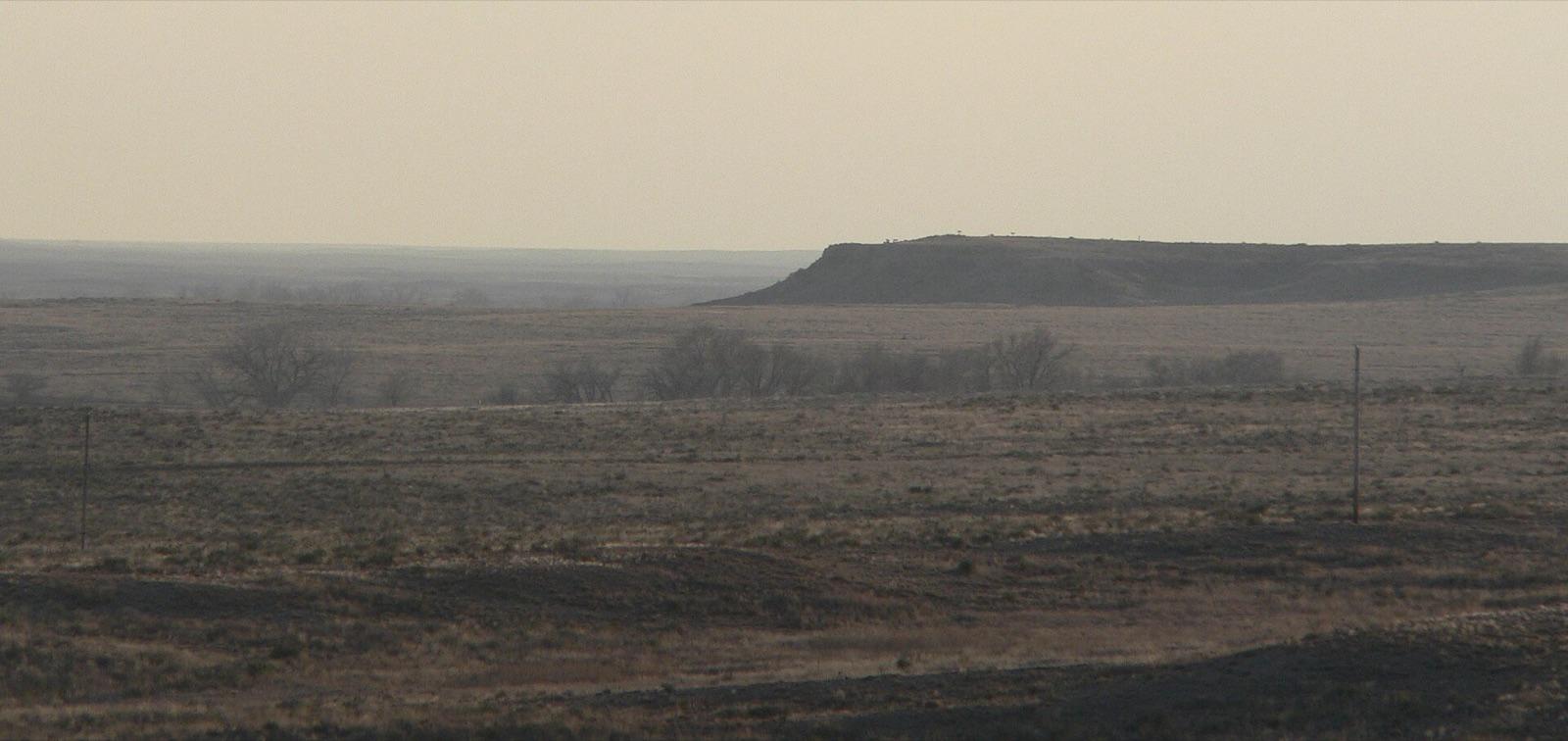 Top pick
Cimarron National Grassland
PublicMorton County, Kansas
Cimarron National Grassland covers about 108,000 acres in the far southwest corner of Kansas and is the largest tract of public land in the state, managed by the U.S. Forest Service.
Agate, Jasper, Chalcedony, Chert
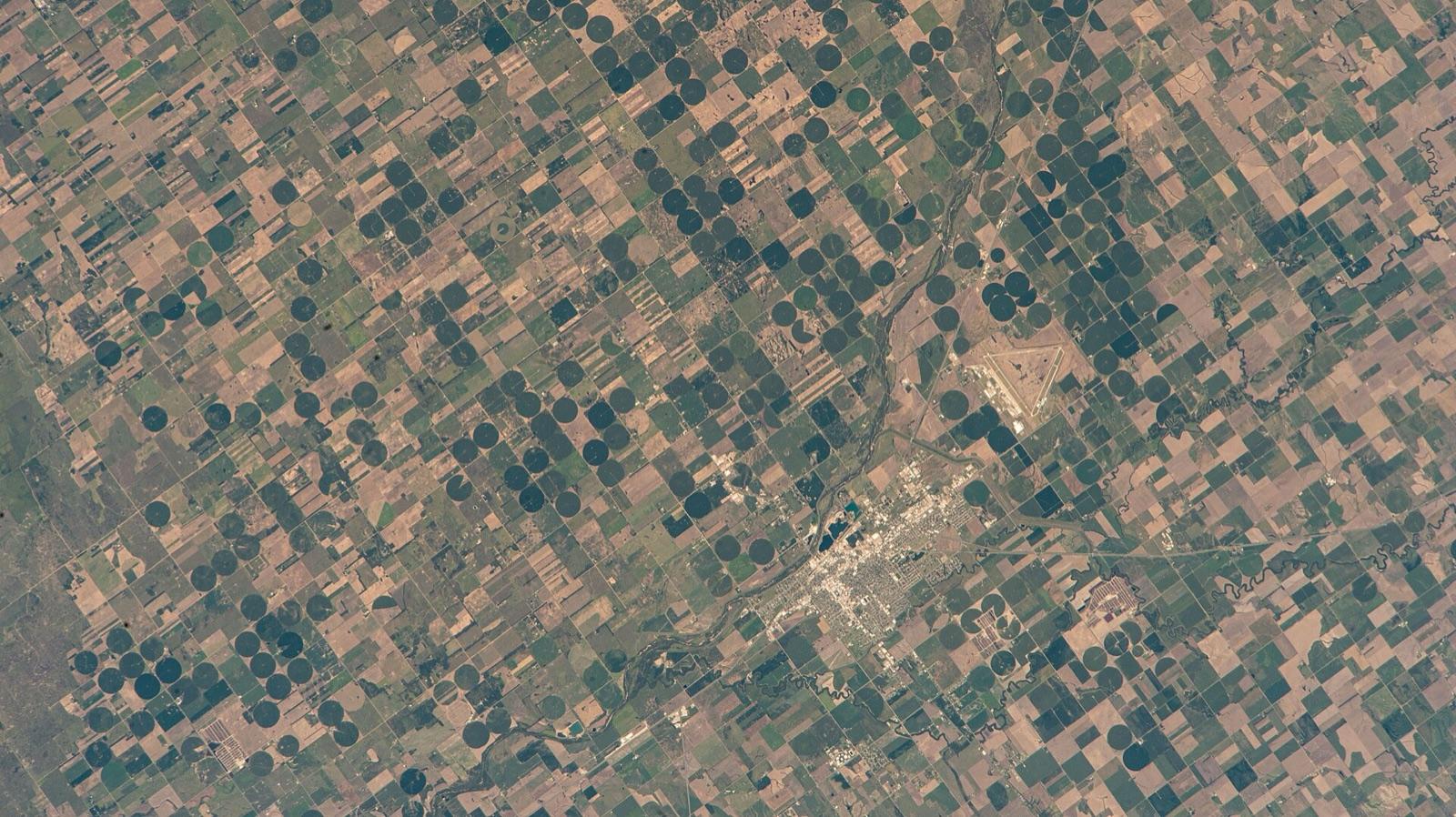 Top pick
Arkansas River at Great Bend
PublicBarton County, Kansas
At Great Bend the Arkansas River swings east and begins its 192-mile National Water Trail run to the Oklahoma line, a designation that gives the public access to sandbars and gravel islands along the route.
Agate, Jasper, Chalcedony, Petrified Wood
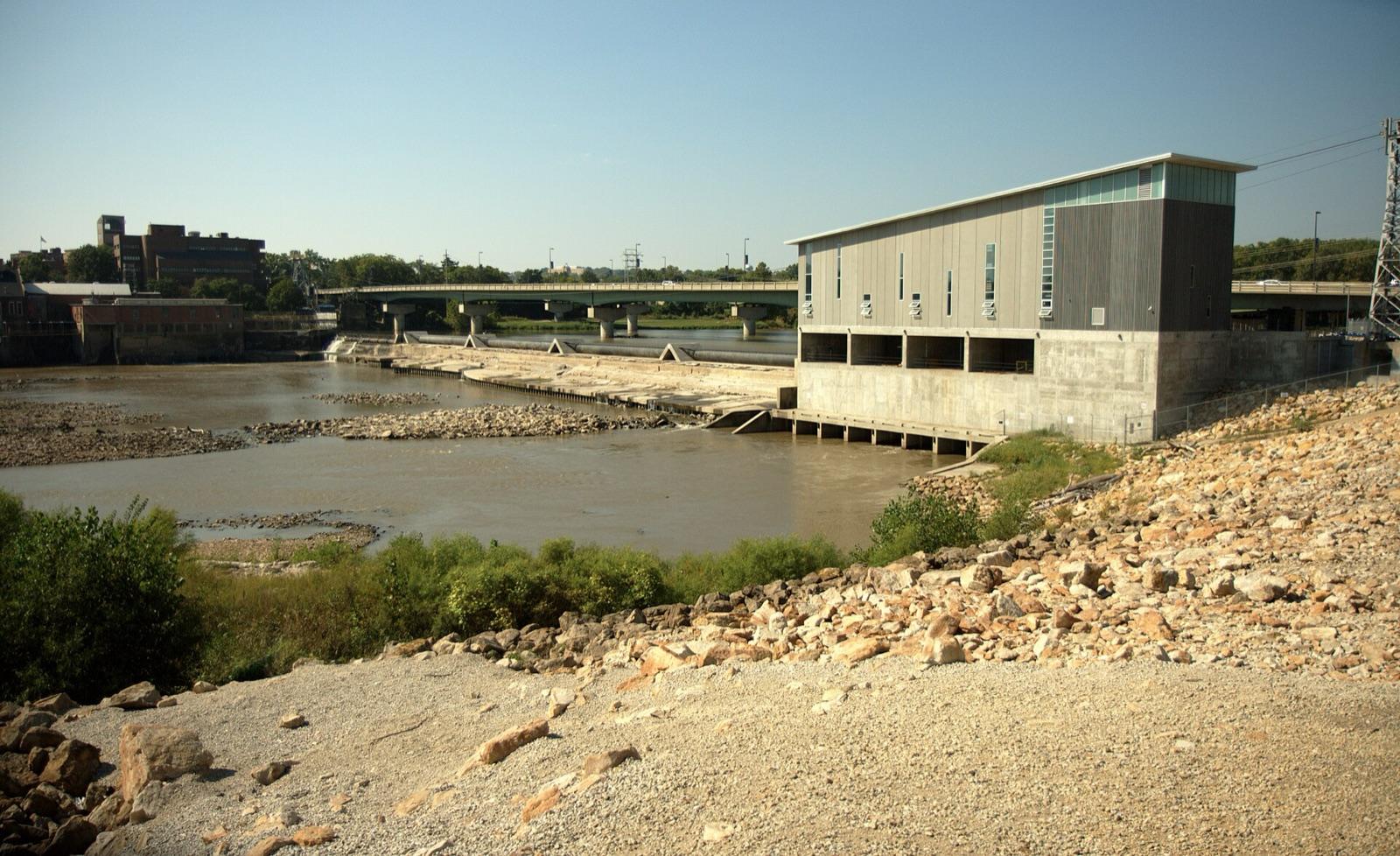 Top pick
Kansas River at Lawrence
PublicDouglas County, Kansas
The Kansas River at Lawrence carries the same glacial gravels found upstream at Topeka, including Lake Superior agate along with chert, quartzite, and petrified wood shed from Ice Age drift.
Lake Superior Agate, Agate, Chert, Petrified Wood
 Top pick
Arkansas River at Wichita
PublicSedgwick County, Kansas
The Arkansas River runs through the center of Wichita, where its gravel bars yield agate, jasper, and petrified wood carried from the west.
Agate, Jasper, Petrified Wood
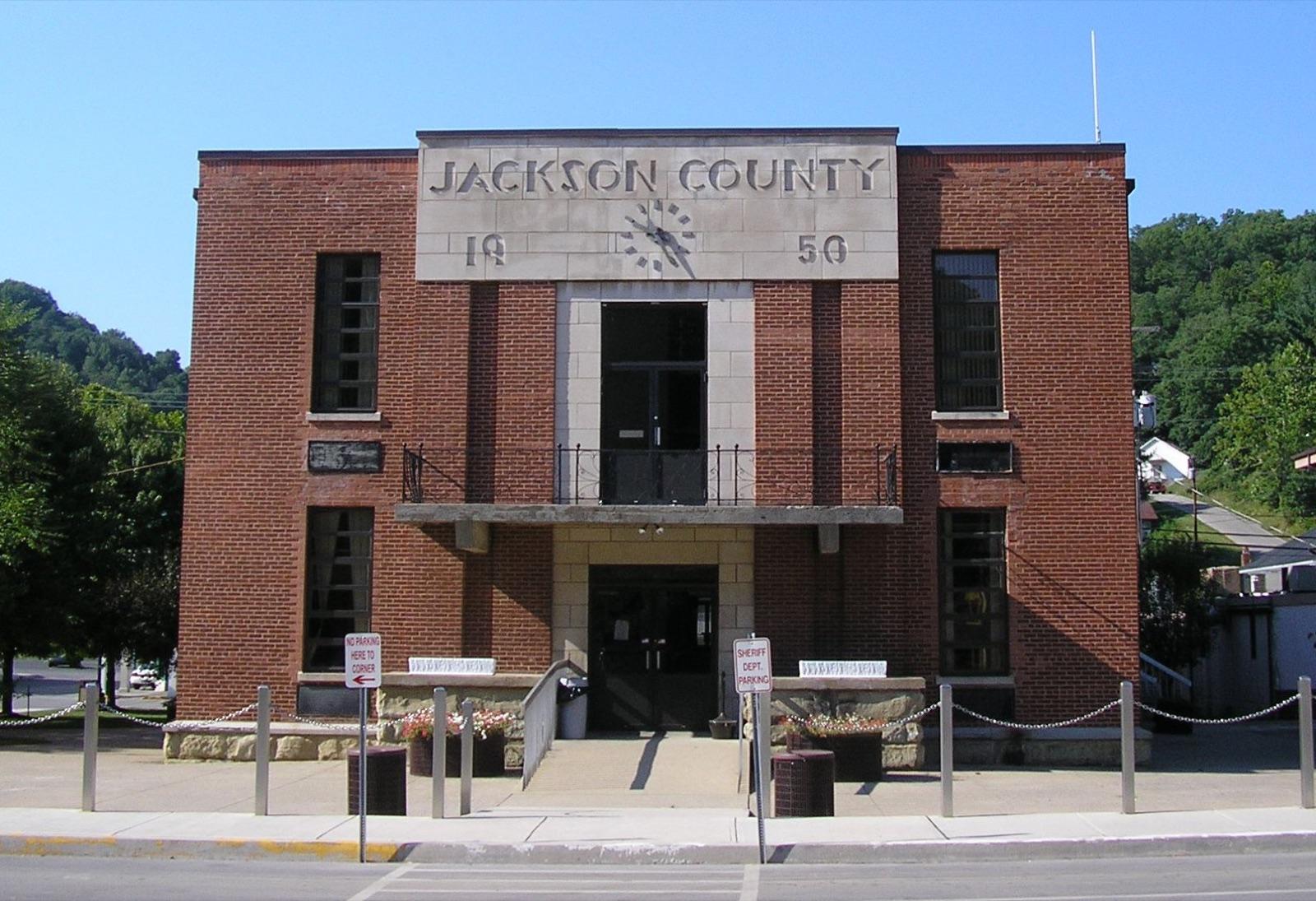 Top pick
Kentucky Agate District (Jackson County)
PublicJackson County, Kentucky
Jackson County is a core producer of Kentucky agate, the banded red, black and gray quartz named the official state rock in 2000.
Agate, Chalcedony, Jasper, Quartz
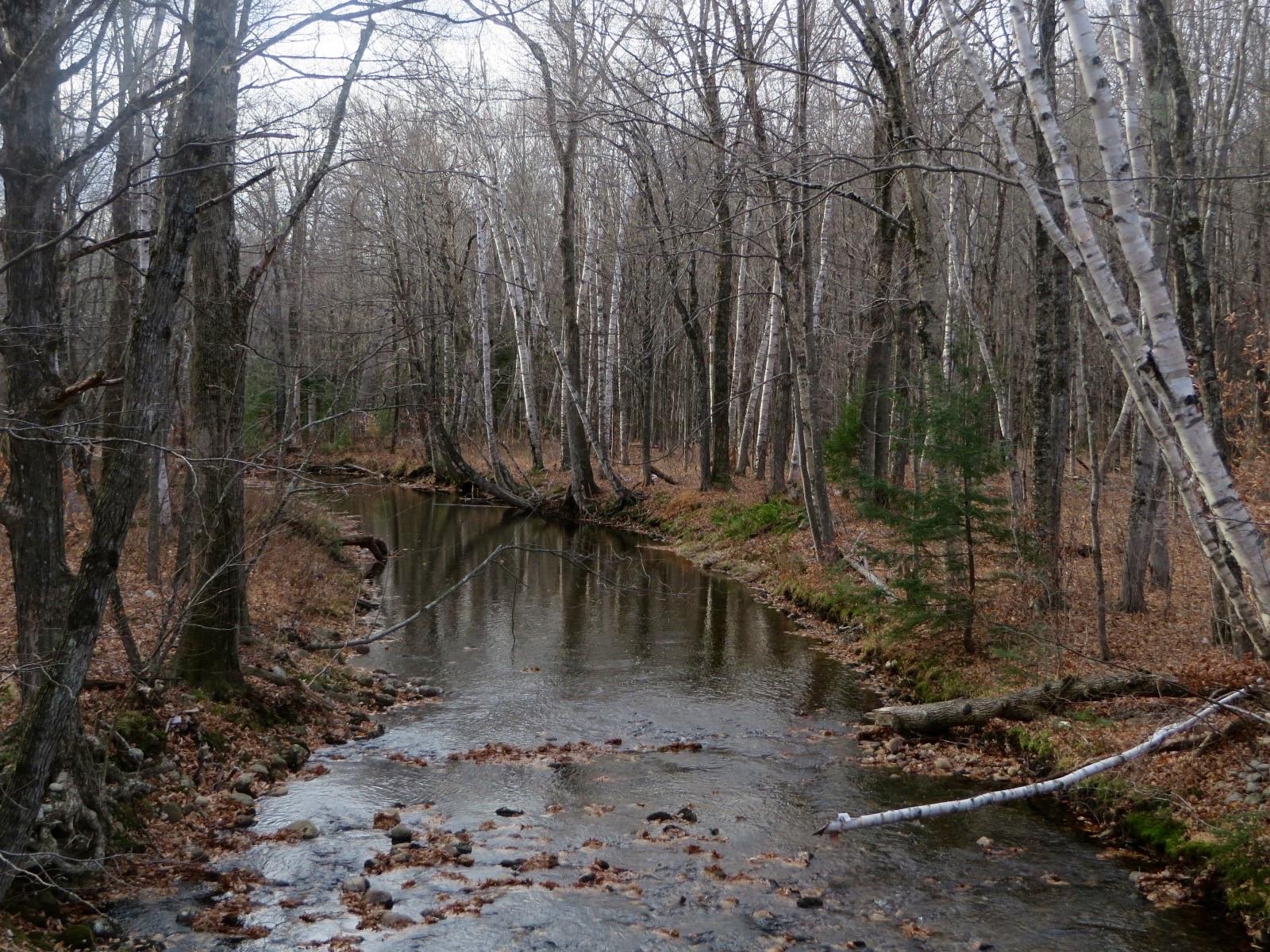 Top pick
Deer Hill Mineral Collecting Area
PublicCarroll County, New Hampshire
Deer Hill is one of the White Mountain National Forest's designated mineral sites and is best known for amethyst, which weathers loose into the sandy soil and can be recovered with a screen.
Amethyst, Beryl, Garnet, Columbite
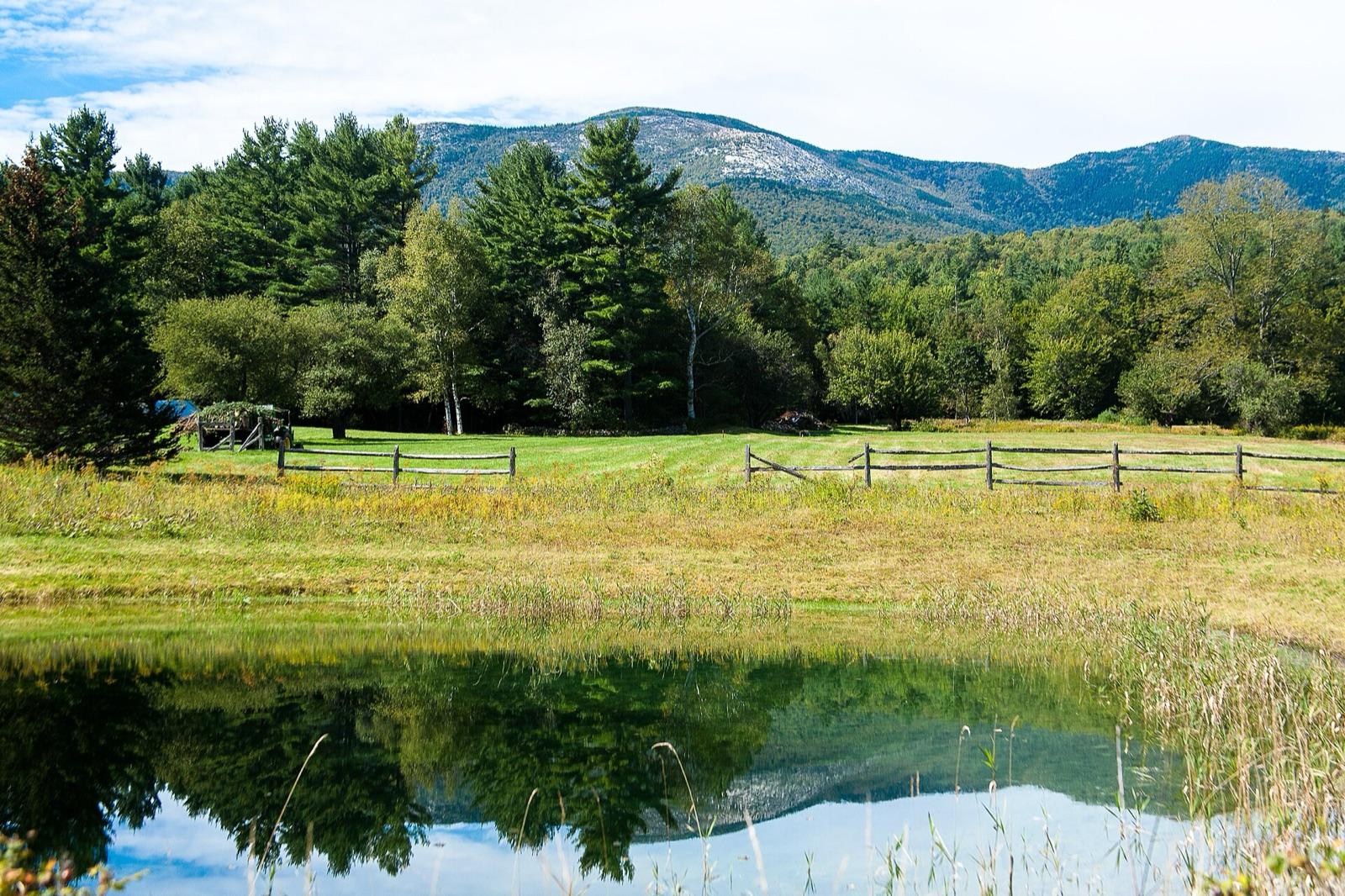 Top pick
South Baldface Mountain
PublicCarroll County, New Hampshire
The pegmatite ledges high on South Baldface Mountain carry smoky quartz, feldspar and biotite in the Conway granite, and the site is historically important as the source of a rare phenakite and topaz find first described in 1923.
Smoky Quartz, Topaz, Phenakite, Feldspar
 Top pick
Wild Ammonoosuc River
PublicGrafton County, New Hampshire
The Wild Ammonoosuc is New Hampshire's most popular gold-panning river, carrying fine placer gold from its White Mountain National Forest headwaters down to its mouth at Bath, and it was a center of the state's brief 1860s gold rush.
Gold Placer, Gold Nugget
 Top pick
Tunnel Brook
PublicGrafton County, New Hampshire
Tunnel Brook is a long-favored gold-panning stream in the White Mountain National Forest, and coarse gold with the occasional small nugget has turned up in its gravels where it drops over fractured bedrock.
Gold Placer, Gold Nugget
 Top pick
Purse State Park
PublicCharles County, Maryland
Purse State Park sits on the tidal Potomac where the Paleocene Aquia Formation, roughly 56 to 60 million years old, is exposed along the shore, making its teeth older than the Miocene material at Calvert Cliffs.
Shark Tooth, Fossil
 Top pick
Douglas Point
PublicCharles County, Maryland
Douglas Point is one of the few Bureau of Land Management recreation areas in the eastern United States, protecting about 1,270 acres of Potomac River shoreline jointly managed with the State of Maryland.
Shark Tooth, Fossil
 Top pick
Mallows Bay Park
PublicCharles County, Maryland
Mallows Bay is best known for the Ghost Fleet, more than 100 scuttled World War I era wooden steamships now protected within a national marine sanctuary and visible just off the shore.
Shark Tooth, Fossil, Quartz
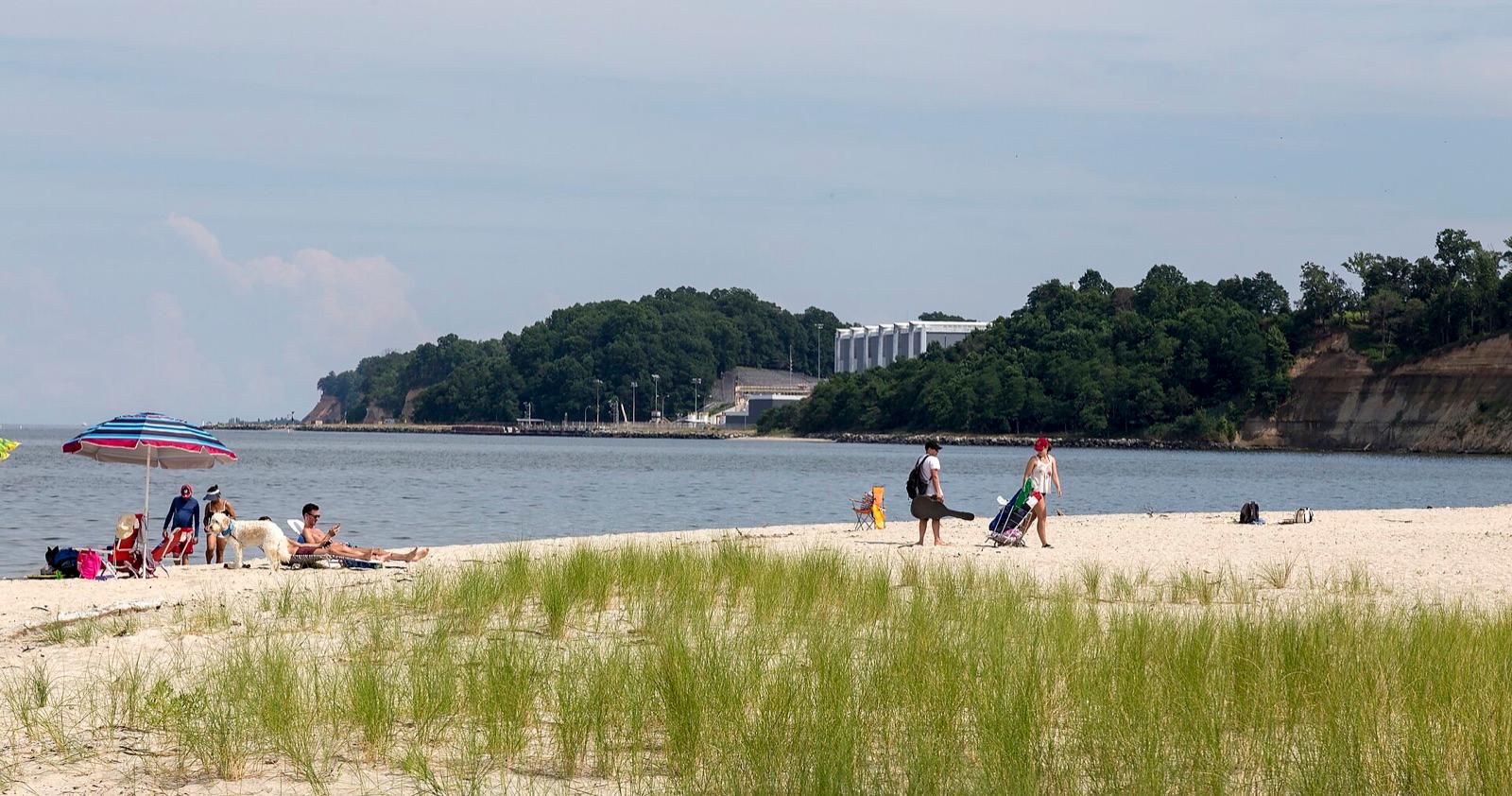 Top pick
Flag Ponds Nature Park
PublicCalvert County, Maryland
Flag Ponds Nature Park fronts the same Miocene Calvert Formation as nearby Calvert Cliffs, and its Chesapeake Bay beach gathers fossil shark teeth, ray plates, and shell fragments washed down from the cliffs to the north.
Shark Tooth, Fossil
 Top pick
Caesar Creek Lake Spillway
PublicWarren County, Ohio
The emergency spillway below Caesar Creek dam cut through Upper Ordovician bedrock and exposed one of the richest fossil beds in the eastern United States, packed with brachiopods, bryozoans, crinoids, horn corals, and the trilobite Isotelus, the animal Ohio adopted as its state invertebrate fossil.
Fossil, Trilobite, Brachiopod, Crinoid
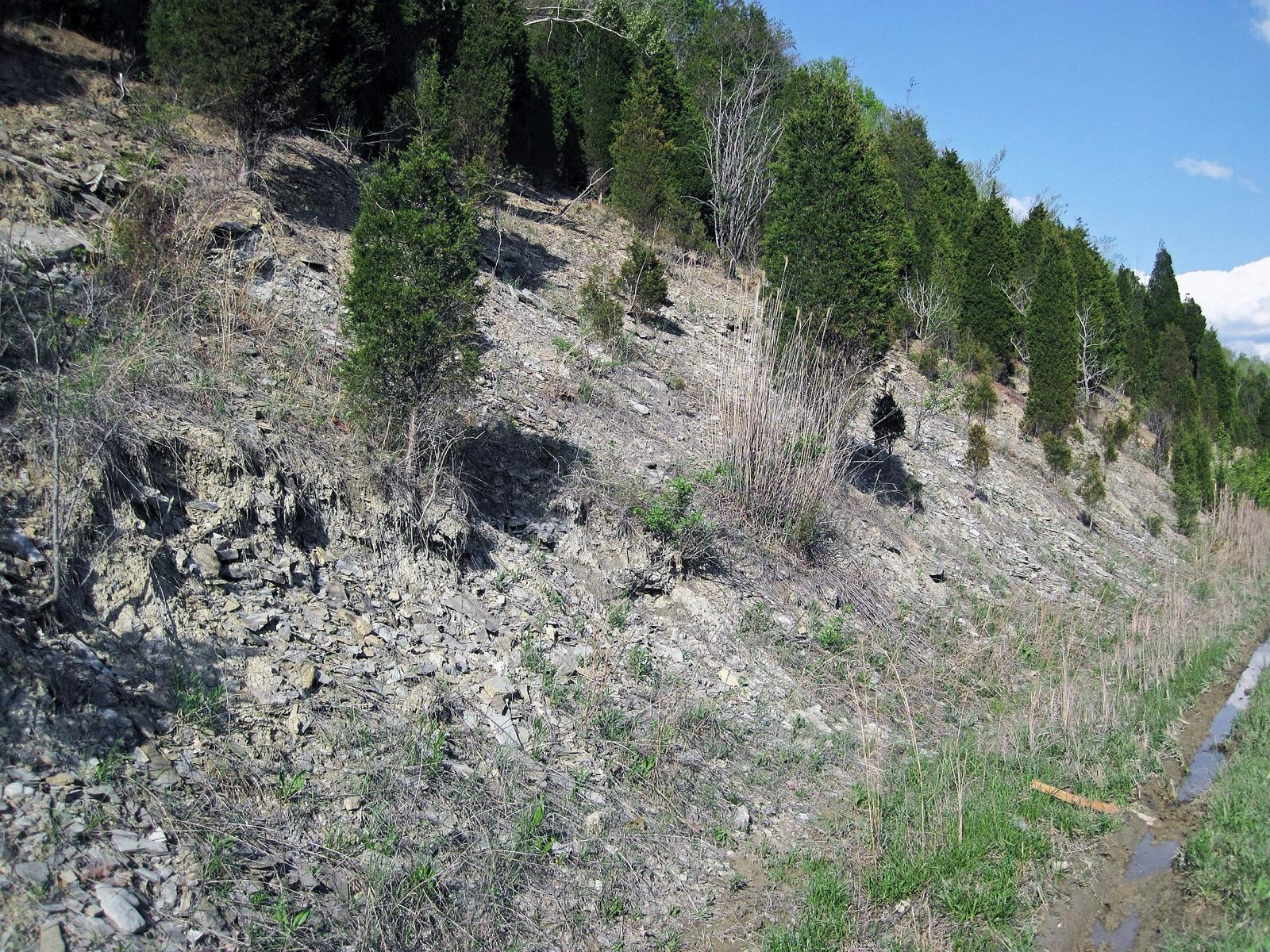 Top pick
Trammel Fossil Park
PublicHamilton County, Ohio
A graded hillside at Trammel Fossil Park lays bare several formations of Upper Ordovician Cincinnatian limestone and shale, over 440 million years old, in a suburb of the city that gives the Cincinnatian Series its name.
Fossil, Trilobite, Brachiopod, Crinoid
 Top pick
Oakes Quarry Park
PublicGreene County, Ohio
Oakes Quarry Park exposes the Silurian Brassfield Formation, roughly 440 million years old, and preserves two ancient patch reefs that have yielded 29 species of crinoids, some among the largest ever described.
Fossil, Crinoid, Brachiopod, Coral
 Top pick
Hueston Woods State Park
PublicPreble County, Ohio
Hueston Woods is one of the few Ohio state parks that permits fossil collecting, and it is regarded as one of the best places in the world to find Upper Ordovician fossils.
Fossil, Trilobite, Brachiopod, Bryozoan
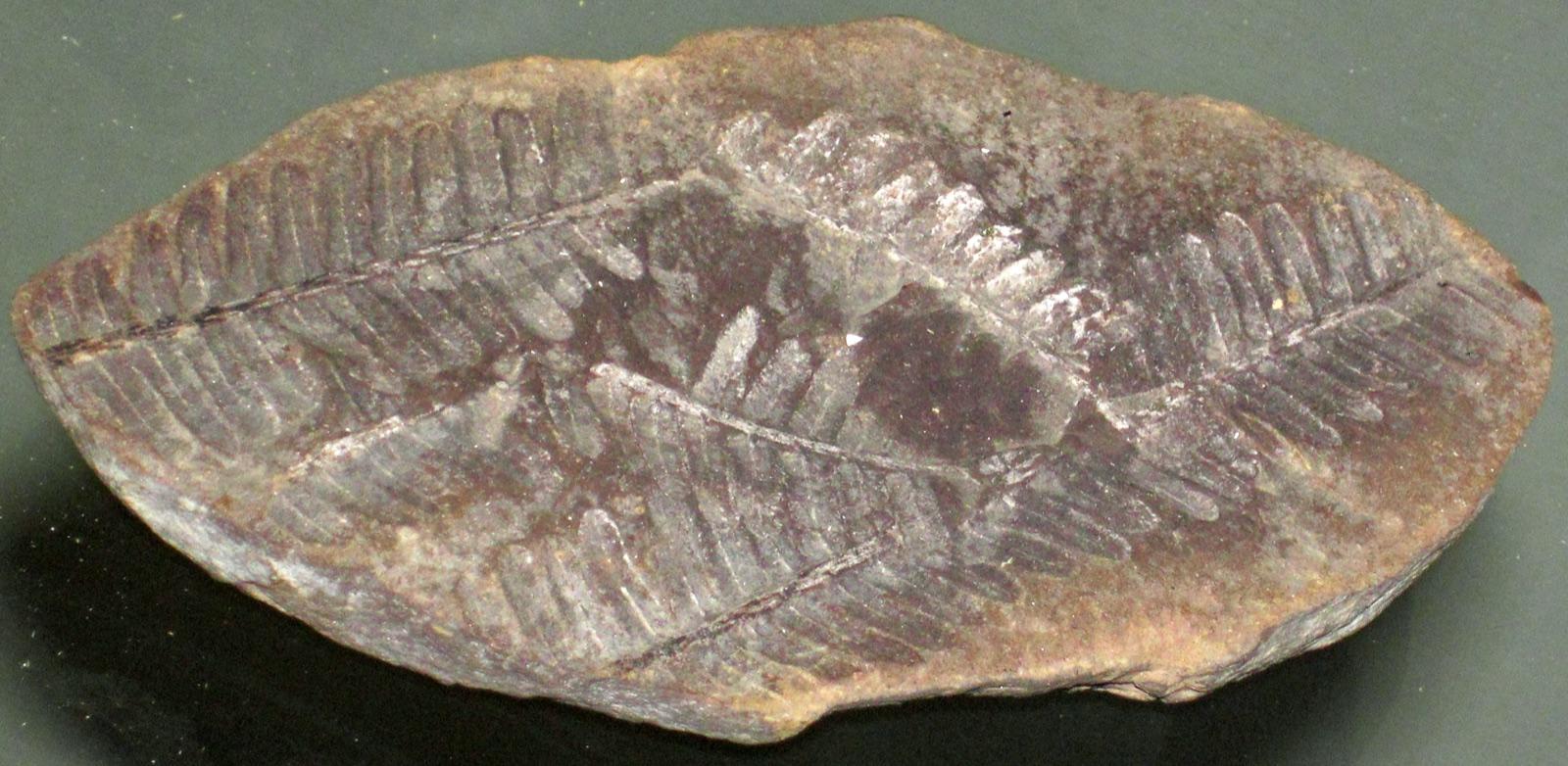 Top pick
Mazonia-Braidwood State Fish & Wildlife Area (Pit 11)
PublicGrundy County, Illinois
The Mazonia unit preserves the reclaimed spoil of the old Pit 11 coal strip mine, the source of the world-famous Mazon Creek fossil biota and its soft-bodied preservation inside siderite (ironstone) concretions.
Concretion With Fossil, Siderite, Tully Monster, Fern Fossil
 Top pick
Washington Park Beach
PublicLaPorte County, Indiana
Michigan City's Washington Park Beach opens Indiana's short Lake Michigan shoreline to beachcombing, where wave-sorted gravels yield Lake Superior agates, "Leland blue" slag glass, beach glass, and reworked Devonian coral and crinoid fossils.
Agate, Beach Glass, Leland Blue, Fossilized Coral
 Top pick
Diamond Hill Park, Cumberland
PublicProvidence County, Rhode Island
Diamond Hill is a massive white quartz outcrop with a 350-foot vertical face, historically Rhode Island's most famous locality for milky and smoky quartz and the amethyst that gave the hill its name.
Amethyst, Quartz, Smoky Quartz
 Top pick
Bienville National Forest
PublicScott County, Mississippi
Bienville National Forest spreads across central Mississippi on Oligocene and Miocene sediments that host the state's petrified wood, formed when buried hardwood was replaced grain by grain with chalcedony and opal.
Petrified Wood, Chalcedony, Chert
 Top pick
Camp Plymouth State Park
PublicWindsor County, Vermont
Camp Plymouth State Park sits on Buffalo Brook and Echo Lake in Vermont's 1850s gold-rush country, where the old Rooks Mine once worked placer gold.
Gold
 Top pick
Talladega National Forest (Shoal Creek)
PublicCleburne County, Alabama
The Talladega National Forest sits on the southern end of the Appalachian gold belt, and the Shoal Creek district is the most reliable place in Alabama to prospect on open public land rather than private mine ground.
Gold, Quartz, Garnet, Pyrite
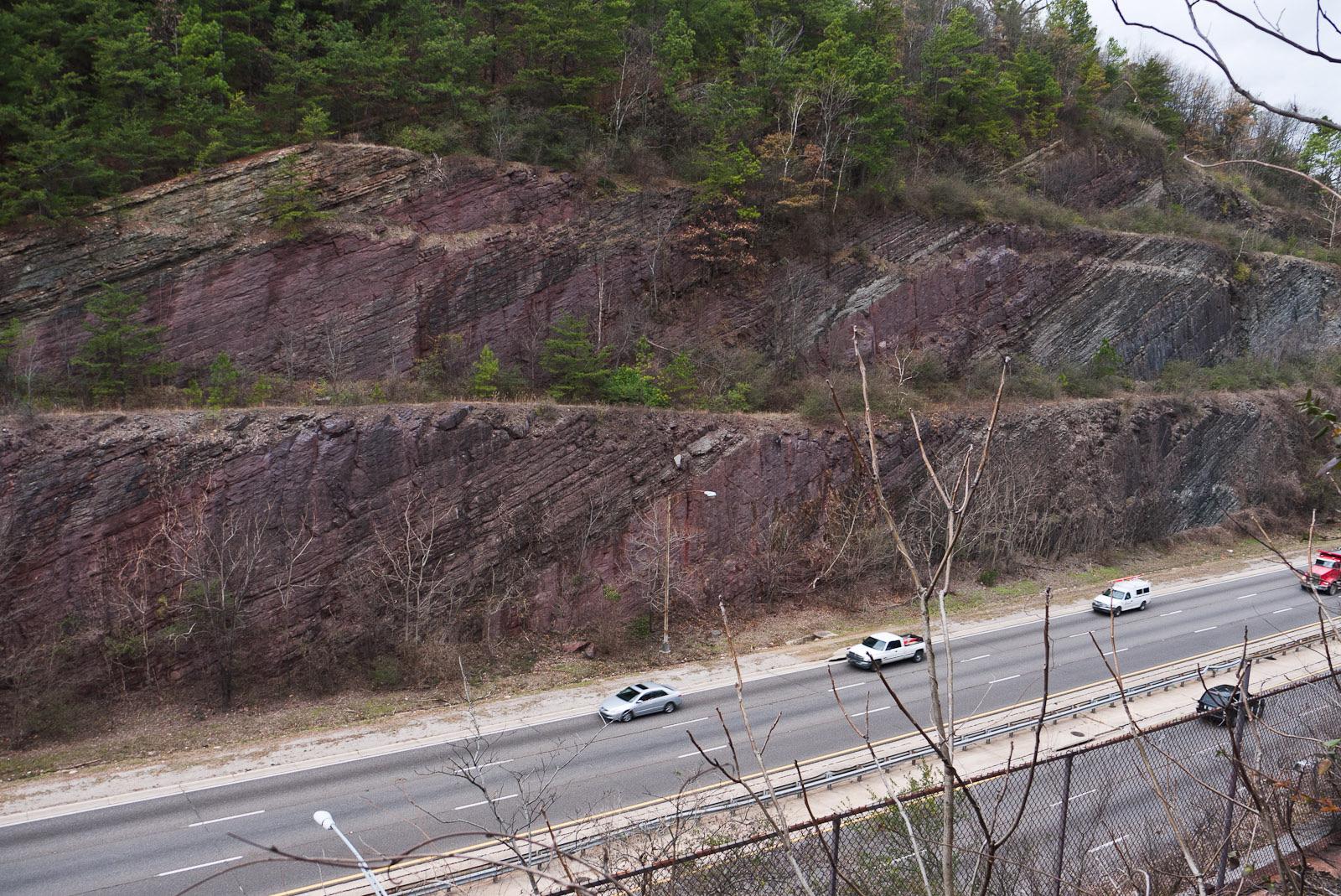 Top pick
Red Mountain (Birmingham)
PublicJefferson County, Alabama
Red Mountain is the type area for the Silurian oolitic hematite that Alabama named its state mineral in 1967, the red iron ore that built Birmingham's steel industry.
Hematite, Fossil, Chert
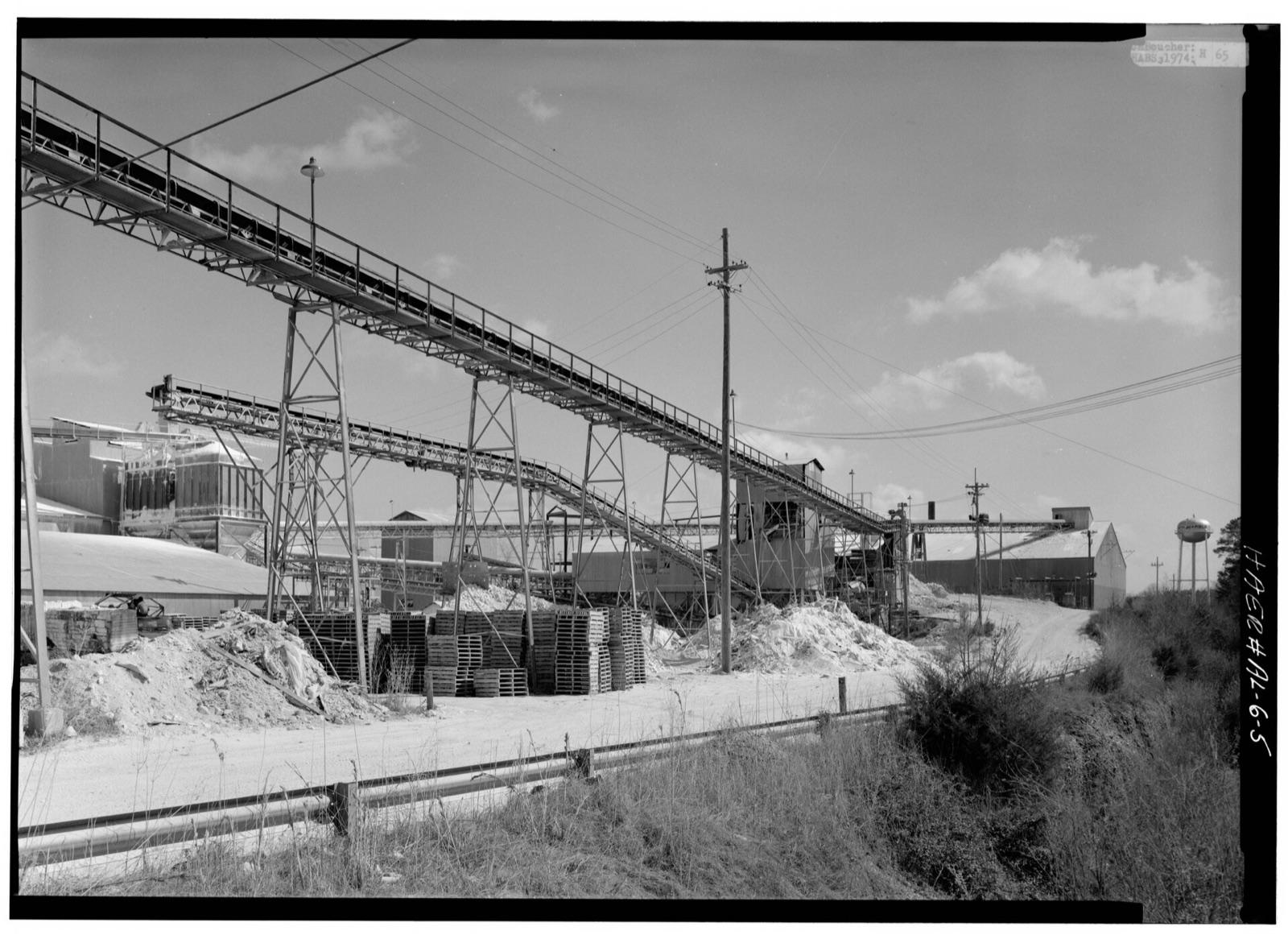 Top pick
Sylacauga Marble Belt
PublicTalladega County, Alabama
Sylacauga marble is Alabama's state rock and one of the purest white marbles in the world, drawn from a belt in Talladega County described as the longest marble deposit on Earth.
Marble, Calcite, Wollastonite
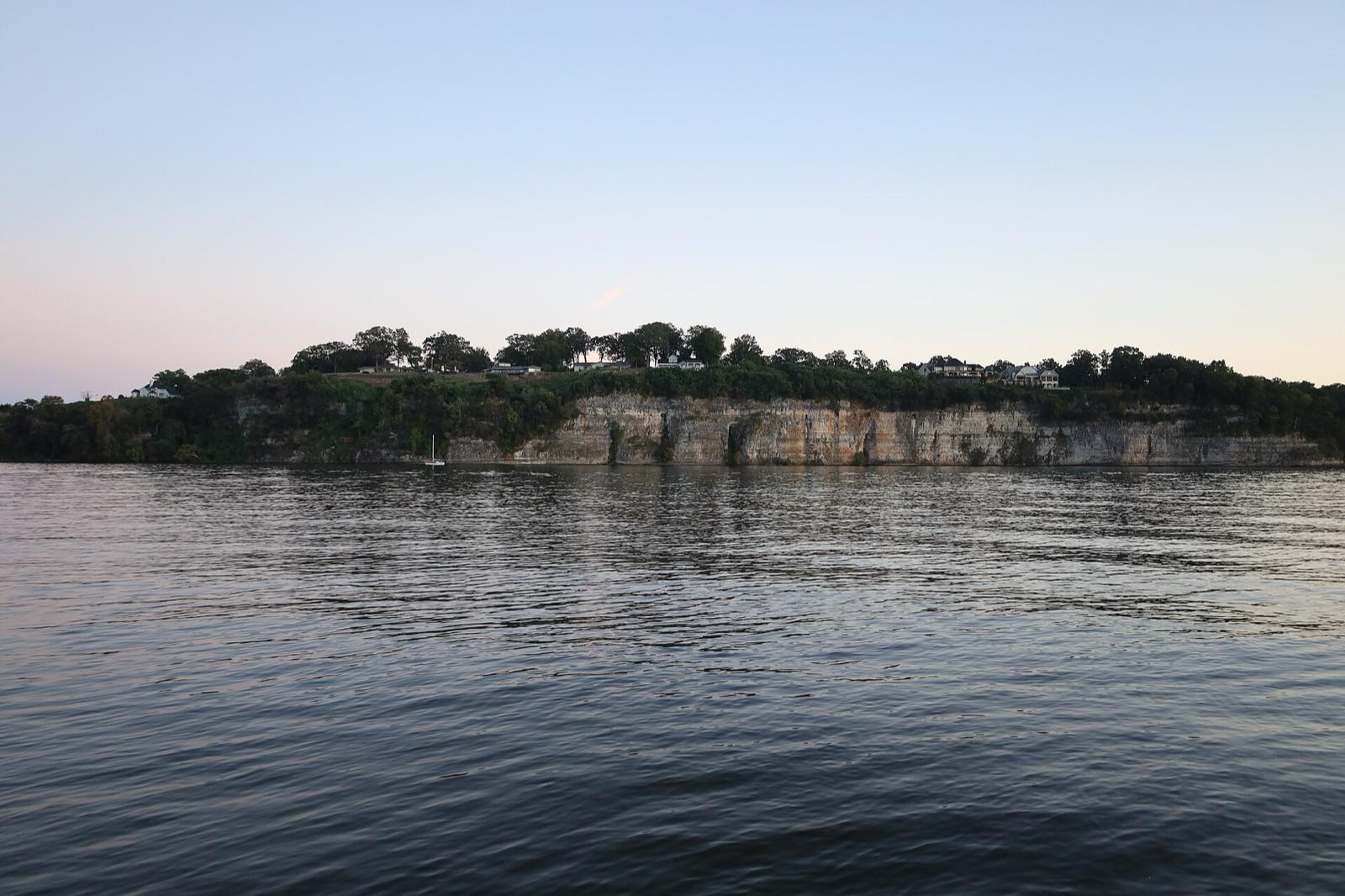 Top pick
Tennessee River (Muscle Shoals)
PublicColbert County, Alabama
The Tennessee Valley around Muscle Shoals exposes Mississippian Fort Payne and Tuscumbia limestones and their cherts, which weather into gravels loaded with silicified crinoid stems, corals, brachiopods, and blastoids.
Chert, Fossil, Chalcedony, Agate
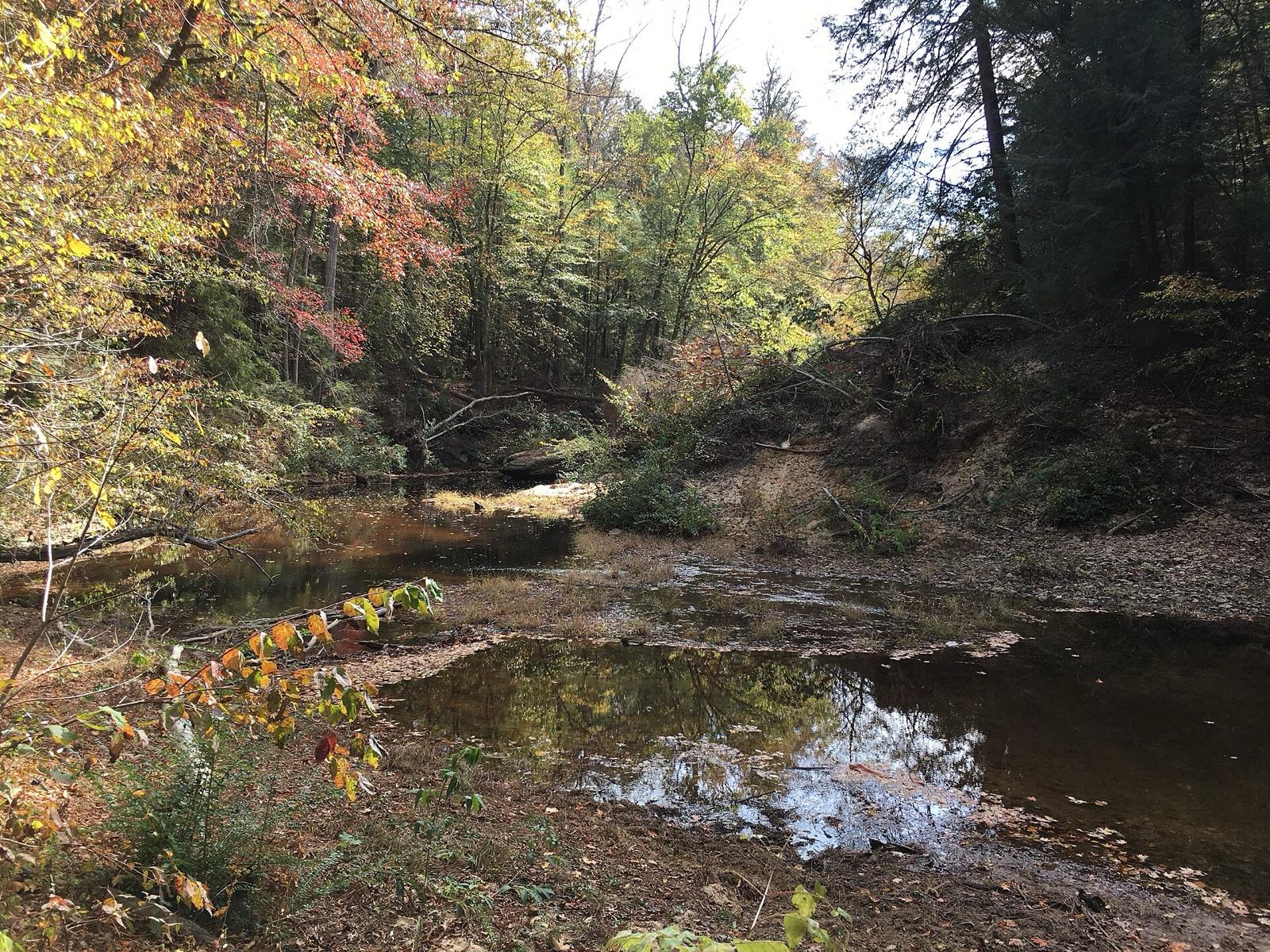 Top pick
Bankhead National Forest
PublicWinston County, Alabama
The William B. Bankhead National Forest spreads across about 181,000 acres of the Cumberland Plateau in northwest Alabama, where the Sipsey Fork cuts sandstone gorges that expose fresh rock.
Quartz, Chert, Fossil, Iron Concretion
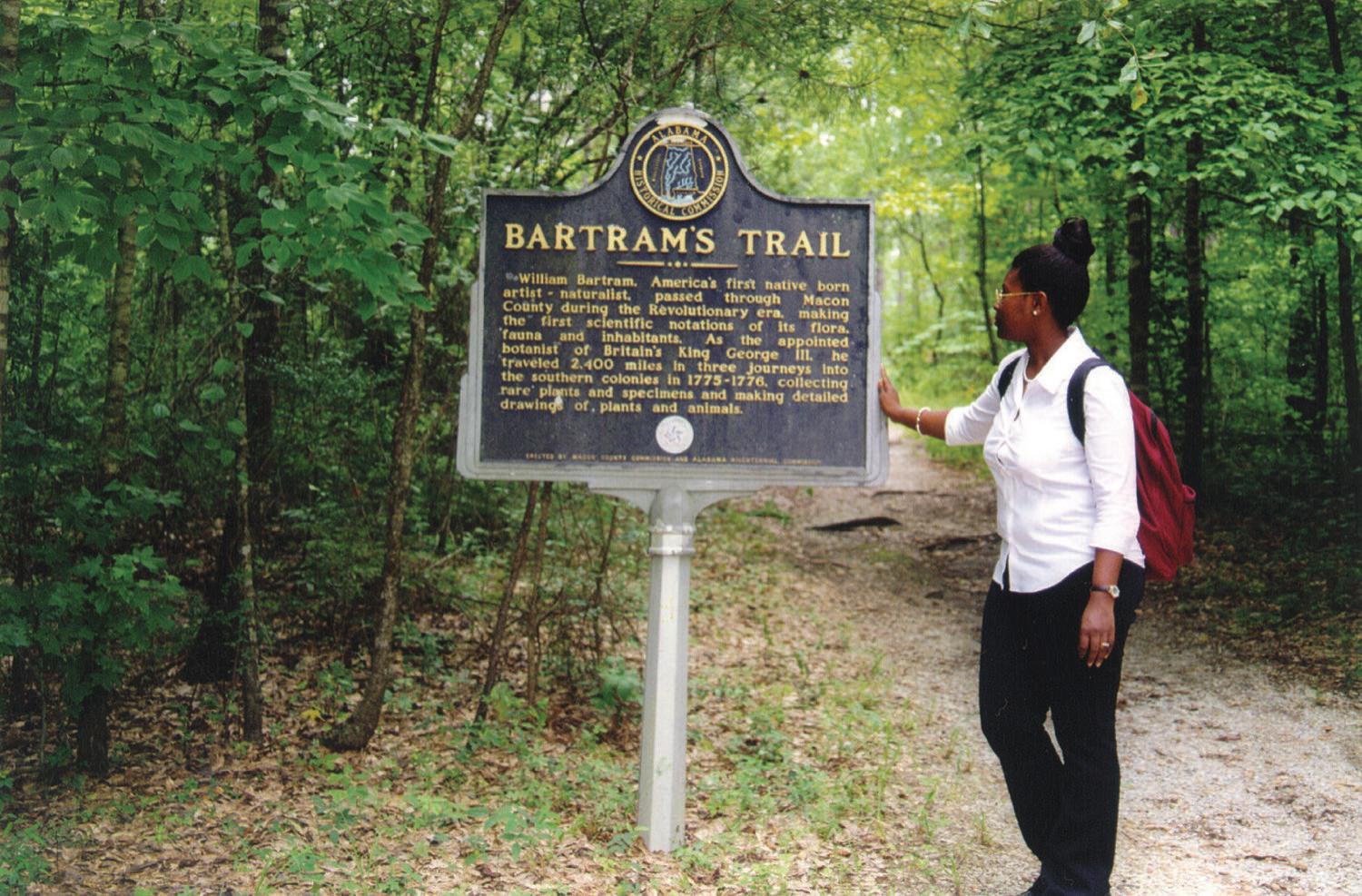 Top pick
Tuskegee National Forest
PublicMacon County, Alabama
Petrified wood occurs in a broad swath of Alabama gravels from the northwest to the southeast, and Macon County sits squarely on that belt where silicified logs weather out of the Coastal Plain sands.
Petrified Wood, Silicified Wood, Fossil
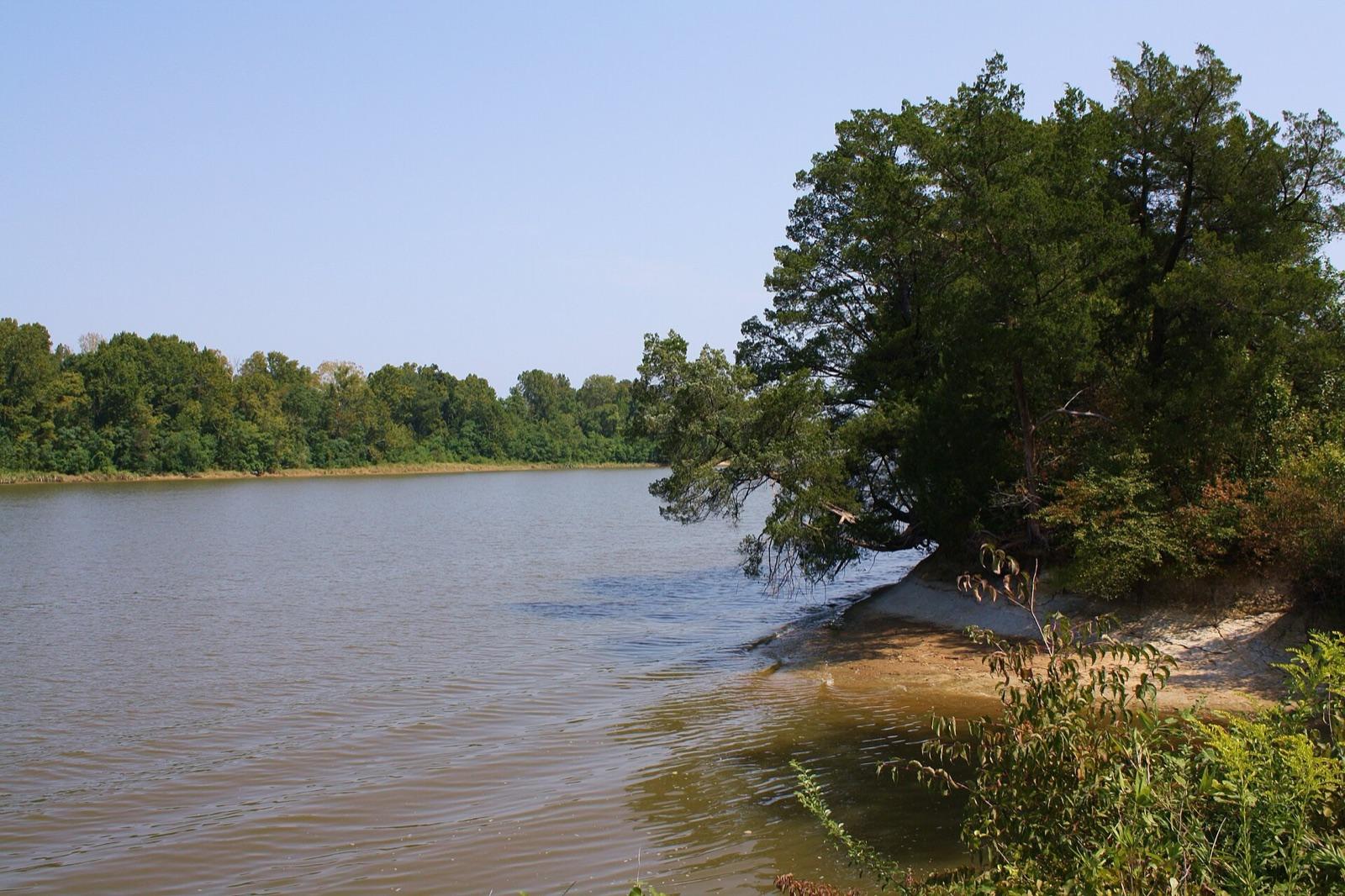 Top pick
Demopolis (Black Belt)
PublicMarengo County, Alabama
Demopolis gives its name to the Demopolis Chalk, part of the Selma Group that makes Alabama's Black Belt one of the premier Late Cretaceous marine fossil regions in the world.
Fossil, Shark Tooth, Calcite, Marcasite
 Top pick
Ouachita National Forest
PublicLe Flore County, Oklahoma
The Ouachita Mountains carry a belt of clear and milky quartz crystals that runs west from the famous Arkansas crystal district into southeastern Oklahoma.
Quartz, Novaculite, Chalcedony
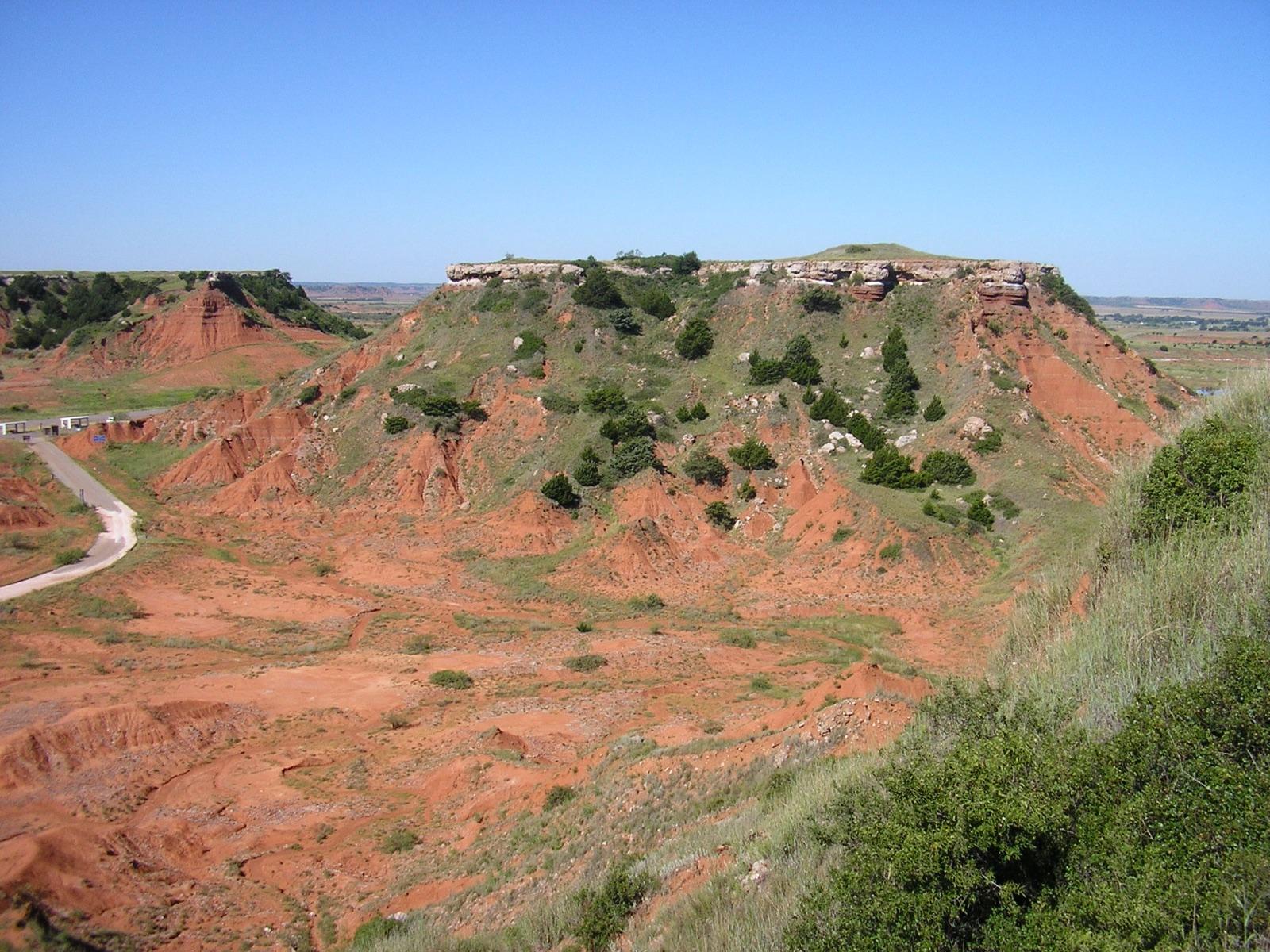 Top pick
Gloss Mountain State Park
Check locallyMajor County, Oklahoma
The Gloss Mountains, also spelled Glass Mountains, are flat-topped mesas capped by beds of selenite gypsum that catch the light and give the range its sparkle.
Selenite, Gypsum
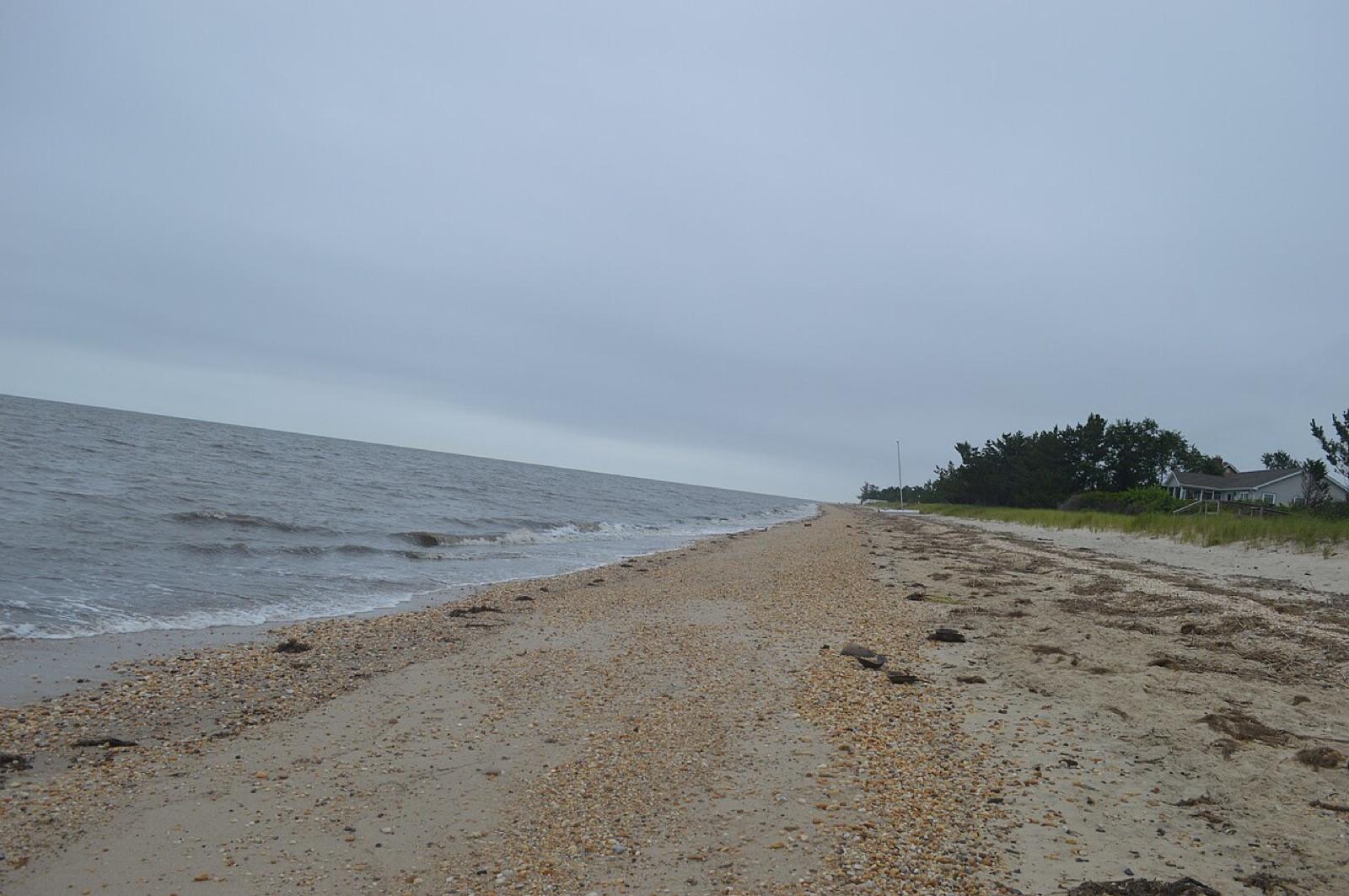 Top pick
Slaughter Beach
PermissionSussex County, Delaware
Slaughter Beach is a classic Delaware Bay beachcombing shoreline near Milford, long known for shells, abundant sea glass, driftwood, and water-worn quartz, with the occasional reworked fossil or shark tooth in the tide line.
Quartz, Jasper
 Top pick
Bowers Beach
PublicKent County, Delaware
Bowers Beach is a small Delaware Bay fishing town at the mouth of the Murderkill and St. Jones rivers, where the meeting of river and bay concentrates shells, sea glass, quartz pebbles, and beach-worn material along the public strand.
Quartz
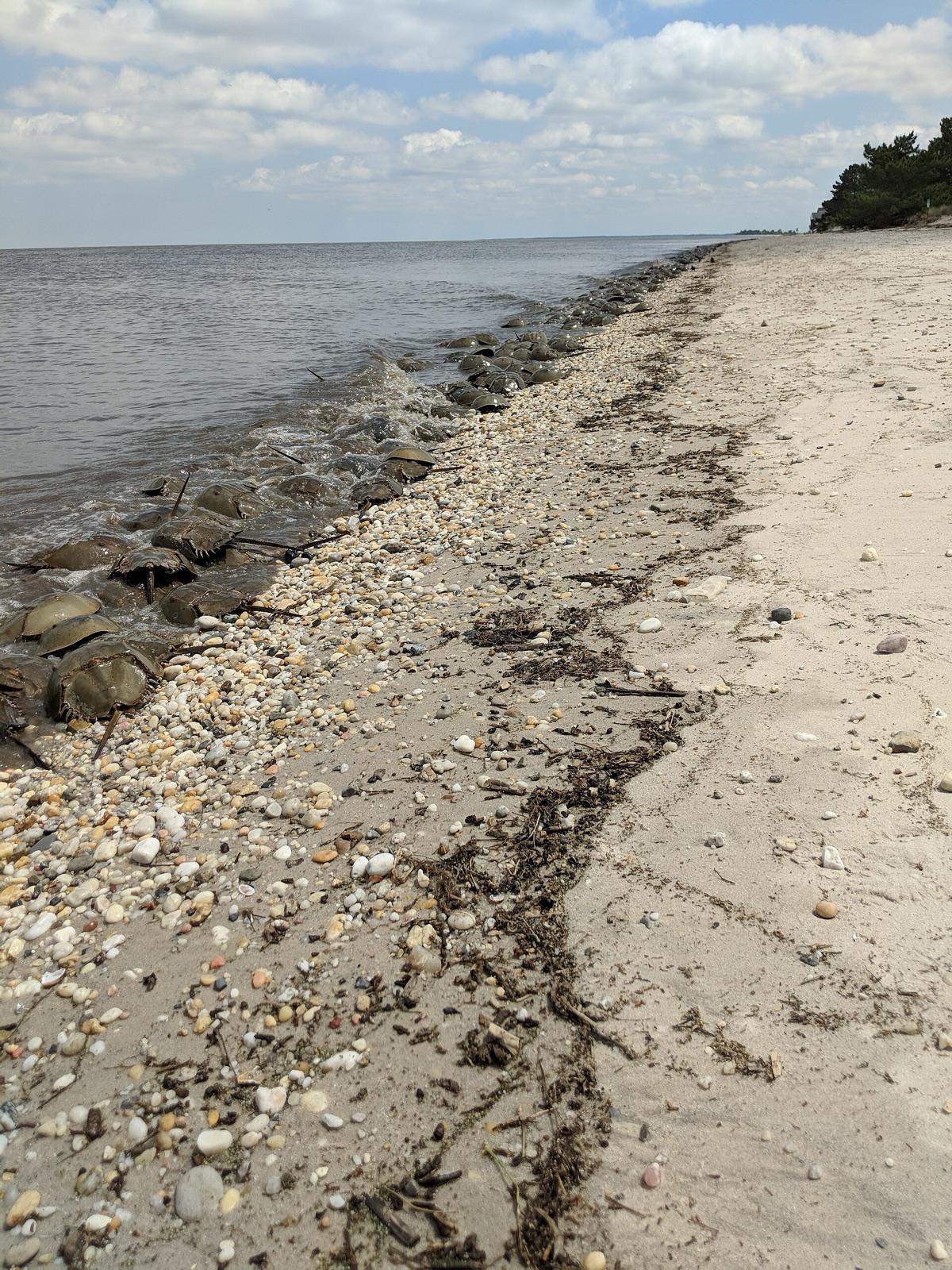 Top pick
Pickering Beach
PublicKent County, Delaware
Pickering Beach, a quiet bay community north of Dover, is one of Delaware's most celebrated sea glass beaches, and its tide lines also yield shells, water-worn quartz, and beach pebbles.
Quartz
 Top pick
Wilson River
PublicTillamook County, Oregon
Gravel bars along the Wilson River carry the carnelian, agate, and jasper that the northern Oregon Coast Range is known for, restocked by every winter's high water.
Agate, Carnelian, Jasper
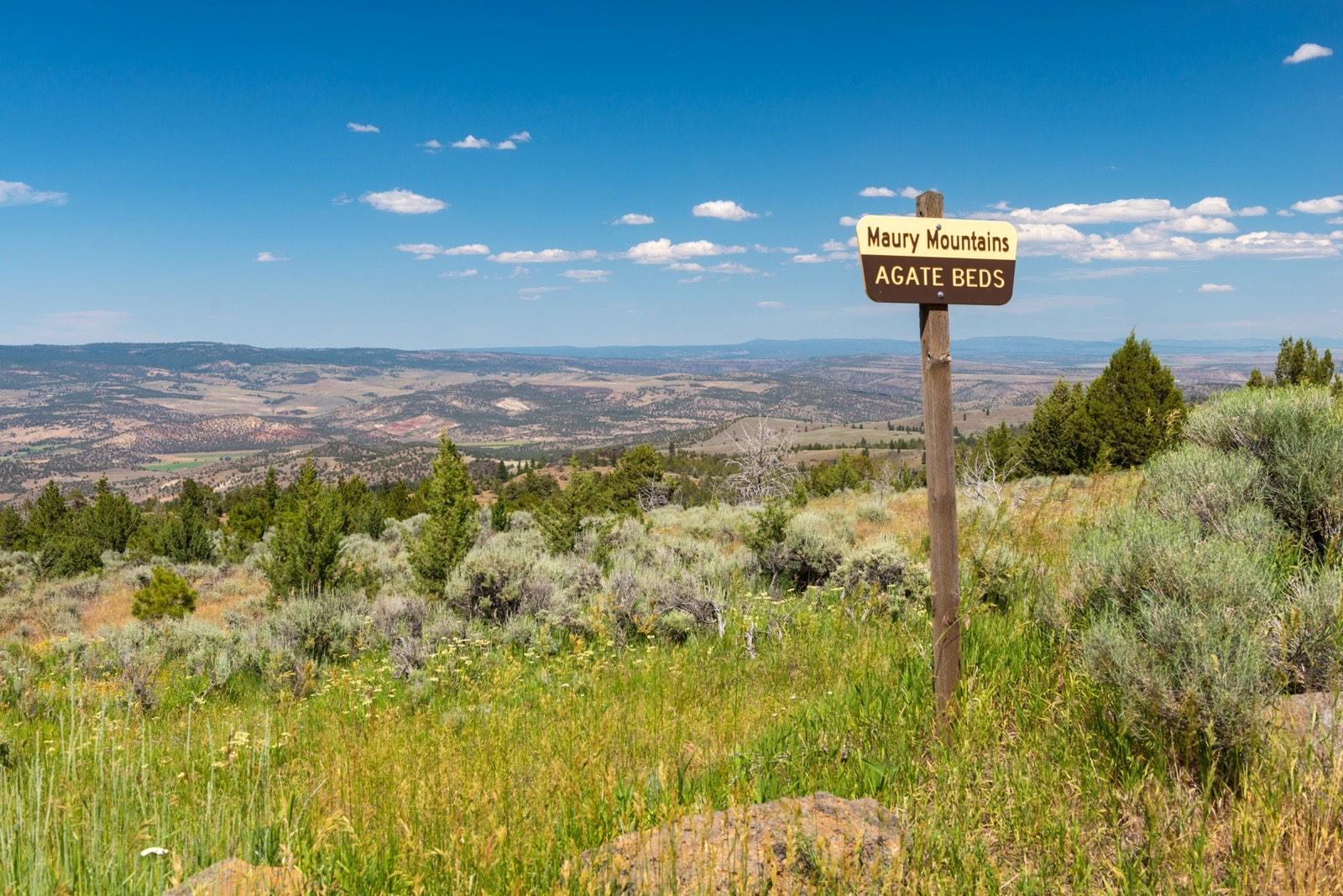 Top pick
Maury Mountains
PublicCrook County, Oregon
The Maury Mountains in the Ochoco National Forest hold a long-worked moss agate locality, signed by the Forest Service and open to casual collecting without a permit.
Moss Agate
 Top pick
Oregon Sunstone Public Collection Area
PublicLake County, Oregon
The Bureau of Land Management set aside this stretch of Rabbit Basin as a free public collection area for Oregon sunstone, the official state gemstone, with no claim, fee, or permit required.
Oregon Sunstone
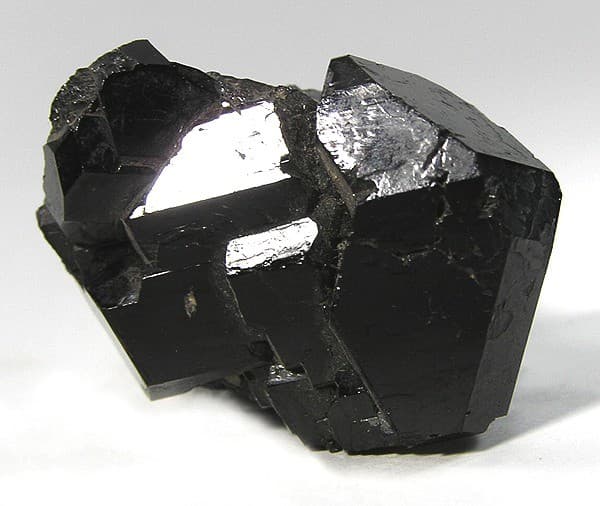 Top pick
Selleck Road
PublicSaint Lawrence County, New York
Selleck Road in West Pierrepont is one of New York's classic mineral localities, known for lustrous black tourmaline of the uvite series grown with silky tremolite.
Black Tourmaline, Tremolite
 Top pick
Oxbow Road Cut (Oxbow-Rossie Road)
PublicSaint Lawrence County, New York
This roadcut on the Oxbow to Rossie road has supplied collectors with calcite for more than fifty years, including the penetration twins of simple rhombohedra known as Rossie-habit twins.
Calcite
 Top pick
Long Island South Shore Beaches
PublicSuffolk County, New York
Storm waves concentrate almandine garnet into purple sand streaks along Long Island's south shore barrier beaches, a display that resets with every blow.
Almandine Garnet, Quartz, Jasper
 Top pick
Ilion Gorge
PublicHerkimer County, New York
Ilion Gorge is New York's best known travertine locality, where spring deposits form banded orange and brown flowstone, botryoidal crusts, and small stalactites in the gorge walls.
Travertine
Rockhounding map FAQ
- How many rockhounding spots are on the map?
- The map plots 2,800+ rockhounding spots across the United States, Canada, Australia, the United Kingdom, and New Zealand. Each pin carries coordinates, the minerals reported there, and a land-access label so you can plan a trip before you drive out.
- Can I filter the map by country, mineral, or region?
- Yes. Filter the map by country (United States, Canada, Australia, United Kingdom, or New Zealand), by mineral (agate, quartz, geodes, petrified wood, and more), by state, province, territory, county, or region, and by land access so you only see the spots that match the trip you are planning.
- What do the land-access labels mean?
- Public means open collecting on public land, though you should still confirm local rules. Paid / fee marks fee-dig and pay-to-prospect sites. Permission means private or restricted ground where you need to ask the owner or managing agency first. On the map, public spots show green and every restricted spot shows red, so you can read access at a glance.
- Are the rockhounding spots free to visit?
- Many sit on public land and are free to collect on, while others are fee-dig sites or need permission. Use the access filter to show only the public spots if you are after free collecting.
- How do I get coordinates and directions for a spot?
- Tap any pin to open its full spot page with exact coordinates, the minerals found there, and access notes. The RockHoundR app adds turn-by-turn directions, public land overlays, weather, and offline maps.
- Where can I browse spots for one state or mineral?
- Open the spots-by-state index to see every mapped spot in a single state, or the find pages to see the best states for a specific rock or mineral with identification tips.
Plan your next field day in the app
The RockHoundR app turns this map into a real planning tool: BLM, USFS, NPS, and tribal land overlays, weather, geology, and your saved finds.