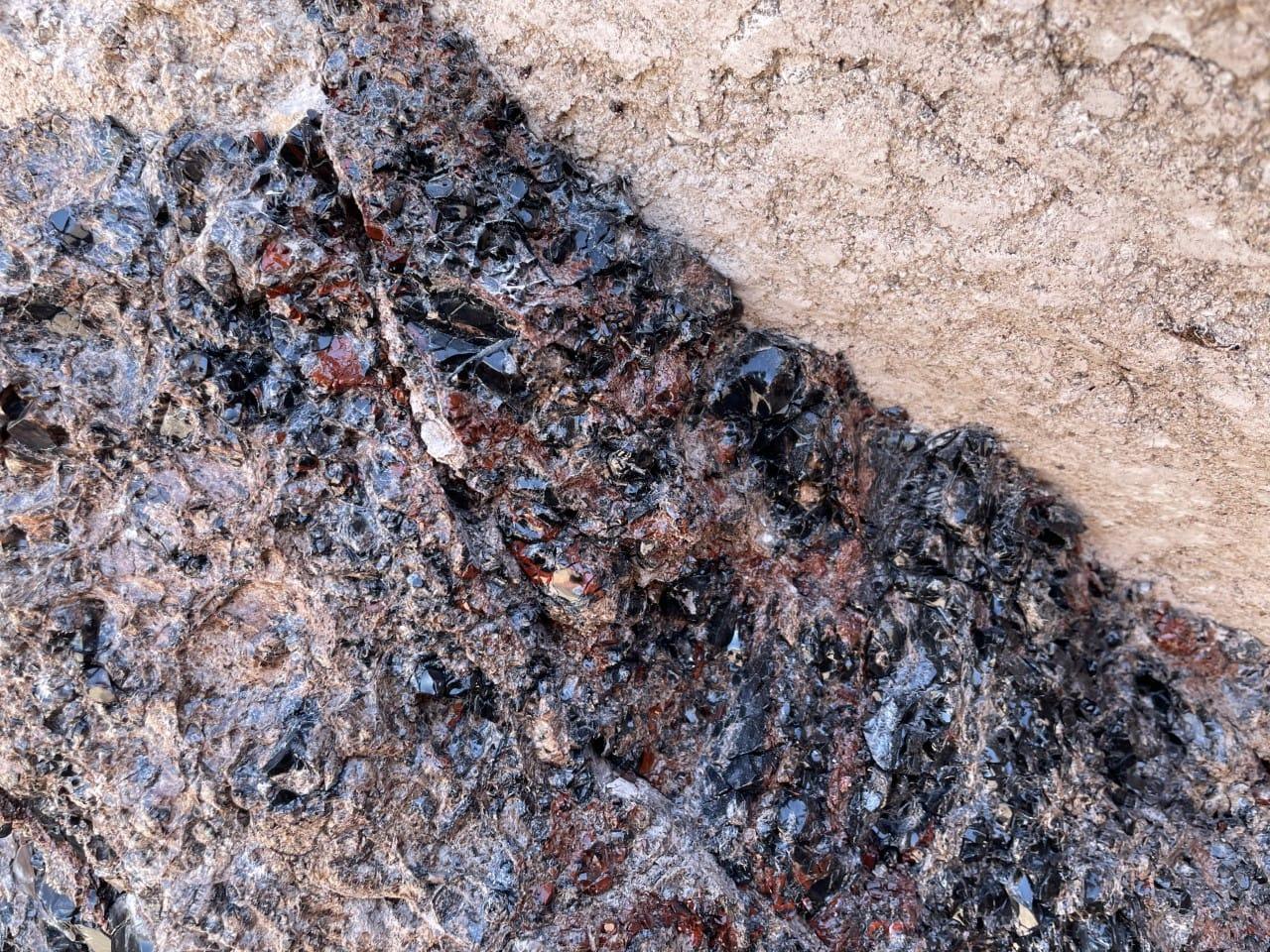
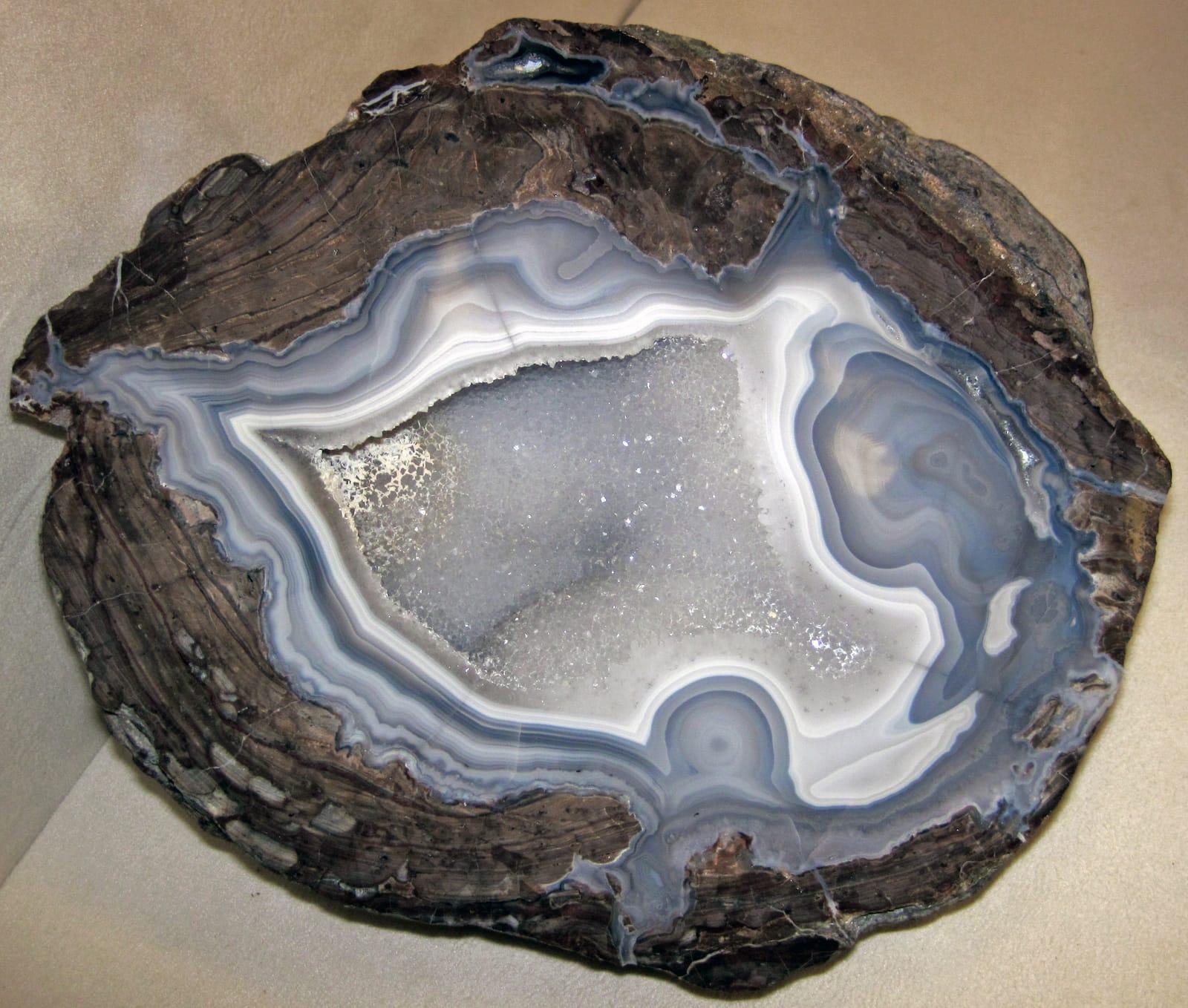
West desert / Thomas Range
Topaz Mountain topaz, red beryl float (display only, claims are tight), bertrandite, opal, and bixbyite. Topaz Mountain has a permanent public collecting area.
Updated August 2026
270 mapped spots across 29 counties. Utah has several well-known rockhounding areas close enough to build a trip around: Topaz Mountain, the Dugway geode beds, the San Rafael Swell, and the trilobite beds near Delta. Common targets include topaz, red beryl, geodes, trilobites, and septarian nodules.
The best rockhounding in Utah is at Frisco in Beaver County (azurite, barite), San Rafael Swell in Emery County (agatized wood, amethyst), and Dugway Range in Juab County (beryl, chalcedony). In total, 270 mapped collecting spots across 29 counties produce pyrite, galena, and malachite, each listed below with coordinates and land access notes.
Representative spot and material photos from locations in this state, shown where verified public image records are available.
Map showing 270 rockhounding spots in Utah
Counts reflect how many spots in this list mention each mineral.
Notable areas: Dugway geodes, Topaz Mountain topaz, Brian Head agate, and the trilobite quarries near Delta are common Utah trip targets.
Utah collecting breaks into three broad regions: the Basin and Range west of I-15, the Colorado Plateau in the east and southeast, and the Uinta-Wasatch mountain belt. Topaz Mountain, Dugway, the Thomas Range, and the House Range sit in the west desert. The San Rafael Swell is known for septarian nodules, agatized dinosaur bone, and picture sandstone. The House Range Cambrian shales produce trilobites at U-Dig and Antelope Springs.
Topaz Mountain topaz, red beryl float (display only, claims are tight), bertrandite, opal, and bixbyite. Topaz Mountain has a permanent public collecting area.
Trilobites at U-Dig and Antelope Springs, brachiopods, snail-shell fossils. Pay-to-dig and remote BLM ground.
Septarian nodules, agatized dinosaur bone (gem-quality bone may require permits, check rules), Moqui marbles, picture sandstones.
Garnet schist, hot-springs travertine, mine dump material above Park City and Alta. Heavy snow into June.
April through June and September through October are the easiest months. July and August in the west desert often clear 100°F with no shade. Mountain locations can stay snowbound through May.
Topaz Mountain in particular needs a 5-gallon bucket, 1/4-inch screen, geology pick, and patience for the heat. Trilobite digs supply hammers but bring safety glasses. Carry well more water than you think you'll need in the west desert.
Topaz Mountain has been a public collecting area since the 1970s, when BLM designated parts of it for recreational rockhounding. Red beryl, also called bixbite, was first described from the Thomas Range and remains a rare Utah gemstone.
Day-trip range. Each section lists the closest mapped rockhounding spots within about 150 miles of the city. Most are inside a 2 to 3 hour drive.
6 closest spots to Salt Lake City, UT.
6 closest spots to St. George, UT.
6 closest spots to Cedar City, UT.
Geology rarely respects state borders. These states share mapped rockhounding country with Utah, useful when Utah is the start, not the whole trip. Each card links to the closest county across the line.
County pages are linked once we have at least 3 mapped spots for a focused guide with coordinates, mineral notes, and nearby spots.
Hand-picked standouts from the Utah list, chosen for unusual mineralogy, documented public access, or both. Each card links to coordinates, access notes, and what to look for.
 Top pick
Beaver County
Frisco combines a major historic silver-lead camp with a long mineral list that includes copper carbonates, galena, sphalerite, pyrite, opal, and wulfenite.
Azurite, Barite, Calamine, Chalcocite
 Top pick
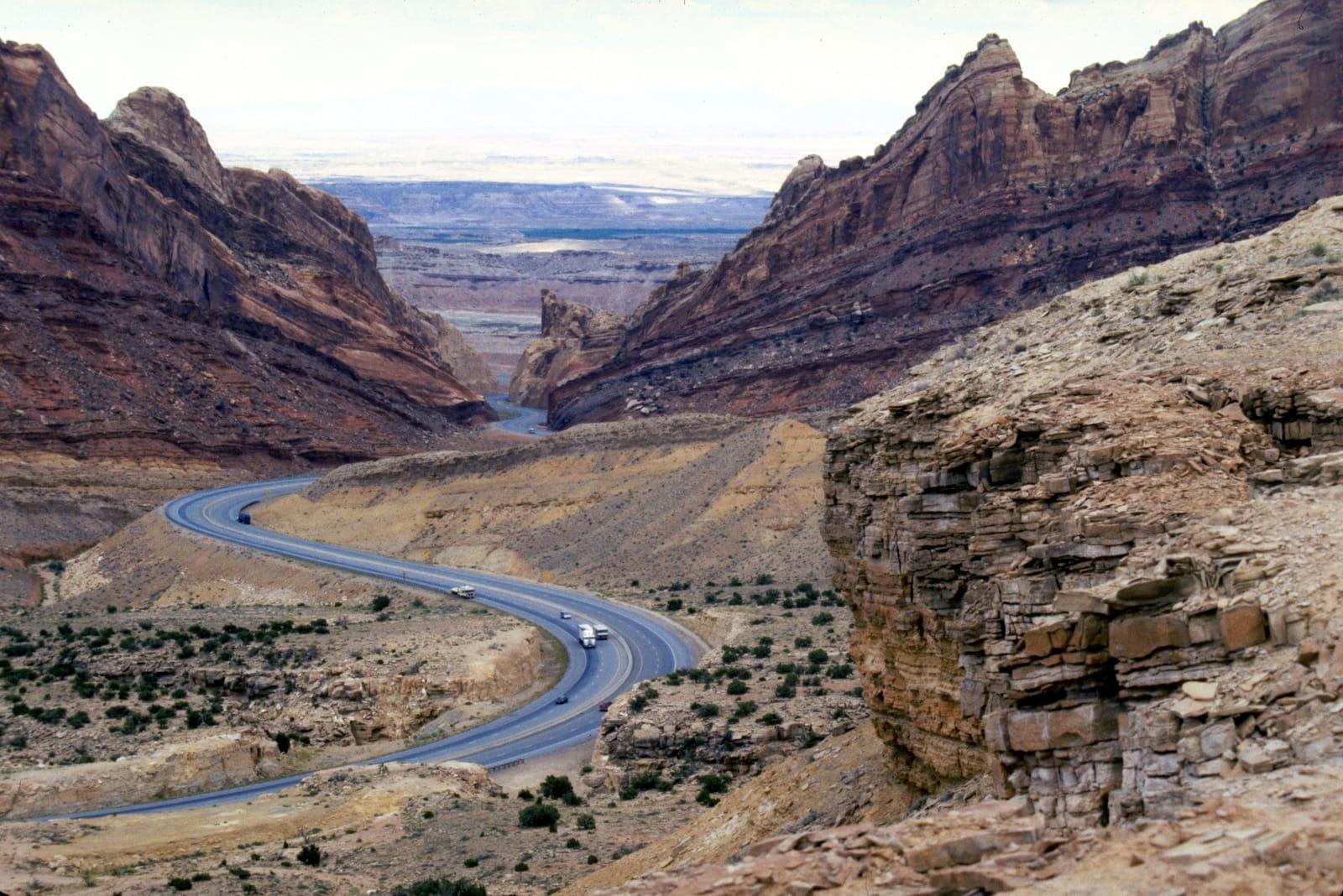
Emery County
The San Rafael Swell is a broad exposed anticline where Morrison, Curtis, and Cedar Mountain strata carry local agate, jasper, chalcedony, petrified wood, and dinosaur-bone material.
Agatized Wood, Amethyst, Carnotite, Petrified Wood
 Top pick
Juab County
The Dugway Geode Beds are one of Utah's clearest geology-to-specimen localities: Miocene rhyolite cavities were eroded by Lake Bonneville and redeposited as diggable geodes in lake sediments.
Beryl, Chalcedony, Fluorite, Garnet
 Top pick
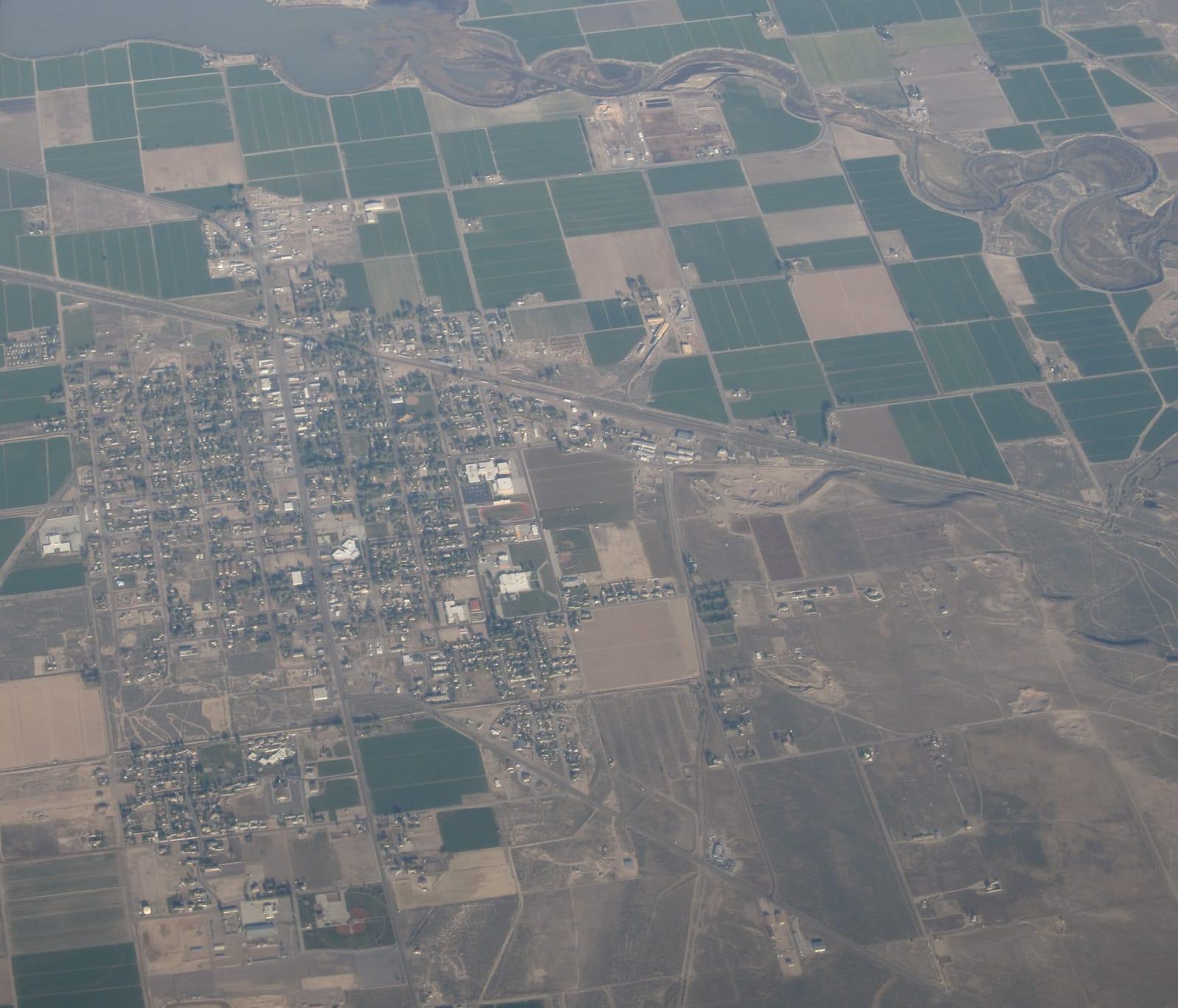
Juab County
Spor Mountain stands out because its topaz-rhyolite-related deposits made it the world's premier beryllium district and Utah's largest fluorite producer.
Fluorite, Bertrandite, Carnotite, Chalcedony
 Top pick
Juab County
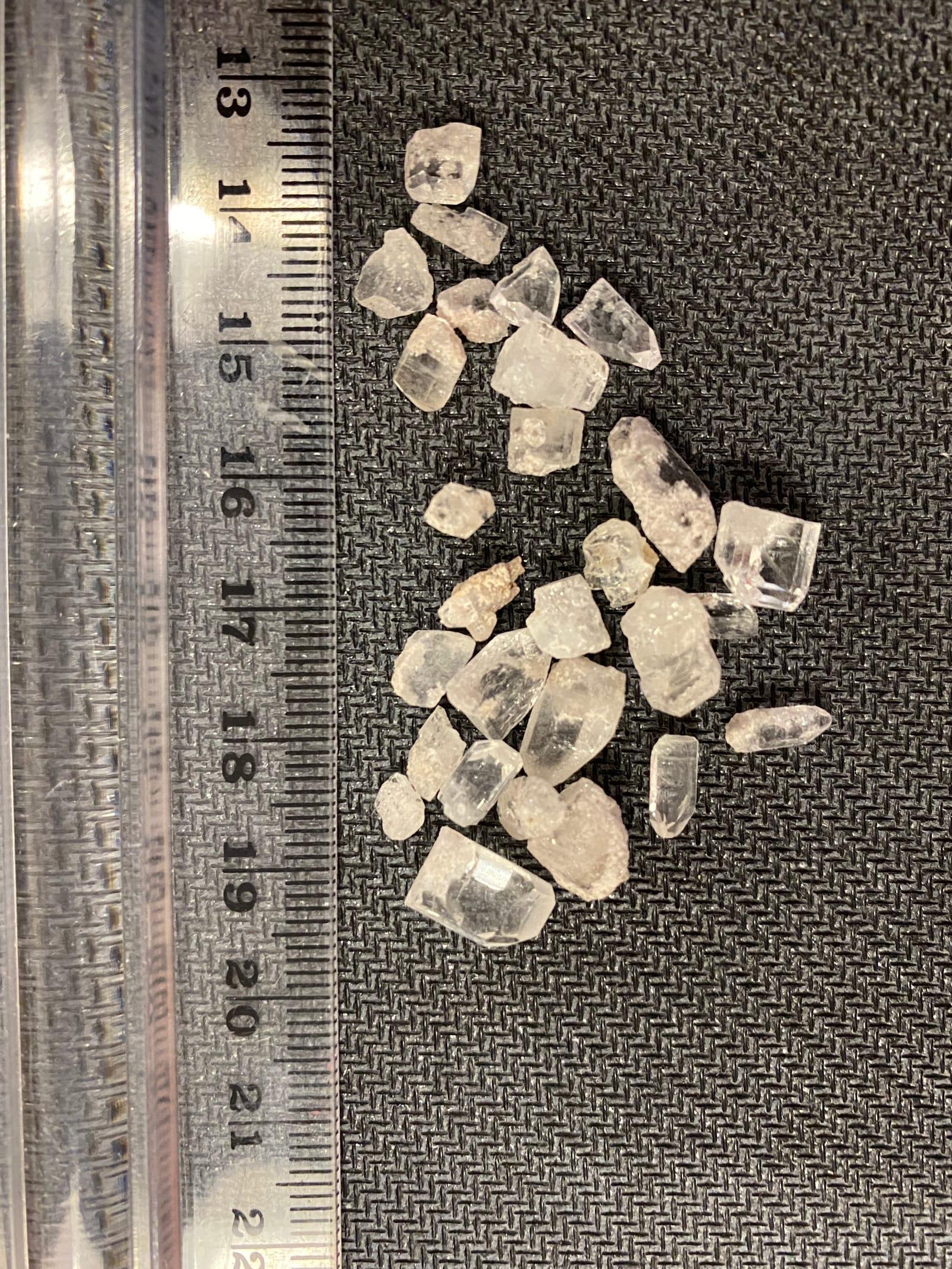
Topaz Mountain is Utah's defining gem locality, where amber topaz crystals formed in cavities of the Topaz Mountain Rhyolite and commonly bleach colorless in sunlight.
Beryl, Calcite, Bixbyite, Carnelian
 Top pick
Millard County
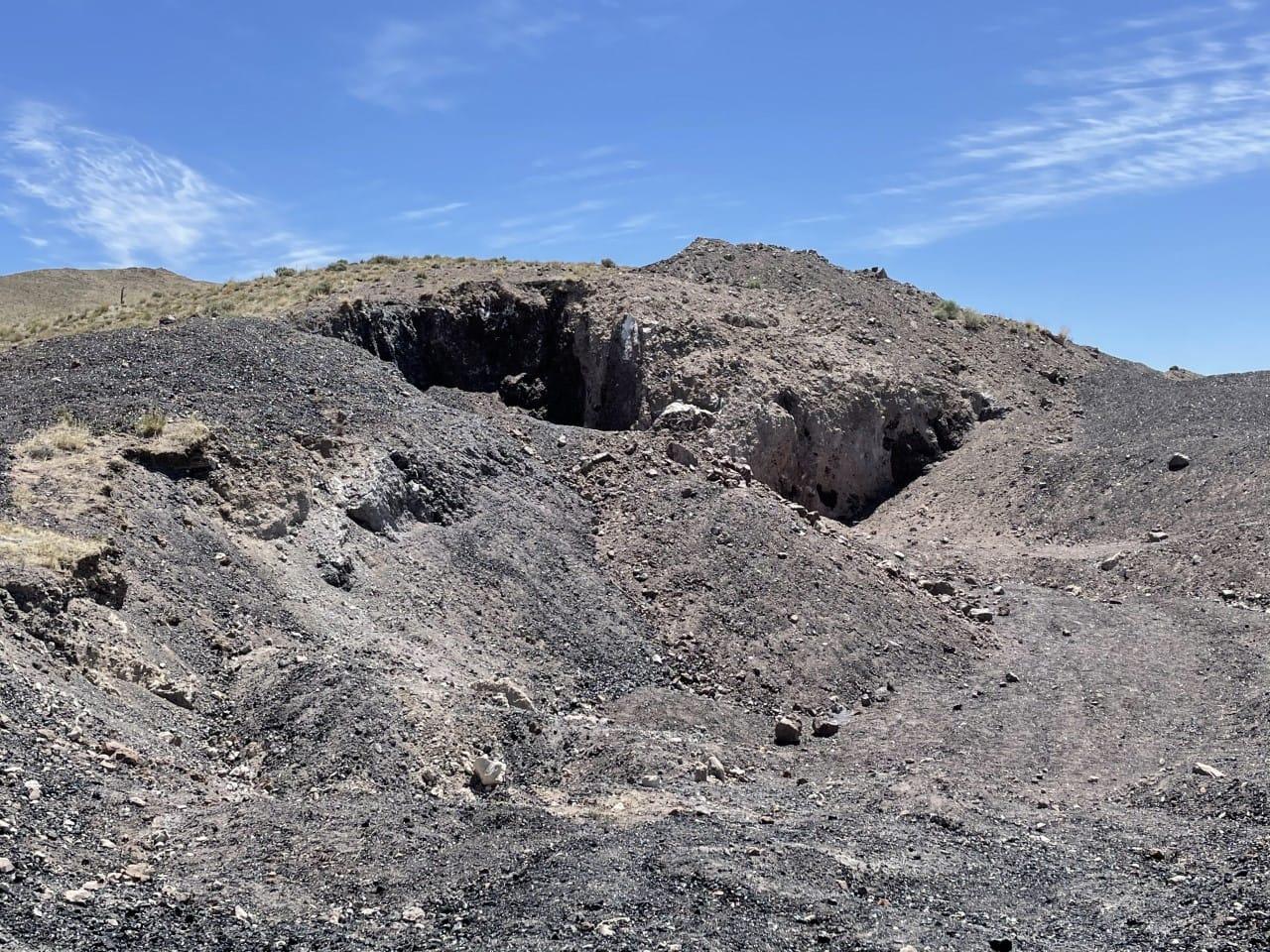
Black Rock is Utah's standout obsidian stop, with black, reddish-brown, and snowflake obsidian weathering from young rhyolitic volcanic rocks in the Black Rock Desert.
Snowflake Obsidian
 Top pick
Piute County
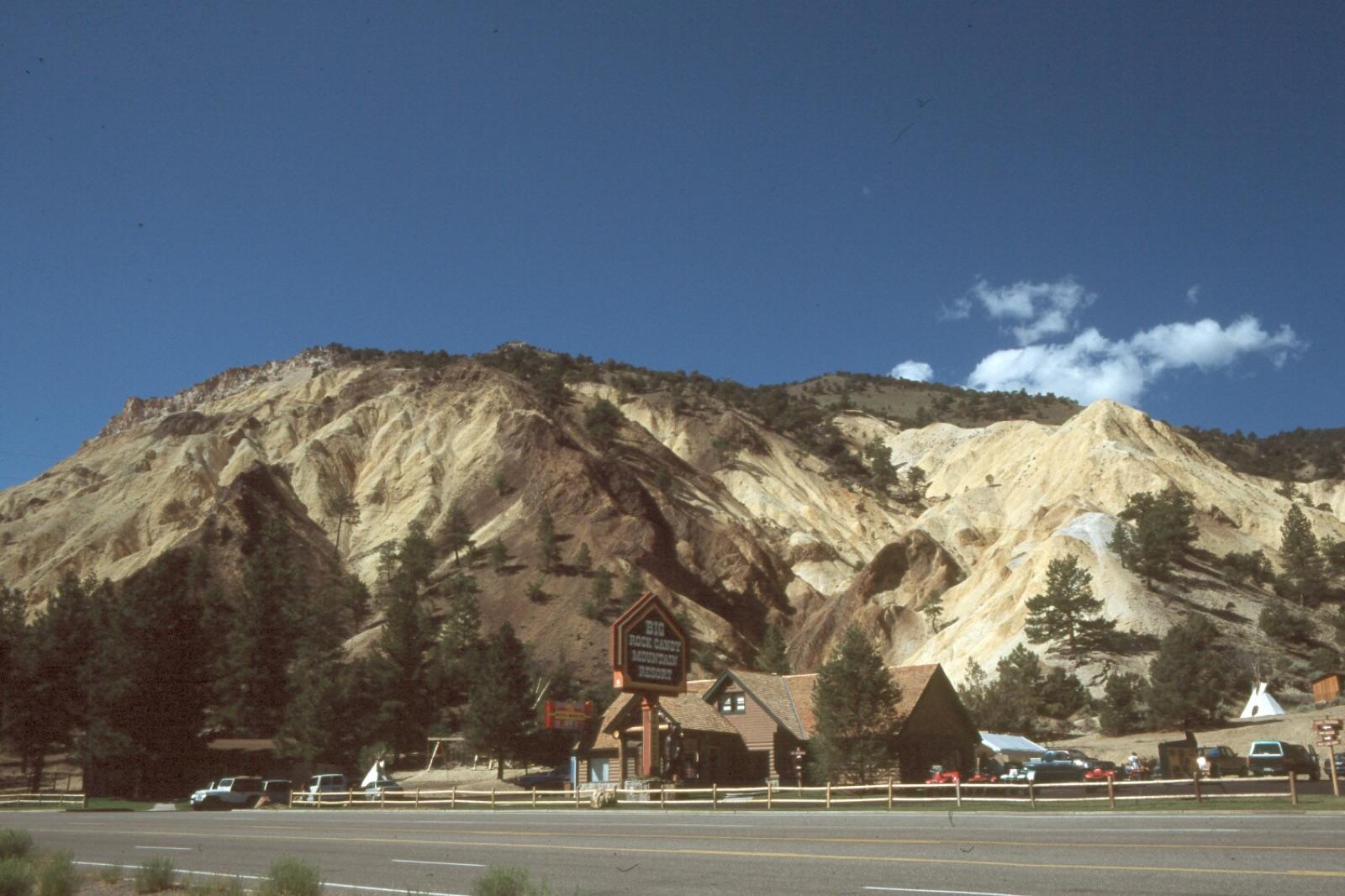
Marysvale earns a top spot for small but well-formed crystals in rhyolite cavities, especially bixbyite, amethyst, and reported rutile or pseudobrookite.
Cinnabar, Alunite, Albite, Biotite
 Top pick
Tooele County
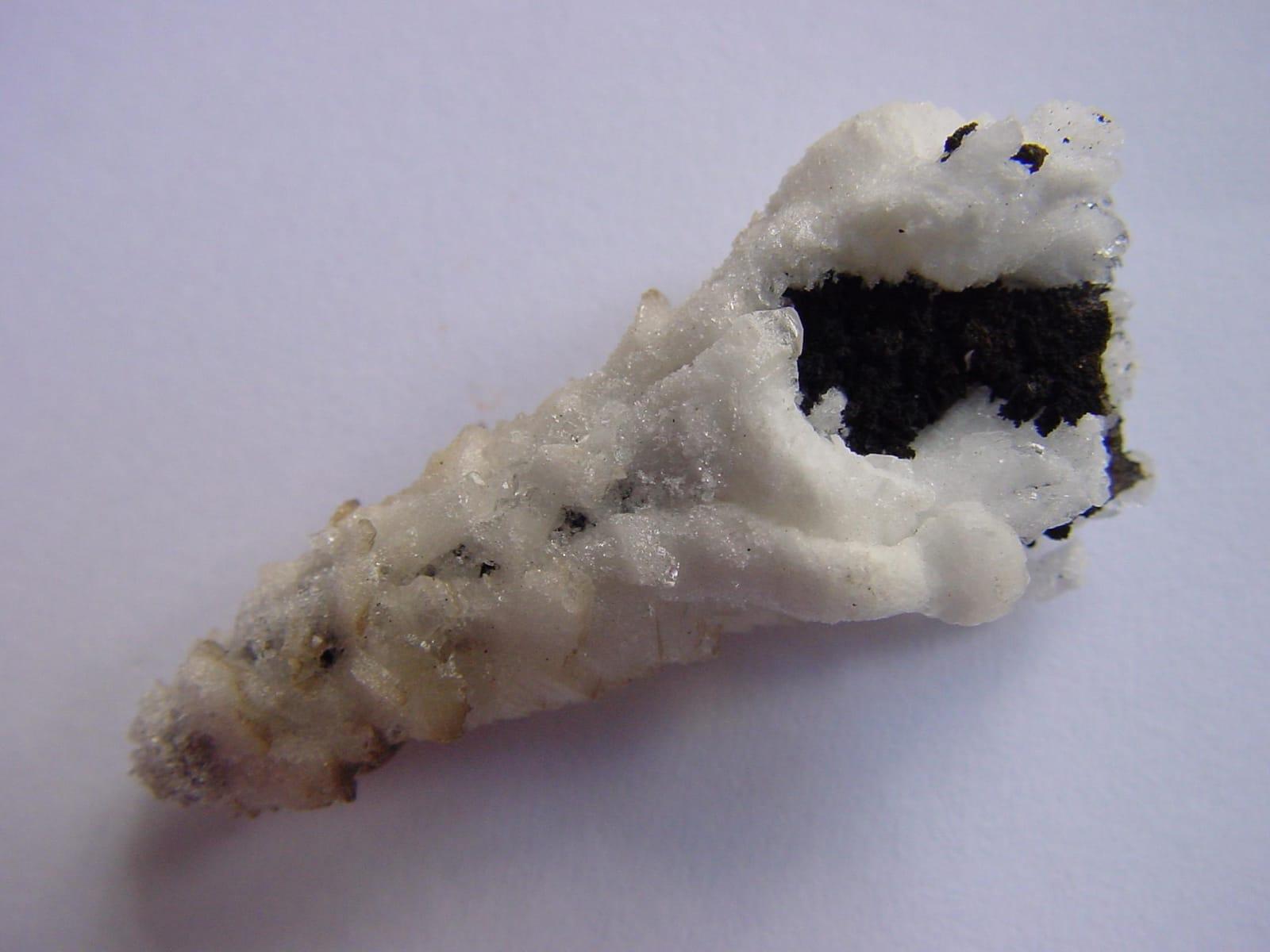
Gold Hill is one of Utah's most mineralogically varied old districts, with arsenic, gold, copper, lead, silver, tungsten, and zinc production tied to skarn, vein, and replacement deposits.
Azurite, Cerussite, Chalcopyrite, Chlorite
 Top pick
Tooele County
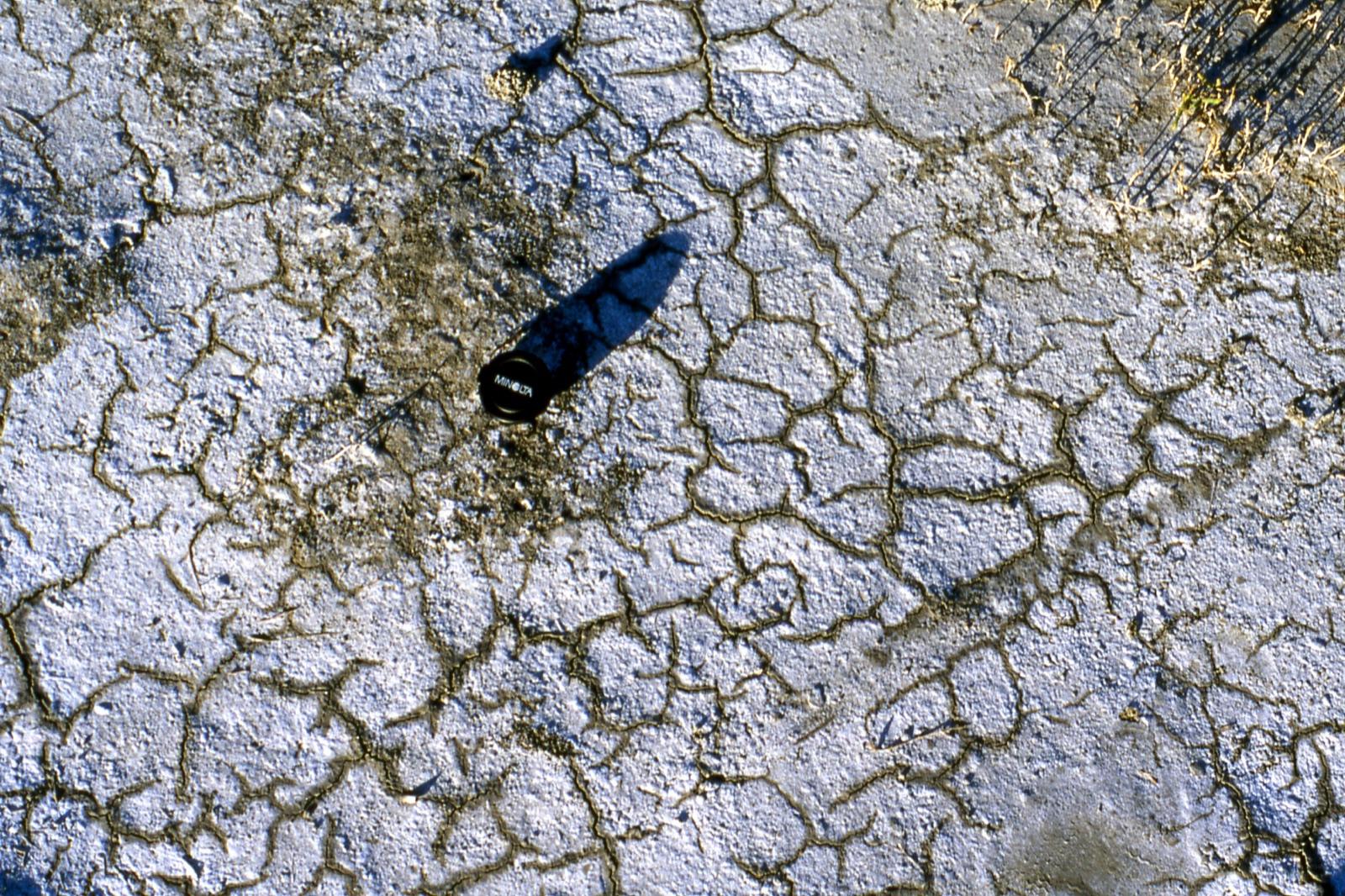
The Tooele side of Great Salt Lake offers an unusual sediment specimen rather than a hard-rock target: oolitic sand made of calcium-carbonate coats around tiny nuclei in shallow, wave-agitated brine.
Aragonite, Bloedite, Gypsum, Halite
 Top pick
Wayne County
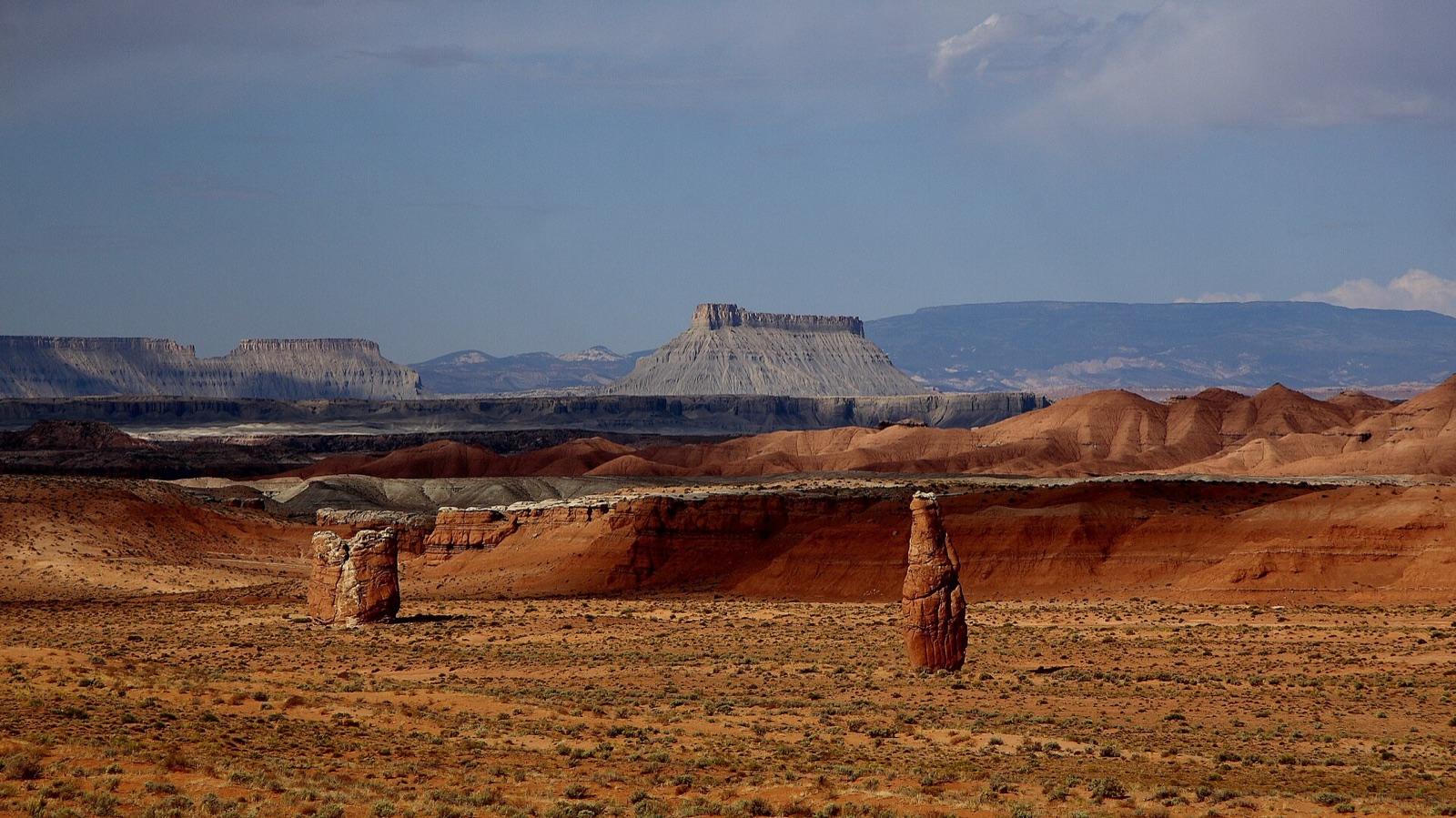
The Hanksville and Caineville stretch of Wayne County is a strong public-land agate and petrified-wood area because weathering has released chalcedony, chert, jasper, and silicified wood from Mesozoic sedimentary rocks.
Agate, Jasper, Petrified Wood
Sorted by county. Tap coordinates to open in Google Maps, or open RockHoundR for the full map view with land overlays and weather.
Open the RockHoundR app to see Utah on a real map with public land overlays, weather, geology, and your saved finds.