Big Bend region (West Texas)
Balmorhea blue agate (Stillwell, Woodward, Walker ranches, fee-dig only), Big Bend plume agates, opal, and red plume jasper. National park is off-limits.
Updated August 2026
95 mapped spots across 50 counties. Texas rockhounding spans agate fields in the Big Bend region, petrified palm wood across the south and east, and limestone fossils across most of the state. Public-collecting opportunities are concentrated on TPWD lands and a network of fee-dig sites.
The best rockhounding in Texas is at Colorado River at Smithville in Bastrop County (petrified palm wood, petrified wood), Llanite Roadcut on Highway 16 in Llano County (llanite, blue quartz), and Mineral Wells Fossil Park in Palo Pinto County (crinoid stem, brachiopod). In total, 95 mapped collecting spots across 50 counties produce agate, jasper, and petrified wood, each listed below with coordinates and land access notes.
Representative spot and material photos from locations in this state, shown where verified public image records are available.
Map showing 95 rockhounding spots in Texas
Counts reflect how many spots in this list mention each mineral.
Notable areas: Balmorhea agate, Big Bend agate (outside the park), Texas petrified palm wood, and Cretaceous fossils are common targets.
Texas is over 95% private land, so access matters as much as geology. The Big Bend region exposes Cretaceous limestones and Tertiary volcanics, including sources for Balmorhea blue agate and Big Bend plume agate. The Eagle Ford and Austin Chalk produce ammonites and shark teeth. South and east Texas Pleistocene gravels yield petrified palm wood, the state stone.
Balmorhea blue agate (Stillwell, Woodward, Walker ranches, fee-dig only), Big Bend plume agates, opal, and red plume jasper. National park is off-limits.
Cretaceous fossils (ammonites, oysters, mosasaur fragments) in road cuts and creek beds. Ladonia Fossil Park (paleontology park) is open to the public.
Texas petrified palm wood in Pleistocene gravels along the Brazos, Colorado, and Sabine rivers. Often on private ranchland, get permission.
Shark teeth, agatized coral, petrified wood, and Pleistocene shells on public beaches like Galveston, North Padre, and Bolivar.
October through April for Big Bend. For Central Texas fossils, spring creek floods can refresh gravel bars. Gulf Coast beach hunting improves after fronts push shells and gravel onshore.
West Texas: rattlesnake-aware boots, gallon-per-person water, sun shade. Fossil hunting: a small pick, brushes, and consolidant for fragile finds. Beach: a mesh bag and a stiff sifter.
Texas petrified palm wood was designated the state stone in 1969. Big Bend agate hunting dates back to ranch lease arrangements set up in the 1950s, many of the same families (Woodward, Stillwell) still operate the fee digs today.
Day-trip range. Each section lists the closest mapped rockhounding spots within about 150 miles of the city. Most are inside a 2 to 3 hour drive.
6 closest spots to Houston, TX.
6 closest spots to San Antonio, TX.
6 closest spots to Dallas, TX.
Geology rarely respects state borders. These states share mapped rockhounding country with Texas, useful when Texas is the start, not the whole trip. Each card links to the closest county across the line.
County pages are linked once we have at least 3 mapped spots for a focused guide with coordinates, mineral notes, and nearby spots.
Hand-picked standouts from the Texas list, chosen for unusual mineralogy, documented public access, or both. Each card links to coordinates, access notes, and what to look for.
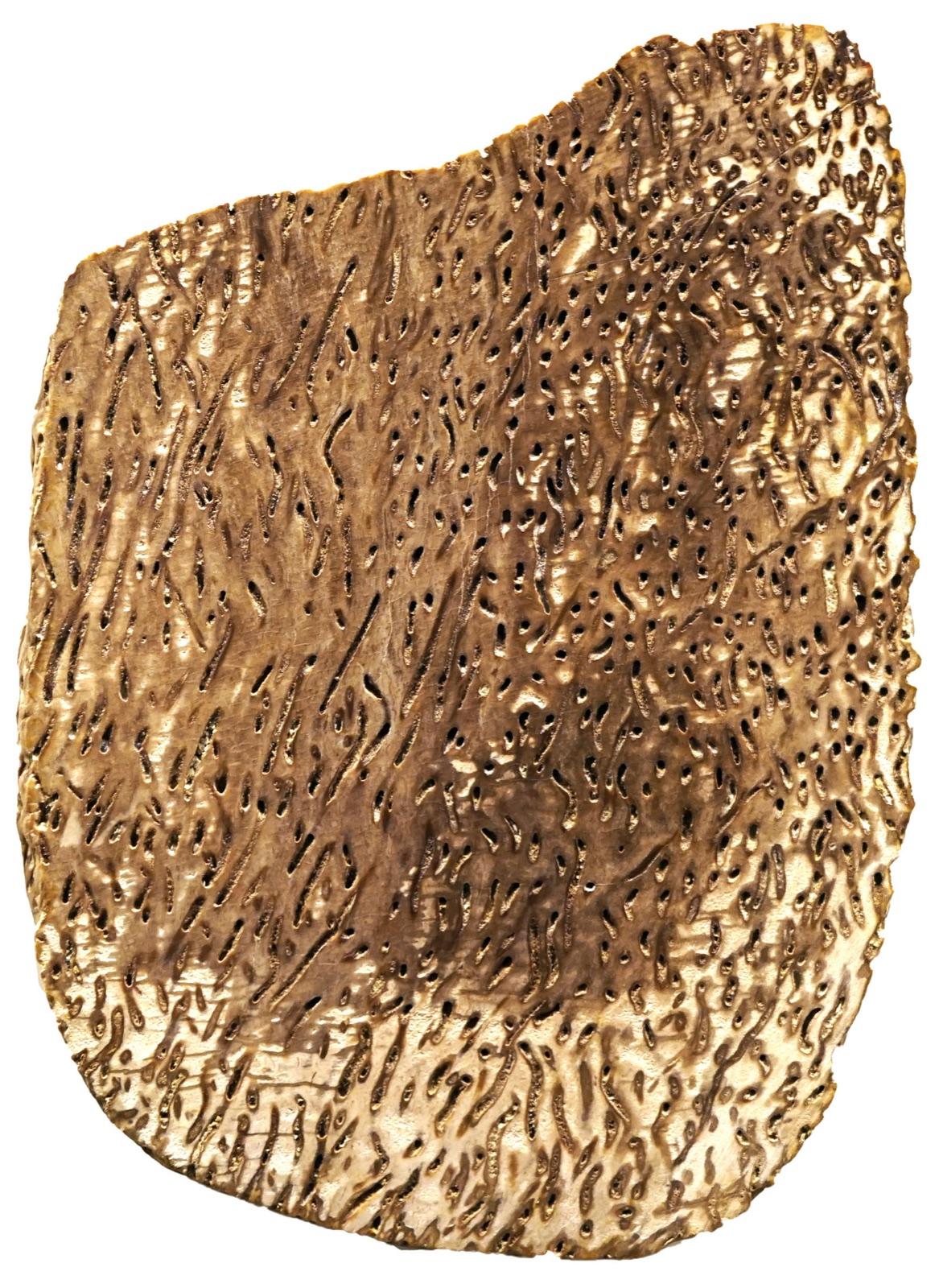 Top pick
Bastrop County
The Colorado River at Smithville is a navigable Texas river, so its bed is state-owned public land, and the City of Smithville maintains free river access at Vernon L. Richards Riverbend Park beneath the Highway 71 bridges.
Petrified Palm Wood, Petrified Wood, Agate
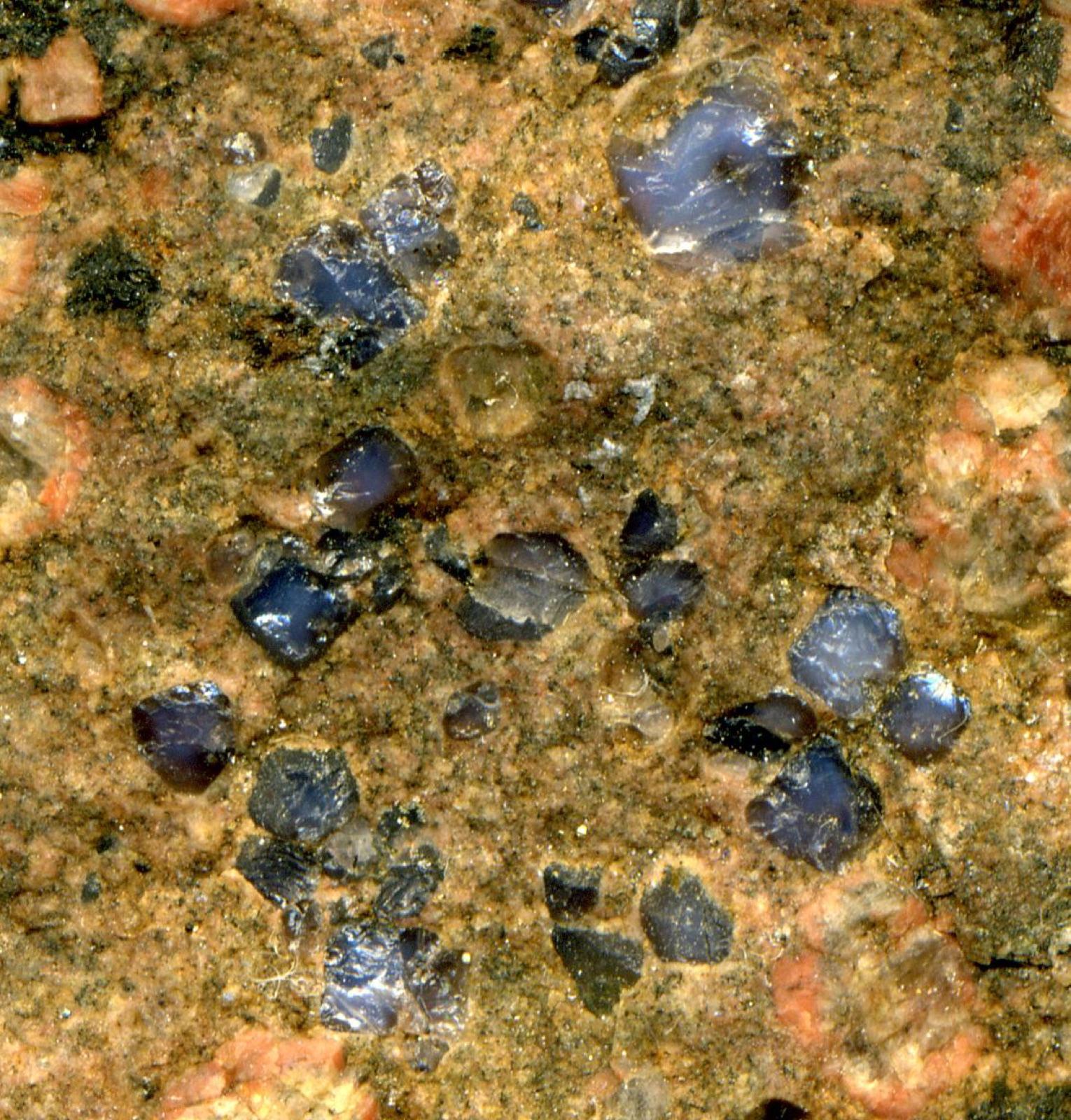 Top pick
Llano County
The roadcut on Texas Highway 16 about nine miles north of Llano slices through the only known outcrop of llanite, a 1.1-billion-year-old rhyolite porphyry flecked with blue quartz crystals found essentially nowhere else on Earth.
Llanite, Blue Quartz
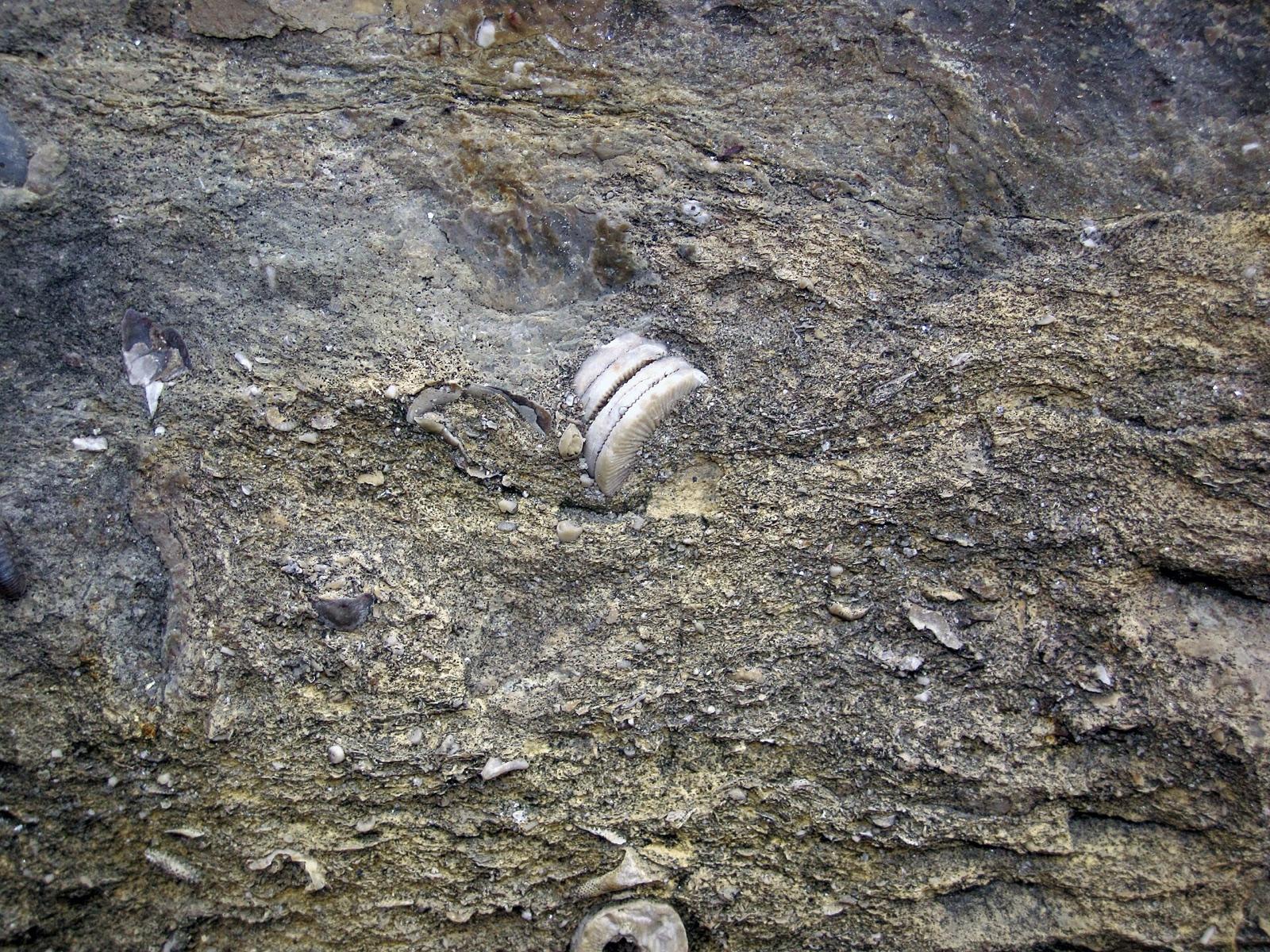 Top pick
Palo Pinto County
Mineral Wells Fossil Park exposes Pennsylvanian marine shale roughly 300 million years old, where eroded slopes yield abundant crinoid stems, brachiopods, sea urchins, and bivalves.
Crinoid Stem, Brachiopod, Echinoid, Bivalve
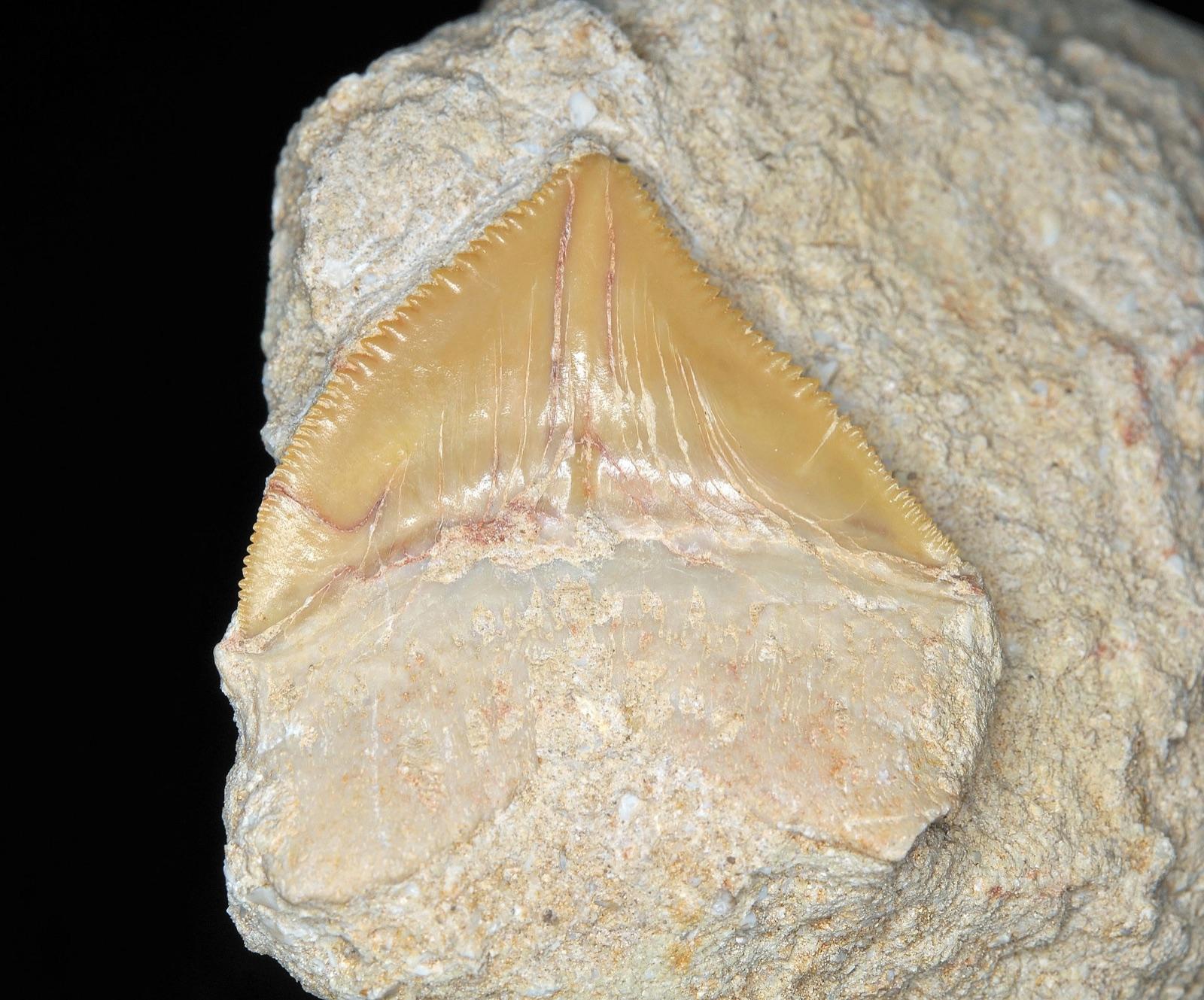 Top pick
Fannin County
The North Sulphur River channel at Ladonia cuts into Late Cretaceous marine beds that yield shark teeth, mosasaur teeth and bone, ammonites, and Exogyra oysters.
Fossilized Shark Tooth, Ammonite, Mosasaur Tooth, Fossilized Oyster
 Top pick
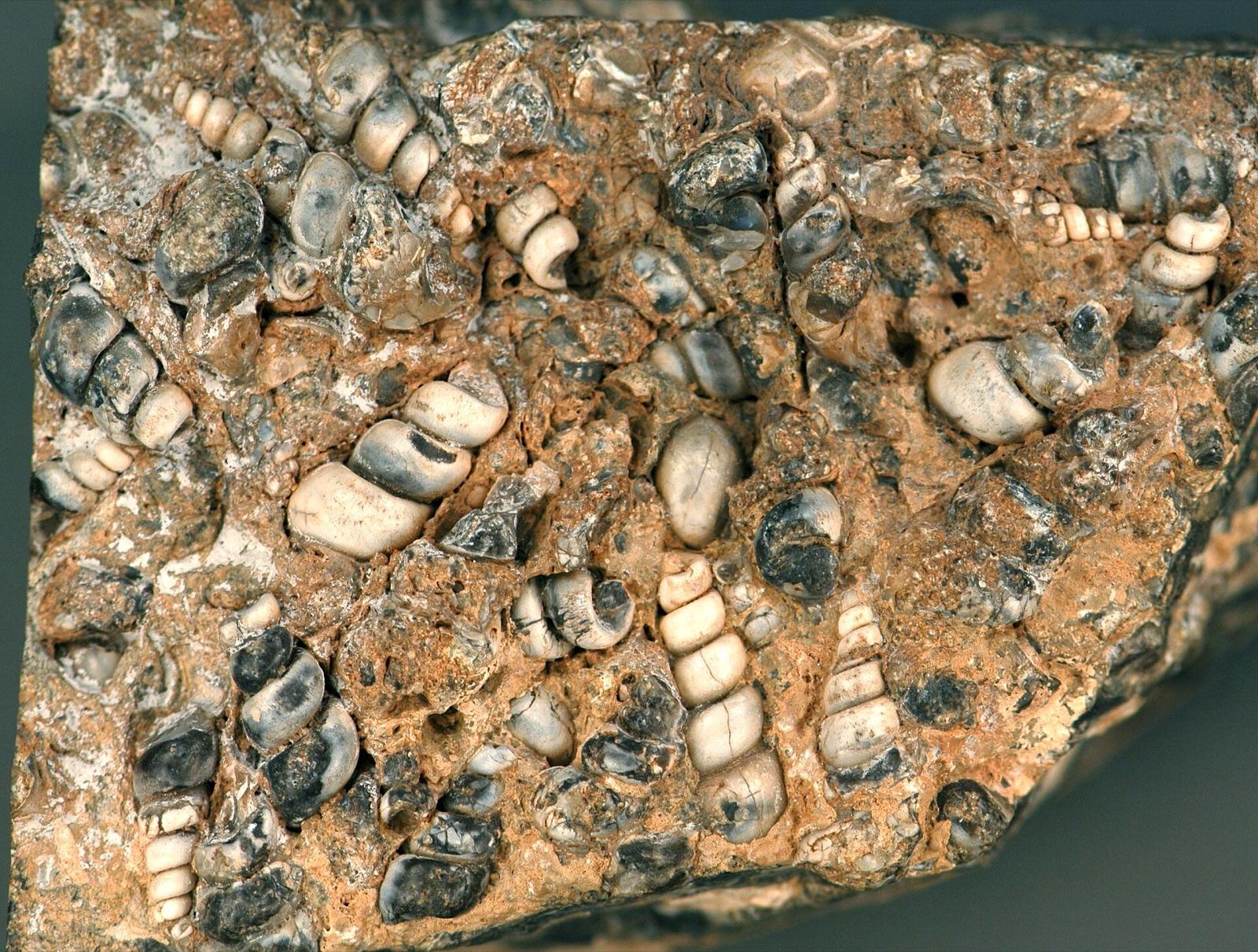
Burleson County
Whiskey Bridge exposes the Stone City beds of the Eocene Crockett Formation, widely regarded as the most fossiliferous marine outcrop in Texas, with well over 200 identified species.
Fossil Snail, Fossilized Shell, Coral, Scaphopod
 Top pick
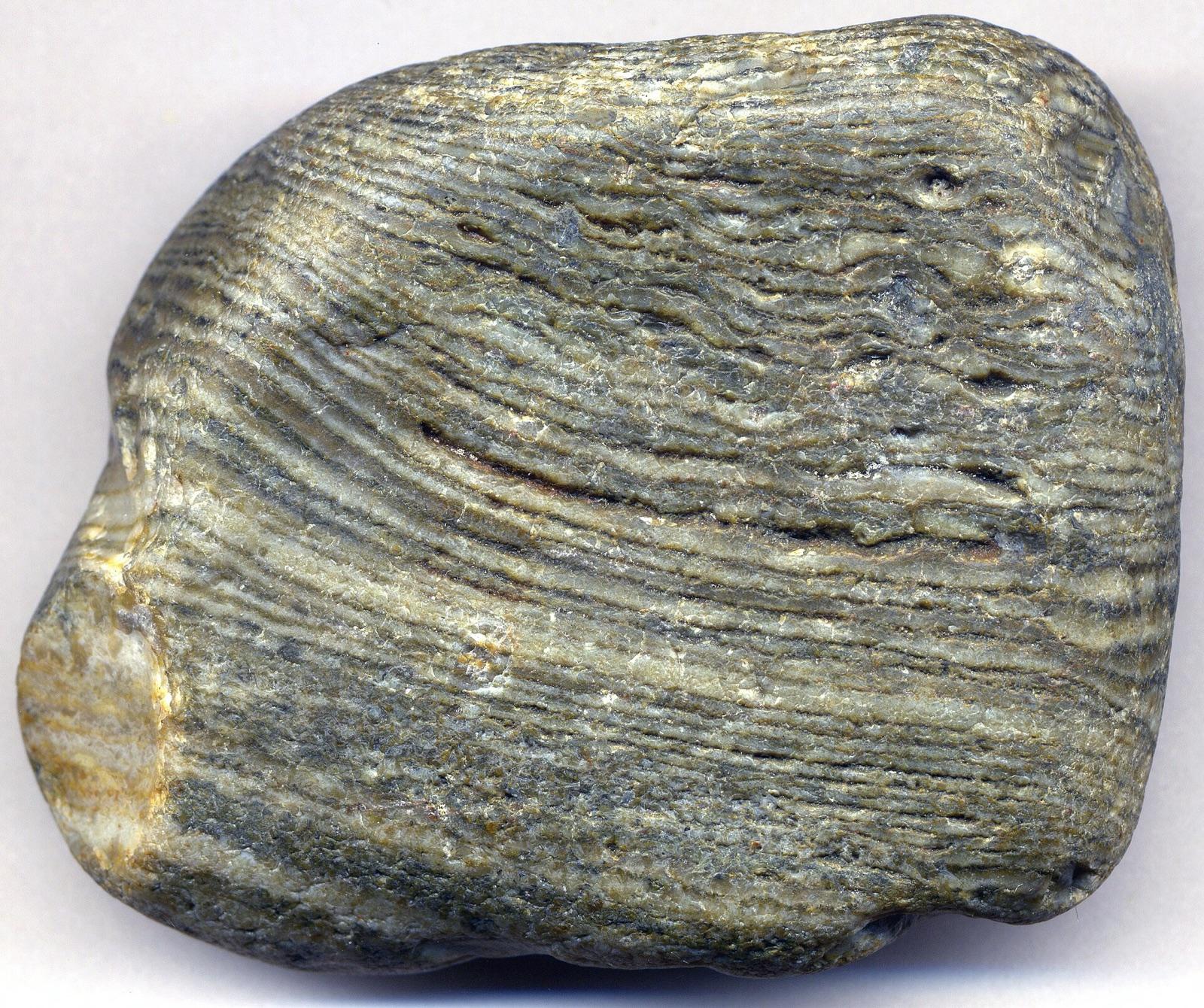
McLennan County
The Brazos is a navigable Texas river, so its bed is state-owned and open to public use where reached from a public access point.
Petrified Wood, Agatized Wood, Agate, Jasper
 Top pick
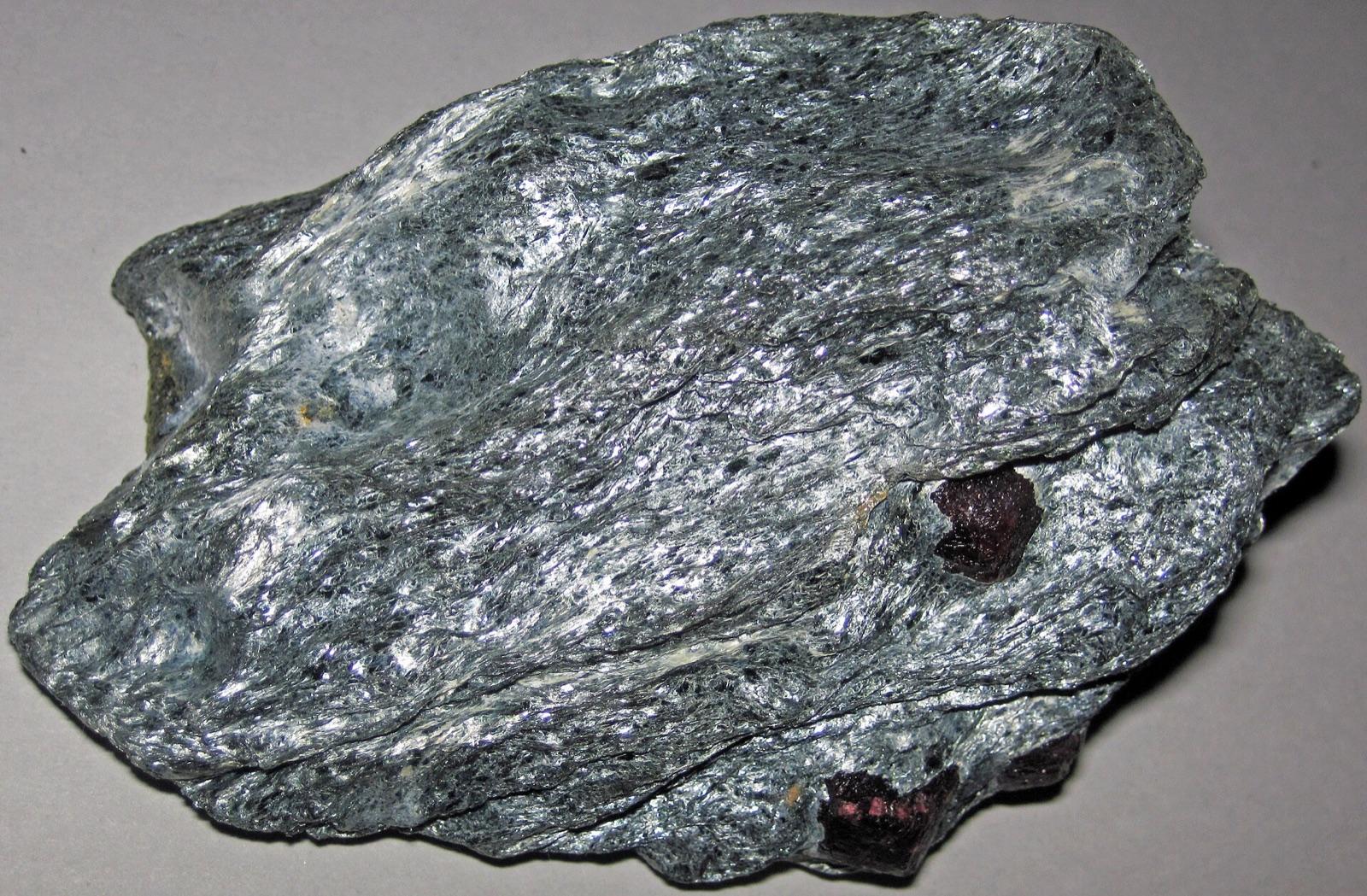
Llano County
The Llano River cuts through the Precambrian Llano Uplift, so its gravels carry granite, gneiss, schist, garnet, and quartz, including the blue quartz that defines local llanite.
Blue Quartz, Quartz, Almandine Garnet, Granite
 Top pick
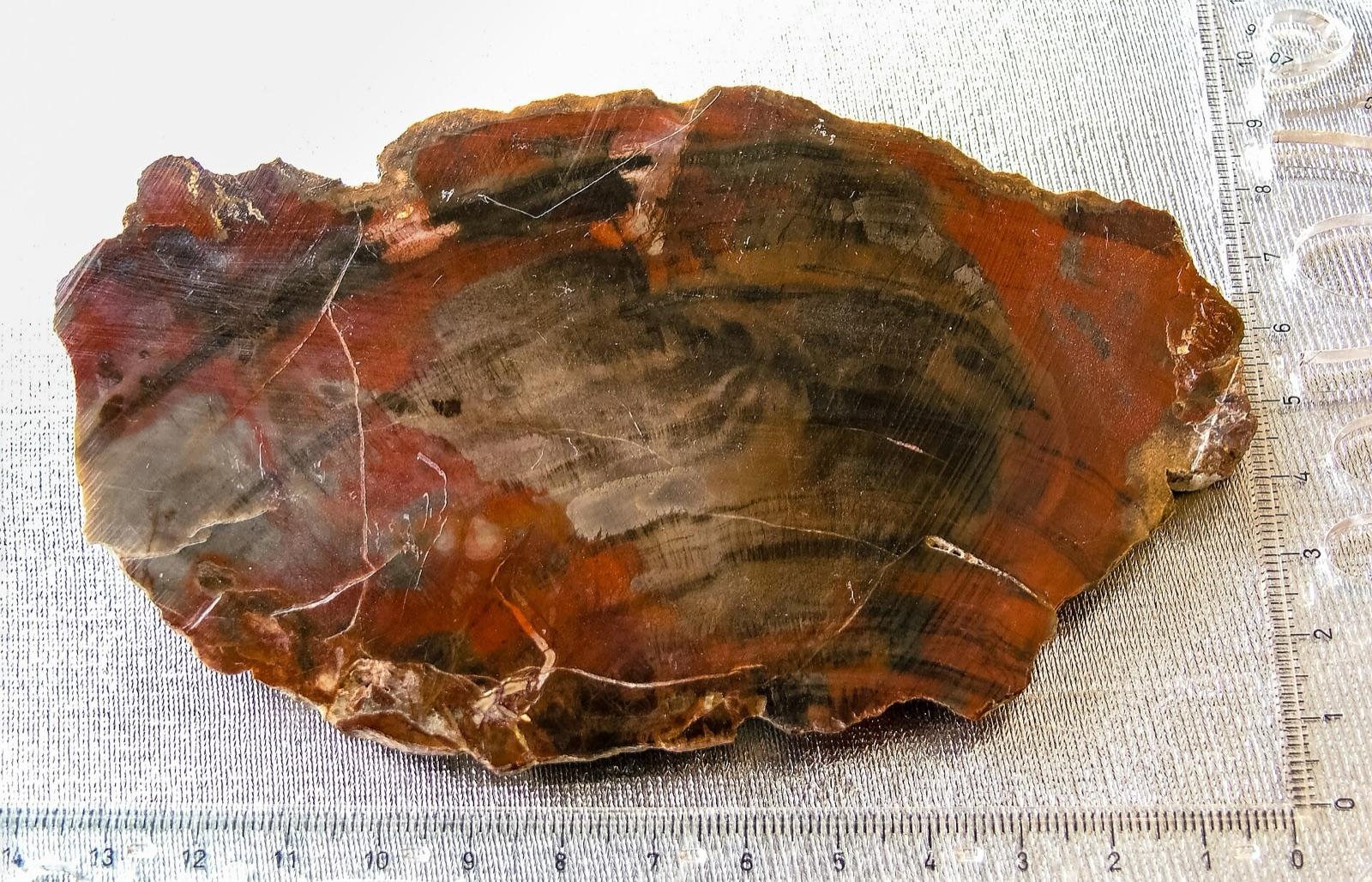
Houston County
The Davy Crockett National Forest sits in the petrified-wood belt of East Texas, where silicified and agatized wood weathers out of Catahoula and Manning Formation gravels alongside jasper and agate.
Petrified Wood, Agatized Wood, Jasper, Agate
 Top pick
San Jacinto County
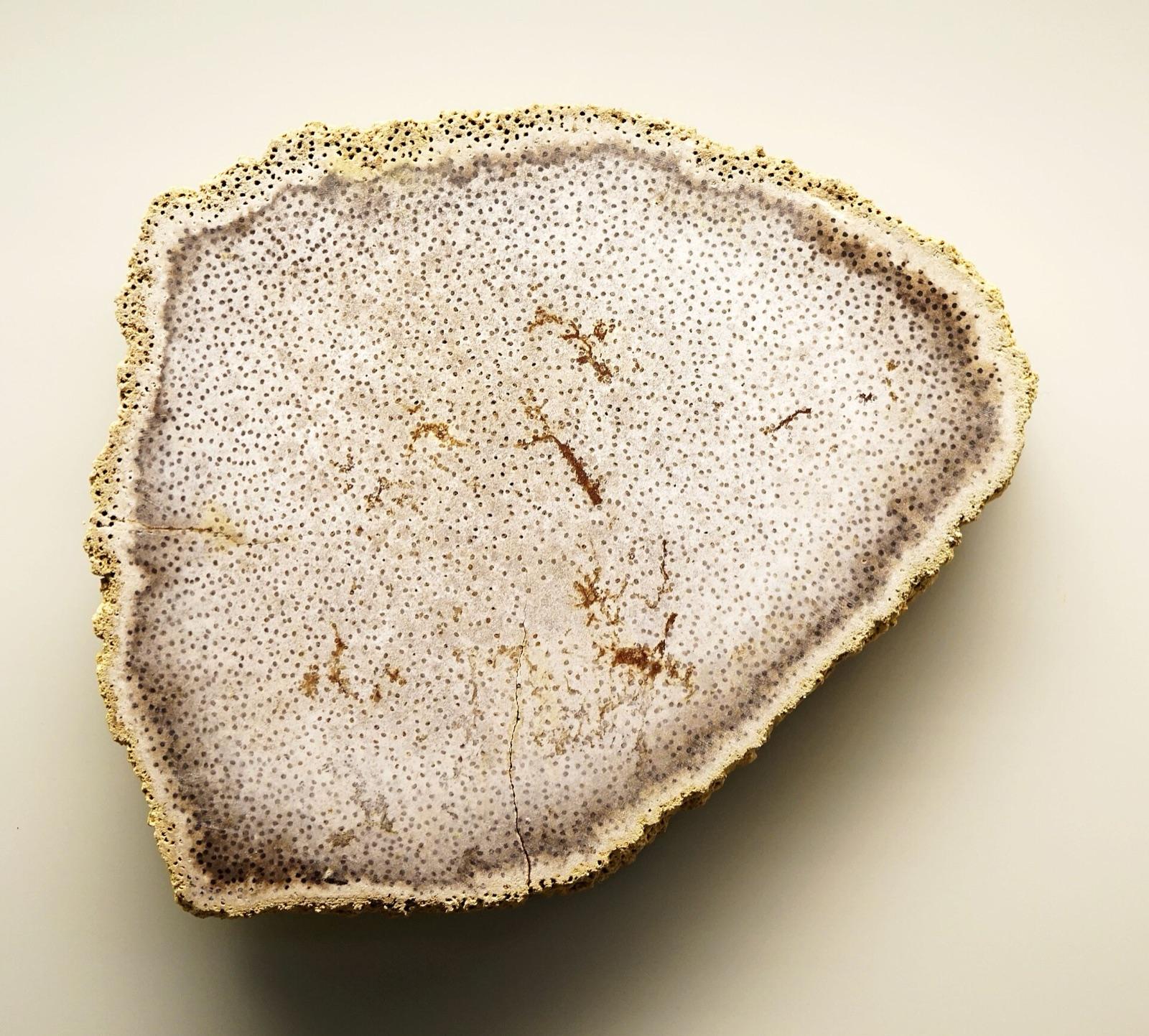
Sam Houston National Forest carries petrified palm wood, the official Texas state stone since 1969, along with agate, jasper, and chalcedony weathered from young Gulf Coastal Plain gravels.
Petrified Palm Wood, Petrified Wood, Agate, Jasper
 Top pick
Wise County
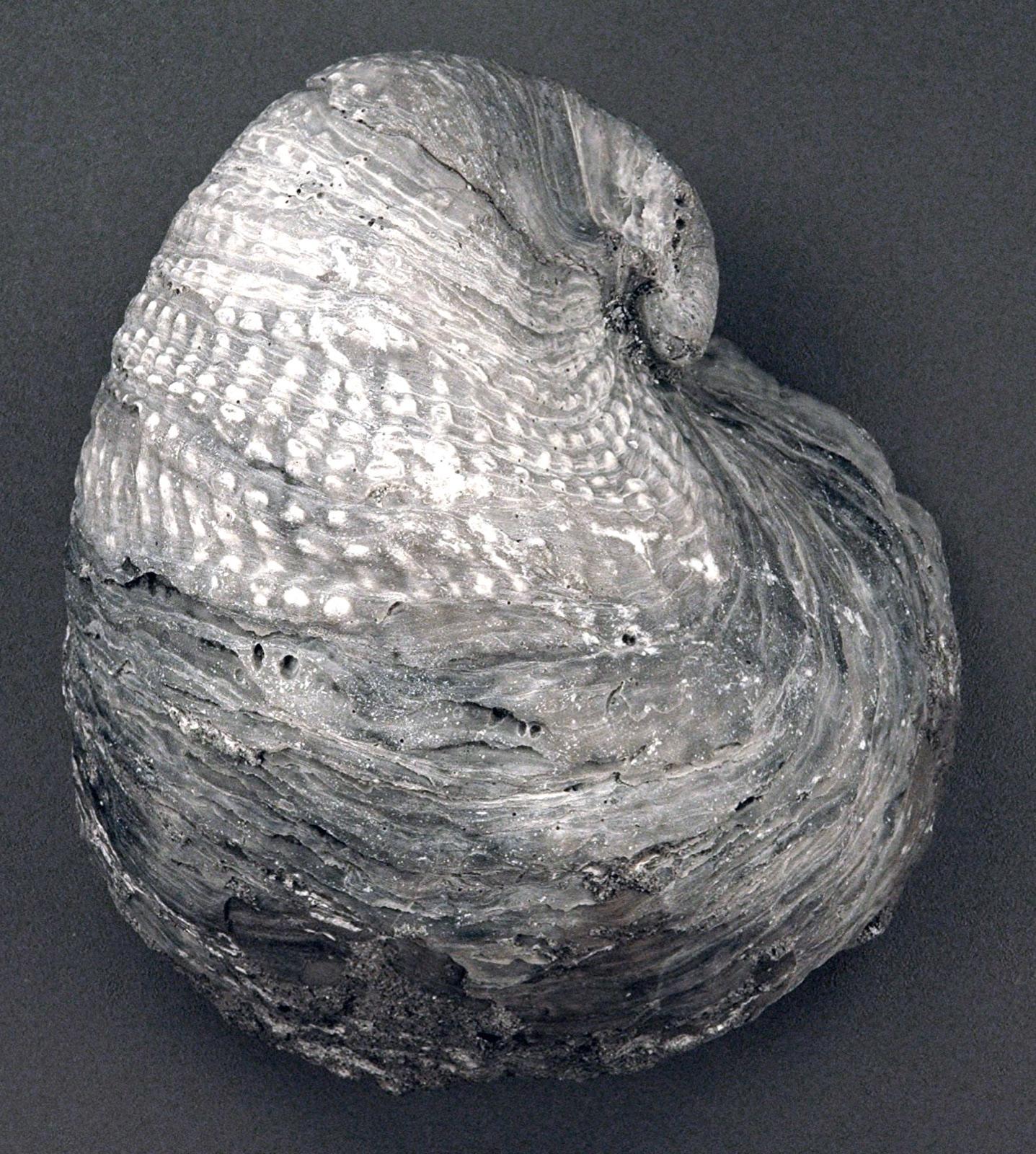
The Lyndon B. Johnson National Grassland exposes Cretaceous limestone full of fossil oysters along its ridges, plus agate, chert, and petrified wood in its sandy soils.
Fossilized Oyster, Agate, Petrified Wood, Chert
Sorted by county. Tap coordinates to open in Google Maps, or open RockHoundR for the full map view with land overlays and weather.
Open the RockHoundR app to see Texas on a real map with public land overlays, weather, geology, and your saved finds.