246 mapped spots across 29 counties. Utah has several well-known rockhounding areas close enough to build a trip around: Topaz Mountain, the Dugway geode beds, the San Rafael Swell, and the trilobite beds near Delta. Common targets include topaz, red beryl, geodes, trilobites, and septarian nodules.
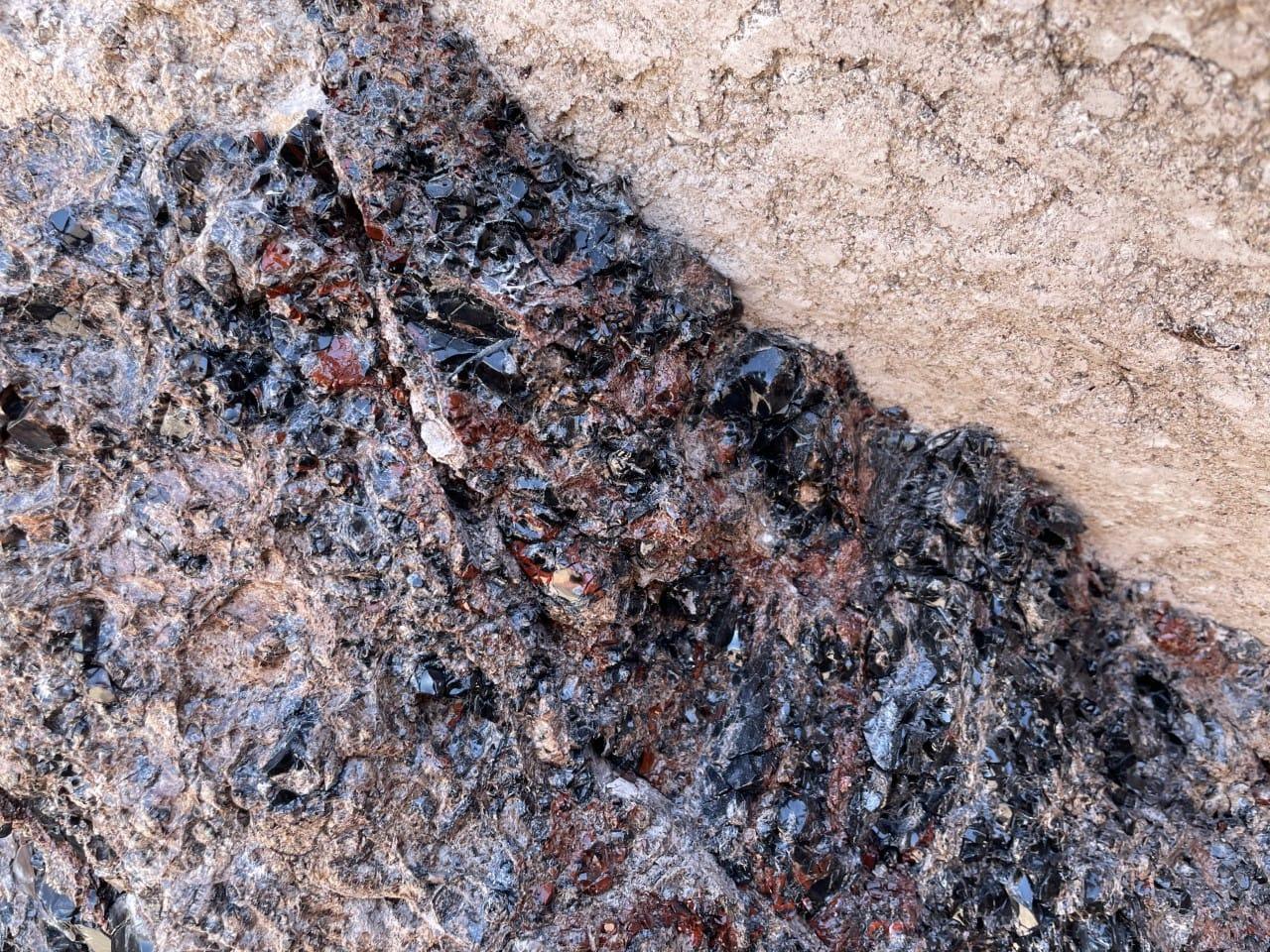
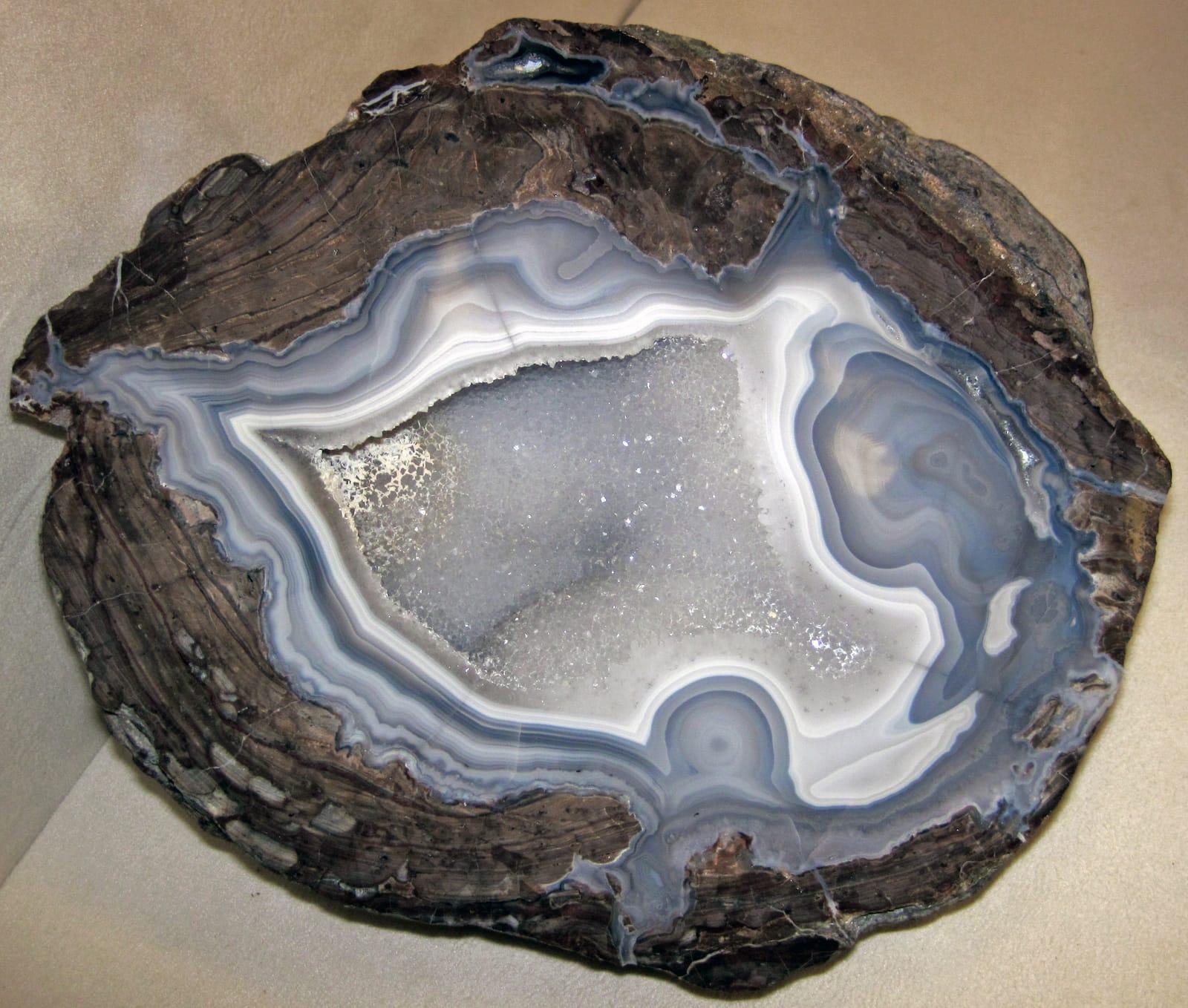
Utah rockhounding photos
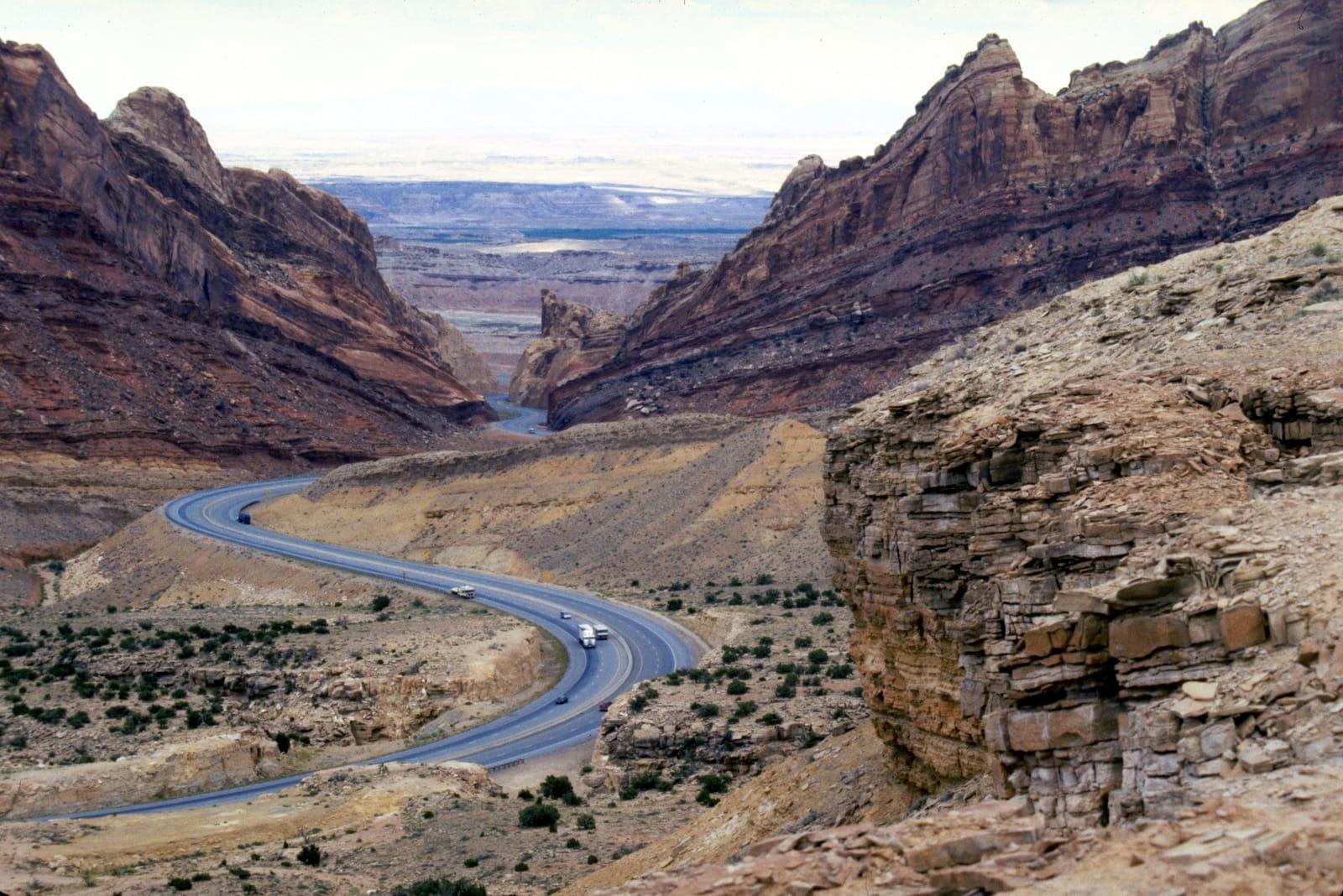
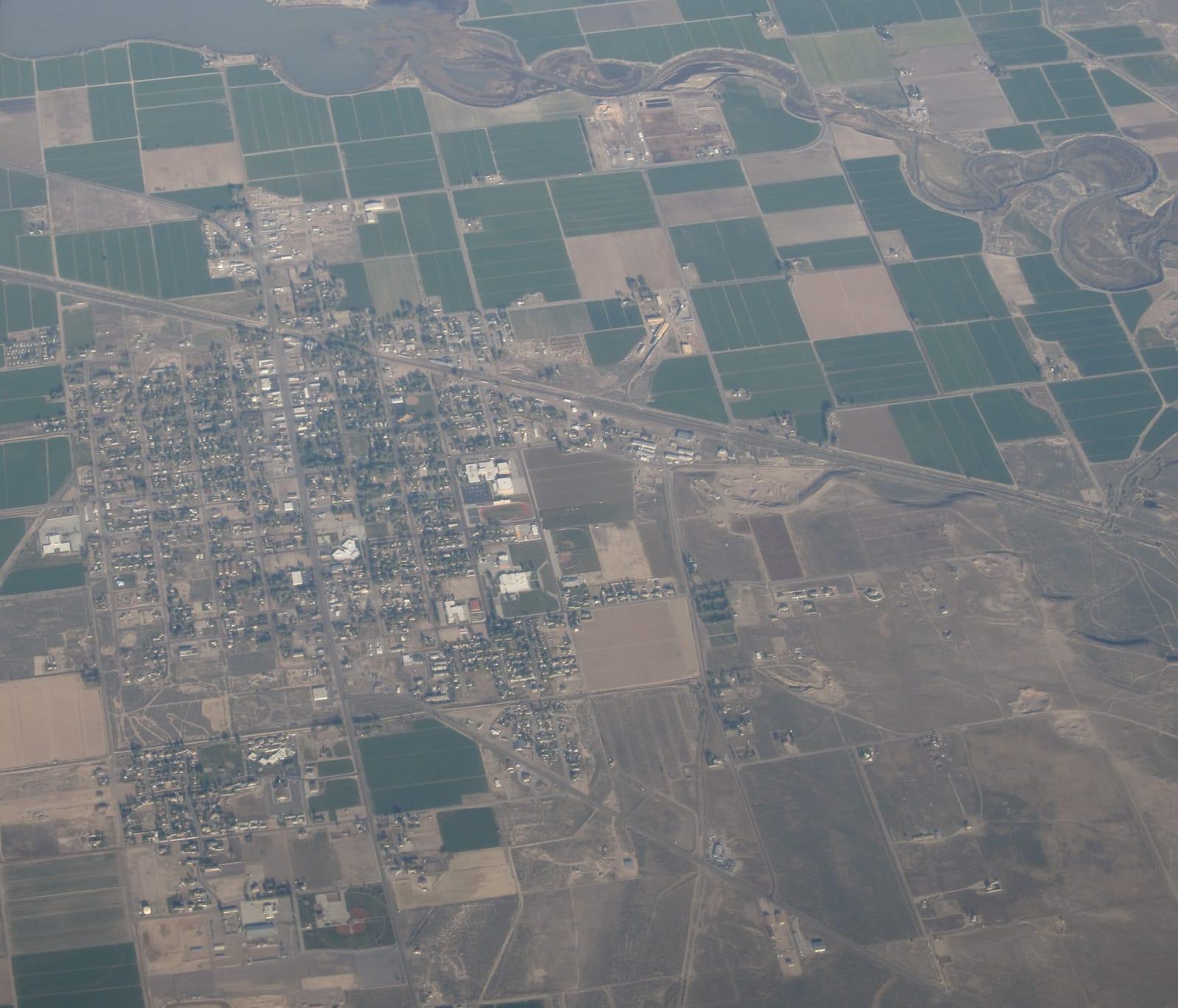
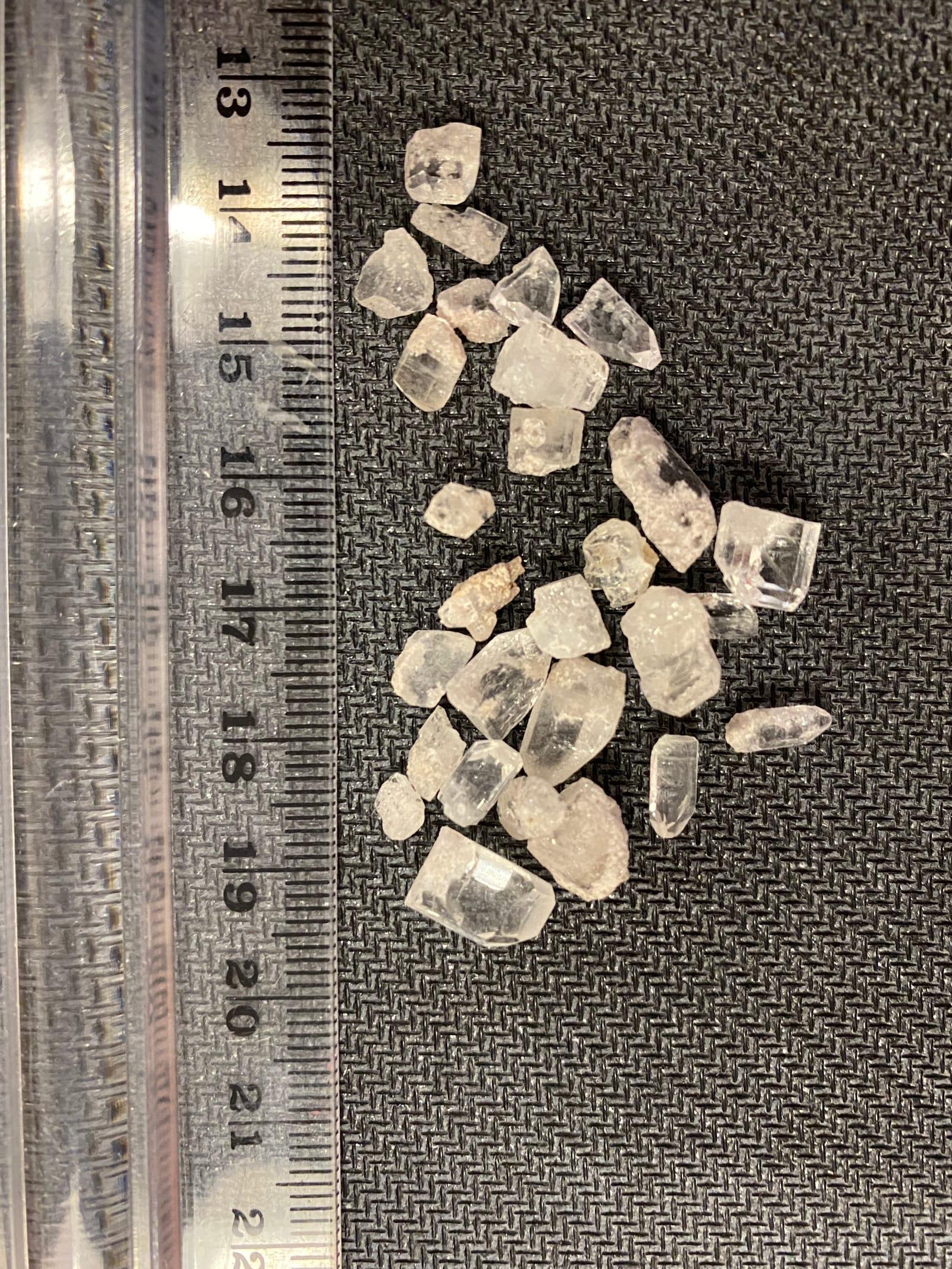
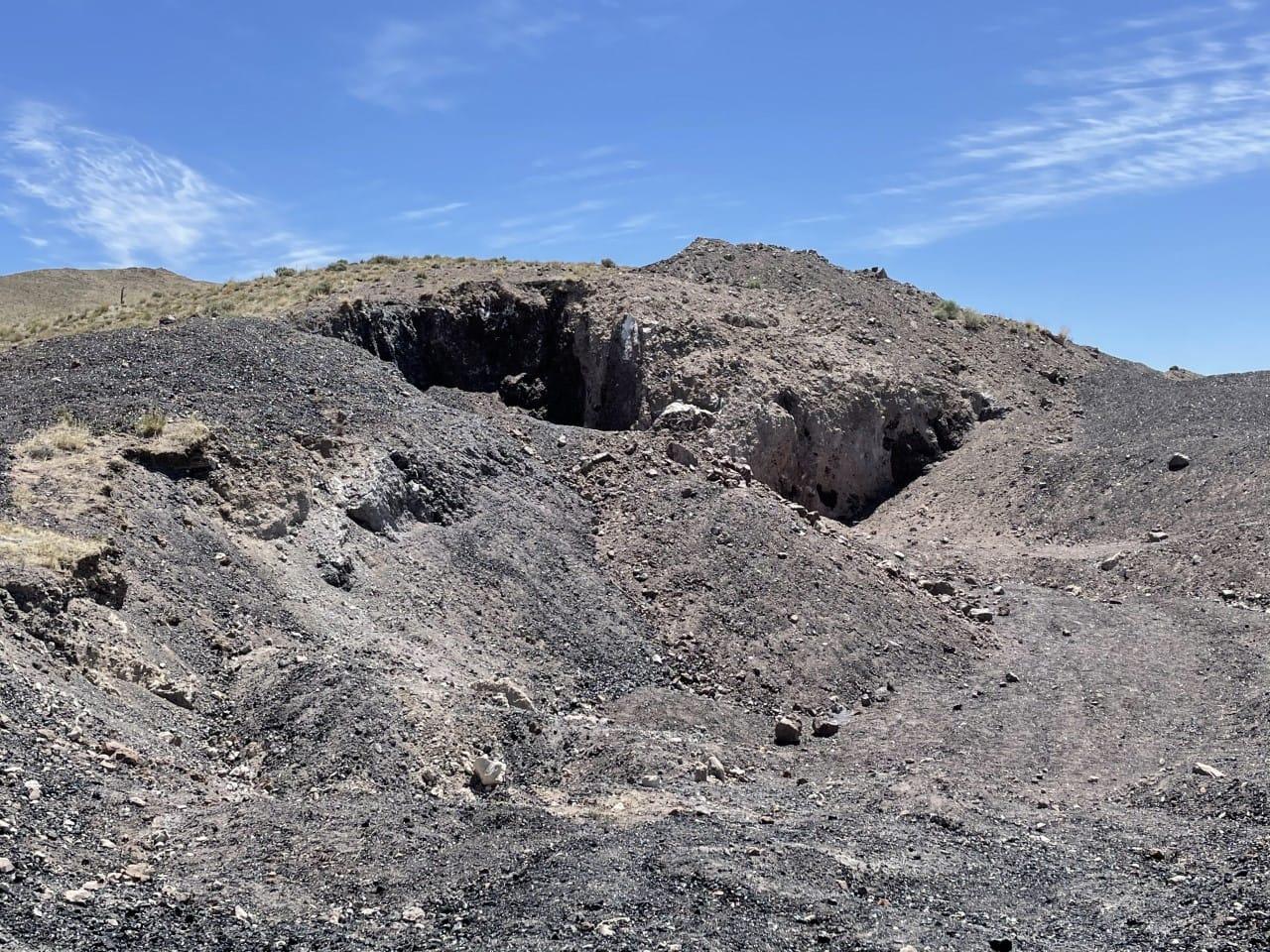
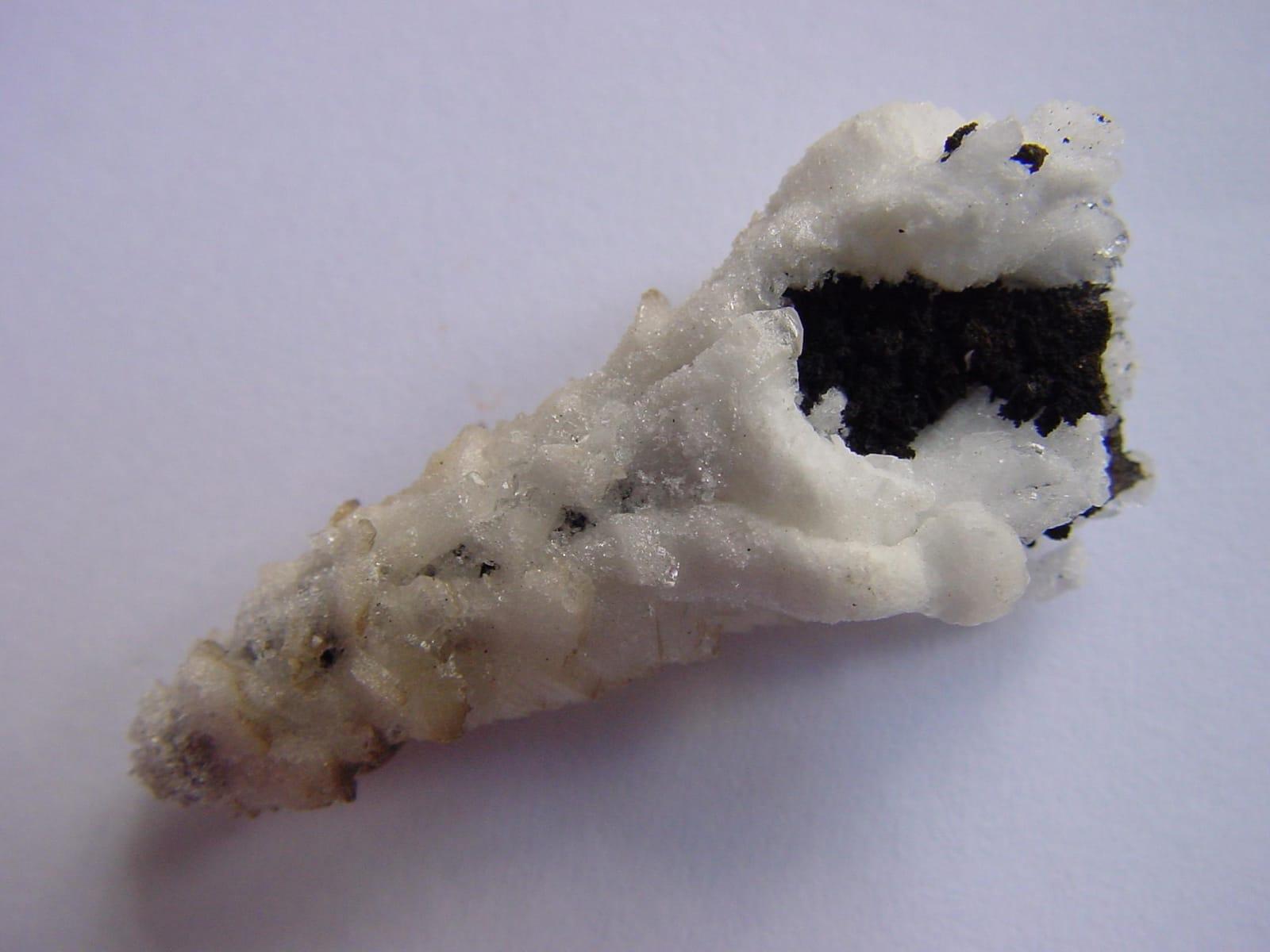
Representative spot and material photos from locations in this state, shown where verified public image records are available.
Notable areas: Dugway geodes, Topaz Mountain topaz, Brian Head agate, and the trilobite quarries near Delta are common Utah trip targets.
Geology behind Utah rockhounding
Utah collecting breaks into three broad regions: the Basin and Range west of I-15, the Colorado Plateau in the east and southeast, and the Uinta-Wasatch mountain belt. Topaz Mountain, Dugway, the Thomas Range, and the House Range sit in the west desert. The San Rafael Swell is known for septarian nodules, agatized dinosaur bone, and picture sandstone. The House Range Cambrian shales produce trilobites at U-Dig and Antelope Springs.
Best regions to focus your search
West desert / Thomas Range
Topaz Mountain topaz, red beryl float (display only — claims are tight), bertrandite, opal, and bixbyite. Topaz Mountain has a permanent public collecting area.
House Range / Millard County
Trilobites at U-Dig and Antelope Springs, brachiopods, snail-shell fossils. Pay-to-dig and remote BLM ground.
San Rafael Swell & southeast Utah
Septarian nodules, agatized dinosaur bone (gem-quality bone may require permits — check rules), Moqui marbles, picture sandstones.
Wasatch & Uinta mountains
Garnet schist, hot-springs travertine, mine dump material above Park City and Alta. Heavy snow into June.
Best season
April through June and September through October are the easiest months. July and August in the west desert often clear 100°F with no shade. Mountain locations can stay snowbound through May.
What to bring
Topaz Mountain in particular needs a 5-gallon bucket, 1/4-inch screen, geology pick, and patience for the heat. Trilobite digs supply hammers but bring safety glasses. Carry well more water than you think you'll need in the west desert.
Local collecting history
Topaz Mountain has been a public collecting area since the 1970s, when BLM designated parts of it for recreational rockhounding. Red beryl, also called bixbite, was first described from the Thomas Range and remains a rare Utah gemstone.
Rockhounding near major Utah cities
Day-trip range. Each section lists the closest mapped rockhounding spots within about 150 miles of the city — most are inside a 2 to 3 hour drive.
Geology rarely respects state borders. These states share mapped rockhounding country with Utah — useful when Utah is the start, not the whole trip. Each card links to the closest county across the line.
Hand-picked standouts from the Utah list, chosen for unusual mineralogy, documented public access, or both. Each card links to coordinates, access notes, and what to look for.
Yes on most BLM and SITLA land. Utah's five national parks (Arches, Bryce, Canyonlands, Capitol Reef, Zion), state parks, and tribal lands are closed. Always confirm rules at the local BLM field office — Grand Staircase-Escalante and Bears Ears have unit-specific restrictions.
Can I dig at Topaz Mountain?+
Yes. Topaz Mountain is a public BLM collecting area in the Thomas Range west of Delta. Hand digging in talus, screening, and small-scale picking are allowed. Bring a screen, a bucket, water, and sun protection — there is no shade.
Are gem-quality petrified bone and trilobites legal to keep?+
Trilobites and other invertebrate fossils are legal to keep in reasonable amounts on BLM land. Vertebrate fossils (including dinosaur bone) are federally protected — you may collect small amounts of common, non-gem petrified bone for personal use under BLM rules, but commercial collection and gem-grade bone usually require a permit.
What is the BLM rockhounding limit in Utah?+
Up to 25 pounds per day plus one piece, capped at 250 pounds per calendar year per person, for common rocks, mineral specimens, and semiprecious gemstones. Limits cannot be pooled between collectors.
Where can I dig for trilobites in Utah?+
U-Dig Fossils in the House Range (Millard County) is a popular pay-to-dig trilobite quarry. Antelope Springs is the public alternative on nearby BLM land, with similar Cambrian shale beds and free access.
Map every Utah spot in the app
Open the RockHoundR app to see Utah on a real map with public land overlays, weather, geology, and your saved finds.

 Top pick
 Top pick
 Top pick
 Top pick
 Top pick
 Top pick
 Top pick