Puddingstone is a type of conglomerate sedimentary rock consisting of rounded, colorful pebbles embedded in a finer-grained matrix. It is highly valued by collectors for its resemblance to a pudding filled with fruit, often featuring contrasting colors between the clasts and the groundmass.
Is this puddingstone?
2-step field checkRun through these checks against the specimen in your hand. The more boxes tick, the more confident the ID.
- 1Match the color rangeCompare against the expected color range: multicolored, gray, red, white, brown.
- 2Look at form & habitTypical habit: rounded pebbles in matrix.
Often confused with
Puddingstone vs. its common look-alikes, and how to tell them apart in the field.


Often found alongside puddingstone
Minerals reported to co-occur with puddingstone. Spotting these in float or country rock is a strong cue you are in the right ground.
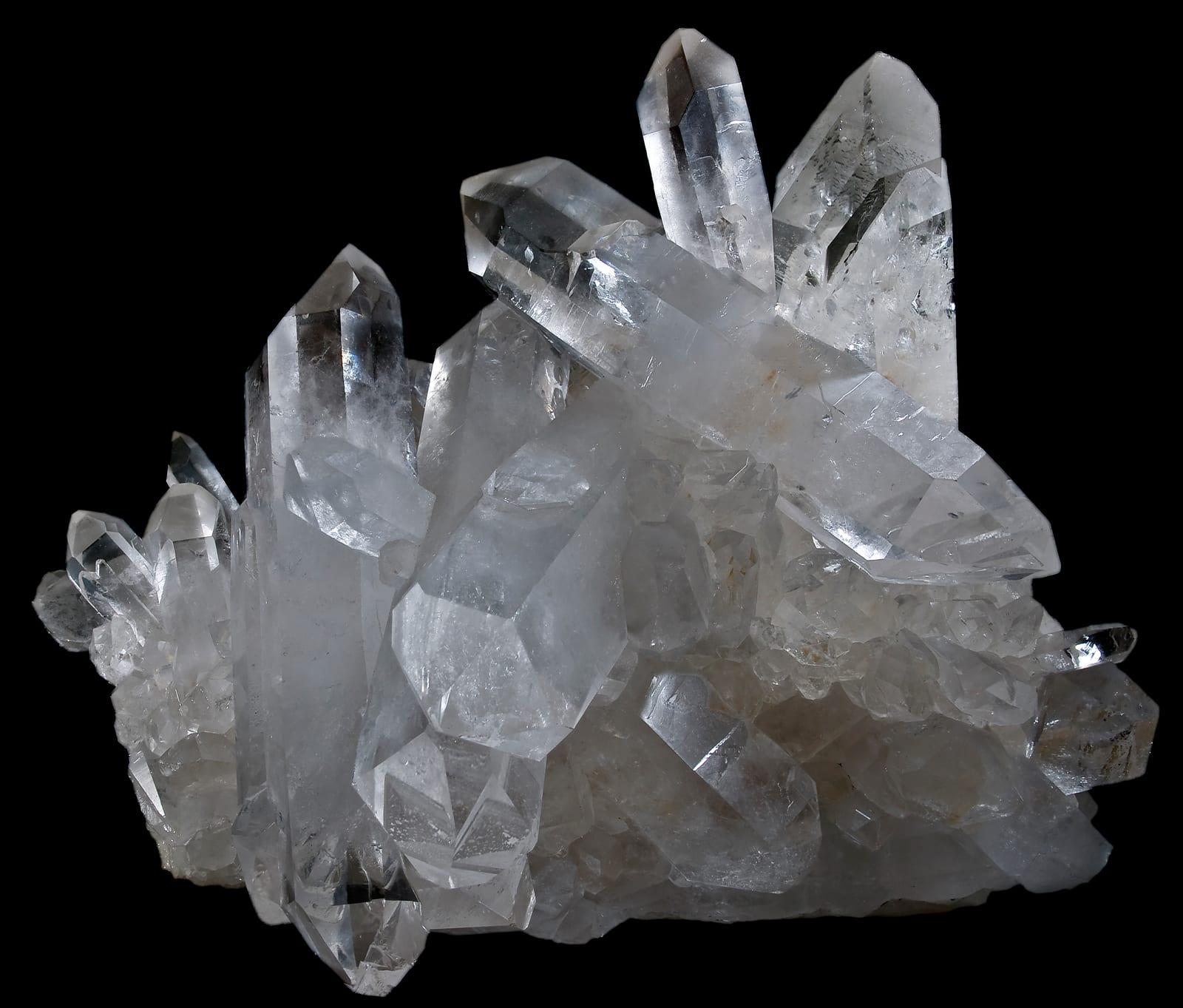
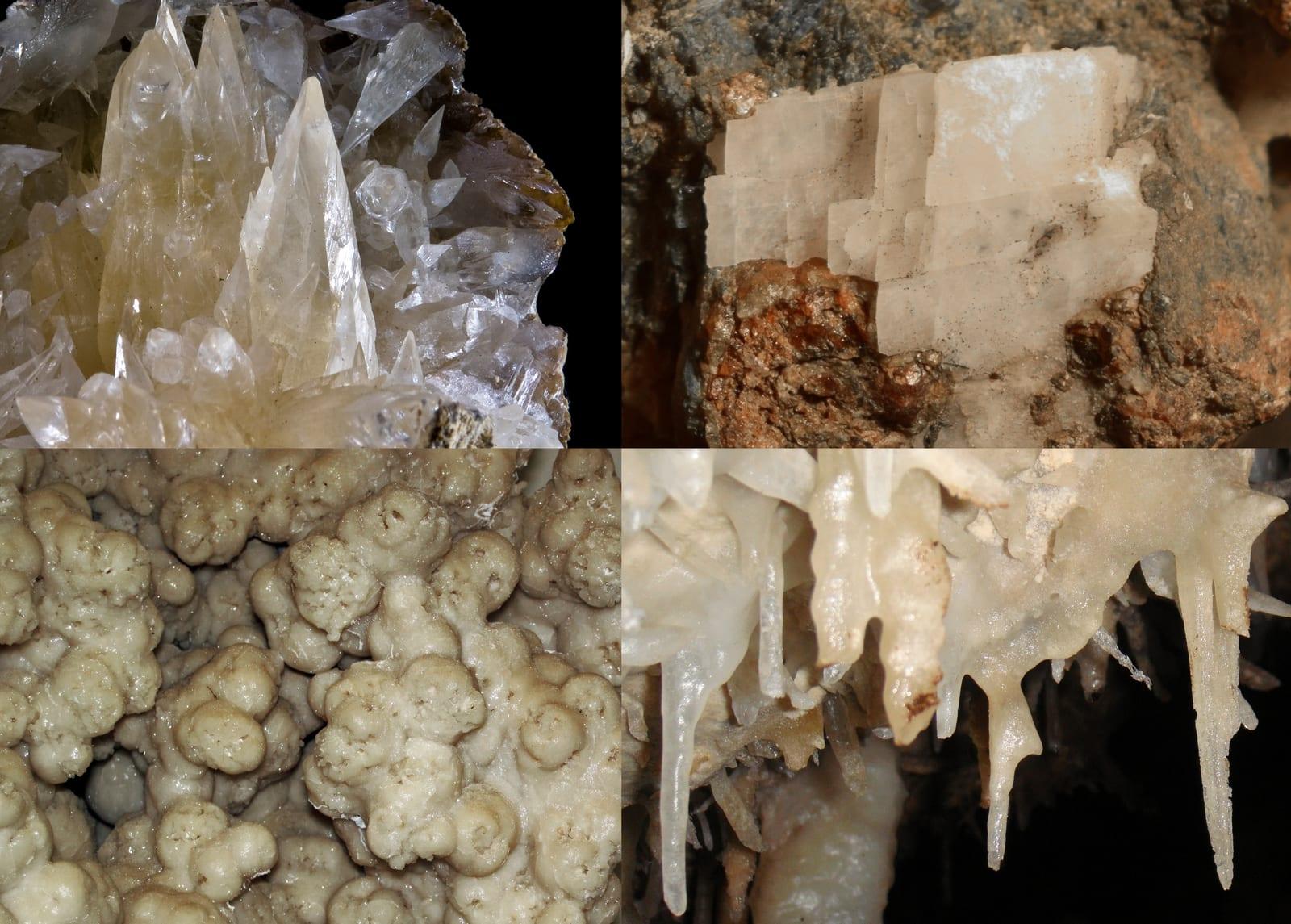
All properties
- Transparency
- Opaque
- Crystal habit
- Rounded Pebbles in Matrix
- Rarity
- Common
- Uses
- Decorative, Lapidary, Collector
- Host rock
- Sedimentary Basins
Where rockhounds find puddingstone
9 mapped spotsClassic worldwide localities
- Michigan, USA
- United Kingdom
- Ontario, Canada
- New England, USA
Field-hunting tip
Look in sedimentary basins country, the host setting where puddingstone typically forms. If you start seeing quartz, calcite, iron oxides in float, you are in the right ground. Field specimens usually show a rounded pebbles in matrix habit, so train your eye for that shape before scanning the outcrop. In the U.S., the densest reported localities are in Michigan, Maryland. Start trip planning there.
Common questions
Where is puddingstone found?+
Can I find puddingstone in the United States?+
What rocks look like puddingstone?+
What minerals are found with puddingstone?+
What kind of rock does puddingstone form in?+
What is puddingstone used for?+
Find puddingstone on the map
RockHoundR shows mapped rockhounding spots, access rules, and lets you log every find.